Athens and the Greek Islands offer one of travel’s most satisfying combinations: world-class ancient history, impossibly beautiful scenery, and an unhurried pace that makes it easy to stay longer than you planned. Whether you are drawn by Santorini sunsets, the Parthenon, or the quiet magic of a harbor dinner, Greece delivers on every front.
Some destinations earn their reputation. Greece is one of them.
I have helped many clients plan trips to this part of the world, and the feedback is almost always the same: they wish they had stayed longer. That tells you something. This is a place that gets under your skin, not because it is trying to impress you, but because it simply is impressive. A 2,500-year-old temple. A cliffside village that looks as if it were painted by hand. A plate of grilled octopus at a table two feet from the Aegean. There is a reason Greece has been on people’s bucket lists for generations.
If you are thinking about a trip to Greece and trying to figure out how to piece it together, let me walk you through what I think is the ideal approach: start in Athens, then head to the islands. Here is how to make the most of it.
Begin in Athens: More Than Just a Layover
A lot of travelers treat Athens as a quick stop before the islands. I always recommend against that. The city deserves your full attention, even if it is just for two or three days.
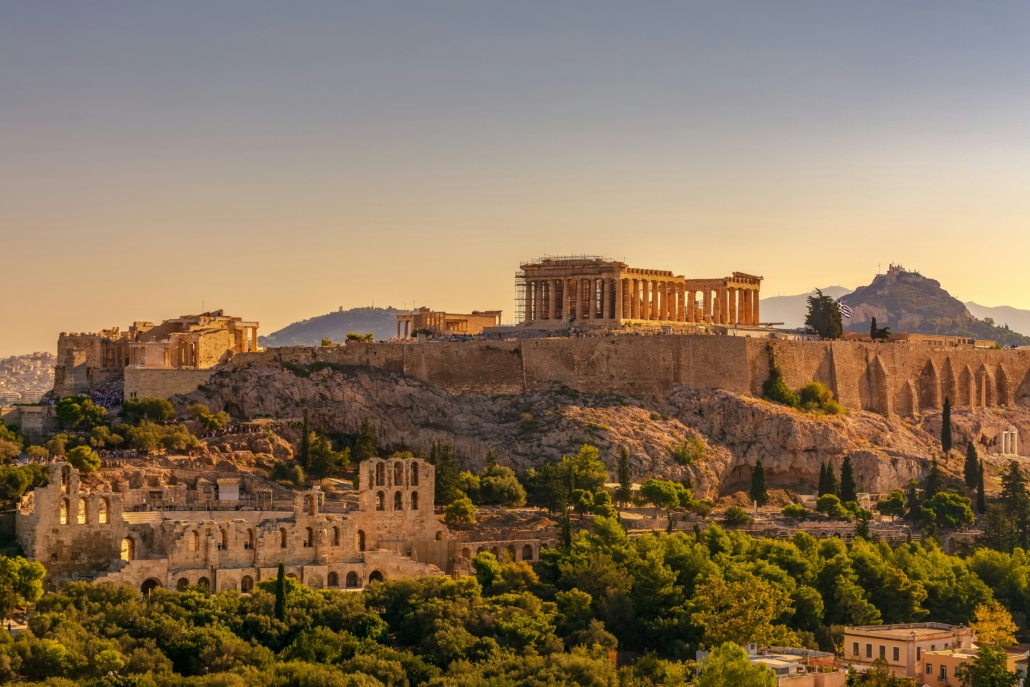
The Acropolis is the obvious starting point, and yes, it lives up to the hype. There is something genuinely disorienting about standing in front of the Parthenon for the first time. It is one of those places where history stops being abstract. Plan for a full morning up there, then head to the Acropolis Museum in the afternoon. The museum is outstanding, and the artifacts there give you a much richer understanding of what you just saw on the hill.
After that, slow down. Wander into Plaka, the old neighborhood at the base of the Acropolis. It is exactly what you are picturing: narrow stone lanes, bougainvillea spilling over doorways, tiny shops, and tavernas where you can sit outside and spend two hours over a meal without anyone rushing you. Do that. Order the lamb chops, get a carafe of local wine, and watch Athens do its thing.
One underrated neighborhood worth adding to your Athens itinerary is Monastiraki, especially on a weekend morning when the flea market is in full swing. It is a great spot to pick up something genuinely local before you head to the islands.
Santorini: The One That Lives Up to Every Photo
Yes, Santorini looks exactly like the pictures. And yes, it is still worth going.
The island’s caldera views, particularly from Oia and Fira, are the kind of thing that genuinely stops you mid-sentence. Whitewashed buildings stacked against cliffs, blue-domed churches in the foreground, and a sea that shifts from deep cobalt to glittering silver depending on the light. It is relentlessly beautiful.
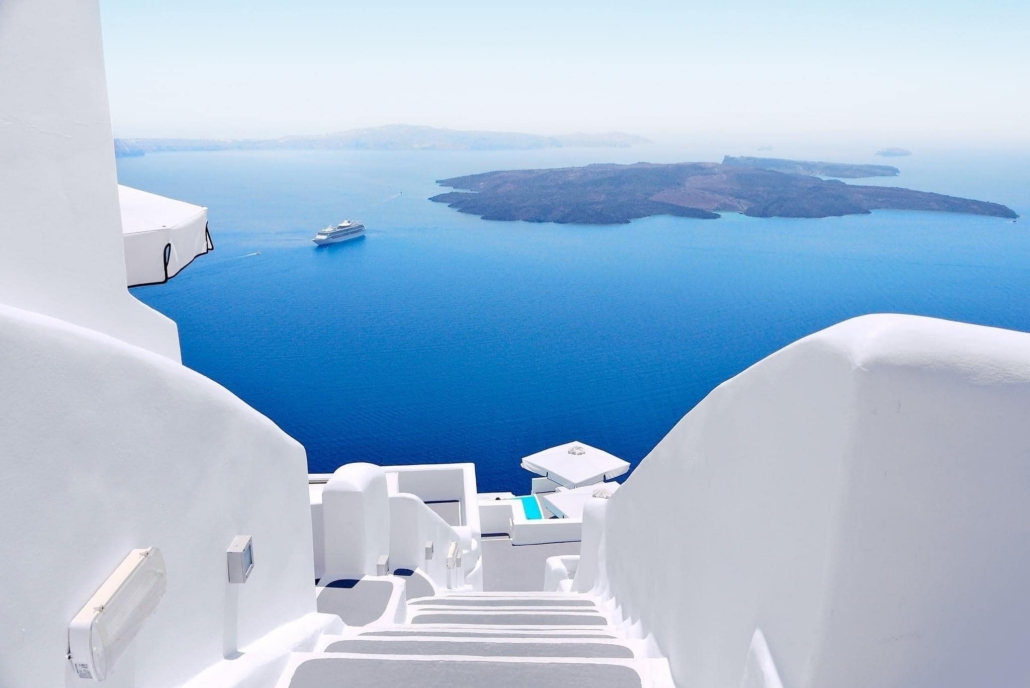
But here is what I tell my clients: do not spend all your time in Oia. Get out and explore. The volcanic beaches (Kamari and Perissa in particular) have a dramatic, otherworldly quality you will not find anywhere else. A catamaran cruise around the caldera is one of the best ways to experience the island, with stops for swimming in hot springs and front-row seats for the sunset from the water. It is a completely different perspective than watching from a clifftop terrace, and honestly, it might be the better one.
Pro tip: if you want the iconic Oia sunset experience without standing shoulder-to-shoulder with a thousand other people, go for sunrise instead. You will basically have it to yourself.
Mykonos: Choose Your Own Adventure
Mykonos has a reputation as a party island, which is partly true and also a bit overstated. What it actually is, is flexible. You can have an incredibly lively time here if that is what you are after. You can also have a completely relaxed, low-key experience, depending on which corners of the island you explore.
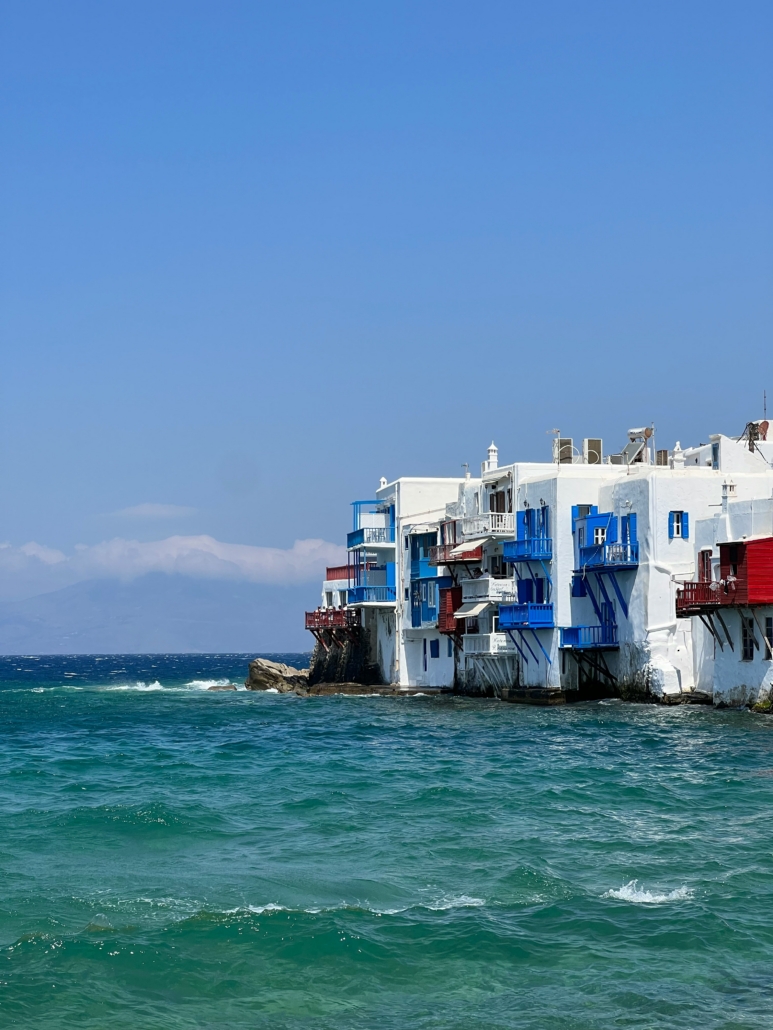
Mykonos Town, known as Chora, is charming and genuinely maze-like in the best way. The famous windmills overlook Little Venice, a row of colorful buildings that hang right over the water. You will find yourself wandering in and out of lanes, discovering small churches, boutiques, and good restaurants seemingly at random. That is exactly the right way to do it.
For beaches, Agios Ioannis and Ornos tend to be quieter and more family-friendly, while Paradise and Super Paradise draw a younger, livelier crowd. There is genuinely something for everyone here, which is why it works so well for mixed groups.
Beyond the Big Two: Rhodes, Hydra, and the Islands Worth Discovering
Santorini and Mykonos get most of the attention, but Greece has over 200 inhabited islands. A few others are worth serious consideration depending on what you are looking for.
Rhodes is one of my personal favorites. The old town is a UNESCO World Heritage site and one of the best-preserved medieval cities in Europe. You can walk along walls that knights actually walked on, explore a palace that has stood since the 14th century, and then be at a beach bar twenty minutes later. It is a genuinely surprising island.
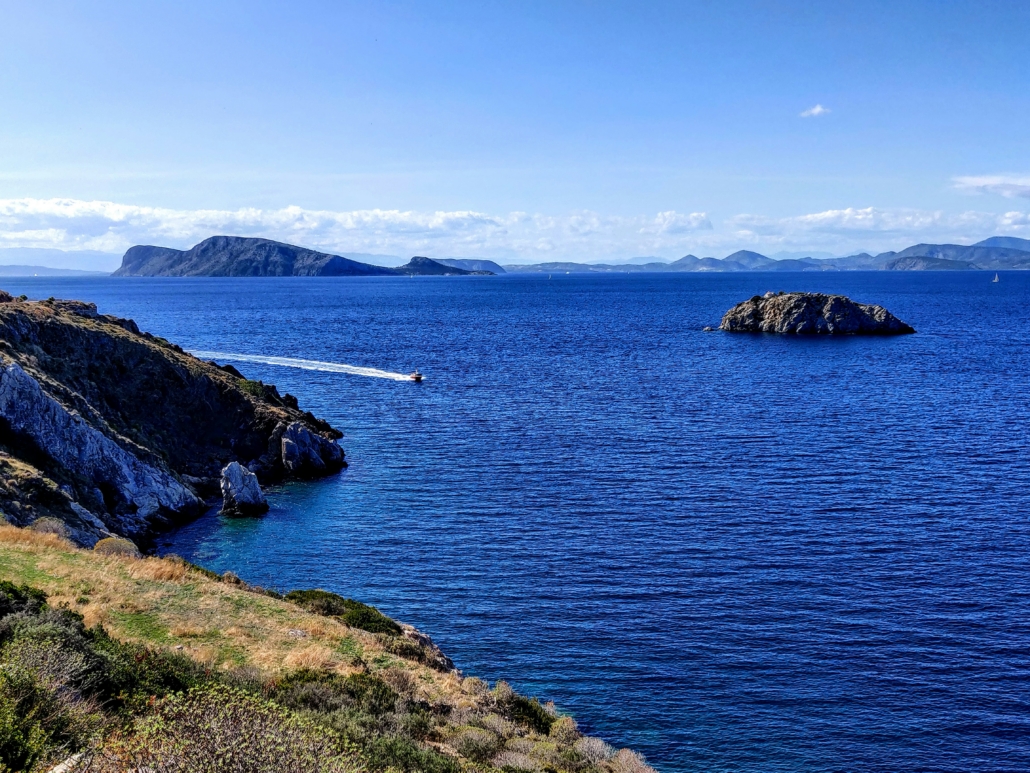
Hydra is something else entirely. There are no cars or motorcycles on the island. None. Everything moves by donkey, boat, or foot. The result is a calm that is almost surreal compared to the rest of the Aegean. Stone mansions, a pretty harbor, excellent restaurants, and almost no tourist infrastructure. It is the Greece that existed before the Instagram age, and it is wonderful.
Crete is also worth mentioning, particularly if you want to combine beach time with serious history (the Minoan ruins at Knossos are extraordinary) or fantastic local food.
The Part Everyone Remembers: Evenings in Greece
Here is something I have noticed after years of helping people plan Greek holidays: the moments they talk about most when they get home are not the landmarks. They are the evenings.
Dinner in Greece is not a meal. It is an event. You sit down, you order in stages, you talk, you order more. The food is simple and excellent: grilled fish, fresh salads with real tomatoes, tzatziki, warm pita, local wine that costs almost nothing and tastes remarkable. The sun goes down over the water. Fishing boats bob in the harbor. Someone at the next table is celebrating something.
After dinner, you walk. Through old towns, past small churches, along waterfronts. Maybe you stop for a gelato or a Greek coffee. Maybe you sit on a step and just listen. This is the rhythm of Greece, and it is genuinely one of the more restorative things you can do with your time.
How to Plan Your Athens and Greek Islands Trip
The logistics of a Greece trip are not complicated, but getting them right matters. Here are a few things to keep in mind:
Timing. Late April through June and September through early October are the sweet spots. The crowds are manageable, the weather is excellent, and prices are noticeably lower than July and August. Peak summer is still wonderful, just busier and hotter.
Getting between islands. Domestic flights are fast and affordable for longer hops (Athens to Santorini, for example). Ferries are more scenic and great for shorter routes or if you have time to spare. I generally recommend a mix of both.
Where to stay. This varies enormously by island and budget. In Santorini, cave hotels in Oia or Fira with caldera views are the iconic choice. In Athens, staying near Syntagma or Monastiraki puts you walking distance from everything. In Mykonos, boutique hotels in the town center are convenient and atmospheric.
How long to plan for. Realistically, ten days to two weeks gives you Athens plus two or three islands without feeling rushed. You can do a shorter trip, but you will probably wish you had more time.
Ready to Start Planning?
Greece is one of those trips that sounds overwhelming to plan and ends up being one of the most seamless travel experiences you will ever have, if you approach it right. I have helped clients put together everything from 10-day first-timer itineraries to extended island-hopping adventures with a mix of ferry routes, private tours, and hand-picked hotels.
Contact me today and let’s make it happen.
Frequently Asked Questions
Planning & Logistics
What is the best time of year to visit Athens and the Greek Islands?
Late April through June and September through early October offer the best combination of good weather, manageable crowds, and lower prices. July and August are peak season, so expect more tourists and higher rates, though the islands are still wonderful. If you want value and relative quiet, shoulder season is the way to go.
How many days do I need for a Greece trip?
Ten days to two weeks is ideal if you want to see Athens and two or three islands without feeling rushed. A week is doable for a focused trip (Athens plus one island), but most people wish they had stayed longer. I have never had a client come home saying Greece was too long.
Getting Around
Is it better to fly or take ferries between the Greek Islands?
It depends on the route and your schedule. Domestic flights are fast and affordable for longer hops, like Athens to Santorini or Rhodes. Ferries are more atmospheric, less expensive, and a great choice for shorter routes or if you want a scenic travel experience. I usually recommend a mix of both for most itineraries.
Do I need to rent a car in Greece?
In Athens, no. Public transit and taxis work well. On most islands, it depends on your plans. In Santorini, an ATV or scooter is popular, but the island is small enough to get around without one. In Rhodes, a car is useful for exploring beyond the old town. Hydra does not allow cars at all, which is part of its appeal.
Experiences & Destinations
Is Santorini worth the hype?
Yes, genuinely. The caldera views are as spectacular as advertised, and the island has more to offer than just the Instagram-famous spots. That said, it is one of the pricier Greek Islands and can feel crowded in peak summer. If you go, build in at least two full days, add a catamaran excursion, and spend time beyond Oia in villages like Pyrgos or on the volcanic beaches.
Which Greek Islands are best for families with kids?
Crete is excellent for families because it has a wide range of accommodations, great beaches, and enough activities to keep kids engaged for a week or more. Rhodes is another strong option, with the fascinating old town to explore and calmer waters on the east coast. Mykonos has family-friendly beach areas, and its compact town is fun to wander with older kids.
Can I visit Athens and the Greek Islands on a budget?
Greece is more affordable than most Western European destinations, though Santorini and Mykonos sit at the higher end. Food and local transportation are generally very reasonable, and ferry travel is inexpensive. Staying in shoulder season and choosing islands like Naxos, Paros, or Hydra over the headline names will stretch your budget considerably without sacrificing the experience.