Rail travel is one of the most rewarding ways to explore Europe and Japan, giving you a front-row seat to landscapes, culture, and cities that fly-and-drive itineraries almost never reach. If you have been curious about planning a train-based journey, we will walk through three of the most compelling routes in the world, and exactly what makes them worth your time.

There is a moment, somewhere between stations, when you look up from your coffee and realize the landscape outside your window is doing something extraordinary. A vineyard rolls into a medieval hilltop. A glacier appears between two peaks. A bullet train blurs past cherry trees in full bloom.

That moment does not happen on a plane. It barely happens in a car. But on a train, it is practically guaranteed.

Rail travel has made a genuine comeback, and not just for budget backpackers. Discerning travelers are building entire trips around iconic train routes because the journey itself becomes part of the experience. And honestly? Done right, a rail-based itinerary is one of the most elegant ways to travel.

I have helped clients plan rail journeys across Europe and Asia, and the feedback is almost always the same: they wish they had done it sooner. So let me walk you through three of the world’s most rewarding rail routes, and what actually makes them worth planning around.


Italy by Rail: Cities, Hill Towns, and Coastline

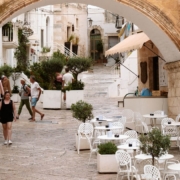
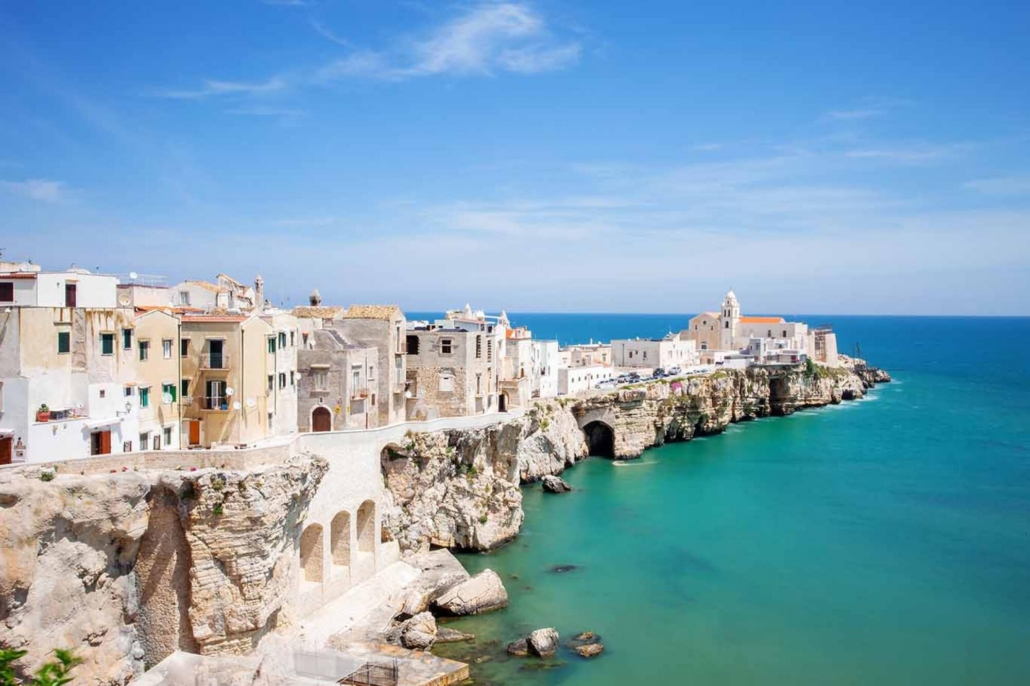
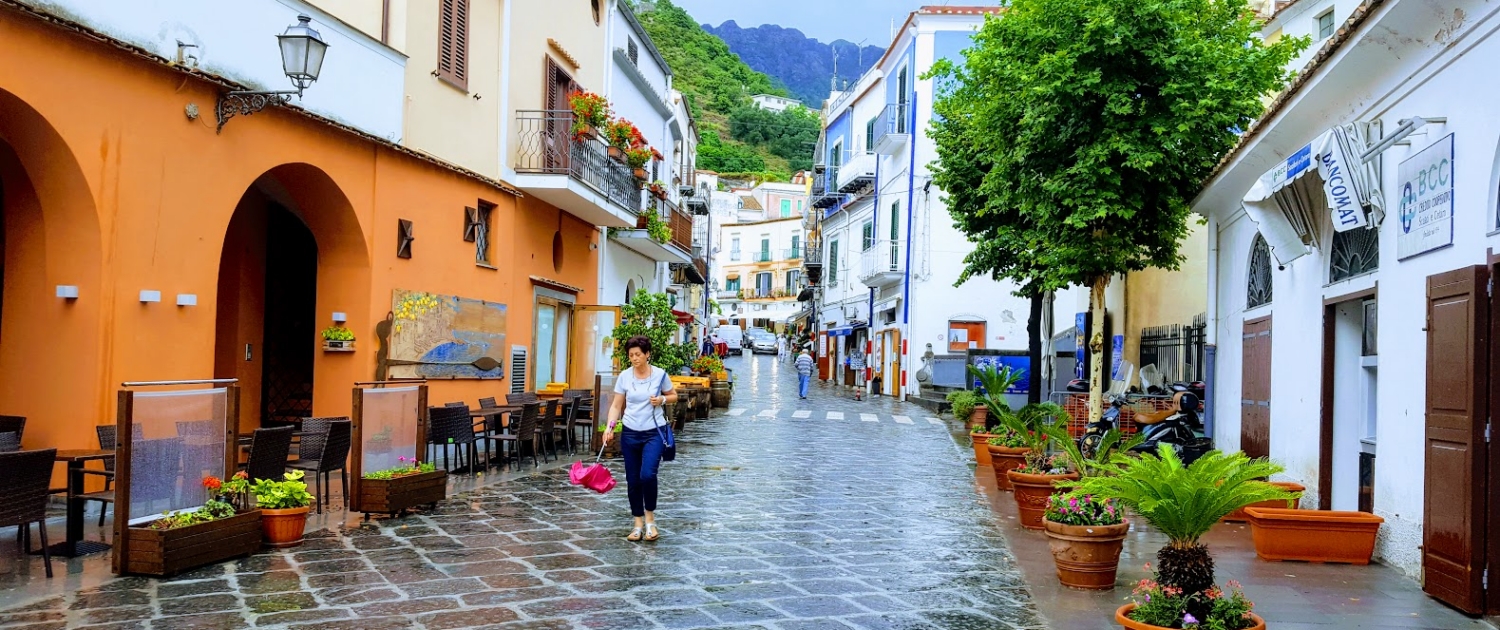
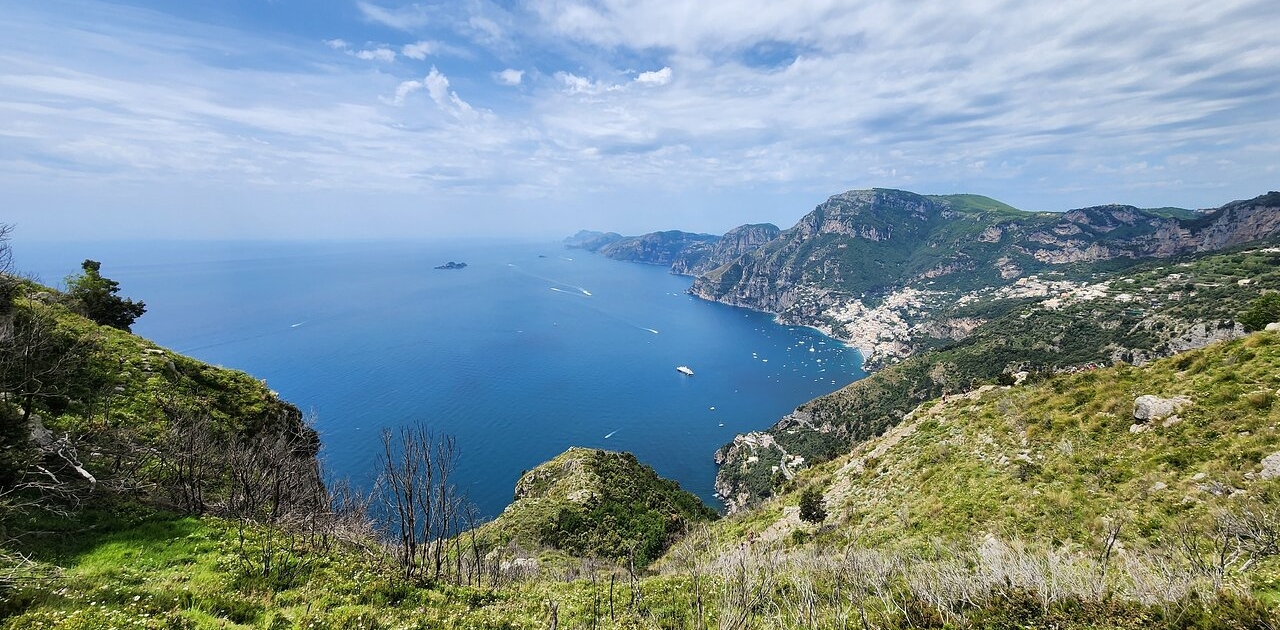
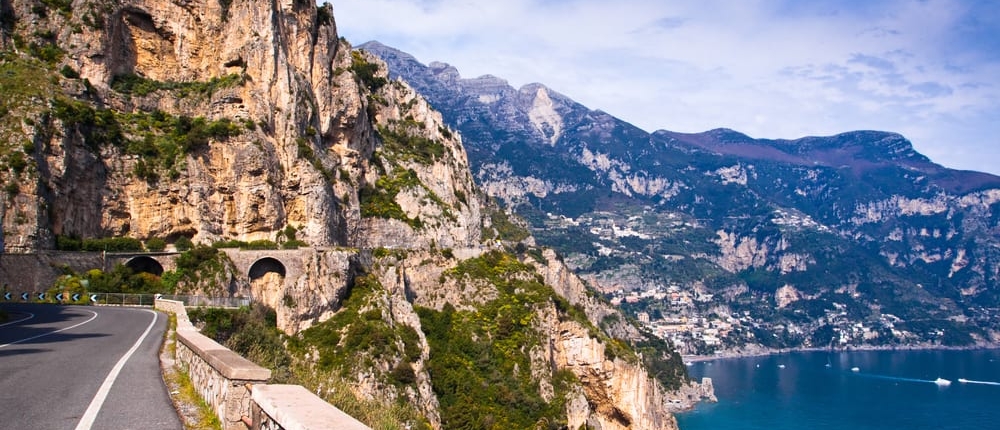
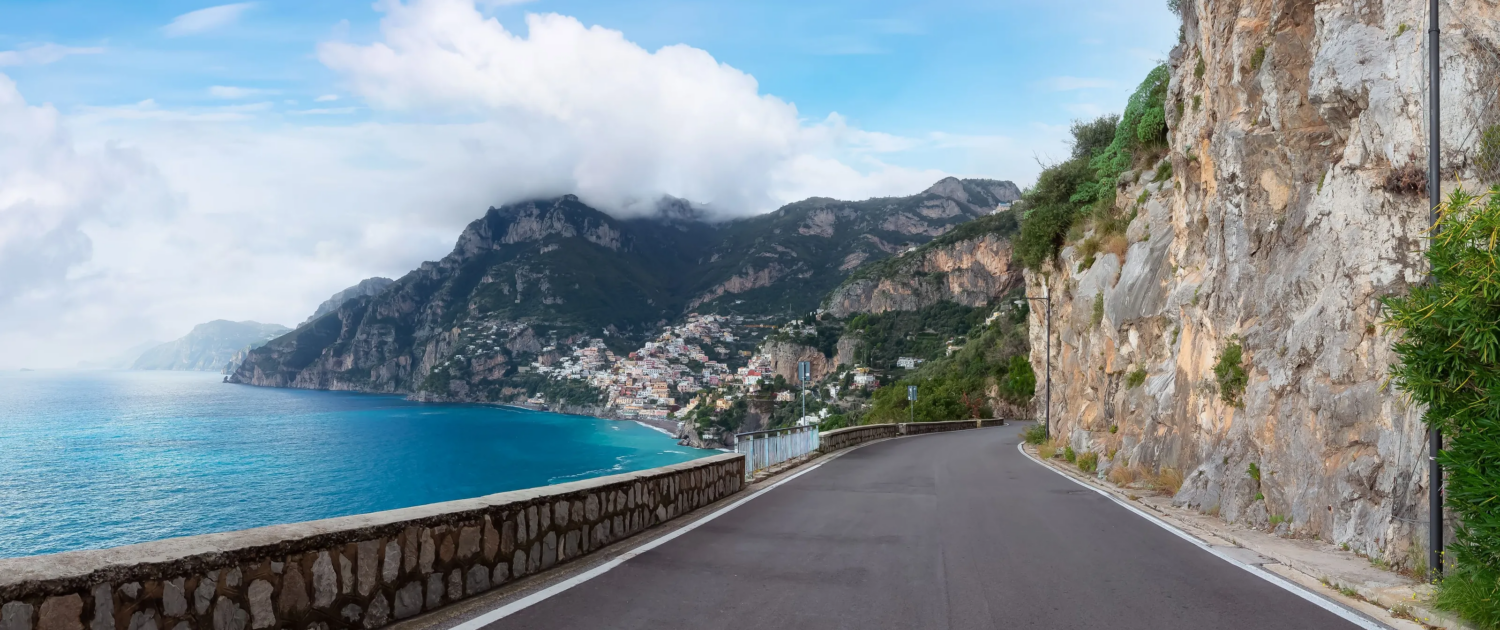
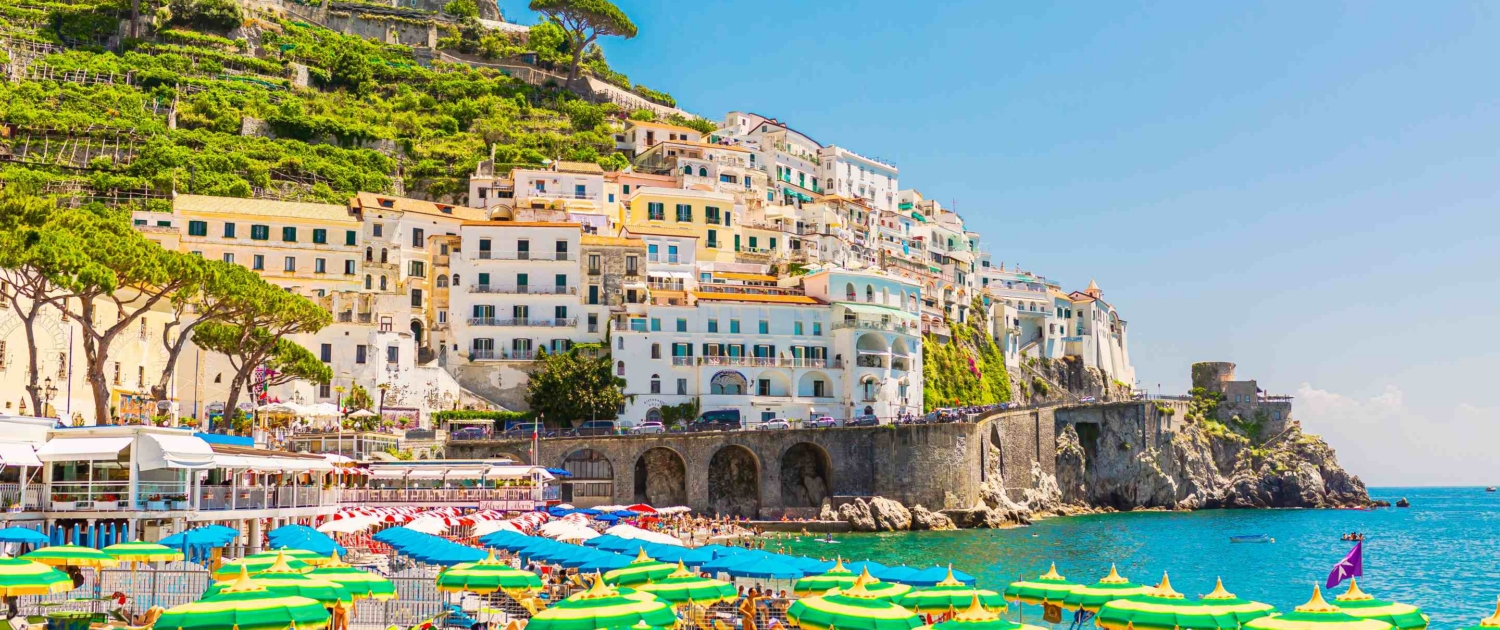
Italy is almost custom-built for rail travel. The country’s network is extensive, the scenery between stops is constantly changing, and you can cover an enormous amount of ground without once wrestling with a rental car, a GPS, or a parking garage in a walled medieval town.

Most itineraries start in Rome or Florence. Both cities reward multiple days of wandering. After you have visited the museums, walked the piazzas, and eaten your way through three courses at a neighborhood trattoria, a short train ride drops you somewhere completely different.

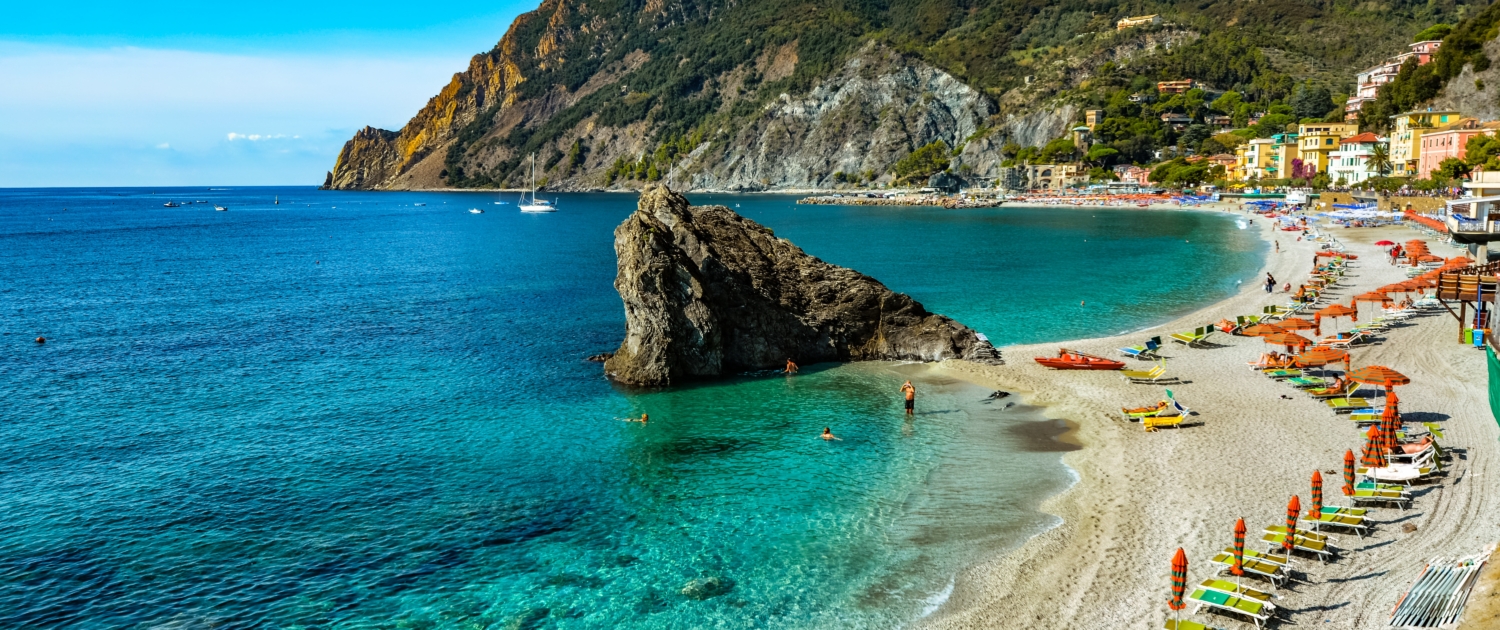
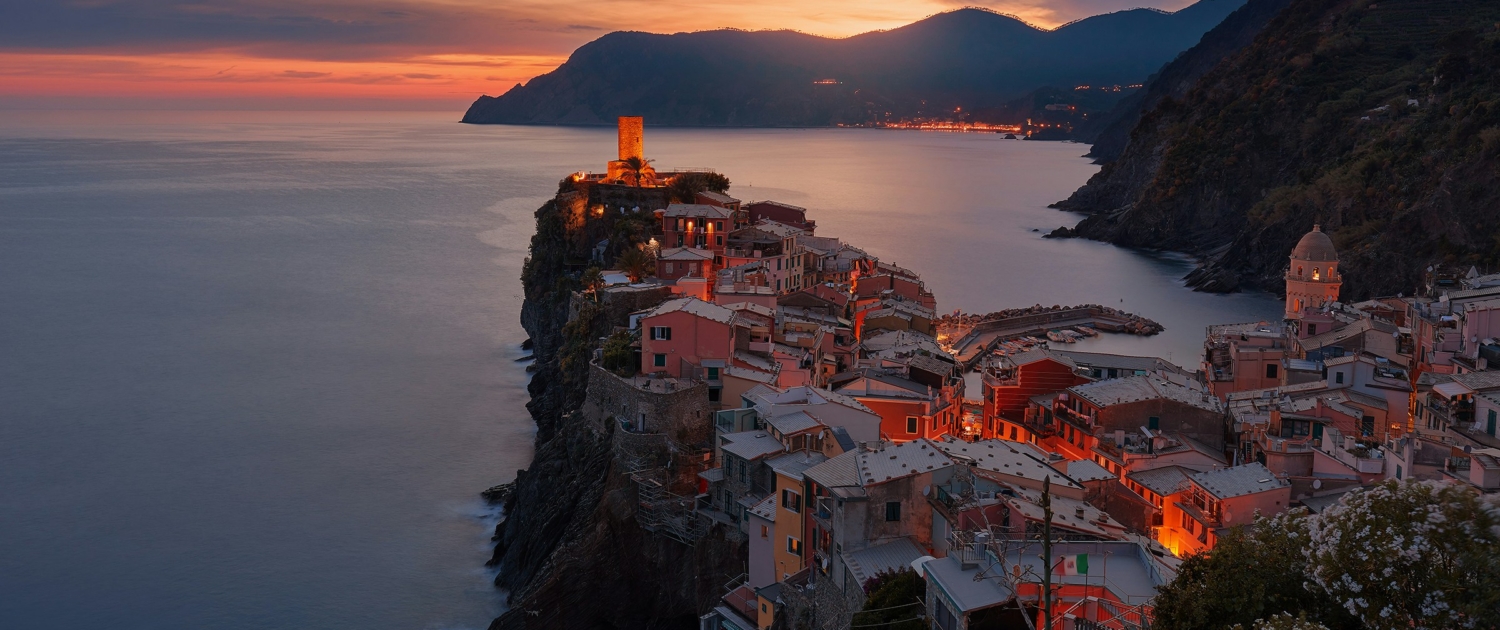
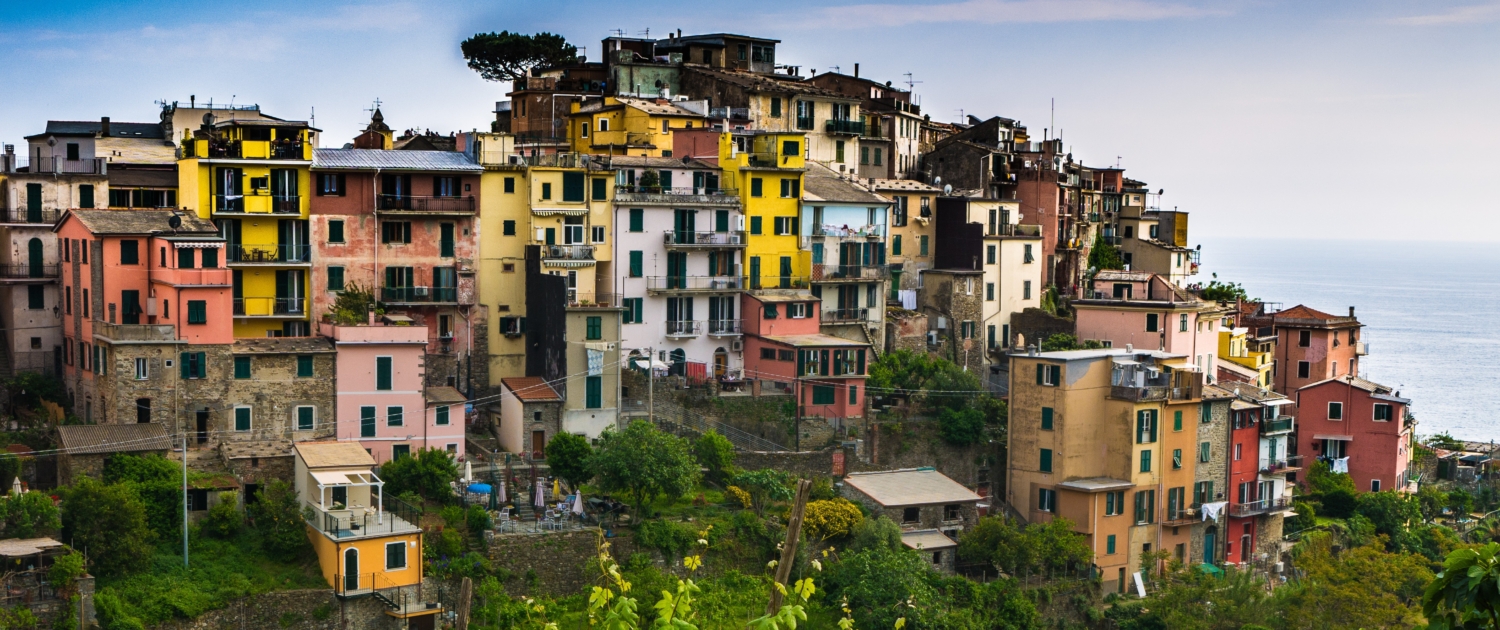
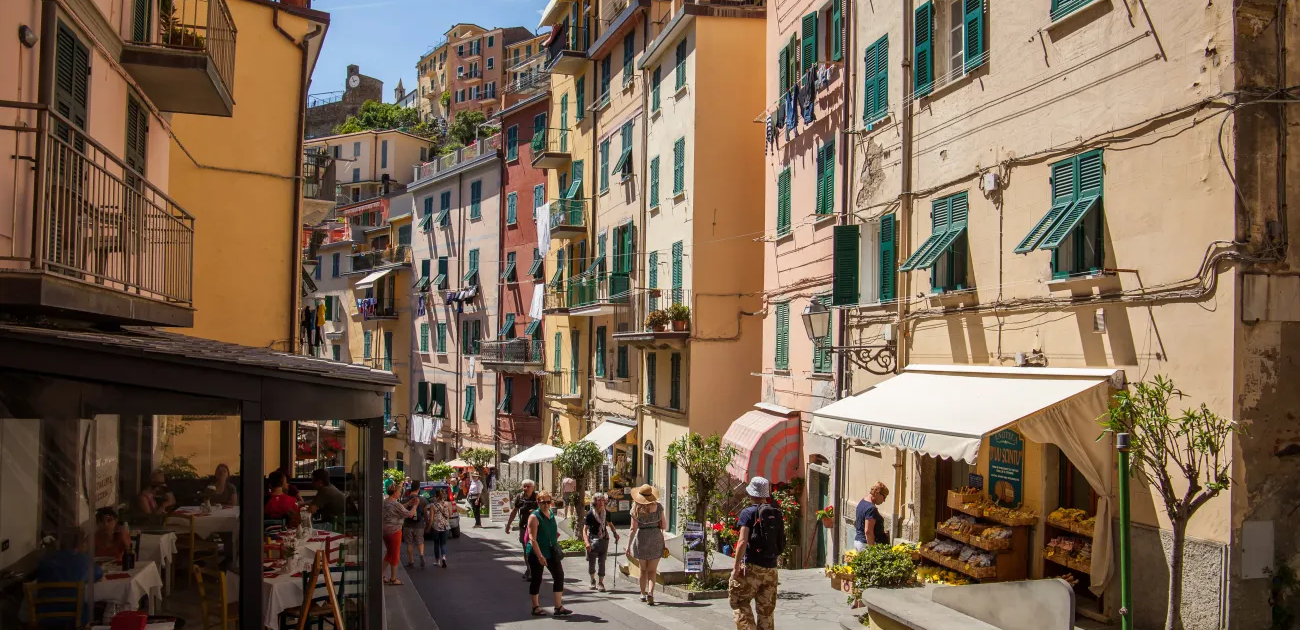
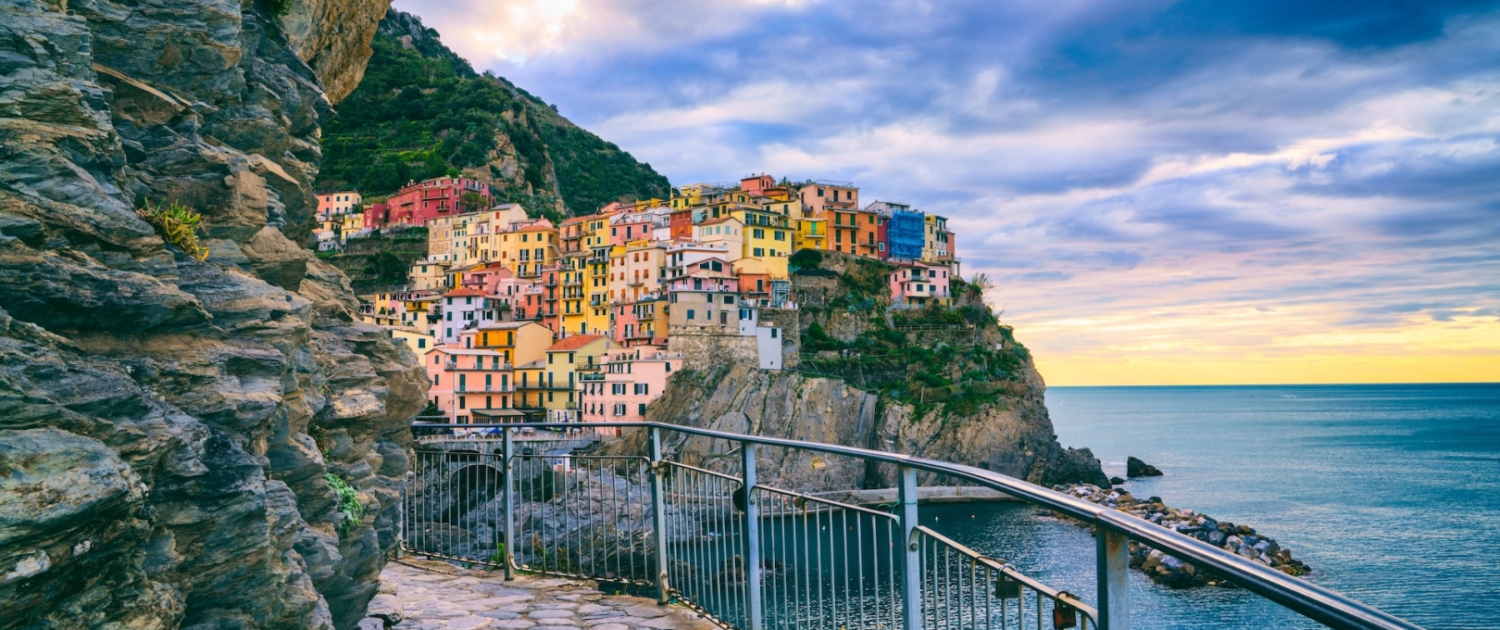
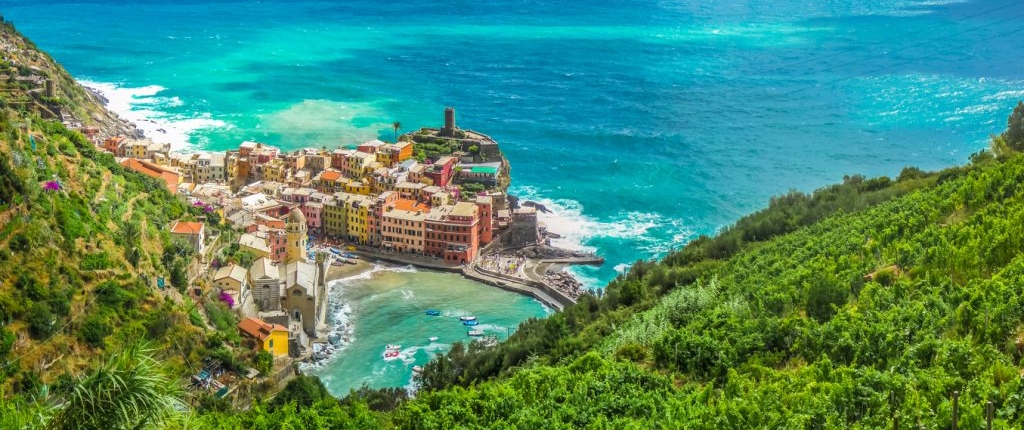
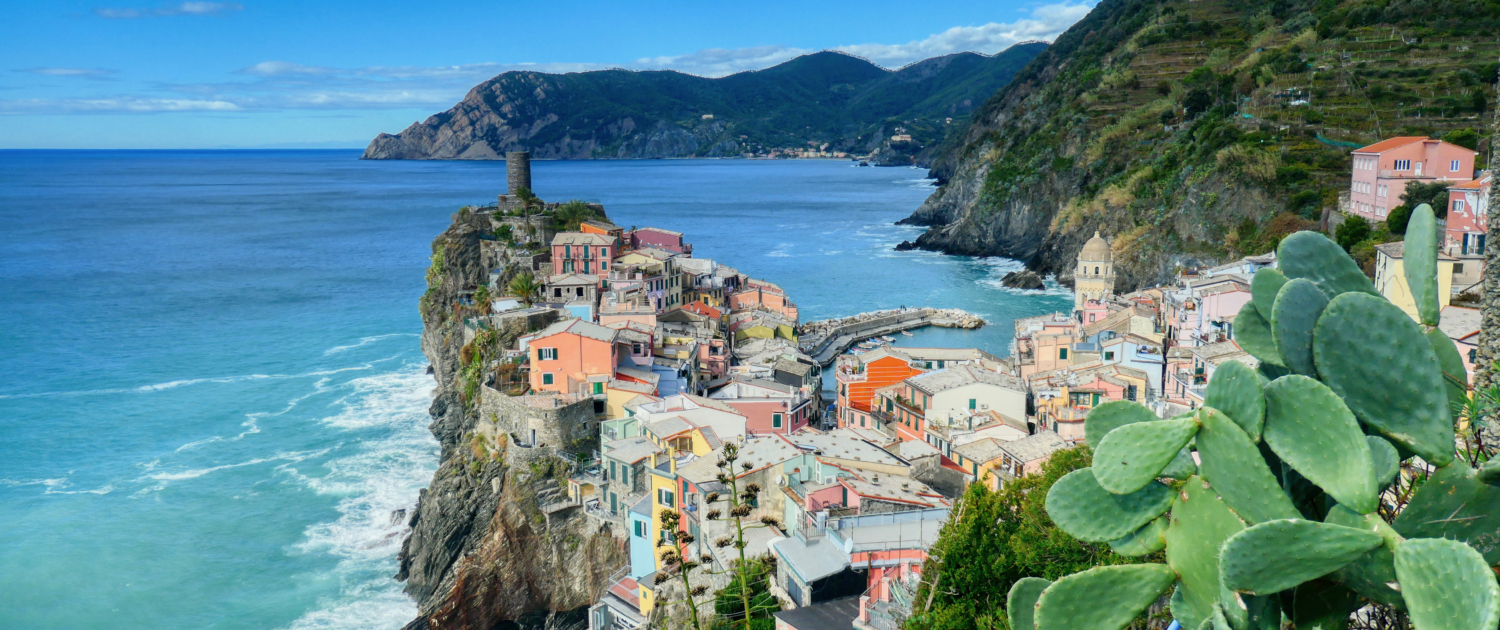
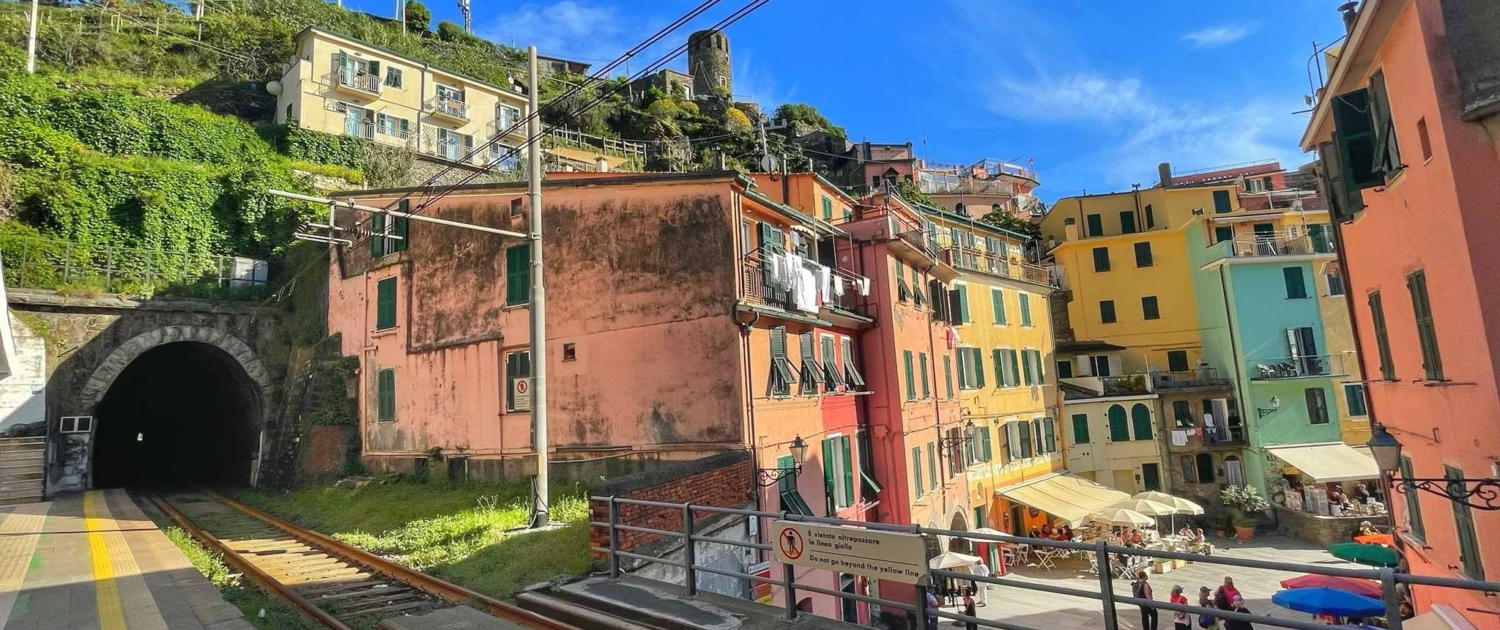
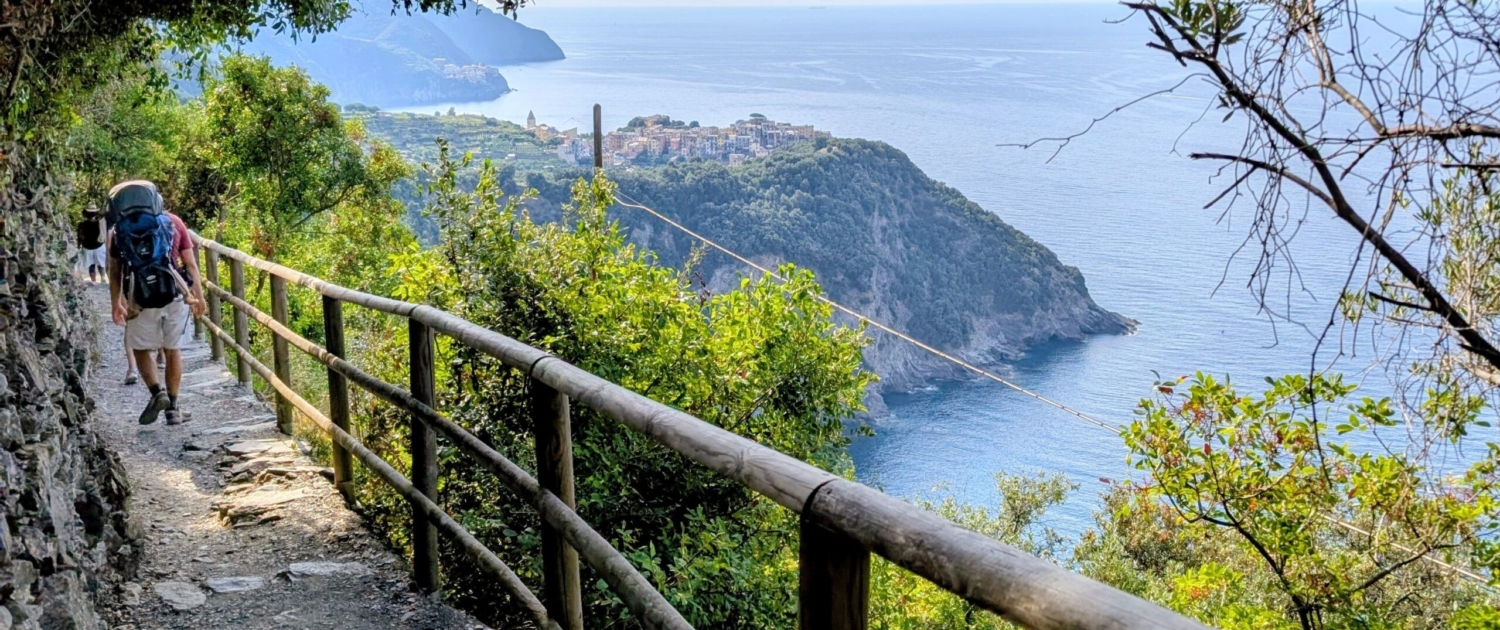
Florence to Venice, for example, takes under two hours on high-speed rail. Florence to the Cinque Terre is a manageable day trip by regional train along the Ligurian coast. And from any of these hubs, slower regional trains push out into the Tuscan countryside toward towns like Siena, Montalcino, or Montepulciano, where the agenda tends to involve wine, olive oil, and very little ambition.

That is the rhythm of a great Italian rail trip. Move between cities on fast trains. Slow down when you reach the countryside. Spend a few days in a hill town or a coastal village before catching the next connection. The variety is remarkable, and the logistics stay genuinely simple.

What makes this work is having someone help you sequence it. Italy’s rail system is excellent, but matching the right stops to the right pace, knowing which regional lines are worth the slower journey, and building in enough time at each destination without overpacking the schedule is where experience matters.


Scenic Rail Through the Alps: When the Train Is the Point

Switzerland does scenic rail better than almost anywhere on earth, and they do it with the kind of precision and comfort that makes a three-hour mountain train feel like a luxury experience rather than a commute.

The classic starting point is Zurich or Lucerne, both of which offer beautiful lakefronts, old-town architecture, and easy rail connections into the Alps. From there, several legendary routes branch out.

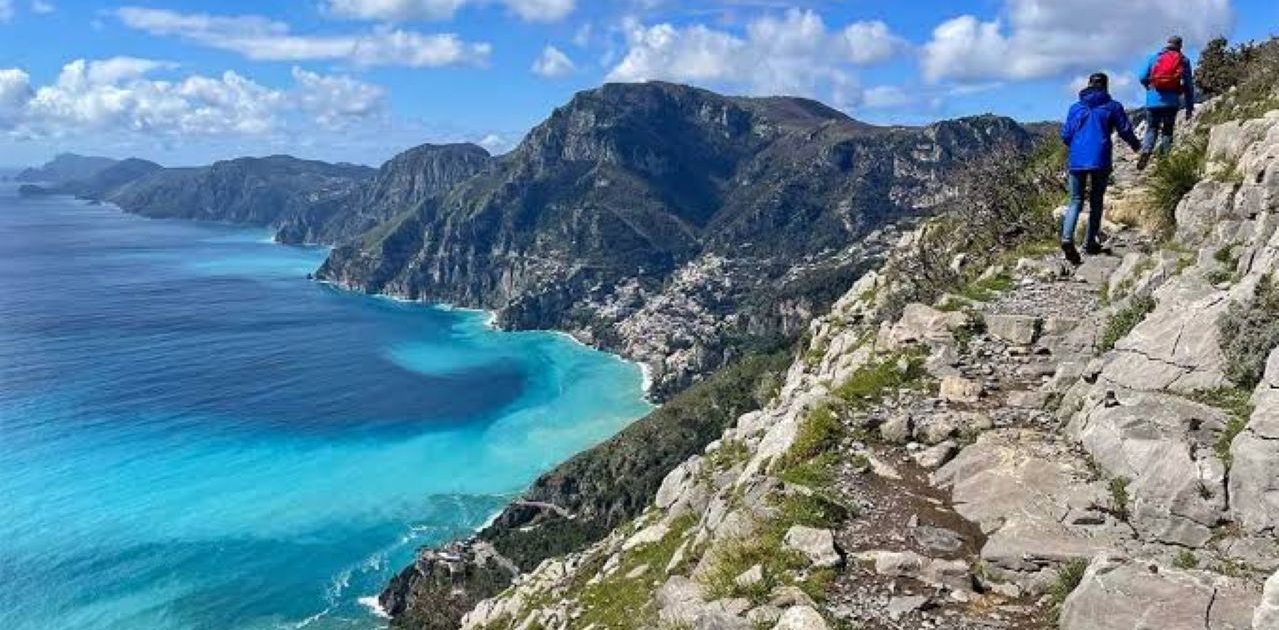
The Glacier Express between Zermatt and St. Moritz is perhaps the most famous, passing through 91 tunnels and over nearly 300 bridges on its eight-hour journey across some of the most dramatic scenery in Europe. The Bernina Express, connecting Chur to Tirano in northern Italy, crosses a UNESCO-listed railway line that climbs above 7,000 feet before descending into the Italian Lake District.

What strikes most travelers on these routes is how the train itself is designed around the view. Panoramic windows, upper-deck seating, and forward-facing cars mean you are not just moving through the landscape. You are watching it unfold, almost cinematically, with the Alps performing on cue.

Stopping in alpine towns along the way adds another dimension. A few nights in Zermatt (car-free, with direct views of the Matterhorn) or Grindelwald (surrounded by the Eiger, Monch, and Jungfrau) let you trade train seats for hiking trails, mountain gondolas, and evenings in quiet chalet restaurants. The trains work as the connective tissue between experiences rather than just transportation.

One thing worth knowing: Switzerland’s train system also connects cleanly into Austria, France, and northern Italy, which means a rail trip through the Alps can easily expand into a multi-country journey without any complicated logistics.


Japan by Train: Speed, Serenity, and Everything in Between

Japan’s rail system is in a category of its own. The shinkansen (bullet train) network moves you between major cities at speeds that still feel slightly implausible. Tokyo to Kyoto in roughly two hours and twenty minutes. Kyoto to Hiroshima in another hour. Osaka to Fukuoka in under three. The country encompasses an extraordinary amount of exploration in a relatively short trip.

But Japan’s rail appeal goes well beyond speed. The country’s local and regional lines take you into territory that most visitors never reach. Small onsen towns tucked into mountain valleys. Coastal routes where the train skirts the edge of the Pacific. Rural areas where the landscape shifts between rice paddies, cedar forests, and traditional farmhouses.

A well-designed Japan rail itinerary typically balances the two. You use the Shinkansen to move efficiently between major cities. Tokyo for several days, absorbing the scale and the contradictions. Kyoto for its temples, traditional streets, and cultural depth. Hiroshima and Miyajima for history and one of Japan’s most breathtaking shrine settings. Osaka for food and energy.

Then you layer in the slower routes. A morning train into the Japanese Alps to the old post town of Narai or Tsumago. An evening departure from Kyoto toward the ancient pilgrimage routes of the Kii Peninsula. A local line that climbs into the mountains above Nikko.

The Japan Rail Pass, purchased before departure, makes the economics work elegantly. One cost, unlimited access to most of the network for a set number of days. When I help clients plan Japan trips, sequencing around that pass is one of the most satisfying parts of the process because you can optimize both the experience and the value simultaneously.

One practical note: Japan rewards advance planning more than most destinations. Popular shinkansen routes, especially around cherry blossom season or Golden Week, book up quickly. Having someone who knows the system working on your trip makes a meaningful difference.

Why Rail Travel Deserves a Spot on Your Travel Radar

Beyond the scenery and the romance, rail travel offers genuine practical advantages worth naming directly.

City-center arrivals. Trains pull into the heart of cities, not airports located forty-five minutes from anything worth seeing. You step off at Rome Termini, walk twenty minutes, and you are at the Colosseum. You arrive in Kyoto Station, and the famous Nishiki Market is a short taxi ride away. The contrast with flying is significant.

No security theater. No liquid restrictions. No middle seats or overhead bin anxiety. Rail travel is fundamentally less exhausting than flying, which matters when you want to arrive somewhere with energy rather than just consciousness.

The journey is an experience. On a scenic rail route, the time between stops is not dead time. You are watching Switzerland happen outside your window. You are having a drink in the dining car as the Italian coast passes by. You are experiencing the country, not just transiting it.

For my clients who want more depth and less logistics, rail travel consistently delivers both.

Ready to Plan Your Rail Journey?

Building a rail itinerary that actually works, one that balances the right stops with the right pace and does not leave you stranded on a platform with a suitcase and no reservation, takes some expertise. I have done this across Italy, Switzerland, Austria, and Japan, and I would love to help you design something specific to how you travel.

Whether you are dreaming of a week through Tuscany, a scenic Alpine crossing, or a full Japan Rail Pass adventure, let’s build it together.

Contact us to start planning your rail journey today. I am always happy to talk through options before anything is booked.

Frequently Asked Questions

Do I need to book train tickets in advance in Europe?

For high-speed routes (Italy, France, Spain, Switzerland), advance booking is strongly recommended, especially during peak season. Prices are often lower when booked early, and popular departures do sell out. Regional trains in many countries allow flexible boarding without reservations, but if a specific connection matters to your itinerary, lock it in early.

Is a Japan Rail Pass worth buying?

For most visitors planning to travel between multiple cities, yes. A 14-day JR Pass covers the cost of round-trip shinkansen between Tokyo and Kyoto several times over, plus every regional train you take along the way. The calculation shifts if you are staying in one city for the majority of your trip. I can run the numbers based on your specific itinerary.

How do I handle luggage on train trips?

Luggage management is one of the most underrated parts of planning a rail trip. For Europe, most travelers do fine with a rolling suitcase and carry-on. Japan’s etiquette around large bags on trains is stricter. Many experienced travelers ship luggage between hotels using Japan’s remarkable takuhaibin (courier) service, which is cheap, reliable, and frees you to board trains comfortably. I walk all my Japan clients through this before they go.

What is the most scenic train route for a first-time rail traveler?

If you want maximum impact for minimum complexity, the Bernina Express in Switzerland is hard to beat. It runs year-round, the scenery is consistently stunning, and the route between Chur and Tirano is both UNESCO-listed and genuinely easy to navigate. For a longer commitment, the entire Swiss Travel Pass system is one of the most elegant in the world.

Can I combine rail travel with a cruise or resort stay?

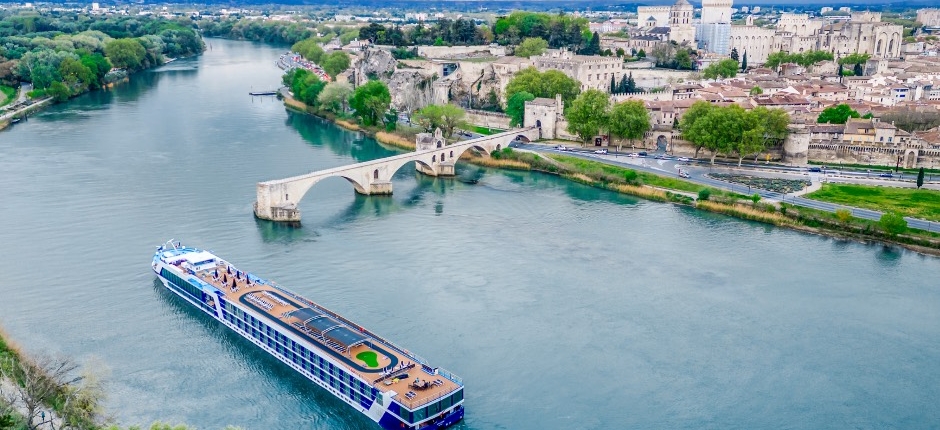
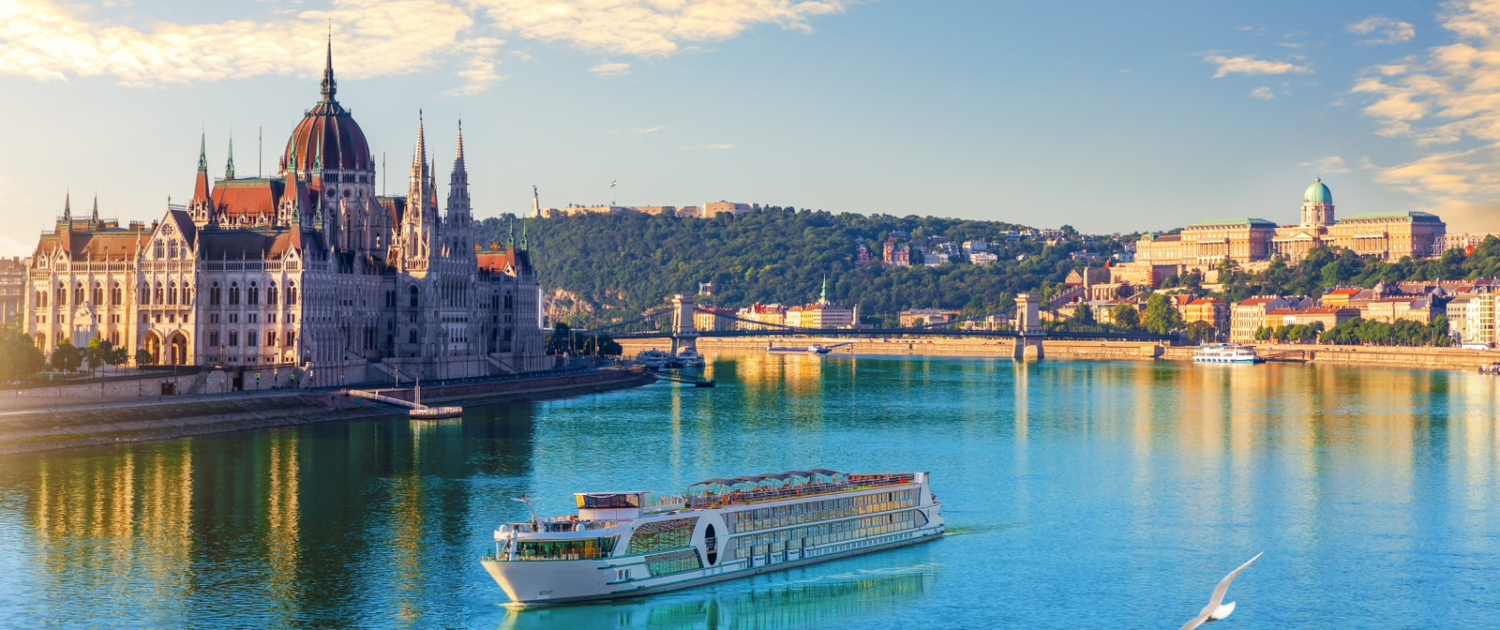
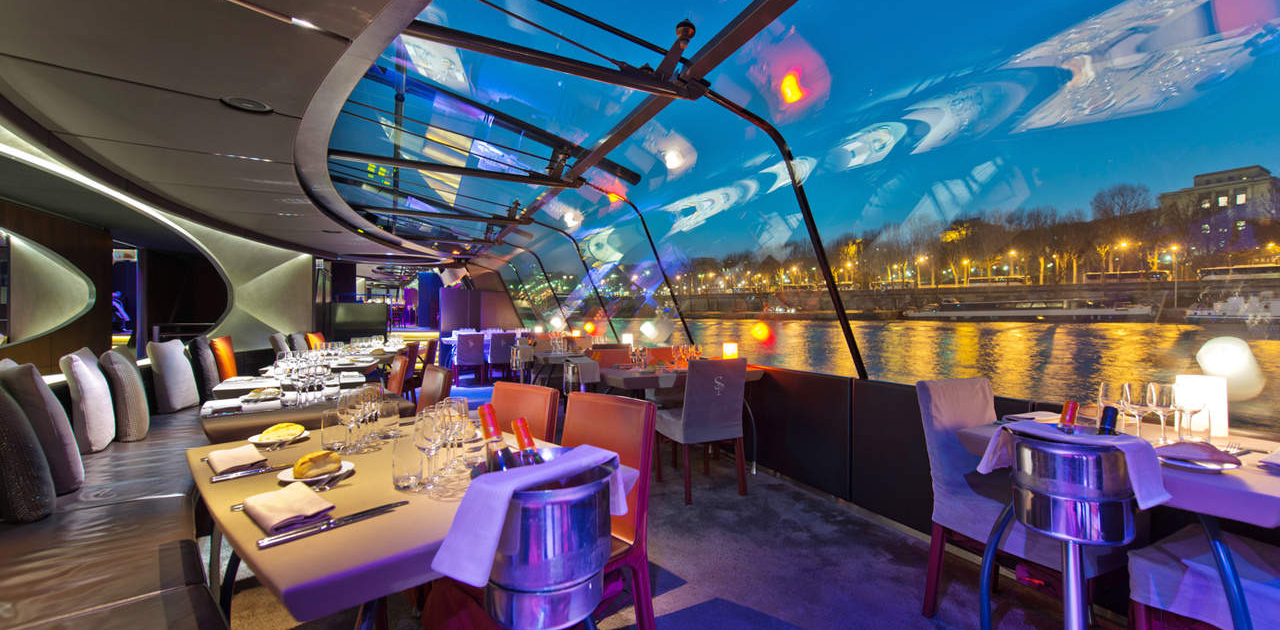
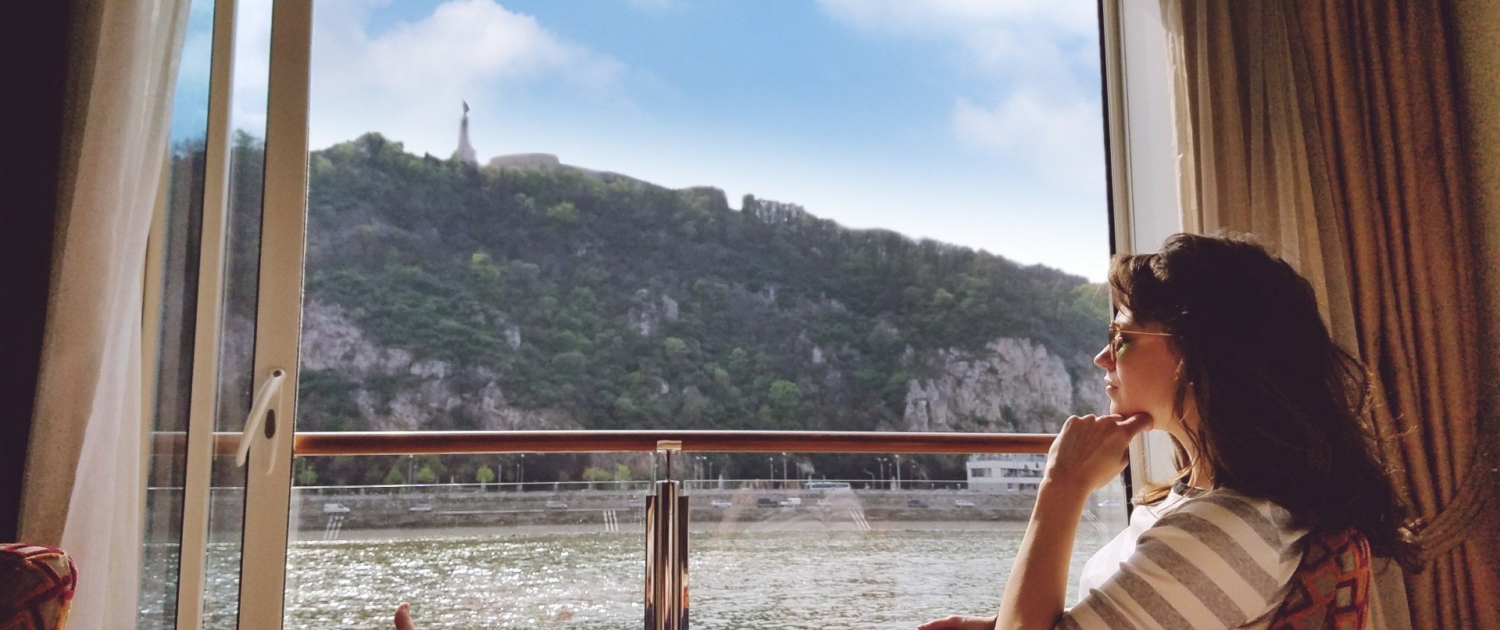
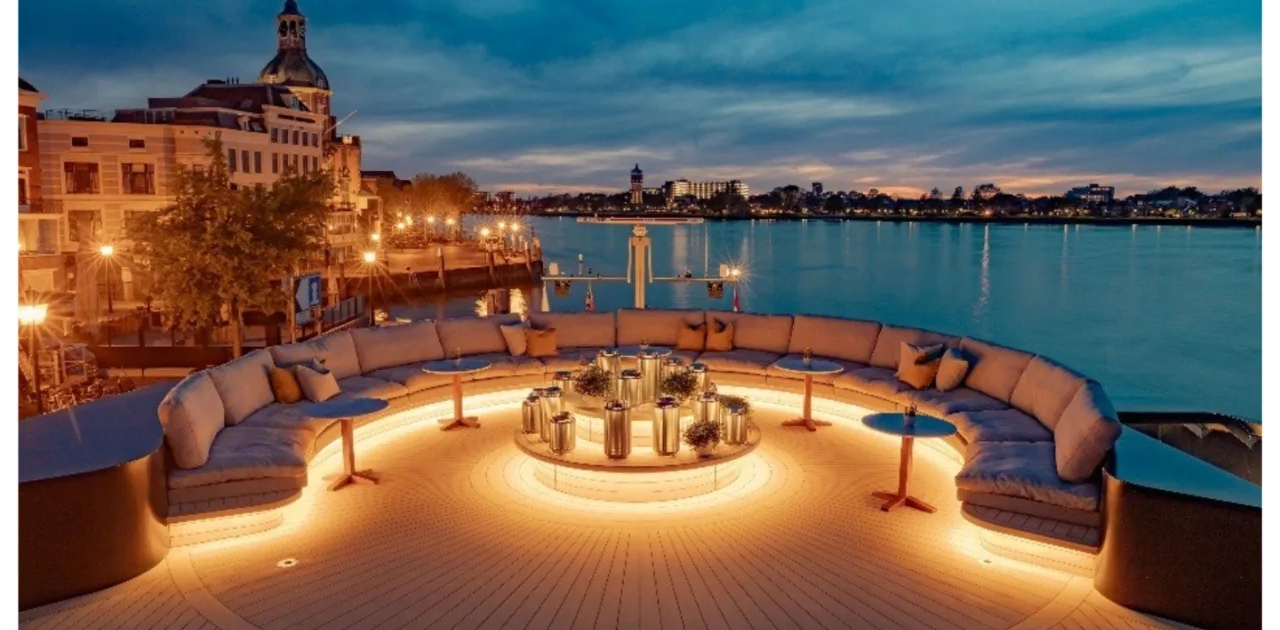
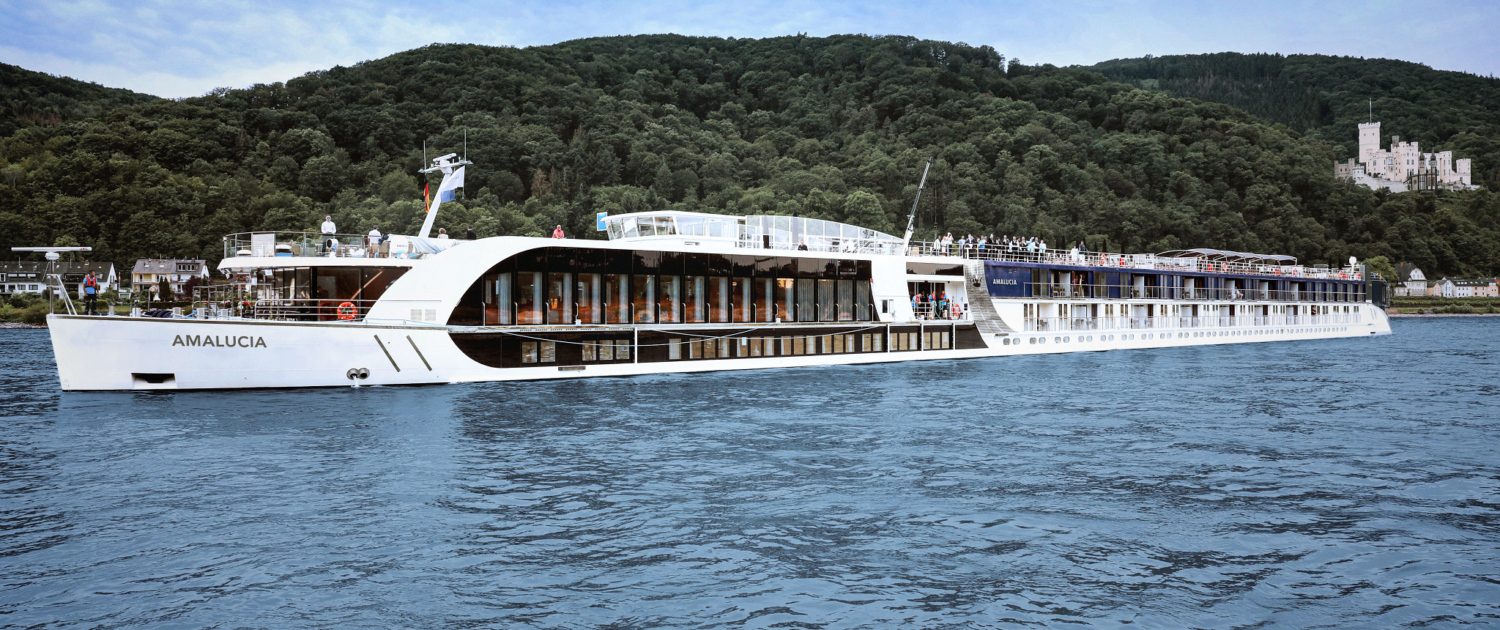
Absolutely, and this is actually one of my favorite ways to design a trip. A river cruise along the Rhine or Danube, for example, pairs beautifully with a rail segment through Switzerland or into Prague. The train handles the longer inter-city legs, the ship handles the scenic stretches along the water, and you never repeat a view. I have built a number of trips around exactly this
combination.

How far in advance should I start planning a rail trip?

For Europe, four to six months ahead gives you excellent seat selection and access to advance pricing on the high-speed routes. Japan requires similar lead time, particularly if you are traveling during cherry blossom season (late March through April) or during Golden Week in early May. That said, I have worked with shorter timelines, so if your window is tighter, reach out and let’s see what’s possible.

Hawaii is one of the most common bucket list destinations for many people, and it sees millions of visitors every year. Planning a vacation to Hawaii is also no easy task, and first-time visitors can make plenty of mistakes without the help of someone who knows the islands.

We’ll go over 10 mistakes first-time visitors to Hawaii make and some tips on how to avoid them.

1. Assuming All of the Islands Are the Same

One of the biggest mistakes first-time visitors to Hawaii make is making this assumption. Eight major islands make up Hawaii, but only six of the islands are where the tourists go. These islands are: Oahu, Kauai, Molokai, Lanai, Maui, and the island of Hawaii (also known as the Big Island). Choosing the right island for you will be determined by the vibe and experiences you want to have during your trip.
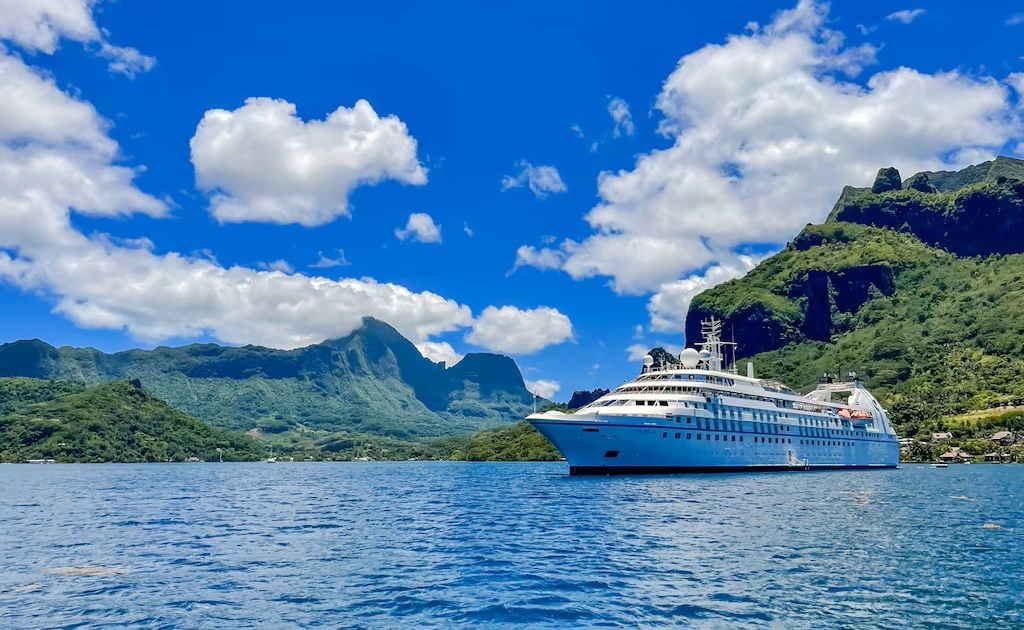
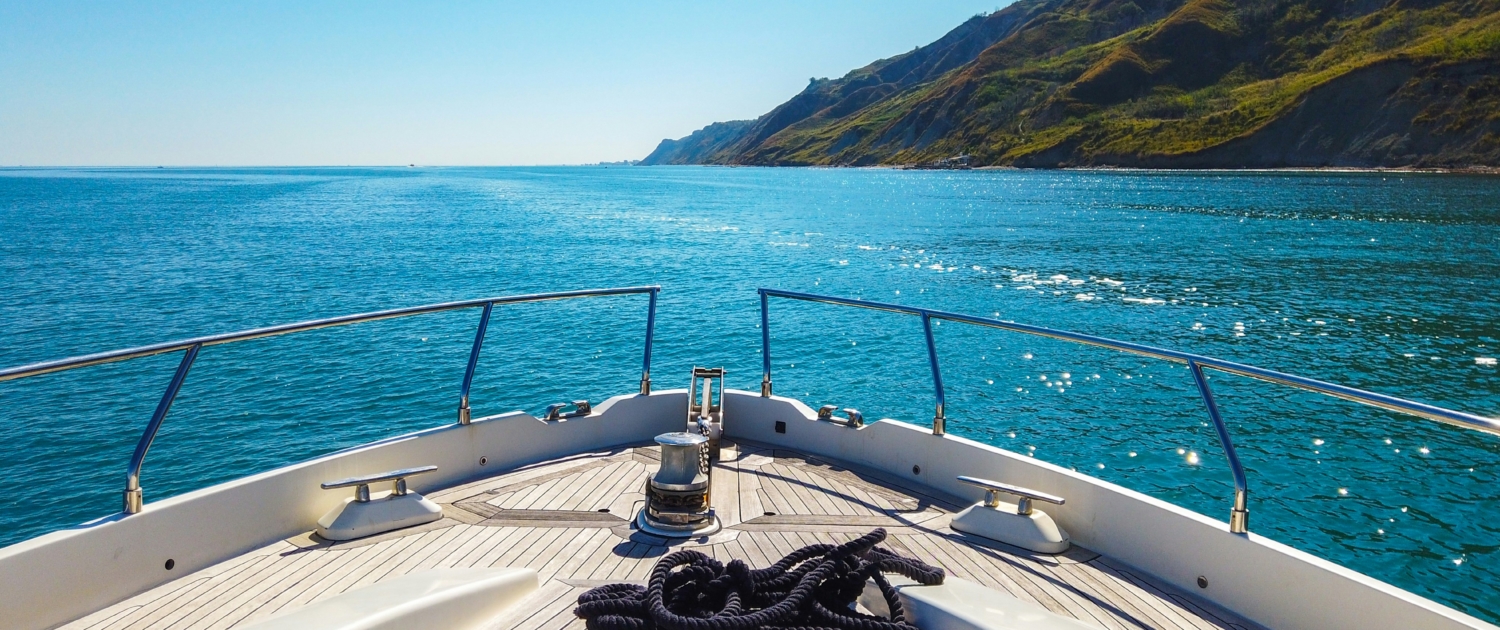
You can easily have a different experience on each island, so it’s best to do your research or have a professional help you find the right fit. From popular spots like Pearl Harbor and Waikiki on Oahu to seeing an active volcano on the Big Island, the islands are as unique as their names. My comprehensive Hawaii Guide breaks down each island’s personality, the best times to visit, and the top attractions you won’t want to miss – it’s the perfect starting point for choosing your ideal Hawaiian destination.

2. Failing to Rent a Car

The islands may seem small, but renting a car will be the best thing you’ve ever done. Everything is just a bit farther out than comfortable traveling car-free. Public transportation and Ubers are only reliable on Oahu, so you could get away with it there, but it’s not convenient.

There are tons of places in the world where you don’t need a car, but Hawaii is not one of them. To explore any of the islands of Hawaii fully, you’re going to need a car to get around to all of the wonderful places you’ll want to see.

3. Spending the Majority of Your Time at Your Resort

The resorts in Hawaii are great, and most of them have incredible amenities, but there’s so much more to the islands than what’s curated and cultivated within the grounds of your resort. Most people don’t realize that by law, all of the beaches in Hawaii are public, so you are not limited to accessing the beach in front of your hotel.

The best parts of Hawaii are away from the resorts. With the beautiful biology, unique and intricate ecosystems, and stunning Instagram-perfect scenery, don’t be afraid to get out and see what the island has to offer. Hawaii is a safe place to explore, so don’t be scared to experience the island by sharing in the daily life of the local people.

4. Booking Too Many Tours and Activities for Your Trip

Even if you’re in paradise, there are still only 24 hours in a day. Keep that in mind when planning your trip. Between guided tours, sightseeing excursions, hiking to waterfalls, and staring into the glow of a volcano, you’re still going to need some downtime as well as time to eat and sleep.

Try to keep a balance so you can explore, rest, and take in the magic of the islands. The whole point of most vacations is to slow down from the daily hustle and bustle of life. Take some time to wander the local towns, eat authentic foods, chill at the beach, and get to know your temporary neighbors.

Hawaii is a place with slow-paced, intentional living, and this vacation is your opportunity to live and learn with intention. When you stuff too much new information into each day, you can quickly become overwhelmed and forget why you took the trip in the first place.

5. Not Understanding “Island Time”

When you see a car with a “slow down, this ain’t the mainland” bumper sticker, take notice. Island time is referred to as a slower pace of life in the islands. This doesn’t mean everyone is moving like sloths, but it does mean that it’s part of their way of life, so be sure to respect that. Life moves a bit slower in Hawaii than most people are used to. Sit back, relax, follow speed limit signs, and take time to slow down.

The Island aura is all about reflection, being better humans, and spreading aloha. You’re in their home now, respect their timelines, and exercise some grace and patience. The furthest thing from a New York minute is an island afternoon.

6. Not Using Adequate Sun Protection

Just about every tourist to Hawaii has made this crucial mistake. I can’t stress enough how important it is to use and regularly apply sunscreen. Yes, we know you want to hit the beach as soon as you arrive, but you don’t want to start day one with a painful sunburn and have to stay in the shade for the rest of your trip.

Even if you typically do fine in the sun, the UV index in Hawaii hovers higher than on the mainland so be sure to protect yourself. If your skin tends to burn quickly, avoid being in the sun between 10am-2pm. That’s when it’s the strongest in Hawaii.

Hawaii is also pretty strict when it comes to what kind of sunscreen to use, as many were banned in 2021. That is why it’s suggested that when you get to the island, buy reef-safe sunscreen at a local store. That way, there is no question you’re getting the right stuff.

7. Not Respecting Nature

Hawaii is home to some of the most beautiful plants and animals on our planet. These living things are part of a very complex living ecosystem that is delicately balanced. When people come along and disrupt that balance, it can have long-lasting and sometimes devastating effects on the island. Removing plants, rocks, shells, or touching and harassing animals from the islands can result in criminal charges, fines, and even jail time.

For 1.5 million people, Hawaii is their home. For everyone else, we’re guests in their backyard and should respect it as such. Which ties into the next topic…

8. Disregarding Warning Signs

If social media has taught me anything, it’s that people love going to illegal places or ignoring warning signs to get the ultimate Instagram shot. The warning signs are there for a reason. If there is a sign posted at the location you want to go to, don’t go. These signs are put up to keep you on the path to safety.

Here are some things to look out for and what to do:

🏖 Beach Safety

Hawaii beach safety is a big deal. Some beaches have lifeguards, but many of them do not. Swimming in Hawaii can be very dangerous, so if you see a warning sign or flag about the shore break or rip currents, it’s best to avoid going into the ocean at that time. These beach warnings are posted so that tourists and locals know when it’s not safe to be on the beach or in the water.

🌩 Storms and Hiking

After it rains, many hiking trails can get extremely muddy and slippery, creating dangerous conditions. Also, if the hike you want to go on is deep into the jungle, you can experience flash flooding, which could turn fatal. If it’s raining, it’s always best to avoid going on any hikes. Please wait until it clears and try hiking on a different day.

Also, if there’s a storm on the horizon, avoid dangerous places like cliff walls and hiking.

🔒 Private Property

There are also a lot of hikes and waterfalls that take place on private property. There are some that the owners don’t mind you accessing if you are respectful, but there are several where tourists don’t have permission to visit. If you’re caught, you’ll have to pay a fine, and you also risk your health and safety. If there’s a sign posted that tells you to keep out, do what it says.

🥾 Illegal Hikes

There are several illegal hikes in the islands, and there’s signage stating as such. One well-known one is the Stairway to Heaven on Oahu. There are no trespassing signs posted there because the stairs were damaged during a storm, and no one has fixed them, creating hazardous conditions. Guards often show up here, and if you are caught, you’ll have to pay a hefty fine. There are plenty of great hikes that are legal, so stick to those.

🌄 Sacred Land

Many areas around the islands are considered sacred and have significant historical and cultural meaning. Whether it be burial grounds, petroglyphs, or a Heiau (temple sites), be respectful and follow any signage. A common practice when visiting a sacred place in Hawaii is to leave a ho’okupu (a small offering), such as a lei, a fruit, nuts, or a plant.

It’s also bad luck to bring lava rock home because you’ll risk the wrath of Pele, the Hawaiian goddess of fire and volcanoes. Plus, we’ve all seen the Brady Bunch episode with the bad juju that followed them from taking a Tiki artifact they found.

Take photos and absorb the information, but be respectful and leave things be.

9. Only Packing Clothing for Warm Weather

The media depicts Hawaii as a perfect paradise 100% of the time, and while it’s somewhat true, Hawaii still has a rainy season and is often the victim of tropical storms. This is the tropics, so be sure to pack for a rainy day or two.

If you’ll be attending a luau, going out for a nice dinner, or playing golf, you’ll need some appropriate clothing options. Also, if you’re visiting Haleakala or exploring Hawaii Volcanoes National Park, you’ll want some layering options and even a jacket. Haleakala is very cold even during the day, and Volcanoes National Park gets chilly at night. The best advice is to make a list of all of the Hawaii activities on your itinerary, then pack accordingly.


10. Leaving Valuables in Your Car

One thing that people often forget is that there are thieves, no matter where you go, and Hawaii is no exception. Even though Hawaii is such a safe and friendly environment, it’s wise not to create an opportunity. Lock your car doors no matter where you are, and don’t leave valuables in plain sight in your car. I can’t stress this enough.

It would also be wise not to put things in your trunk after you park, because thieves could be watching. (Speaking from personal experience) Put your valuables in the trunk before you arrive at your destination, or use a smaller bag and carry it with you.

Are you ready?

Hawaii truly is paradise, but as you can see, there’s much more to planning the perfect island getaway than booking a flight and hotel. The difference between a good Hawaii vacation and an absolutely magical one often comes down to insider knowledge and careful planning.

After helping countless clients discover the real Hawaii since 2019, I’ve seen firsthand how these simple mistakes can turn dream vacations into missed opportunities. But I’ve also witnessed the pure joy on families’ faces when they experience the authentic aloha spirit, watch their first Hawaiian sunset from a secluded beach, or feel the mist from a waterfall they never would have found on their own.

Whether you’re dreaming of luxury resorts on Maui, adventure hiking on the Big Island, or family fun on Oahu, each Hawaiian island offers something completely different. The key is matching the right island – and the right experiences – to what makes your heart sing.

Don’t let these common pitfalls rob you of the Hawaiian vacation you’ve been dreaming about.

Ready to plan your perfect Hawaiian escape? I’d love to help you navigate the islands like a local and create memories that will last a lifetime. From insider tips on the best reef-safe sunscreen to secret beaches the guidebooks don’t mention, I’ll make sure you experience Hawaii the right way.

Contact me today to start planning your personalized Hawaiian adventure, and don’t forget to download my comprehensive Hawaii Guide packed with everything you need to know for an unforgettable island experience.

Your perfect Hawaiian story starts with a single conversation – let’s make it happen! 🌺

Picture this: You’re sipping champagne on your private balcony as crystal-clear waters stretch endlessly before you, each new port promising exclusive experiences that most travelers only dream about. This isn’t just another vacation—it’s your gateway to the Caribbean’s most coveted destinations, where luxury meets adventure in the most spectacular way possible.

After years of crafting bespoke Caribbean experiences for discerning travelers, I’ve witnessed firsthand how the right ports can transform a good cruise into an unforgettable journey. The Caribbean offers over 7,000 islands, but only a select few deliver the perfect blend of sophistication, exclusivity, and authentic local culture that luxury travelers deserve.

Why These 8 Ports Should Top Your Caribbean Wish List

1. Port Zante, Basseterre, St. Kitts — The Crown Jewel of Authentic Luxury

St. Kitts isn’t just another Caribbean stop—it’s where sophisticated travelers discover the Caribbean’s best-kept secret. Port Zante’s intimate setting means you’ll never feel like you’re part of a tourist parade. Here, “Sugar City” reveals its treasures through private rum distillery tours at the Caribbean’s oldest distillery, where master distillers share centuries-old techniques with just a handful of guests.

Insider’s tip: Skip the crowded beaches and head to South Friar’s Bay, where beach bars serve craft cocktails to a predominantly local crowd. For the ultimate adventure, I arrange private helicopter tours to Mount Liamuga volcano—an experience that transforms sightseeing into storytelling.

2. Oranjestad, Aruba — Where Perfect Weather Meets Flawless Service

Aruba’s secret isn’t just its 82-degree average temperature—it’s the island’s ability to deliver consistently exceptional experiences. With over 40 miles of pristine coastline, Aruba offers luxury travelers the rare combination of reliable weather and diverse activities.

My clients consistently rate Oranjestad among their top three Caribbean experiences, and here’s why: private beach clubs that rival any five-star resort, guided ATV adventures through Arikok National Park’s hidden natural pools, and snorkeling excursions to sites most visitors never discover.

3. Santo Domingo, Dominican Republic — Colonial Elegance Meets Modern Sophistication

As the oldest European settlement in the Americas, Santo Domingo offers something most Caribbean ports can’t: genuine historical gravitas. The UNESCO World Heritage colonial zone becomes your private playground when you know the right local guides.

I’ve arranged exclusive after-hours tours of the Alcázar de Colón and private dining experiences in restaurants housed within 500-year-old buildings. The Dominican Republic’s waters hide over 170 bird species and seven whale varieties—experiences best enjoyed through small-group eco-tours that I personally vet for quality and exclusivity.

4. Cozumel, Mexico — Ancient Mysteries and Modern Luxury

Yes, Cozumel welcomes millions of visitors annually, but here’s what most don’t know: over half the island remains untouched wilderness. The real magic happens at Palancar Reef, where private diving excursions reveal underwater worlds that rival any nature documentary.

My favorite Cozumel experience? Private archaeological tours of Mayan ruins followed by helicopter transfers to Chichén Itzá, avoiding the crowds entirely. End your day at exclusive beach clubs on Playa Palancar, where sunset cocktails come with uninterrupted ocean views.

5. St. Thomas, US Virgin Islands — Duty-Free Shopping Meets Caribbean Charm

St. Thomas transforms shopping into an art form. Charlotte Amalie’s duty-free district offers genuine savings on luxury goods, but the real treasures are found in local artisan galleries that most visitors overlook.

Beyond shopping, I arrange private yacht charters to secluded beaches, exclusive access to Coral World Ocean Park after closing hours, and sunset sailing to neighboring St. John’s pristine national park—experiences that showcase the Virgin Islands’ natural beauty without the typical tourist crowds.

6. Bridgetown, Barbados — The Birthplace of Rum and Refined Taste

Barbados earned its reputation as the “birthplace of rum,” but sophisticated travelers discover so much more. Private plantation tours reveal 400-year-old sugar estates, while exclusive submarine excursions explore underwater landscapes invisible from the surface.

The contrast between Bathsheba Beach’s dramatic Atlantic swells and Carlisle Bay’s calm Caribbean waters offers choices for every mood. I particularly recommend private catamaran charters that combine both experiences in a single, perfectly curated day.

7. Nassau, Bahamas — Cultural Richness Beyond the Obvious

Nassau’s proximity to the US makes it accessible, but smart travelers look beyond the obvious attractions. The Queen’s Staircase and historic architecture tell compelling stories when experienced through private guided tours that reveal the island’s complex cultural heritage.

The real Nassau magic? Private excursions to Big Major Cay for swimming with wild Bahamian pigs, followed by exclusive wine tastings in one of the world’s largest wine cellars, just steps from the cruise port.

8. Phillipsburg, St. Maarten — Two Countries, Endless Possibilities

St. Maarten’s unique French-Dutch heritage creates unmatched diversity within 37 square miles. The French side delivers world-class cuisine and sophisticated beach clubs, while the Dutch side offers vibrant nightlife and duty-free shopping.

My clients love the flexibility: morning shopping in Phillipsburg, afternoon wine tasting in French vineyards, and evening dining at restaurants that would earn Michelin stars anywhere else. The famous Maho Bay beach offers front-row seats to aircraft landings—an experience that’s become legendary among travelers.

Your Caribbean Adventure Awaits

These eight ports represent the Caribbean’s finest offerings, each carefully selected for their ability to deliver experiences that exceed expectations. Whether you’re drawn to St. Kitts’ authentic charm, Aruba’s reliable perfection, or St. Maarten’s cultural diversity, the right Caribbean cruise becomes more than a vacation—it becomes the foundation for stories you’ll share for years to come.

The Caribbean’s magic lies not just in its natural beauty, but in its ability to surprise even the most seasoned travelers. Every port offers moments of discovery, whether it’s a hidden beach accessible only by private boat, a centuries-old rum distillery where you’re the only visitor, or a sunset so perfect it seems orchestrated just for you.

Ready to explore these incredible destinations with the luxury and personalization you deserve? I specialize in crafting bespoke Caribbean cruise experiences that go far beyond the typical tourist trail. From securing exclusive shore excursions to arranging private dining experiences that showcase each island’s unique character, I ensure your Caribbean adventure reflects your personal style and interests.

Contact me today to begin planning your luxury Caribbean cruise adventure. Let’s explore how these eight remarkable ports can serve as the backdrop for your most memorable vacation yet.

Picture this: You’re stepping off the plane in Jamaica, trade winds carrying the scent of tropical blooms, and you’re about to experience the epitome of Caribbean luxury. But wait – did you pack everything you need to make the most of your all-inclusive paradise?

As a luxury travel agent who’s personally explored countless resorts in the Caribbean, I’ve learned that the right packing strategy can transform a great vacation into an unforgettable one. This week, I’m heading to Jamaica to experience three incredible properties – Sandals Negril, Beaches Negril, and Sandals South Coast – and I’m sharing my insider packing wisdom with you.

Your Caribbean Wardrobe Game-Changer

The Caribbean isn’t just about throwing swimsuits in a bag. Luxury resorts like Sandals and Beaches offer a range of amenities, from beachside dining and elegant specialty restaurants to water sports, spa treatments, and casual poolside lounging, as well as sophisticated evening entertainment. Your packing list needs to match this versatility.

The Luxury Traveler’s Strategic Packing Approach

Resort-Ready Essentials

Swimwear & Beach Gear:

  • 3-4 swimsuits (quick-dry fabrics are your friend)
  • Stylish cover-ups that transition from beach to lunch
  • Wide-brimmed hat for both sun protection and Instagram-worthy shots
  • Polarized sunglasses with UV protection
  • Waterproof phone case for those underwater shots at the swim-up bar

Dining & Evening Attire:

  • Resort casual pieces: flowy dresses, linen pants, breathable button-downs
  • Smart casual options for specialty restaurants (most Sandals locations have dress codes for certain venues)
  • Comfortable yet stylish walking shoes for exploring
  • Dressy sandals for evening dining
  • Light cardigan or pashmina for air-conditioned restaurants

Adventure-Ready Items:

  • Quick-dry athletic wear for water sports and excursions
  • Reef-safe sunscreen (many Caribbean destinations are protecting their coral reefs)
  • Water shoes for rocky beaches or water activities
  • Lightweight day pack for excursions
  • Portable charger for full days of adventure

Luxury Comfort Must-Haves

Climate Control:

  • Lightweight, breathable fabrics in natural fibers
  • Moisture-wicking undergarments
  • Light rain jacket if you are venturing outside the resort (Caribbean weather can be unpredictable)
  • Cooling towel for hot days

Health & Wellness:

  • Broad-spectrum SPF 50+ sunscreen (reapply every 2 hours!)
  • After-sun aloe or moisturizer
  • Insect repellent with DEET for evening activities
  • Any prescription medications (bring extra in carry-on)
  • Basic first-aid supplies

Tech & Documentation:

  • Waterproof document holder
  • Copies of important documents stored separately
  • Universal adapter (though most resorts have USB charging stations)
  • Underwater camera or GoPro for snorkeling adventures

Insider Secrets for Elevated Caribbean Travel

Here’s what most travelers don’t know: The best-dressed guests at luxury resorts aren’t necessarily wearing the most expensive items – they’re wearing the most thoughtfully chosen pieces.

Pro Packing Tips from the Field:

  • Pack one outfit in your carry-on (flight delays happen, but your vacation shouldn’t wait)
  • Bring a small bottle of wrinkle-release spray – it’s a game-changer for linen and cotton
  • Pack a stylish beach bag that doubles as a day tote for excursions
  • Include a few versatile pieces that work for multiple occasions

The “Just in Case” Items:

  • Antacid (rich resort food can be rich)
  • Electrolyte packets (staying hydrated in the Caribbean heat is crucial)
  • Stain removal pen (because accidents happen to white linen)
  • Small sewing kit for quick fixes

For the Picture-Perfect Traveler:

  • Lightweight tripod for those sunset shots
  • Portable ring light for evening photos
  • Wrinkle-free fabrics in Instagram-worthy colors
  • A variety of accessories to change up your look without overpacking

Your Next Steps to Caribbean Paradise

The beauty of choosing Sandals or Beaches resorts lies not just in their all-inclusive luxury but in knowing that every detail has been thoughtfully curated for your comfort and enjoyment. When you pack strategically, you’re setting yourself up to fully embrace every moment, from sunrise yoga sessions to midnight dancing under the stars.

Ready to experience the Caribbean luxury I’ll be exploring this week? Whether you’re drawn to the romantic adults-only atmosphere of Sandals or the multi-generational fun of Beaches resorts, I’ll help you choose the perfect property and create an itinerary that matches your travel style.

Book your Sandals or Beaches vacation today and let me handle the details while you focus on packing for paradise.

Plus, don’t miss out on exclusive savings! Sign up for my weekly 777 emails and unlock exclusive Sandals & Beaches resort deals. Get 7% off select rooms at 7 stunning resorts every week! These limited-time offers are available for just 7 days, giving you VIP access to the Caribbean’s most luxurious escapes.

Contact me today to start planning your perfectly packed Caribbean getaway – because the right preparation makes all the difference between a good vacation and an extraordinary one.

Ready to pack your bags for paradise? Let’s make it happen.

When people discover I own a Travel Agency and, more specifically, plan cruises, the question that inevitably comes up is: “What’s the best cruise line?”

I’m going to let you in on a little secret – it’s the wrong question entirely.

The real question you should be asking is: “What’s the best cruise line for ME?”

Why “Best” Doesn’t Exist in Cruising

Asking for the “best” cruise line is like asking for the best flavor of ice cream. Norwegian’s freestyle cruising might be paradise for someone who hates formal nights, while Celebrity’s sophisticated ambiance could be precisely what another traveler craves. Virgin Voyages’ adults-only ships are a dream for couples seeking romance, but they’d be a nightmare for families with kids.

I’ve sailed on all the major lines – Norwegian, Carnival, Royal Caribbean, Virgin Voyages, Celebrity, and more. Each time we book, we don’t automatically choose our “favorite.” Instead, we ask ourselves a series of strategic questions that determine which line will deliver the experience we’re seeking for that particular trip.

The Questions That Actually Matter

Who is sailing? This single question immediately narrows our options. If it’s a family cruise, we’re looking at Royal Caribbean’s incredible kids’ programs and family-friendly entertainment. If it’s an adults-only getaway, suddenly Virgin Voyages moves to the top of our list.

Which ports do you want to visit? Not every cruise line sails to every destination. Your dream of exploring the Norwegian fjords might limit you to specific lines with those itineraries.

Which departure port works best? Sometimes the “perfect” cruise line doesn’t sail from your preferred port, adding flights and logistics that could tip the scales toward a different choice.

What amenities and entertainment matter most? Are you dreaming of Broadway-style shows and rock climbing walls, or do you prefer intimate jazz lounges and culinary demonstrations?

Why This Personalized Approach Changes Everything

This is exactly why working with someone who knows the cruise industry inside and out makes all the difference. I don’t just book cruises – I’ve actually sailed on these ships. I know which ones have the best kids’ clubs, which specialty restaurants are worth the extra cost, and which entertainment will leave you talking about it for years.

Take our recent experiences on Royal Caribbean, for example. We’ve sailed on Symphony of the Seas, Harmony of the Seas, Utopia of the Seas and Odyssey of the Seas, and we keep coming back to their Oasis Class ships because they truly offer something for everyone. My son gravitates toward the onboard activities and thrives in their kids’ clubs, while my husband and I love the variety of entertainment options and the incredible specialty restaurants.

But here’s the thing – what works perfectly for our family might be completely wrong for yours.

Your Perfect Cruise Match Exists

The beauty of cruising lies in its diversity. Whether you’re a luxury seeker who wants suite-only ships and butler service, an adventure enthusiast looking for expedition cruising, or a multigenerational family needing activities for ages 5 to 85, there’s a cruise line and ship designed specifically for your travel style.

The challenge isn’t finding a good cruise – it’s finding YOUR cruise.

Ready to Find Your Perfect Match?

Stop asking what’s best and start discovering what’s best for you. I’ve spent years sailing, researching, and understanding the nuances between cruise lines, ships, and itineraries. I know which ships have connecting staterooms for families, which lines offer the most inclusive packages, and which itineraries provide the perfect balance of sea days and port exploration.

Let’s chat about your cruise dreams and match you with the experience you’ll never forget. Contact me today, and let’s turn that generic “best cruise line” question into your personalized perfect cruise adventure.

Ready to set sail? Get in touch, and let’s plan the cruise that’s absolutely perfect for YOU.

Luxury travel continues to evolve beyond mere opulence. Today’s affluent travelers seek authentic experiences alongside exceptional comfort and service—a delicate balance of immersion and indulgence. As a travel agent who regularly visits these destinations myself, I’ve observed emerging patterns that will define luxury travel in Summer 2025. The most discerning travelers are already securing their arrangements for next summer, ensuring access to the most coveted accommodations and experiences before they’re fully booked.

Trend 1: Under-the-Radar European Destinations

While iconic destinations like Santorini and Mykonos remain perennially popular, savvy travelers are increasingly drawn to Greece’s less-discovered gems.

Paros is quickly becoming the connoisseur’s choice, with its stylish capital, swanky resorts, and remote villages, offering the perfect undiscovered getaway. With spectacular beaches, crystal-clear waters, and breathtaking landscapes, it won’t be long before “this island you never heard of tops everyone’s bucket list.” The island features Byzantine footpaths connecting traditional villages, white cubic houses, and the famous Orthodox church of “100 gates”—all complemented by some of Greece’s finest dining.

Neighboring Naxos, another “favorite undiscovered island,” charms with traditional villages where locals still live off the land and weave clothing on old-fashioned looms. Visitors can explore ancient monasteries, Venetian castles, centuries-old olive groves, and white-washed houses on marble-paved alleyways. The island’s fresh-caught seafood, goat cheese, and home-grown produce make it a culinary destination in its own right.

In Portugal (one of my favorite countries in Europe), travelers are venturing beyond Lisbon and Porto to discover hidden treasures. Braga, often called the “Rome of Portugal,” captivates with its religious architecture and vibrant cultural scene. Évora, a UNESCO World Heritage site, offers well-preserved medieval architecture and fascinating Roman ruins. Wine enthusiasts are flocking to the Douro Valley, with its stunning terraced vineyards along the river, charming towns like Pinhão, and exceptional wine tasting experiences.

For those seeking an elegant alternative to Paris, France’s Loire Valley provides the perfect escape just 1-2 hours from the capital. This “Garden of France” boasts a fairy-tale collection of Renaissance châteaux set along France’s longest river. Visitors can explore magnificent structures like the Château de Chambord, with its distinctive French Renaissance architecture, the elegant Château de Chenonceau, which spans the River Cher, and the stately Château d’Amboise, located near Leonardo da Vinci’s tomb. Beyond architectural splendors, the region is renowned for its exceptional wines, particularly crisp whites and sparkling crémants. Charming medieval towns and peaceful riverside cycling paths offer authentic French experiences.

Trend 2: Multi-Destination Itineraries with Depth

The era of whirlwind tours trying to “see it all” is giving way to more thoughtful travel. Luxury travelers are now choosing to spend more time in fewer places, diving deeper into each destination’s culture and rhythms.

Rather than racing through Rome, Florence, Venice, and Milan in a single trip, discerning travelers might spend a week divided between Florence and the Tuscan countryside. This allows time to not only appreciate Florence’s magnificent Duomo cathedral and artistic treasures like Michelangelo’s David and Botticelli’s Birth of Venus but also to venture into authentic neighborhoods like Oltrarno with its artisan workshops. From this base, travelers can take day trips to iconic sites like the Leaning Tower of Pisa or the stunning coastal villages of Cinque Terre, returning each evening to savor a true Florentine aperitivo in a historic piazza, accompanied by local Chianti wine.

Similarly, Greece enthusiasts are replacing the traditional Athens-Mykonos-Santorini-Crete marathon with more focused experiences. A thoughtful itinerary might combine Athens’ ancient wonders with just one or two carefully selected islands. Pairing Athens with Rhodes, for example, allows travelers to experience both the Acropolis and Europe’s largest medieval town within a single trip, with enough time to absorb each destination truly.

One of my specialties is creating these bespoke itineraries that move beyond surface-level tourism. By arranging private guided experiences, reservations at local-favorite restaurants, and unique accommodations that reflect each destination’s character, I ensure you don’t just visit a place—you truly experience it.

Trend 3: Luxury Family Travel Experiences

Multi-generational travel continues to grow, but with an increasingly sophisticated approach. Families are seeking destinations and experiences that offer something meaningful for every age group while maintaining the highest standards of comfort and service.

Oahu stands out as an ideal destination for luxury family travel, striking a balance between educational opportunities and recreation. Grandparents can share the historical significance of Pearl Harbor with younger generations. At the same time, the entire family enjoys world-class beaches, shopping, and the excitement of the North Shore’s renowned surfing spots. With options ranging from the vibrant energy of Waikiki to the more relaxed atmosphere of Ko’Olina, families can choose accommodations that suit their specific needs.

Italy continues to excel as a multi-generational destination, offering a perfect blend of culture, history, and culinary experiences. Rome captivates visitors of all ages with its “unparalleled blend of history, art, and modern Italian life.” From the mighty Colosseum to the charming cobblestone streets of Trastevere, each family member can find something to love, whether it’s world-class gelato, ancient ruins, or high-end shopping.

For extended families seeking both togetherness and privacy, luxury villa rentals in Portugal or Greece offer an ideal solution. These properties provide spacious common areas for family gatherings alongside private retreats for quiet moments. Many include staff who can prepare local specialties using regional ingredients, offering authentic culinary experiences without leaving home. Whether overlooking the Douro Valley’s vineyards or perched on a Greek hillside with sea views, these accommodations become not just a place to stay but a central part of the travel experience itself.

As someone who specializes in family and multi-generational travel, I take particular care in matching each family with destinations and accommodations that will create lasting, meaningful connections and memories.

Looking Ahead to Summer 2025

Whether you’re drawn to the under-the-radar charm of Paros and Naxos, the immersive exploration of Florence and Tuscany, or the perfect multi-generational retreat in Italy or Hawaii, now is the time to secure your arrangements. Contact me today to begin planning your Summer 2025 luxury experience. Together, we’ll create a journey that reflects not just where you want to go, but how you want to feel when you’re there.

Want to be the first to know about emerging luxury destinations, special offers, and expert travel tips? Join my monthly newsletter for insider knowledge that will elevate your travel experiences!

The clock is ticking on an important deadline that will affect how Americans travel domestically. If you’ve been putting off getting your REAL ID, now is the time to take action. With the May 7, 2025 enforcement date approaching rapidly, understanding what this means for your travel plans is essential.

What is REAL ID?

REAL ID refers to federal standards for state-issued driver’s licenses and identification cards that were established by the REAL ID Act passed by Congress in 2005. This legislation was enacted in response to the 9/11 Commission’s recommendation to strengthen security measures for identification documents nationwide.

The Timeline You Need to Know

The implementation of REAL ID has been postponed several times, but the final deadline is now set:

  • Until May 6, 2025: Your current state-issued driver’s license or ID card will continue to be accepted for domestic air travel, regardless of whether it’s REAL ID compliant.
  • Beginning May 7, 2025: Standard driver’s licenses will no longer be accepted for domestic flights. You’ll need either a REAL ID-compliant license (typically marked with a star in the upper corner) or an alternative acceptable form of identification, such as a passport.

How to Tell If You Already Have a REAL ID

REAL ID-compliant licenses and identification cards are typically marked with a star, gold star, or black star in the upper right corner. The specific design varies by state, but the presence of this star is your indicator that your ID meets federal requirements.

What to Do If You Don’t Have a REAL ID Yet

If your current license doesn’t have the star indicator, you’ll need to visit your state’s Department of Motor Vehicles (DMV) to upgrade. Be prepared to bring several documents with you, typically including:

  1. Proof of identity (birth certificate or passport)
  2. Proof of Social Security Number
  3. Two proofs of residence (utility bills, bank statements)
  4. Proof of any name changes (if applicable)

Many DMVs allow you to pre-apply online and schedule an appointment to reduce wait times.

Alternatives to REAL ID

Don’t panic if you can’t get your REAL ID by the deadline. Several other forms of identification will still be accepted for domestic air travel, including:

  • U.S. passport or passport card
  • DHS Trusted Traveler cards (Global Entry, NEXUS, SENTRI, FAST)
  • U.S. military ID
  • Permanent resident card
  • Foreign passport

Why This Matters for Travelers

The transition to REAL ID represents one of the most significant changes to domestic air travel identification requirements in recent history. While the enforcement date has been delayed multiple times (most recently due to the pandemic), all indications suggest that the May 7, 2025 deadline will be final.

For frequent travelers, obtaining a REAL ID or ensuring you have an acceptable alternative should be a priority. The last thing anyone wants is to arrive at the airport for an important trip only to be denied boarding because of an invalid ID.

The Bottom Line

Whether you’re planning domestic flights or cruise vacations in 2025 and beyond, a little advance preparation will ensure smooth sailing (or flying). Check your current ID status, make DMV appointments well ahead of the deadline if needed, and consider alternative identification options to avoid any last-minute travel disruptions.

Your future self will thank you for taking care of these details now rather than scrambling as the deadline approaches!

Stay Informed About Travel Updates

Don’t miss another important travel deadline or insider tip! Subscribe to my travel newsletter for regular updates on travel requirements, destination guides, packing tips, and exclusive deals.

Join my email list and I’ll keep you informed about everything from document requirements to seasonal travel deals, so you can focus on enjoying your adventures worry-free.

As spring break approaches, the Transportation Security Administration (TSA) is expecting high passenger volumes during the peak spring break travel period running from March 6-24, when air travel numbers are anticipated to increase by more than 5%.

Traveling during peak seasons doesn’t have to be synonymous with stress and frustration. With strategic planning and insider knowledge, you can transform chaotic airport experiences into smooth journeys. Here’s your comprehensive guide to navigating airports and ground transportation like a seasoned traveler.

Before You Even Arrive

The savviest travelers know that airport strategy begins long before you leave home:

  • Leverage technology for real-time information. Check crowdsourcing apps like FlightAware or MiFlight to monitor current security wait times and adjust your departure accordingly.
  • Invest in expedited security programs. TSA PreCheck or CLEAR memberships quickly pay for themselves during peak travel seasons when standard security lines can stretch beyond an hour.
  • Embrace mobile solutions. Download your airline’s app for digital boarding passes, instant gate change notifications, and to bypass check-in counter lines entirely.
  • Pack with security in mind. Organize your carry-on with screening efficiency—electronics easily accessible, liquids properly stored, and avoid items that might trigger additional screening.

Terminal Navigation Mastery

Even the most maze-like terminals become manageable with these strategic approaches:

  • Adjust your timing expectations. During busy travel periods like spring break, add a minimum of one extra hour to your typical airport arrival buffer.
  • Seek out alternative security checkpoints. Many airports have multiple security entries with dramatically different wait times. Research your terminal’s layout to find these hidden gems.
  • Study airport maps beforehand. Planning efficient routes between gates is particularly crucial for tight connections in unfamiliar airports.

Curbside Check-In: The Overlooked Time-Saver

Perhaps the most underutilized resource in a traveler’s arsenal is curbside check-in:

  • Skip the terminal crowds completely by utilizing curbside check-in services offered by major airlines at busy airports.
  • Do your homework first. Check airline websites before travel to confirm curbside availability at your departure airport, as service varies by location.
  • Come prepared for efficiency. Have your ID and confirmation details ready to make the curbside process even faster.
  • Budget for proper appreciation. A small cash tip ($2-5 per bag) for curbside attendants is customary and well worth the time saved. They also often overlook bags that are slightly overweight!
  • Don’t let light weather deter you. Most curbside stations have weather protection, making the shorter wait worthwhile even during rain or light snow.
  • Multiply your convenience. This option is especially valuable when traveling with family or multiple bags, as the benefits compound with each piece of luggage you don’t have to maneuver through the terminal.

Ground Transportation Strategies

Your transportation wisdom shouldn’t end after landing:

  • Outsmart rideshare algorithms. Avoid airport surge pricing by walking or taking a shuttle to nearby hotels where prices often drop significantly and wait times decrease.
  • Eliminate arrival uncertainty. Pre-book airport transfers whenever possible rather than joining the chaotic taxi queues.
  • Embrace public transit options. Research express trains or buses from airports that bypass road traffic completely—often saving both time and money.

Mental Preparation: The Ultimate Travel Skill

Perhaps the most important strategies involve your mindset:

  • Transform waiting into productivity. Download podcasts, destination guides, or language learning apps to make use of inevitable delays.
  • Never underestimate good snacks. Pack quality, portable food to prevent hunger-induced stress during transportation delays.
  • Embrace the buffer. Build extra time into your itinerary rather than scheduling activities back-to-back, allowing room for the unpredictable.
  • Develop portable calm. Practice patience techniques like deep breathing or mindfulness exercises that can be implemented anywhere when transportation frustrations arise.

By implementing these strategies, you’ll not only navigate travel logistics more efficiently but also preserve the most valuable aspect of your journey—the joy of discovery and adventure that motivated your trip in the first place

Ready for Stress-Free Travel?

Tired of navigating travel chaos on your own? As your travel agent, I’ll implement all these strategies (and more insider tricks) for your next trip. Contact me today to schedule your personalized travel consultation and discover how effortless travel can be.

Want more travel tips delivered straight to your inbox? Sign up for my monthly newsletter, where I share expert destination insights, insider airport guides, and advanced travel strategies that aren’t published anywhere else. Simply enter your email below to join my travel community and benefit from my years of industry experience and continuous research into improving the travel experience! Sign me up!

Is there anything more peaceful than watching the late afternoon sun dip below the horizon as Mother Nature paints the sky with brilliant colors? While we don’t often make time for catching a sunset during the hustle and bustle of our daily lives, it can be one of the most memorably magical travel experiences.
Here are a few destinations around the world that have sunset seekers oohing and ahhing.
Barcelona, Spain – Catch the sunset and twinkling lights of the city below from one of Barcelona’s best perches high above the streets. The Bunkers of Carmel, a fortification from the Spanish Civil War, is the perfect spot for a picnic and 360-degree views. Tibidabo, the highest point in Spain, has an amusement park for some fun and a funicular to the peak for picture-perfect views.
Cairo, Egypt – With the Pyramids of Giza serving as the centerpiece of nature’s dazzling display, visitors to Cairo are treated to the sands seemingly burning orange beneath the desert sun. Cairo Tower provides spectacular views, as does Al Azhar Park, a 72-acre green space in the heart of Old Cairo.

Santorini, Greece – With its whitewashed buildings staggered along the cliffs, Santorini is already a photographer’s dream, but coupled with the views of the Aegean Sea? Some might argue the color palette of pink and lavender is sunset perfection that is unmatched.

Vancouver, Canada – This bustling city on the Pacific coast boasts spectacular ocean views, but as the day winds down the top sunset viewing spots really shine. Riding the gondola to the top of Grouse Mountain to check out the city below, enjoying the long walking and cycling paths of Stanley Park, and paddling around the waters of Sunset Beach are all great ways to experience a sunset here.

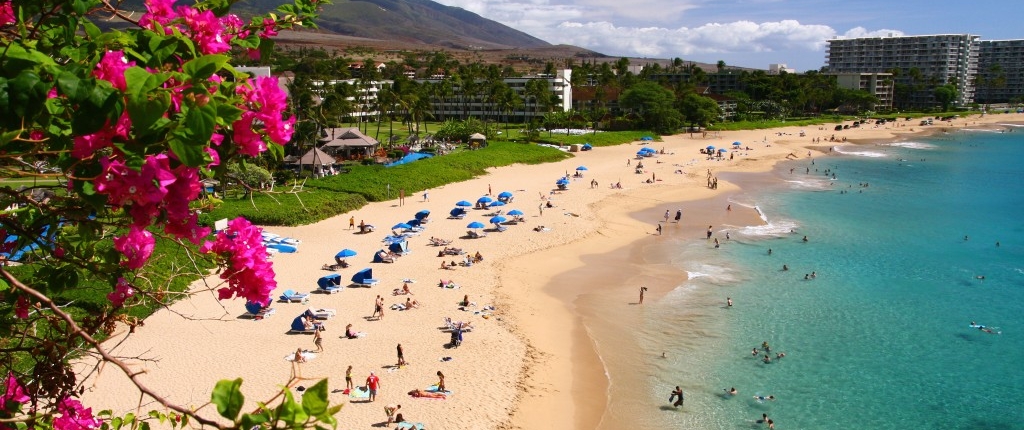
Haleakala National Park, Maui, Hawaii – While it’s better known for its sunrises, the 10,000 ft peak of Haleakala (“House of the Sun” in Hawaiian language) offers an alluring display at sundown as well. Reservations for this time of day are not required as they are for sunrise, but visitors should plan ahead and arrive early with warm clothes in tow – when the sun drops, so do the temperatures!

Eagle Beach, Aruba – One of the best beaches in the world, west-facing Eagle Beach on breezy Aruba provides the perfect theater for catching a gorgeous display of nature at the end of the day. The gnarled and wind-blown divi-divi trees the island is known for further add to the scenery.

Don’t let another day slip away without witnessing nature’s most magnificent daily show. Whether you’re planning your next vacation or simply looking for a memorable evening in your own city, make time to chase the sunset. Pack a picnic, bring your camera, and gather your loved ones for an experience that costs nothing but creates priceless memories. The world’s most beautiful sunsets are waiting for you – which one will you discover first? Share your favorite sunset spots and photos with us using #SunsetSeeker, and start planning your sunset adventure today.

Nothing brings me more joy than helping plan your first family vacation abroad or bringing that bucket list destination within reach. I know international travel can feel overwhelming at first, especially regarding passports and documentation. Let me walk you through some key passport tips to ensure your journey starts smoothly.

1. Where can you apply for a passport?

If you are applying for a passport for the first time, you will need to submit your application in person. Local post offices and government offices can accept applications and some library systems. You can use this tool to find a facility in your area.

For renewals, eligible U.S. citizens can complete the process online, but the mail-in option is also available.

2. How long does it take to get a passport?

You’ll want to check the official site for current processing times. If you apply for an expedited service at an additional fee, you will likely receive it more quickly, but that is never guaranteed.

Always check the expiration date a few months before you travel to ensure you have enough time to renew and receive a new passport if needed. Passports issued to travelers 16 and older are valid for 10 years, while those issued to travelers under 16 are only valid for 5 years.

3. What’s the difference between a passport book and a passport card?

A passport book is the only document that is approved for international air travel. It is required for any trip to Europe, Asia, Australia, Africa, South America, and Antarctica.

A passport card is a wallet-sized document that can be used to re-enter the United States by land or sea from Canada, Mexico, the Caribbean, and Bermuda. It cannot be used for air travel to these destinations. The card’s original purpose was to serve those who live close to these borders and must cross them frequently.

Some travelers may be tempted to apply for a card because it is less expensive, but in most cases, it will not meet the requirements for travel. It is crucial to understand that if you are cruising, and in the event of an emergency, you will not be able to fly without a book. It takes the same amount of time to receive a card as it would the book.

4. Do children need a passport to travel?

Yes. Any person traveling internationally needs a passport, no matter how young. A minor under 16 must have parental or a legal guardian’s consent to apply. Those under 16 must also apply for their passport in person for the first time and when applying for a renewal.


5. How can you keep your passport safe while traveling?

It’s recommended that you only carry your passport when you need it. In all other cases, it should be locked away. When holding your passport, using a cover with RFID shielding is a good idea to prevent scanning.

You should also make it difficult to reach your passport when carrying it. Keep it in an internal zipped pocket of your purse, in a money belt, or deep down in the bottom of your travel bag. Make sure not to leave it in your luggage or another bag that could be easily taken or lost.

6. What to do if your passport is lost or stolen?

If you lose their passport or suspect it was stolen, you should report it according to the instructions from travel.state.gov. Once a passport is reported lost or stolen, it is invalid and cannot be used for travel. The holder must apply for their new passport in person.

If your client’s passport is lost or stolen when traveling internationally, they should follow these steps.

7. Where can my clients and I find out more about passports?

For more information on forms, fees, and wait times, visit travel.state.gov. You can also find more frequently asked questions and the most up-to-date information there.