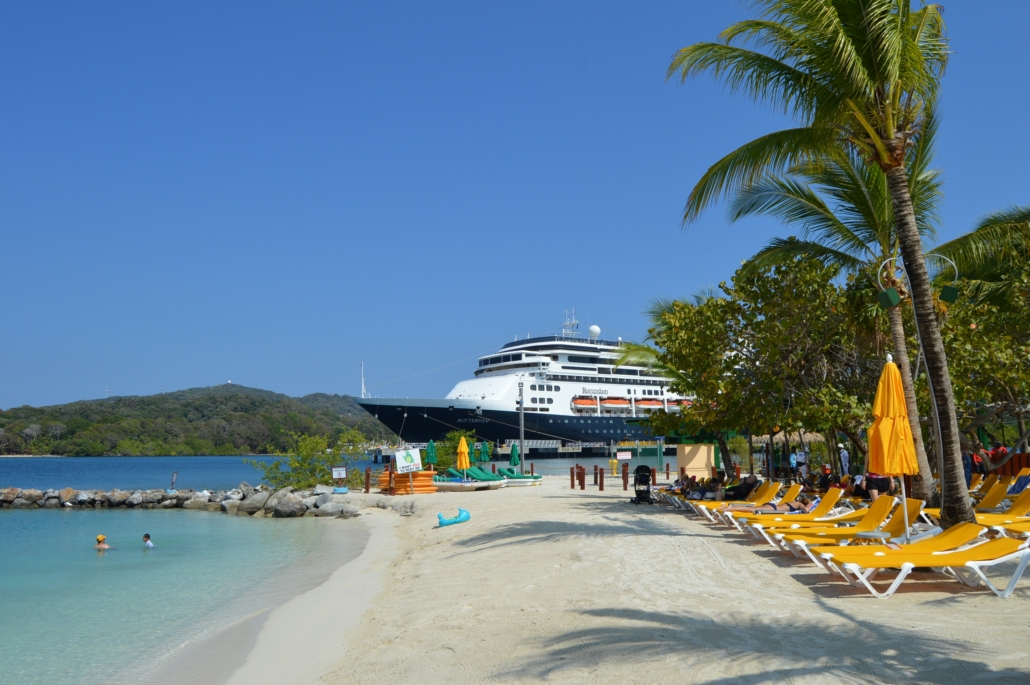
Not all luxury cruise lines are created equal when it comes to kids, and the industry is actively drawing new lines in the water. This post breaks down which luxury cruise lines genuinely welcome families, which are now strictly adults-only, and how to choose the right sailing for everyone in your group.

There is a debate swirling in the cruise world right now, and it is a spicy one. Do kids actually belong on luxury cruises? 

As someone who has spent years helping families and couples find the perfect sailing, we have a clear, informed answer. But it is not a simple yes-or-no. It is a ‘it depends on which ship, which line, and what your family actually looks like.’ Let us break it down.

The Luxury Cruise Landscape Is Officially Splitting in Two

The biggest news shaping this conversation right now is that Oceania Cruises has officially become an adults-only line. The policy took effect in January 2026 for all new bookings. For many advisors and loyal Oceania guests, this was long overdue. The line had already been repositioning itself around fine dining, immersive destination experiences, and a refined onboard atmosphere. Most guests and advisors already considered it an adult-focused experience, and the occasional child on board reportedly created what Oceania described as an inconsistency in atmosphere.

This move further distinguishes Oceania from its sister brand, Regent Seven Seas Cruises, which remains open to families and offers children’s programming on select voyages. As Regent’s leadership put it, being adults-only is not the only definition of luxury. Regent proves you can deliver an ultra-luxury experience while still welcoming kids, as long as there is thoughtful programming and structure in place.

So what does this tell us? The luxury cruise industry is actively choosing lanes. Some lines are leaning fully into the serene, adults-first identity. Others are doubling down on delivering a white-glove family experience. As a travel advisor, I can say this is actually good news for our clients. The choices are clearer than ever.

The Real Question Is Not Whether Kids Belong. It Is Whether the Line Is Built for Them.

Here is where we land on the debate. We believe children absolutely have a place on luxury cruises, with one critical condition: the cruise line has to be thoughtfully designed to welcome them. That means dedicated kids’ programming, clear expectations for families, and spaces where both adults and children can genuinely thrive.

When a luxury line welcomes children but offers no structure, no programming, and no family-specific spaces, it sets everyone up for disappointment. The adults seeking a serene escape feel it. The families who expected something more feel it too. Nobody wins.

Conversely, when a line like Regent Seven Seas or Royal Caribbean’s Royal Suite Class creates a genuine luxury family environment, magic can happen. Both the champagne crowd and the sippy cup crowd go home happy.

Which Luxury Cruise Lines Are Actually Family-Friendly?

Since we work closely with several of these lines, here is our honest breakdown:

Regent Seven Seas Cruises: Ultra-Luxury With Family Options

Regent remains one of the few true ultra-luxury lines that welcomes children and backs it up with programming. Their all-inclusive model means families are not hit with surprise costs, and the onboard experience is genuinely refined. We would recommend Regent for families with older children and teens who will appreciate the destination-immersive nature of the sailings.

Seabourn: Small-Ship Luxury, Quietly Kid-Tolerant

Seabourn does welcome younger family members, though it does not market itself as a family cruise line. Think of it as a sophisticated adults-first environment that can accommodate well-traveled families, particularly during school holidays when kids are more likely to be on board. Best suited for families with older, adaptable children.

Royal Caribbean’s Royal Suite Class: The Best of Both Worlds

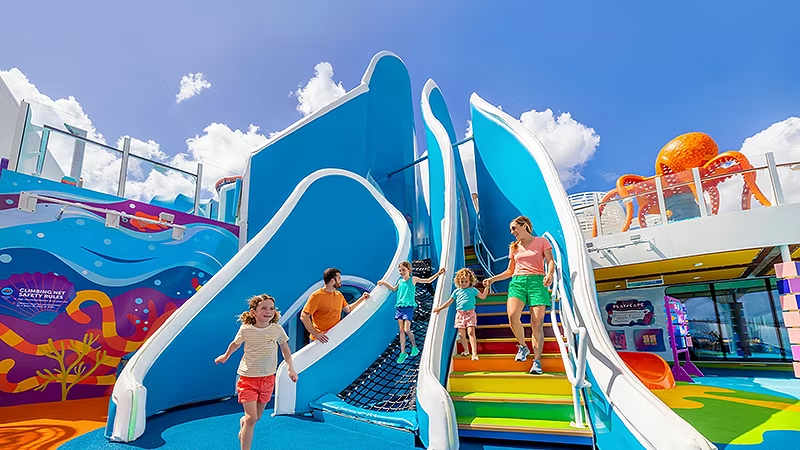
This is one of the most compelling options for families who want luxury and kid-friendly programming on the same sailing. The Royal Suite Class carves out a genuinely upscale microcosm within ships like Star of the Seas, with VIP-only spaces, private dining, and dedicated concierge service, while the broader ship delivers world-class entertainment, water parks, and kids’ clubs. Nobody has to compromise.

Oceania Cruises: Adults Only as of 2026

If you have been sailing Oceania for years and love it, this news is for you: Oceania is now officially adults-only. It is a logical and honest move for a line that was already positioning itself this way. If you are traveling as a couple or with adult children, Oceania is a wonderful choice. Families with young children will need to look elsewhere.

Viking Ocean: Adults Only by Design

Viking has always been adults-only (guests must be 18 or older). This is a deliberate brand choice, and it works beautifully for the couples and solo travelers who seek a refined, intellectually immersive sailing experience. If you are looking for a family option, Viking River cruises on certain itineraries may be a better conversation to have with us.

What to Look for When Booking a Luxury Cruise With Kids

If you are considering a luxury sailing with children in tow, here are the things we evaluate before ever making a recommendation:

  • Dedicated children’s programming: Not a playroom with a TV. Real structured activities, supervised clubs by age group, and staff trained to work with kids.
  • Clear ship layout: Are family cabins separated from adults-only quiet zones? Can adults find genuine respite while kids are in programming?
  • Age minimums on excursions: Luxury shore excursions often have age and mobility requirements. We check these before booking.
  • Multi-generational suite configurations: Connecting suites or family suites on small-ship lines can be harder to find. We know which lines offer them and which do not.
  • Onboard dining flexibility: Kids eating in a formal dining room every night can be exhausting for everyone. We look for lines with casual dining alternatives.
  • School holiday departure dates: On lines that technically allow kids but do not prioritize them, sailings during school holidays tend to have more families aboard, which shifts the onboard dynamic in a family-friendlier direction.

A Note for Adults Worried About Kids on Their Sailing

If you are booking a luxury cruise as a couple or with other adults and the thought of children onboard makes you cringe, we hear you. Here is our advice: choose a line that has made its position clear. Oceania and Viking are now your best bets for a guaranteed adults-only environment on the ocean side. On the river cruise side, Avalon, AmaWaterways, and most premium river lines cater heavily to adults and rarely see young children aboard.

If you are booked on a line that allows children, sailings that depart outside of school holidays will typically have very few, if any, kids onboard. We factor this into our recommendations every time.

Ready to Find Your Family’s Perfect Luxury Cruise?

At Wishes and Waves Travel, we take the guesswork out of choosing the right sailing for your family. Whether you’re planning a multi-generational voyage or an adults-only escape, we have the insider relationships and first-hand knowledge to match you with the perfect cruise line and itinerary.

Contact us today to start planning a sailing experience everyone will remember.

Frequently Asked Questions

Can children sail on luxury cruise lines?

It depends on the line. Regent Seven Seas, Seabourn, and Royal Caribbean’s Royal Suite Class are among the luxury options that welcome children. Oceania Cruises and Viking are now adults-only. We always review age policies and kids’ programming before recommending a luxury line for families.

Why did Oceania Cruises become adults-only?

Oceania made the switch in January 2026 after repositioning itself as a luxury brand focused on fine dining, destination immersion, and a refined onboard atmosphere. Guest and advisor feedback indicated the experience was already perceived as adult-focused, and the new policy simply formalizes that identity.

What is the best luxury cruise line for families?

For true ultra-luxury with family programming, Regent Seven Seas is our top pick. For families who want luxury accommodations combined with world-class entertainment and kids’ clubs, Royal Caribbean’s Royal Suite Class is a compelling option. The right answer depends on your family’s age range, priorities, and travel style.

Are luxury cruises worth it for families with young children?

They can be, but only if the line is genuinely built to welcome them. Luxury lines with dedicated family programming deliver an exceptional experience. Luxury lines that technically allow kids but do not prioritize them can feel like a mismatch. Working with an advisor who knows these lines well makes all the difference.

Which luxury cruise lines are adults-only?

Oceania Cruises became adults-only in 2026. Viking (both ocean and river) requires guests to be 18 or older. Seabourn, while not officially adults-only, is best suited for adults and rarely sees young children aboard outside of school holidays.

How do I book a luxury cruise that is right for my family?

Start by defining what matters most: the destination, the onboard experience, the service level, and the age range of your group. Then connect with an advisor who knows these lines firsthand. At Wishes and Waves Travel, we have personal experience with these cruise lines and can match your family to a sailing that works for everyone. Reach out to us to get started.

Ritz-Carlton is already at sea. Four Seasons Yachts has launched. Orient Express is coming. The world’s most iconic luxury hotel brands are bringing their hospitality DNA to ocean voyages, and it is changing everything.

Something significant is happening in the world of luxury travel, and if you’ve been watching closely, you’ve probably noticed the headlines.

Ritz-Carlton has been sailing for a couple of years now. Four Seasons Yachts made its debut this year. Orient Express Silenseas is on its way for 2027. The most storied names in luxury hospitality have looked at the ocean and decided it’s where their guests want to go next.

This is not a coincidence. And it’s not a passing trend.

It is a signal that the luxury cruise market has matured to the point where the world’s most discerning hospitality brands see it as their natural next move. And for travelers who love both exceptional hotels and the idea of seeing the world from the sea, the timing couldn’t be better.

Why Hotel Brands Are Moving to Sea

Consider the traveler who regularly stays at a Four Seasons or a Ritz-Carlton. They have a relationship with those brands built on a specific promise: design-forward spaces, deeply personal service, culinary excellence, and the feeling that every detail has been considered. Hotel rates in premier destinations have climbed to levels that genuinely give even affluent travelers pause. A beautiful hotel room in Paris or the Maldives in high season can run $1,500 to $2,500 per night, room only.

A yacht-scale vessel offering that same standard of hospitality, all-inclusive, waking you up in a new destination each morning? That’s a compelling conversation. The hotel brands clearly think so too.

And from a traveler psychology standpoint, there is something powerful about a brand you already trust entering a new format. If you’ve had a transformative stay at a Four Seasons, you have a very good idea of what a Four Seasons yacht experience will feel like. That trust is worth something.

The Ritz-Carlton Yacht Collection: Already Sailing

The Ritz-Carlton Yacht Collection has been in the water since 2022, and the brand has done what you’d expect: applied its hotel-brand DNA to a yacht-scale ship with 149 suites, multiple dining concepts, an Espa spa, and itineraries across the Mediterranean, Caribbean, and beyond.

The experience is deliberately positioned between a luxury yacht charter and a small cruise ship: intimate enough for genuine personalization, spacious enough for resort-level amenities. All suites have private terraces. The culinary program reflects the Ritz-Carlton’s hospitality standards. And the vessel’s size means the service ratios are exceptional.

Four Seasons Yachts: A New Chapter Begins

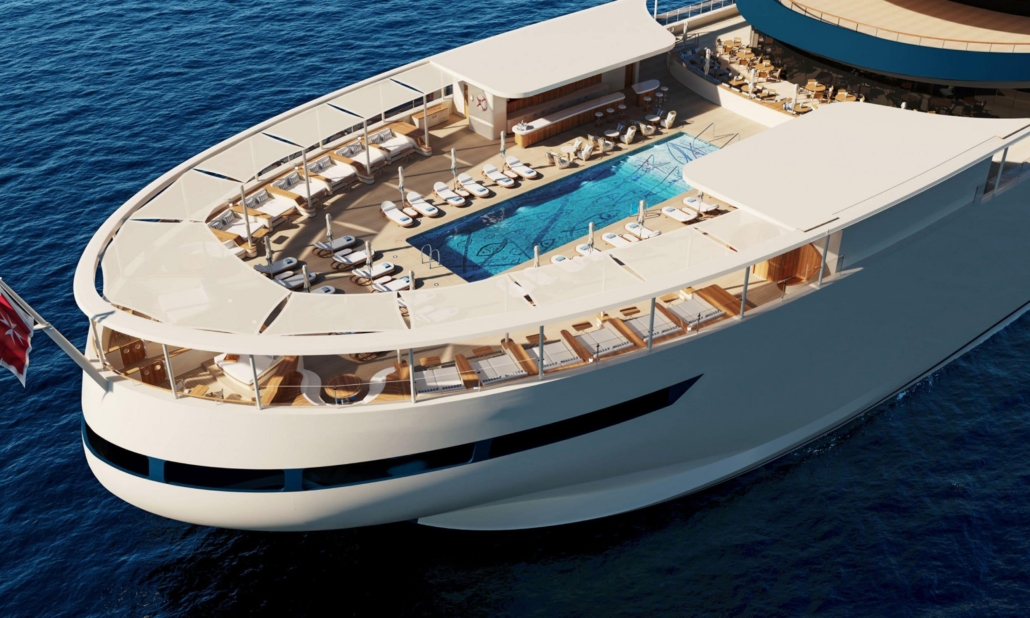
Four Seasons Yachts has entered the water this year, and it is genuinely one of the most anticipated launches in luxury travel in recent memory. The vessel carries 95 suites, with interior design consistent with Four Seasons’ aesthetic: warm, refined, residential in feel rather than corporate.

What makes Four Seasons Yachts particularly interesting is its dining approach. It is the first major luxury cruise line to not include all meals in the fare beyond breakfast, positioning the onboard restaurant as a standalone dining destination rather than a component of an all-inclusive package. For travelers who are accustomed to how great hotel food and beverage works, this is a familiar and appealing model.

Four Seasons has also built in seamless connections to its land portfolio, with shore experiences and pre- and post-cruise stays designed in coordination with Four Seasons hotels and resorts in the ports of call. This kind of end-to-end brand continuity is exactly what the most sophisticated travelers have been asking for.

Orient Express Silenseas: The Most Anticipated Launch on the Horizon

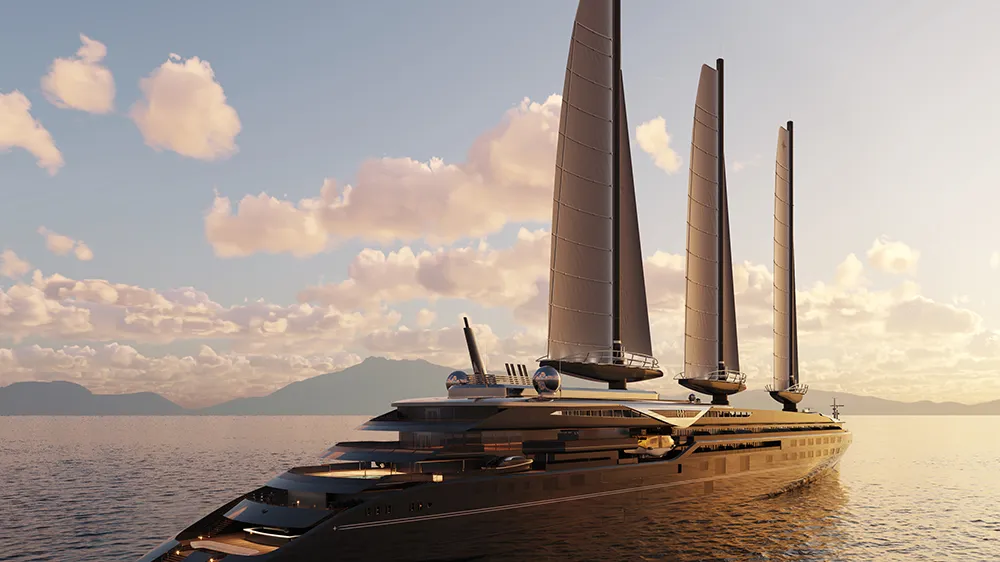
Orient Express Silenseas, expected to debut in 2027, may be the most visually extraordinary vessel ever conceived. The design is a striking departure from conventional cruise ship aesthetics: a sailing ship inspired by French art deco architecture, carrying just 54 suites.

Orient Express brings with it one of the most evocative brand stories in all of luxury travel. The legendary train journeys, the Venice Simplon-Orient-Express, the beautiful properties under the Belmond umbrella. Silenseas will connect to this story while delivering a form of travel that is almost impossible to categorize: part yacht, part hotel, part historic fantasy.

For the traveler who wants something genuinely singular, this will be worth watching closely.

What This Means for How We Plan Travel

The arrival of hotel brands at sea creates something that has been missing until now: true end-to-end luxury itineraries managed by a single brand at a consistent standard.

Think about what a trip designed around the Four Seasons could look like: a Four Seasons resort in Miami or Dubai as the pre-cruise hotel, embarkation on the Four Seasons Yacht for a 10-night Mediterranean voyage, private shore excursions coordinated with Four Seasons properties in port, and a post-cruise stay at a Four Seasons in Rome or Istanbul.

One brand. One standard. One expectation, delivered consistently throughout. No moment where you step off the beautiful yacht onto a mediocre tour bus.

This is the direction luxury travel is moving, and it’s one of the things we find most exciting about planning travel right now. We get to help our clients be early in this story.

A Word on Timing

The best suites on these new launches are generating extraordinary interest. The Ritz-Carlton Yacht Collection regularly sails with waiting lists for popular sailings. Four Seasons Yachts has seen significant booking demand for its debut itineraries. Orient Express Silenseas will almost certainly be oversubscribed from the moment reservations open.

If any of these experiences is on your radar, the conversation to have is now, not when you’re ready to travel. We can hold space, monitor availability, and position you to secure exactly what you want before it’s gone.

Ready to Set Sail? Let’s Plan Your Perfect Cruise.

At Wishes and Waves Travel, we do the research, the comparing, and the planning so you don’t have to. Whether you’re brand new to cruising or ready to trade up to something extraordinary, we’d love to help you find the right ship, the right itinerary, and the right experience for you.

Reach out to us and let’s start the conversation. Your dream voyage is closer than you think.

FAQs

When did Ritz-Carlton start operating cruises?

The Ritz-Carlton Yacht Collection launched its first sailing in 2022. The collection currently operates with multiple vessels across the Mediterranean, Caribbean, and other itineraries, with more ships planned.

How is the Four Seasons Yacht different from other luxury cruise lines?

Several things set it apart. The vessel carries just 95 suites, making it extraordinarily intimate. The dining model is unique: rather than all-inclusive, the onboard restaurant operates more like a standalone luxury restaurant, which is a first in the cruise world. And Four Seasons has deeply integrated its land portfolio into the experience, so pre- and post-cruise stays and shore experiences all connect to Four Seasons properties.

What is Orient Express Silenseas and when does it sail?

Orient Express Silenseas is a sailing vessel carrying 54 suites with a design inspired by French art deco architecture. It is expected to debut in 2027. Given the level of anticipation, we expect demand to be extraordinary and recommend getting on our radar now if this is of interest.

Are these hotel-brand cruises more expensive than traditional luxury cruise lines?

They are positioned at the top of the luxury tier, comparable to the most exclusive small-ship luxury lines. Given the brand heritage, the intimacy of the vessels, and the quality of the experience, the pricing reflects that positioning. The comparison to a comparable number of nights at the flagship hotels of these brands is often very favorable.

Can I combine a hotel-brand cruise with a land stay at the same brand’s properties?

Yes, and this is one of the most exciting aspects of the hotel-brand entry into cruising. Four Seasons has specifically designed its yacht program to connect with its hotel portfolio. We specialize in designing these seamless brand-consistent itineraries and love building them for clients who want a trip that maintains a single exceptional standard throughout.

How do I find out about new sailings and availability for these luxury launches?

Working with a travel advisor is the most reliable way to stay ahead of availability. We monitor new releases, pre-sale periods, and last-minute openings across all of the top luxury lines. Reach out to us and we’ll make sure you’re positioned to secure what you want before the general public is aware it’s available.

There’s a certain kind of traveler who has done the Mediterranean twice, ticked the Caribbean islands off the list, and is quietly wondering: what’s next? If that sounds like you, I have good news. Some of the most rewarding cruise itineraries out there aren’t built around the places everyone talks about. They’re built around the places that make you call someone and say, “You have to go. You’ve never even heard of it.”

These are the routes I want to tell you about.

The Mediterranean’s Best-Kept Secret Stops

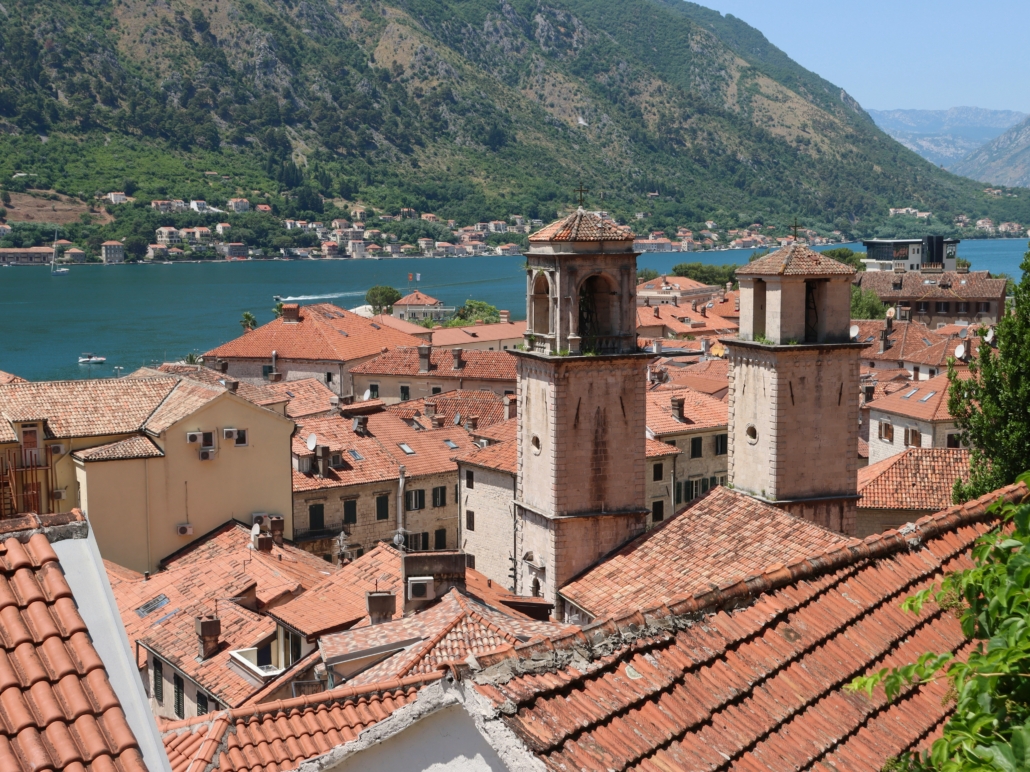
Most Mediterranean sailings hit the same reliable lineup of ports. And honestly? There’s nothing wrong with that. But if you’ve already checked those boxes, look for itineraries that call in Kotor, Montenegro.

This walled medieval town sits at the end of a bay so dramatic it genuinely looks like a fjord. Stone alleys wind past church towers and centuries-old squares, all framed by mountains that rise sharply behind the city walls. If you’re up for a climb, the old fortress trail rewards you with sweeping views over the entire bay. If you’re not, you can spend a perfectly happy morning wandering the cobblestones, ducking into local cafes, and feeling like you’ve stumbled into somewhere very few people think to go.

Itineraries that pair Kotor with stops like Nafplio, Greece or Cesme, Turkey are especially worth seeking out. Nafplio’s neoclassical architecture and waterfront promenade beg to be explored on foot. Cesme offers a hilltop castle, a small but excellent archaeology museum, and beaches calm enough for an afternoon swim followed by a drink at a bar where the only view is the Aegean.

Panama Canal Sailings Worth Lingering Over

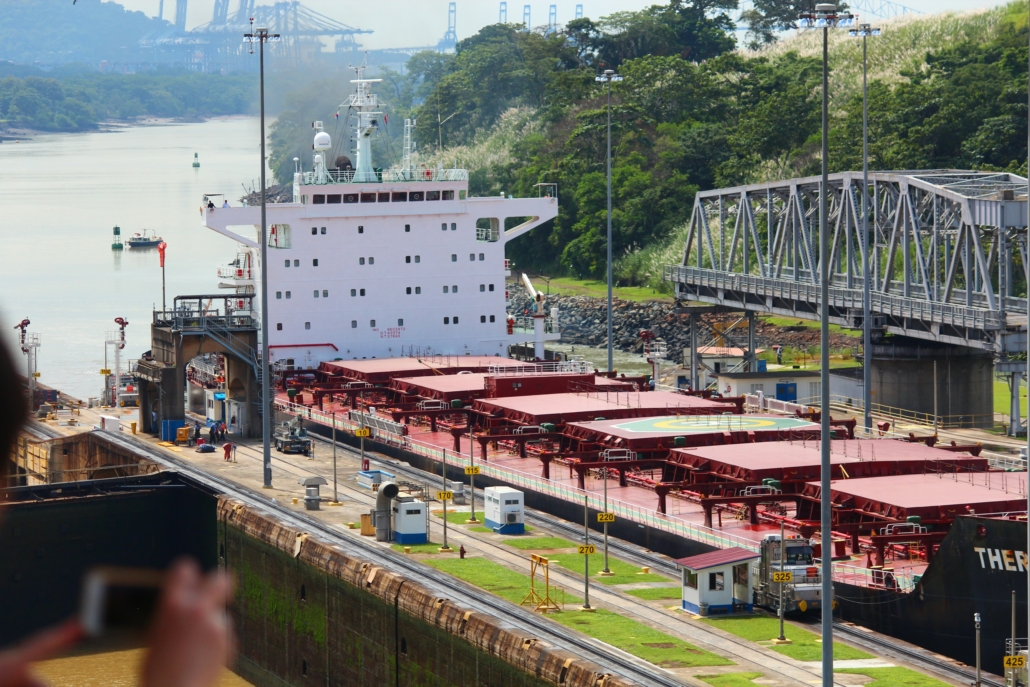
A Panama Canal transit tends to get marketed around the locks themselves, which are genuinely impressive. But the best Canal itineraries treat that transit as one element of a longer, richer journey rather than the headline act.

When your ship overnights or spends a full day in Panama City, you get access to two cities in one: a gleaming modern skyline on one side and the beautifully restored colonial district of Casco Viejo on the other. Spend your morning on a guided history walk through Casco Viejo’s layered past, then settle in for a long lunch in a courtyard restaurant. That’s a port day done right.

On routes that include lesser-known Caribbean stops like Dominica or Anguilla, I’d encourage you to look past the standard beach day. In Dominica, the interior is where the island reveals itself: rainforest hikes, thundering waterfalls, and natural hot springs that have nothing to do with a resort. In Anguilla, the beaches really are that good, but they’re even better when you add a snorkel over the reef or an afternoon at a beach bar where the crowds simply haven’t arrived yet.

Northern Europe and the Baltic: A Different Kind of Off the Radar

“Off the beaten path” doesn’t always mean somewhere remote. Sometimes it just means somewhere that doesn’t make the cover of most cruise brochures.

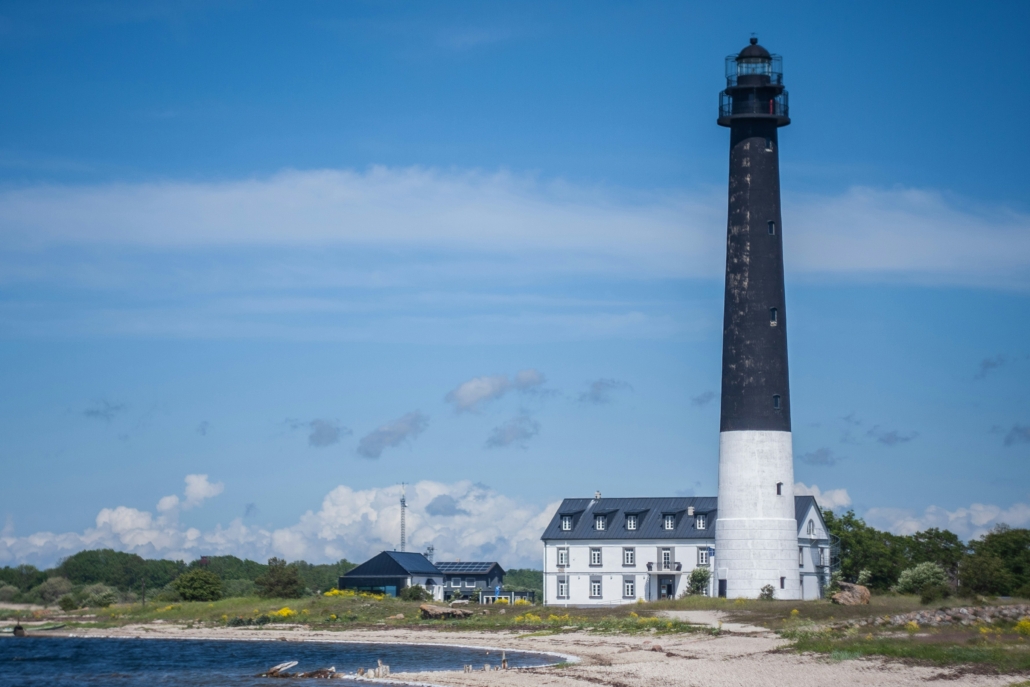
Small-ship and premium lines have started building itineraries that include ports like Saaremaa, Estonia, Kotka, Finland, and Gdansk or Szczecin in Poland. These aren’t placeholder stops. They’re places where you can walk a well-preserved historic center, visit a maritime museum or a sobering World War II site, have lunch somewhere that doesn’t have a picture menu, and genuinely get a feel for everyday life in Northern Europe.

For travelers who’ve already done Stockholm, Copenhagen, and Helsinki, these itineraries offer something different: a slower pace, fewer tour buses, and the particular satisfaction of discovering somewhere new.

River Sailings That Go Beyond the Highlights

River cruises are already more immersive than ocean sailings by design. But even within river cruising, some itineraries go further than others.

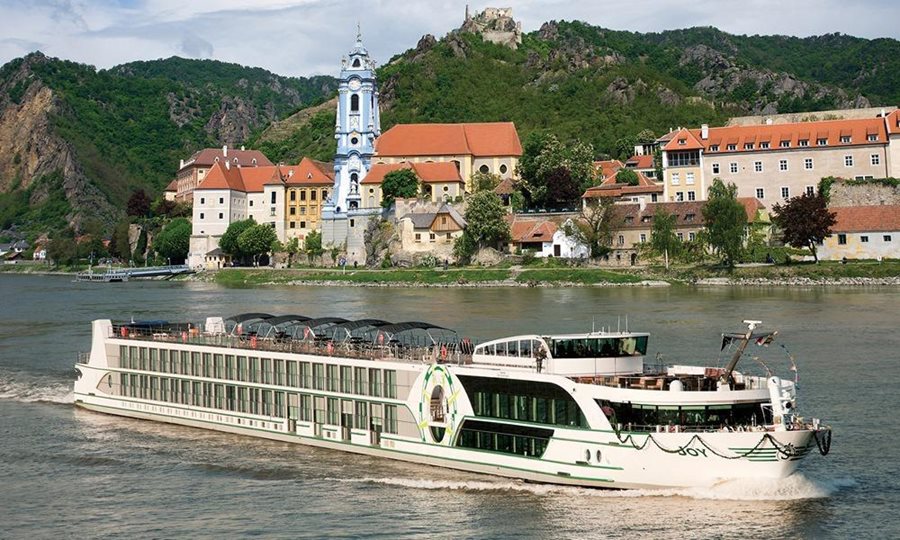
Specialty sailings along the Rhine or Danube sometimes include experiences you won’t find on the standard roster: a private concert in Vienna, a behind-the-scenes tour of Melk Abbey that takes you beyond the main rooms, a local cooking class in a small village that’s not even a port stop on most maps. These extras don’t require you to sacrifice the things you came for. You still get the window seat as the ship moves through wine country. You still get the mornings in town squares with good coffee. You just also get a little more.

Choosing an itinerary built around quieter ports changes the texture of your trip. The days become less about moving through a checklist and more about actually being somewhere. That shift, from sightseeing to experiencing, is what turns a good cruise into one you’re still talking about years later.

Ready to Find Your Perfect Itinerary?

This is exactly the kind of planning I love doing for my clients. I know these itineraries, these ports, and which cruise lines do them best. Whether you’re ready to book or just starting to dream, I’d love to help you put something together that actually excites you.

Contact me today and let’s start planning the cruise you didn’t know you needed.


Frequently Asked Questions

What does “off the beaten path” actually mean for a cruise? It means itineraries that intentionally include smaller, less-visited ports instead of (or in addition to) the most popular stops. These sailings often attract experienced cruisers looking for something new, and they tend to feel less crowded, both on shore and sometimes onboard.

Which cruise lines are best for alternative or lesser-known ports? Small-ship lines and premium ocean carriers tend to have the most flexibility to call in smaller ports that larger ships can’t access. On the river side, lines like AmaWaterways, Viking, and Uniworld offer specialty sailings and unique excursions that go well beyond the standard itinerary. I can help you compare options based on where you want to go.

Is Kotor, Montenegro worth visiting on a cruise stop? Absolutely. It’s one of the most beautiful and underrated port towns in the entire Mediterranean. Even a half day gives you time to explore the old town and, if you’re up for it, climb part of the fortress wall for a view that will genuinely stop you in your tracks.

What’s the difference between a standard Caribbean cruise and one with lesser-known stops like Dominica or Anguilla? The popular islands offer well-developed tourism infrastructure, lots of excursion options, and busy ports. Islands like Dominica and Anguilla are quieter, more natural, and often more memorable for travelers who want something beyond a beach chair. They’re not harder to navigate; they just feel less like a production.

Can I add pre- or post-cruise time in any of these destinations? Yes, and I’d often recommend it. Ports like Panama City, Gdansk, or the Montenegrin coast all reward a few extra days of exploration. As your travel advisor, I can arrange accommodations, private guides, and transfers that connect seamlessly with your cruise.

How do I know if an off-the-beaten-path itinerary is right for me? If you’ve cruised before and want something that feels genuinely new, or if you prefer cultural depth over beach days and souvenir shops, these itineraries are a great fit. If you’re a first-time cruiser who wants to see the iconic highlights, we’d probably start somewhere different, and that’s completely fine too. I’ll help you figure out what makes sense for where you are right now.


The Caribbean is one of the best regions in the world to cruise, and the right itinerary makes all the difference. Whether you sail from San Juan, a Gulf Coast port, or anywhere in between, each route offers a distinct mix of culture, beaches, and adventure worth knowing before you book.

The Caribbean remains one of the most popular regions for cruising, and once you see the itineraries up close, it is easy to understand why. Short sailing distances between islands mean more time actually exploring and less time watching the horizon. Add in warm water, a gorgeous mix of cultures and landscapes, and ports that range from lively colonial cities to quiet beach hideaways, and you have a region that genuinely delivers for all kinds of travelers.

Whether you are planning your very first cruise or returning to the Caribbean after a few years away, knowing which route matches your travel style is the first step. I have helped hundreds of clients navigate these choices, and I am going to break down three of my favorite Caribbean cruise routes along with exactly what makes each one worth your time.

Southern Caribbean from San Juan: Culture First, Then the Beach

If you want a Caribbean itinerary that gives you more than just a beautiful beach at every stop, sailings out of San Juan are worth a serious look. The route opens up the southern Caribbean in a way that packs an impressive variety of islands into a single week.

Start Early: Spend a Night or Two in San Juan

Do not rush straight to embarkation day. San Juan is one of the most stunning cities in the entire Caribbean, and arriving a day or two early gives you time to actually experience it. Walk the cobblestone streets of Old San Juan, explore the historic forts perched above the ocean, and linger in the plazas where live music spills out of cafes well into the evening. That kind of history and energy is genuinely rare, and it sets the tone for everything that follows.

What to Expect Onboard the Route

Once you are at sea, the pace shifts into true island-hopping mode. Each port on a typical southern Caribbean sailing has its own personality, and that variety is what keeps this route interesting all week long. Here is a snapshot of what you might experience:

  • A broad, palm-fringed beach with calm water ideal for swimming and snorkeling right from shore
  • A colorful waterfront town where you can browse local crafts and sample regional dishes at a small family restaurant
  • A catamaran excursion to a nearby cay, combining sailing with snorkeling and time on a sandbar
  • Inland excursions like rainforest hikes, waterfall visits, and colonial history tours for those who want more than just the beach

This route is an especially strong choice for first-time cruisers and for couples or families who want a balance of relaxation and exploration without ever feeling overwhelmed.

Western Caribbean from Gulf Coast Ports: Beaches, Ruins, and Soft Adventure

Western Caribbean itineraries departing from Gulf Coast ports are a perennial favorite, and for good reason. They are logistically convenient for a large part of the country, and the ports they visit deliver a satisfying mix of beach days, cultural moments, and low-key adventure.

What This Route Does Well

A typical western Caribbean sailing might include:

  • A Mexican port where you can split the day between a beach club and a guided trip to nearby ancient ruins
  • An island famous for clear water and marine life, where scuba divers and snorkelers head to shallow reefs while others stick close to shore for swimming and sunbathing
  • Mainland ports with access to river excursions, jungle parks, and zipline experiences for travelers who want a little adrenaline in the mix
  • A quieter island stop focused entirely on open stretches of sand, casual waterside bars, and easy water sports like kayaking and paddleboarding

What I love most about this route is the range. One day you might be standing in front of a Mayan pyramid, and the next you are floating over a coral reef. That kind of contrast keeps the week feeling fresh and full.

Who This Route Works Best For

Western Caribbean itineraries are a great fit for active travelers, multi-generational families, and first-time cruisers who want variety without complexity. Gulf Coast embarkation ports are also a practical advantage if you are in the southern or central U.S. and prefer driving to the port over flying.

Eastern Caribbean Island Sampler: Maximum Variety in a Single Week

Eastern Caribbean itineraries are exactly what they sound like. A single sailing might connect a lush, mountainous island blanketed in rainforest, a flat island known for long and calm beaches, and a colorful port town where townhouses line a sheltered harbor. The beauty of this route is how much contrast you get from one day to the next.

A Week That Never Feels Repetitive

Days on an eastern Caribbean itinerary tend to alternate naturally between different kinds of experiences. You might spend a morning lounging on a wide, palm-dotted beach, then take a scenic drive into the hills for panoramic views in the afternoon. The next port could have a busy downtown market worth exploring, while the one after that invites you to spend the day on a boat circling the island or visiting hidden coves.

For shoppers and foodies, eastern Caribbean ports are particularly strong. Duty-free shopping, local markets, and regional cuisine are highlights at many stops along this route.

The Big Picture

Over the course of a week, the contrast between lush hillsides, coral-fringed shores, busy port towns, and quiet beach spots keeps the itinerary dynamic in the best possible way. It never strays far from that classic Caribbean feel, but it never gets boring either. This is the route I often recommend to clients who have done the Caribbean before and want to see a different side of it.

How to Choose the Right Caribbean Route for You

Picking the right itinerary comes down to a few key questions: Where are you departing from? What matters more to you, beaches or culture or adventure? And how do you want to divide your time between relaxing and exploring?

Here is a quick breakdown to help you think it through:

  • Southern Caribbean from San Juan: Best for cultural immersion, island variety, and travelers who want a city experience before they board
  • Western Caribbean from Gulf Coast ports: Best for beach lovers who also want history and soft adventure, especially if you live in the southern or central U.S.
  • Eastern Caribbean island sampler: Best for repeat Caribbean cruisers and anyone who wants maximum variety in a single week

That said, the best itinerary is the one that fits your specific situation. Ship choice, cabin category, shore excursion planning, and pre- or post-cruise stays all play into the overall experience. That is where working with someone who knows these routes firsthand makes a real difference.

Ready to Plan Your Caribbean Cruise?

At Wishes and Waves Travel, we specialize in helping travelers find the Caribbean cruise that actually matches how they travel. Not just a booking, but a complete experience designed around what you love to do and how you like to spend your time at sea and onshore.

Whether you are starting from scratch or already have a route in mind, I would love to help you put it together. Reach out to start planning, and let’s find the itinerary that has your name on it.

Contact me to start planning your Caribbean cruise today.

Frequently Asked Questions


What is the best time of year to cruise the Caribbean?

The Caribbean cruise season generally runs from December through April, when weather is dry and temperatures are comfortable. That said, cruising outside peak season can mean lower fares and fewer crowds at popular ports. Hurricane season runs from June through November, and while most cruise lines adjust itineraries as needed, it is something to keep in mind when planning.


How many days do I need for a Caribbean cruise?

Most Caribbean cruises run seven nights, which is enough time to visit four to five ports without feeling rushed. Shorter sailings of three to five nights work well for first-time cruisers or those with limited vacation time. Longer voyages of ten or more nights allow for deeper exploration of the southern Caribbean or a broader island sampler.


Is it worth spending extra time in San Juan before boarding a cruise?

Absolutely, and I recommend it to nearly every client sailing from San Juan. One or two nights in the city give you time to explore Old San Juan, visit the historic forts, and settle in without the stress of rushing to the port on embarkation day. It also protects you in case of flight delays, which is always a smart buffer to build in.


Which Caribbean cruise route is best for families?

Western Caribbean itineraries tend to work especially well for families, thanks to the mix of beach days, accessible excursions, and ports with something for every age group. Eastern Caribbean routes are also strong family options. The right fit depends on your family’s interests, and I am happy to walk through the options with you.


Do I need a passport to cruise the Caribbean?

U.S. citizens on closed-loop cruises, meaning sailings that depart and return to the same U.S. port, can technically travel with a government-issued ID and birth certificate. However, I always recommend bringing a valid passport. If a medical emergency or missed departure requires you to fly home from a foreign port, you will need it.


How do I choose between cruise lines for the Caribbean?

Cruise line selection depends on factors like ship size, onboard amenities, dining style, entertainment, and your preferred pace. Some cruise lines emphasize party atmosphere and activities, while others lean more toward relaxed, destination-focused experiences. As a travel advisor, I work with multiple cruise lines and can match you with the one that genuinely suits how you travel, not just what happens to be on promotion.


Let me be honest with you: I love a good Caribbean cruise. The turquoise water, the warm breeze, those perfect beach days—there’s a reason the Caribbean has been America’s go-to cruise destination for decades. But if you’re reading this, I’m guessing you’re wondering if there’s something more out there. Something different. Something that doesn’t involve another port with the same beach chair setup you saw last year.

There is. And it’s called Alaska.

I’ve sailed the Caribbean multiple times and visited Alaska to experience what makes it one of the most sought-after cruise destinations in the world. I’ve sipped piña coladas on St. Thomas beaches and stood speechless in front of glaciers the size of Manhattan. Both are spectacular experiences. But they’re not the same experience, and that distinction matters when you’re planning your 2026 vacation.

Here’s what I tell my clients: The Caribbean is a beach vacation on a ship. Alaska is a journey through one of the planet’s last wild frontiers. Both are worth doing. But one of them will fundamentally change how you think about cruising.

When the Caribbean Makes Perfect Sense

Before I convince you to head north, let me acknowledge when the Caribbean is exactly the right choice—because sometimes it absolutely is.

You’re a dedicated beach person. If your ideal vacation day involves sand between your toes, a book in your hand, and minimal exertion, the Caribbean delivers. You’ll have that experience in port after port, with consistent weather and warm water guaranteed. Alaska has beaches, but let’s be real—you’re not swimming in 50-degree water, and the beach day you’re imagining isn’t happening in Juneau.

You need a winter escape. When you’re planning a February cruise to escape snow and cold, Alaska isn’t even an option. The cruise season runs May through September only. If you need sunshine and warmth during those dreary winter months, the Caribbean is your answer—and it’s a good one.

You have very young children. Traveling with toddlers or preschoolers? The Caribbean is more forgiving. Shorter port distances mean fewer sea days and a lower risk of rough water. The beach activities are easier to navigate with young children. The weather is predictable. Alaska cruising involves longer sailing distances, cooler temperatures, and excursions that require more patience and physical ability from little ones.

Budget is your primary concern. Caribbean cruises generally offer lower base fares, especially during shoulder seasons. You’ll find more budget-friendly options and better pricing if you book far in advance. Alaska cruises command premium pricing because the season is short and demand is high. If you’re watching every dollar, the Caribbean offers more value for your upfront cost.

When Alaska Becomes the Obvious Choice

Now let’s talk about when Alaska isn’t just a good option—it’s the right one.

You crave dramatic natural beauty. If the word “majestic” actually means something to you, Alaska delivers it in ways the Caribbean simply can’t match. We’re talking about glacier-carved fjords, snow-capped mountains rising straight from the sea, and wilderness so vast it makes you reconsider your place in the world. The Caribbean is pretty. Alaska is profound.

Wildlife is important to you. Yes, you might see dolphins or sea turtles in the Caribbean. In Alaska, you’ll see humpback whales breaching beside your ship. Bald eagles are so common they’re almost unremarkable. Brown bears fishing for salmon. Orcas traveling in pods. Sea otters floating on their backs. Puffins nesting on rocky cliffs. The wildlife viewing alone justifies the trip, and it happens naturally—not in manufactured tourist settings.


You’re a photographer. The Caribbean gives you beautiful blues and greens, palm trees, and sunsets. Alaska gives you once-in-a-lifetime shots around every corner. Calving glaciers. Eagles in flight. Whales breaching with mountains behind them. The golden light at 10 PM because you’re so far north. Misty forests that look like they belong in a fantasy movie. If you care about photography, Alaska is simply in a different league.

You have bucket-list ambitions. Let’s face it—you can go to a beach anytime. The Caribbean will be there next year and the year after. But Alaska? It’s one of those places people dream about their whole lives. The glaciers are retreating. The experiences feel more precious because they’re harder to access. There’s a reason “Alaska cruise” appears on so many bucket lists—it’s genuinely extraordinary, and it feels like something you do once in your lifetime.

You’ve already done the Caribbean. If you’ve sailed to Cozumel three times and you’re wondering what’s next in cruising, Alaska is the natural progression. It’s a completely different style of cruise vacation. The itineraries focus on scenic cruising and natural wonders rather than beach time. The excursions are about exploration and adventure rather than relaxation. You’re not repeating the same vacation in a different port—you’re discovering what else cruising can be.

What Makes Alaska Genuinely Special

Having experienced Alaska and worked extensively with clients who’ve cruised there, I can tell you exactly what makes these cruises different from anything else you’ll experience.

The scenery operates on a different scale. When I say this to clients, they sometimes nod politely like they understand. They don’t—not until they’re actually there. The first time you sail through Tracy Arm Fjord or Glacier Bay, surrounded by mountains that rise thousands of feet straight from the water, with glaciers carved into valleys that took millennia to form, you realize that “pretty view” doesn’t begin to cover it. Ships sometimes stop engines and just drift so passengers can experience the silence and scale. I’ve heard from countless clients who’ve been moved to tears. It’s that overwhelming.

Wildlife viewing happens on the ship. You don’t need to book an expensive excursion or hope you’re in the right place at the right time. Whales surface beside the ship during scenic cruising. Eagles perch on channel markers. Sea lions sun themselves on buoys. The naturalists who sail on Alaska cruises keep watch and announce sightings over the ship’s PA system. Everyone rushes to the rail, and for those moments, it doesn’t matter if you’re in a suite or an inside cabin—you’re all experiencing something extraordinary together.

The cultural experiences are authentic. When you visit Ketchikan, you’re learning about Tlingit, Haida, and Tsimshian cultures that have existed for thousands of years. You can watch master carvers creating totem poles using traditional techniques. You can visit Icy Strait Point, which is owned and operated by the native Huna Totem Corporation, where your cruise dollars directly support the local indigenous community. These aren’t manufactured tourist experiences—they’re real places with real cultural heritage, and the difference is palpable.

You’ll have genuine once-in-a-lifetime moments. I promise you this: You will have experiences in Alaska that you cannot have anywhere else. Watching a massive chunk of ice calve off a glacier and crash into the sea with a sound like thunder. Standing on deck at 9 PM in broad daylight because you’re so far north. Seeing a brown bear and her cubs on the shoreline during a cruise through Misty Fjords. Flying in a floatplane over the Juneau Icefield. These aren’t “nice moments”—they’re the stories you’ll tell for the rest of your life.

The cruise itself is different. Alaska itineraries include significantly more scenic cruising than Caribbean routes. You’ll spend hours on deck, watching the coastline unfold, rather than just treating the ship as transportation between beach stops. The focus shifts from the ports to the journey itself. Many cruise lines bring naturalists and park rangers onboard to provide educational programming. The atmosphere is more about awe and exploration than about partying and beaches. If you’ve ever felt like cruising was just a floating resort experience, Alaska reminds you that it can be an actual voyage.

The Bottom Line on Alaska vs. the Caribbean

Here’s how I explain it to clients who are genuinely torn between the two: The Caribbean is a wonderful, relaxing, consistently enjoyable cruise vacation. You’ll have a great time, you’ll come home refreshed, and you’ll probably want to do it again.

Alaska is something else entirely. It’s not just a cruise vacation—it’s an expedition to one of the most spectacular places on Earth. It’s more expensive, requires more planning, and demands more from you as a traveler. But it also delivers experiences that the Caribbean simply cannot match.

If you’ve never cruised before and you want something easy and beach-focused, start with the Caribbean. If you have very young children or you’re on a tight budget, the Caribbean makes more sense. If you need a winter escape, the Caribbean is your only option between these two.

But if you’ve already done the Caribbean, if you’re looking for your next great travel experience, if natural beauty and wildlife matter to you, if you want a cruise that feels more like an adventure than a beach vacation—Alaska should be your 2026 cruise.

My clients who’ve cruised Alaska come back with a different energy than those returning from the Caribbean. They’re not just satisfied—they’re transformed. They’re already planning to return to see the parts they missed and experience it again. That’s not something I see consistently with any other cruise destination.

Your Alaska Cruise Awaits

The 2026 Alaska cruise season is already booking up—especially for the prime summer weeks and the best cabin categories. Cruise lines know Alaska sells out, so they don’t discount it as they do Caribbean itineraries. If you’re seriously considering making 2026 your Alaska year, now is the time to plan.

Through my relationships with every major cruise line operating in Alaska, I have access to the best rates, the most desirable cabin categories, and insider knowledge on which itineraries deliver the most dramatic scenery. I know which ships position you best for wildlife viewing and which shore excursions actually deliver on their promises.

Ready to start planning your Alaska cruise? Download my free Alaska Cruise Planning Guide for insider tips on choosing the right itinerary, timing your cruise for the best wildlife viewing, and selecting excursions that match your travel style. Then let’s talk about making 2026 the year you finally see Alaska—because I promise you, it’s worth every minute of the journey north.

After working with all of the luxury cruise lines across five continents, I’ve learned that the world’s most refined cruise experiences share one thing: they transform travel from a checklist into an art form. Whether you’re watching glaciers calve in Alaska or sipping wine in a private Tuscan vineyard, luxury cruising offers something no land-based trip can match—unpacking once while waking up to a new destination each morning.

But what actually makes a cruise “luxury”? It’s not just thread count and champagne (though those help). True luxury cruising means nearly all-inclusive pricing, guest-to-staff ratios of 2:1 or better, and itineraries designed for immersion rather than rushing. We’re talking ships carrying 200-700 guests instead of 3,000+, shore excursions led by local experts rather than megaphone-wielding guides, and dining that rivals Michelin-starred restaurants.

Let me walk you through five destinations where luxury cruising truly shines—based on my own experience sailing these routes and the consistently glowing feedback from my clients.

The Mediterranean—Culture, Cuisine, and Coastline

A Mediterranean cruise blends history, fine dining, and picturesque coastal views into one seamless experience. Ports like Barcelona, Rome, Santorini, and Dubrovnik offer access to ancient ruins, Renaissance art, and seaside villages—all within a single itinerary.

Here’s what sets luxury Mediterranean cruises apart: while mass-market ships dock mid-morning alongside four other vessels, lines like Seabourn, Oceania, and Regent Seven Seas arrange early arrivals or late departures. That means you’re exploring the Colosseum at sunrise or strolling Santorini’s caldera at sunset—when the Instagram crowds have vanished.

During my recent training voyage through the Greek Isles, I watched guests return from private shore excursions that included:

  • Guided archaeological tours with accredited historians (not general tour guides)
  • Exclusive wine tastings in family-owned Tuscan vineyards
  • Sunset sailing along the Amalfi Coast aboard private yachts
  • Behind-the-scenes access to artisan workshops in Florence

Onboard, you’ll find elegant staterooms with balconies (often included at no extra charge), regionally inspired menus curated by award-winning chefs—Oceania’s culinary program consistently earns raves from my foodie clients—and spa treatments infused with local botanicals.

With fewer passengers and a higher crew-to-guest ratio, these voyages provide personalized service that feels effortless. From the Aegean’s turquoise waters to the French Riviera’s elegance, the Mediterranean remains my top recommendation for first-time luxury cruisers.

Wondering which Mediterranean itinerary matches your travel style—Greek Isles, Italian Riviera, or a grand voyage combining both? Let’s talk. I work directly with luxury cruise lines to secure cabin upgrades, onboard credits, and exclusive excursions you won’t find booking online.

The Caribbean—Tropical Elegance and Island-Hopping

The Caribbean combines natural beauty with warm hospitality, making it a premier destination for luxury cruise experiences. But forget the crowded ports of call you’re picturing. Luxury Caribbean itineraries skip Nassau and Cozumel in favor of exclusive harbors like:

  • St. Barts
  • Anguilla
  • Bequia
  • The British Virgin Islands

The difference? You’re not one of 5,000 passengers flooding a single beach. Instead, you might find yourself on a private catamaran excursion with just eight other guests, snorkeling untouched coral reefs, or visiting a family-run rum distillery where the owner personally guides your tasting.

Small-ship luxury lines like SeaDream and Windstar specialize in this region, accessing intimate coves and less-traveled islands where larger vessels simply can’t go. My clients consistently tell me these are the “real Caribbean” experiences they’d been searching for.

Onboard features include oceanview suites (many with private verandas), chef-prepared cuisine that goes far beyond the buffet line, and wellness-focused amenities such as spas with ocean views, sunset yoga on deck, and plunge pools. One couple recently told me their SeaDream Caribbean voyage felt less like a cruise and more like staying at a floating five-star resort that happened to move to a new paradise each morning.

The result? A relaxed, immersive experience where each day brings a new island to explore—without the stress of coordinating ferries, hotels, or rental cars.

Alaska—Wilderness and Refined Comfort

Alaska offers a striking contrast of rugged landscapes and elevated travel experiences, making it one of my favorite luxury cruise destinations for nature-focused travelers. During the summer cruise season (May through September), itineraries typically include stops in:

  • Juneau
  • Sitka
  • Ketchikan
  • Glacier Bay National Park

Here’s what most people don’t realize about Alaska cruising: ship size dramatically impacts your experience. Luxury vessels carrying 200-600 guests can navigate narrower passages and spend more time in places like Tracy Arm Fjord, where you’ll watch glaciers calve from your private balcony. Mass-market ships with 3,000+ passengers? They stick to the major ports and keep moving.

I’ve watched clients return absolutely transformed from shore excursions like:

  • Helicopter rides over ice fields with glacier landings
  • Small-group bear viewing with expert naturalists (8 guests, not 80)
  • Kayaking along remote inlets where humpback whales surface just yards away
  • Private visits to traditional Tlingit artisan communities

Luxury lines like Regent Seven Seas and Silversea also include experiences you’d never find on mainstream ships: nature photography workshops led by professional photographers, marine biologist lectures that make you actually understand what you’re seeing, and zodiac excursions to wilderness areas closed to larger vessels.

Onboard, you’ll unwind in panoramic observation lounges (often with complimentary premium cocktails), spa suites overlooking the Inside Passage, and dining venues highlighting Alaskan ingredients like wild-caught salmon and Dungeness crab. No upcharges for specialty restaurants—it’s all included.

One warning: Alaska luxury cruises book 12-18 months ahead for peak summer dates. If this is calling your name, let’s start planning now.

European Rivers—Intimate Luxury Along Iconic Waterways

If ocean cruising feels too big or impersonal, European river cruising might be your perfect match. These voyages combine scenic landscapes, historic cities, and exceptional local cuisine into compact, culture-rich itineraries—and they’ve become one of my specialties since completing extensive training with Viking, AmaWaterways, and Uniworld.

Routes along the Danube, Rhine, Seine, and Douro allow you to wake up in the heart of Vienna, Strasbourg, or Porto—no buses or transfers required. You literally step off the ship into centuries-old town squares.

River cruises are inherently more intimate, carrying just 100-200 guests (compared to 700+ on small ocean ships). This means daily guided excursions feel like exploring with knowledgeable friends rather than following a flag through crowds. Recent client favorites include:

  • Private castle tours in Germany’s Rhine Valley
  • Guided walks through Budapest’s Christmas markets
  • Exclusive museum access in Amsterdam before public hours
  • Truffle hunting in France’s Périgord region

The culinary experience deserves special mention. River cruise chefs source ingredients from local markets at each port, creating regional tasting menus that change with your location. During my Danube sailing, we enjoyed Hungarian goulash in Budapest, Wiener Schnitzel in Vienna, and Czech beer pairings in Regensburg—all prepared onboard by classically trained chefs.

Most river cruise staterooms feature floor-to-ceiling windows that transform into open-air balconies (French balconies). Imagine sipping morning coffee while gliding past medieval castles or autumn vineyards, all from your own room.

Here’s the best part: nearly everything is included. Shore excursions, wine and beer with meals, Wi-Fi, gratuities—it’s all covered. No surprise bills at the end, no deciding which excursion is “worth” the extra $200. My clients consistently tell me this all-inclusive approach makes river cruising feel more relaxing than any vacation they’ve taken.

Curious whether river or ocean cruising suits you better? Or which European river offers the experiences you’re craving? I’d love to help you navigate the options—complimentary consultation, no pressure.

Egypt—Luxury Along the Nile

A cruise along the Nile River offers a distinctive blend of ancient history and modern luxury that you simply cannot replicate anywhere else on earth. I’ll be honest: this is the cruise that even non-cruisers find irresistible.

Luxury Nile itineraries typically include stops in:

  • Luxor (including Karnak Temple)
  • Aswan
  • Kom Ombo
  • The Valley of the Kings
  • Philae Temple

What makes Nile cruising extraordinary is the intimacy of the experience. Ships carry 50-80 guests maximum, creating an atmosphere that feels more like a private yacht charter than a traditional cruise. You’re traveling with the same small group, often forming friendships over sunset cocktails on deck while ancient temples glow golden in the distance.

The real magic happens onshore. Unlike cruise excursions that herd you through on a schedule, luxury Nile cruises arrange expert-guided tours with Egyptologists—scholars who’ve dedicated their careers to these sites. During my training voyage, our guide translated hieroglyphics in real-time, explained the astronomical precision of temple alignments, and shared stories that brought 3,000-year-old history to vivid life.

Exclusive experiences often include:

  • Early-access visits to major temples (before the heat and crowds)
  • Evening sound and light shows at Karnak
  • Private time in lesser-known tombs
  • Meetings with local archaeologists working active dig sites

Onboard, you’ll find elegantly appointed staterooms with Nile views, panoramic sun decks perfect for watching rural Egyptian life unfold along the riverbanks, and menus blending Egyptian specialties with international cuisine. Many luxury Nile vessels also offer onboard lectures by Egyptologists, ensuring you understand the significance of everything you’re seeing.

Fair warning: Egypt isn’t for everyone. The heat can be intense (October-April is ideal), and the persistent vendors at some sites require patience. But for travelers who’ve always dreamed of seeing the pyramids, temples, and tombs they studied in school? This is the trip that delivers—with comfort and context that transform it from tourism into something approaching pilgrimage.


Ready to Find Your Perfect Luxury Cruise?

After helping travelers navigate luxury cruise options for many years, I’ve learned that the “best” destination isn’t about rankings—it’s about matching the experience to what actually matters to you. Are you craving cultural immersion? Natural wonders? Culinary adventures? Multi-generational family bonding?

Here’s what working with me includes:

✓ Complimentary consultation to understand your travel style and priorities
✓ Direct access to luxury cruise line promotions, cabin upgrades, and onboard credits
✓ Personalized itinerary recommendations based on my firsthand sailing experience
✓ Coordination of pre- and post-cruise hotel stays, private transfers, and extended land programs
✓ Ongoing support before, during, and after your voyage

Let’s start planning your next adventure. Contact me today for a complimentary consultation, and let’s find the luxury cruise experience that transforms your travel dreams into reality.

Here’s something most people don’t realize until it’s too late: the size of your Alaska cruise ship doesn’t just affect how many people are onboard—it fundamentally changes what you’ll see, how you’ll experience it, and whether you’ll come home with those jaw-dropping moments you’re dreaming about.

I’ve been helping travelers navigate this decision for years now, and I can’t tell you how many times someone has said, “I wish I’d understood this before I booked.” So let’s talk about what the brochures don’t tell you.

Why Ship Size Actually Matters in Alaska (Unlike Anywhere Else)

You know how cruise ship size doesn’t make a huge difference in the Caribbean? Alaska is the complete opposite.

The dramatic landscapes, narrow fjords, wildlife encounters, and glacial waterways were made for intimate exploration—not 3,000-passenger floating resorts. Don’t get me wrong, large ships have their place, but the experience gap between small and large in Alaska is massive.

Here’s the real difference: access.

Small ships (under 250 passengers) can navigate places that large ships simply cannot reach. We’re talking about pristine fjords where humpback whales feed undisturbed, remote glacier faces without another vessel in sight, and tiny ports that feel like you’ve discovered Alaska’s best-kept secrets.

What You Actually Experience on a Large Ship (1,500+ Passengers)

Let’s start with the big ships because they’re what most people picture when they think “cruise.”

The Reality:

The Crowds: When your ship pulls into Juneau or Ketchikan, you’re disembarking with 2,000-4,000 other people (often multiple large ships dock simultaneously). The quaint downtown shops? Packed. That salmon bake everyone recommended? There’s a line. Shore excursions feel like organized tours rather than exploration.

The Viewing Experience: Picture this: you’re in Tracy Arm Fjord approaching Sawyer Glacier. It’s spectacular. You’re also sharing the outer decks with hundreds of other passengers, jockeying for position at the rail. Got kids? Good luck keeping them in one spot for photos. Feeling spontaneous about running to the other side when someone spots a whale? You’ll be navigating a crowd.

The Ports: Large ships stick to the “big three” ports—Juneau, Ketchikan, and Skagway—because they’re the only ones that can handle the vessel size and passenger volume. You’ll see Alaska’s greatest hits, but so will everyone else.

What Large Ships Do Well:

I’m not here to trash large ships—they have real advantages:

  • Amenities galore: Multiple restaurants, pools, shows, kids’ clubs, spas, and entertainment
  • Stability: Less motion in rough seas (matters if you’re prone to seasickness)
  • Pricing: Often more budget-friendly, with frequent deals and promotions
  • Family appeal: The Busy Parents and Multi-Gen families love the activities and childcare options
  • Predictability: You know what you’re getting with major cruise lines

Bottom line: Large ships work beautifully if you want a cruise vacation that happens to be in Alaska—where the ship itself is part of the destination and Alaska is the stunning backdrop.

What You Actually Experience on a Small Ship (Under 250 Passengers)

Now let’s talk about what changes when you scale down.

The Reality:

Exclusive Access: Small ships navigate narrow waterways that large vessels can’t touch. You’ll cruise through Misty Fjords, get up close to tidewater glaciers in secluded bays, and visit remote Native communities where tourism hasn’t become industrialized. These aren’t “alternative” experiences—they’re often the best experiences.

Wildlife Encounters: When a naturalist spots a pod of orcas, the captain can reposition the ship for optimal viewing. With 100 passengers instead of 2,000, everyone gets a front-row seat. I’ve had clients tell me about watching brown bears fish for salmon from so close they could see their breath in the cold air—with maybe 30 other people total sharing the moment.

The Intimacy Factor: You’ll know your fellow passengers by name within two days. The crew remembers your coffee order. There’s no fighting for deck space or rushing to dinner reservations. It feels less like a cruise and more like an expedition with like-minded travelers.

Expertise Onboard: Small expedition ships typically carry naturalists, marine biologists, and local historians who give presentations and join you on deck. You’re not just seeing Alaska—you’re understanding it.

The Trade-offs:

Here’s what you give up:

  • Limited amenities: One dining room (though the food is often exceptional). No Broadway shows or casinos.
  • Higher price point: Small ship cruising is premium, often significantly more expensive per day
  • More motion: Smaller vessels feel the waves more (though stabilizers help)
  • Less choice: Fewer departure dates and itineraries to choose from

Bottom line: Small ships deliver an Alaska adventure that happens to be on a ship—where the destination is everything and the vessel is your comfortable base camp for exploration.

The Honest Comparison: What Actually Matters

Let me break down the key decision factors:

Experience Factor

Large Ship

Small Ship

Glacier Viewing

Spectacular, but shared with crowds

Intimate, often closer access, fewer people

Wildlife Encounters

From a distance, scheduled viewing times

Up close, flexible positioning, expert narration

Port Access

Major ports only (crowded)

Major + remote ports (authentic)

Onboard Vibe

Resort vacation, entertainment-focused

Expedition atmosphere, education-focused

Time in Nature

Scenic sailing with port-heavy itinerary

Maximum time in wilderness areas

Who You’ll Meet

All ages, varied interests

Typically older, adventure-minded travelers

Personalization

You’re a passenger number

You’re a known guest

So Which Should You Actually Choose?

Here’s the truth nobody wants to say: there’s no universally “better” option—only what’s better for you.

Choose a Large Ship If:

  • You want classic cruise amenities (shows, multiple dining options, pools)
  • You’re traveling with kids or a multi-generational family
  • Budget is a primary concern
  • You prefer the energy of a bustling ship
  • Alaska is one highlight among many vacation elements you value
  • You get seasick easily

Choose a Small Ship If:

  • Alaska’s wilderness is your primary draw
  • You want access to places large ships can’t reach
  • You value intimate wildlife encounters over entertainment
  • You prefer smaller crowds and personalized service
  • You’re comfortable with a higher price point for exclusive experiences
  • You want educational enrichment from onboard experts

The Question Nobody Asks (But Should)

Here’s what I always ask my clients: What’s the ONE experience you’d be devastated to miss in Alaska?

If it’s seeing glaciers calve into the sea with whales breaching nearby in complete wilderness silence—that’s small ship territory.

If it’s enjoying Alaska’s scenery while your kids are happily occupied in the kids’ club and you’re relaxing by the pool with a cocktail—that’s where large ships excel.

Neither answer is wrong. But knowing your answer makes the choice crystal clear.

Ready to Find Your Perfect Alaska Cruise?

Here’s the thing: Alaska cruise planning goes way beyond ship size. There’s timing (shoulder season vs. peak summer), itinerary routing (Inside Passage vs. Gulf of Alaska), pre- and post-cruise options (Denali, anyone?), and excursion selections that can make or break your trip.

That’s where I come in.

Want my insider Alaska cruise planning guide? Subscribe to my newsletter and I’ll send you my free guide with everything you need to know—including the questions to ask before booking, the excursions actually worth your money, and the timing tips that could save you thousands.

Or let’s just talk. I’ve been booking Alaska cruises since 2019, and I can match you to the exact ship, itinerary, and experience that fits your travel style and budget. No pressure, no sales pitch—just honest guidance from someone who genuinely loves helping people discover Alaska the right way.

Because here’s what I know for certain: Alaska is the trip of a lifetime. And lifetime trips deserve to be done right.

So you’ve decided to take the plunge and book your first cruise—exciting! I’ve been helping travelers navigate the world of cruising for many years, and I can tell you that first-timers often feel a mix of anticipation and a “wait, what do I actually need to know?” Don’t worry—I’ve got you covered.

Cruising is one of my favorite ways to travel (and to plan for my clients), but it does come with its own quirks. Let’s walk through what you really need to know to make your first sailing smooth, stress-free, and absolutely worth it.

Start With the Right Cruise

Here’s the thing: not all cruises are the same, and picking the wrong one can leave you feeling like you’re on someone else’s vacation. Before you get dazzled by that sunset deck photo, think about what kind of experience you actually want.

Are you traveling with kids who need constant entertainment? A family-focused cruise line with water parks and kids’ clubs might be your best bet. Want adults-only pool time and a quieter vibe? Look for ships that cater to couples or have dedicated adult-only areas. Into adventure? Some itineraries are packed with active shore excursions, while others focus more on relaxation at sea.

And if you’re not sure you’re a “cruise person” yet, start with a shorter sailing—three to five days is perfect for dipping your toes in without committing to a week at sea. You can always book a longer trip once you’ve got your sea legs.

Know What You’re Actually Paying For

One of the biggest surprises for first-time cruisers? Figuring out what’s included and what’s going to hit your credit card as an extra charge. And here’s where the type of cruise you choose makes a huge difference.

If you’re sailing on a mass-market cruise line—think the big ships with water slides and Broadway shows—your cruise fare typically covers your stateroom, meals in the main dining room and buffet, most onboard entertainment, and access to pools and fitness areas. But specialty restaurants, alcohol, sodas, Wi-Fi, spa services, shore excursions, and even gratuities? Those usually cost extra.

Before you sail, take a look at what packages your cruise line offers. Beverage packages can be worth it if you enjoy cocktails by the pool, and specialty dining packages might save you money if you want to try those upscale restaurants a few times. I always tell my clients to budget for extras—because once you’re on board and someone’s offering you a piña colada, you’re probably going to say yes.

Now, river cruises and expedition cruises work differently. Yes, they typically cost more upfront, but that higher price usually includes things like beverages (including alcohol), Wi-Fi, excursions in every port, and sometimes even gratuities. It’s a more all-inclusive experience, which means fewer surprise charges and less mental math while you’re trying to relax.

The key is understanding what kind of cruise experience you want—and what’s actually included—before you book. That way, you can budget accordingly and enjoy your trip without any sticker shock.

Pack Smarter, Not Harder

Packing for a cruise is a little different than packing for a resort, and it’s easy to overthink it. Here’s my advice: check your cruise line’s dress code ahead of time. Most days will be casual—think shorts, sundresses, and swimsuits—but evenings can vary from “nice casual” to full-on formal nights with tuxedos and gowns.

Pack at least one dressier outfit for formal night (yes, most cruises still have them), and bring layers if your itinerary includes ports with cooler weather. Don’t forget sunscreen, seasickness remedies if you’re prone to motion sickness, and any prescription medications—you don’t want to be hunting down a pharmacy in a foreign port.

Pro tip: bring a small carry-on with your essentials for the first day. Your luggage won’t arrive at your cabin right away, so having a swimsuit, change of clothes, and any must-haves with you means you can start enjoying the ship immediately.

Arrive Early—Seriously

I can’t stress this enough: get to your departure city the day before your cruise leaves, especially if you’re flying in. Flight delays happen, and cruise ships don’t wait for late arrivals. Building in that buffer day means you can relax, explore the port city, and show up to the terminal ready to vacation—not frantically running through an airport.

On embarkation day, aim to arrive during your assigned boarding window (or even a little early). The earlier you board, the more time you’ll have to explore the ship, grab lunch, and maybe even hit the pool before it gets crowded.

Make sure you have your documents ready—passport or birth certificate and ID, your boarding pass, and any required health forms. Keep them easily accessible because you’ll need them multiple times during check-in.

Get Your Bearings on Board

Once you step on the ship, it’s easy to feel a little overwhelmed—these things are massive. Take some time on your first day to walk around and get oriented. Find the dining rooms, the pool deck, the theater, and the spots you’ll want to visit regularly.

Here’s something that catches a lot of first-timers off guard: embarkation day is going to feel crowded. Everyone’s exploring, claiming pool chairs, wandering the decks, and trying to figure out where everything is. It can feel a bit chaotic. But here’s the good news—by the next morning, everything thins out. People settle into their routines, find their favorite spots, and suddenly the ship feels way more spacious and relaxed.

Most cruise lines have an app you can download before you sail, and trust me, it’s a game-changer. You can check daily schedules, make dining reservations, see what activities are happening, and even message your travel companions if you get separated. I always tell my clients to download it and set up your favorites early—it’ll save you so much time and help you navigate that first day with way less stress.

Make Shore Excursions Work for You

One of the best parts of cruising is waking up in a new destination without having to pack and unpack your suitcase. But here’s where first-timers sometimes miss the mark: they either over-plan or don’t plan at all.

If there’s a specific excursion you’re excited about—say, a sunset catamaran sail or a guided food tour—book it in advance. Popular tours sell out quickly. That said, you don’t have to book through the cruise line for everything. Independent tours can be less expensive and more personalized, though you’ll want to make sure you’re back to the ship on time (because again, they won’t wait).

And if you just want to explore on your own? That’s totally fine too. Some ports are perfect for wandering, grabbing lunch at a local spot, and soaking up the culture without a set itinerary.

Embrace Sea Days

If you’re used to jam-packed vacation schedules, sea days might feel strange at first. No ports to explore, just… the ship. But here’s the secret: sea days are fantastic.

This is when you can actually enjoy everything the ship has to offer without rushing. Try that cooking class, get a massage, lounge by the pool with a book, or catch the afternoon trivia game. Check the daily schedule (delivered to your cabin or on the app) and try something new. Some of my clients say sea days end up being their favorite part of the trip because they finally feel like they can just be.

Know How to Get Off the Ship (Yes, Really)

Disembarkation might not be the most glamorous part of cruising, but knowing what to expect makes it way easier. Most cruise lines give you two options: carry your own luggage off early in the morning (great if you have a flight to catch), or leave your bags outside your cabin the night before and wait for your assigned departure time.

If you’re flying home, give yourself plenty of cushion between disembarkation and your flight. Customs, luggage claim, and transportation can take longer than you think, especially on bigger ships with thousands of passengers.

Ready to Set Sail?

Your first cruise can be an incredible experience—one that might just turn you into a repeat cruiser (I’ve seen it happen more times than I can count). With a little preparation and the right mindset, you’ll be ready to enjoy every moment, from that first sail-away party to your final sunrise at sea.

If you’re thinking about booking your first cruise and want help choosing the right ship, itinerary, or cabin, I’d love to chat. I’ve been doing this for years, and I genuinely love matching people with their perfect cruise experience—whether that’s a river cruise through Europe, a family-friendly mega-ship, or an adults-only escape to the Caribbean.

And if you’re cruise-curious and want insider tips, destination guides, and exclusive deals delivered straight to your inbox, sign up for my cruise email list. I share everything from wave season savings to which cabins are actually worth the upgrade—the kind of intel that makes the difference between a good cruise and an unforgettable one.

Ready to start planning? Contact me today and let’s make your first cruise everything you’ve been dreaming of.

The mouse has spoken, and these new Disney Cruise Line itineraries are absolutely spectacular! As your trusted Disney cruise specialist, I’m beyond excited to share what’s coming your way.

Mark Your Calendars: Early booking opens August 25th for Castaway Club members, with general bookings starting September 2nd. Don’t wait—these sailings will disappear faster than Mickey’s magic!

The Crown Jewels: Wish Class Ships

  • Disney Wish: Your beloved 3-4 night Bahamas getaways from Port Canaveral, featuring stops at both Castaway Cay and the stunning new Lookout Cay
  • Disney Treasure: Signature 7-night Caribbean adventures with exclusive Castaway Cay access
  • Disney Destiny: The exciting newcomer sailing from Fort Lauderdale with flexible 3-7 night options hitting both private islands

Dream Big with Dream Class The Disney Dream offers something extraordinary—a Christmas week sailing (Dec 21-27) with two Castaway Cay stops plus Lookout Cay. Pure holiday magic! Meanwhile, the Disney Fantasy delivers those coveted double-island experiences throughout the season.

West Coast Adventures Our classic Magic and Wonder ships are conquering the Pacific with Mexico itineraries from San Diego, plus the Magic’s epic 14-night Panama Canal crossing—a bucket-list experience for any serious cruiser.

💰 The Early Bird Gets the Best Cruise (And Saves Serious Money!)

Here’s the insider secret every smart Disney cruiser knows: booking early isn’t just smart—it’s essential. Disney’s dynamic pricing means every day you wait, prices climb higher as staterooms disappear.

Your Early Booking Advantages:

  • Prime real estate: Snag those coveted mid-ship staterooms with perfect locations
  • Just 10% down locks in your dream cruise—then use Disney’s flexible payment plans to spread the cost
  • Future promotions still apply: Book now, save later when Disney releases special offers
  • Peace of mind: Disney’s generous change and cancellation policies let you adjust plans worry-free

The brutal truth? There are zero benefits to waiting. Prices only go up, prime staterooms vanish, and you’ll kick yourself watching your dream cabin slip away.

Ready to Experience Disney Magic at Sea?

Disney park fans are often surprised by how quickly they fall in love with Disney Cruise Line — from Broadway-style shows to rotational dining and Cast Member service that feels like home.

Don’t book a Disney Cruise without this.
Join my Disney Cruise Insider List for sail dates, exclusive deals, and pixie-dust planning tips that make your cruise even more magical.

📩 Reach out to me to book your Disney Cruise, and I’ll help you choose the perfect ship, sailing, and stateroom — at no extra cost to you.

Picture this: You’re sipping champagne on your private balcony as crystal-clear waters stretch endlessly before you, each new port promising exclusive experiences that most travelers only dream about. This isn’t just another vacation—it’s your gateway to the Caribbean’s most coveted destinations, where luxury meets adventure in the most spectacular way possible.

After years of crafting bespoke Caribbean experiences for discerning travelers, I’ve witnessed firsthand how the right ports can transform a good cruise into an unforgettable journey. The Caribbean offers over 7,000 islands, but only a select few deliver the perfect blend of sophistication, exclusivity, and authentic local culture that luxury travelers deserve.

Why These 8 Ports Should Top Your Caribbean Wish List

1. Port Zante, Basseterre, St. Kitts — The Crown Jewel of Authentic Luxury

St. Kitts isn’t just another Caribbean stop—it’s where sophisticated travelers discover the Caribbean’s best-kept secret. Port Zante’s intimate setting means you’ll never feel like you’re part of a tourist parade. Here, “Sugar City” reveals its treasures through private rum distillery tours at the Caribbean’s oldest distillery, where master distillers share centuries-old techniques with just a handful of guests.

Insider’s tip: Skip the crowded beaches and head to South Friar’s Bay, where beach bars serve craft cocktails to a predominantly local crowd. For the ultimate adventure, I arrange private helicopter tours to Mount Liamuga volcano—an experience that transforms sightseeing into storytelling.

2. Oranjestad, Aruba — Where Perfect Weather Meets Flawless Service

Aruba’s secret isn’t just its 82-degree average temperature—it’s the island’s ability to deliver consistently exceptional experiences. With over 40 miles of pristine coastline, Aruba offers luxury travelers the rare combination of reliable weather and diverse activities.

My clients consistently rate Oranjestad among their top three Caribbean experiences, and here’s why: private beach clubs that rival any five-star resort, guided ATV adventures through Arikok National Park’s hidden natural pools, and snorkeling excursions to sites most visitors never discover.

3. Santo Domingo, Dominican Republic — Colonial Elegance Meets Modern Sophistication

As the oldest European settlement in the Americas, Santo Domingo offers something most Caribbean ports can’t: genuine historical gravitas. The UNESCO World Heritage colonial zone becomes your private playground when you know the right local guides.

I’ve arranged exclusive after-hours tours of the Alcázar de Colón and private dining experiences in restaurants housed within 500-year-old buildings. The Dominican Republic’s waters hide over 170 bird species and seven whale varieties—experiences best enjoyed through small-group eco-tours that I personally vet for quality and exclusivity.

4. Cozumel, Mexico — Ancient Mysteries and Modern Luxury

Yes, Cozumel welcomes millions of visitors annually, but here’s what most don’t know: over half the island remains untouched wilderness. The real magic happens at Palancar Reef, where private diving excursions reveal underwater worlds that rival any nature documentary.

My favorite Cozumel experience? Private archaeological tours of Mayan ruins followed by helicopter transfers to Chichén Itzá, avoiding the crowds entirely. End your day at exclusive beach clubs on Playa Palancar, where sunset cocktails come with uninterrupted ocean views.

5. St. Thomas, US Virgin Islands — Duty-Free Shopping Meets Caribbean Charm

St. Thomas transforms shopping into an art form. Charlotte Amalie’s duty-free district offers genuine savings on luxury goods, but the real treasures are found in local artisan galleries that most visitors overlook.

Beyond shopping, I arrange private yacht charters to secluded beaches, exclusive access to Coral World Ocean Park after closing hours, and sunset sailing to neighboring St. John’s pristine national park—experiences that showcase the Virgin Islands’ natural beauty without the typical tourist crowds.

6. Bridgetown, Barbados — The Birthplace of Rum and Refined Taste

Barbados earned its reputation as the “birthplace of rum,” but sophisticated travelers discover so much more. Private plantation tours reveal 400-year-old sugar estates, while exclusive submarine excursions explore underwater landscapes invisible from the surface.

The contrast between Bathsheba Beach’s dramatic Atlantic swells and Carlisle Bay’s calm Caribbean waters offers choices for every mood. I particularly recommend private catamaran charters that combine both experiences in a single, perfectly curated day.

7. Nassau, Bahamas — Cultural Richness Beyond the Obvious

Nassau’s proximity to the US makes it accessible, but smart travelers look beyond the obvious attractions. The Queen’s Staircase and historic architecture tell compelling stories when experienced through private guided tours that reveal the island’s complex cultural heritage.

The real Nassau magic? Private excursions to Big Major Cay for swimming with wild Bahamian pigs, followed by exclusive wine tastings in one of the world’s largest wine cellars, just steps from the cruise port.

8. Phillipsburg, St. Maarten — Two Countries, Endless Possibilities

St. Maarten’s unique French-Dutch heritage creates unmatched diversity within 37 square miles. The French side delivers world-class cuisine and sophisticated beach clubs, while the Dutch side offers vibrant nightlife and duty-free shopping.

My clients love the flexibility: morning shopping in Phillipsburg, afternoon wine tasting in French vineyards, and evening dining at restaurants that would earn Michelin stars anywhere else. The famous Maho Bay beach offers front-row seats to aircraft landings—an experience that’s become legendary among travelers.

Your Caribbean Adventure Awaits

These eight ports represent the Caribbean’s finest offerings, each carefully selected for their ability to deliver experiences that exceed expectations. Whether you’re drawn to St. Kitts’ authentic charm, Aruba’s reliable perfection, or St. Maarten’s cultural diversity, the right Caribbean cruise becomes more than a vacation—it becomes the foundation for stories you’ll share for years to come.

The Caribbean’s magic lies not just in its natural beauty, but in its ability to surprise even the most seasoned travelers. Every port offers moments of discovery, whether it’s a hidden beach accessible only by private boat, a centuries-old rum distillery where you’re the only visitor, or a sunset so perfect it seems orchestrated just for you.

Ready to explore these incredible destinations with the luxury and personalization you deserve? I specialize in crafting bespoke Caribbean cruise experiences that go far beyond the typical tourist trail. From securing exclusive shore excursions to arranging private dining experiences that showcase each island’s unique character, I ensure your Caribbean adventure reflects your personal style and interests.

Contact me today to begin planning your luxury Caribbean cruise adventure. Let’s explore how these eight remarkable ports can serve as the backdrop for your most memorable vacation yet.