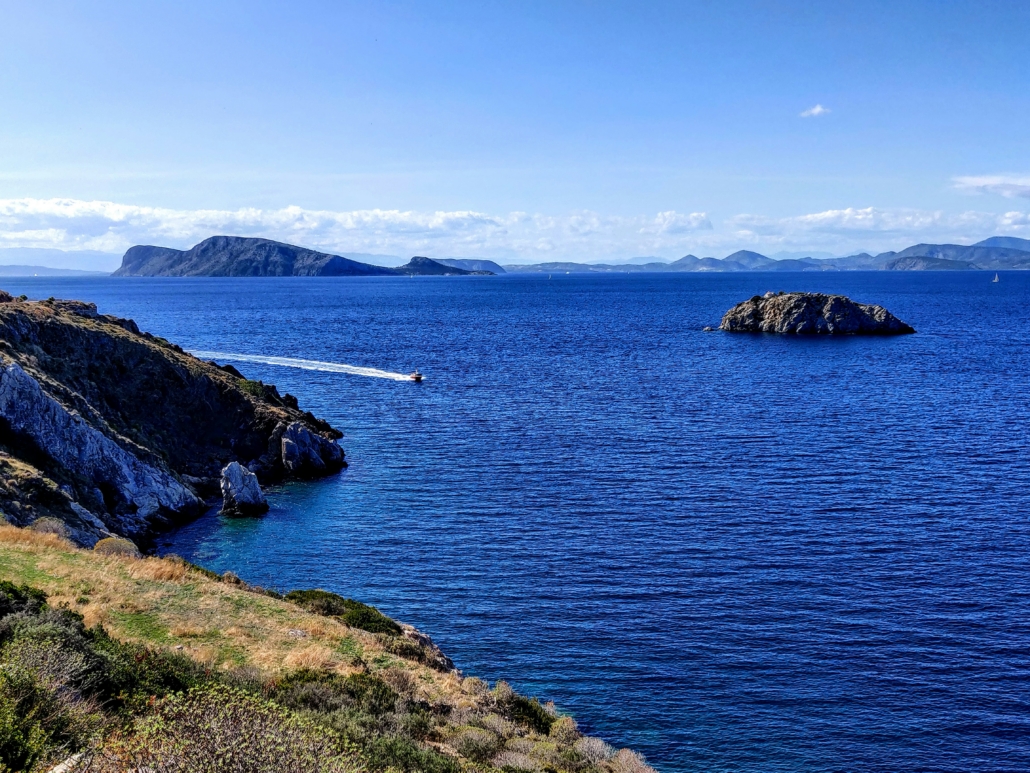
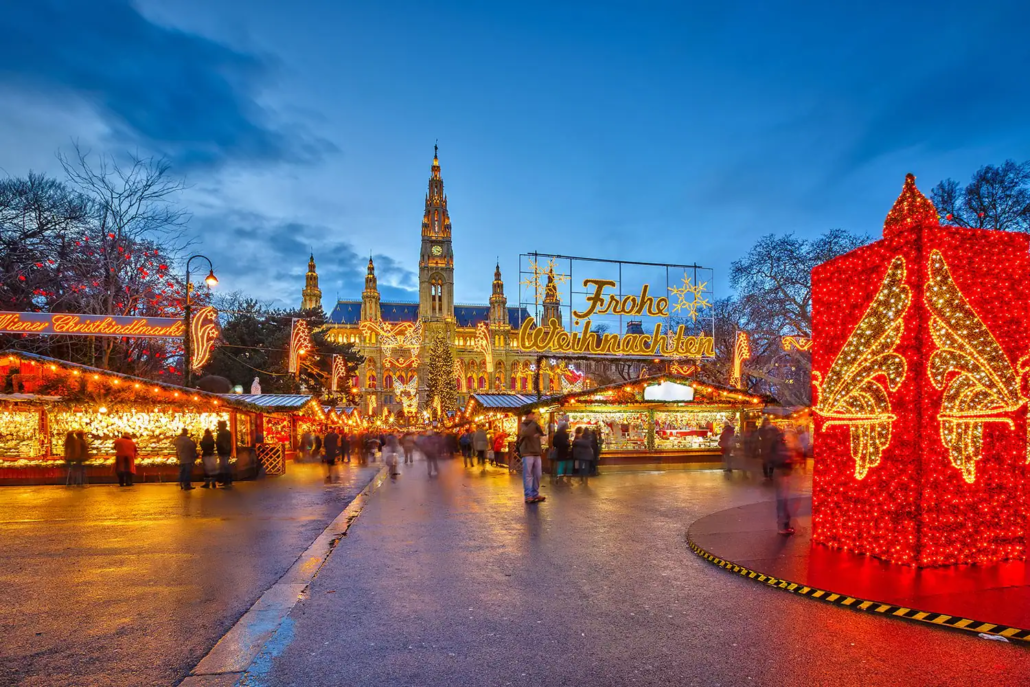
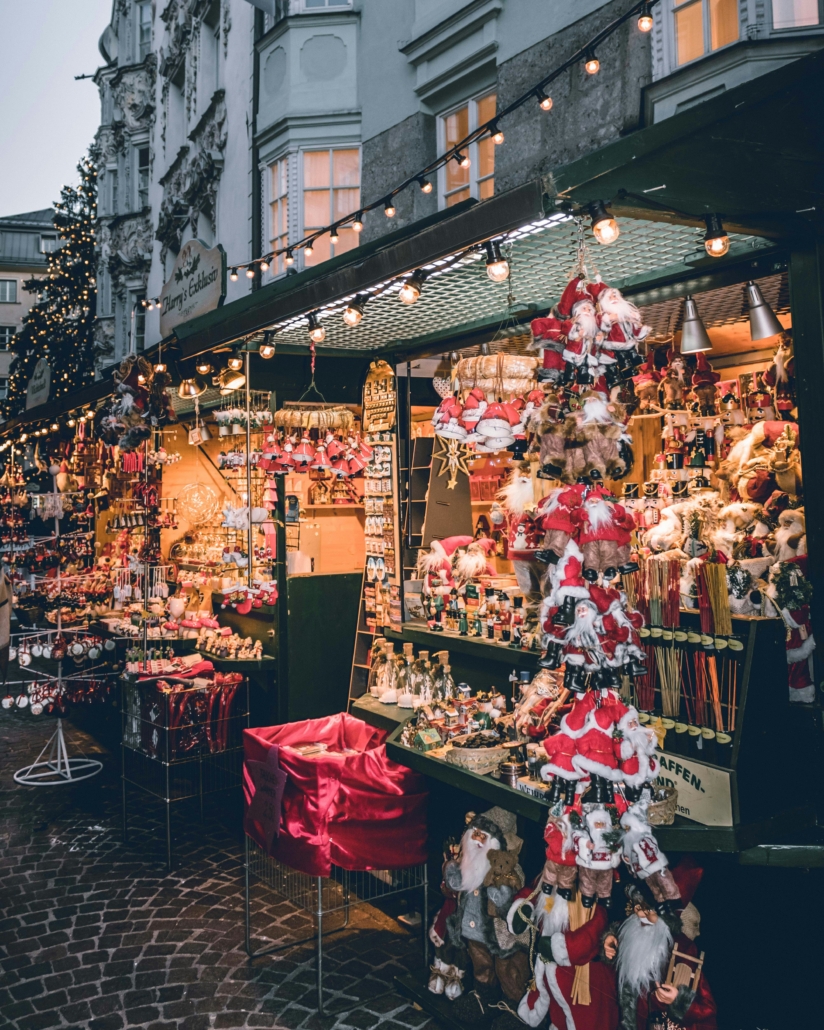
Greece delivers ancient history, island scenery, and some of the best food in the Mediterranean, and it rewards travelers who plan ahead, especially for peak season. Whether you want a classic island-hopping trip or a small-ship cruise through the Aegean, we can build a Greece itinerary that fits how you actually like to travel.


Greece has a way of showing up on almost every travel wish list, and once you have been there, it is easy to see why. It is not just the whitewashed villages and the blue domes you have seen a thousand times on Pinterest. It is the way history sits right next to a beach day, the way a meal can turn into a three hour event without anyone minding, and the way the whole country seems to move at a pace that makes you want to slow down too. If you have been circling Greece for a while and wondering whether this is finally the year, here is what we think you should know before you book.

History You Can Walk Through, Not Just Look At

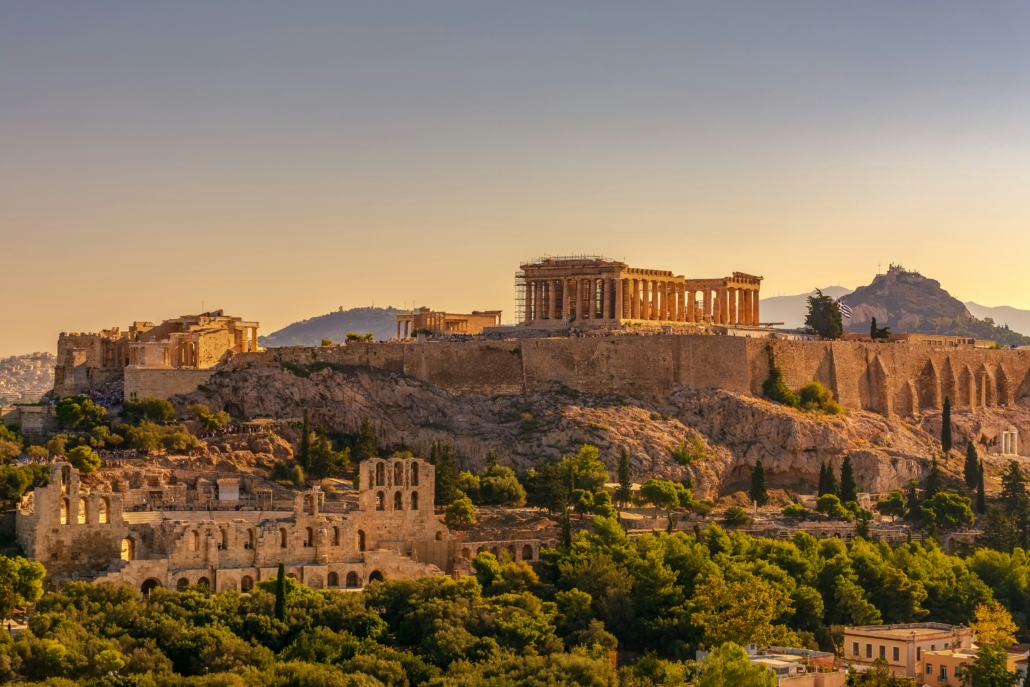
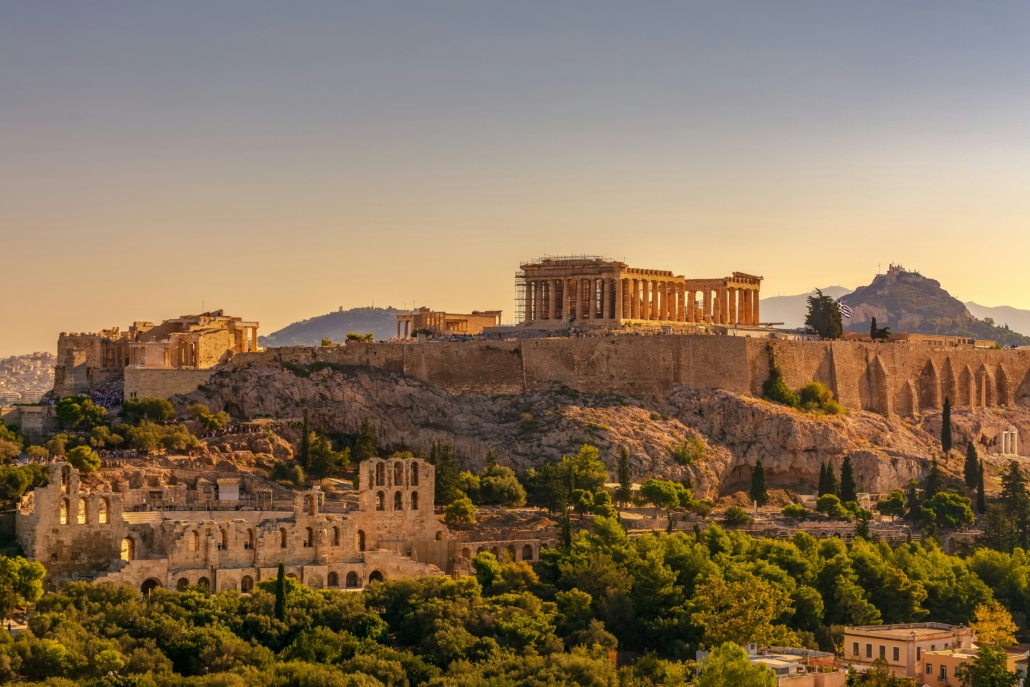
Most people picture the Acropolis when they think of Greek history, and it absolutely earns the hype. But the real magic is how much ancient history is still woven into everyday life across the country. In Athens, you can be standing in front of the Parthenon in the morning and wandering a rooftop bar with the same view that evening. On Crete, the Minoan ruins at Knossos date back nearly 4,000 years. In Delphi, you can walk the same paths ancient Greeks walked to consult the oracle. None of it feels roped off or staged. It just feels like part of the landscape.
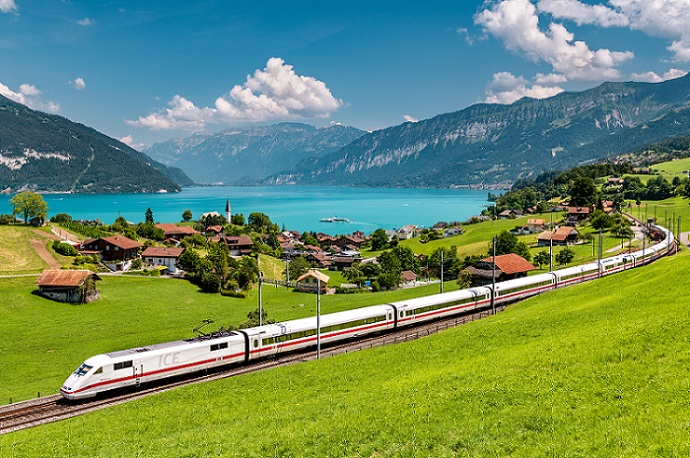
Insider tip

Book a private, early morning tour of the Acropolis whenever possible. You will beat both the heat and the crowds, and the light on the marble at sunrise is worth setting an alarm for.

The Islands Are Just the Beginning

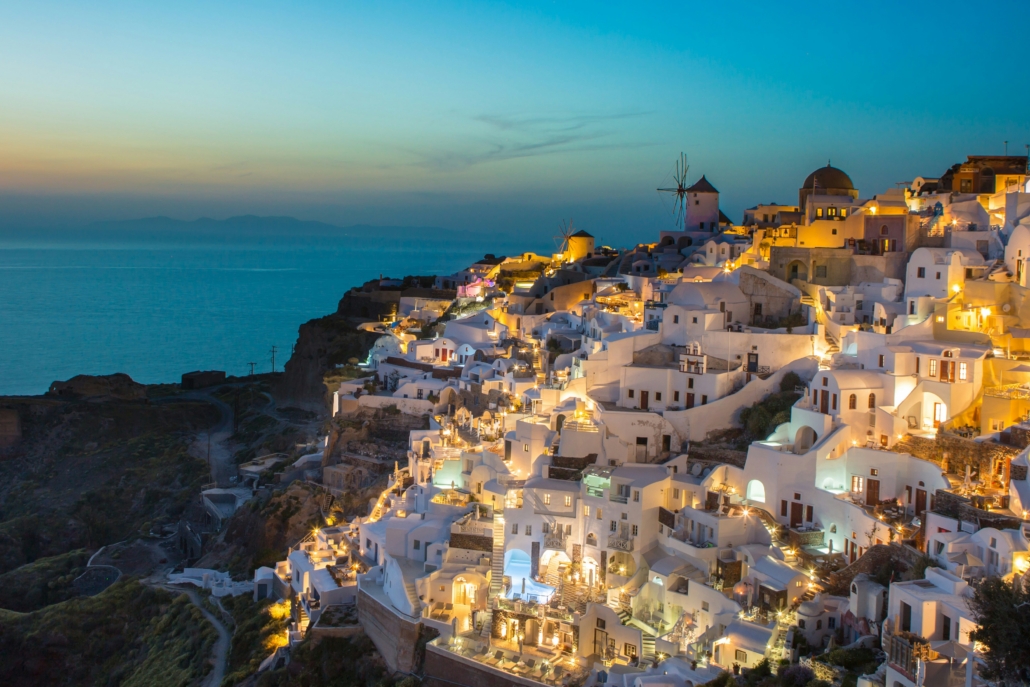
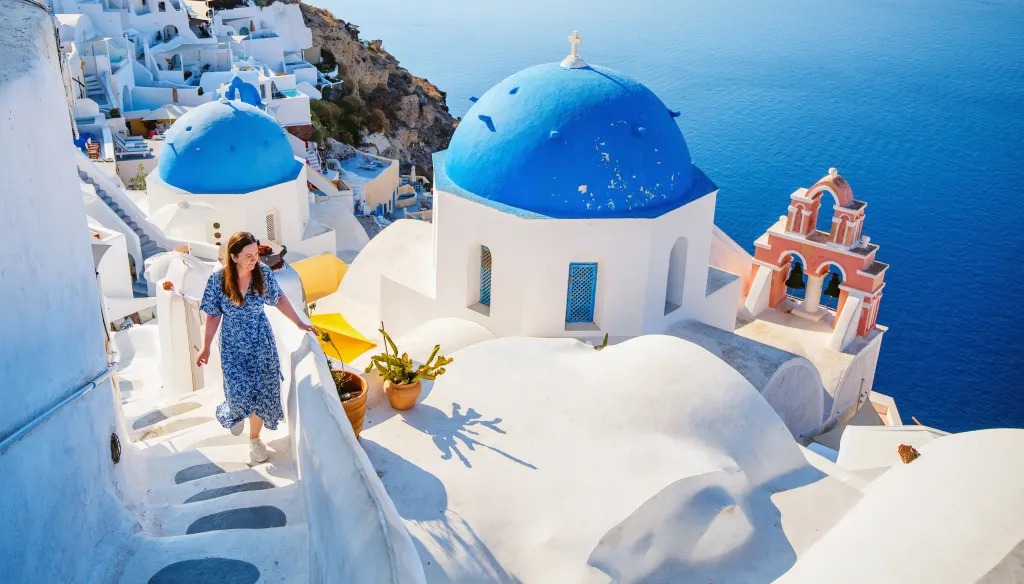
Santorini and Mykonos get most of the attention, and they deliver on the sunsets and the style. But Greece has more than 200 inhabited islands, and some of the most memorable experiences we plan happen well outside the obvious ones. Naxos has quieter beaches and a laid back food scene. Hydra has no cars at all, just donkeys and cobblestones. Milos is where the photogenic, otherworldly beaches actually live, without the crowds Santorini pulls in. The right mix of islands depends entirely on what kind of trip you are after, which is exactly why we build these itineraries one traveler at a time rather than handing out the same list to everyone.

Small Ship Cruising Is the Smartest Way to See More of Greece

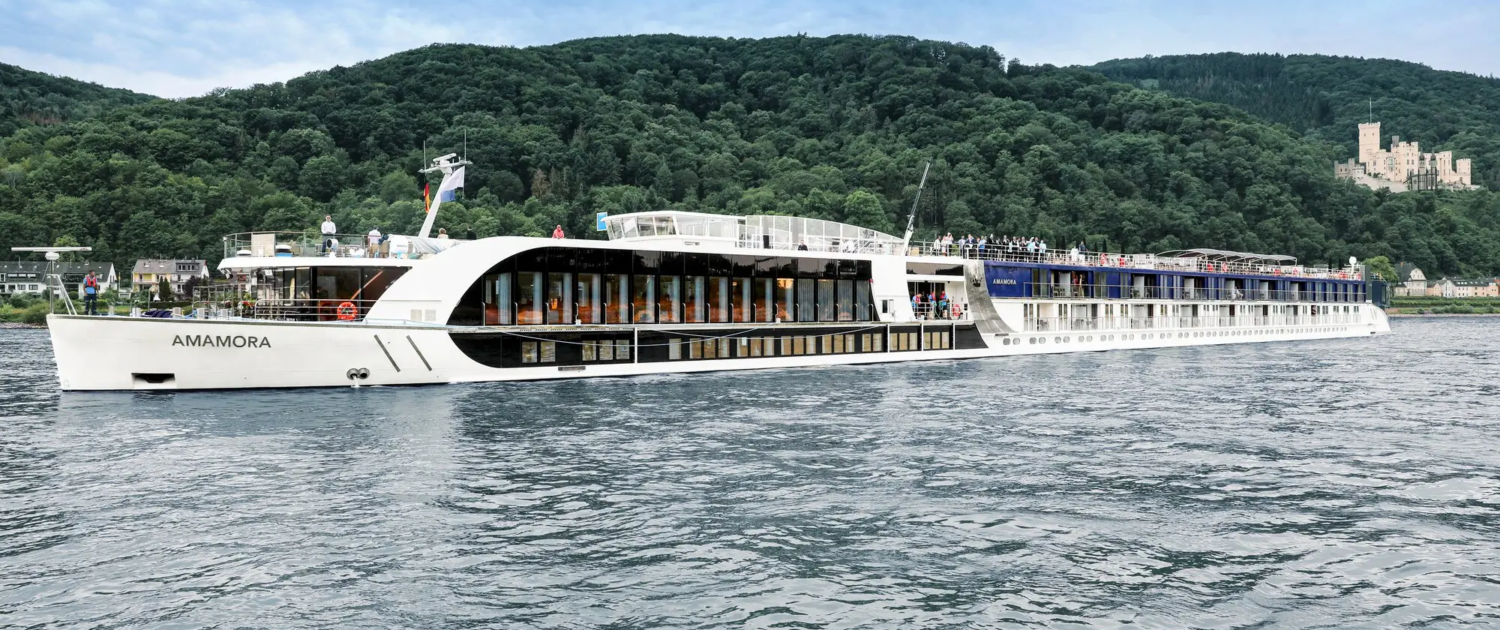
One of the questions we hear most is whether to base a Greece trip on land or build it around a cruise. For a lot of travelers, a small ship or luxury river-style itinerary through the Aegean and Ionian is the better answer, because it solves the biggest headache of island hopping, which is the ferries and the packing and unpacking every two days. Lines like Seabourn, Silversea, Ponant, and Explora Journeys run itineraries built specifically around the Greek islands, often docking in smaller ports the big ships cannot reach, with excursions that get you into places like Hydra’s harbor or Monemvasia’s medieval old town without the logistics headache. You wake up somewhere new, you go explore, and dinner is already handled.

The Food Is Reason Enough to Go

Greek food outside of Greece and Greek food in Greece are not the same experience. Tomatoes taste like tomatoes are supposed to taste. Olive oil, particularly from Crete and the Peloponnese, shows up on everything and somehow never feels repetitive. Family run tavernas will bring you dishes you did not order because the owner decided you should try them. If you are the kind of traveler who plans a trip partly around where you are going to eat, Greece will not let you down, and we are always happy to build in a cooking class or a market visit for travelers who want to go a little deeper than a dinner reservation.

It Is Not Just Sun and Sand, Either

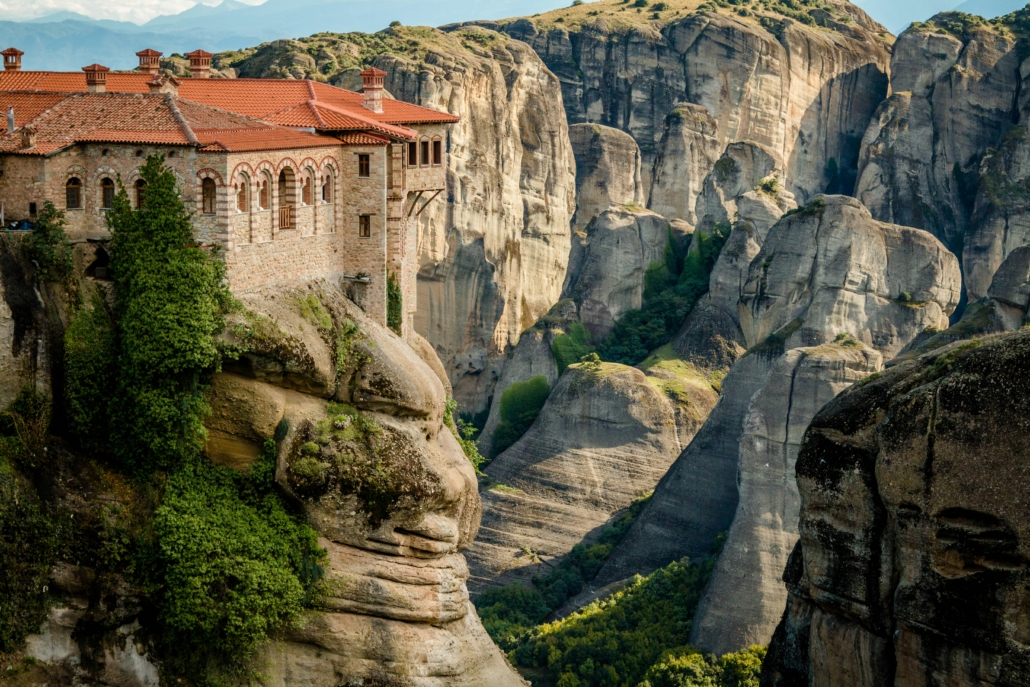
The islands get the postcards, but mainland Greece has its own personality entirely. The Peloponnese has dramatic coastline and hilltop villages with almost none of the island crowds. Meteora, in central Greece, has monasteries built on top of towering rock pillars that look almost unreal in person. Zagori and the Pindus mountains offer a completely different, cooler climate experience for travelers who want hiking and stone bridge villages instead of beach clubs. Greece rewards travelers who are willing to see past the islands, and we love building itineraries that combine both.

Timing Matters More Than People Expect

Late spring, specifically May and early June, and early fall, specifically September and the first half of October, are consistently the sweet spot for Greece. The weather is warm without being brutal, the water is swimmable, and the crowds and prices both drop noticeably compared to peak July and August. If your dates are flexible at all, shifting even two or three weeks off peak season can change the entire feel of the trip, and it usually means better availability at the villas and boutique hotels worth booking in the first place.

Why Booking Early Actually Matters Here

Greece is not a destination where you can decide in April that you want to go in July and expect the good villas, the small ship cruise cabins, or the sought after tavernas to still have room. The properties and itineraries that make a Greece trip feel special, private villas with a pool overlooking the caldera, the smaller luxury ships, the top rated guides, all book out well in advance, especially for summer travel. Planning six months to a year ahead is not overkill for Greece. It is how you end up with the trip you actually pictured instead of whatever was left.

Let’s Build Your Greece Trip

Whether you are picturing a week of island hopping, a small ship cruise through the Aegean, or a mix of ancient sites and beach time with the whole family, we can help you figure out what Greece actually looks like for you. We would love to put together a personalized itinerary that fits your travel style, your timeline, and your budget.

Download our free Greece travel planning guide to start exploring your options, or reach out directly for a consultation and we will start building your trip together.

Frequently Asked Questions

What is the best time of year to visit Greece?

Late May through early June and September through mid October give you warm weather, swimmable water, and noticeably smaller crowds and lower prices than peak summer.

Is a cruise or a land-based trip better for exploring Greece?

It depends on your travel style. A small ship or luxury cruise removes the hassle of ferries and packing between islands, while a land-based trip gives you more flexibility to linger in one place. Many of the itineraries we build actually combine both.

How many days do you need in Greece?

Ten to fourteen days lets you see a meaningful mix of Athens, a couple of islands, and either mainland Greece or a short cruise without feeling rushed. A week is workable if you focus on one region.

What is the best way to island hop in Greece?

Ferries work well for shorter distances between neighboring islands, but for longer routes or a more relaxed pace, a small ship cruise itinerary through the Aegean is usually the easier and more comfortable option.

Is Greece a good destination for multi-generational family trips?

Yes. Islands like Crete and Rhodes have easy beaches and family friendly resorts, while Athens and the Peloponnese offer history and culture that tend to engage older travelers and curious kids alike.

How far in advance should we book a luxury Greece trip?

Six months to a year ahead is ideal, especially for summer travel, since the best villas, boutique hotels, and small ship cruise cabins tend to sell out well before peak season.

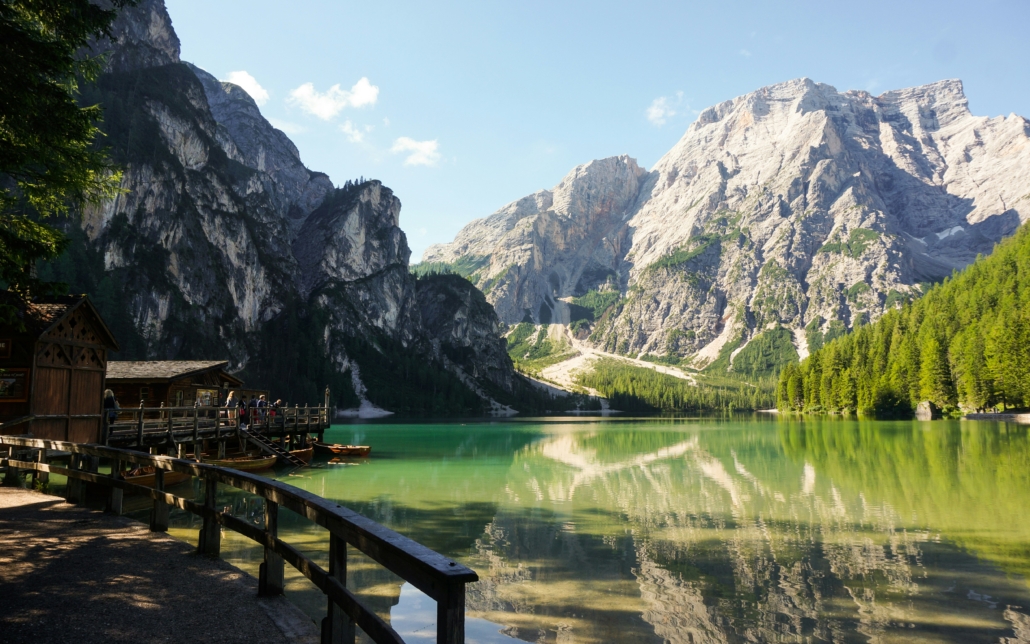
The Italian Dolomites are a UNESCO World Heritage Site where dramatic limestone peaks, restorative alpine wellness, and a blend of Italian warmth and Austrian precision come together in one extraordinary destination. They are the perfect next chapter for travelers who have already explored Italy’s classic cities and are ready for fresh air, soft adventure, and luxury in the mountains.


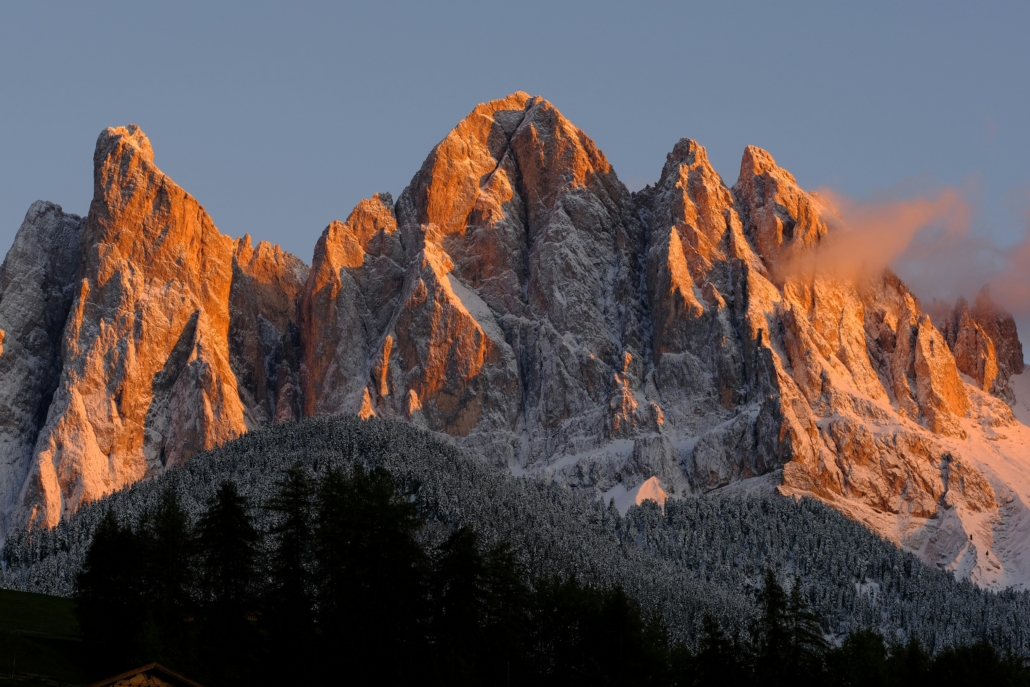
Earlier this year, the world watched athletes soar through Cortina’s peaks during the 2026 Winter Olympics. While millions tuned in for world-class competition, you may have caught yourself staring at something else entirely: towering limestone spires glowing pink at sunset, pristine alpine villages that look untouched by time, and landscapes so dramatic they barely seem real.

Now it’s your turn to experience the magic. Let us introduce you to the Dolomites, the side of Italy most travelers never see.

Why the Dolomites Are Unlike Anywhere Else in Italy

The Dolomites aren’t just another Italian destination. They’re a UNESCO World Heritage Site offering something Rome, Florence, and the Amalfi Coast simply can’t: pure, restorative natural beauty paired with the luxury and hospitality Italy does best.

If you’ve already fallen for Italy’s classic icons, the Dolomites are your next chapter. This is Italy for travelers ready to move beyond the postcard cities, where dramatic mountain scenery meets world-class wellness, exceptional cuisine, and a distinctive blend of Italian warmth and Austrian precision.

What Makes the Dolomites Extraordinary

Nature That Takes Your Breath Away

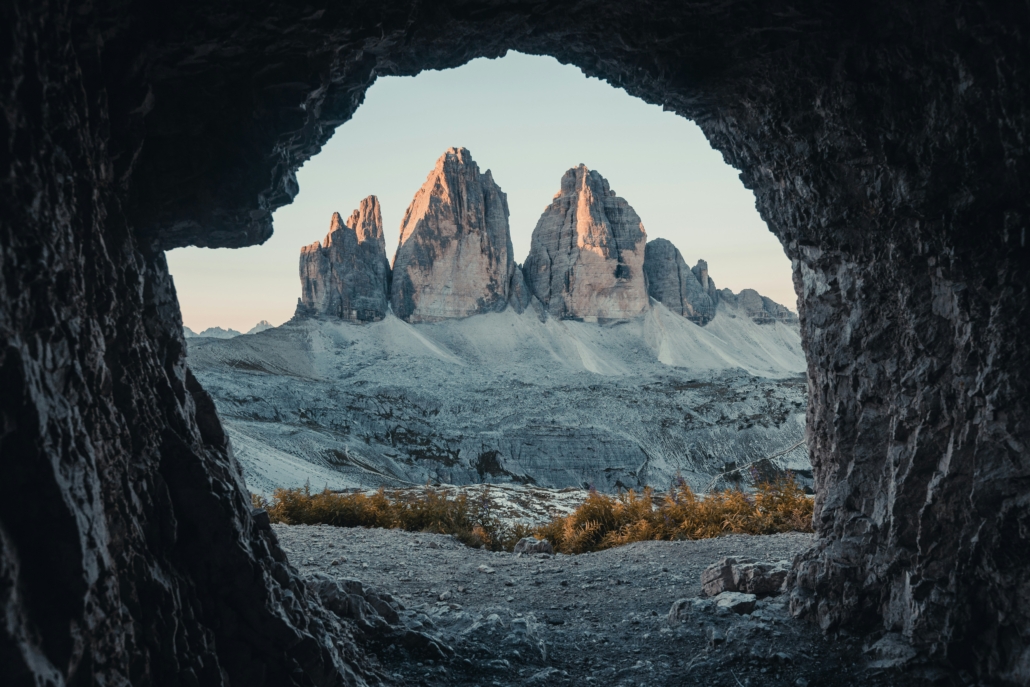
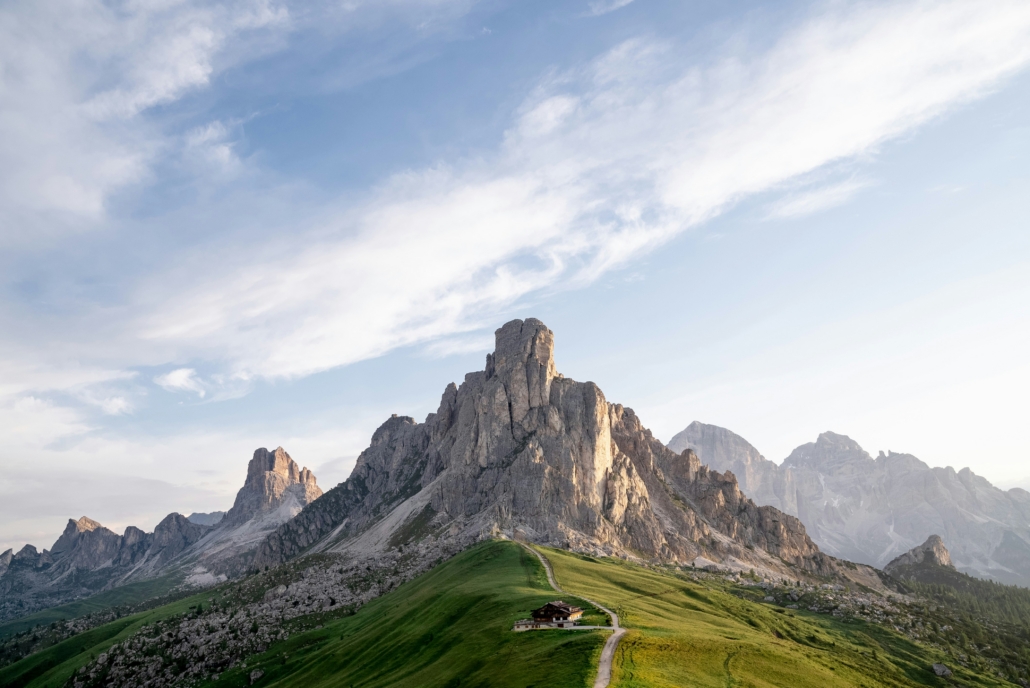
Jagged peaks that seem to pierce the sky. Alpine meadows dotted with wildflowers. Cable cars that lift you to panoramas you’ll never forget. Whether you’re hiking gentle valley trails or simply gazing at the Tre Cime di Lavaredo from your terrace, the Dolomites deliver scenery unlike anywhere else in the country.

Year-Round Appeal

Summer brings endless hiking trails, e-biking through mountain passes, and some of Europe’s cleanest air. Winter transforms the region into a world-class ski destination, complete with charming Christmas markets and cozy alpine retreats. Spring and fall are quieter still, with golden light and landscapes that feel pulled from a fairytale.

Wellness Built Into the Mountains

This isn’t just scenic, it’s restorative. Think luxury spas drawing on alpine traditions, forest bathing programs, and yoga with mountain views. The Dolomites have perfected the art of slowing down without sacrificing a single comfort.

A Distinct Cultural Identity

Straddling the border between Italy and Austria, the Dolomites offer a flavor all their own. You’ll taste it in the cuisine (mountain cheeses, speck, and refined regional wines from Alto Adige). You’ll see it in towns like Cortina d’Ampezzo and Ortisei, where Italian style blends seamlessly with mountain tradition.

How to Build Your Dolomites Itinerary

The Dolomites work beautifully as a standalone wellness retreat, or paired with Italy’s iconic cities for the best of both worlds. A few of our favorite pairings:

  • Venice plus the Dolomites. From iconic canals to alpine serenity in one unforgettable journey.
  • Milan, Lake Como, and the Dolomites. Italian style meets alpine nature for the luxury-focused traveler.
  • Rome, Florence, and the Dolomites. Finish your classic Italy tour with fresh air and unforgettable landscapes.

We recommend 4 to 6 nights in the region, enough time to truly settle into the rhythm of alpine life. Whether you’re seeking wellness and restoration, soft adventure, or simply a different side of Italy, the Dolomites deliver.

When to Go

Summer (June through September) brings hiking, biking, and alpine meadows in full bloom. Winter (December through March) offers world-class skiing and cozy mountain wellness. Both seasons promise luxury accommodations, private transfers, and experiences tailored perfectly to you. The good news is there’s no wrong time to visit, only the season that fits your travel style best, and that’s exactly the kind of detail we love to sort out for you.

Let Us Plan Your Dolomites Escape

The athletes have left Cortina. The mountains remain. If you’ve been dreaming of Italy but want something restorative, scenic, and utterly unforgettable, the Dolomites are calling.

If the Dolomites sound like your kind of Italy, we’d love to hear from you. A complimentary consultation is simply a conversation about what you’re picturing, and from there we take care of the details: luxury accommodations, private transfers, experiences chosen for the way you love to travel. All you have to do is show up and look at the mountains.

Frequently Asked Questions

When is the best time to visit the Dolomites?

It depends on what you’re after. Summer is ideal for hiking, biking, and alpine meadows in bloom, while winter is perfect for skiing and cozy mountain wellness. Spring and fall are quieter, with beautiful golden light. We’ll match the season to your travel style.

How many days should I spend in the Dolomites?

We recommend 4 to 6 nights to truly settle into the pace of alpine life. The region also pairs wonderfully with cities like Venice, Milan, or Rome if you’d like to combine mountains and classic Italy.

Are the Dolomites good for travelers who don’t want to hike?

Absolutely. While the trails are spectacular, the Dolomites are equally about wellness, scenic cable car rides, exceptional dining, and simply relaxing with a mountain view. There’s a version of this trip for every energy level.

Can I combine the Dolomites with other parts of Italy?

Yes, and we highly recommend it. Popular pairings include Venice plus the Dolomites, Milan and Lake Como with the Dolomites, or a classic Rome and Florence tour finished off in the mountains.

What makes the Dolomites different from the rest of Italy?

The Dolomites blend Italian warmth with Austrian alpine precision, from the cuisine and wine of Alto Adige to towns like Cortina d’Ampezzo and Ortisei. It’s a UNESCO World Heritage landscape that feels worlds away from Italy’s coastal and city destinations.

Is the Dolomites a good destination for a special occasion?

It’s wonderful for celebrations. The region is especially magical for couples marking anniversaries, wellness-focused travelers, and anyone who has already ‘done’ Italy and is ready for something extraordinary.


Dreaming of Italy and Greece but dreading the logistics? A luxury cruise might actually be the smarter, more immersive, and more relaxing way to do it. Here’s how the two approaches compare.

Every year, we help clients plan the same trip. Italy and Greece. Maybe Croatia or Turkey. The iconic Mediterranean. And almost every year, the same conversation happens.

They come in with a land itinerary in mind. Multiple hotels, multiple cities, internal flights or trains, car rentals, and a schedule that looks great on paper but exhausting in practice. And at some point in our conversation, we ask: have you considered doing this by cruise?

Not a cruise in the old sense of the word. A small luxury ship that moves while you sleep, delivers you to a new port every morning, and serves as your floating five-star hotel for the entire journey.

The comparison is almost always eye-opening.
The Land Itinerary: What It Actually Involves

A 10-day land trip through the Mediterranean looks something like this: two or three days in Rome, a train and transfer to the Amalfi Coast, a two-hour transfer to the airport, flight to Athens, the ferry to fit in one or two islands before flying home.
What that actually involves: multiple hotel check-ins and check-outs, repacking your bags every few days, coordinating transfers that are dependent on strikes, traffic, and airline reliability, and spending a meaningful portion of your precious travel days in transit rather than at a destination.

Hotel prices in Europe have also reached levels that genuinely surprise people. A good hotel in central Rome or Santorini in summer can run $600 to $1,200 per night, room only. Breakfast and airport transfers are extra. You’re paying a lot for a small room in a prime location, only to leave it two days later to do it all again somewhere else.


The Cruise Itinerary: A Different Relationship with Time

On a small luxury ship through the Mediterranean, your day looks like this: you wake up in a beautiful suite, have breakfast with a view, and step off the ship directly into the heart of a destination. Not a coach transfer to the outskirts. Not a ferry terminal. The town itself.

Smaller ships access ports that larger vessels can’t reach. They dock right in the center, sometimes with extended stays or overnights that let you stay for dinner in the city, experience the nightlife, and return to your ship whenever you’re ready.

When you finish exploring, you walk back to your floating home. No packing. No checkout. No scrambling for a taxi. Your room, your belongings, your clothes, everything is exactly where you left it.

The transit time between destinations is not dead time. You’re having cocktails at sunset, dining at a restaurant with ocean views, and sleeping in a suite that’s traveling to your next destination while you rest. The journey is part of the experience, not an obstacle to it.

The Authenticity Argument

Some travelers worry that a cruise will feel curated and removed from a real local experience. But small luxury ships actually deliver something that crowded tourist-destination land travel often can’t: genuine access.

Smaller ships dock in ports that the mega-ships skip entirely. You end up on a small Croatian island eating oysters with the person who runs the oyster farm, rather than shoulder-to-shoulder in a famous palace that 3,000 tourists are also trying to see at the same moment.

The experience on board reinforces this too. The best luxury lines integrate local culture into the ship itself: menus reflecting the region you’re sailing through that day, local wines, local artists performing in the evenings, chefs sourcing ingredients from the market in that morning’s port.

You taste where you are. That’s not something every land itinerary delivers.

Cruise as a “Scouting” Trip

One of the unexpected gifts of a luxury cruise through a multi-destination region is what it does for future travel. In 10 days, you might touch eight or nine destinations. Some will captivate you. Some will feel like they’d be better as a deeper, slower visit. Some will pleasantly surprise you.

You come home with an entirely new map of the world: places you loved and want to return to for a proper stay, places you’re glad you saw but don’t need to revisit, and a much clearer sense of where your travel investment should go next.

The cruise becomes the foundation for years of future trips. Many of our clients do exactly that: cruise first to discover, then return later to let it sink in.

Who the Cruise Option Is Right For

A luxury Mediterranean cruise is particularly well-suited for travelers who:

  • Want to see multiple destinations in one trip without the logistics of a multi-city land journey
  • Value high-quality accommodation and don’t want to compromise on where they sleep just to stretch the budget
  • Are you traveling as a couple or in a small group and want a relaxed, uncrowded experience
  • Have done the classic land itineraries and are ready to experience the same region differently
  • Prefer knowing their total trip cost upfront without managing variables

It’s also, in our experience, one of the best formats for the traveler who is simply tired. The person who loves to travel but who needs this particular trip to actually feel like a break. A luxury cruise delivers rest and discovery at the same time, and that combination is genuinely rare.

Ready to Set Sail? Let’s Plan Your Perfect Cruise.

At Wishes and Waves Travel, we do the research, the comparing, and the planning so you don’t have to. Whether you’re brand new to cruising or ready to trade up to something extraordinary, we’d love to help you find the right ship, itinerary, and experience.

Reach out to us and let’s start the conversation. Your dream voyage is closer than you think.

FAQs

Can a luxury cruise really replace a full land itinerary in Europe?

For many travelers, yes. A small luxury ship through the Mediterranean, Greek Islands, or Croatian coast can cover more destinations with less logistical effort than a comparable land trip. It works especially well for multi-destination trips where you’d otherwise be moving hotels every two to three days.

Will I actually get enough time in each port?

On quality small luxury lines, yes. Unlike larger ships that sometimes have as little as four hours in port, smaller luxury vessels typically spend a full day in each destination and sometimes offer overnight stays. We always review port schedules before recommending a specific sailing.

Is a cruise good for someone who loves food and local culture?

It’s one of the best formats for it. The top luxury lines source local ingredients at the market that morning and build the evening menu around the region you’re in. Local wines, local dishes, and sometimes local artists performing on board in the evening. You experience the destination both on the ship and off it.

What about pre- and post-cruise time in Europe?

Most of our clients combine their cruise with time in one or two cities before or after sailing. We arrange those stays through our preferred hotel partners to ensure the quality of experience carries through the entire trip. This is actually one of our favorite things to design.

How does pricing compare to a good hotel-based land itinerary?

It’s often more competitive than people expect, especially when you account for the all-inclusive nature of luxury cruising. A premium hotel in Rome or Santorini in high season can cost $600 to $1,000 per night, room-only. When you add up four to five hotel stays across a land itinerary versus one all-inclusive suite rate on a ship, the comparison often favors the cruise.

Are there cruises that combine European land and sea experiences?

Yes, and it’s becoming an increasingly exciting category. Luxury brands like Orient Express and Belmond are actively developing seamless land-and-sea packages that maintain the same level of hospitality throughout. We are watching this space closely and love designing these kinds of combination trips for our clients.

Rail travel is one of the most rewarding ways to explore Europe and Japan, giving you a front-row seat to landscapes, culture, and cities that fly-and-drive itineraries almost never reach. If you have been curious about planning a train-based journey, we will walk through three of the most compelling routes in the world, and exactly what makes them worth your time.

There is a moment, somewhere between stations, when you look up from your coffee and realize the landscape outside your window is doing something extraordinary. A vineyard rolls into a medieval hilltop. A glacier appears between two peaks. A bullet train blurs past cherry trees in full bloom.

That moment does not happen on a plane. It barely happens in a car. But on a train, it is practically guaranteed.

Rail travel has made a genuine comeback, and not just for budget backpackers. Discerning travelers are building entire trips around iconic train routes because the journey itself becomes part of the experience. And honestly? Done right, a rail-based itinerary is one of the most elegant ways to travel.

I have helped clients plan rail journeys across Europe and Asia, and the feedback is almost always the same: they wish they had done it sooner. So let me walk you through three of the world’s most rewarding rail routes, and what actually makes them worth planning around.


Italy by Rail: Cities, Hill Towns, and Coastline

Italy is almost custom-built for rail travel. The country’s network is extensive, the scenery between stops is constantly changing, and you can cover an enormous amount of ground without once wrestling with a rental car, a GPS, or a parking garage in a walled medieval town.

Most itineraries start in Rome or Florence. Both cities reward multiple days of wandering. After you have visited the museums, walked the piazzas, and eaten your way through three courses at a neighborhood trattoria, a short train ride drops you somewhere completely different.

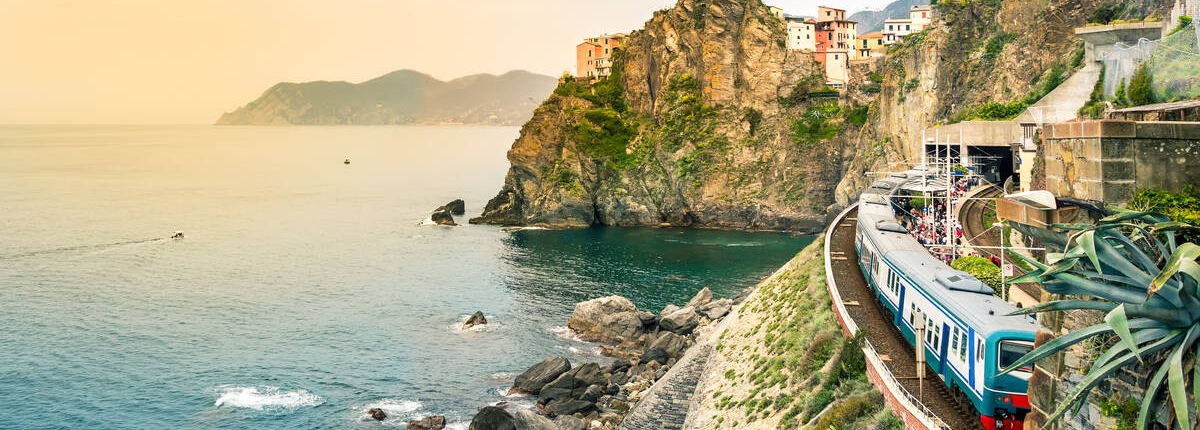
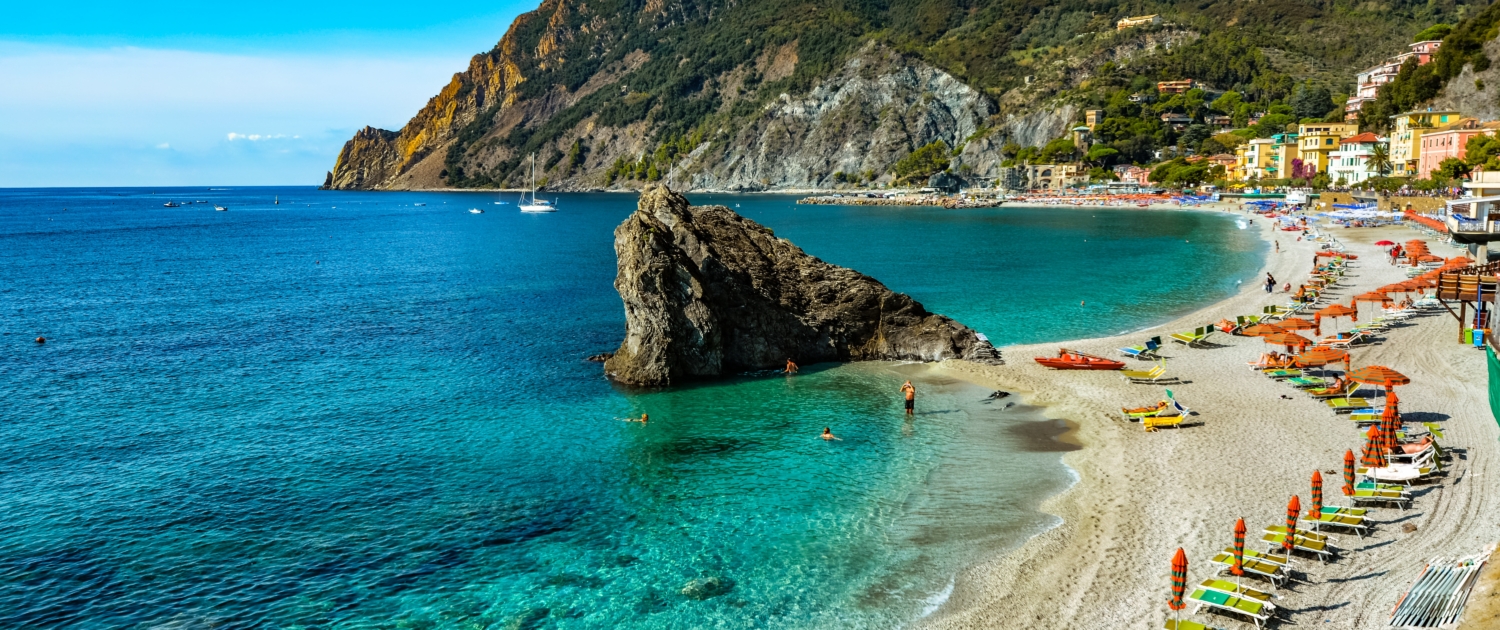
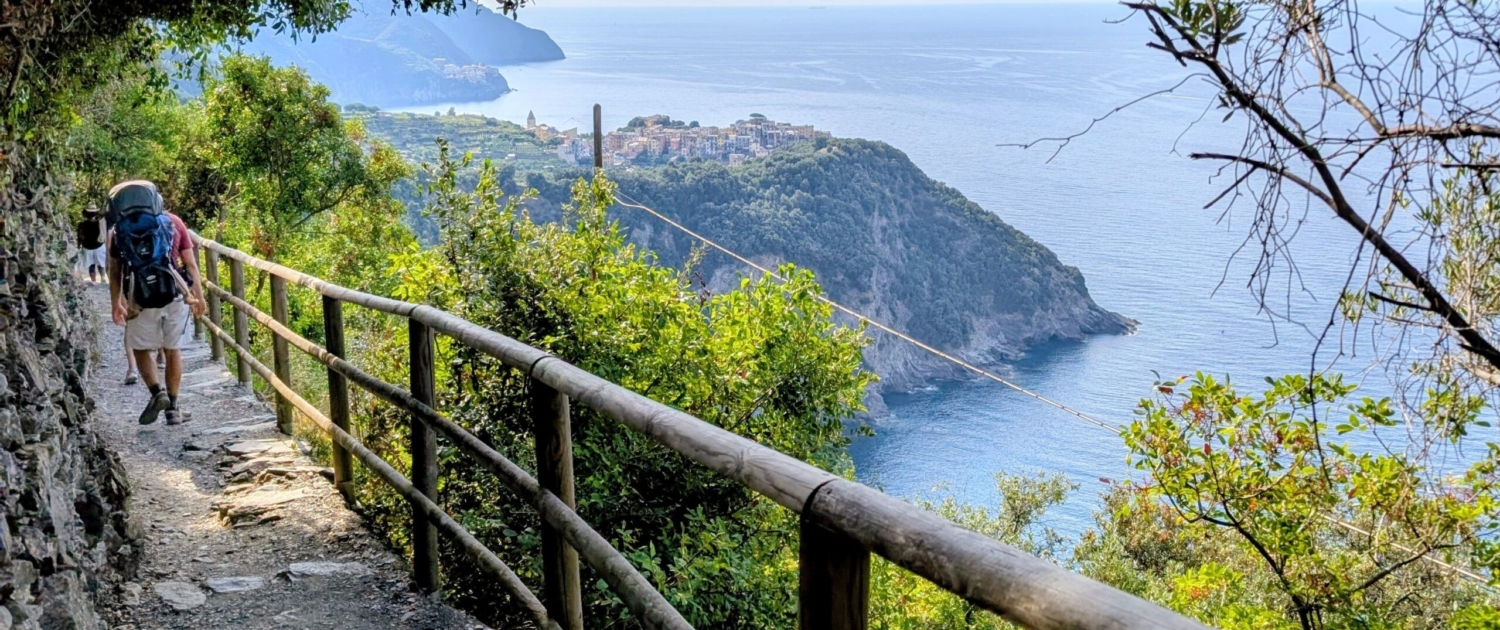
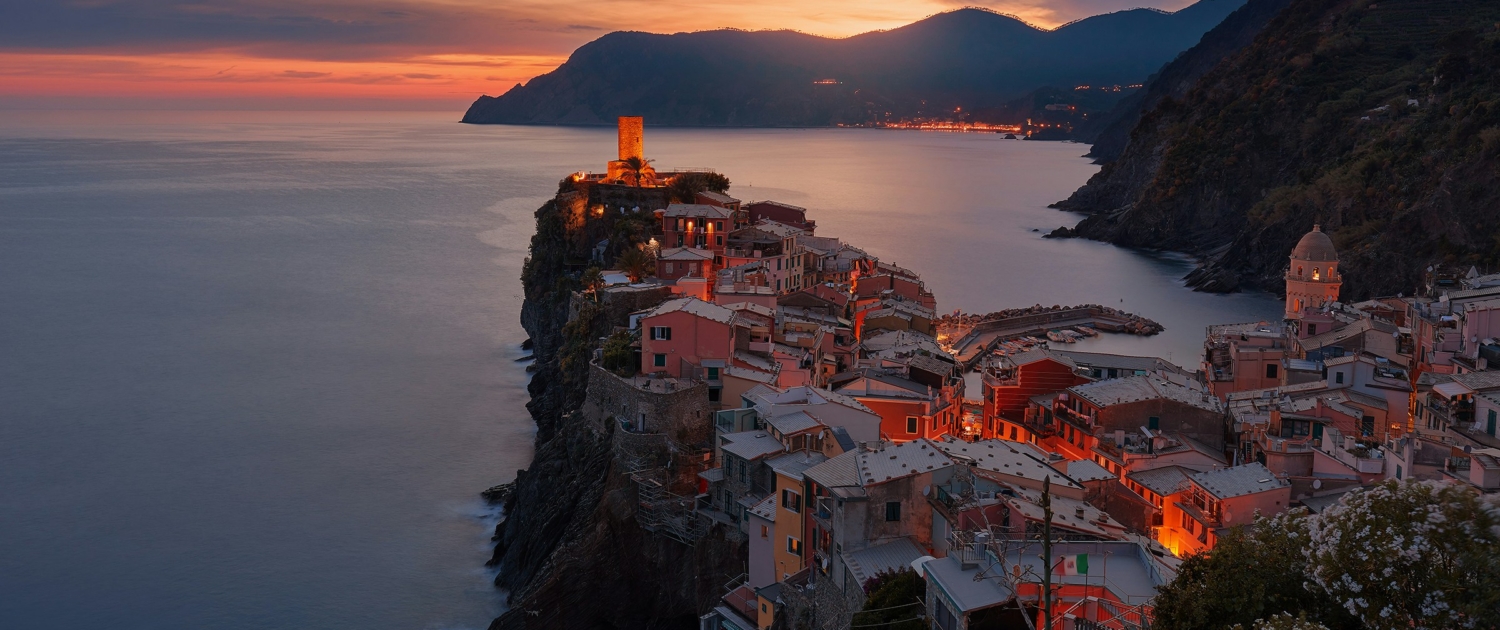
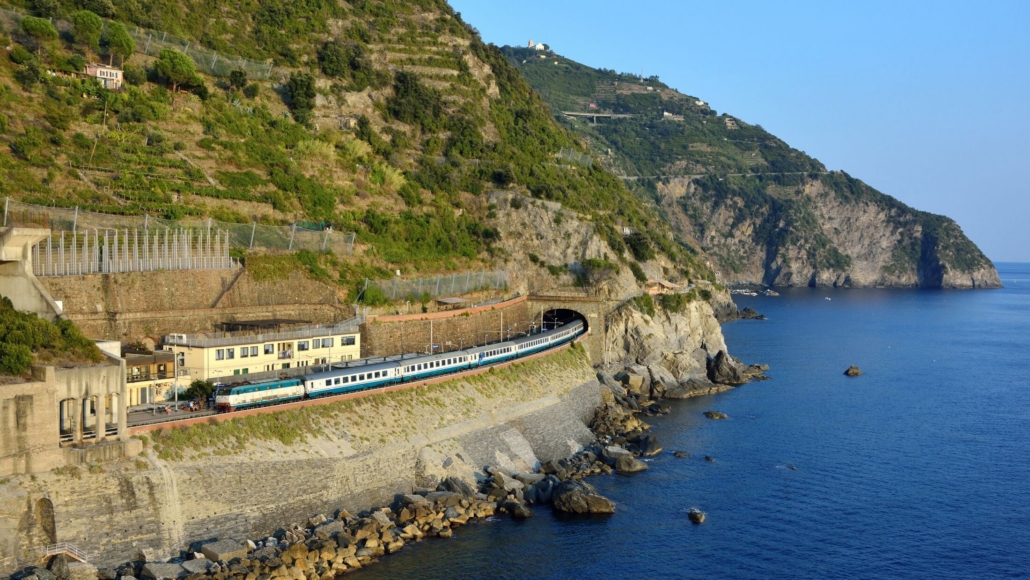
Florence to Venice, for example, takes under two hours on high-speed rail. Florence to the Cinque Terre is a manageable day trip by regional train along the Ligurian coast. And from any of these hubs, slower regional trains push out into the Tuscan countryside toward towns like Siena, Montalcino, or Montepulciano, where the agenda tends to involve wine, olive oil, and very little ambition.

That is the rhythm of a great Italian rail trip. Move between cities on fast trains. Slow down when you reach the countryside. Spend a few days in a hill town or a coastal village before catching the next connection. The variety is remarkable, and the logistics stay genuinely simple.

What makes this work is having someone help you sequence it. Italy’s rail system is excellent, but matching the right stops to the right pace, knowing which regional lines are worth the slower journey, and building in enough time at each destination without overpacking the schedule is where experience matters.


Scenic Rail Through the Alps: When the Train Is the Point

Switzerland does scenic rail better than almost anywhere on earth, and they do it with the kind of precision and comfort that makes a three-hour mountain train feel like a luxury experience rather than a commute.

The classic starting point is Zurich or Lucerne, both of which offer beautiful lakefronts, old-town architecture, and easy rail connections into the Alps. From there, several legendary routes branch out.

The Glacier Express between Zermatt and St. Moritz is perhaps the most famous, passing through 91 tunnels and over nearly 300 bridges on its eight-hour journey across some of the most dramatic scenery in Europe. The Bernina Express, connecting Chur to Tirano in northern Italy, crosses a UNESCO-listed railway line that climbs above 7,000 feet before descending into the Italian Lake District.

What strikes most travelers on these routes is how the train itself is designed around the view. Panoramic windows, upper-deck seating, and forward-facing cars mean you are not just moving through the landscape. You are watching it unfold, almost cinematically, with the Alps performing on cue.

Stopping in alpine towns along the way adds another dimension. A few nights in Zermatt (car-free, with direct views of the Matterhorn) or Grindelwald (surrounded by the Eiger, Monch, and Jungfrau) let you trade train seats for hiking trails, mountain gondolas, and evenings in quiet chalet restaurants. The trains work as the connective tissue between experiences rather than just transportation.

One thing worth knowing: Switzerland’s train system also connects cleanly into Austria, France, and northern Italy, which means a rail trip through the Alps can easily expand into a multi-country journey without any complicated logistics.


Japan by Train: Speed, Serenity, and Everything in Between

Japan’s rail system is in a category of its own. The shinkansen (bullet train) network moves you between major cities at speeds that still feel slightly implausible. Tokyo to Kyoto in roughly two hours and twenty minutes. Kyoto to Hiroshima in another hour. Osaka to Fukuoka in under three. The country encompasses an extraordinary amount of exploration in a relatively short trip.

But Japan’s rail appeal goes well beyond speed. The country’s local and regional lines take you into territory that most visitors never reach. Small onsen towns tucked into mountain valleys. Coastal routes where the train skirts the edge of the Pacific. Rural areas where the landscape shifts between rice paddies, cedar forests, and traditional farmhouses.

A well-designed Japan rail itinerary typically balances the two. You use the Shinkansen to move efficiently between major cities. Tokyo for several days, absorbing the scale and the contradictions. Kyoto for its temples, traditional streets, and cultural depth. Hiroshima and Miyajima for history and one of Japan’s most breathtaking shrine settings. Osaka for food and energy.

Then you layer in the slower routes. A morning train into the Japanese Alps to the old post town of Narai or Tsumago. An evening departure from Kyoto toward the ancient pilgrimage routes of the Kii Peninsula. A local line that climbs into the mountains above Nikko.

The Japan Rail Pass, purchased before departure, makes the economics work elegantly. One cost, unlimited access to most of the network for a set number of days. When I help clients plan Japan trips, sequencing around that pass is one of the most satisfying parts of the process because you can optimize both the experience and the value simultaneously.

One practical note: Japan rewards advance planning more than most destinations. Popular shinkansen routes, especially around cherry blossom season or Golden Week, book up quickly. Having someone who knows the system working on your trip makes a meaningful difference.

Why Rail Travel Deserves a Spot on Your Travel Radar

Beyond the scenery and the romance, rail travel offers genuine practical advantages worth naming directly.

City-center arrivals. Trains pull into the heart of cities, not airports located forty-five minutes from anything worth seeing. You step off at Rome Termini, walk twenty minutes, and you are at the Colosseum. You arrive in Kyoto Station, and the famous Nishiki Market is a short taxi ride away. The contrast with flying is significant.

No security theater. No liquid restrictions. No middle seats or overhead bin anxiety. Rail travel is fundamentally less exhausting than flying, which matters when you want to arrive somewhere with energy rather than just consciousness.

The journey is an experience. On a scenic rail route, the time between stops is not dead time. You are watching Switzerland happen outside your window. You are having a drink in the dining car as the Italian coast passes by. You are experiencing the country, not just transiting it.

For my clients who want more depth and less logistics, rail travel consistently delivers both.

Ready to Plan Your Rail Journey?

Building a rail itinerary that actually works, one that balances the right stops with the right pace and does not leave you stranded on a platform with a suitcase and no reservation, takes some expertise. I have done this across Italy, Switzerland, Austria, and Japan, and I would love to help you design something specific to how you travel.

Whether you are dreaming of a week through Tuscany, a scenic Alpine crossing, or a full Japan Rail Pass adventure, let’s build it together.

Contact us to start planning your rail journey today. I am always happy to talk through options before anything is booked.

Frequently Asked Questions

Do I need to book train tickets in advance in Europe?

For high-speed routes (Italy, France, Spain, Switzerland), advance booking is strongly recommended, especially during peak season. Prices are often lower when booked early, and popular departures do sell out. Regional trains in many countries allow flexible boarding without reservations, but if a specific connection matters to your itinerary, lock it in early.

Is a Japan Rail Pass worth buying?

For most visitors planning to travel between multiple cities, yes. A 14-day JR Pass covers the cost of round-trip shinkansen between Tokyo and Kyoto several times over, plus every regional train you take along the way. The calculation shifts if you are staying in one city for the majority of your trip. I can run the numbers based on your specific itinerary.

How do I handle luggage on train trips?

Luggage management is one of the most underrated parts of planning a rail trip. For Europe, most travelers do fine with a rolling suitcase and carry-on. Japan’s etiquette around large bags on trains is stricter. Many experienced travelers ship luggage between hotels using Japan’s remarkable takuhaibin (courier) service, which is cheap, reliable, and frees you to board trains comfortably. I walk all my Japan clients through this before they go.

What is the most scenic train route for a first-time rail traveler?

If you want maximum impact for minimum complexity, the Bernina Express in Switzerland is hard to beat. It runs year-round, the scenery is consistently stunning, and the route between Chur and Tirano is both UNESCO-listed and genuinely easy to navigate. For a longer commitment, the entire Swiss Travel Pass system is one of the most elegant in the world.

Can I combine rail travel with a cruise or resort stay?

Absolutely, and this is actually one of my favorite ways to design a trip. A river cruise along the Rhine or Danube, for example, pairs beautifully with a rail segment through Switzerland or into Prague. The train handles the longer inter-city legs, the ship handles the scenic stretches along the water, and you never repeat a view. I have built a number of trips around exactly this
combination.

How far in advance should I start planning a rail trip?

For Europe, four to six months ahead gives you excellent seat selection and access to advance pricing on the high-speed routes. Japan requires similar lead time, particularly if you are traveling during cherry blossom season (late March through April) or during Golden Week in early May. That said, I have worked with shorter timelines, so if your window is tighter, reach out and let’s see what’s possible.

Athens and the Greek Islands offer one of travel’s most satisfying combinations: world-class ancient history, impossibly beautiful scenery, and an unhurried pace that makes it easy to stay longer than you planned. Whether you are drawn by Santorini sunsets, the Parthenon, or the quiet magic of a harbor dinner, Greece delivers on every front.

Some destinations earn their reputation. Greece is one of them.

I have helped many clients plan trips to this part of the world, and the feedback is almost always the same: they wish they had stayed longer. That tells you something. This is a place that gets under your skin, not because it is trying to impress you, but because it simply is impressive. A 2,500-year-old temple. A cliffside village that looks as if it were painted by hand. A plate of grilled octopus at a table two feet from the Aegean. There is a reason Greece has been on people’s bucket lists for generations.

If you are thinking about a trip to Greece and trying to figure out how to piece it together, let me walk you through what I think is the ideal approach: start in Athens, then head to the islands. Here is how to make the most of it.

Begin in Athens: More Than Just a Layover

A lot of travelers treat Athens as a quick stop before the islands. I always recommend against that. The city deserves your full attention, even if it is just for two or three days.

The Acropolis is the obvious starting point, and yes, it lives up to the hype. There is something genuinely disorienting about standing in front of the Parthenon for the first time. It is one of those places where history stops being abstract. Plan for a full morning up there, then head to the Acropolis Museum in the afternoon. The museum is outstanding, and the artifacts there give you a much richer understanding of what you just saw on the hill.

After that, slow down. Wander into Plaka, the old neighborhood at the base of the Acropolis. It is exactly what you are picturing: narrow stone lanes, bougainvillea spilling over doorways, tiny shops, and tavernas where you can sit outside and spend two hours over a meal without anyone rushing you. Do that. Order the lamb chops, get a carafe of local wine, and watch Athens do its thing.

One underrated neighborhood worth adding to your Athens itinerary is Monastiraki, especially on a weekend morning when the flea market is in full swing. It is a great spot to pick up something genuinely local before you head to the islands.

Santorini: The One That Lives Up to Every Photo

Yes, Santorini looks exactly like the pictures. And yes, it is still worth going.

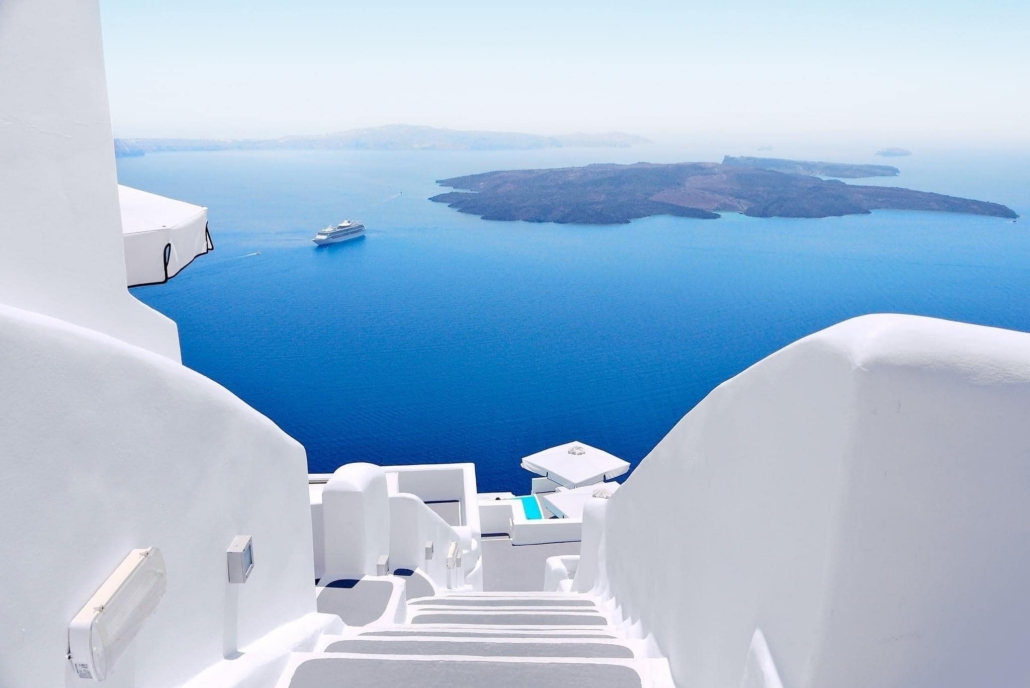
The island’s caldera views, particularly from Oia and Fira, are the kind of thing that genuinely stops you mid-sentence. Whitewashed buildings stacked against cliffs, blue-domed churches in the foreground, and a sea that shifts from deep cobalt to glittering silver depending on the light. It is relentlessly beautiful.

But here is what I tell my clients: do not spend all your time in Oia. Get out and explore. The volcanic beaches (Kamari and Perissa in particular) have a dramatic, otherworldly quality you will not find anywhere else. A catamaran cruise around the caldera is one of the best ways to experience the island, with stops for swimming in hot springs and front-row seats for the sunset from the water. It is a completely different perspective than watching from a clifftop terrace, and honestly, it might be the better one.

Pro tip: if you want the iconic Oia sunset experience without standing shoulder-to-shoulder with a thousand other people, go for sunrise instead. You will basically have it to yourself.

Mykonos: Choose Your Own Adventure

Mykonos has a reputation as a party island, which is partly true and also a bit overstated. What it actually is, is flexible. You can have an incredibly lively time here if that is what you are after. You can also have a completely relaxed, low-key experience, depending on which corners of the island you explore.

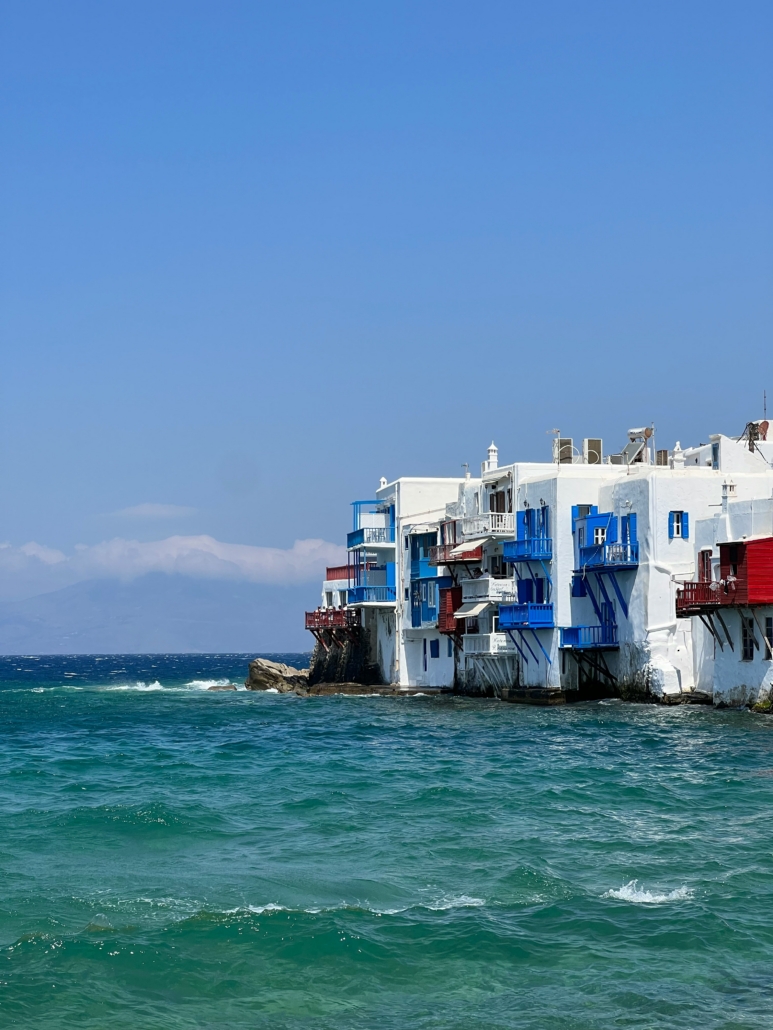
Mykonos Town, known as Chora, is charming and genuinely maze-like in the best way. The famous windmills overlook Little Venice, a row of colorful buildings that hang right over the water. You will find yourself wandering in and out of lanes, discovering small churches, boutiques, and good restaurants seemingly at random. That is exactly the right way to do it.

For beaches, Agios Ioannis and Ornos tend to be quieter and more family-friendly, while Paradise and Super Paradise draw a younger, livelier crowd. There is genuinely something for everyone here, which is why it works so well for mixed groups.

Beyond the Big Two: Rhodes, Hydra, and the Islands Worth Discovering

Santorini and Mykonos get most of the attention, but Greece has over 200 inhabited islands. A few others are worth serious consideration depending on what you are looking for.

Rhodes is one of my personal favorites. The old town is a UNESCO World Heritage site and one of the best-preserved medieval cities in Europe. You can walk along walls that knights actually walked on, explore a palace that has stood since the 14th century, and then be at a beach bar twenty minutes later. It is a genuinely surprising island.

Hydra is something else entirely. There are no cars or motorcycles on the island. None. Everything moves by donkey, boat, or foot. The result is a calm that is almost surreal compared to the rest of the Aegean. Stone mansions, a pretty harbor, excellent restaurants, and almost no tourist infrastructure. It is the Greece that existed before the Instagram age, and it is wonderful.

Crete is also worth mentioning, particularly if you want to combine beach time with serious history (the Minoan ruins at Knossos are extraordinary) or fantastic local food.

The Part Everyone Remembers: Evenings in Greece

Here is something I have noticed after years of helping people plan Greek holidays: the moments they talk about most when they get home are not the landmarks. They are the evenings.

Dinner in Greece is not a meal. It is an event. You sit down, you order in stages, you talk, you order more. The food is simple and excellent: grilled fish, fresh salads with real tomatoes, tzatziki, warm pita, local wine that costs almost nothing and tastes remarkable. The sun goes down over the water. Fishing boats bob in the harbor. Someone at the next table is celebrating something.

After dinner, you walk. Through old towns, past small churches, along waterfronts. Maybe you stop for a gelato or a Greek coffee. Maybe you sit on a step and just listen. This is the rhythm of Greece, and it is genuinely one of the more restorative things you can do with your time.

How to Plan Your Athens and Greek Islands Trip

The logistics of a Greece trip are not complicated, but getting them right matters. Here are a few things to keep in mind:

Timing. Late April through June and September through early October are the sweet spots. The crowds are manageable, the weather is excellent, and prices are noticeably lower than July and August. Peak summer is still wonderful, just busier and hotter.

Getting between islands. Domestic flights are fast and affordable for longer hops (Athens to Santorini, for example). Ferries are more scenic and great for shorter routes or if you have time to spare. I generally recommend a mix of both.

Where to stay. This varies enormously by island and budget. In Santorini, cave hotels in Oia or Fira with caldera views are the iconic choice. In Athens, staying near Syntagma or Monastiraki puts you walking distance from everything. In Mykonos, boutique hotels in the town center are convenient and atmospheric.

How long to plan for. Realistically, ten days to two weeks gives you Athens plus two or three islands without feeling rushed. You can do a shorter trip, but you will probably wish you had more time.

Ready to Start Planning?

Greece is one of those trips that sounds overwhelming to plan and ends up being one of the most seamless travel experiences you will ever have, if you approach it right. I have helped clients put together everything from 10-day first-timer itineraries to extended island-hopping adventures with a mix of ferry routes, private tours, and hand-picked hotels.

Contact me today and let’s make it happen.

Frequently Asked Questions

Planning & Logistics

What is the best time of year to visit Athens and the Greek Islands?

Late April through June and September through early October offer the best combination of good weather, manageable crowds, and lower prices. July and August are peak season, so expect more tourists and higher rates, though the islands are still wonderful. If you want value and relative quiet, shoulder season is the way to go.

How many days do I need for a Greece trip?

Ten days to two weeks is ideal if you want to see Athens and two or three islands without feeling rushed. A week is doable for a focused trip (Athens plus one island), but most people wish they had stayed longer. I have never had a client come home saying Greece was too long.

Getting Around

Is it better to fly or take ferries between the Greek Islands?

It depends on the route and your schedule. Domestic flights are fast and affordable for longer hops, like Athens to Santorini or Rhodes. Ferries are more atmospheric, less expensive, and a great choice for shorter routes or if you want a scenic travel experience. I usually recommend a mix of both for most itineraries.

Do I need to rent a car in Greece?

In Athens, no. Public transit and taxis work well. On most islands, it depends on your plans. In Santorini, an ATV or scooter is popular, but the island is small enough to get around without one. In Rhodes, a car is useful for exploring beyond the old town. Hydra does not allow cars at all, which is part of its appeal.

Experiences & Destinations

Is Santorini worth the hype?

Yes, genuinely. The caldera views are as spectacular as advertised, and the island has more to offer than just the Instagram-famous spots. That said, it is one of the pricier Greek Islands and can feel crowded in peak summer. If you go, build in at least two full days, add a catamaran excursion, and spend time beyond Oia in villages like Pyrgos or on the volcanic beaches.

Which Greek Islands are best for families with kids?

Crete is excellent for families because it has a wide range of accommodations, great beaches, and enough activities to keep kids engaged for a week or more. Rhodes is another strong option, with the fascinating old town to explore and calmer waters on the east coast. Mykonos has family-friendly beach areas, and its compact town is fun to wander with older kids.

Can I visit Athens and the Greek Islands on a budget?

Greece is more affordable than most Western European destinations, though Santorini and Mykonos sit at the higher end. Food and local transportation are generally very reasonable, and ferry travel is inexpensive. Staying in shoulder season and choosing islands like Naxos, Paros, or Hydra over the headline names will stretch your budget considerably without sacrificing the experience.

The first flakes of snow drift lazily past your riverview window as you sip steaming Rüdesheimer coffee, watching the spires of Vienna’s Schönbrunn Palace emerge through the winter mist. Outside, a giant sparkling tree dominates the palace courtyard, its thousands of lights reflected in your eyes. This isn’t a scene from a storybook. This is your December.

The moment you’ve been waiting for has arrived. Europe’s Christmas Markets transform centuries-old cities into living fairytales, and there’s only one way to experience them all without the exhaustion of endless hotel check-ins, the chaos of crowded airports, or the disappointment of rushed itineraries. Your floating boutique hotel glides silently from one illuminated wonderland to the next while you sleep, waking each morning to a new masterpiece of holiday tradition.

Why Christmas Markets River Cruises Sell Out First

December departures disappear faster than any other season—and for good reason. While other travelers fight crowds and weather delays, you’re wrapped in a cashmere blanket on the Sun Deck, the scent of mulled wine mingling with pine and cinnamon from the markets below. Your ship becomes the most elegantly decorated vessel on the river, adorned with festive garlands and twinkling lights that mirror the cities you’re about to explore.

The secret? You experience Europe’s most magical season without a single compromise. Elegant holiday feasts with all the traditional trimmings. Nostalgic Christmas traditions brought to life aboard your ship. And every morning, a new Christmas Market awaits—each one distinct, each one extraordinary.

Seven Nights, Seven Centuries of Tradition

Budapest to Nuremberg: The Iconic Route

Stand beneath Vienna’s Schönbrunn Palace as its giant tree casts a golden glow across the snow-dusted gardens. The air carries the unmistakable aroma of roasted chestnuts and lebkuchen—that spiced gingerbread Nuremberg has perfected over 600 years. At Regensburg’s Thurn and Taxis Palace, Bavaria’s most romantic Christmas Market unfolds like a scene from a royal ball, with centuries-old handicrafts glittering under baroque chandeliers.

Budapest to Vilshofen: The Connoisseur’s Journey

Watch as more than 700 illuminated trees transform Salzburg’s Hellbrunn Palace into a winter cathedral of light. Savor the crisp elegance of Wachau Valley Grüner Veltliner and Riesling wines—because Christmas Markets aren’t just about gingerbread and glühwein. Witness the majesty of Melk’s Benedictine Abbey rising above the Danube, its golden baroque façade commanding reverence even from the most seasoned travelers. Then bite into Vienna’s legendary apple strudel, still warm from centuries-old ovens, and understand why some traditions endure.

Amsterdam to Basel: The Rhine’s Holiday Splendor

Gaze upward at Strasbourg’s soaring cathedral, its gothic spires framing one of Europe’s most celebrated Christmas Markets below. In the village of Rüdesheim, order the coffee that bears its name—a theatrical blend of Asbach brandy, coffee, and flame that locals have perfected into ritual. And in Gengenbach, witness something truly unique: the town hall transforms into an enormous Advent calendar, with a new illuminated window revealed each December evening, drawing gasps from crowds who’ve traveled continents to see this artistic marvel.

The 14-Night Grand Danube: For Those Who Refuse to Choose

Why limit yourself to seven nights when you can have it all? The Grand Danube Christmas cruise sweeps you through Germany, Austria, Slovakia, and Hungary, immersing you in the unique Christmas traditions and Winter Markets of the Lower Danube. Fourteen nights means double the markets, double the memories, and double the certainty that you’ve experienced the holiday season as it was meant to be celebrated—surrounded by history, wrapped in luxury, and moving effortlessly through time.

The Smart Traveler’s Secret: Taste of Christmas Markets

Here’s what the savvy set knows: Select European cities illuminate their Christmas Markets as early as mid-November, offering all the magic with fewer crowds, better airfare, and premium cabin availability. These “Taste of Christmas Markets” sailings along the Danube and Rhine Rivers give you the enchantment of the season before the December rush—and on select departures, you’ll even celebrate Thanksgiving aboard with a sumptuous feast before exploring the first Christmas Markets of the season.

Think about what that means: The same handcrafted ornaments, the same mulled wine recipes passed down through generations, the same snow-dusted medieval squares—but with breathing room to actually enjoy them. No jostling through shoulder-to-shoulder crowds. No sold-out stalls. Just you and the pure magic of Advent.

Aboard: Where the Holiday Spirit Becomes Home

While other cruise lines hang a few wreaths and call it festive, your ship transforms into a floating Christmas wonderland. Every detail has been considered. Every tradition honored. The most elegantly decorated vessel on the river becomes your sanctuary between markets—a place where holiday cheer isn’t performed, it’s lived.

Imagine returning from an afternoon exploring Vienna’s Christmas Markets, your bags filled with hand-carved wooden ornaments and spiced cookies, to find your Cruise Manager has arranged hot chocolate and pastries in the lounge. The crew doesn’t just serve you—they celebrate with you, sharing their own family traditions and regional holiday customs that transform casual conversations into cherished memories.


The Clock Is Ticking

December departures are already filling. The finest suites—those with full balconies where you can watch the Christmas Markets glitter against snowy riverbanks—are being reserved by travelers who learned last year what it means to wait too long.

This isn’t about missing a vacation. It’s about missing the vacation—the one your family will recount at every future holiday gathering, the one that redefines what Christmas can feel like, the one that turns December from a stressful sprint into seven to fourteen nights of pure, unadulterated magic.

Your floating palace awaits. Seven hundred illuminated trees shimmer in the distance. Nuremberg’s lebkuchen is cooling on centuries-old racks. The giant tree at Schönbrunn Palace is already casting its golden glow across fresh snow.

The only question: Will you be there to see it?

Book your European Christmas Markets river cruise now. Some traditions can’t wait another year.

Picture this: You’re sitting in a cramped train compartment at 6 AM, your third connection of the day, watching your dream European vacation slip away one delayed departure at a time. Sound familiar?

After six years of crafting European itineraries for travelers just like you, I’ve learned that the difference between a magical multi-country adventure and a logistical nightmare often comes down to one crucial decision: which countries you pair together.

Gondolas floating along the Grand Canal in Venice, Italy, a popular stop on multi-country European trips

Why Your Country Choices Can Make or Break Your Trip

Here’s what most travelers don’t realize: Europe might look compact on a map, but not all destinations play well together. I’ve seen countless clients return from what should have been their dream vacation feeling exhausted, overwhelmed, and like they barely scratched the surface of any of the places they visited.

The culprit? Poor country pairings create unnecessary stress, sky-high transportation costs, and itineraries that feel more like a marathon than a vacation.

But when you get it right? That’s when the magic happens. When you choose countries that complement each other geographically, culturally, and logistically, you create space for those spontaneous moments—the afternoon spent people-watching in a Parisian café, the extra day exploring hidden gems in Amsterdam, the leisurely dinner that turns into the highlight of your trip.

Europe’s Travel Sweet Spot: Why It’s Perfect for Country-Hopping

Europe has cracked the code on multi-country travel. With the Eurail Pass connecting 33 countries and budget airlines like EasyJet and Ryanair offering flights for the cost of a nice dinner, moving between countries can be surprisingly seamless—if you know which ones to choose.

The key is understanding that Europe’s real superpower isn’t just its size; it’s the infrastructure that makes exploration effortless. High-speed trains whisk you between capitals in hours, shared currencies eliminate constant money exchanges, and the Schengen Agreement means you can cross most borders without even showing your passport.

The Golden Rules I Follow for Every Multi-Country Itinerary

After years of trial and error (and a few client rescue missions), I’ve developed a set of non-negotiables that I use for every European adventure:

Keep It Connected: I only pair countries that are genuinely easy to travel between. If getting from Point A to Point B requires more than one connection or takes longer than half a day, it’s not worth it. Your vacation time is too precious to waste in transit.

Match the Vibe: Trying to squeeze a high-energy Spanish fiesta and a peaceful Swiss alpine retreat into the same week? Recipe for culture shock. I look for countries that complement each other’s rhythm and energy levels.

Give Each Place Its Due: This might be controversial, but I believe you need at least three full days in each destination to experience it truly. Less than that, and you’re just checking boxes, not creating memories.

Mind the Money: While the Euro makes things easier across most of Europe, I always consider the cost-of-living differences. Pairing expensive Switzerland with budget-friendly Portugal might sound adventurous, but it can create sticker shock that derails your entire budget.

The Perfect Pairing: Why London and Paris Never Go Out of Style

Let me share my favorite example of country pairing done right. The London-Paris combination isn’t just popular because these are bucket-list cities (though they are). It works because the Eurostar train has turned what used to be a complicated journey into a 2.5-hour scenic ride through the countryside.

You can have afternoon tea in London and dinner in Paris on the same day. You can explore the British Museum in the morning and the Louvre in the evening. This isn’t just convenient—it’s transformative for how you experience both destinations.

The Eiffel Tower in Paris, France, a classic highlight on multi-country European vacations

More Winning Combinations That Create Unforgettable Journeys

The Culture Lover’s Dream: Italy + France Share a love for art, wine, and incredible food? These neighboring countries offer the perfect blend of Renaissance masterpieces, world-class vineyards, and culinary experiences that will ruin you for restaurants back home.

The Fairytale Route: Germany + Austria From Munich’s beer gardens to Salzburg’s musical heritage, this pairing offers storybook castles, alpine scenery, and some of Europe’s most charming Christmas markets.

The Iberian Explorer: Spain + Portugal Often overlooked, this combination gives you twice the sunshine, incredible coastlines, and two distinct cultures that share a peninsula but offer completely different experiences.

The Northern Gems: Netherlands + Belgium Perfect for first-time European travelers, these compact countries offer world-class museums, historic cities, and yes, some of the best beer and chocolate on the planet.

The Alpine Adventure: Italy + Switzerland Combine Italy’s passionate culture with Switzerland’s pristine landscapes for a journey that satisfies both your cultural curiosity and your Instagram feed.

Why This Matters More Than You Think

When you choose the correct country pairings, you’re not just planning a trip—you’re designing an experience. You’re creating room for spontaneity, reducing stress, and maximizing the joy of discovery. You’re also being smart with your investment because let’s be honest, European vacations aren’t cheap.

After six years of watching travelers transform their European dreams into reality, I can tell you that the most magical trips aren’t the ones that try to see everything. They’re the ones that see the right things, in the proper order, with enough time to truly savor each moment.

Ancient Greek ruins in Athens, Greece, a cultural highlight on multi-country European itineraries

Ready to Plan Your Perfect European Adventure?

The difference between a good European trip and an extraordinary one often comes down to the details—the connections only an experienced travel professional knows, the timing that turns a crowded tourist trap into a peaceful moment of wonder, and yes, the country pairings that make everything flow seamlessly.

I’d love to help you create your own unforgettable European adventure. Whether you’re dreaming of your first multi-country journey or you’re ready to explore Europe like a seasoned traveler, let’s chat about how to make it happen.

Contact me today, and let’s start planning the European adventure you’ve been dreaming about.

Greece beckons travelers with an irresistible blend of ancient wonders and modern delights that captivate the soul and awaken the senses. From the sun-drenched islands scattered across azure waters to historically rich mainland cities, Greece offers a tapestry of experiences that promise both luxury and cultural immersion. As you craft your perfect Grecian getaway, consider these magnificent destinations to ensure your journey encompasses the very best this timeless paradise has to offer.

Corfu

Located off the western coast of Greece in the Ionian Sea is Corfu, an island with a rich cultural heritage and a shoreline filled with luxury resorts. For activities offshore, consider one of the private tours to swim in the Sivota Blue Lagoon, dive in the coral reefs on the northern shores, or sail around the Ionian Sea in a yacht. Spend your time on land with trips to wineries and olive farms or to explore the architecture of the different fortresses and castles built when the island was under control of various empires.

Ioannina

Those vacationing in Greece should consider a stop at one of the mainland’s gorgeous lake towns, like Ioannina. Visitors love to tour the silversmithing museum, where you can view old-world objects, including historic pieces of jewelry, crafted from silver and gold. The real attraction in Ioannina is Lake Pamvotida, which hosts an inhabited island in its center that you can visit with a 10-minute boat ride. The other hidden treasure of Ioannina is its culinary scene. You can find exquisitely plated dishes at Hotel du Lac or Frontzu Politia. For lodging, you’ll find a variety of boutique hotels and spas redesigned from old monasteries and mansions.

Crete

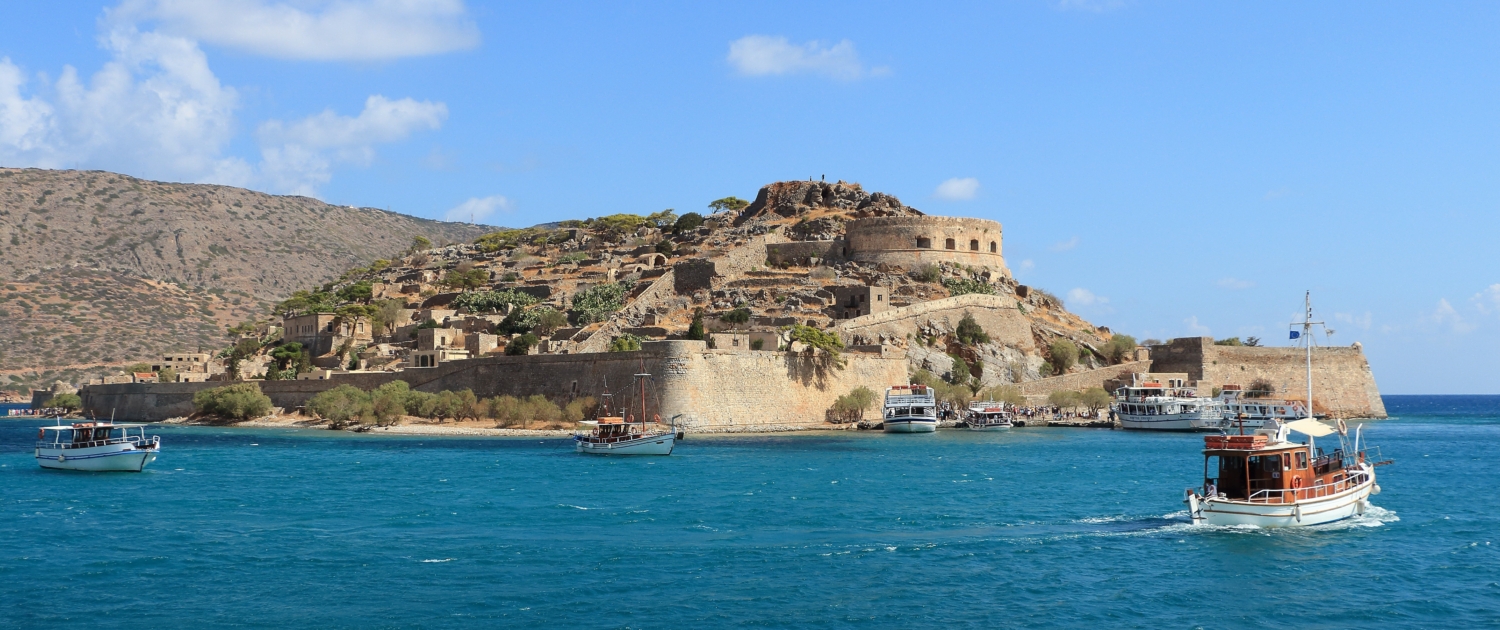
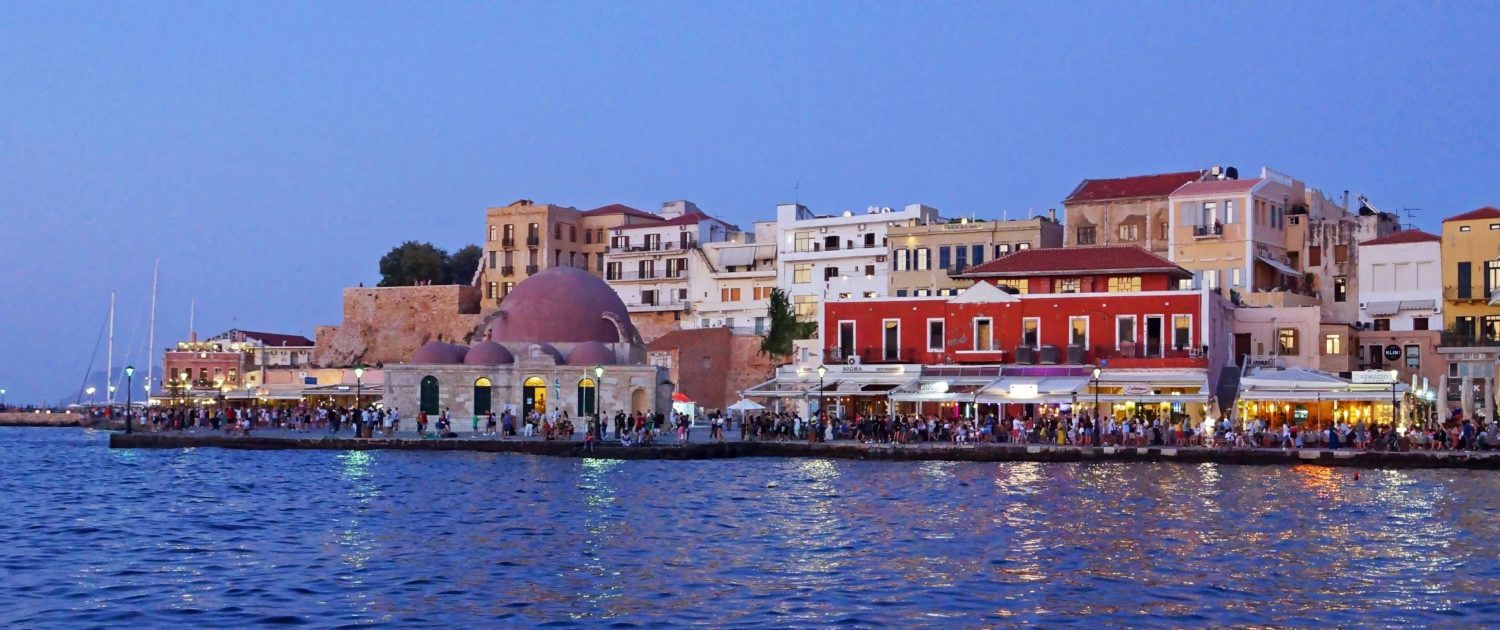
This island south of Greece’s mainland offers some of the most luxurious resorts in the country, especially in the port cities of Chania and Heraklion. They provide everything a traveler could want, including private beaches, well-maintained pools, on-site restaurants, and other amenities. Travelers to this island cannot visit without taking one of the best Greece tours around during their visit—a private boat ride to Elafonissi. It is one of the few places in the world with a pink sandy beach and the water is warm and shallow–perfect for swimming.

You can also tour the White Mountains to see the Botanical Park of Crete. There, you’ll enjoy a stroll through the gardens and a freshly made lunch with produce grown on-site.

Athens

You can’t overlook a stay in ancient Athens when vacationing in Greece. It is the epitome of history, boasting infamous sites like the Parthenon, Acropolis, and the Temple of Zeus. Another key benefit to visiting Athens is its proximity to other world-famous destinations in the country.

The city of Athens is also a place where you can find high-end accommodations and experiences for a Greece luxury vacation. Go for designer shopping in the Kolonaki neighborhood or the Golden Hall. Afterward, sit down to one of the several Michelin star restaurants nestled in the city, such as the farm to table, Nordi inspired restaurant, Soil, or the tasting menu at Spondi with its French-Greek cuisine.

For a truly unique dining experience, take the Milos at Sea tour—a combined adventure of paddle boarding or kayaking by day followed by sitting down to a dinner that includes a wine and cheese pairing, cooking lesson, and main course with freshly caught fish.

Mykonos


The beauty of Mykonos lies in its soft, gold sand beaches where you can soak up the Mediterranean sun before cooling off for a comfortable swim. The best beaches are on the southern side of the island in Mykonos Town, including Ornos, Platis Gialos, Paradise, and Super Paradise Beaches. These beaches are home to a world-famous clubbing scene too, as DJs travel from all over the world to entertain vacationers. One of the most exclusive of these venues is Moni, known for its selectivity and VIP reservations through email only.

The enchanting allure of Greece extends far beyond these highlighted gems, with each region offering its own unique charm and hidden treasures waiting to be discovered. Whether you’re drawn to the archaeological wonders of ancient civilizations, the crystalline waters of island paradises, or the rich tapestry of flavors that define Greek cuisine, this Mediterranean haven promises memories that will linger long after your tan fades. Don’t leave your Greek odyssey to chance—contact us today to craft a personalized journey through this magical land. Our expertise will transform your Greek vacation dreams into a seamless reality, ensuring you experience the perfect balance of iconic landmarks and off-the-beaten-path discoveries. Embrace the spirit of philoxenia—the legendary Greek hospitality—and let us guide you toward your unforgettable Grecian adventure.

Want more insider travel tips and exclusive luxury destination guides like this one? Join our monthly newsletter where we share expert advice, seasonal recommendations, and early access to special travel offers.

Travel almost anywhere in the world and you’ll notice Italian influences. From magnificent art to breathtaking architecture, Italy has left an indelible mark on global culture. But nothing quite captures Italy’s essence like its extraordinary cuisine.

While pizza and pasta have conquered the global palate, nothing compares to experiencing authentic Italian food in its birthplace. That’s why I always recommend an Italian food tour to my clients looking for a truly memorable vacation experience.

Bologna: A Paradise for Artisanal Food Lovers

When my clients ask about northern Italy, I immediately point them toward Bologna, the capital of Emilia-Romagna. This region is a treasure trove of artisanal specialties that I’ve had the pleasure of experiencing firsthand.

The markets in Bologna are an absolute must-visit, where you can sample some of the world’s finest balsamic vinegar, Parmesan cheese, and authentic mortadella. I always encourage my clients to try tagliatelle al Ragù – what many know as “Bolognese sauce,” but trust me, it’s nothing like what you’ve had at home!

One of my favorite experiences to arrange is a visit to a traditional pastaficio (pasta factory), where you can watch skilled artisans craft delicate tortellini by hand. Even better, I can book you into a hands-on cooking class where you’ll learn to make your own stuffed pasta – a skill you’ll treasure long after your vacation ends.

No Bologna experience is complete without sampling Lambrusco, the regional sparkling red wine with such a fascinating history – did you know WWII soldiers nicknamed it “Italian Coca-Cola”? And don’t miss the chance to enjoy a raviole Bolognesi (jam-filled shortbread cookie) while strolling through the city’s ancient porticos.

Naples: Pizza’s Sacred Birthplace

Naples offers my clients the perfect blend of cultural history, breathtaking views of Mount Vesuvius, and of course, incredible food. Walking those cobblestone streets, discovering ancient castles and churches while snacking on authentic Neapolitan street food like polpette or cuoppo, is an experience I love to customize for travelers.

As the birthplace of pizza, Naples delivers an authentic experience that simply can’t be replicated. That soft, chewy crust baked in a stone oven and topped with San Marzano tomatoes and buffalo mozzarella – the Margherita pizza here will forever change how you think about this beloved dish.

I always make sure my clients try other local specialties like minestrone Napolitano (a flavor-packed vegetable soup) and sfogliatella (those delicate shell-shaped pastries filled with custard cream) – both absolute must-tastes on any Naples food tour.

Florence: Tuscany’s Cultural and Culinary Heart

The Tuscan region holds a special place in my heart, offering some of Italy’s finest food and wine experiences. Florence, as its crown jewel, serves as the perfect starting point for culinary exploration.

Having guided numerous clients through Florence’s rich Renaissance history and cuisine, I can attest that the city’s markets are bursting with the freshest produce from the fertile Tuscan countryside. For meat lovers, I always recommend the Bistecca Fiorentina – a perfectly grilled T-bone steak that exemplifies Tuscan simplicity and flavor.

Did you know Florence claims to be the birthplace of gelato? Ask for a crema Fiorentina, and you’ll be tasting a flavor with centuries of Italian history. And of course, no visit to Tuscany is complete without a vineyard tour – I can arrange private tastings of the region’s famous Chianti wines with views that will take your breath away.

Rome: Where Ancient History Meets Modern Cuisine

In Rome, culinary delights await around every corner. The variety here is truly remarkable – from the freshest seafood in Michelin-starred restaurants to humble street carts serving perfect pizza al taglio.

When I plan Rome itineraries for my clients, I often include a pasta-making class in the charming Trastevere neighborhood. Learning to make authentic Cacio e Pepe (pasta with cheese and pepper) or Amatriciana (pasta with zesty tomato sauce) provides skills you’ll treasure long after your vacation.

I always recommend visiting Campo di Fiori market for a true taste of local artisanal goods. And for a peaceful lunch away from the crowds, I direct my clients to Villa Doria Pamphili public park, where the bistro offers delightful meals in a serene setting.

Palermo: Sicily’s Cultural Melting Pot

Sicily’s capital of Palermo holds a special place among the food destinations I recommend. This former ancient trading port blends European and Middle Eastern influences to create a unique culinary landscape that my clients find absolutely enchanting.

On my curated walking tours of Palermo, you’ll sample the city’s famous street foods – from the delicious fried rice balls known as arancini to the fresh-baked scfincione (Sicilian-style pizza bread). For more adventurous eaters, I can guide you to authentic spots serving pane con la milza (spleen sandwich) or stigghiola (seasoned, grilled sheep innards).

A perfect way to cool off during Sicily’s sunny days is with a granita al caffè, Italy’s delightful version of frozen coffee. And the family-owned seafood restaurants I recommend offer some of the freshest Mediterranean catches you’ll ever taste.

Ready to Taste Italy With Me?

After years of exploring Italy’s diverse culinary landscapes and creating custom food tours for my clients, I’ve developed relationships with local artisans, chefs, and vineyard owners that ensure truly authentic experiences you simply can’t find on your own.

Whether you’re dreaming of mastering pasta-making in Rome, sampling street food in Sicily, or tasting wine in Tuscan vineyards, I’m here to craft your perfect Italian food adventure.

Contact me today to start planning your ultimate Italian food tour. Together, we’ll create a personalized journey through Italy’s most delicious destinations that will satisfy both your appetite and your sense of adventure.

Want to be the first to know about European destinations, special offers, and expert travel tips? Join my monthly newsletter for insider knowledge that will elevate your travel experiences!

When planning a beach vacation, most travelers envision long days spent lounging on soft sands, swimming in crystal-clear waters, and basking in the sunshine. However, the best beach destinations offer much more than just picturesque coastlines.

Whether you’re an adventure-seeker, a food enthusiast, or someone who loves exploring local culture, these destinations provide a perfect blend of beachside relaxation and inland activities. This combination makes for a well-rounded vacation experience that appeals to a variety of interests.

Understanding the diverse offerings of beach destinations can elevate your travel plans, allowing you to make the most of your time both on and off the beach. Let’s dive into some of the best beach destinations around the world that also offer exciting inland activities to enhance your getaway.

1. Santa Monica, California: Boardwalk Fun

Santa Monica is a quintessential California beach destination known for its vibrant pier and lively boardwalk. The iconic Santa Monica Pier features an amusement park with a historic carousel, games, and plenty of places to grab a bite to eat.

While inland, you can explore the Third Street Promenade, a pedestrian-only shopping area with street performers, boutiques, and art galleries. For a touch of culture, visit the nearby Getty Villa Museum, which houses an extensive collection of Greek and Roman art.

2. Maui, Hawaii: Exciting Adventures

Maui is famous for its breathtaking beaches, but it’s also a paradise for adventure seekers. After enjoying a morning on the pristine sands of Kā’anapali Beach or Wailea Beach, head inland to explore the island’s diverse landscapes. Drive the famous Road to Hana, where you’ll encounter lush rainforests, cascading waterfalls, and scenic overlooks, making it one of the best beach destinations in the world.

3. Barcelona, Spain: Culture and History

Barcelona offers the perfect mix of beach relaxation and cultural exploration. Spend your mornings soaking up the sun at Barceloneta Beach, a lively spot with golden sands and clear waters. When you’re ready to venture inland, the city is brimming with architectural marvels, including Antoni Gaudi’s Sagrada Familia and Park Güell.

Stroll through the Gothic Quarter to immerse yourself in the city’s rich history or visit the Picasso Museum to appreciate the works of one of the 20th century’s most influential artists. Barcelona’s culinary scene is also a highlight with some of the best food in the city’s tapas bars and local markets.

4. Sydney, Australia: Urban Exploration

Sydney is home to some of the world’s most famous beaches, including Bondi Beach and Manly Beach, where you can enjoy surfing, sunbathing, and coastal walks. However, Sydney’s appeal extends far beyond its beaches. The city is a cultural hub with iconic landmarks such as the Sydney Opera House and Harbour Bridge.

Take a ferry ride across the Sydney Harbour for stunning views of the skyline or explore the Royal Botanic Garden for a peaceful retreat in the heart of the city. Sydney also boasts a vibrant food scene, with a diverse range of cuisines to explore in its many neighborhoods.

5. Amalfi Coast, Italy: Scenic Beauty and Culinary Delights

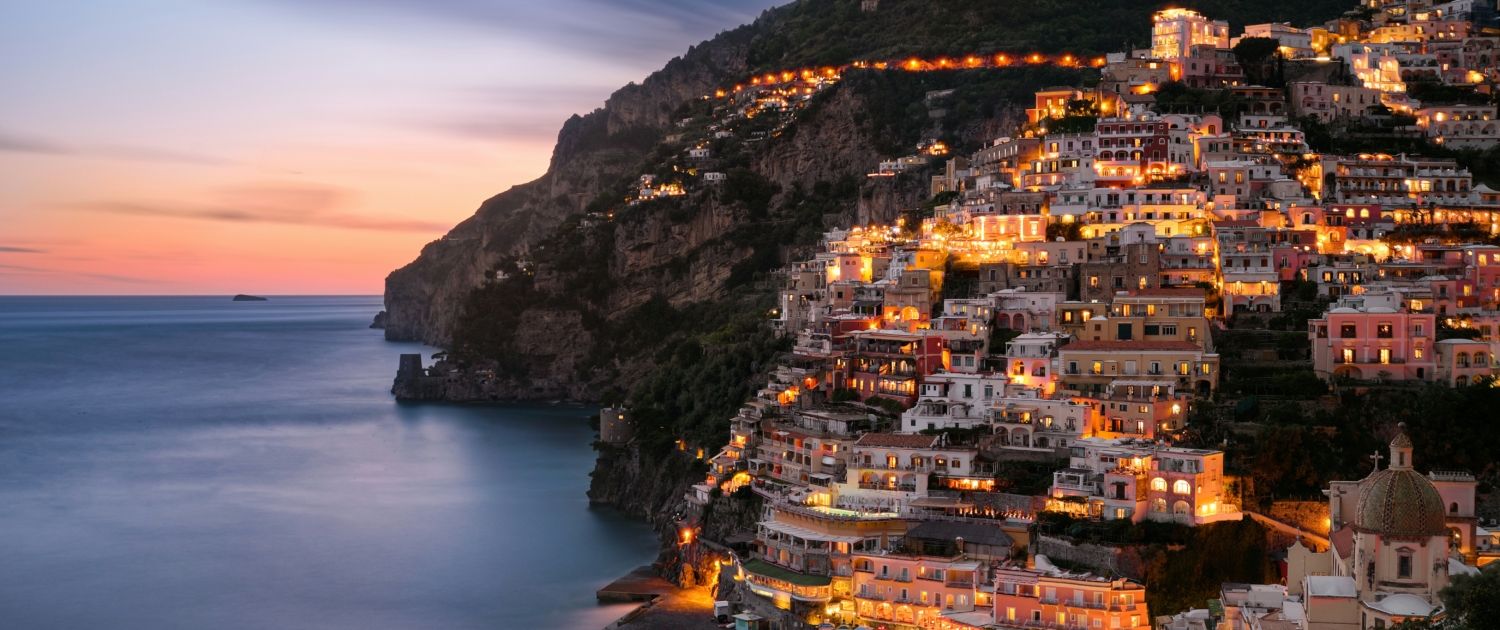
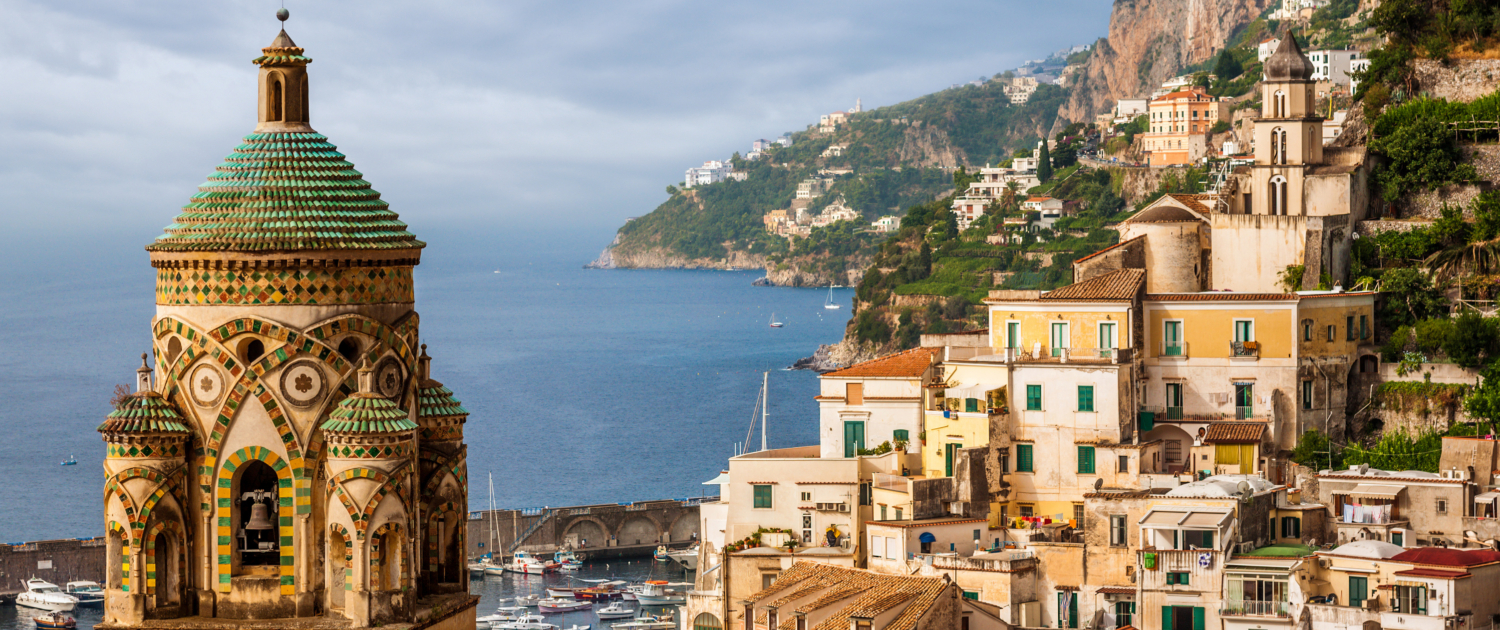
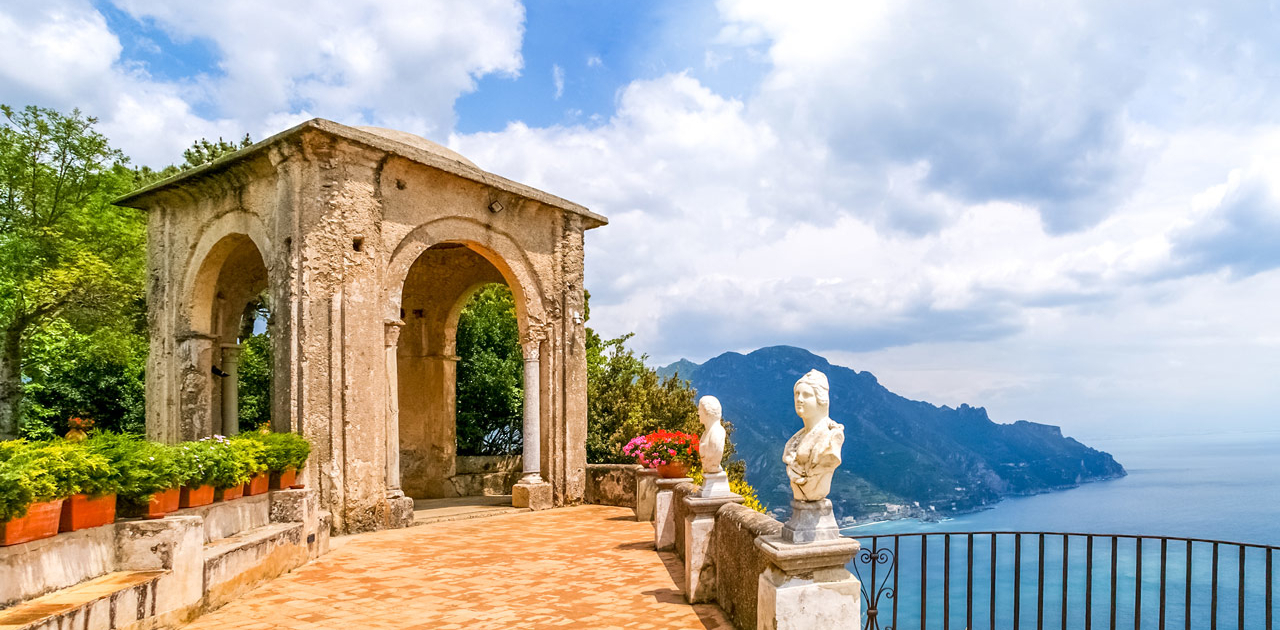
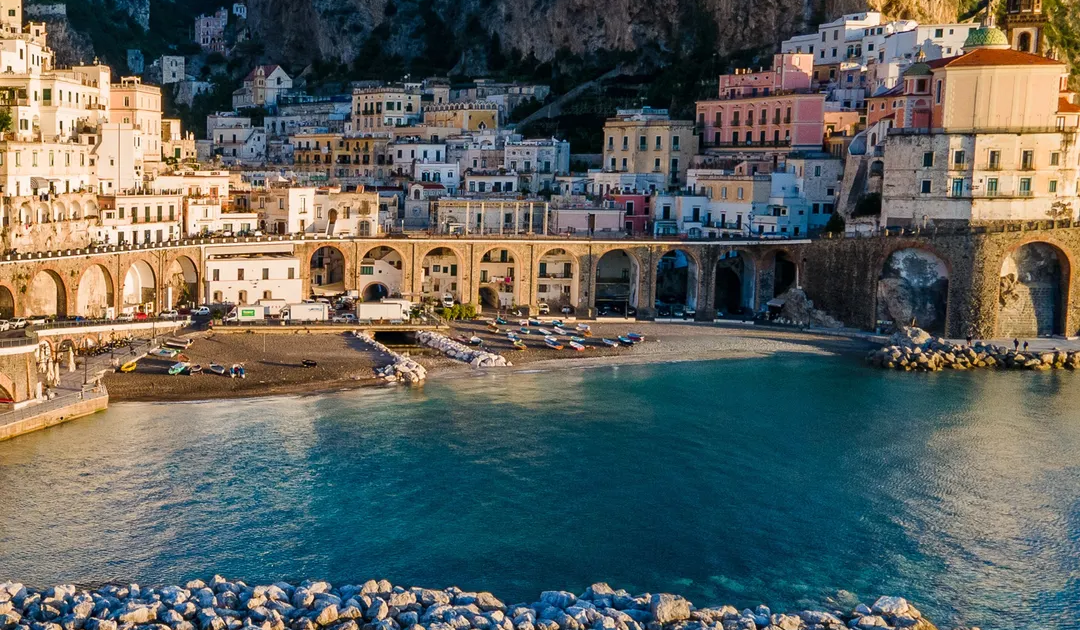
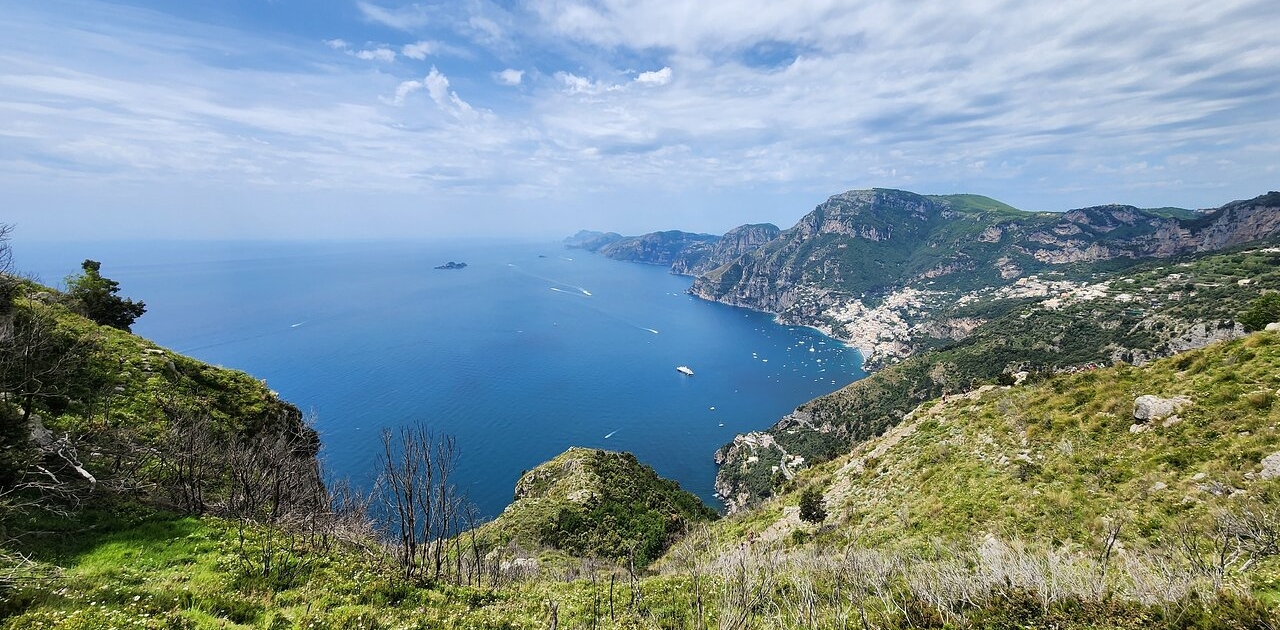
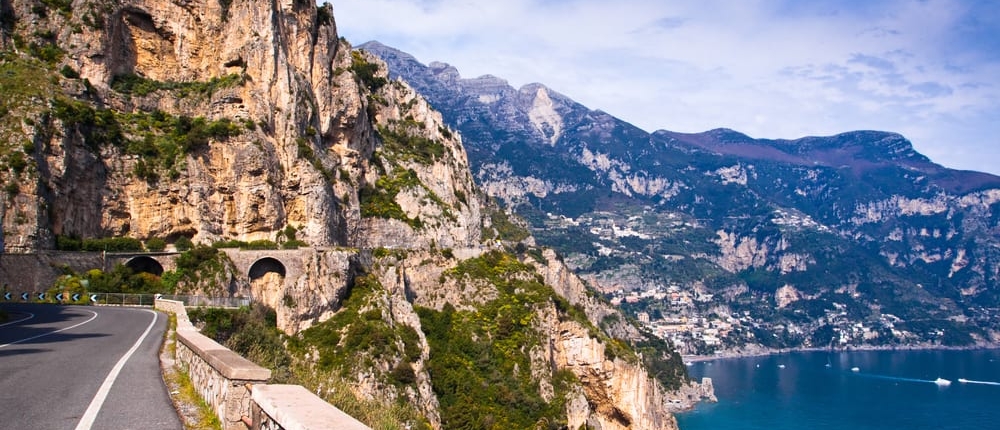
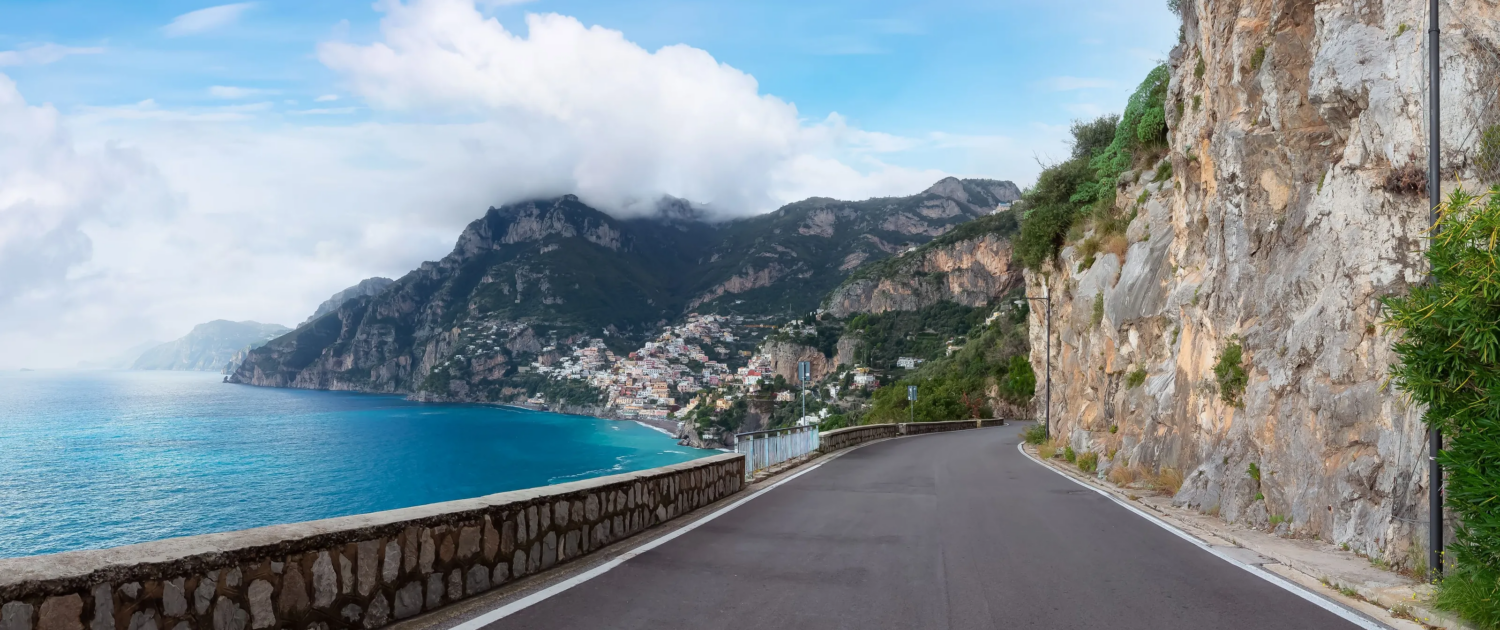
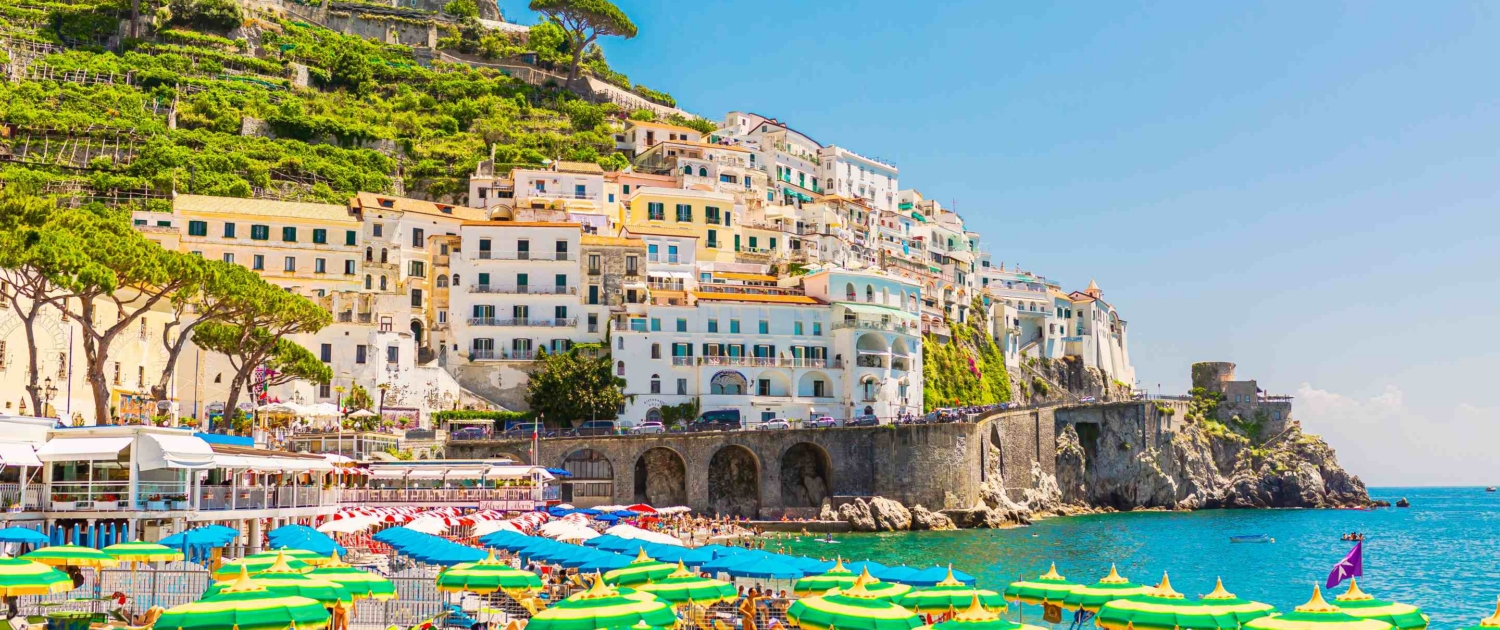
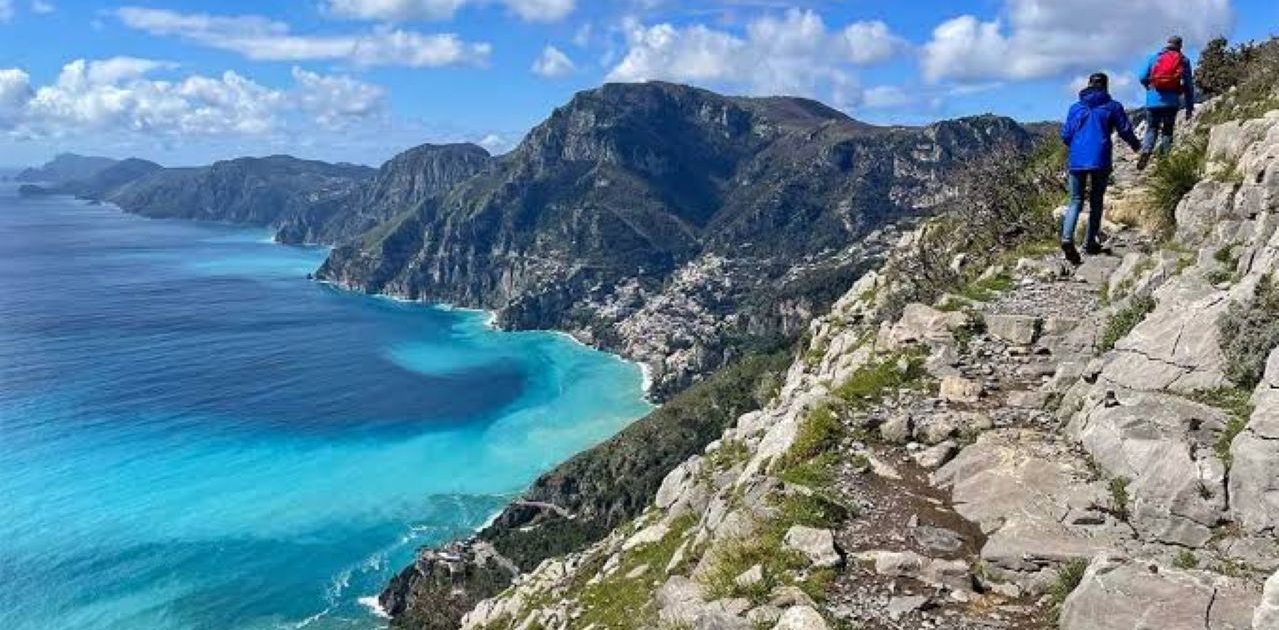
The Amalfi Coast is renowned for its stunning coastal scenery, where dramatic cliffs meet the azure waters of the Mediterranean Sea. While the beaches here are beautiful, the real charm lies in coastal towns like Positano and Amalfi, where you can wander through narrow streets lined with pastel-colored houses and boutique shops. Inland, the region offers some of the best food in Italy, with fresh seafood, handmade pasta, and local wines taking center stage. For a truly memorable experience, hike the Path of the Gods, a trail that offers breathtaking views of the coastline and the surrounding countryside.

6. Cape Town, South Africa: Wildlife and Wine Tasting

Cape Town is a destination that offers a unique combination of beach and inland activities. After enjoying the soft sands of Camps Bay or Clifton Beach, venture inland to explore the city’s vibrant cultural scene. Visit the historic Robben Island or take a cable car ride to the top of Table Mountain for panoramic views of the city and the Atlantic Ocean. Cape Town is also a gateway to the Cape Winelands, where you can tour vineyards and sample some of the world’s finest wines.

7. Rio de Janeiro, Brazil: Festivities and Natural Wonders

Rio de Janeiro is synonymous with beach culture, with iconic spots like Copacabana and Ipanema drawing sun-seekers from around the world. Beyond the beaches, Rio offers a lively atmosphere with vibrant festivals, particularly during Carnival season. Inland, you can explore the Tijuca National Park, home to the famous Christ the Redeemer statue and lush rainforest trails. The city’s nightlife is also legendary, with samba clubs and street parties providing endless entertainment.

These beach destinations not only offer stunning coastlines but also a wealth of inland activities that cater to a variety of interests. Whether you’re drawn to cultural landmarks, adventurous hikes, or gourmet dining, these locations provide the perfect blend of relaxation and exploration. That makes them some of the best beach destinations to consider for your next vacation. Let’s design your perfect getaway—contact me today to start planning!