Rail travel is one of the most rewarding ways to explore Europe and Japan, giving you a front-row seat to landscapes, culture, and cities that fly-and-drive itineraries almost never reach. If you have been curious about planning a train-based journey, we will walk through three of the most compelling routes in the world, and exactly what makes them worth your time.

There is a moment, somewhere between stations, when you look up from your coffee and realize the landscape outside your window is doing something extraordinary. A vineyard rolls into a medieval hilltop. A glacier appears between two peaks. A bullet train blurs past cherry trees in full bloom.

That moment does not happen on a plane. It barely happens in a car. But on a train, it is practically guaranteed.

Rail travel has made a genuine comeback, and not just for budget backpackers. Discerning travelers are building entire trips around iconic train routes because the journey itself becomes part of the experience. And honestly? Done right, a rail-based itinerary is one of the most elegant ways to travel.

I have helped clients plan rail journeys across Europe and Asia, and the feedback is almost always the same: they wish they had done it sooner. So let me walk you through three of the world’s most rewarding rail routes, and what actually makes them worth planning around.
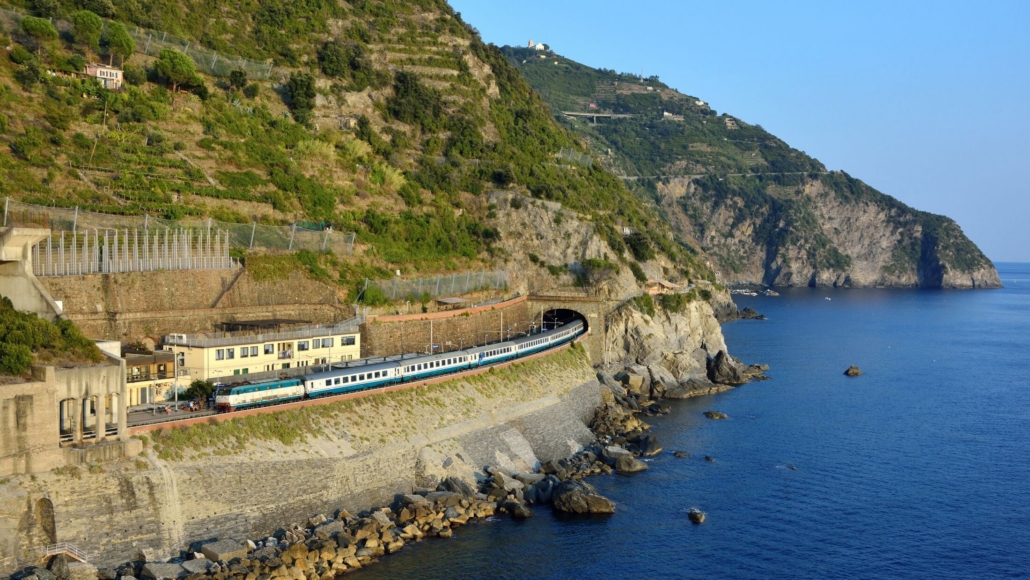
 

Italy by Rail: Cities, Hill Towns, and Coastline

Italy is almost custom-built for rail travel. The country’s network is extensive, the scenery between stops is constantly changing, and you can cover an enormous amount of ground without once wrestling with a rental car, a GPS, or a parking garage in a walled medieval town.

Most itineraries start in Rome or Florence. Both cities reward multiple days of wandering. After you have visited the museums, walked the piazzas, and eaten your way through three courses at a neighborhood trattoria, a short train ride drops you somewhere completely different.

Florence to Venice, for example, takes under two hours on high-speed rail. Florence to the Cinque Terre is a manageable day trip by regional train along the Ligurian coast. And from any of these hubs, slower regional trains push out into the Tuscan countryside toward towns like Siena, Montalcino, or Montepulciano, where the agenda tends to involve wine, olive oil, and very little ambition.

That is the rhythm of a great Italian rail trip. Move between cities on fast trains. Slow down when you reach the countryside. Spend a few days in a hill town or a coastal village before catching the next connection. The variety is remarkable, and the logistics stay genuinely simple.

What makes this work is having someone help you sequence it. Italy’s rail system is excellent, but matching the right stops to the right pace, knowing which regional lines are worth the slower journey, and building in enough time at each destination without overpacking the schedule is where experience matters.
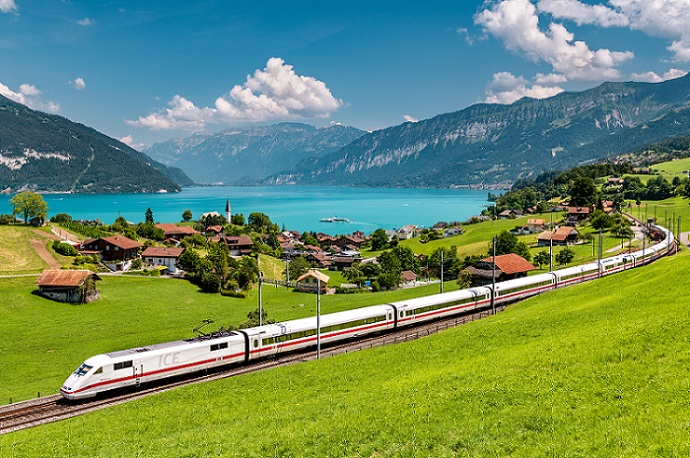
 

Scenic Rail Through the Alps: When the Train Is the Point

Switzerland does scenic rail better than almost anywhere on earth, and they do it with the kind of precision and comfort that makes a three-hour mountain train feel like a luxury experience rather than a commute.

The classic starting point is Zurich or Lucerne, both of which offer beautiful lakefronts, old-town architecture, and easy rail connections into the Alps. From there, several legendary routes branch out.

The Glacier Express between Zermatt and St. Moritz is perhaps the most famous, passing through 91 tunnels and over nearly 300 bridges on its eight-hour journey across some of the most dramatic scenery in Europe. The Bernina Express, connecting Chur to Tirano in northern Italy, crosses a UNESCO-listed railway line that climbs above 7,000 feet before descending into the Italian Lake District.

What strikes most travelers on these routes is how the train itself is designed around the view. Panoramic windows, upper-deck seating, and forward-facing cars mean you are not just moving through the landscape. You are watching it unfold, almost cinematically, with the Alps performing on cue.

Stopping in alpine towns along the way adds another dimension. A few nights in Zermatt (car-free, with direct views of the Matterhorn) or Grindelwald (surrounded by the Eiger, Monch, and Jungfrau) let you trade train seats for hiking trails, mountain gondolas, and evenings in quiet chalet restaurants. The trains work as the connective tissue between experiences rather than just transportation.

One thing worth knowing: Switzerland’s train system also connects cleanly into Austria, France, and northern Italy, which means a rail trip through the Alps can easily expand into a multi-country journey without any complicated logistics.

 

Japan by Train: Speed, Serenity, and Everything in Between

Japan’s rail system is in a category of its own. The shinkansen (bullet train) network moves you between major cities at speeds that still feel slightly implausible. Tokyo to Kyoto in roughly two hours and twenty minutes. Kyoto to Hiroshima in another hour. Osaka to Fukuoka in under three. The country encompasses an extraordinary amount of exploration in a relatively short trip.

But Japan’s rail appeal goes well beyond speed. The country’s local and regional lines take you into territory that most visitors never reach. Small onsen towns tucked into mountain valleys. Coastal routes where the train skirts the edge of the Pacific. Rural areas where the landscape shifts between rice paddies, cedar forests, and traditional farmhouses.

A well-designed Japan rail itinerary typically balances the two. You use the Shinkansen to move efficiently between major cities. Tokyo for several days, absorbing the scale and the contradictions. Kyoto for its temples, traditional streets, and cultural depth. Hiroshima and Miyajima for history and one of Japan’s most breathtaking shrine settings. Osaka for food and energy.

Then you layer in the slower routes. A morning train into the Japanese Alps to the old post town of Narai or Tsumago. An evening departure from Kyoto toward the ancient pilgrimage routes of the Kii Peninsula. A local line that climbs into the mountains above Nikko.

The Japan Rail Pass, purchased before departure, makes the economics work elegantly. One cost, unlimited access to most of the network for a set number of days. When I help clients plan Japan trips, sequencing around that pass is one of the most satisfying parts of the process because you can optimize both the experience and the value simultaneously.

One practical note: Japan rewards advance planning more than most destinations. Popular shinkansen routes, especially around cherry blossom season or Golden Week, book up quickly. Having someone who knows the system working on your trip makes a meaningful difference.

Why Rail Travel Deserves a Spot on Your Travel Radar

Beyond the scenery and the romance, rail travel offers genuine practical advantages worth naming directly.

City-center arrivals. Trains pull into the heart of cities, not airports located forty-five minutes from anything worth seeing. You step off at Rome Termini, walk twenty minutes, and you are at the Colosseum. You arrive in Kyoto Station, and the famous Nishiki Market is a short taxi ride away. The contrast with flying is significant.

No security theater. No liquid restrictions. No middle seats or overhead bin anxiety. Rail travel is fundamentally less exhausting than flying, which matters when you want to arrive somewhere with energy rather than just consciousness.

The journey is an experience. On a scenic rail route, the time between stops is not dead time. You are watching Switzerland happen outside your window. You are having a drink in the dining car as the Italian coast passes by. You are experiencing the country, not just transiting it.

For my clients who want more depth and less logistics, rail travel consistently delivers both.

Ready to Plan Your Rail Journey?

Building a rail itinerary that actually works, one that balances the right stops with the right pace and does not leave you stranded on a platform with a suitcase and no reservation, takes some expertise. I have done this across Italy, Switzerland, Austria, and Japan, and I would love to help you design something specific to how you travel.

Whether you are dreaming of a week through Tuscany, a scenic Alpine crossing, or a full Japan Rail Pass adventure, let’s build it together.

Contact us to start planning your rail journey today. I am always happy to talk through options before anything is booked.

Frequently Asked Questions

Do I need to book train tickets in advance in Europe?

For high-speed routes (Italy, France, Spain, Switzerland), advance booking is strongly recommended, especially during peak season. Prices are often lower when booked early, and popular departures do sell out. Regional trains in many countries allow flexible boarding without reservations, but if a specific connection matters to your itinerary, lock it in early.

Is a Japan Rail Pass worth buying?

For most visitors planning to travel between multiple cities, yes. A 14-day JR Pass covers the cost of round-trip shinkansen between Tokyo and Kyoto several times over, plus every regional train you take along the way. The calculation shifts if you are staying in one city for the majority of your trip. I can run the numbers based on your specific itinerary.

How do I handle luggage on train trips?

Luggage management is one of the most underrated parts of planning a rail trip. For Europe, most travelers do fine with a rolling suitcase and carry-on. Japan’s etiquette around large bags on trains is stricter. Many experienced travelers ship luggage between hotels using Japan’s remarkable takuhaibin (courier) service, which is cheap, reliable, and frees you to board trains comfortably. I walk all my Japan clients through this before they go.

What is the most scenic train route for a first-time rail traveler?

If you want maximum impact for minimum complexity, the Bernina Express in Switzerland is hard to beat. It runs year-round, the scenery is consistently stunning, and the route between Chur and Tirano is both UNESCO-listed and genuinely easy to navigate. For a longer commitment, the entire Swiss Travel Pass system is one of the most elegant in the world.

Can I combine rail travel with a cruise or resort stay?

Absolutely, and this is actually one of my favorite ways to design a trip. A river cruise along the Rhine or Danube, for example, pairs beautifully with a rail segment through Switzerland or into Prague. The train handles the longer inter-city legs, the ship handles the scenic stretches along the water, and you never repeat a view. I have built a number of trips around exactly this
combination.

How far in advance should I start planning a rail trip?

For Europe, four to six months ahead gives you excellent seat selection and access to advance pricing on the high-speed routes. Japan requires similar lead time, particularly if you are traveling during cherry blossom season (late March through April) or during Golden Week in early May. That said, I have worked with shorter timelines, so if your window is tighter, reach out and let’s see what’s possible.
There’s a certain kind of traveler who has done the Mediterranean twice, ticked the Caribbean islands off the list, and is quietly wondering: what’s next? If that sounds like you, I have good news. Some of the most rewarding cruise itineraries out there aren’t built around the places everyone talks about. They’re built around the places that make you call someone and say, “You have to go. You’ve never even heard of it.”

These are the routes I want to tell you about.

The Mediterranean’s Best-Kept Secret Stops

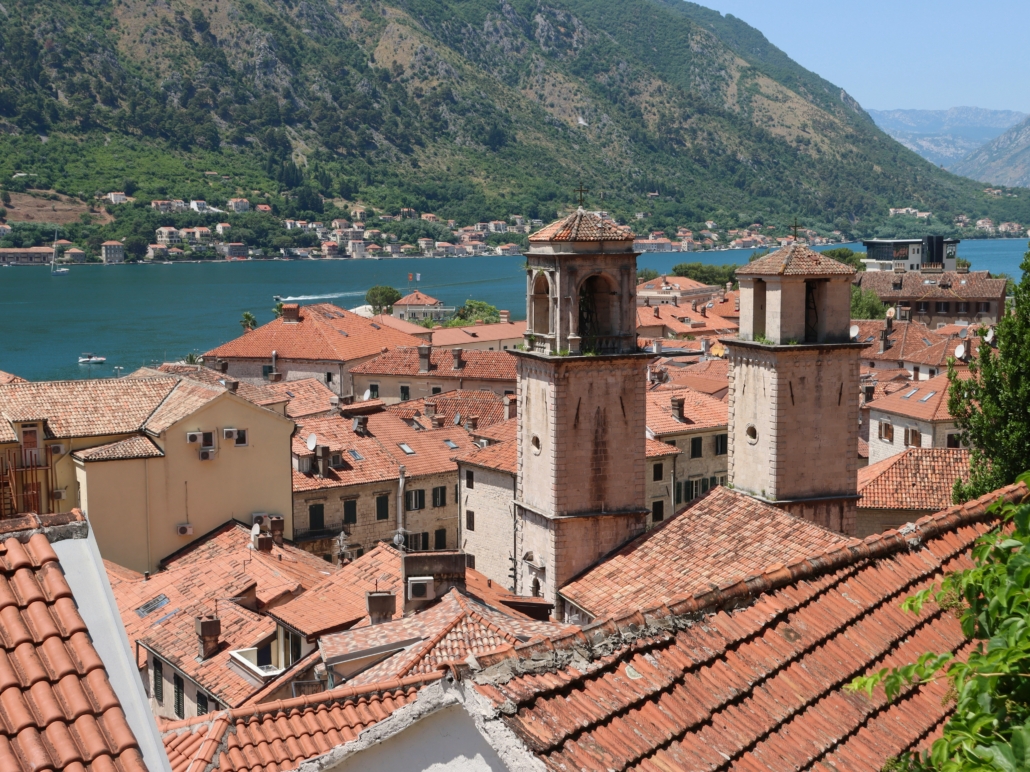
Most Mediterranean sailings hit the same reliable lineup of ports. And honestly? There’s nothing wrong with that. But if you’ve already checked those boxes, look for itineraries that call in Kotor, Montenegro.

This walled medieval town sits at the end of a bay so dramatic it genuinely looks like a fjord. Stone alleys wind past church towers and centuries-old squares, all framed by mountains that rise sharply behind the city walls. If you’re up for a climb, the old fortress trail rewards you with sweeping views over the entire bay. If you’re not, you can spend a perfectly happy morning wandering the cobblestones, ducking into local cafes, and feeling like you’ve stumbled into somewhere very few people think to go.

Itineraries that pair Kotor with stops like Nafplio, Greece or Cesme, Turkey are especially worth seeking out. Nafplio’s neoclassical architecture and waterfront promenade beg to be explored on foot. Cesme offers a hilltop castle, a small but excellent archaeology museum, and beaches calm enough for an afternoon swim followed by a drink at a bar where the only view is the Aegean.

Panama Canal Sailings Worth Lingering Over

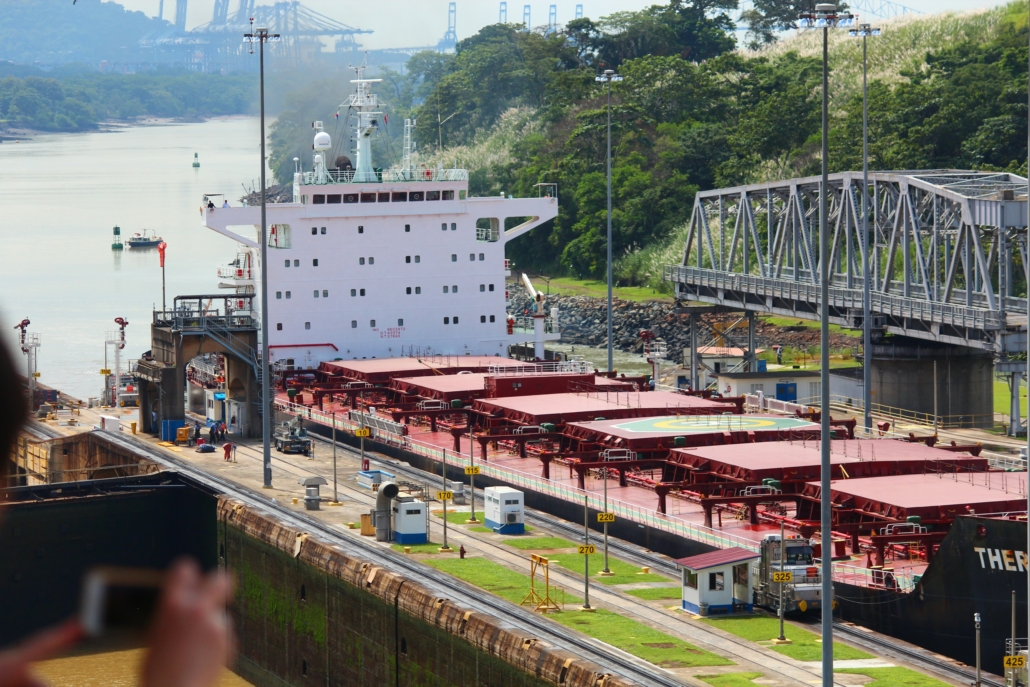
A Panama Canal transit tends to get marketed around the locks themselves, which are genuinely impressive. But the best Canal itineraries treat that transit as one element of a longer, richer journey rather than the headline act.

When your ship overnights or spends a full day in Panama City, you get access to two cities in one: a gleaming modern skyline on one side and the beautifully restored colonial district of Casco Viejo on the other. Spend your morning on a guided history walk through Casco Viejo’s layered past, then settle in for a long lunch in a courtyard restaurant. That’s a port day done right.

On routes that include lesser-known Caribbean stops like Dominica or Anguilla, I’d encourage you to look past the standard beach day. In Dominica, the interior is where the island reveals itself: rainforest hikes, thundering waterfalls, and natural hot springs that have nothing to do with a resort. In Anguilla, the beaches really are that good, but they’re even better when you add a snorkel over the reef or an afternoon at a beach bar where the crowds simply haven’t arrived yet.

Northern Europe and the Baltic: A Different Kind of Off the Radar

“Off the beaten path” doesn’t always mean somewhere remote. Sometimes it just means somewhere that doesn’t make the cover of most cruise brochures.

Small-ship and premium lines have started building itineraries that include ports like Saaremaa, Estonia, Kotka, Finland, and Gdansk or Szczecin in Poland. These aren’t placeholder stops. They’re places where you can walk a well-preserved historic center, visit a maritime museum or a sobering World War II site, have lunch somewhere that doesn’t have a picture menu, and genuinely get a feel for everyday life in Northern Europe.

For travelers who’ve already done Stockholm, Copenhagen, and Helsinki, these itineraries offer something different: a slower pace, fewer tour buses, and the particular satisfaction of discovering somewhere new.

River Sailings That Go Beyond the Highlights

River cruises are already more immersive than ocean sailings by design. But even within river cruising, some itineraries go further than others.

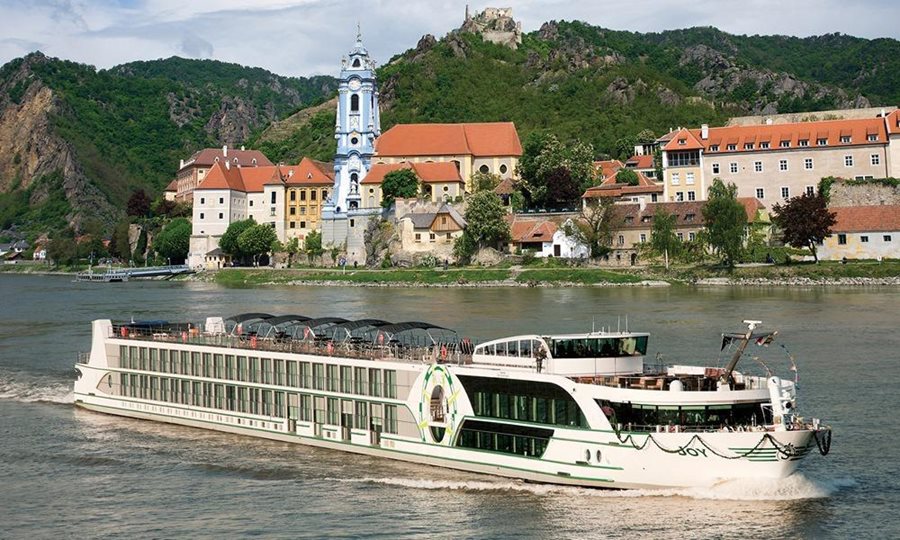
Specialty sailings along the Rhine or Danube sometimes include experiences you won’t find on the standard roster: a private concert in Vienna, a behind-the-scenes tour of Melk Abbey that takes you beyond the main rooms, a local cooking class in a small village that’s not even a port stop on most maps. These extras don’t require you to sacrifice the things you came for. You still get the window seat as the ship moves through wine country. You still get the mornings in town squares with good coffee. You just also get a little more.

Choosing an itinerary built around quieter ports changes the texture of your trip. The days become less about moving through a checklist and more about actually being somewhere. That shift, from sightseeing to experiencing, is what turns a good cruise into one you’re still talking about years later.

Ready to Find Your Perfect Itinerary?

This is exactly the kind of planning I love doing for my clients. I know these itineraries, these ports, and which cruise lines do them best. Whether you’re ready to book or just starting to dream, I’d love to help you put something together that actually excites you.

Contact me today and let’s start planning the cruise you didn’t know you needed.


Frequently Asked Questions

What does “off the beaten path” actually mean for a cruise? It means itineraries that intentionally include smaller, less-visited ports instead of (or in addition to) the most popular stops. These sailings often attract experienced cruisers looking for something new, and they tend to feel less crowded, both on shore and sometimes onboard.

Which cruise lines are best for alternative or lesser-known ports? Small-ship lines and premium ocean carriers tend to have the most flexibility to call in smaller ports that larger ships can’t access. On the river side, lines like AmaWaterways, Viking, and Uniworld offer specialty sailings and unique excursions that go well beyond the standard itinerary. I can help you compare options based on where you want to go.

Is Kotor, Montenegro worth visiting on a cruise stop? Absolutely. It’s one of the most beautiful and underrated port towns in the entire Mediterranean. Even a half day gives you time to explore the old town and, if you’re up for it, climb part of the fortress wall for a view that will genuinely stop you in your tracks.

What’s the difference between a standard Caribbean cruise and one with lesser-known stops like Dominica or Anguilla? The popular islands offer well-developed tourism infrastructure, lots of excursion options, and busy ports. Islands like Dominica and Anguilla are quieter, more natural, and often more memorable for travelers who want something beyond a beach chair. They’re not harder to navigate; they just feel less like a production.

Can I add pre- or post-cruise time in any of these destinations? Yes, and I’d often recommend it. Ports like Panama City, Gdansk, or the Montenegrin coast all reward a few extra days of exploration. As your travel advisor, I can arrange accommodations, private guides, and transfers that connect seamlessly with your cruise.

How do I know if an off-the-beaten-path itinerary is right for me? If you’ve cruised before and want something that feels genuinely new, or if you prefer cultural depth over beach days and souvenir shops, these itineraries are a great fit. If you’re a first-time cruiser who wants to see the iconic highlights, we’d probably start somewhere different, and that’s completely fine too. I’ll help you figure out what makes sense for where you are right now.


The Caribbean is one of the best regions in the world to cruise, and the right itinerary makes all the difference. Whether you sail from San Juan, a Gulf Coast port, or anywhere in between, each route offers a distinct mix of culture, beaches, and adventure worth knowing before you book.

The Caribbean remains one of the most popular regions for cruising, and once you see the itineraries up close, it is easy to understand why. Short sailing distances between islands mean more time actually exploring and less time watching the horizon. Add in warm water, a gorgeous mix of cultures and landscapes, and ports that range from lively colonial cities to quiet beach hideaways, and you have a region that genuinely delivers for all kinds of travelers.

Whether you are planning your very first cruise or returning to the Caribbean after a few years away, knowing which route matches your travel style is the first step. I have helped hundreds of clients navigate these choices, and I am going to break down three of my favorite Caribbean cruise routes along with exactly what makes each one worth your time.

Southern Caribbean from San Juan: Culture First, Then the Beach

If you want a Caribbean itinerary that gives you more than just a beautiful beach at every stop, sailings out of San Juan are worth a serious look. The route opens up the southern Caribbean in a way that packs an impressive variety of islands into a single week.

Start Early: Spend a Night or Two in San Juan

Do not rush straight to embarkation day. San Juan is one of the most stunning cities in the entire Caribbean, and arriving a day or two early gives you time to actually experience it. Walk the cobblestone streets of Old San Juan, explore the historic forts perched above the ocean, and linger in the plazas where live music spills out of cafes well into the evening. That kind of history and energy is genuinely rare, and it sets the tone for everything that follows.

What to Expect Onboard the Route

Once you are at sea, the pace shifts into true island-hopping mode. Each port on a typical southern Caribbean sailing has its own personality, and that variety is what keeps this route interesting all week long. Here is a snapshot of what you might experience:

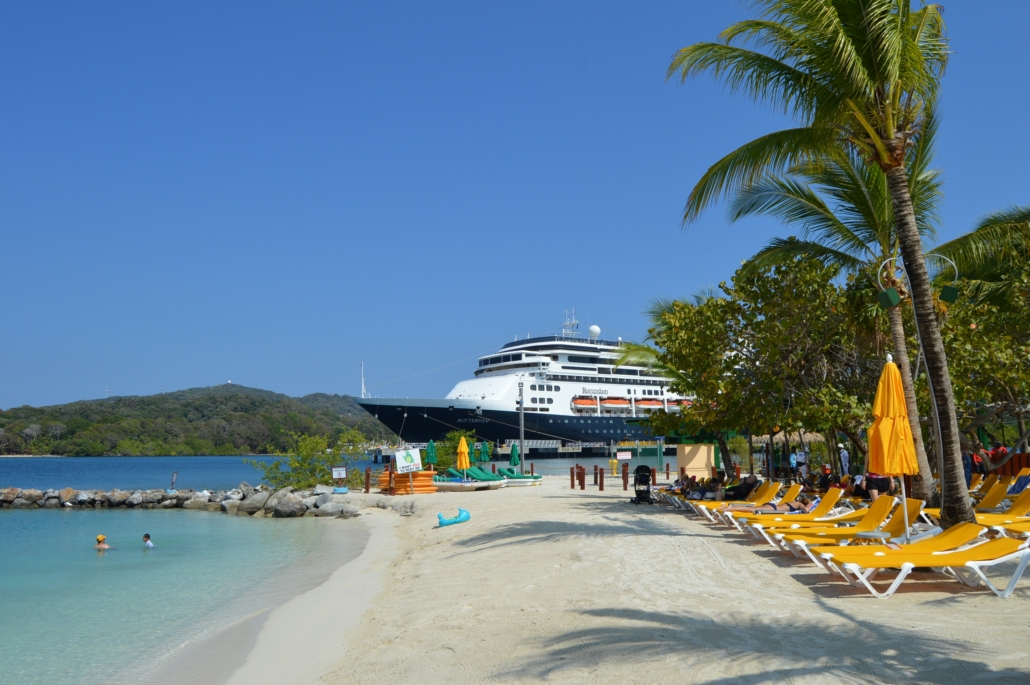
  • A broad, palm-fringed beach with calm water ideal for swimming and snorkeling right from shore
  • A colorful waterfront town where you can browse local crafts and sample regional dishes at a small family restaurant
  • A catamaran excursion to a nearby cay, combining sailing with snorkeling and time on a sandbar
  • Inland excursions like rainforest hikes, waterfall visits, and colonial history tours for those who want more than just the beach

This route is an especially strong choice for first-time cruisers and for couples or families who want a balance of relaxation and exploration without ever feeling overwhelmed.

Western Caribbean from Gulf Coast Ports: Beaches, Ruins, and Soft Adventure

Western Caribbean itineraries departing from Gulf Coast ports are a perennial favorite, and for good reason. They are logistically convenient for a large part of the country, and the ports they visit deliver a satisfying mix of beach days, cultural moments, and low-key adventure.

What This Route Does Well

A typical western Caribbean sailing might include:

  • A Mexican port where you can split the day between a beach club and a guided trip to nearby ancient ruins
  • An island famous for clear water and marine life, where scuba divers and snorkelers head to shallow reefs while others stick close to shore for swimming and sunbathing
  • Mainland ports with access to river excursions, jungle parks, and zipline experiences for travelers who want a little adrenaline in the mix
  • A quieter island stop focused entirely on open stretches of sand, casual waterside bars, and easy water sports like kayaking and paddleboarding

What I love most about this route is the range. One day you might be standing in front of a Mayan pyramid, and the next you are floating over a coral reef. That kind of contrast keeps the week feeling fresh and full.

Who This Route Works Best For

Western Caribbean itineraries are a great fit for active travelers, multi-generational families, and first-time cruisers who want variety without complexity. Gulf Coast embarkation ports are also a practical advantage if you are in the southern or central U.S. and prefer driving to the port over flying.

Eastern Caribbean Island Sampler: Maximum Variety in a Single Week

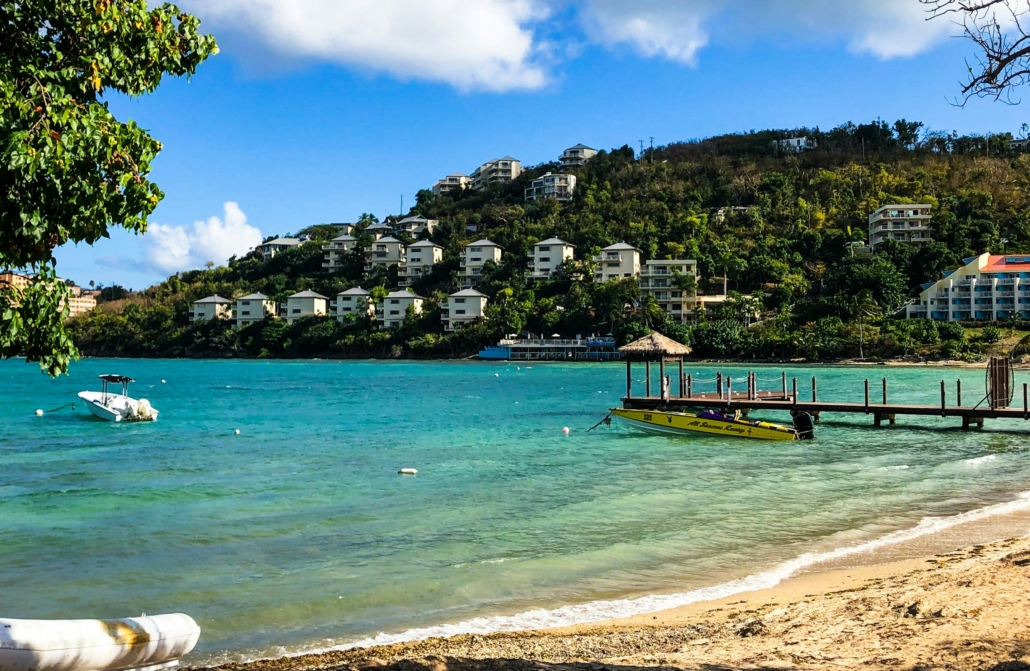
Eastern Caribbean itineraries are exactly what they sound like. A single sailing might connect a lush, mountainous island blanketed in rainforest, a flat island known for long and calm beaches, and a colorful port town where townhouses line a sheltered harbor. The beauty of this route is how much contrast you get from one day to the next.

A Week That Never Feels Repetitive

Days on an eastern Caribbean itinerary tend to alternate naturally between different kinds of experiences. You might spend a morning lounging on a wide, palm-dotted beach, then take a scenic drive into the hills for panoramic views in the afternoon. The next port could have a busy downtown market worth exploring, while the one after that invites you to spend the day on a boat circling the island or visiting hidden coves.

For shoppers and foodies, eastern Caribbean ports are particularly strong. Duty-free shopping, local markets, and regional cuisine are highlights at many stops along this route.

The Big Picture

Over the course of a week, the contrast between lush hillsides, coral-fringed shores, busy port towns, and quiet beach spots keeps the itinerary dynamic in the best possible way. It never strays far from that classic Caribbean feel, but it never gets boring either. This is the route I often recommend to clients who have done the Caribbean before and want to see a different side of it.

How to Choose the Right Caribbean Route for You

Picking the right itinerary comes down to a few key questions: Where are you departing from? What matters more to you, beaches or culture or adventure? And how do you want to divide your time between relaxing and exploring?

Here is a quick breakdown to help you think it through:

  • Southern Caribbean from San Juan: Best for cultural immersion, island variety, and travelers who want a city experience before they board
  • Western Caribbean from Gulf Coast ports: Best for beach lovers who also want history and soft adventure, especially if you live in the southern or central U.S.
  • Eastern Caribbean island sampler: Best for repeat Caribbean cruisers and anyone who wants maximum variety in a single week

That said, the best itinerary is the one that fits your specific situation. Ship choice, cabin category, shore excursion planning, and pre- or post-cruise stays all play into the overall experience. That is where working with someone who knows these routes firsthand makes a real difference.

Ready to Plan Your Caribbean Cruise?

At Wishes and Waves Travel, we specialize in helping travelers find the Caribbean cruise that actually matches how they travel. Not just a booking, but a complete experience designed around what you love to do and how you like to spend your time at sea and onshore.

Whether you are starting from scratch or already have a route in mind, I would love to help you put it together. Reach out to start planning, and let’s find the itinerary that has your name on it.

Contact me to start planning your Caribbean cruise today.

Frequently Asked Questions


What is the best time of year to cruise the Caribbean?

The Caribbean cruise season generally runs from December through April, when weather is dry and temperatures are comfortable. That said, cruising outside peak season can mean lower fares and fewer crowds at popular ports. Hurricane season runs from June through November, and while most cruise lines adjust itineraries as needed, it is something to keep in mind when planning.


How many days do I need for a Caribbean cruise?

Most Caribbean cruises run seven nights, which is enough time to visit four to five ports without feeling rushed. Shorter sailings of three to five nights work well for first-time cruisers or those with limited vacation time. Longer voyages of ten or more nights allow for deeper exploration of the southern Caribbean or a broader island sampler.


Is it worth spending extra time in San Juan before boarding a cruise?

Absolutely, and I recommend it to nearly every client sailing from San Juan. One or two nights in the city give you time to explore Old San Juan, visit the historic forts, and settle in without the stress of rushing to the port on embarkation day. It also protects you in case of flight delays, which is always a smart buffer to build in.


Which Caribbean cruise route is best for families?

Western Caribbean itineraries tend to work especially well for families, thanks to the mix of beach days, accessible excursions, and ports with something for every age group. Eastern Caribbean routes are also strong family options. The right fit depends on your family’s interests, and I am happy to walk through the options with you.


Do I need a passport to cruise the Caribbean?

U.S. citizens on closed-loop cruises, meaning sailings that depart and return to the same U.S. port, can technically travel with a government-issued ID and birth certificate. However, I always recommend bringing a valid passport. If a medical emergency or missed departure requires you to fly home from a foreign port, you will need it.


How do I choose between cruise lines for the Caribbean?

Cruise line selection depends on factors like ship size, onboard amenities, dining style, entertainment, and your preferred pace. Some cruise lines emphasize party atmosphere and activities, while others lean more toward relaxed, destination-focused experiences. As a travel advisor, I work with multiple cruise lines and can match you with the one that genuinely suits how you travel, not just what happens to be on promotion.