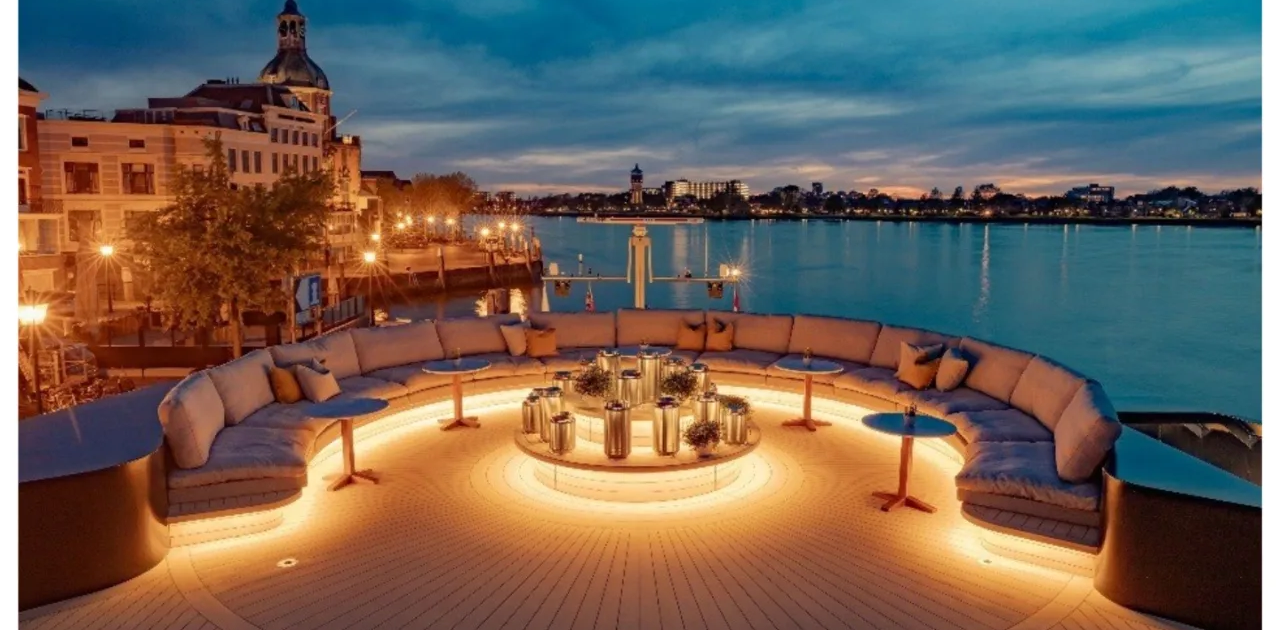
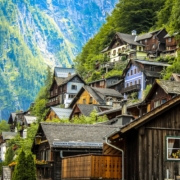
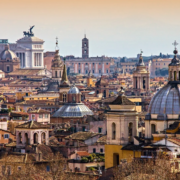
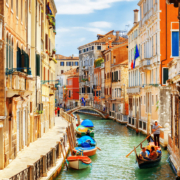
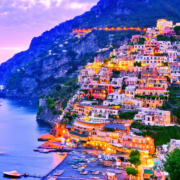
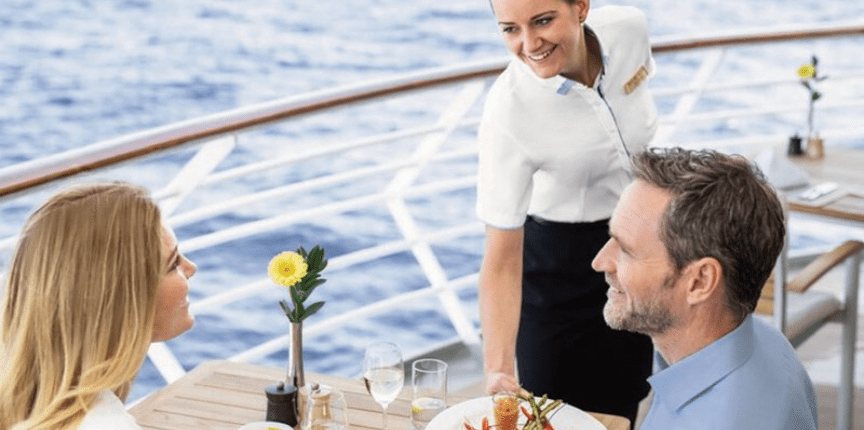
Oceans take you to countries, but rivers take you through them, and that single shift changes almost everything about how a destination feels once you are on board. Here is what seasoned ocean cruisers can expect when they trade the open sea for a luxury river cruise, from what the fare actually covers to why the smaller ships feel like an upgrade rather than a compromise.


The Difference Starts With One Idea

Oceans take you to countries. Rivers take you through them.

If you have spent years perfecting the art of the ocean cruise, that one sentence is worth sitting with. It is the reason so many of our most well traveled clients, guests who have sailed to nearly every continent by sea, still describe their first river cruise as a genuine surprise. Not because it was smaller or slower, but because it let them experience a destination rather than simply visit it.

We work with travelers every day who love the ocean and are simply curious about what river cruising actually offers. This guide is for you. We are going to walk through what changes, what stays wonderfully familiar, and why so many ocean cruisers become loyal river cruisers after just one trip.
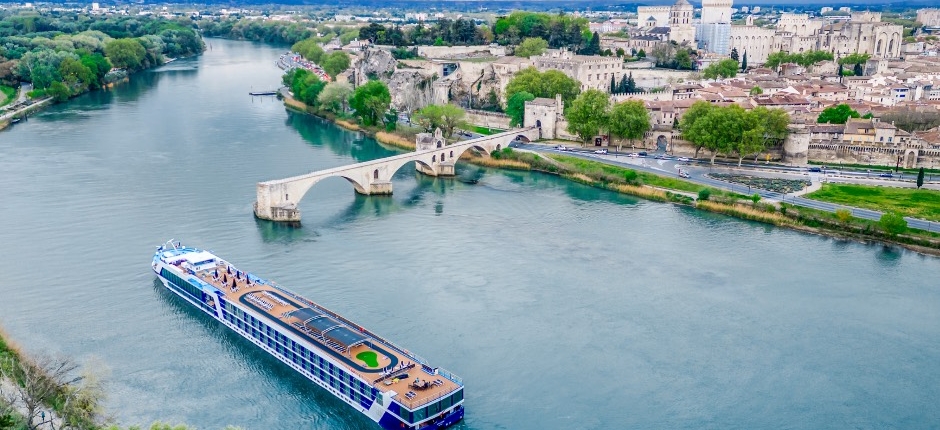
What Actually Changes When You Trade the Ocean for a River

The Fare Includes More Than You Might Expect

One of the first things ocean cruisers notice is how differently the value is structured. On most ocean itineraries, the cruise fare is really just the starting point. Excursions, specialty dining, Wi-Fi, drink packages, and bottled water are often each their own line item. On a luxury river cruise, the upfront fare tends to include a great deal more from the start, so there are far fewer surprises once you are on board and far more that simply comes with the journey.
Every Day Feels Like a Destination, Not a Sea Day

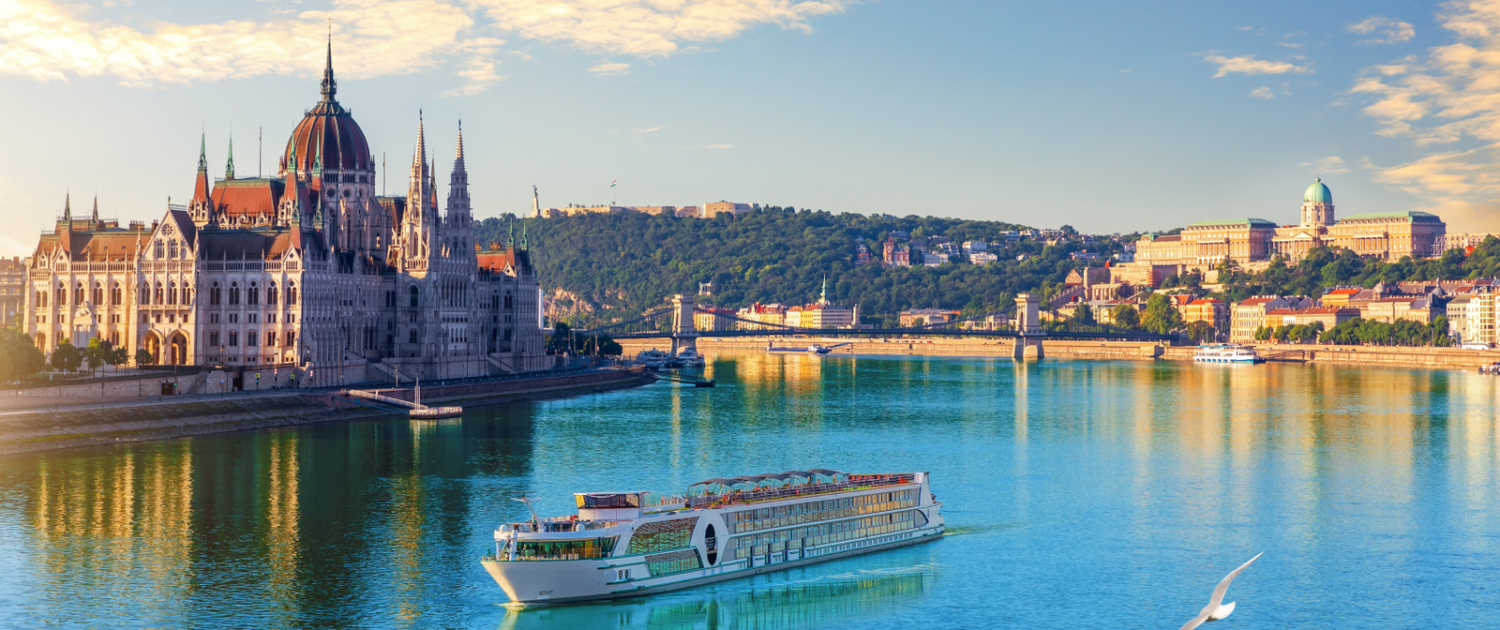
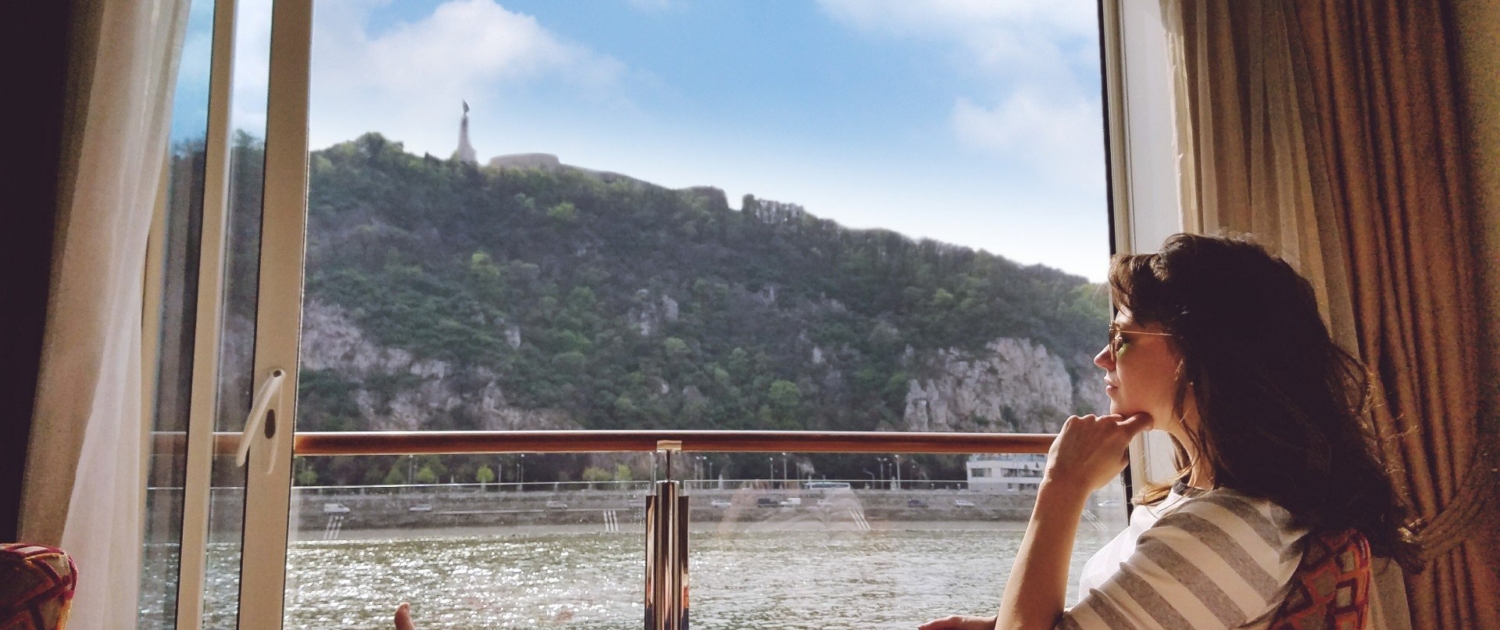
Ocean itineraries often build in full sea days between ports, which can be a lovely way to rest, but they also mean stretches without a view of land. River cruising works differently by nature of the geography. Because the ship is always moving along a river through the heart of a country, there is almost always a new port, a new village, or a new landscape drifting past your window. Many nights even include an overnight stay in port, giving guests time to see a city by both day and evening rather than departing once the sun goes down.
The Ships Feel Different in the Best Way

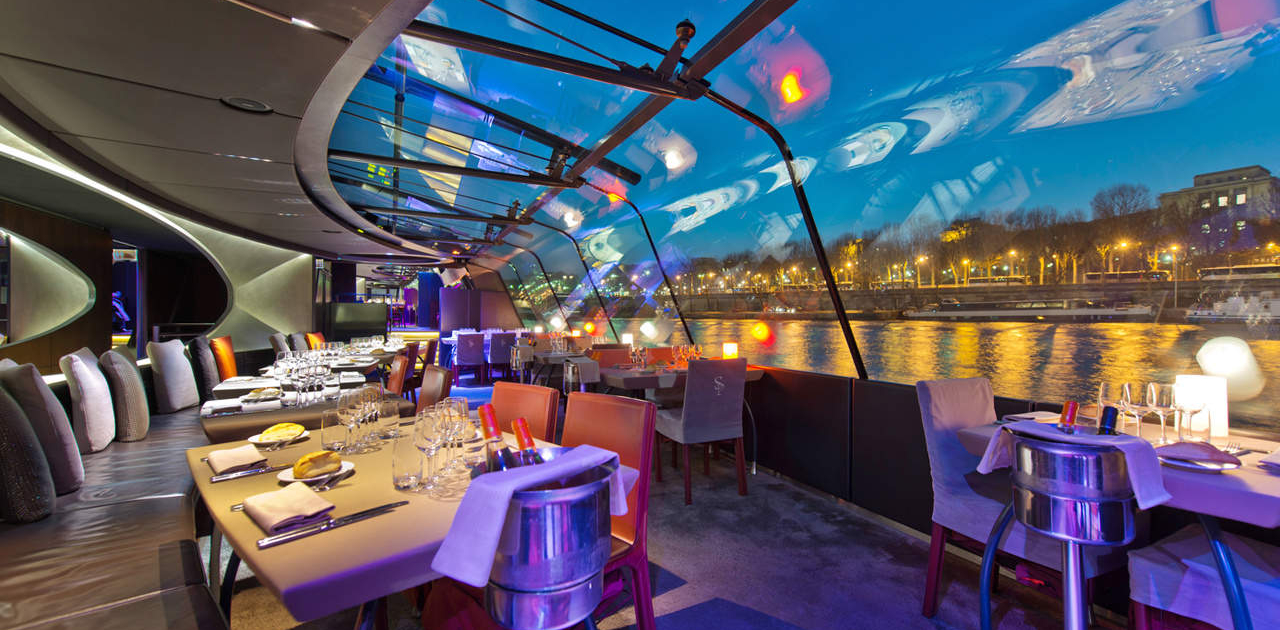
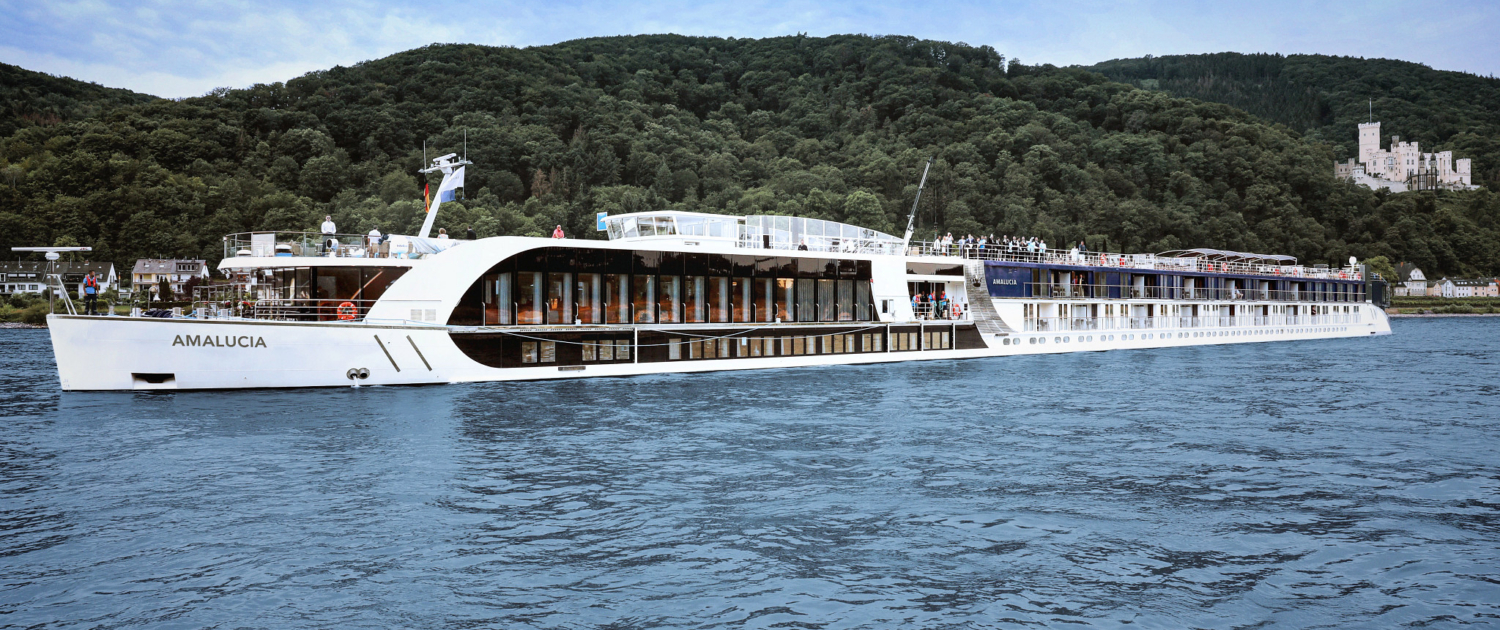
This is the change that surprises people most. Rather than sharing the ship with a thousand or more fellow passengers, river cruisers typically travel with well under two hundred guests. That intimacy changes everything, from the personal attention of the crew to the way excursion groups are kept small, often twenty five guests or fewer. There is no waiting in long lines to disembark, no competing for a lounge chair, and no sense that the price point determines which parts of the ship you are welcome to enjoy. Every guest has access to everything, every day.
 

Most Ocean Cruises A Luxury River Cruise
Excursions are typically an add on cost A variety of excursions are included in the fare each day
Specialty dining costs extra All dining, including specialty venues, is included
Several full sea days with no port at all A new port almost every day, and a view the entire way
Entry level cabins often have no window Every stateroom category includes a view
Wi-Fi and bottled water cost extra Wi-Fi and water are complimentary and restocked daily
Drink packages are a paid upgrade Wine, beer, and cocktails are included with lunch and dinner
Loyalty tiers can gate access to certain areas Every guest can enjoy the entire ship, regardless of how many trips they have taken
Up to several thousand guests on board An intimate count, often under 200 guests
Lines to embark and disembark for excursions Step directly off the ship into the destination

The Myths Worth Retiring Before You Book

Most hesitation about river cruising comes down to a handful of assumptions that simply are not true anymore, if they ever were.

“River cruising is only for retirees.”

Many of our luxury river cruise partners welcome multi generational families, including children as young as five on select itineraries. It is a wonderful way to travel with grandparents, parents, and grandchildren all under one roof, or one hull, at a pace that suits every age.

“It moves too slowly for me.”

River cruising can be as active as you want it to be. Many sailings offer hiking and biking excursions alongside walking tours at multiple activity levels, so you can choose a leisurely stroll one day and a more energetic outing the next.

“The ships and staterooms are too small.”

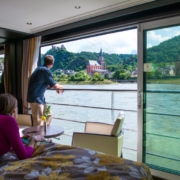
Modern river ships are designed with real living space in mind. Staterooms with both a French balcony and a full outdoor balcony are common, and public spaces like sun decks and lounges are surprisingly generous for vessels built to glide gracefully beneath low bridges.

“There is nothing to do on board.”

Between port talks from the cruise staff, daily fitness classes, spa services, a sun deck pool or whirlpool, and evening entertainment from onboard musicians or local performers, there is more happening than most first time river cruisers expect.

“I will not have any free time to explore on my own.”

Unstructured time is one of the quiet luxuries of river cruising, not a gap in the schedule. Guests can reserve complimentary bicycles to explore independently, and most ships offer an app with local maps and recommendations for anyone who would rather wander than follow a group. A truly well designed itinerary leaves room for a guest to simply decide, and that flexibility is part of what makes it feel like a luxury experience rather than a packaged one.
A Word on What to Pack

River cruise dress tends to land somewhere between relaxed and refined. Casually elegant pieces work beautifully for most days, with something a touch dressier reserved for a Captain’s Dinner or a special evening concert. Think effortlessly, not formal.

Why This Might Be Your Best Cruise Yet

If you already love the feeling of being on the water, river cruising is not a step down from the ocean. It is simply a different, and in many ways more immersive, way to experience it. Calmer waters, a more intimate ship, a fare that already includes so much of what you would otherwise pay extra for, and destinations that unfold right outside your window rather than somewhere over the horizon.

We would love to help you find the itinerary that fits the way you actually want to travel.
Let’s Plan Your First River Cruise

At Wishes and Waves Travel, we specialize in matching experienced travelers with the luxury river cruise itinerary that suits them best, from the destinations to the ship style to the pace of each day. We work directly with our luxury cruise partners and draw on our own onboard experience to help you know exactly what to expect before you ever step on the gangway.

Download our free river cruise planning guide to explore itineraries, or reach out for a personal consultation and we will start building your journey together.

Frequently Asked Questions

Is river cruising only for older travelers?

Not at all. Many luxury river cruise itineraries welcome multi generational families and travelers of nearly every age, with activity levels that flex to suit each guest.

Will I get bored without the entertainment of a big ocean ship?

Most guests find the opposite is true. Between daily excursions, port talks, fitness classes, evening entertainment, and the destination itself right outside the window, there is rarely a dull moment, just a different, more immersive kind of entertainment.

What is typically included in a river cruise fare that is not included on an ocean cruise?

Most luxury river cruises include daily excursions, all onboard dining, Wi-Fi, bottled water, and wine, beer, and cocktails with lunch and dinner in the upfront fare, all of which are frequently paid add ons at sea.

How do river cruise ships compare in size to ocean ships?

River ships are far more intimate, often carrying well under two hundred guests compared to the one thousand to several thousand on a typical ocean ship. That smaller scale means shorter lines, more personal service, and easier access to every part of the ship.

Will I still have free time to explore on my own?

Yes. Many ships offer complimentary bicycles and an onboard app with local recommendations, so guests who prefer to wander independently have the flexibility to do so alongside the included excursions.

What should I pack for a river cruise?

Casually elegant clothing works for most days on board, with one or two dressier outfits for a Captain’s Dinner or special evening event.
Five fishing villages, one spectacular coastline, and trails that rank among the best walking in all of Italy. Here’s the insider guide to getting the real Cinque Terre experience, from which village to base yourself into the trails most visitors never find.


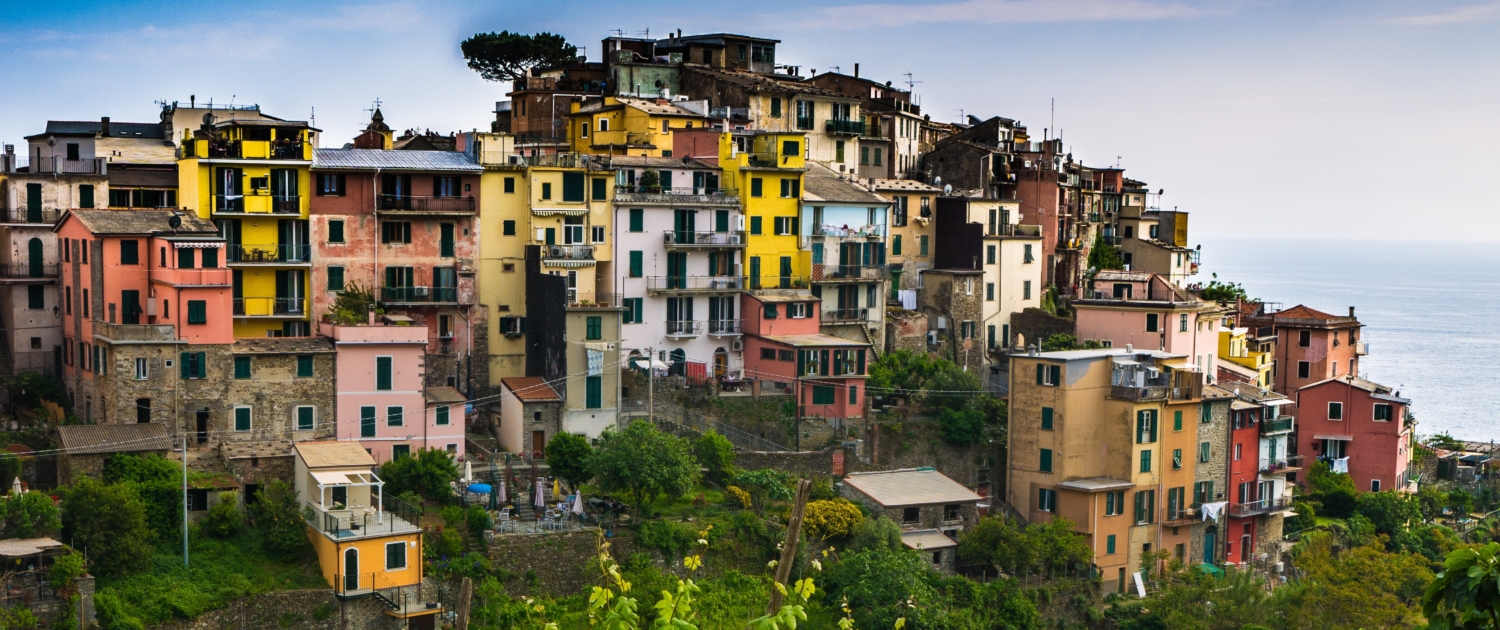
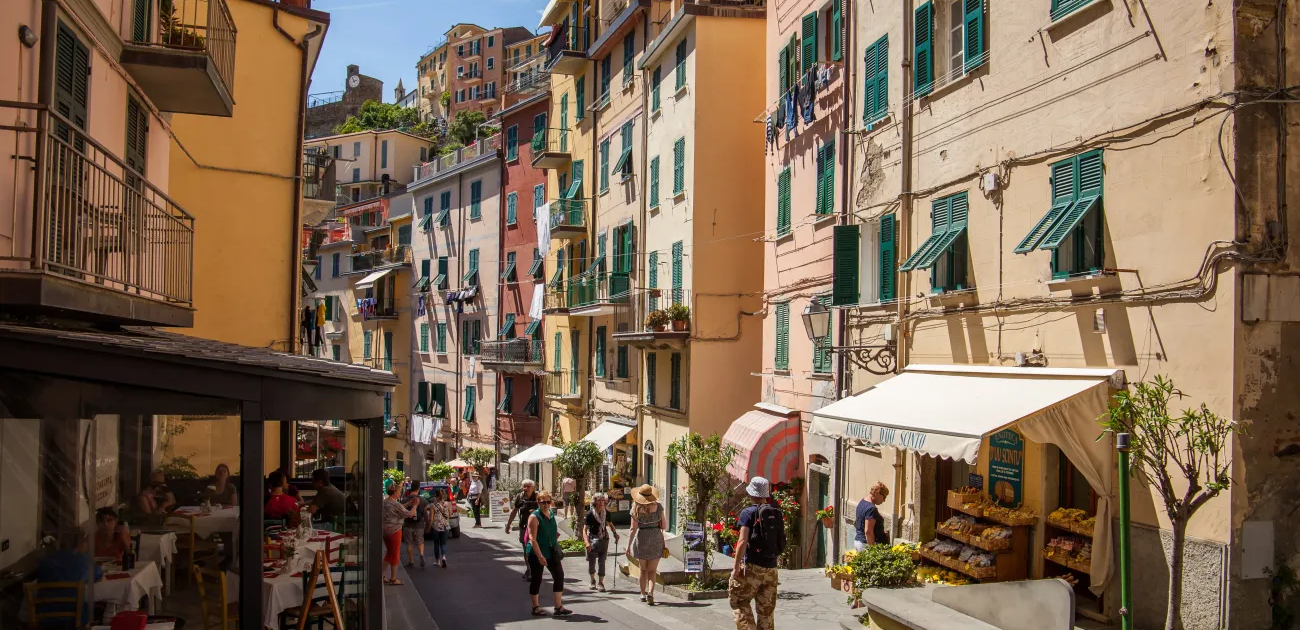
There’s a moment that happens to almost everyone who visits Cinque Terre for the first time. You step off a regional train, walk through a short tunnel cut into the rock, and suddenly you’re standing in a fishing village built into a vertical cliff above a turquoise harbor, and the train that got you here is just sitting there, ready to take you to the next one in three minutes.

It’s one of the most immediately satisfying arrivals in all of Europe.

We’ve been there, and we can tell you: Cinque Terre earns its reputation. It just earns it best when you know what you’re actually doing.

What Cinque Terre Actually Is

Cinque Terre means ‘Five Lands,’ and the name describes exactly what you get: five small fishing villages strung along a rugged stretch of the Ligurian coastline between Levanto in the north and La Spezia in the south. The villages, from north to south, are Monterosso al Mare, Vernazza, Corniglia, Manarola, and Riomaggiore.

Each one is distinct, and choosing where to spend your time matters.

Monterosso al Mare

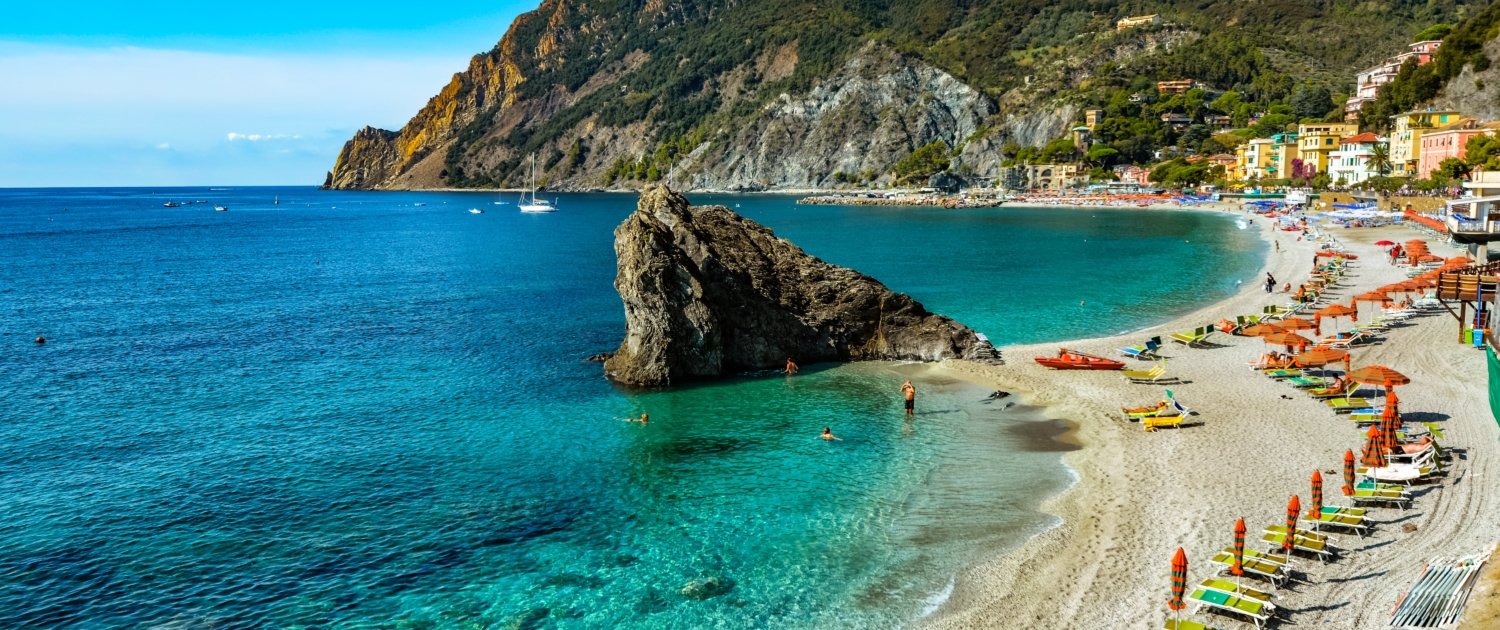
The largest and the most resort-like. It has the region’s only real sandy beach, the widest selection of restaurants and accommodation, and a historic old town separated from the newer section by a tunnel through the headland. It’s the best base if you’re traveling with younger children or want easier access to the water.

Vernazza

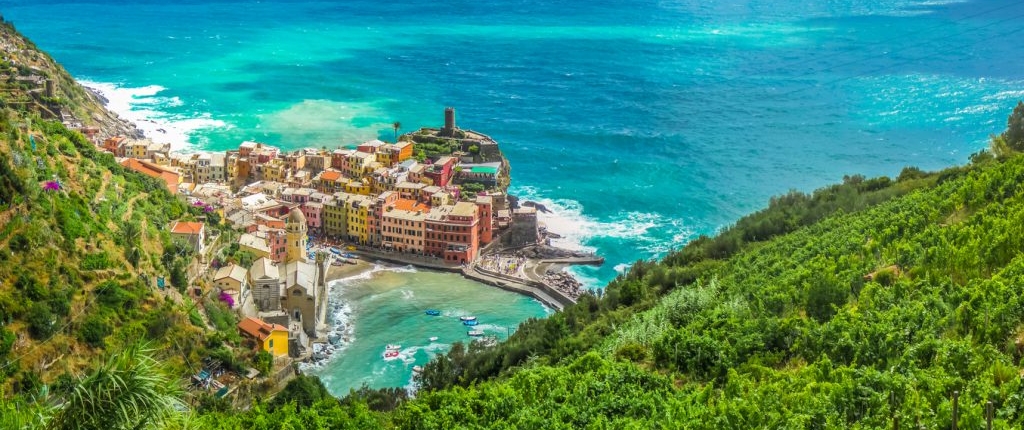
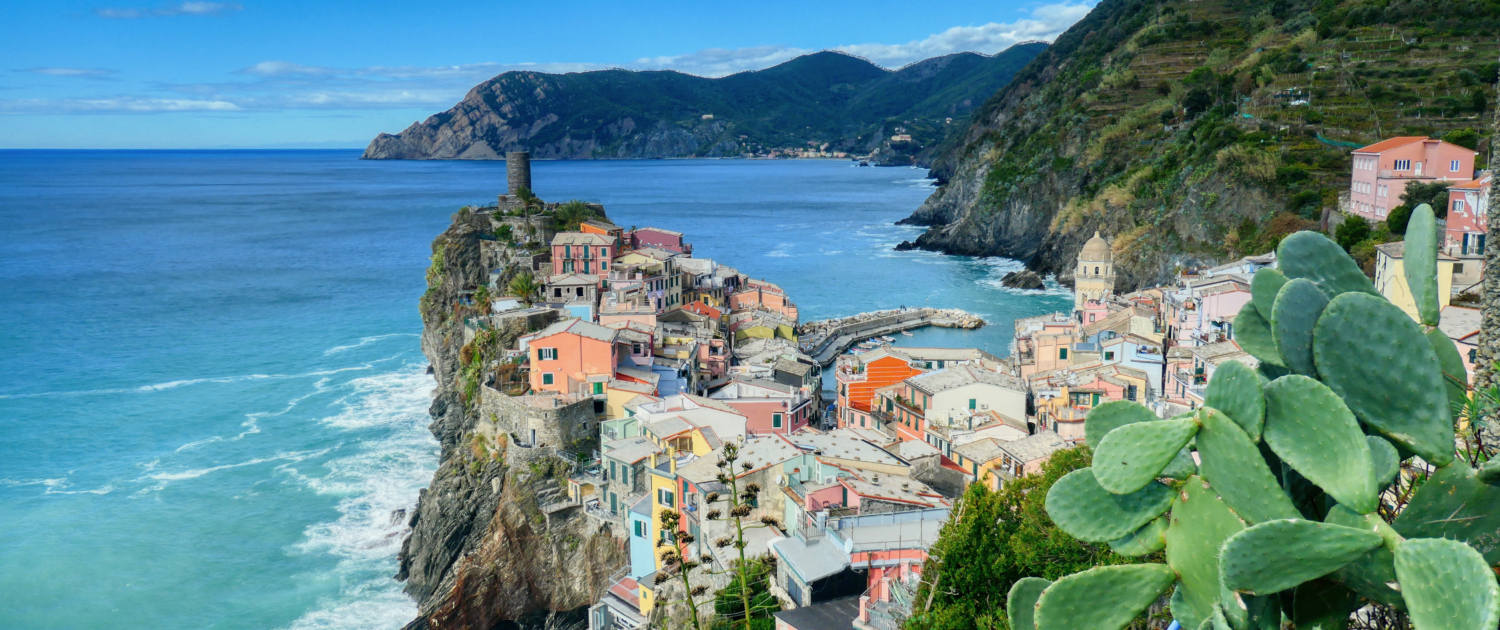
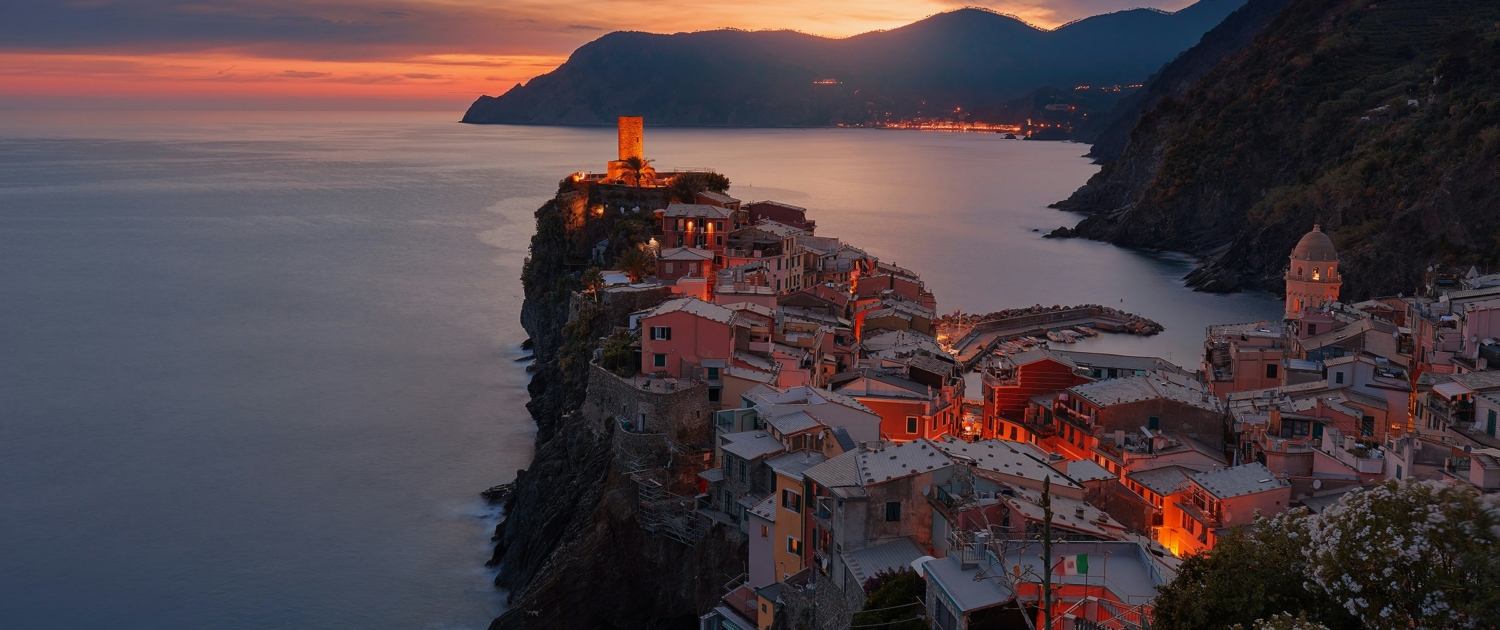
The most photogenic of the five. The harbor, the castle, the bell tower, and the colorful buildings stacked behind them produce a composition that looks like it was designed for exactly the kind of photograph you want to take. It’s also the most popular, which means the most crowded during peak hours.

Corniglia

Sits on a promontory 100 meters above the sea and is the only village with no direct access to the waterfront. To reach it from the train station, you either climb 382 steps or take a shuttle bus. It has no beach. It has no harbor. It has narrow medieval lanes, a belvedere with one of the best panoramas on the coast, and about a tenth of the foot traffic of the other villages. For our money, it’s the most charming.

Manarola

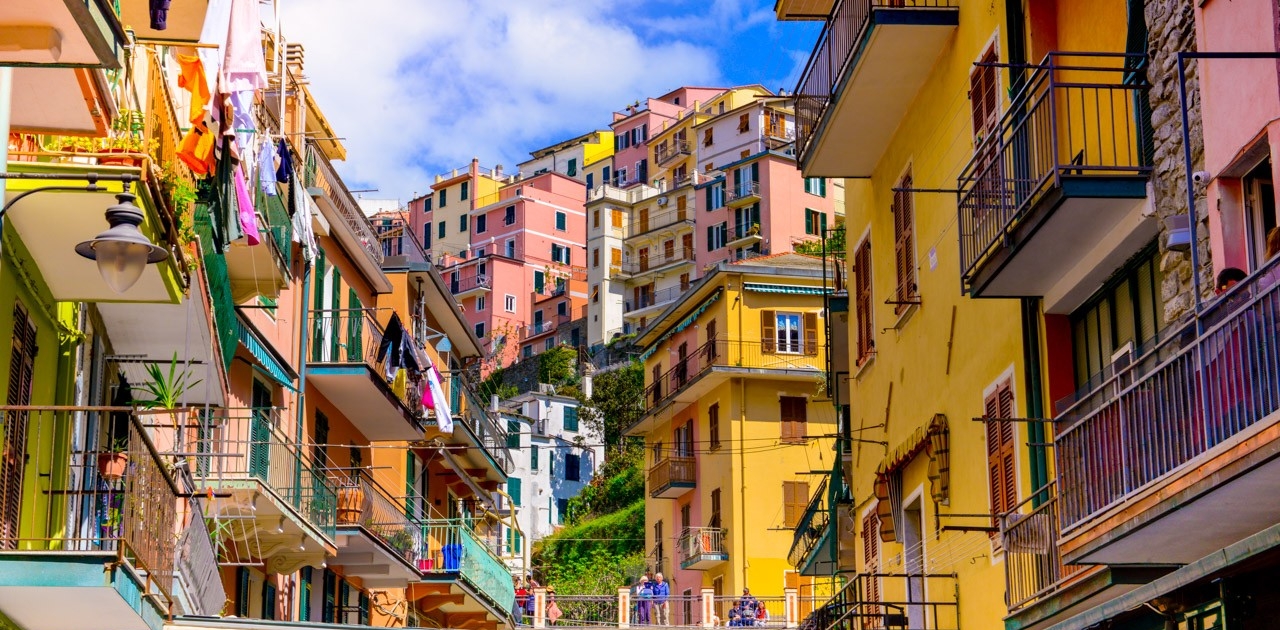
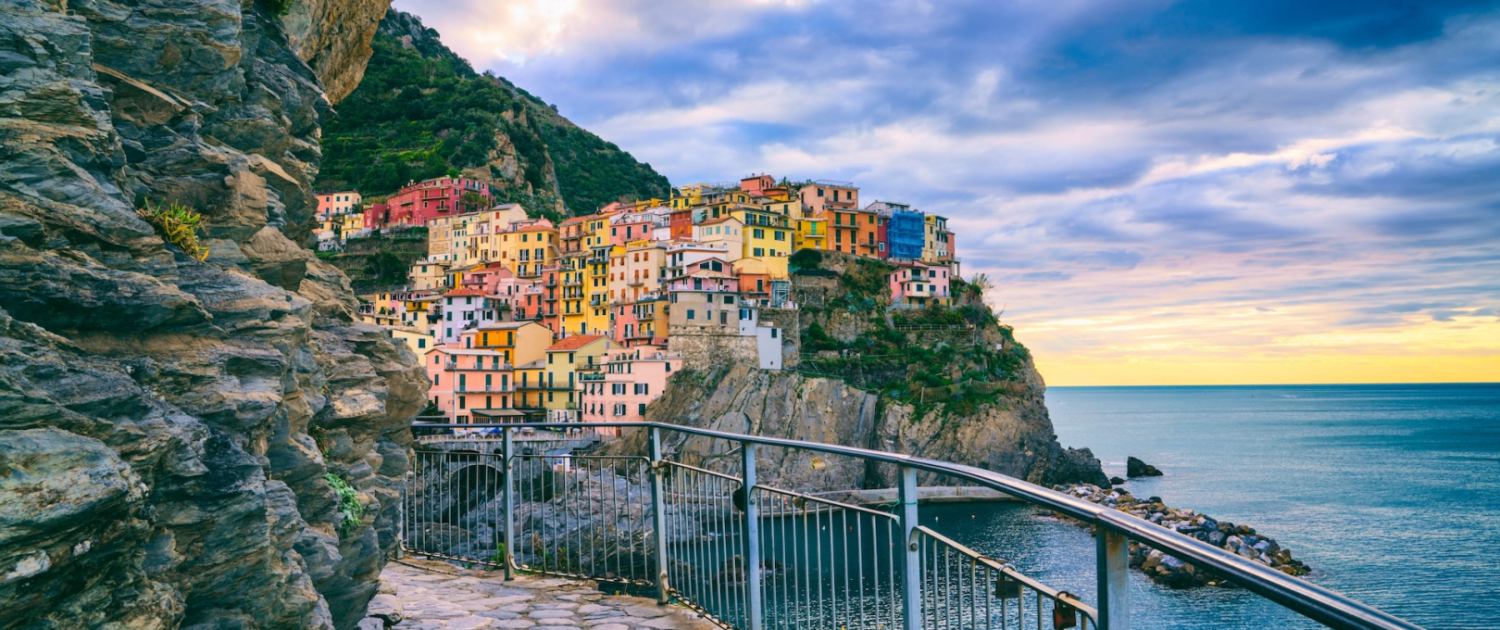
Has the iconic image you’ve seen in every Cinque Terre photo: colorful buildings cascading down to a rocky harbor while swimming off the rocks at dusk. The cliff walk north toward Corniglia offers some of the most spectacular views on the entire trail. Manarola is small, concentrated, and deeply beautiful.

Riomaggiore

The southernmost village and the entry point from La Spezia. It has a lively main street, good restaurants, and direct train connections in both directions. It can feel slightly more touristy than the middle villages, but it still delivers the essential Cinque Terre experience.

The Trails: This Is What You’re Really Here For

Cinque Terre without hiking is like Paris without the Eiffel Tower. You can do it, but you’re missing the whole point.

The Sentiero Azzurro (Blue Trail)

The famous coastal trail that connects all five villages. Important note: not all sections are always open. Sections have historically been closed due to landslide repair and ongoing maintenance. Check the current status at parconazionale5terre.it before you plan your day around a specific route. The Cinque Terre Card is required for the sections that are open.

The most reliably open and most rewarding sections are typically the Via dell’Amore between Riomaggiore and Manarola and the trail between Monterosso and Vernazza, which is the most dramatic stretch on the entire path.

The Alta Via delle Cinque Terre

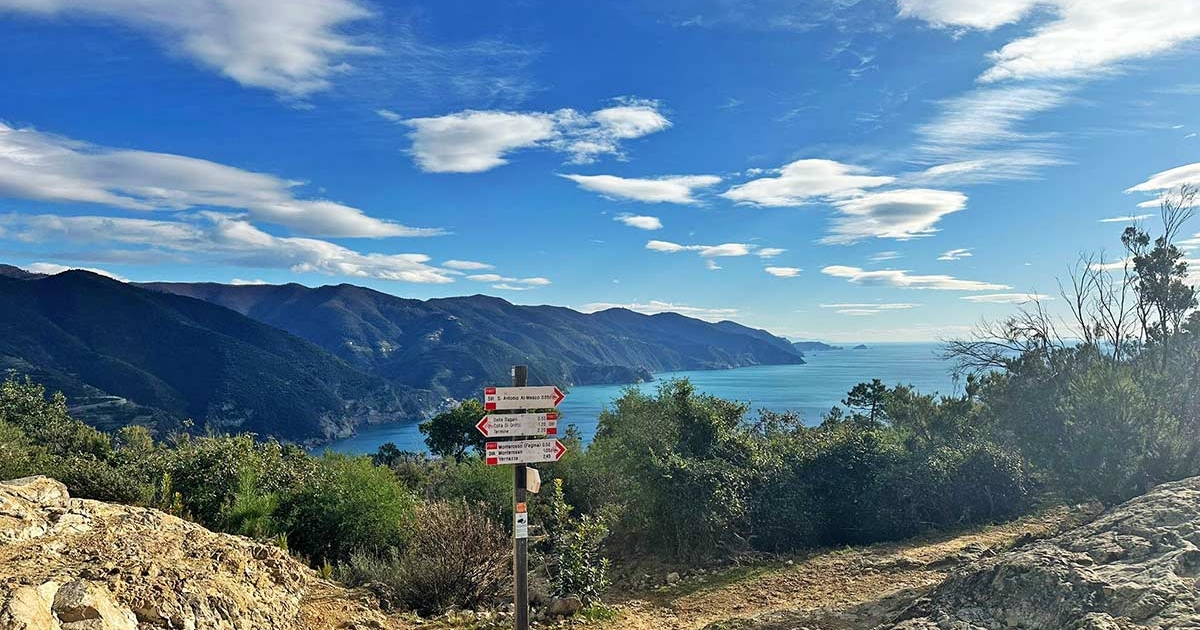
The trail most visitors never discover, and the one we recommend most often. It runs along the ridge above all five villages at a higher elevation, offering panoramic views of the entire coast from above. No Cinque Terre Card required. Almost no crowds. The landscape of terraced vineyards and olive groves up here is extraordinary in a completely different way from the coastal views below.

Levanto to Monterosso via Punta Mesco

Another underrated option. This trail runs from Levanto (the town just north of the national park) to Monterosso, passing the ruins of a lighthouse and a hermitage on the headland at Punta Mesco. It’s free, largely empty, and the views back toward the Cinque Terre villages from the headland are arguably better than anything on the paid coastal trail.

The Cinque Terre Card: What You Actually Need

The Cinque Terre Card covers access to the paid sections of the Sentiero Azzurro and unlimited travel on the regional train between Levanto and La Spezia.

Cards are priced on a color-coded system based on expected visitor volume: green days (lower demand) cost 7.50 euros; red days (higher demand, typically weekends and peak season) cost up to 15 euros. A two-day card is available and worth it if you’re spending more than one day hiking.

You don’t need the card for the Alta Via ridge trail, the Levanto to Monterosso trail, or any other trails outside the national park’s paid network.

Using La Spezia as Your Base

This is the single best practical tip we can offer for Cinque Terre, and it’s the one most visitors don’t discover until they’re already paying 250 euros per night for a room the size of a closet in Vernazza.

La Spezia is a regional city 7 minutes by train from Riomaggiore. It has a real city center with good restaurants, a market, and a genuine local atmosphere. Accommodation costs roughly half what you’d pay in the villages. You can be in any of the five villages within 15 minutes.

Most visitors who stay in La Spezia say it was one of the best decisions they made. You experience the villages at their best (early morning and evening, when day-trippers are gone) and sleep somewhere with actual value for money.

Getting There and Around

From Florence: 2 hours 10 minutes by direct train to La Spezia. This is the easiest option.

From Milan: Under 2 hours to La Spezia. Cinque Terre fits naturally into a northern Italy itinerary without any detour.

From Rome: Change in either Florence or Genoa. Plan for 3 to 4 hours total.

Within the region: The regional train runs between Levanto and La Spezia every few minutes and stops at all five villages. This is your primary way to move between villages. It is reliable, frequent, and inexpensive with the Cinque Terre Card. There are no cars in the villages themselves.

When to Go

Late April through early June is exceptional. The light on the terraced vineyards in spring is extraordinary. Wildflowers are on the ridge trails. Crowds are manageable. The weather is warm enough to swim.

September through mid-October is equally good. Slightly cooler temperatures, thinner crowds, and the harvest season for the coastal vineyards adds a dimension to the visit that summer doesn’t offer.

July and August bring the largest crowds and the highest prices. If you visit in summer, get on the trails by 7am and be back in your village before the day-tripper trains arrive. Everything here is better before 9am and after 6pm.

What to Eat and Drink

The food of Cinque Terre is Ligurian, which means pesto. The basil grown in the coastal microclimate here produces a pesto that tastes genuinely different from anything you’ve had before. Trofie al pesto, the local pasta shape with the local sauce, is the dish to order at every meal until you leave.

Focaccia from a bakery in any village is the correct breakfast. The local white wine, Sciacchetra, is a passito-style dessert wine made from grapes grown on the terraced cliffs and harvested by hand. It’s rare, expensive, and worth trying at least once.

Stay away from the harbor-front restaurants with the laminated menus. Walk one or two streets back in any village and the quality improves and the prices drop.

The Real Cinque Terre

The Cinque Terre that most visitors experience is the one between 10am and 5pm, on the main coastal trail, in front of the harbor. It’s beautiful. It’s also the most crowded version of the place.

The real Cinque Terre is up on the ridge at dawn, watching the light hit the terraced vineyards while the villages below are still quiet. It’s a glass of Sciacchetra on a terrace in Corniglia at sunset when the day-trippers have gone and you realize you might have the whole belvedere to yourself. It’s swimming off the rocks in Manarola at dusk and then walking uphill for dinner at a table where the owner’s grandmother probably still makes the pasta.

This version of Cinque Terre is entirely available to you. You just need to plan around it.

We’d love to help you do exactly that. Reach out to us at Wishes and Waves Luxury Travel and let’s build your perfect Ligurian itinerary.

FAQs: Cinque Terre Travel

How many days should you spend in Cinque Terre?

Two to three days is the sweet spot for most visitors. This gives you time to hike the main coastal trail sections, explore the Alta Via ridge trail, visit all five villages at your own pace, and experience the quieter morning and evening atmosphere that makes the place special.

Which Cinque Terre village is the best to stay in?

It depends on your priorities. Vernazza is the most photogenic. Monterosso has the only real beach and the most amenities. Manarola is the most iconic for photos. Corniglia is the quietest and most charming. For best overall value with easiest access to all five villages, consider basing yourself in La Spezia.

Do you need the Cinque Terre Card?

You need it to access the paid sections of the Sentiero Azzurro coastal trail and for unlimited regional train travel between Levanto and La Spezia. You don’t need it for the Alta Via ridge trail or the free trails outside the park boundary.

Is Cinque Terre good for families with young children?

Yes, with some planning. Monterosso is the most family-friendly village with its sandy beach and flat town center. The train connections make it easy to move between villages without long walks. The higher trails are not appropriate for very young children, but the village-level experience works well for families.

Can you swim at Cinque Terre?

Yes, though only Monterosso has a real sandy beach. The other villages have rocky shores with platforms and ladders into the sea. Manarola’s rock swimming area is particularly beautiful. Water clarity throughout the region is excellent.

How do you avoid the crowds at Cinque Terre?

Visit in shoulder season (late April to June or September to October), start your hiking by 7am before day-tripper trains arrive, and stay in the villages overnight so you experience the early morning and evening quiet. Corniglia and the Alta Via ridge trail are consistently less crowded than the other villages and the main coastal path.

Switzerland delivers pristine alpine scenery, spotless efficiency, and refined comfort at a premium price, while Italy offers layered history, extraordinary food, and more range in how much you spend. The right pick depends on the trip you are after, and with the right itinerary, a well planned journey can move between both worlds in a single, seamless trip.


Two of Europe’s most requested destinations sit side by side on the map, and yet they could not feel more different once you arrive. One is measured, precise, and hushed by mountain air. The other is warm, layered, and alive with centuries of history spilling out onto every street corner. Clients ask us constantly which one is the right fit for their next trip, and the honest answer is that it depends less on the destination and more on the kind of traveler you are.

We work with clients planning both, and often clients planning one who leave wondering why they did not book the other. Here is how we help you think it through.

Switzerland: Precision, Peaks, and Polish

Switzerland rewards travelers who want their luxury quiet. The Alps are the headline, but the country’s real gift is how effortlessly it delivers on every detail around them.

What stands out

  • Dramatic alpine scenery, from the Matterhorn to the shores of Lake Geneva and Lucerne
  • Scenic rail journeys, including the Glacier Express, that turn transit into the experience itself
  • Alpine villages that feel curated down to the last flower box
  • A public transport network that runs on time, every time, tying the entire country together

Food and comfort

Think cheese fondue and raclette, rösti, quality alpine cheeses, and chocolate that has earned its reputation honestly. Accommodations lean toward polished chalets and full service resorts, and service standards throughout the country are exceptionally high.

The investment

Switzerland is candidly the more expensive of the two. Dining, lodging, activities, and transportation all sit at a premium, and that is by design. Clients who choose Switzerland are typically paying for certainty. Every experience is dependable, every train is on schedule, and every view earns the price tag.

Insider tip: The Swiss Travel Pass covers most regional trains, buses, and boats, and for a multi-stop itinerary it often pays for itself well before the trip ends.


Italy: History, Flavor, and Range

Italy is built for travelers who want their trip to feel full. History, food, coastline, and art are woven together so tightly that even a highlight-only itinerary feels rich.

What stands out

  • Iconic cities including Rome, Florence, and Venice, each anchored by centuries of history
  • Ancient sites such as the Colosseum and Pompeii that put scale and time into perspective
  • Coastline worth building a trip around, from the Amalfi Coast to the Italian Riviera
  • World class museums, art, and architecture around nearly every corner

Food and comfort

Pasta, pizza, gelato, and risotto barely scratch the surface. Add Italian wine and a proper espresso culture, and the food alone justifies the trip for many of our clients. Accommodations range from luxury hotels to agriturismo farm stays, apartments, and boutique bed and breakfasts, giving Italy far more flexibility in how a budget stretches.

The investment

Italy runs more moderate to high depending on the region, and dining and lodging are generally less expensive than their Swiss counterparts. Local options and street food add another layer of affordability without sacrificing the experience.

Insider tip: High speed trains connect Italy’s major cities beautifully, but book those routes in advance. Regional lines can experience delays that a well built itinerary should always plan around.


Cost and Comfort, Side by Side

If you want the short version: Switzerland is the higher, steadier investment, and Italy offers more room to move within a budget. Neither is the wrong answer. They simply reward different priorities.

  • Choose Switzerland if predictability, alpine scenery, and polish matter most
  • Choose Italy if history, food, and flexibility in pricing matter most
  • Choose both if you want the full range of what Europe can offer in a single, well designed trip

Which Traveler Are You?

We rarely design two itineraries the same way, because the traveler shapes the trip as much as the destination does.

The Luxury Leisure Traveler

Switzerland’s chalets and Italy’s villa stays both deliver, but the experience differs. Switzerland offers understated, immaculate luxury. Italy offers luxury layered with history and personality. We often combine a few nights in each so clients experience both textures without compromise.

The Multi-Generational Family

Italy’s mix of cities, coastline, and food tends to hold a wider age range’s attention, while Switzerland’s scenic trains and lake towns offer built-in downtime between activities. Both work well for multi-generational travel when the pacing is designed with everyone in mind, not just the loudest voice in the group.

The Picture-Perfect Traveler

Santorini gets the headlines, but Switzerland’s lake towns and Italy’s coastal cliffs both deliver postcard moments on demand. Timing matters here more than location. We plan around light and crowds so the shot looks effortless, even when it took some strategy to get.

The Highlight Reel Traveler

If time is limited, Italy’s cities let you check off iconic sights efficiently, while Switzerland rewards travelers who slow down for the journey itself. A tightly built itinerary can still deliver both in a single, well timed trip.

Why Not Both?

Some of the best trips we have designed do not choose between Switzerland and Italy at all. A few days of alpine quiet followed by the energy of an Italian city, or a scenic train ride south from the mountains into Lake Como or the Italian Lakes region, gives clients the best of both without feeling rushed. The unstructured time between destinations, a slow train ride, an afternoon with nowhere to be, is not a gap in the itinerary. It is often the part clients remember most.


How We Help

We build every itinerary around how you actually want to travel, not a generic checklist of sights. That means real conversations about pace, priorities, and what luxury means to you, backed by direct relationships across the destinations we plan. Whether you are drawn to the Alps, the Italian coast, or both, we design the trip so every detail is already handled before you arrive.

Frequently Asked Questions

Is Switzerland or Italy more expensive to visit?

Switzerland is generally the more expensive destination across dining, lodging, and transportation. Italy offers more range, with options from luxury hotels to more affordable agriturismo stays and apartments, so a well planned Italy trip can flex to fit a wider variety of budgets.

Which country is better for a first time visit to Europe?

Both work well for first time visitors, though Italy’s mix of cities, history, and food tends to feel more immediately immersive, while Switzerland offers an easier, more predictable introduction to European travel with excellent transport and service standards.

Can we visit both Switzerland and Italy in one trip?

Yes, and it is one of our favorite itineraries to design. Scenic rail connections make it possible to move between the two comfortably, and we build in enough unstructured time so the transition feels like part of the journey rather than a rushed transfer.

What is the best way to travel between Switzerland and Italy?

Scenic rail is the most popular option and often becomes a highlight of the trip in its own right. We help clients choose routes and timing that make the most of the journey, not just the destination.

Which destination is better for multi-generational family travel?

Both can work well. Italy’s variety of activities tends to hold a wide age range’s interest, while Switzerland’s slower pace and scenic downtime suit families who want built-in breathing room between activities. The right choice comes down to your family’s specific mix of interests and mobility levels.

Do we need a private guide in either country?

A private guide is not required in either destination, but it does elevate the experience considerably, particularly in Italy’s historic sites and Switzerland’s more remote alpine regions. We help clients decide where a guide adds real value and where independent exploring is part of the fun.

Ready to Plan Your Trip?

If you already know which destination is calling you, or you are still weighing Switzerland against Italy, we would love to help you build the trip around it. We’d love to help start building your ideal itinerary, or reach out directly and we will put together a personalized plan built entirely around how you want to travel.

Wishes and Waves Luxury Travel is here whenever you are ready to start planning.

Disney Cruise Line’s two private island destinations deliver very different kinds of magic. Castaway Cay is the classic Disney beach day with slides, snorkeling, and character visits, while Lookout Cay at Lighthouse Point wraps that same Disney service around authentic Bahamian culture, art, and Junkanoo celebration.


Two Islands, One Big Decision

If a Disney cruise is on the calendar, chances are good the itinerary includes a stop at one of Disney’s private island destinations in the Bahamas. Families often assume every Disney island visit looks the same. It does not.

Castaway Cay and Lookout Cay at Lighthouse Point were built around two different ideas of what a perfect beach day should feel like. One leans into the beach playground families already know and love. The other invites guests to step into the history, art, and celebration of the Bahamas while still getting the Disney touches that make the day feel special.

Knowing the difference before booking means the itinerary actually matches what the family is hoping for, instead of hoping the island matches the itinerary.

Castaway Cay: The Classic Disney Beach Day

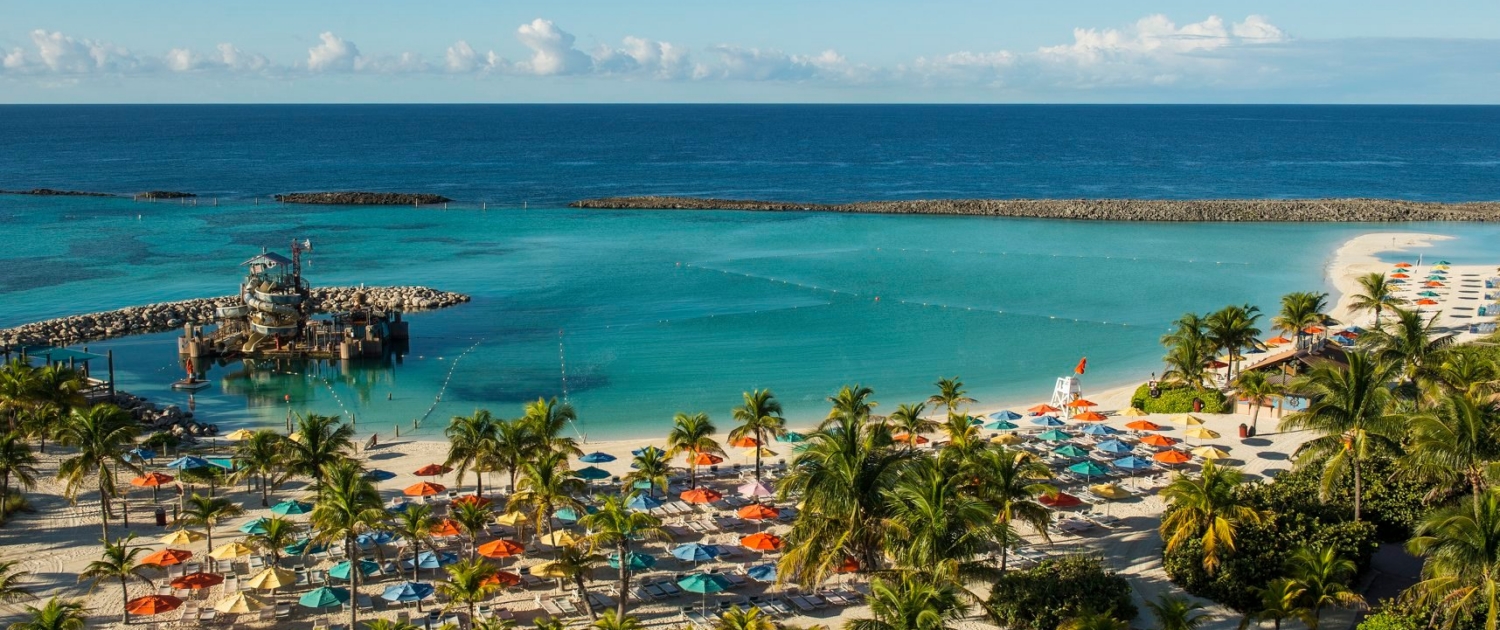
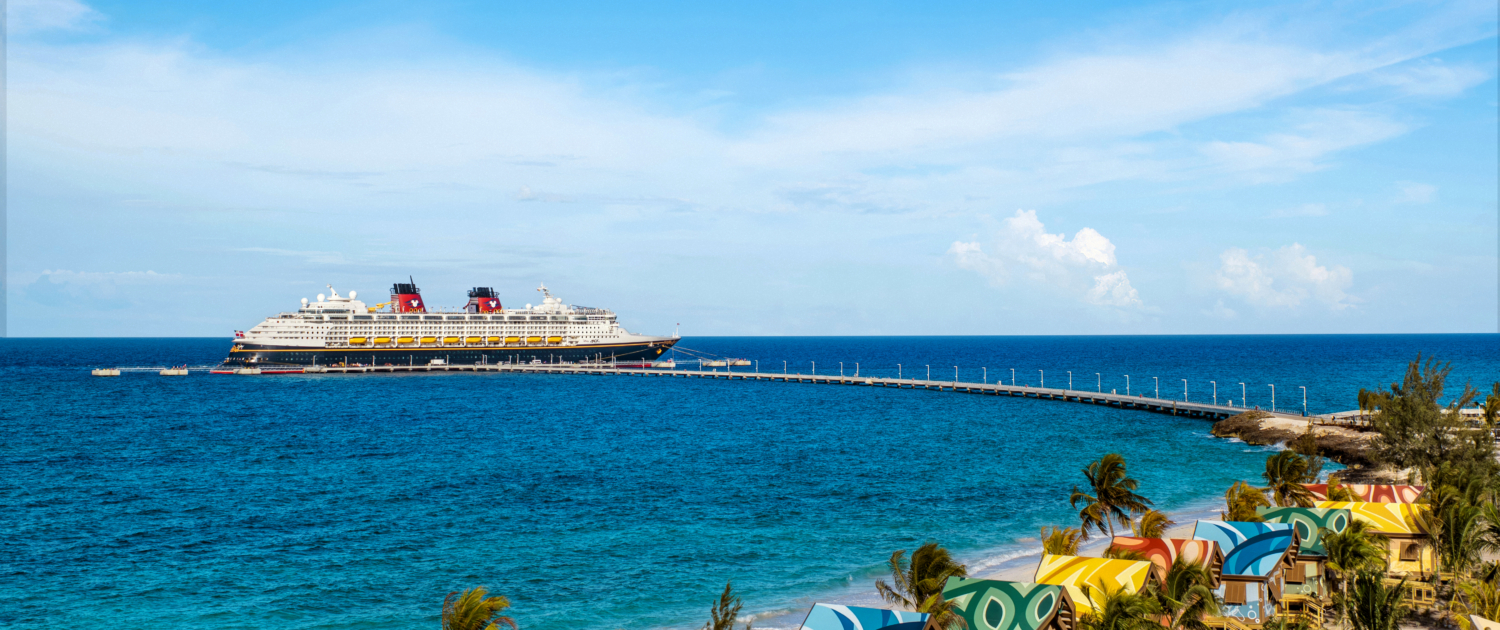
Castaway Cay is Disney’s original private island, and it earns its reputation. The ship docks directly at the island, so there is no tender boat involved and the beach day starts the moment the gangway opens.

What Families Can Expect

  • Family Beach and an adults-only Serenity Bay for parents who want quiet time
  • Pelican Plunge, a floating water playground built for splashing
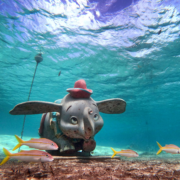
  • A snorkeling lagoon stocked with colorful marine life
  • Bike rentals, parasailing, and a Castaway Cay 5K for the more active members of the group
  • Character meet and greets right on the sand
  • Complimentary BBQ lunch, beach chairs, umbrellas, and towels included

Insider tip: Serenity Bay is one of the best-kept secrets on the island. It gives adults traveling with a multi-generational group a genuine escape while the kids splash at Pelican Plunge with the rest of the family close by.

Lookout Cay at Lighthouse Point: Bahamian Culture Meets Disney Magic

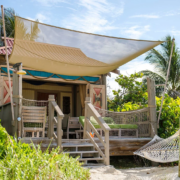
Lookout Cay at Lighthouse Point sits on Eleuthera in the Bahamas and takes a different approach. The architecture, entertainment, and excursions were designed to showcase real Bahamian culture, from Junkanoo-inspired celebrations to local art and storytelling, all woven together with the Disney service families expect.

What Families Can Expect

  • Bahamian-inspired architecture throughout the island
  • Junkanoo celebrations and cultural demonstrations
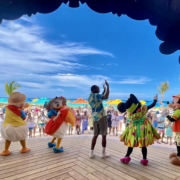
  • Character encounters presented in Bahamian attire, a nice twist on the familiar
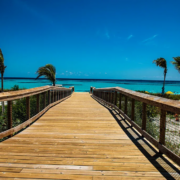
  • Interactive splash areas alongside stunning natural beaches
  • Family beach access plus an adults-only Serenity Bay area
  • Youth activities and cultural entertainment included in the day

Insider tip: Lookout Cay is the better fit for families who want their kids to walk away from the beach day having learned something, not just having built a sandcastle. The cultural demonstrations tend to be a highlight even for guests who did not expect to be interested in them.

Castaway Cay vs. Lookout Cay at a Glance

Category Castaway Cay Lookout Cay at Lighthouse Point
Best For Classic Disney island escape Authentic Bahamian culture
Signature Dining Cookies BBQ and Serenity Bay BBQ True-True BBQ and Serenity Bay BBQ
Experience Style Disney beach paradise Culture, nature, and Disney together
Relaxation 10/10  10/10
Family Activities 10/10 9/10
Cultural Immersion 3/10  10/10

How to Choose the Right Island for Your Family

Neither island is the wrong choice. The right one depends on what the group is hoping to feel at the end of the day.

Choose Castaway Cay If

  • The group wants a classic, no-surprises Disney beach day
  • Water slides and active excursions are a priority for the kids
  • This is a first Disney cruise and everyone wants the experience they have seen in photos for years

Choose Lookout Cay at Lighthouse Point If

  • The group values cultural experiences alongside beach time
  • Grandparents and grandchildren both want something memorable, not just relaxing
  • The itinerary already includes a stop at Castaway Cay and the family wants a different flavor of island day

Many multi-generational families are surprised to learn that some itineraries include both islands on the same cruise. That is often the ideal answer. It removes the either-or decision entirely and lets everyone experience both sides of what Disney’s private islands have to offer.

Why This Decision Is Worth Getting Right

A Disney cruise is rarely a small purchase or a small trip. Grandparents, parents, and kids are all bringing different expectations to the same week, and the private island day is often the moment that sets the tone for how everyone remembers the trip.

This is exactly where a little bit of insider knowledge changes the outcome. Knowing which excursions to book early, which beach areas fit which age groups, and which itineraries pair both islands together is the kind of detail that turns a good vacation into the one the family still talks about years later.

At Wishes and Waves Travel, we help families sort through exactly this kind of decision every day. We are happy to walk through the itinerary options, point out which sailings include both islands, and help build a cruise that fits the whole family, not just part of it.

Frequently Asked Questions

Can we visit both Castaway Cay and Lookout Cay on the same cruise?

Some itineraries do include stops at both islands. It depends on the length of the sailing and the specific itinerary, so this is one of the first things worth checking when booking.

Which island is better for younger children?

Castaway Cay tends to be the more familiar choice for younger kids thanks to Pelican Plunge and the classic beach playground feel. Lookout Cay works well for younger kids too, especially with its interactive splash areas, and adds cultural experiences that older siblings often enjoy just as much.

Do we need to book island excursions in advance?

Popular excursions at both islands can fill up quickly, especially during peak sailing dates. Booking in advance helps guarantee the activities that matter most to the group.

Is Lookout Cay at Lighthouse Point accessible for guests with mobility needs?

Both islands offer accessible beach areas and transportation options. Because accessibility features can vary by activity, it is worth confirming specific needs when the itinerary is booked.

What is included in the cruise fare at each island?

Beach chairs, umbrellas, towels, and a BBQ lunch are included at both islands, along with access to family and adults-only beach areas. Specialty excursions like parasailing or bike rentals typically carry an additional cost.

How do we decide which itinerary is right for our family?

This comes down to who is traveling, how much time is available, and what everyone wants out of the trip. This is exactly the kind of planning we handle every day at Wishes and Waves Travel.

Let’s Plan Your Family’s Disney Cruise

Choosing between Castaway Cay and Lookout Cay at Lighthouse Point does not have to be a guessing game. We would love to help match the right island, and the right itinerary, to your family.

Download our free Disney Cruise Line Planning Guide to start comparing options at your own pace, or reach out for a personal consultation and we will help build an itinerary the whole family will love.

Cruising already wins people over with its ease, but luxury cruising is a different experience built on specific, measurable details. From the number of passengers on board to the quality of what is actually included, these are the factors that separate a good cruise from one you will still be talking about years later.


Why We Fall in Love With Cruising in the First Place

There is a reason cruising has such a devoted following, and it has very little to do with the size of the pool deck. It comes down to something simpler: cruising removes the friction from travel.

Unpack once, and your room travels with you while you wake up somewhere new almost every day. There is no shortage of itineraries or ships to choose from, and the inclusions built into most fares keep the budget from becoming a moving target. Best of all, everyone on board gets to set their own pace. Some guests fill every hour with excursions and enrichment lectures, while others do not leave the pool deck for days, and both are considered a successful trip.

The ship itself has become a destination in its own right, and modern vessels are only getting better at proving that point. Add in the friendships that seem to form over a single formal night, and it is easy to see why cruising has such staying power with our clients.

That said, one of the most common questions we hear at Wishes and Waves Travel is what actually separates an ordinary cruise from a luxury one. The answer is not about which brochure looks the fanciest. It comes down to a handful of concrete details that shape every day on board.

The Six Things That Actually Define a Luxury Cruise

We have spent years training directly with cruise lines, sailing these itineraries ourselves, and sitting across the table from business development managers who explain exactly what goes into building a luxury product. Here is what we tell our clients to look for.

1. Fewer Passengers, More Room to Breathe

Luxury ships intentionally carry far fewer guests than mainstream vessels. That smaller headcount changes everything about the pace of a day at sea, from how quickly you get a table at dinner to how easy it is to find a quiet corner of the deck.

Insider tip: A smaller passenger count also means shore excursions run in smaller groups, which changes the entire feel of a destination.

2. More Space Per Guest

Luxury cabins are not simply nicer versions of a standard stateroom. They are meaningfully larger, often with a private veranda, a proper sitting area, and enough room that the cabin becomes a place you actually want to spend time, not just sleep.

3. The Crew to Guest Ratio Nobody Talks About

This is the detail most travelers never think to ask about, yet it shapes every single interaction on board. A higher ratio of crew to guests means service that remembers your name, your dietary preferences, and the way you take your coffee by day two.

Insider tip: Ask your advisor for the actual crew to guest ratio before booking. It is one of the most reliable predictors of how personal the service will feel.

4. Dining That Feels Like a Destination

On a luxury sailing, dining stops being an amenity and becomes an experience in its own right. Expect thoughtfully sourced ingredients, menus that rotate throughout the voyage, and a level of flexibility that lets you dine when and how you want rather than on a fixed schedule


5. Shore Excursions Worth Building a Day Around

The quality of shore excursions is one of the clearest signals of a luxury product. Rather than a crowded bus tour with a rushed itinerary, luxury excursions tend to be smaller, more immersive, and led by guides who add real context rather than a rehearsed script.

6. What Is Actually Included

Inclusions are where the real value of a luxury cruise becomes obvious. Depending on the sailing, that can mean specialty dining, premium beverages, gratuities, shore excursions, and even pre or post cruise hotel stays folded into the fare. When we build a quote, we always show clients what a comparable a la carte trip would cost so they can see exactly what they are getting.

The Luxury of Unstructured Time

One of the most underrated luxuries at sea is the freedom to do absolutely nothing on a beautifully engineered schedule. A truly luxurious itinerary is not one that is packed wall to wall with activities. It is one with enough open space in the day that guests never feel like they are being managed.

We build that breathing room into every itinerary intentionally, because the best trips leave room for a guest to simply decide, in the moment, what they feel like doing next.

How We Help You Find the Right Fit

With so many luxury cruise lines on the market, each with a different personality, dress code, and onboard vibe, the hardest part is rarely deciding to go luxury. It is figuring out which specific ship and itinerary actually match how you like to travel.

That is where we come in. Through direct relationships with our luxury cruise partners, hands on training, and our own time sailing these itineraries, we match clients to the ship that fits their travel style rather than simply the one with the most marketing budget behind it.

Frequently Asked Questions

Is a luxury cruise really worth the extra cost?

For most travelers who value space, service, and quality over sheer number of ports visited, yes. Once you account for everything bundled into the fare, from gratuities to specialty dining to shore excursions, the gap between luxury and mainstream pricing is often smaller than it first appears.

How many passengers are on a luxury ship compared to a mainstream one?

Luxury ships typically carry a small fraction of the passengers found on a large mainstream vessel. That smaller scale is intentional, and it is one of the biggest reasons luxury sailings feel so different from the moment you step on board.

What is included on a luxury cruise that is not included on a standard cruise?

This varies by sailing, but it commonly includes specialty dining, premium beverages, gratuities, shore excursions, and sometimes pre or post cruise hotel nights. We always walk clients through exactly what is included on their specific itinerary before they book.

Are luxury cruises a good fit for first time cruisers?

Absolutely. First time cruisers sometimes assume they should start with a mainstream ship to test the waters, but a well matched luxury itinerary can actually be an easier introduction, since so much is already included and the pace is more relaxed.

How far in advance should we book a luxury cruise?

We generally recommend booking six to eighteen months out, especially for popular itineraries and suite categories, which tend to sell out well before the sailing date.

Can you help us choose between different luxury cruise lines?

Yes, and this is exactly where our direct experience with these itineraries makes the biggest difference. We take the time to understand how you like to travel and match you with the line, ship, and itinerary that actually fits, rather than leaving you to compare glossy brochures on your own.

Ready to Experience Luxury Cruising for Yourself?

If reading through these details has you dreaming of your own veranda and a dinner menu you will actually remember, we would love to help you plan it. Contact us for a personal consultation and we will help you find the sailing that feels made for you.