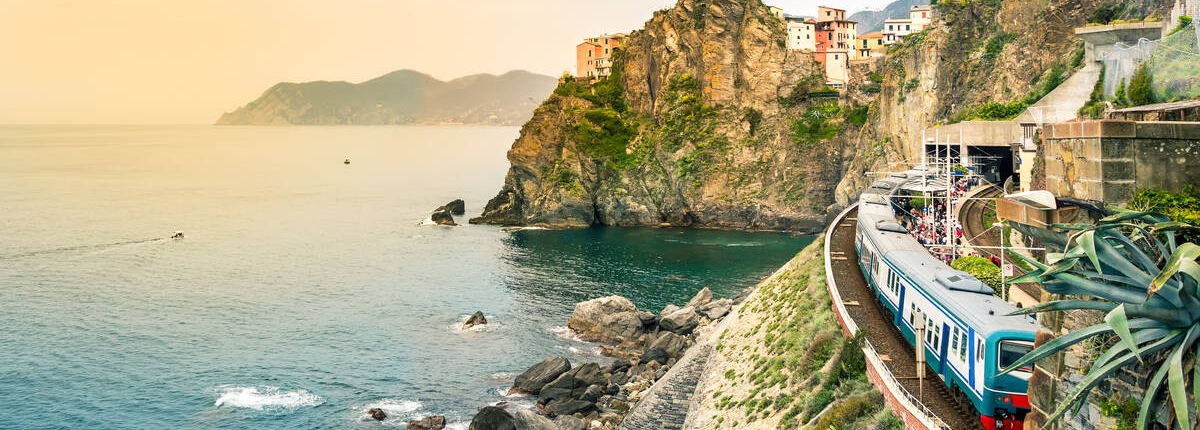
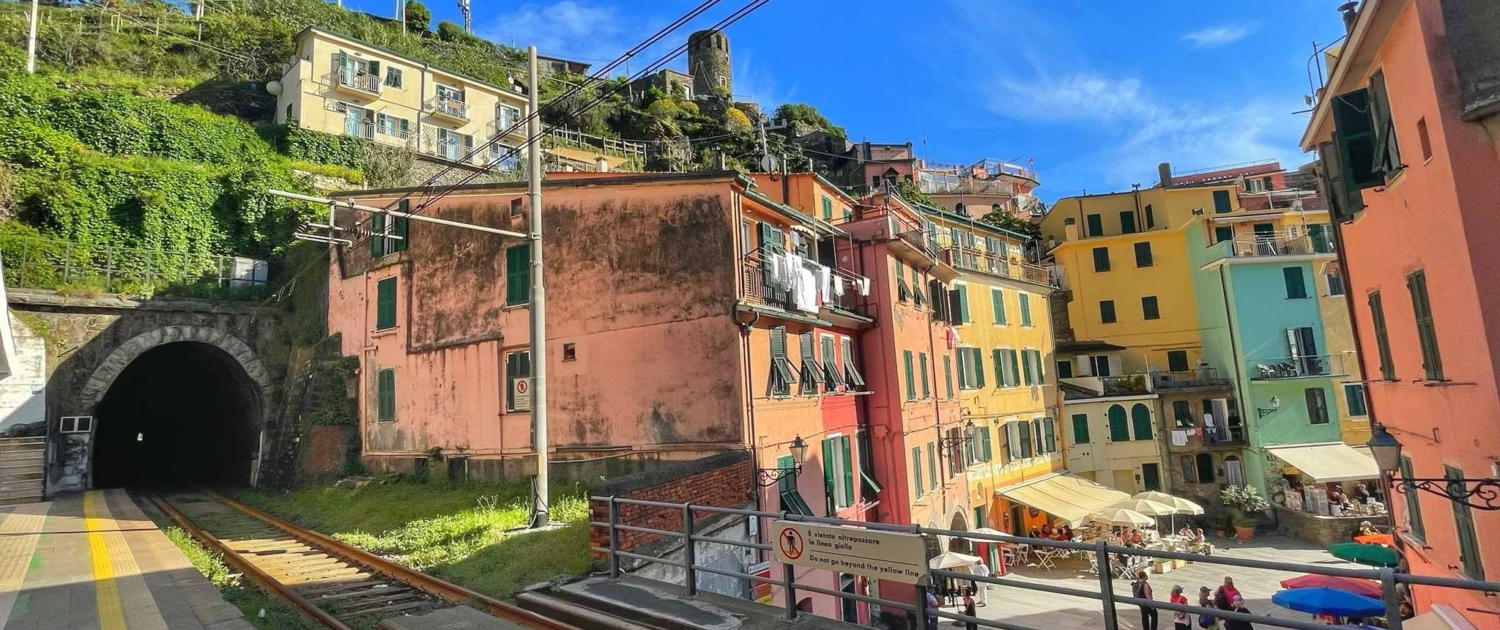
The Amalfi Coast is one of the most dramatic and rewarding destinations in Italy, but it punishes poor planning like almost nowhere else. This insider guide covers what the travel brochures leave out so you can experience the real coast, not just the Instagram version.
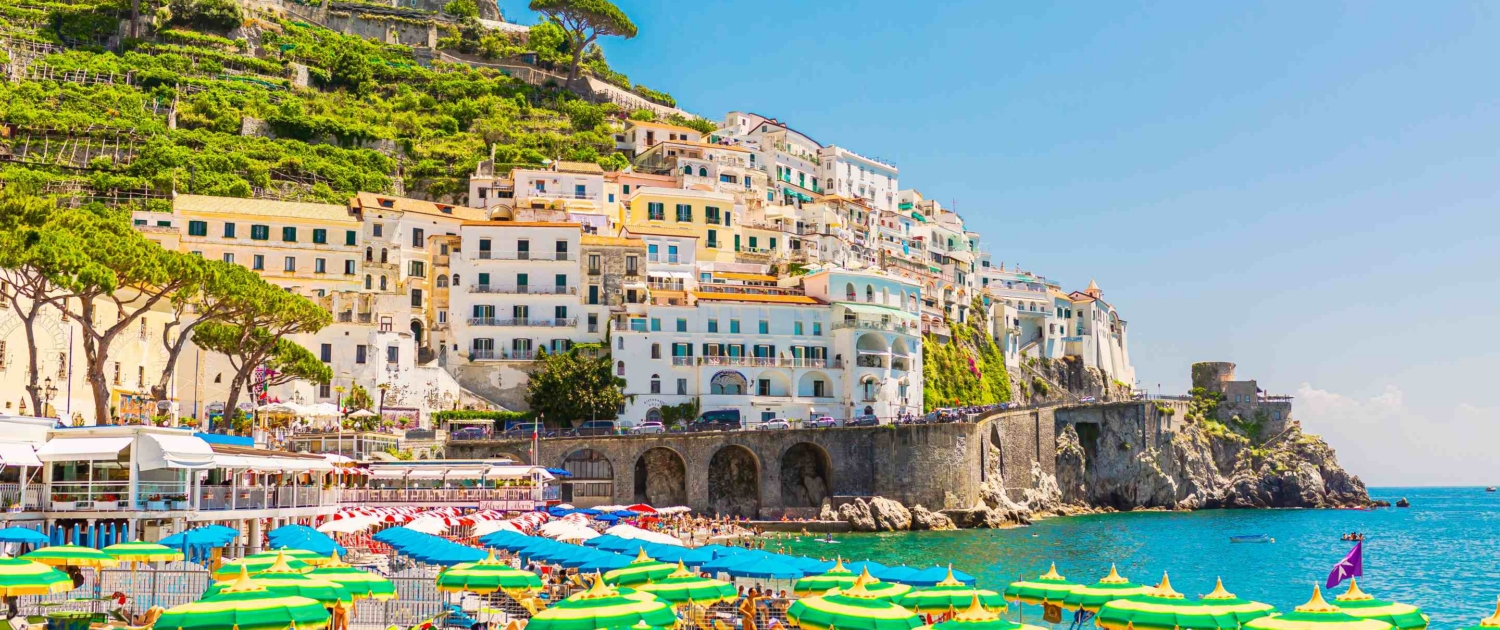
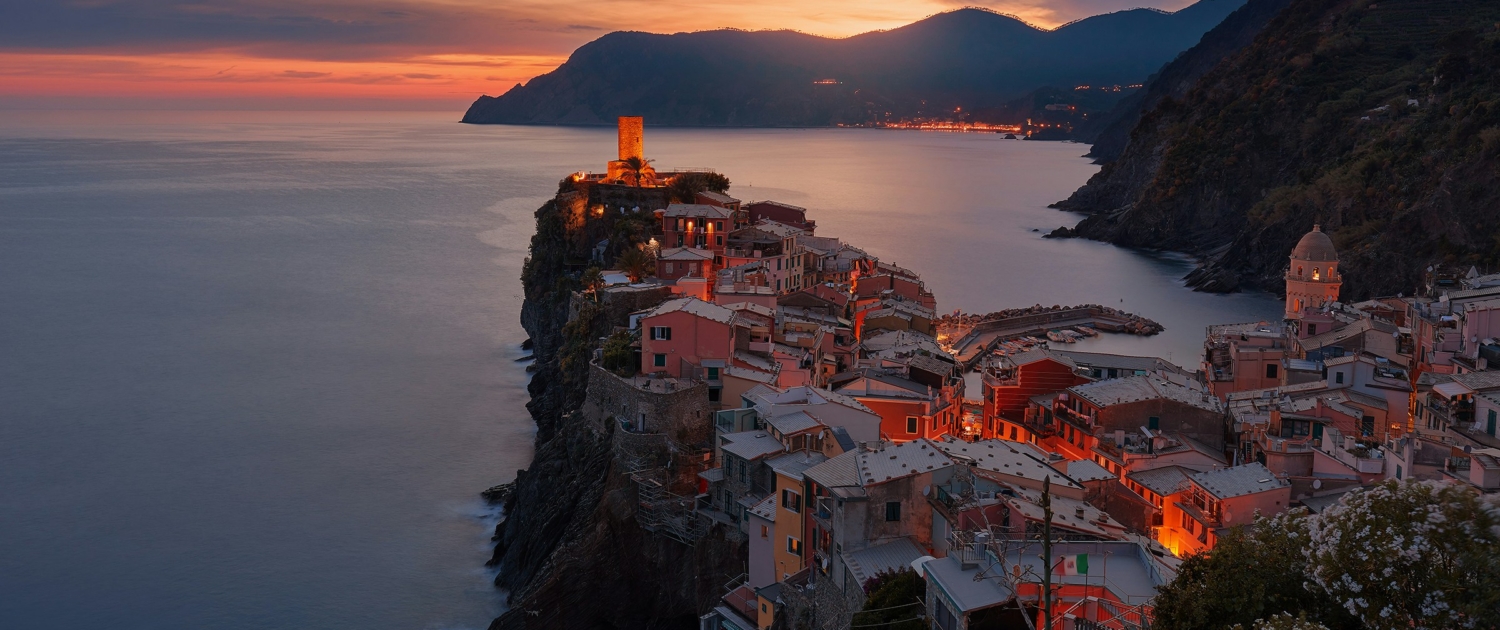
There’s a version of the Amalfi Coast that exists in travel photography. Whitewashed buildings cascading down cliffs into impossible blue water. Lemons the size of your fist. Tables on terraces above the sea.
That version is real. We’ve seen it with our own eyes.
There’s also a version involving a gridlocked cliff road, a bus that won’t stop because it’s already full, and a ferry that just got cancelled due to wind. That version is equally real, and it’s the one you’ll encounter if you show up without a plan.
Here’s how to experience the Amalfi Coast the right way.
Understanding the Coast: Thirteen Towns, Not Two
Most visitors see Positano and Amalfi town and go home thinking they’ve done the coast. They haven’t.
The Amalfi Coast stretches across thirteen towns, and the ones most tourists never reach are often the most rewarding.
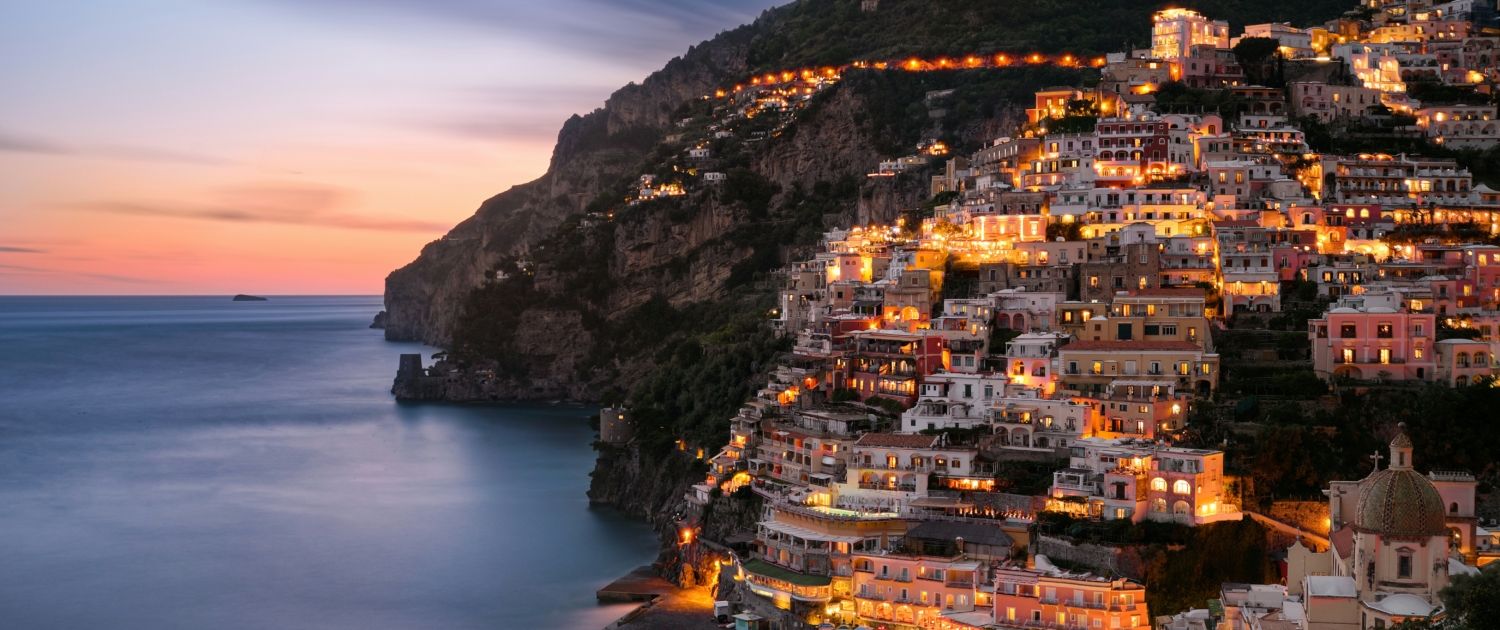
Positano
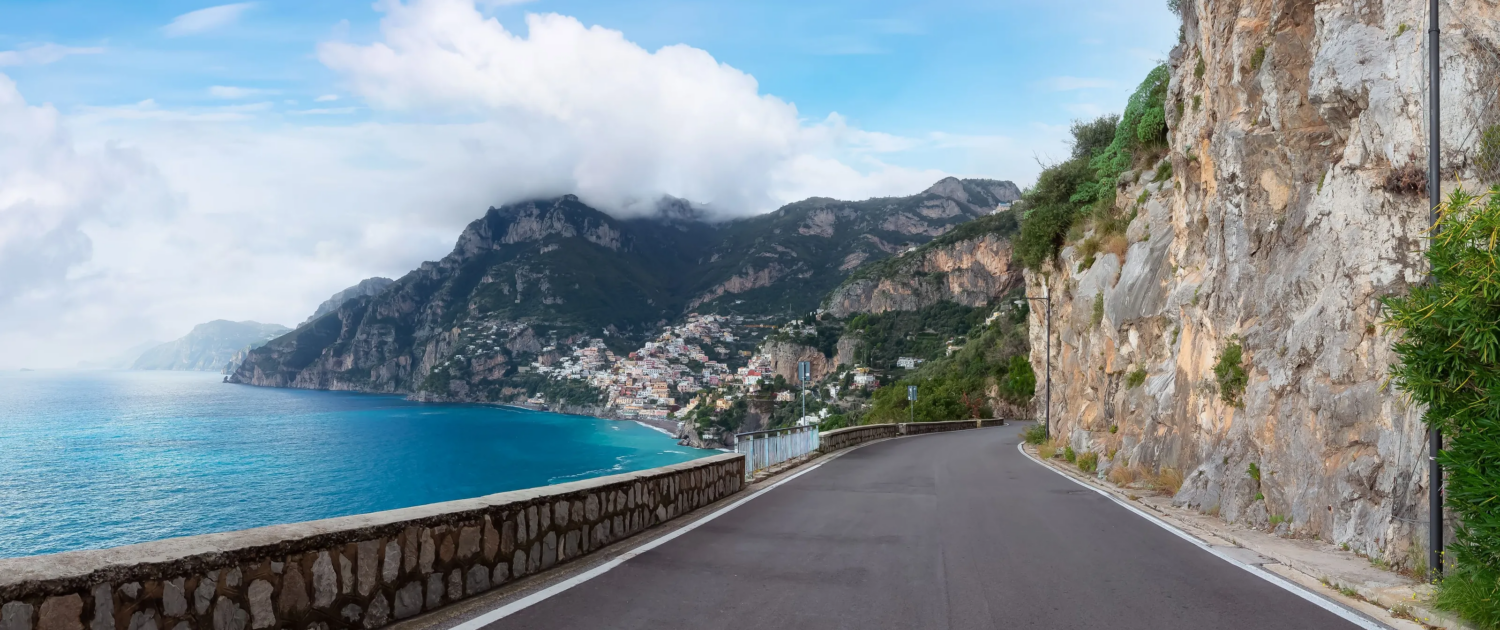
The most photographed town in southern Italy for good reason. The cliffside cascade of pastel buildings is genuinely extraordinary. It’s also the most expensive, the most crowded, and the least representative of what the coast actually is. Plan one full day here, enjoy it for what it is, and use it as your base for day trips rather than your entire trip.
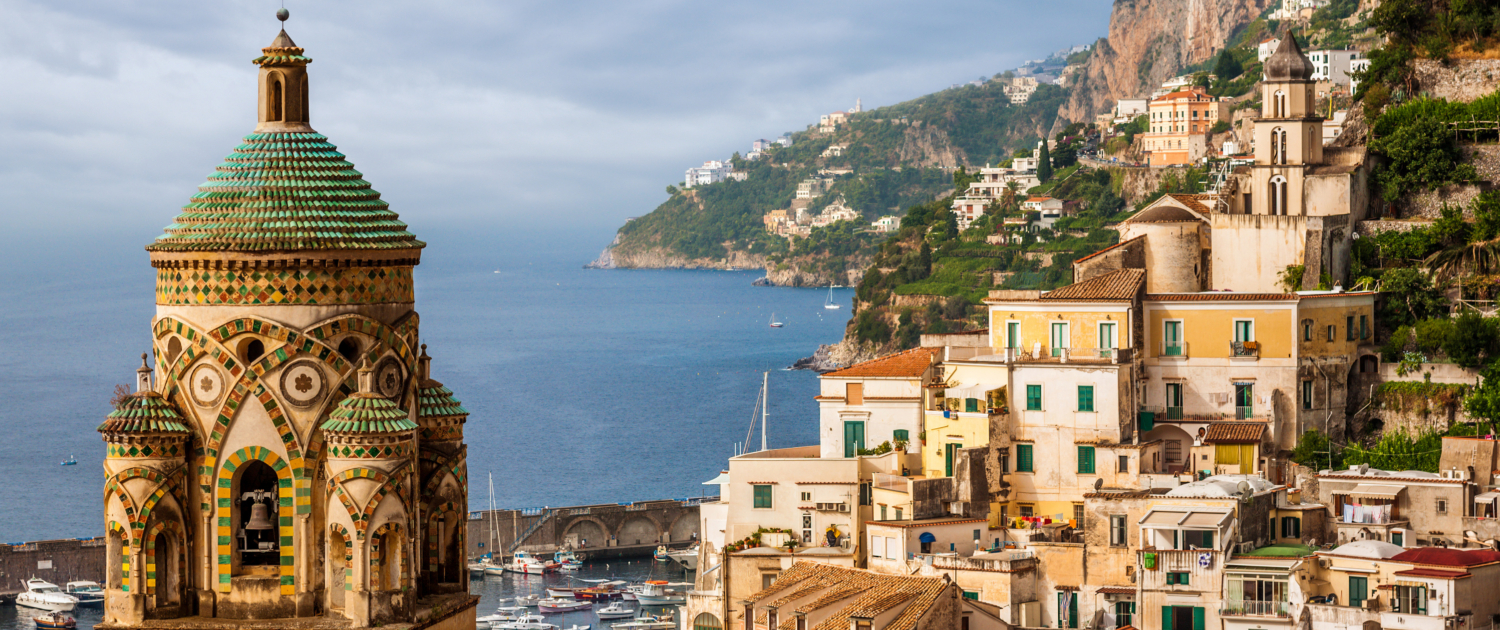
Amalfi
Has a real historic cathedral, the Duomo di Sant’Andrea, that most visitors walk past without going inside. The interior is stunning. The town behind the waterfront piazza has narrow streets, pastry shops, and a paper museum that tells the story of the region’s medieval papermaking tradition. Worth a half day beyond the main square.
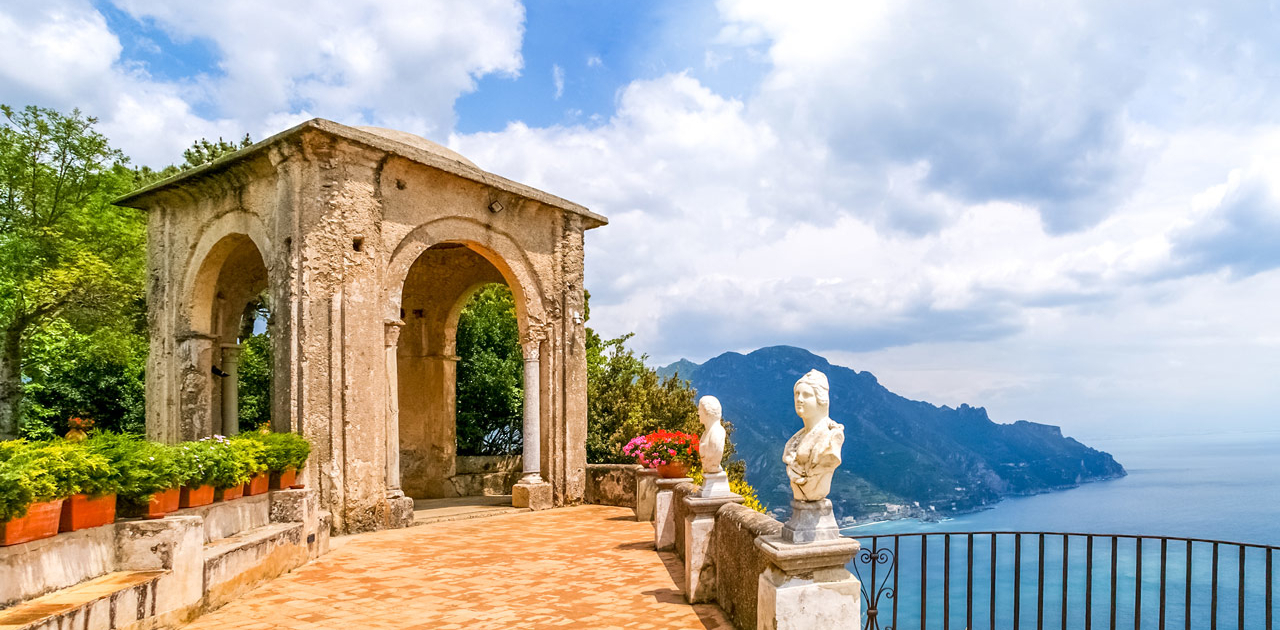
Ravello
Sits 350 meters above the sea and operates in a different atmosphere entirely. Villa Cimbrone and Villa Rufolo both have gardens that belong among the finest in Italy. The views from the Belvedere of Infinity at Villa Cimbrone on a clear morning are among the best views in Europe. Ravello is quiet, relatively uncrowded, and genuinely special.
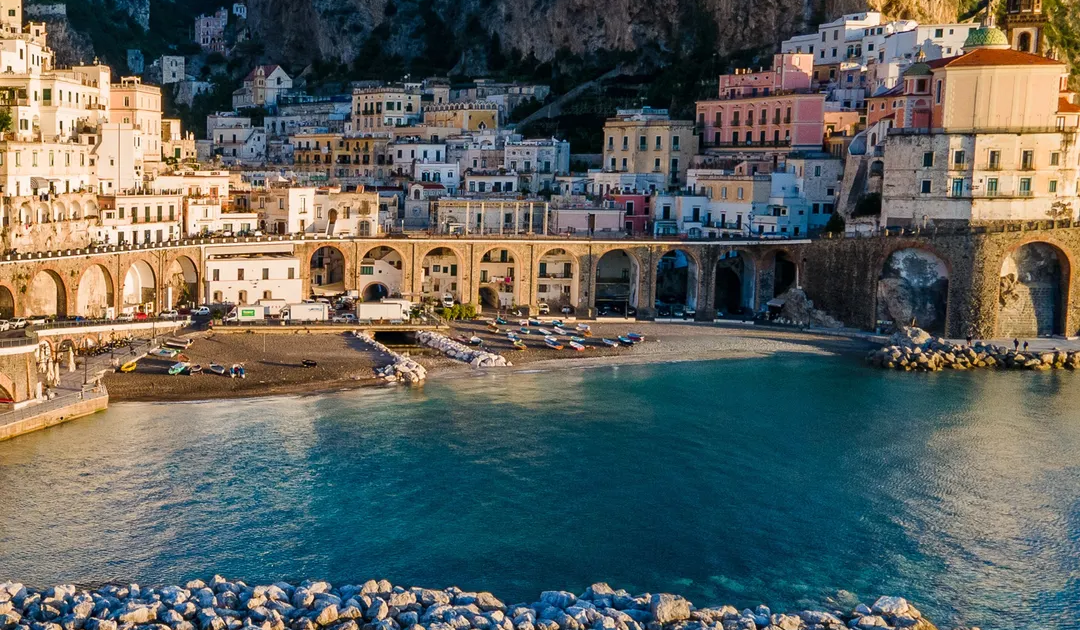
Atrani
Two minutes on foot from Amalfi and almost nobody goes there. It has a free beach, a real piazza where locals actually sit in the evening, and restaurants without tourist markups. This is what the Amalfi Coast looked like before tourism arrived.
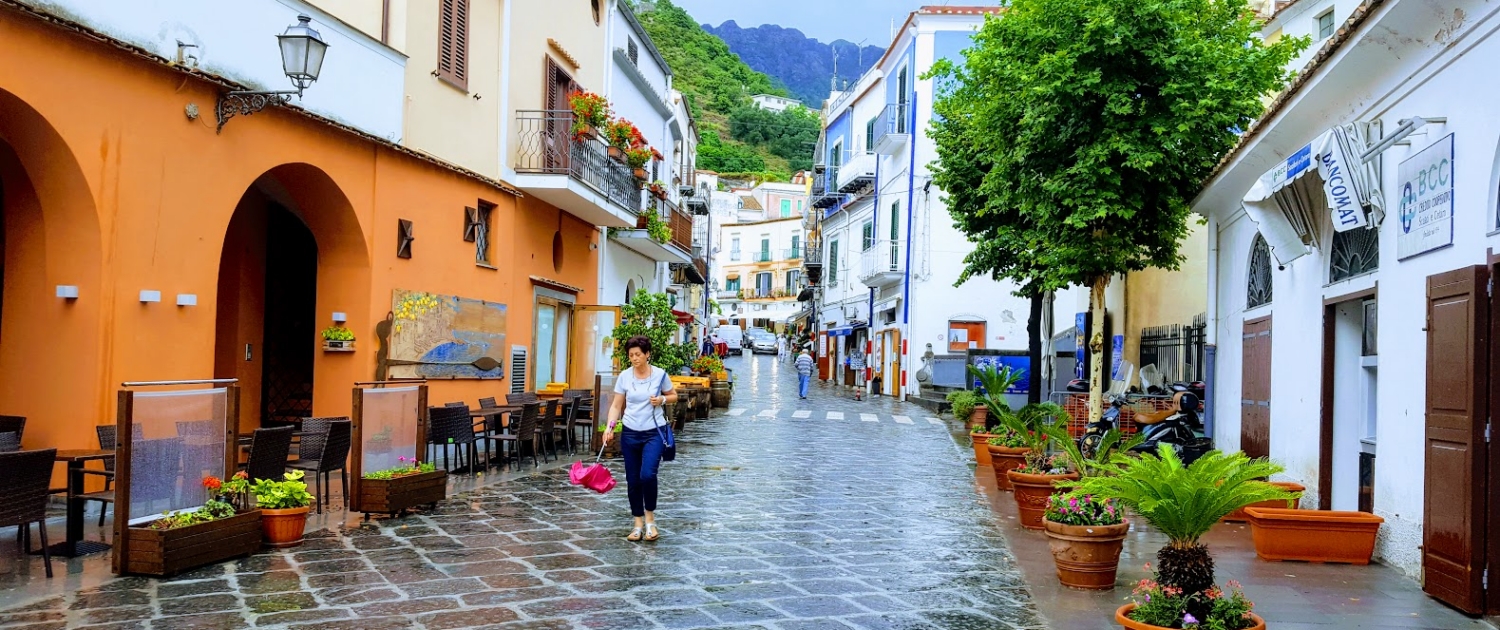
Cetara
The food town of the coast. Its colatura di alici, an amber fish sauce made from anchovies, is one of the great regional condiments of Italian cooking. The tuna is exceptional. Prices are a fraction of Positano. If you eat one truly memorable meal on the Amalfi Coast, there’s a good chance it’ll be in Cetara.
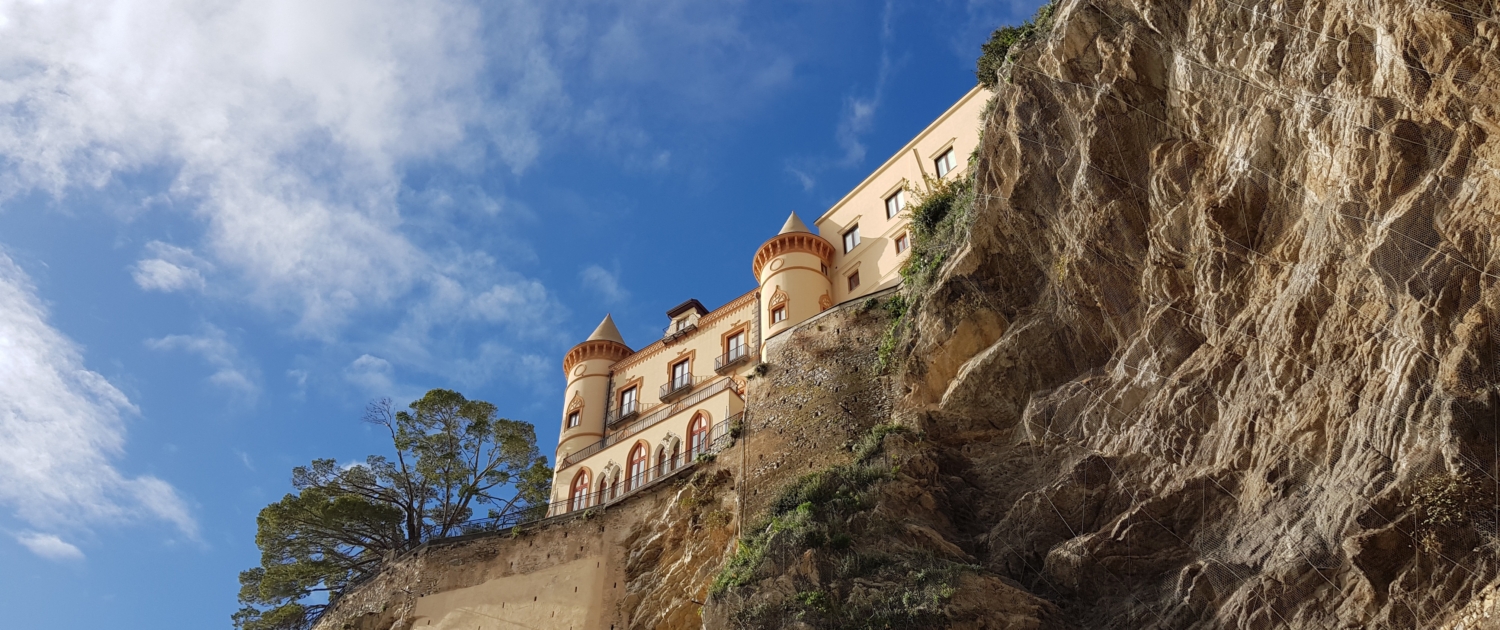
Minori and Maiori
Have the flattest, widest stretches of beach on the coast and a lived-in feel that the main tourist towns have lost. These are the towns where Italians actually vacation.
Getting There Without Losing Your Mind
The nearest major transport hub is Naples. From Rome, the high-speed train reaches Naples in about 1 hour 10 minutes. From Naples, your options to the coast are ferry, SITA bus, private transfer, or rental car.
The Ferry
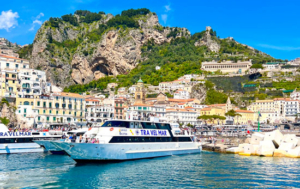
The most scenic option and genuinely enjoyable when it runs. The operative phrase is when it runs. Ferry services cancel without warning in anything beyond calm seas. If you’re planning a specific connection around a ferry departure, build in a backup plan.
The SITA Bus
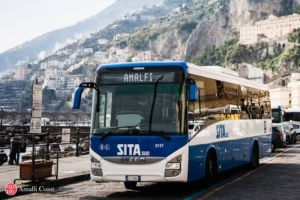
Cheap and covers the whole coast. In peak season, buses fill to capacity at early stops. Passengers at subsequent stops are frequently left waiting for the next bus, sometimes for over an hour. Budget significantly more time than the schedule suggests.
Private Transfers
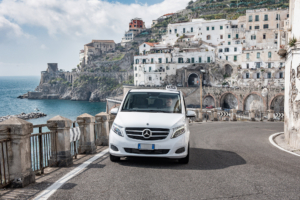
The cleanest solution for airport arrivals and departures. A private transfer from Naples airport to the coast runs around 180 euros. For a group or a family, this cost spreads across travelers and eliminates the variables of buses and ferries. For a first visit, we often recommend this for the arrival and departure legs.
Rental Cars
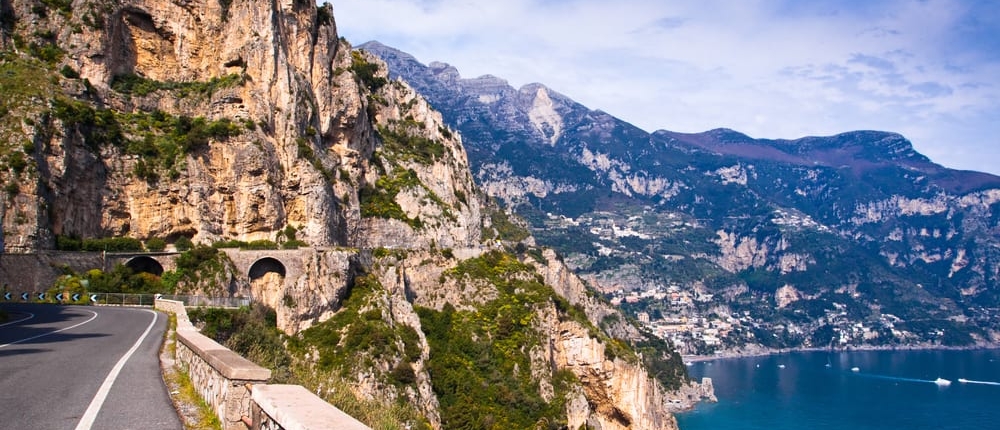
Not recommended for most travelers. The SS163, the coastal road, is a single-lane cliff road with blind bends and almost no passing options. An odd/even license plate restriction operates from Easter through September between 10am and 6pm. You won’t know your plate until you collect the car at the rental desk. If your plate doesn’t match the calendar date, you can’t drive the road during those hours. This is a rule that catches many visitors completely off guard.
The Path of the Gods: Italy’s Best Day Hike
If you’re even slightly interested in hiking, the Sentiero degli Dei (Path of the Gods) belongs on your Amalfi itinerary.
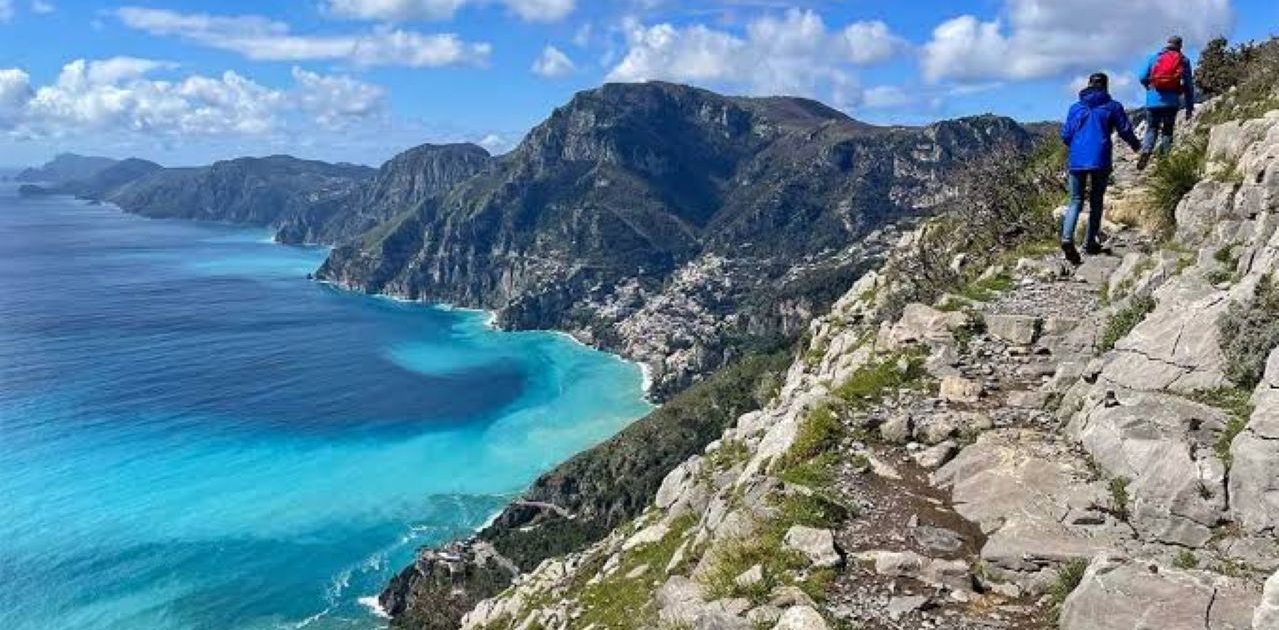
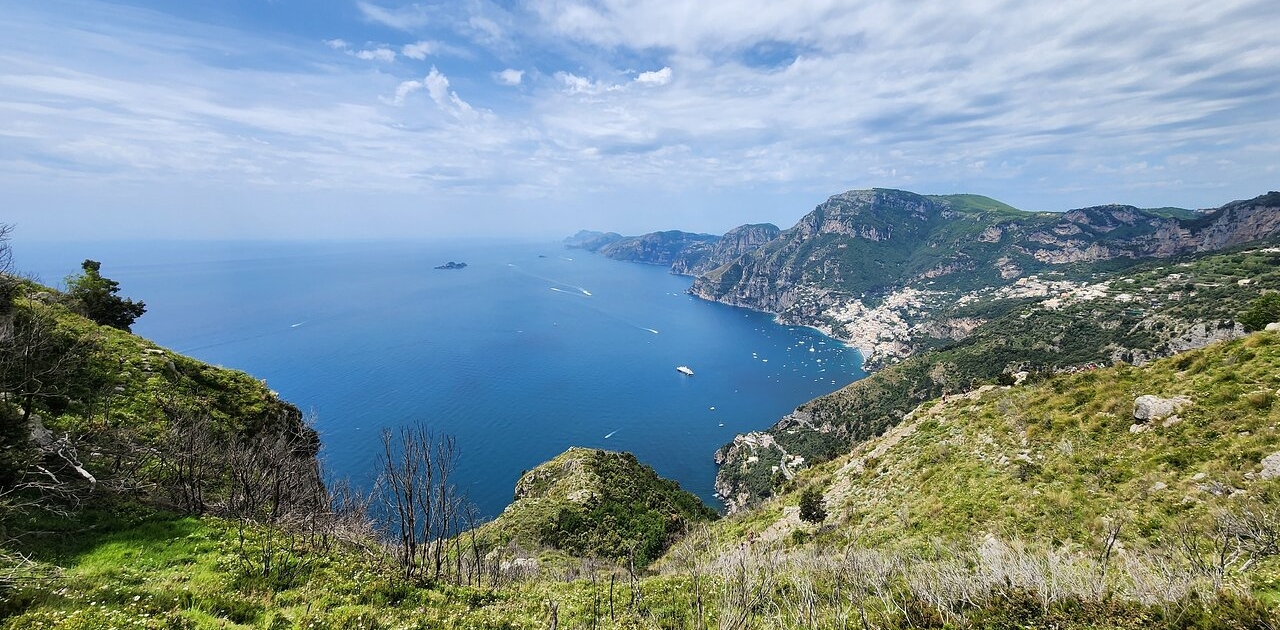
The trail runs 6.5 kilometers from Bomerano, near the town of Agerola, to Nocelle above Positano. You walk at between 500 and 630 meters above sea level with the full sweep of the coast below you, Capri visible in the distance, and the Faraglioni sea stacks rising from the water. On a clear spring morning, it’s one of the most beautiful walks anywhere in Europe.
The hike takes about 3 hours at a relaxed pace. Spring and autumn are the ideal seasons. Summer is punishing on the exposed ridge sections.
To reach the trailhead at Bomerano from Positano, you’ll take a bus to Amalfi (about 45 minutes) and then a second bus to Agerola (about 50 minutes). The trail ends at Nocelle, where 1,700 stone steps lead down to Positano. After three hours of hiking, those steps are brutal on the knees. Many people arrange a private transfer to the trailhead rather than navigating both buses, which adds roughly 50 to 80 euros to the day but eliminates a lot of uncertainty.
Book this for a weekday in May or early June. You’ll have the trail largely to yourself.
Where to Actually Eat
The food on the Amalfi Coast is as good as its reputation, but not at the restaurants with sea-view terraces and laminated menus.
Go to Cetara for the anchovies and tuna. The colatura di alici is available in small bottles at local shops and makes one of the best edible souvenirs in Italy.
In Amalfi itself, walk two streets back from the waterfront. The tourist markup drops significantly and the quality goes up.
In Positano, if you want a real meal rather than a beautiful terrace, ask your hotel for their actual local recommendation rather than the places that show up on the first page of TripAdvisor.
The sfogliatella in Naples on your way through is non-negotiable.
When to Go
Late April through early June is the sweet spot. The weather is warm but not punishing, the ferries run reliably, the Path of the Gods is at its best with spring wildflowers, and the crowds are manageable.
Mid-September through October is the other ideal window. Temperatures cool, summer crowds thin out, and prices drop noticeably.
July and August are the most expensive, most crowded, and most logistically stressful months. If summer is your only option, book everything well in advance and plan your days around early morning starts before 9am and stay local after 6pm. The real coast only shows itself during those windows anyway.
What to Budget
Positano and Amalfi town: Plan for $250 to $500, per person per day, covering accommodation, meals, transport, and activities.
Using quieter eastern towns as a base: You can bring this down to $150 to $200, per person per day while still accessing everything the coast offers.
Key cost items to plan for: Private transfer from Naples (around $180 one-way for a private vehicle), sunbed rentals at Positano’s main beach ($60 to $70, per day), the ferry for a day trip to Capri ($20 to $30 euros per person each way), private transfer to Path of the Gods trailhead ($50 to $80).
Our Honest Advice
The Amalfi Coast genuinely delivers. The drama of the cliffs, the quality of the food in the right places, Ravello’s gardens above the sea, the Path of the Gods at dawn, an evening in Atrani when the tourists have gone. This is a place that justifies the hype.
It also requires more of you than most Italian destinations. The gap between a great trip and an exhausting one here is almost entirely down to planning. Come with a loose itinerary, build in flexibility for ferry cancellations, base yourself somewhere quieter than Positano for at least part of your stay, and spend one full day just driving east past Amalfi to see what the rest of the coast actually looks like.
We’ve done the legwork on this one. If you want a curated, stress-free Amalfi itinerary that balances the iconic with the authentic, reach out to us today. We’d love to help you plan it.
FAQs: Amalfi Coast Travel
How many days do you need on the Amalfi Coast?
We recommend a minimum of 4 nights to do it justice. Five to six nights allows you to explore beyond the main tourist towns, hike the Path of the Gods, and take a day trip to Capri or Pompeii without feeling rushed.
What’s the best base town on the Amalfi Coast?
It depends on your priorities. Positano is the most glamorous but the most expensive. Amalfi town offers better transport connections in every direction. For a quieter, more affordable base with easy access to the whole coast, Maiori or Minori are excellent choices that most travel advisors don’t mention.
Is the Amalfi Coast worth it?
Genuinely, yes. But it’s worth it proportionally to how much planning you put in. The travelers who come away disappointed are almost always the ones who expected effortless luxury. This is a destination that rewards preparation.
Can you visit Pompeii from the Amalfi Coast?
Yes, and it’s an excellent day trip. Take the ferry or bus to Sorrento, then the Circumvesuviana train to Pompeii Scavi (about 30 minutes). Plan for at least 3 to 4 hours at the site. Book your Pompeii tickets online in advance.
Is Capri worth a day trip from the Amalfi Coast?
Yes, particularly if you take the early ferry and leave before the afternoon crowds arrive. The Blue Grotto is best visited in the morning light. The chairlift to Monte Solaro above Anacapri offers some of the best views in the Mediterranean. Budget 150 to 200 euros per person for a Capri day including ferry, transport on the island, and meals.
What should I know about driving the Amalfi Coast?
If you rent a car, understand the odd/even license plate restriction before you arrive. It operates on the SS163 from Easter through September between 10am and 6pm. Odd plates drive on odd calendar dates. Even plates drive on even dates. You won’t know your plate until you collect the car. For most first-time visitors, we recommend private transfers or public transport over self-driving.