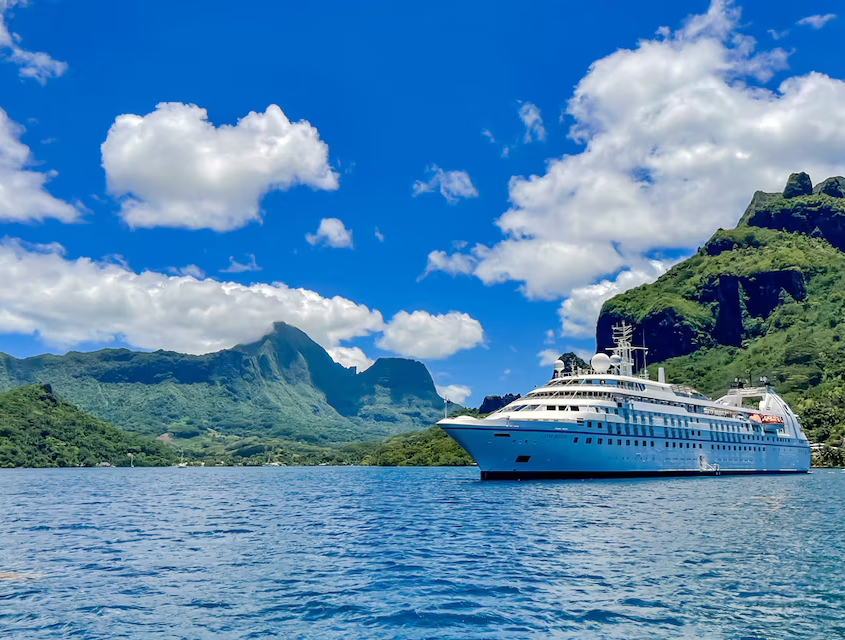
Greece delivers ancient history, island scenery, and some of the best food in the Mediterranean, and it rewards travelers who plan ahead, especially for peak season. Whether you want a classic island-hopping trip or a small-ship cruise through the Aegean, we can build a Greece itinerary that fits how you actually like to travel.


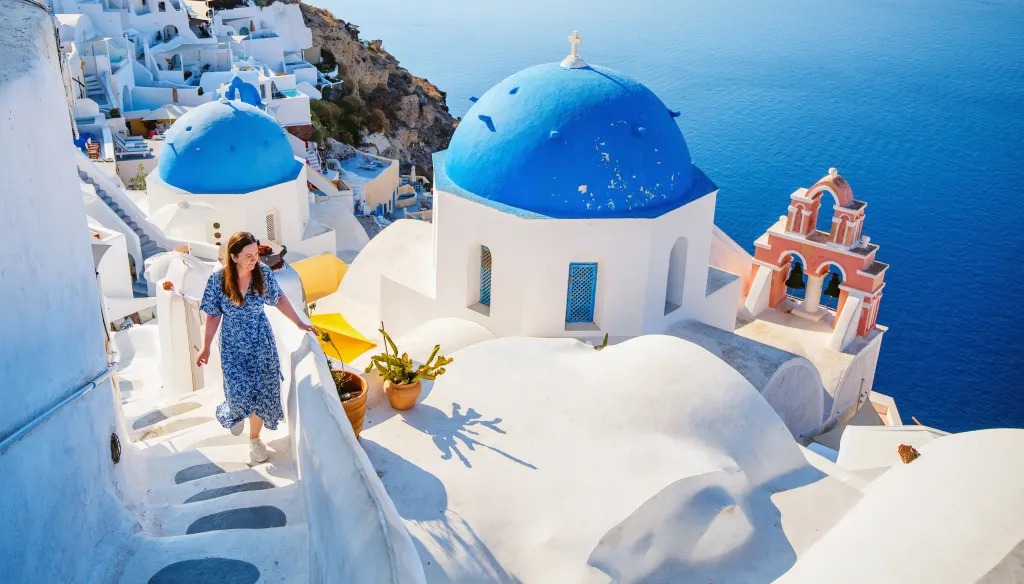
Greece has a way of showing up on almost every travel wish list, and once you have been there, it is easy to see why. It is not just the whitewashed villages and the blue domes you have seen a thousand times on Pinterest. It is the way history sits right next to a beach day, the way a meal can turn into a three hour event without anyone minding, and the way the whole country seems to move at a pace that makes you want to slow down too. If you have been circling Greece for a while and wondering whether this is finally the year, here is what we think you should know before you book.
History You Can Walk Through, Not Just Look At

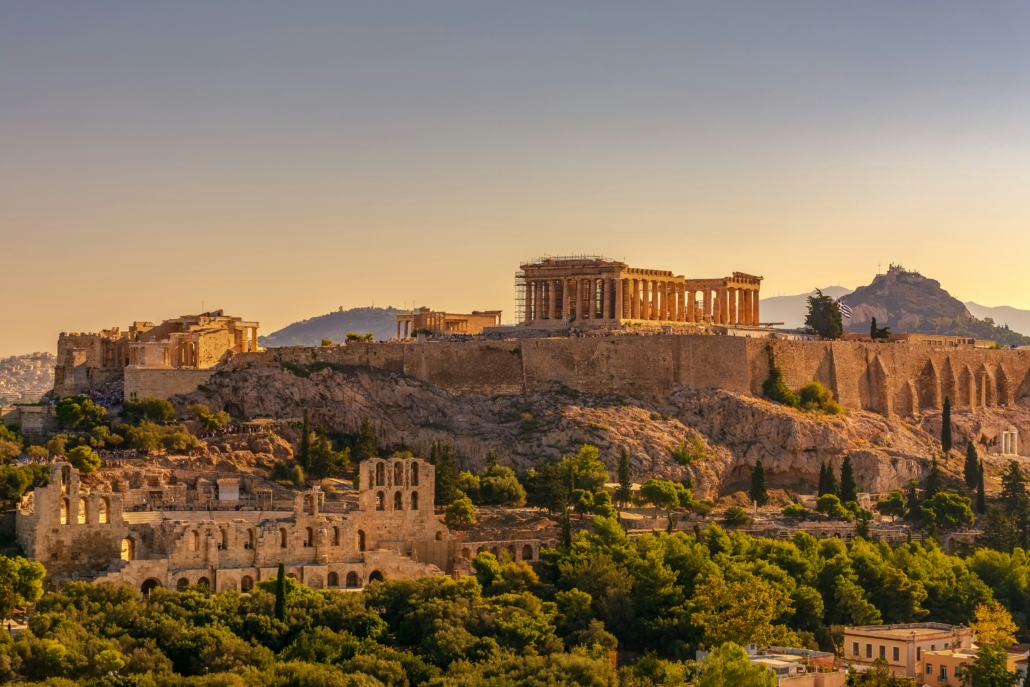
Most people picture the Acropolis when they think of Greek history, and it absolutely earns the hype. But the real magic is how much ancient history is still woven into everyday life across the country. In Athens, you can be standing in front of the Parthenon in the morning and wandering a rooftop bar with the same view that evening. On Crete, the Minoan ruins at Knossos date back nearly 4,000 years. In Delphi, you can walk the same paths ancient Greeks walked to consult the oracle. None of it feels roped off or staged. It just feels like part of the landscape.

Insider tip

Book a private, early morning tour of the Acropolis whenever possible. You will beat both the heat and the crowds, and the light on the marble at sunrise is worth setting an alarm for.

The Islands Are Just the Beginning

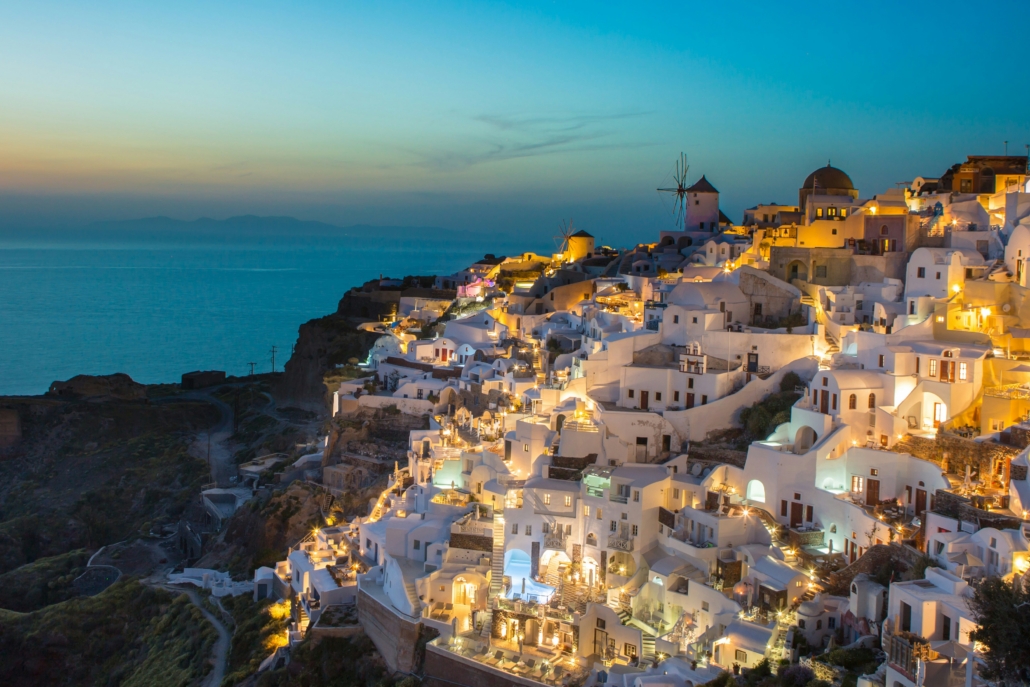
Santorini and Mykonos get most of the attention, and they deliver on the sunsets and the style. But Greece has more than 200 inhabited islands, and some of the most memorable experiences we plan happen well outside the obvious ones. Naxos has quieter beaches and a laid back food scene. Hydra has no cars at all, just donkeys and cobblestones. Milos is where the photogenic, otherworldly beaches actually live, without the crowds Santorini pulls in. The right mix of islands depends entirely on what kind of trip you are after, which is exactly why we build these itineraries one traveler at a time rather than handing out the same list to everyone.
Small Ship Cruising Is the Smartest Way to See More of Greece

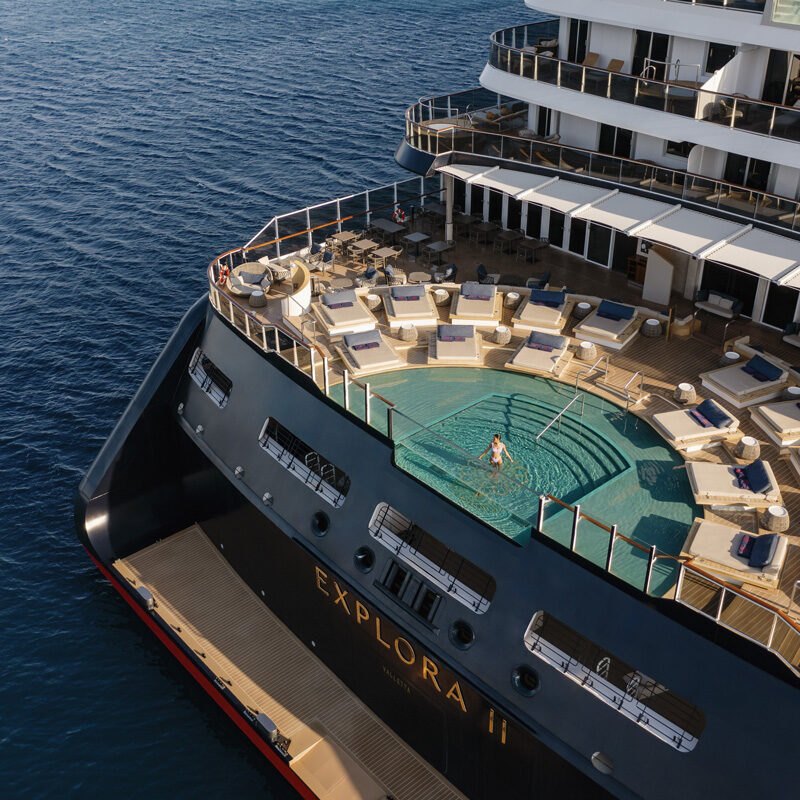
One of the questions we hear most is whether to base a Greece trip on land or build it around a cruise. For a lot of travelers, a small ship or luxury river-style itinerary through the Aegean and Ionian is the better answer, because it solves the biggest headache of island hopping, which is the ferries and the packing and unpacking every two days. Lines like Seabourn, Silversea, Ponant, and Explora Journeys run itineraries built specifically around the Greek islands, often docking in smaller ports the big ships cannot reach, with excursions that get you into places like Hydra’s harbor or Monemvasia’s medieval old town without the logistics headache. You wake up somewhere new, you go explore, and dinner is already handled.

The Food Is Reason Enough to Go

Greek food outside of Greece and Greek food in Greece are not the same experience. Tomatoes taste like tomatoes are supposed to taste. Olive oil, particularly from Crete and the Peloponnese, shows up on everything and somehow never feels repetitive. Family run tavernas will bring you dishes you did not order because the owner decided you should try them. If you are the kind of traveler who plans a trip partly around where you are going to eat, Greece will not let you down, and we are always happy to build in a cooking class or a market visit for travelers who want to go a little deeper than a dinner reservation.

It Is Not Just Sun and Sand, Either

The islands get the postcards, but mainland Greece has its own personality entirely. The Peloponnese has dramatic coastline and hilltop villages with almost none of the island crowds. Meteora, in central Greece, has monasteries built on top of towering rock pillars that look almost unreal in person. Zagori and the Pindus mountains offer a completely different, cooler climate experience for travelers who want hiking and stone bridge villages instead of beach clubs. Greece rewards travelers who are willing to see past the islands, and we love building itineraries that combine both.

Timing Matters More Than People Expect

Late spring, specifically May and early June, and early fall, specifically September and the first half of October, are consistently the sweet spot for Greece. The weather is warm without being brutal, the water is swimmable, and the crowds and prices both drop noticeably compared to peak July and August. If your dates are flexible at all, shifting even two or three weeks off peak season can change the entire feel of the trip, and it usually means better availability at the villas and boutique hotels worth booking in the first place.

Why Booking Early Actually Matters Here

Greece is not a destination where you can decide in April that you want to go in July and expect the good villas, the small ship cruise cabins, or the sought after tavernas to still have room. The properties and itineraries that make a Greece trip feel special, private villas with a pool overlooking the caldera, the smaller luxury ships, the top rated guides, all book out well in advance, especially for summer travel. Planning six months to a year ahead is not overkill for Greece. It is how you end up with the trip you actually pictured instead of whatever was left.
Let’s Build Your Greece Trip

Whether you are picturing a week of island hopping, a small ship cruise through the Aegean, or a mix of ancient sites and beach time with the whole family, we can help you figure out what Greece actually looks like for you. We would love to put together a personalized itinerary that fits your travel style, your timeline, and your budget.

Download our free Greece travel planning guide to start exploring your options, or reach out directly for a consultation and we will start building your trip together.

Frequently Asked Questions

What is the best time of year to visit Greece?

Late May through early June and September through mid October give you warm weather, swimmable water, and noticeably smaller crowds and lower prices than peak summer.

Is a cruise or a land-based trip better for exploring Greece?

It depends on your travel style. A small ship or luxury cruise removes the hassle of ferries and packing between islands, while a land-based trip gives you more flexibility to linger in one place. Many of the itineraries we build actually combine both.

How many days do you need in Greece?

Ten to fourteen days lets you see a meaningful mix of Athens, a couple of islands, and either mainland Greece or a short cruise without feeling rushed. A week is workable if you focus on one region.

What is the best way to island hop in Greece?

Ferries work well for shorter distances between neighboring islands, but for longer routes or a more relaxed pace, a small ship cruise itinerary through the Aegean is usually the easier and more comfortable option.

Is Greece a good destination for multi-generational family trips?

Yes. Islands like Crete and Rhodes have easy beaches and family friendly resorts, while Athens and the Peloponnese offer history and culture that tend to engage older travelers and curious kids alike.

How far in advance should we book a luxury Greece trip?

Six months to a year ahead is ideal, especially for summer travel, since the best villas, boutique hotels, and small ship cruise cabins tend to sell out well before peak season.


The Italian Dolomites are a UNESCO World Heritage Site where dramatic limestone peaks, restorative alpine wellness, and a blend of Italian warmth and Austrian precision come together in one extraordinary destination. They are the perfect next chapter for travelers who have already explored Italy’s classic cities and are ready for fresh air, soft adventure, and luxury in the mountains.


Earlier this year, the world watched athletes soar through Cortina’s peaks during the 2026 Winter Olympics. While millions tuned in for world-class competition, you may have caught yourself staring at something else entirely: towering limestone spires glowing pink at sunset, pristine alpine villages that look untouched by time, and landscapes so dramatic they barely seem real.

Now it’s your turn to experience the magic. Let us introduce you to the Dolomites, the side of Italy most travelers never see.

Why the Dolomites Are Unlike Anywhere Else in Italy

The Dolomites aren’t just another Italian destination. They’re a UNESCO World Heritage Site offering something Rome, Florence, and the Amalfi Coast simply can’t: pure, restorative natural beauty paired with the luxury and hospitality Italy does best.

If you’ve already fallen for Italy’s classic icons, the Dolomites are your next chapter. This is Italy for travelers ready to move beyond the postcard cities, where dramatic mountain scenery meets world-class wellness, exceptional cuisine, and a distinctive blend of Italian warmth and Austrian precision.

What Makes the Dolomites Extraordinary

Nature That Takes Your Breath Away

Jagged peaks that seem to pierce the sky. Alpine meadows dotted with wildflowers. Cable cars that lift you to panoramas you’ll never forget. Whether you’re hiking gentle valley trails or simply gazing at the Tre Cime di Lavaredo from your terrace, the Dolomites deliver scenery unlike anywhere else in the country.

Year-Round Appeal

Summer brings endless hiking trails, e-biking through mountain passes, and some of Europe’s cleanest air. Winter transforms the region into a world-class ski destination, complete with charming Christmas markets and cozy alpine retreats. Spring and fall are quieter still, with golden light and landscapes that feel pulled from a fairytale.

Wellness Built Into the Mountains

This isn’t just scenic, it’s restorative. Think luxury spas drawing on alpine traditions, forest bathing programs, and yoga with mountain views. The Dolomites have perfected the art of slowing down without sacrificing a single comfort.

A Distinct Cultural Identity

Straddling the border between Italy and Austria, the Dolomites offer a flavor all their own. You’ll taste it in the cuisine (mountain cheeses, speck, and refined regional wines from Alto Adige). You’ll see it in towns like Cortina d’Ampezzo and Ortisei, where Italian style blends seamlessly with mountain tradition.

How to Build Your Dolomites Itinerary

The Dolomites work beautifully as a standalone wellness retreat, or paired with Italy’s iconic cities for the best of both worlds. A few of our favorite pairings:

  • Venice plus the Dolomites. From iconic canals to alpine serenity in one unforgettable journey.
  • Milan, Lake Como, and the Dolomites. Italian style meets alpine nature for the luxury-focused traveler.
  • Rome, Florence, and the Dolomites. Finish your classic Italy tour with fresh air and unforgettable landscapes.

We recommend 4 to 6 nights in the region, enough time to truly settle into the rhythm of alpine life. Whether you’re seeking wellness and restoration, soft adventure, or simply a different side of Italy, the Dolomites deliver.

When to Go

Summer (June through September) brings hiking, biking, and alpine meadows in full bloom. Winter (December through March) offers world-class skiing and cozy mountain wellness. Both seasons promise luxury accommodations, private transfers, and experiences tailored perfectly to you. The good news is there’s no wrong time to visit, only the season that fits your travel style best, and that’s exactly the kind of detail we love to sort out for you.

Let Us Plan Your Dolomites Escape

The athletes have left Cortina. The mountains remain. If you’ve been dreaming of Italy but want something restorative, scenic, and utterly unforgettable, the Dolomites are calling.

If the Dolomites sound like your kind of Italy, we’d love to hear from you. A complimentary consultation is simply a conversation about what you’re picturing, and from there we take care of the details: luxury accommodations, private transfers, experiences chosen for the way you love to travel. All you have to do is show up and look at the mountains.

Frequently Asked Questions

When is the best time to visit the Dolomites?

It depends on what you’re after. Summer is ideal for hiking, biking, and alpine meadows in bloom, while winter is perfect for skiing and cozy mountain wellness. Spring and fall are quieter, with beautiful golden light. We’ll match the season to your travel style.

How many days should I spend in the Dolomites?

We recommend 4 to 6 nights to truly settle into the pace of alpine life. The region also pairs wonderfully with cities like Venice, Milan, or Rome if you’d like to combine mountains and classic Italy.

Are the Dolomites good for travelers who don’t want to hike?

Absolutely. While the trails are spectacular, the Dolomites are equally about wellness, scenic cable car rides, exceptional dining, and simply relaxing with a mountain view. There’s a version of this trip for every energy level.

Can I combine the Dolomites with other parts of Italy?

Yes, and we highly recommend it. Popular pairings include Venice plus the Dolomites, Milan and Lake Como with the Dolomites, or a classic Rome and Florence tour finished off in the mountains.

What makes the Dolomites different from the rest of Italy?

The Dolomites blend Italian warmth with Austrian alpine precision, from the cuisine and wine of Alto Adige to towns like Cortina d’Ampezzo and Ortisei. It’s a UNESCO World Heritage landscape that feels worlds away from Italy’s coastal and city destinations.

Is the Dolomites a good destination for a special occasion?

It’s wonderful for celebrations. The region is especially magical for couples marking anniversaries, wellness-focused travelers, and anyone who has already ‘done’ Italy and is ready for something extraordinary.


That budget cruise fare looks great until you add gratuities, drinks, dining, Wi-Fi, and excursions. We break down how luxury all-inclusive cruises often cost less than you’d think once the full picture comes into focus.

There’s a number at the top of every cruise advertisement that looks very appealing. It’s designed to. And then there’s what you actually spend.

One of the most valuable conversations we have with clients at Wishes and Waves Travel is what we call the true cost breakdown. It’s the moment when someone comes in looking at a mass-market fare and leaves genuinely considering a luxury all-inclusive cruise they thought was “way out of budget.” It happens more often than you’d think, because the numbers tell a different story than the headline price.

Let’s walk through it together.

What the Headline Price Doesn’t Include

On most mass-market and even premium cruise lines, the advertised fare is only the
beginning. Here is what commonly gets added on top:

  • Mandatory gratuities: Often $17.50 or more per person, per day. On a 7-night cruise for two, that’s $245 added before you’ve spent a dollar on anything else.
  • Beverage packages: A mid-range drink package typically runs $70 to $100 per person per day. For two people on a week-long cruise, that’s $980 to $1,400.
  • Specialty dining: Many ships charge $30 to $60 per person per specialty restaurant visit. If you eat at specialty venues three or four times, you’re looking at another $200 to $400 per couple.
  • Wi-Fi: Standard packages run $20 to $35 per day, per device. For a week, that’s another $140 to $245 per person.
  • Shore excursions: Group excursions through the ship run $80 to $200 per person per port. On a 7-night itinerary with five ports, that’ easily $400 to $1,000 per person.

We’ve had clients walk off a week-long cruise on a “budget” line having spent $2,000 or more above their base fare per couple. And that wasn’t unusual spending. That was just living normally.

What Luxury All-Inclusive Actually Covers

On a luxury all-inclusive line like Silversea, Seabourn, Regent Seven Seas, or Explora Journeys, the fare typically includes:

  • All dining venues, including specialty restaurants, with no surcharges
  • All beverages, including premium spirits, wine, and cocktails
  • Gratuities for the entire voyage
  • Wi-Fi (often unlimited)
  • Some lines include all shore excursions in every port
  • Some lines include business-class flights

You board knowing exactly what this trip will cost. You dine, drink, explore, and relax without your phone buzzing every time you sign a receipt. You walk off the ship without a bill. It’s a fundamentally different relationship with your vacation.

A Real-World Comparison

Let’s run a hypothetical for a couple on a 7-night Mediterranean itinerary:

Category Mass-Market (Base + Extras) Luxury All-Inclusive
Base Fare (per couple) $3,200 $6,400
Gratuities $245 Included
Beverage Package $1,190 Included
Specialty Dining (3x) $360 Included
Wi-Fi $280 Included
Shore Excursions (5 ports) $800 Included or reduced
TOTAL ~$6,075 ~$6,400

For roughly the same out-of-pocket cost, the luxury all-inclusive guest enjoys a dramatically superior experience: a suite instead of a standard cabin, no line for anything, better ports with longer stays, and the mental freedom of a vacation that isn’t tallying a bill.

These numbers are illustrative and vary by line, itinerary, and sailing date. We love building this comparison for our clients with real quotes side by side. It’s eye-opening every time.

The Hidden Cost Nobody Talks About: Your Peace of Mind

Beyond the dollars, there is something harder to quantify but equally real: the mental load of a nickel-and-dime vacation.

Getting a notification on your phone every time you order a drink. Hesitating before signing a restaurant check because you’ve lost track of your running total. Your kids asking for an ice cream and doing the mental math. A glass of wine at dinner that’s a line item you’ll see on your account.

On an all-inclusive luxury cruise, none of that exists. You’re just on vacation. Fully. That’s worth something that doesn’t show up in a comparison table.

The Loyalty Trap Worth Knowing About

One more thing worth mentioning: many travelers feel locked into their mass-market loyalty program. The free laundry, the priority boarding, the cabin upgrades. It feels like too much to walk away from.

Here’s the thing: most of what you’ve accumulated as a loyalty perk on a big ship is simply standard on a luxury line. Complimentary laundry, priority service, thoughtful touches throughout your stay. You’re not losing those perks. You’re just getting them without having to earn them.

Ready to Set Sail? Let’s Plan Your Perfect Cruise.

At Wishes and Waves Travel, we do the research, the comparing, and the planning so you don’t have to. Whether you’re brand new to cruising or ready to trade up to something extraordinary, we’d love to help you find the right ship, the right itinerary, and the right experience for you.

Reach out to us today and let’s start the conversation. Your dream voyage is closer than you think.

FAQs

Are luxury cruise lines really all-inclusive, or are there still hidden costs?

Truly all-inclusive luxury lines cover dining, beverages, gratuities, and Wi-Fi. Regent Seven Seas also includes shore excursions and in many cases flights. Some lines, including newer entrants like Four Seasons Yachts, have a different model. We always go through exactly what’s included for the specific sailing you’re considering so there are no surprises.

What’s the best way to compare cruise pricing fairly?

Build the complete cost for both options: base fare plus every add-on you’d realistically purchase. We do this comparison for clients regularly and the results are often surprising. The gap between mass-market and luxury is almost always smaller than the headline prices suggest.

Do luxury cruise lines ever run sales or promotions?

Yes, though they tend to look different from mass-market sales. Luxury lines commonly offer added-value promotions like free shore excursions, onboard credits, included beverage packages, or reduced single supplements rather than slashing the base fare. Booking earlier often secures the best cabin selection and strongest promotions.

What is a shipboard credit and how do I use it?

A shipboard credit is a dollar amount applied to your account on board. On all-inclusive lines, it can often be used toward premium excursions, spa services, or specialty purchases. Through our agency affiliations, we can sometimes arrange additional onboard credits for our clients as a value-add.

Is it worth using a travel advisor to book a cruise vs. booking directly?

Absolutely. Travel advisors have access to rates, amenities, and promotions that aren’t available to the general public. We also advocate for you if anything goes wrong and handle all the logistics, from dining reservations to pre- and post-cruise hotels. The cost to you is the same or less, and the experience is significantly better.

What’s the most common mistake first-time luxury cruise guests make?

Waiting too long to book. The best suites on sought-after sailings sell out well in advance, and dining reservations and shore excursion bookings also open on specific dates. Missing those windows can limit your choices significantly. Booking early and working with an advisor who tracks these deadlines makes a big difference.

If your mental image of cruising involves crowded buffets and 5,000-person ships, it’s time for an update. Today’s luxury cruise world is intimate, all-inclusive, and nothing like what you remember.

We hear it all the time. Someone finds out we specialize in cruising and their face does that thing. You know the one. A polite smile, maybe a slight wince, and then: “Oh, cruising isn’t really for me.”

And every single time, we ask the same question: when did you decide that?

Because nine times out of ten, the answer goes back to one experience on a giant ship, or a mental image built from something they saw on TV. And that image, the massive floating city packed with thousands of strangers fighting for a pool chair, is not what modern luxury cruising looks like at all.

Let us change your mind.

The Cruise World Has Completely Changed

The mass-market mega-ships still exist, and they serve a purpose. But they represent just one corner of a much bigger, much more exciting world. Today, there is an entirely different category of cruise experience built around intimacy, genuine luxury, and the kind of service that makes you feel as if the ship were designed just for you.

We’re talking about ships carrying 100 to 900 guests. Ships where you never have to wait in line for anything. Ships where every stateroom is a suite, the food rivals the best restaurants you’ve ever visited, and almost everything, including flights in some cases, shore excursions, beverages, and gratuities, is already included in your fare.

This is the segment of cruising that converts skeptics into lifelong devotees. Every time.

The “Unpack Once” Advantage

One of the most underrated benefits of cruising, especially for the traveler who wants to cover a lot of ground without the logistical chaos, is this: you unpack once.

Think about a 10-day trip through Italy and Greece. By land, you’re coordinating flights, trains, hotels in multiple cities, transfers, luggage hauling, and hoping none of it falls apart. By luxury cruise, you sleep in a stunning suite every night, wake up in a new destination every morning, and step off the ship refreshed rather than exhausted from checking in and out.

The commute between destinations? You’re in a hot tub with a glass of champagne, watching the horizon. That’s not a metaphor. That is literally what is happening.

What Small-Ship Luxury Actually Feels Like

On a true luxury small-ship cruise, the experience from the moment you board is fundamentally different. Here’s what sets it apart:

  • No nickel-and-diming. On large ships, costs add up fast. A mandatory daily gratuity, Wi-Fi fees, specialty dining charges, and drink packages. Guests can easily spend $2,000 or more above their fare. On luxury lines, nearly everything is included. You walk off the ship without a bill.
  • Suites are the standard. What would be a premium upgrade seven categories up on a big ship is the entry-level cabin on a luxury line. We’re talking open-plan suites, marble bathrooms, some with bathtubs, beautiful daybed balconies, and generous living space.
  • World-class dining. Multiple a la carte restaurants, menus that reflect the region you’re sailing through, local wines paired to the destination, and chefs sourcing ingredients from the markets in port that same morning.
  • No crowds, ever. Five swimming pools, infinity hot tubs, and you’re not competing for a lounger. Multiple specialty bars, each with its own unique cocktail menu. Entertainment that feels curated rather than mass-produced.
  • Real port access. Smaller ships dock right in the heart of a destination, often with extended or overnight stays, letting you have a local dinner in the city rather than rushing back to make sail-away.

“But Isn’t It More Expensive?”

It’s the most common follow-up question, and it deserves an honest answer: the upfront price is higher. But the total cost? That’s a very different conversation.

When you add mandatory gratuities, drink packages, specialty dining, Wi-Fi, excursions, and all the extras to a mass-market fare, the gap between “budget” and “luxury” closes dramatically. In many cases, the true out-of-pocket difference is a few hundred dollars for an experience that is categorically different.

We love walking clients through a side-by-side comparison. It’s one of the most satisfying conversations we have, because the look on someone’s face when they realize how close the numbers actually are is priceless.

The Lines We Love (And Why)

Not all luxury lines are created equal, and part of our job is matching the right ship to the right traveler. Some of our favorites in the small-ship luxury space include:

  • Explora Journeys: Yacht-inspired, generous space-to-guest ratio, seven restaurants, multiple pools, zero lineups.
  • Silversea: Renowned beverage program, stunning suites, exceptional expedition options.
  • Seabourn: Intimate, deeply personal service, world-class culinary program.
  • Regent Seven Seas: Fully all-inclusive including shore excursions and flights, elegant and refined.
  • Crystal Cruises: Sophisticated, spacious, exceptional entertainment and dining.

And then there is the exciting new wave of hotel brands entering the ocean: Ritz-Carlton Yacht Collection is already sailing. Four Seasons Yachts launched this year. Orient Express is coming. These are brands built on hospitality excellence, and they are bringing that DNA to sea in a big way.

So, Are You Ready to Reconsider?

If you’ve been writing off cruising based on an outdated idea of what it is, we’d love to show you what it’s actually become. The world of small-ship luxury cruising is genuinely extraordinary, and it’s one of the most underutilized travel formats among the travelers who would love it most.

You might be closer to being a cruise convert than you think.

Ready to Set Sail? Let’s Plan Your Perfect Cruise.

At Wishes and Waves Travel, we do the research, the comparing, and the planning so you don’t have to. Whether you’re brand new to cruising or ready to trade up to something extraordinary, we’d love to help you find the right ship, the right itinerary, and the right experience for you.

Drop us an email and let’s start the conversation. Your dream voyage is closer than you think.

FAQs

What size ship is considered a “small ship” in luxury cruising?

Generally, anything under about 1,000 guests qualifies. The most intimate luxury vessels carry 100 to 300 guests. Mid-range luxury lines like Explora Journeys, Silversea, and Regent carry 500 to 900, which still feels remarkably uncrowded compared to mainstream ships of 3,000 to 5,000 guests.

Are luxury cruises actually all-inclusive?

Most true luxury lines include accommodations, all dining venues, beverages (alcoholic and non), gratuities, and many include Wi-Fi. Some, like Regent Seven Seas, go further and include shore excursions and business-class flights. Always confirm what’s included for your specific sailing, and we can walk you through the comparison.

Is it true you don’t have to tip on a luxury cruise?

On most luxury lines, yes. Gratuities are included in the fare. This is a significant difference from mass-market lines where mandatory gratuities can add $17.50 or more per person per day on top of your cruise price.

What if I get seasick?

Modern ship design has made this much less of an issue than it used to be. Many guests on luxury vessels genuinely forget they are at sea during calm-water itineraries. The Mediterranean, Caribbean, and most river cruises are particularly smooth. If you have concerns, we can help you choose itineraries and ship sizes that minimize motion.

Are these ships good for solo travelers?

Absolutely. Many luxury lines have single supplements that are more reasonable than you’d expect, and some offer dedicated solo cabins. The intimate ship environment also makes it easy to connect with fellow guests if you’d like to.

How far in advance should I book a luxury cruise?

The best suites on popular itineraries can sell out a year or more in advance. We typically recommend booking 9 to 12 months ahead for peak season sailings. That said, last-minute options do sometimes come up, so it’s always worth reaching out regardless of your timeline.