
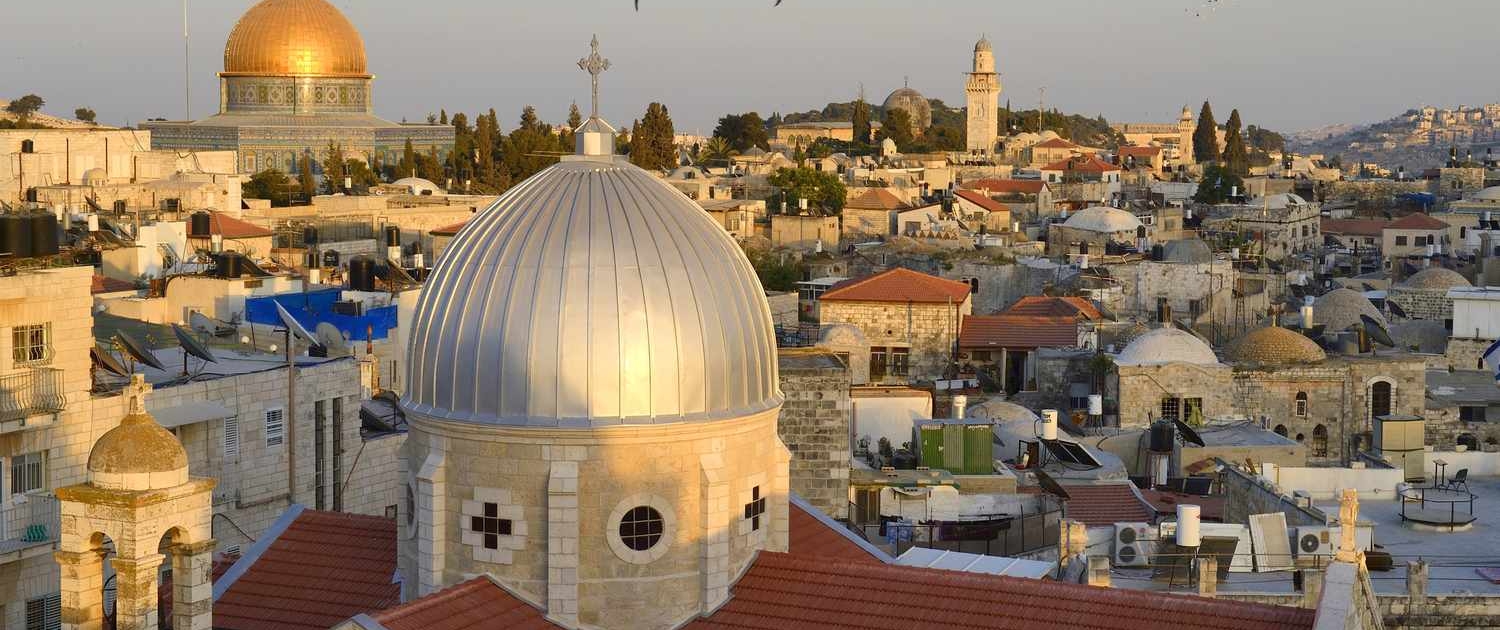
Faith-based travel is growing well beyond Israel, with Greece, Türkiye, Britain, Ireland, France, Portugal, Spain, and Egypt drawing travelers who want to walk where their faith’s story unfolded. These journeys blend worship, history, and culture, and the best ones are planned so every traveler can simply be present.
The Trip You Have Been Waiting to Take
For many travelers, a faith journey sits at the very top of the bucket list. It is the trip your friends and family have talked about for years, the one you want to take with your spouse for a milestone anniversary, or the one you hope to share with your grandchildren while you still can.
For a long time, that trip meant one place: the Holy Land. When regional conflict made departures from Israel unpredictable, faith travelers didn’t stop traveling. They went looking for other places where scripture, history, and devotion come alive, and what they found has reshaped faith travel for good.
Here is where faith-based travel is heading, what these journeys actually feel like, and how to plan one that lets you focus on the experience instead of the logistics.
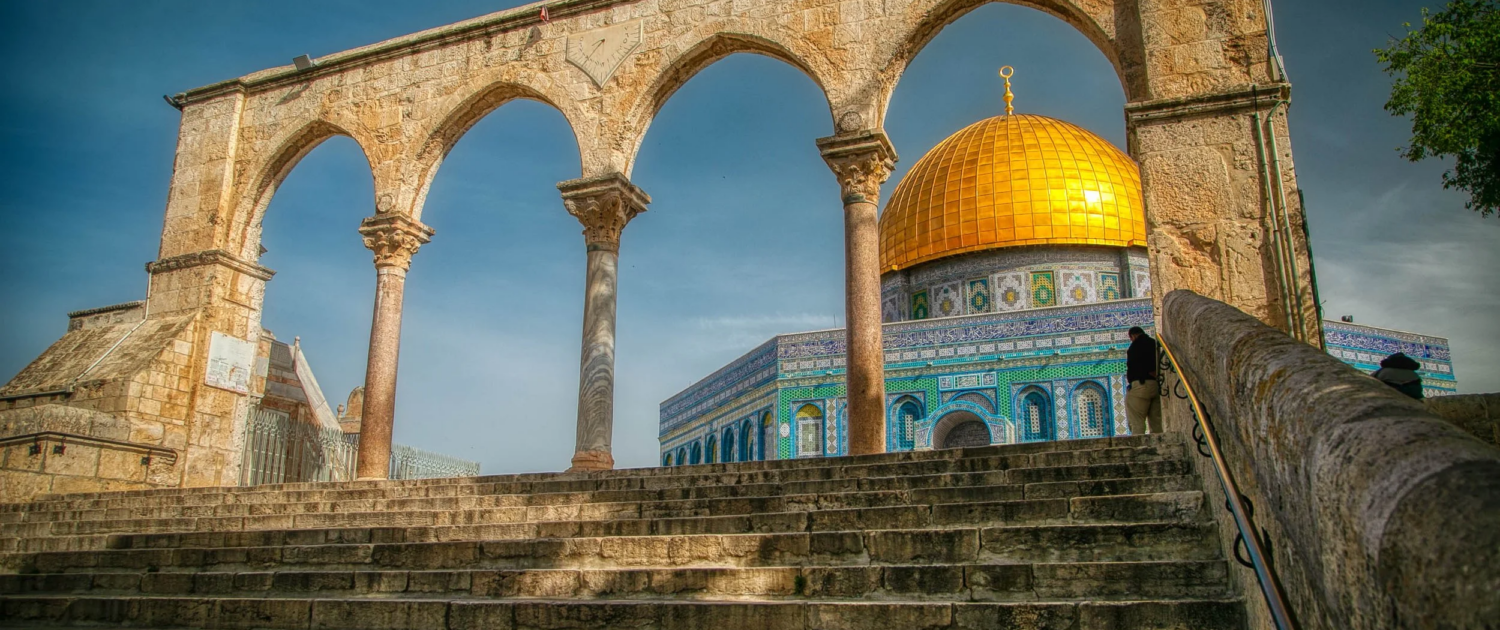
Why Faith-Based Travel Is Growing Beyond Israel
The early church’s story did not stay in Jerusalem. It traveled across the Mediterranean, through Asia Minor and Greece, into Rome, and eventually to the far edges of Europe. Pilgrims have walked to holy sites in Spain, France, Portugal, and Ireland for centuries. These places were always meaningful. More travelers are simply discovering them now.
Faith travelers are also some of the most committed travelers we work with. When a trip carries spiritual significance, people plan for it, save for it, and show up. That dedication is why faith-based tour operators expanded into new destinations so quickly, and why those itineraries keep growing even as Holy Land tours return.
There is another shift worth noting. Today’s faith journeys are rarely all church, all the time. The best itineraries weave worship and reflection together with local history, food, culture, and scenery, so the trip feeds the whole person.
Greece and Türkiye: Walking in the Footsteps of Paul
Greece is drawing growing interest from faith travelers, including those following the Apostle Paul’s missionary journeys. You have read his letters to the Philippians, Thessalonians, and Corinthians for years. Then you stand in the places those letters were sent.
A Journeys of Paul itinerary might include Philippi, where Acts records Lydia’s conversion and baptism, along with Thessaloniki and Berea. In Athens, you can visit the Areopagus, the rocky hill northwest of the Acropolis traditionally associated with Paul’s address to the Athenians. Ancient Corinth adds the ruins of the city where he worked as a tentmaker and taught.
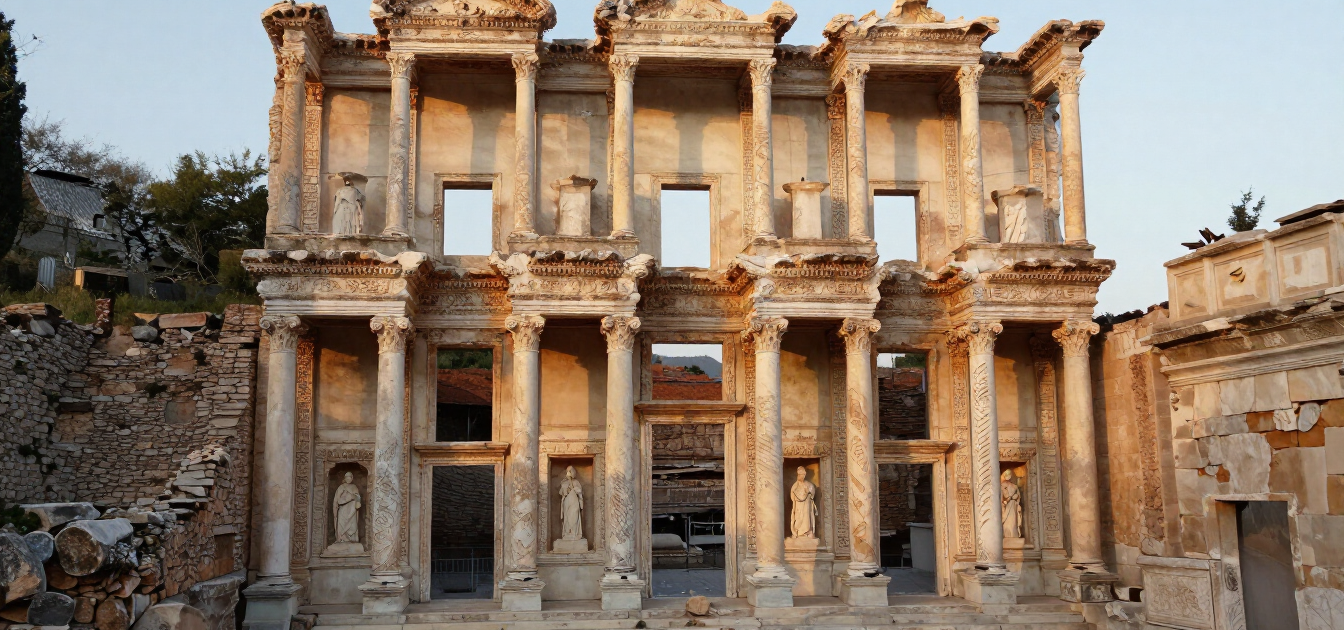
Across the Aegean, Türkiye is home to Ephesus, one of the Mediterranean’s best-preserved ancient cities, where Paul spent about three years. Nearby, tradition identifies a shrine on a wooded hillside as the House of the Virgin Mary. Travelers can combine Greece and Türkiye in a single journey.
Insider tip: the cruise add-on sells out first
Many Greece faith itineraries pair a land tour with a short cruise through the islands, often including Patmos, where tradition holds that John received the Book of Revelation. These cruise extensions sell out, and travelers who wait often miss them. If Greece is on your list, booking 12 to 18 months ahead makes a real difference.
Britain and Ireland: C.S. Lewis, John Wesley, and Celtic Christianity
Britain and Ireland have become one of the fastest-growing regions for faith travel, and they speak to a wide range of Christian traditions.
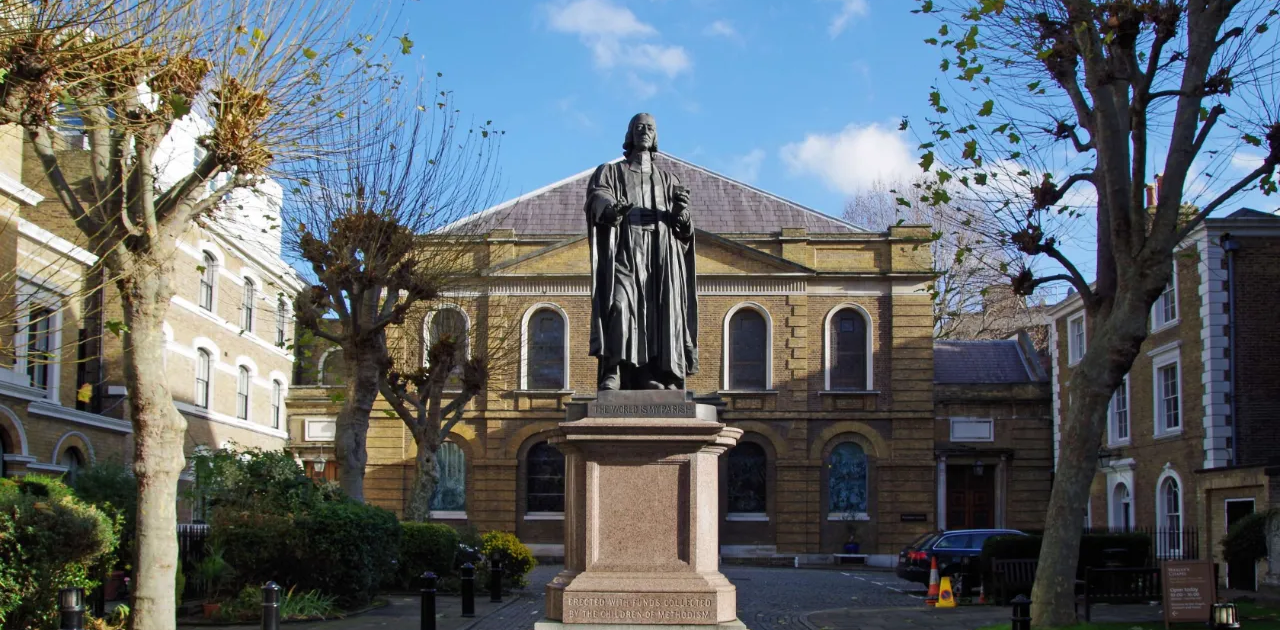
Literary pilgrims can follow C.S. Lewis from his birthplace in Belfast to Oxford, where he taught and wrote, and where he is buried at Holy Trinity Church in Headington Quarry. Methodists and church history lovers can visit Wesley’s Chapel in London, where John Wesley preached and is buried. In Scotland, the small island of Iona, where St. Columba founded a monastery in the sixth century, remains a place of deep quiet for visitors of every background.
Ireland adds the St. Patrick trail, the monastic ruins of Glendalough tucked into a wooded valley in the Wicklow Mountains, and a rich Catholic heritage that makes it a natural fit for parish groups. Between site visits, there is time for castles, coastal drives, and long dinners where nobody is in a hurry.
France, Portugal, and Spain: Europe’s Great Pilgrimage Routes
For Catholic travelers, Europe’s Marian shrines carry enormous meaning. The Sanctuary of Our Lady of Lourdes, in the foothills of the French Pyrenees, welcomes millions of pilgrims each year, and the evening candlelight procession during pilgrimage season is the kind of moment travelers describe for years afterward.
In Portugal, the Sanctuary of Fátima marks the place where three shepherd children reported seeing the Virgin Mary in 1917. I have been to Fátima, and it stays with you. A smooth path runs across the vast open plaza, and pilgrims travel it on their knees to the small Chapel of the Apparitions, often to fulfill a promise or carry a prayer. On our visit, we watched a woman make that journey in tears, carrying something heavy enough that she had come all this way to lay it down. Nobody hurried her. Nobody looked away. No itinerary can promise a moment like that, and that’s why faith journeys stay with people for the rest of their lives.
Spain is home to the Camino de Santiago, the ancient pilgrimage route that ends at the Cathedral of Santiago de Compostela. The Camino no longer requires a heavy backpack and a bunk in a crowded hostel. Guided versions let travelers walk meaningful stretches each day while luggage moves ahead, comfortable hotels wait at night, and a guide brings the history of every chapel and village to life. Walk the final 60ish miles to earn your Compostela, the certificate pilgrims receive at the journey’s end.
Insider tip: pair Fátima with the Portuguese Camino
The Portuguese route of the Camino begins in Porto, making it easy to spend a few days in Fátima before setting out on a guided walk to Santiago. It is one of our favorite ways to combine two pilgrimages in one trip.
Rome, Egypt, and Beyond
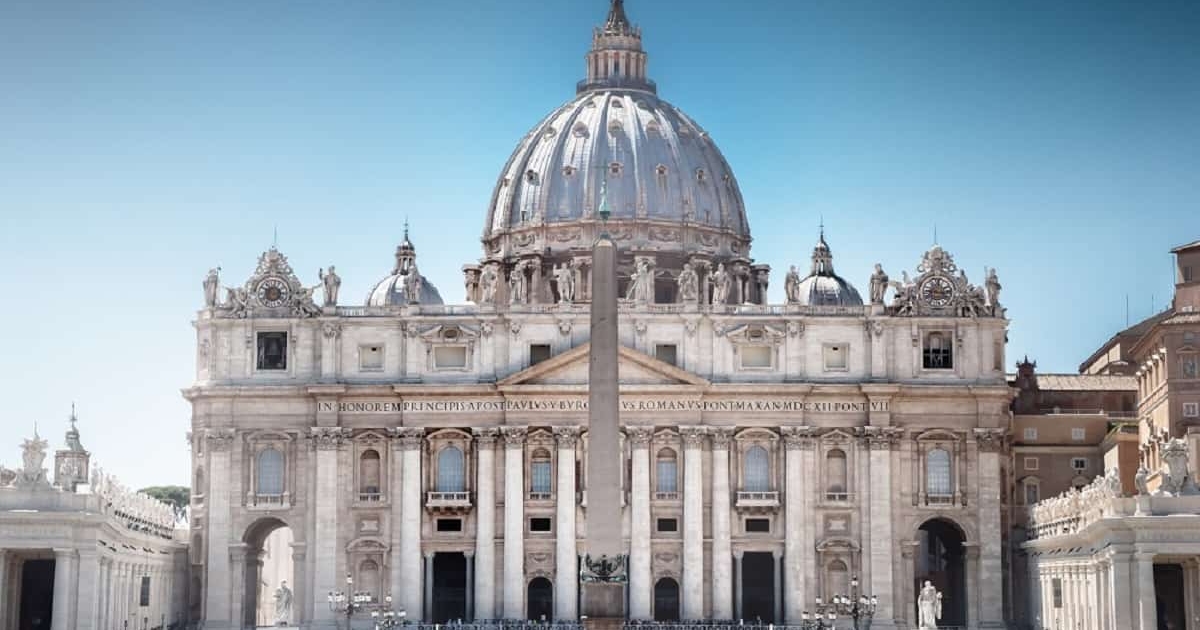
Rome remains the heart of Catholic travel, and the 2025 Jubilee Year drew pilgrims from around the world to the Eternal City. Add Assisi, the hill town of St. Francis, for a slower and more contemplative counterpoint to Rome’s energy.
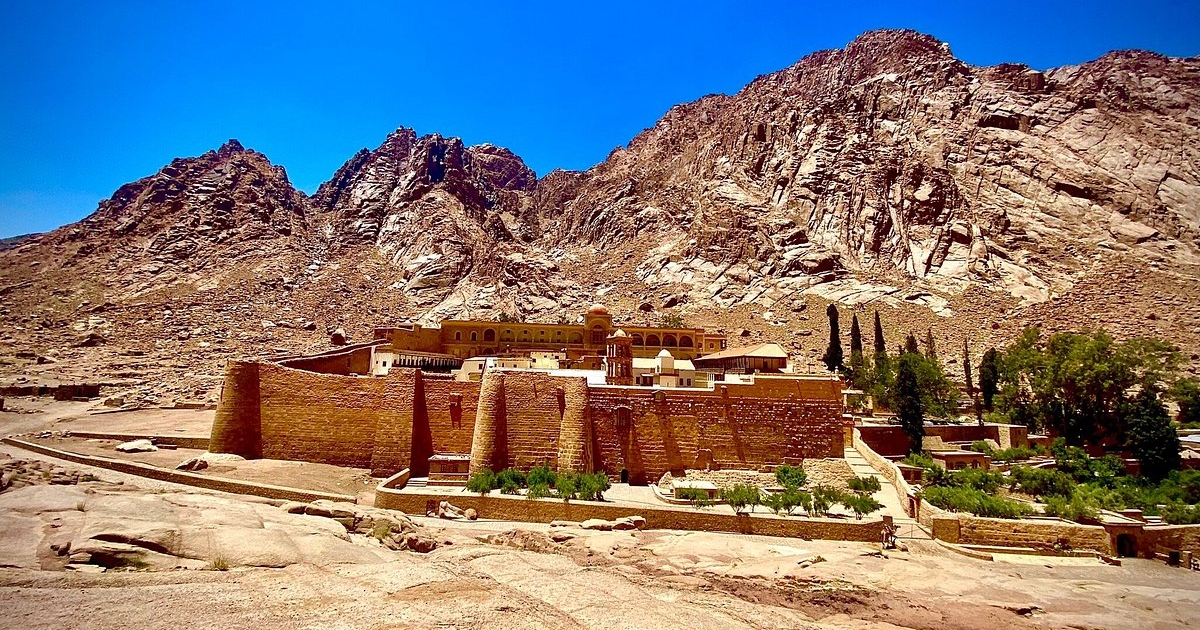
Egypt is also rising with faith travelers. Coptic Cairo holds churches built along the route tradition says the Holy Family traveled during their flight into Egypt, and St. Catherine’s Monastery at the foot of Mount Sinai is one of the oldest working Christian monasteries in the world.
Closer to home, the Basilica of Our Lady of Guadalupe in Mexico City is one of the most visited Catholic sites on earth. Many travelers with Hispanic and Latino roots find that a pilgrimage there connects them with both their faith and their family heritage.
For river cruisers: Europe’s cathedrals by water
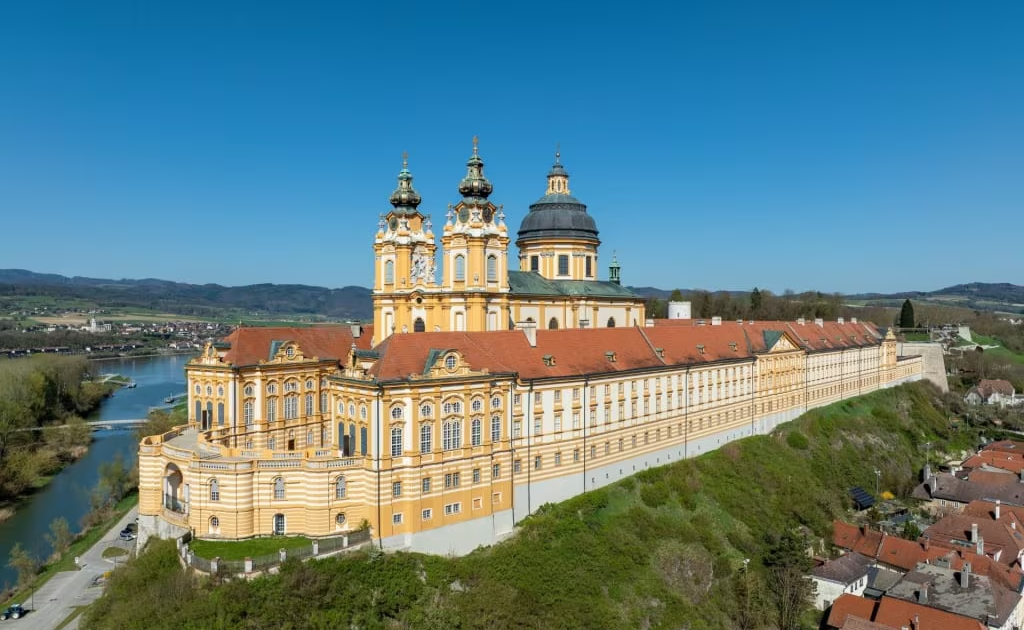
A Rhine or Danube river cruise can be a quietly beautiful faith journey. Rhine itineraries can include Cologne Cathedral, Speyer, and Worms, where Martin Luther stood before the emperor in 1521. On the Danube, you can visit St. Stephen’s Cathedral in Passau and the Baroque splendor of Melk Abbey. You unpack once, and the cathedrals come to you.
More Than a Tour: What a Faith Journey Feels Like
Travelers are often surprised by how much a faith journey offers beyond church visits. A South Africa itinerary might pair safari days and Cape Town with time in local congregations and conversations about reconciliation and justice. A Greece trip includes long lunches by the water. A journey through Britain might include afternoon tea and a drive through the Scottish Highlands.
These trips stand out for moments built for reflection: a devotion on a hillside in Philippi, a group communion service at an ancient site, an evening Mass in a centuries-old chapel, an hour to journal in a monastery garden. Those moments do not happen by accident. They are arranged, and that is where planning matters most.
Who Faith-Based Travel Is For
Church and ministry groups looking for a trip that deepens fellowship and brings scripture to life, with a leader who wants to lead the group rather than manage it.
Couples marking a milestone who want a meaningful anniversary or retirement trip, often adding a few relaxing days on a Greek island or the Irish coast at the end.
Multigenerational families who want to share their faith with children and grandchildren in the places where it began, with pacing that works for every age.
Travelers exploring their heritage, whether that means Irish Catholic roots, a Methodist upbringing, or a family devotion to Our Lady of Guadalupe.
What About the Holy Land?
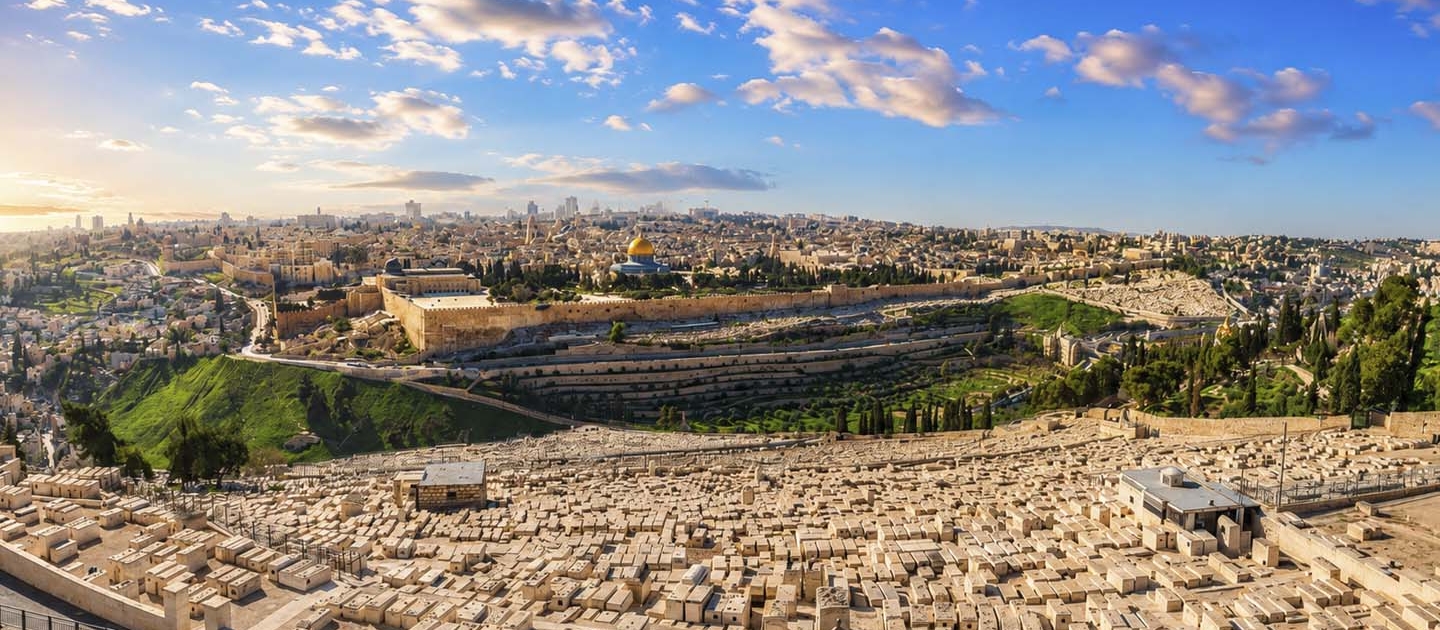
For many Christians, Israel is the ultimate pilgrimage, and nothing fully replaces standing in Jerusalem or on the shore of the Sea of Galilee. Holy Land tours are returning as flights resume and traveler confidence rebuilds, and demand to go back is strong. If Israel is your dream trip, we are happy to talk through current conditions, timing, and which departures make sense for you or your group.
And if you would rather begin somewhere else, the destinations above offer a profound journey in their own right. Many of our travelers find that one faith journey leads naturally to the next.
Let Us Handle the Details So You Can Be Present
A faith journey asks something of you spiritually. It should not also ask you to juggle hotels, transfers, timed entries, and a group with different walking abilities. At Wishes and Waves Luxury Travel, we believe luxury begins the moment you no longer have to think about the logistics.
We match you with faith-based tour partners whose guides understand each site’s history and spiritual significance. We carefully consider pacing and walking levels so no one gets left behind. We arrange worship, Mass, communion, or devotional time wherever possible. For group leaders, we handle the deposits, rooming lists, and endless questions, so you can focus on your people.
Start with Greece
If Paul’s footsteps are calling you, download our free Greece Planning Guide and start dreaming about the islands, ancient sites, and the trip you have been waiting to take.
Ready to talk about your faith journey, whether it is Greece, Ireland, the Camino, or the Holy Land? Contact us here at Wishes and Waves Luxury Travel. We would love to hear what this trip means to you, and we will take it from there.
Frequently Asked Questions
What is faith-based travel?
Faith-based travel is any trip built around religious or spiritual meaning. That includes pilgrimages, biblical history tours, visits to sacred sites, and itineraries that weave worship and reflection into sightseeing. Faith travel welcomes every tradition, though most North American travelers book Christian or Catholic journeys.
Where can we go for a faith-based trip besides Israel?
Greece and Türkiye are the most popular choices right now, especially itineraries that follow the Apostle Paul. Rome and Assisi remain essential for Catholic travelers. Lourdes, Fátima, and the Camino de Santiago offer classic European pilgrimages. Britain and Ireland suit Protestant, Methodist, and Catholic groups alike, and Egypt and Mexico City round out the options.
Do we have to travel with a church group?
No. You can join a hosted group departure, travel privately with your spouse or family, or let us design a custom journey around the sites that matter most to you. If you lead a congregation or ministry, we can also help you build and fill your own group trip.
How physically demanding are these trips?
It depends on the itinerary. Ancient sites like Ephesus and Corinth involve uneven stone paths and steps, and Camino walking days can be long. We consider your group’s pace and mobility before recommending anything, and many itineraries offer shorter walking options or built-in rest days.
How far in advance should we book?
For groups, 12 to 18 months ahead is ideal, especially for Greece, where island cruise extensions sell out early. Travel around Easter and other major feast days also books quickly. Couples and families traveling on their own can often book 9 to 12 months out and still find good availability.