Tag Archive for: Mediterranean travel

The Amalfi Coast is one of the most dramatic and rewarding destinations in Italy, but it punishes poor planning like almost nowhere else. This insider guide covers what the travel brochures leave out so you can experience the real coast, not just the Instagram version.


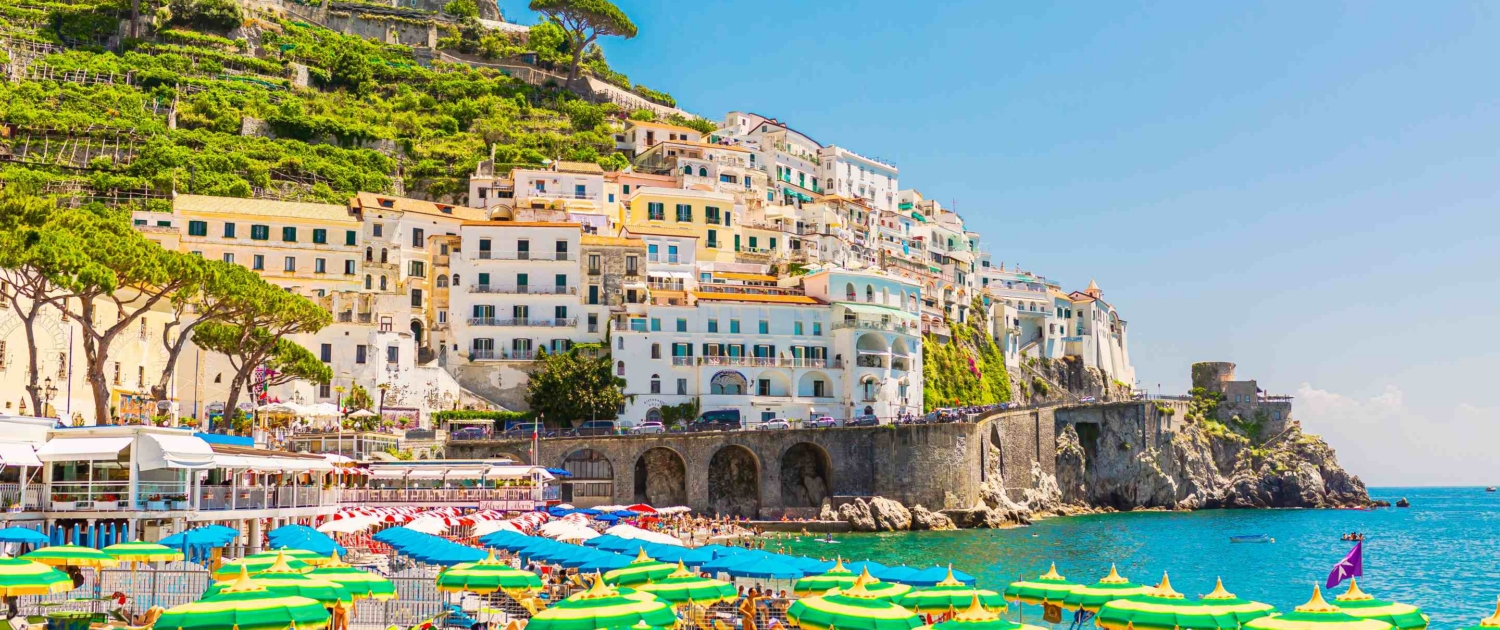
There’s a version of the Amalfi Coast that exists in travel photography. Whitewashed buildings cascading down cliffs into impossible blue water. Lemons the size of your fist. Tables on terraces above the sea.

That version is real. We’ve seen it with our own eyes.

There’s also a version involving a gridlocked cliff road, a bus that won’t stop because it’s already full, and a ferry that just got cancelled due to wind. That version is equally real, and it’s the one you’ll encounter if you show up without a plan.

Here’s how to experience the Amalfi Coast the right way.

Understanding the Coast: Thirteen Towns, Not Two

Most visitors see Positano and Amalfi town and go home thinking they’ve done the coast. They haven’t.

The Amalfi Coast stretches across thirteen towns, and the ones most tourists never reach are often the most rewarding.

Positano

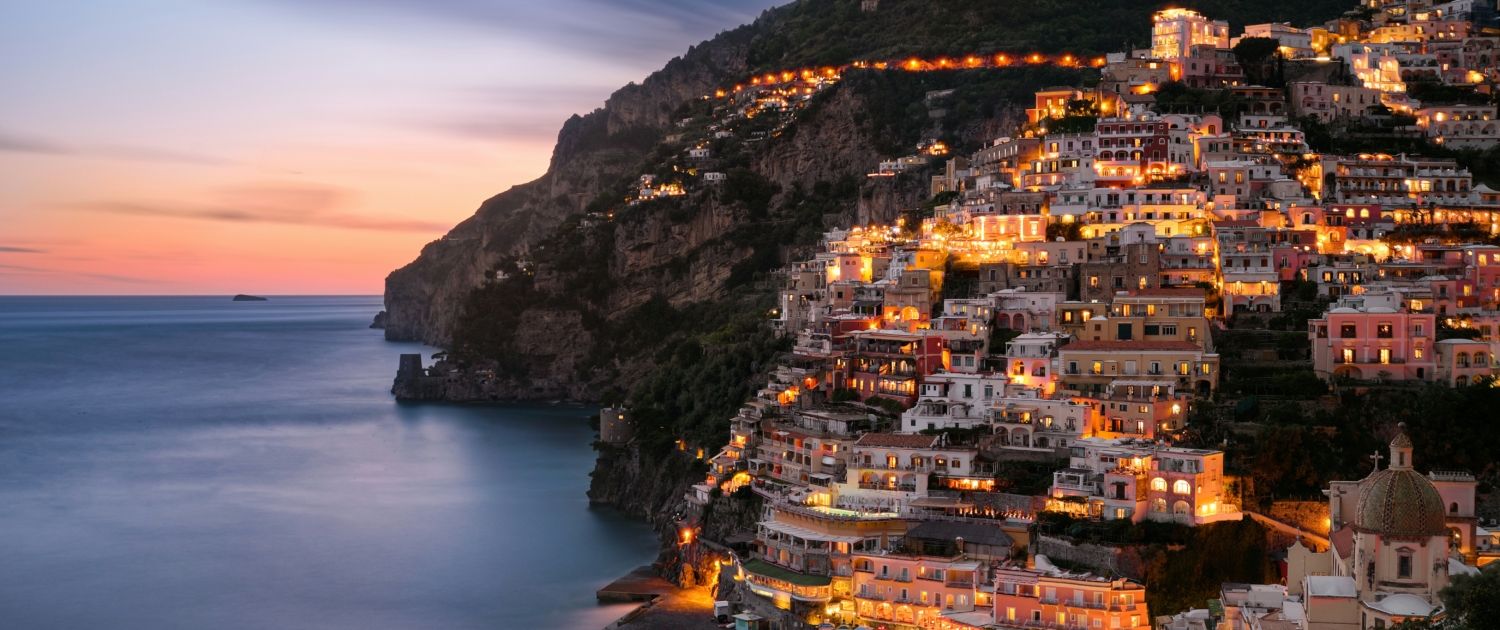
The most photographed town in southern Italy for good reason. The cliffside cascade of pastel buildings is genuinely extraordinary. It’s also the most expensive, the most crowded, and the least representative of what the coast actually is. Plan one full day here, enjoy it for what it is, and use it as your base for day trips rather than your entire trip.
Amalfi

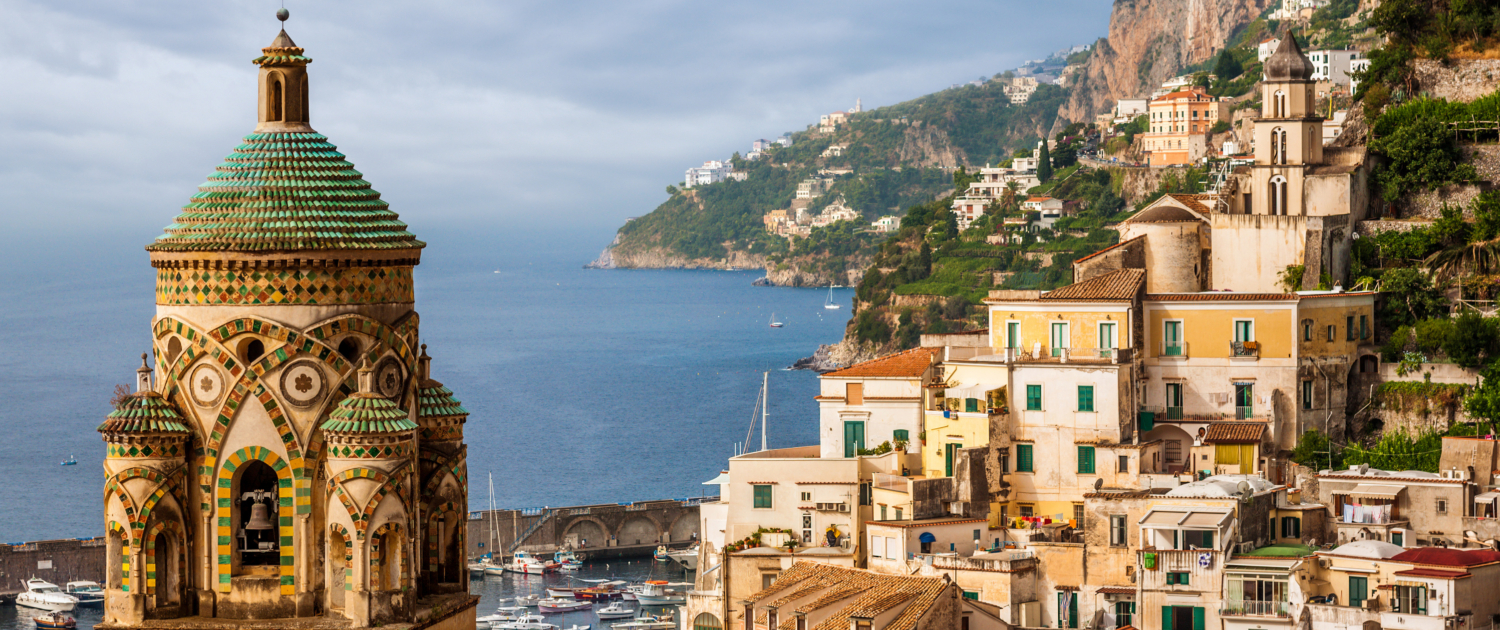
Has a real historic cathedral, the Duomo di Sant’Andrea, that most visitors walk past without going inside. The interior is stunning. The town behind the waterfront piazza has narrow streets, pastry shops, and a paper museum that tells the story of the region’s medieval papermaking tradition. Worth a half day beyond the main square.
Ravello

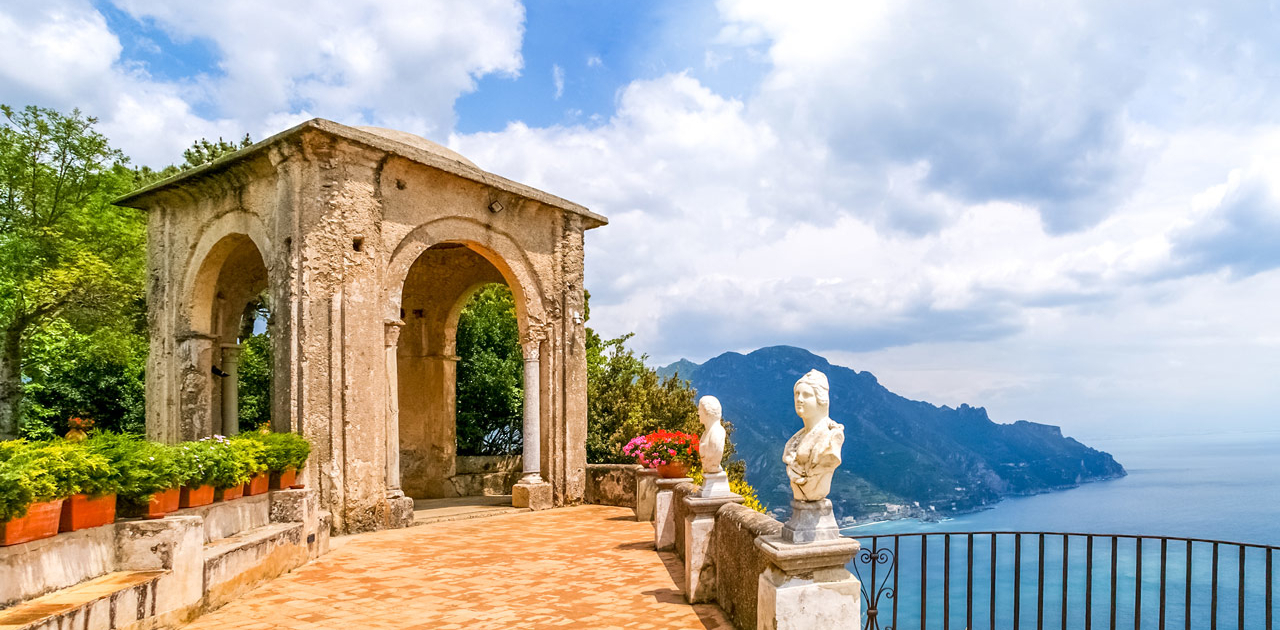
Sits 350 meters above the sea and operates in a different atmosphere entirely. Villa Cimbrone and Villa Rufolo both have gardens that belong among the finest in Italy. The views from the Belvedere of Infinity at Villa Cimbrone on a clear morning are among the best views in Europe. Ravello is quiet, relatively uncrowded, and genuinely special.
Atrani

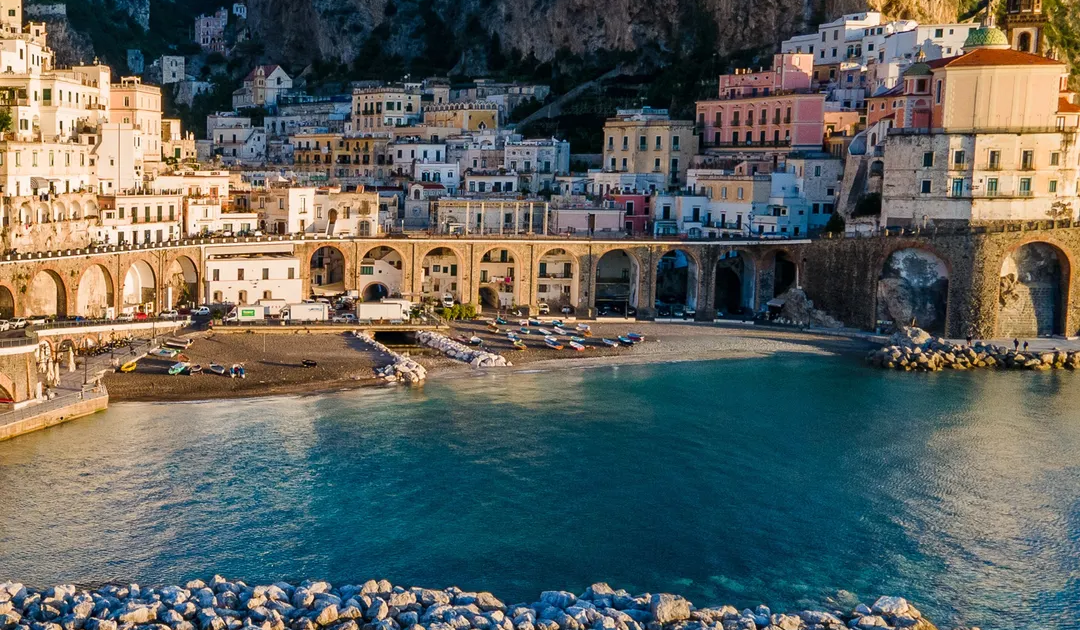
Two minutes on foot from Amalfi and almost nobody goes there. It has a free beach, a real piazza where locals actually sit in the evening, and restaurants without tourist markups. This is what the Amalfi Coast looked like before tourism arrived.
Cetara

The food town of the coast. Its colatura di alici, an amber fish sauce made from anchovies, is one of the great regional condiments of Italian cooking. The tuna is exceptional. Prices are a fraction of Positano. If you eat one truly memorable meal on the Amalfi Coast, there’s a good chance it’ll be in Cetara.
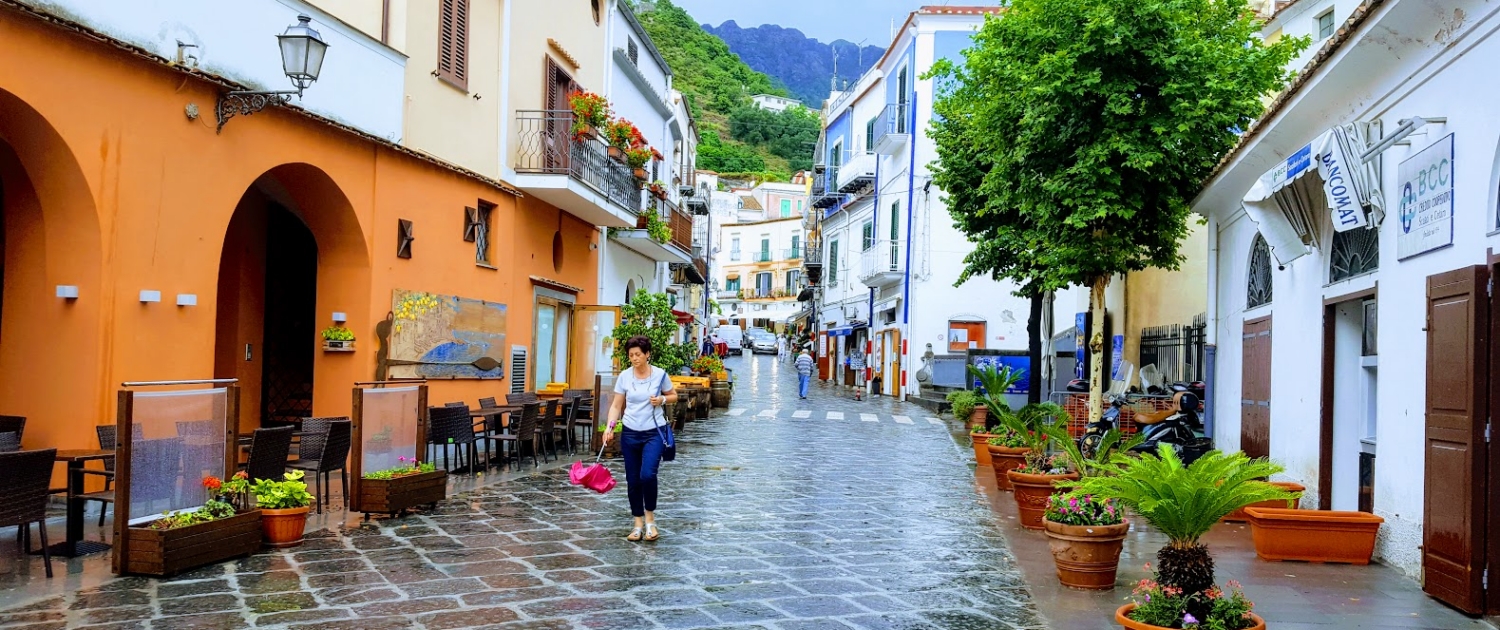
Minori and Maiori

Have the flattest, widest stretches of beach on the coast and a lived-in feel that the main tourist towns have lost. These are the towns where Italians actually vacation.
Getting There Without Losing Your Mind

The nearest major transport hub is Naples. From Rome, the high-speed train reaches Naples in about 1 hour 10 minutes. From Naples, your options to the coast are ferry, SITA bus, private transfer, or rental car.
The Ferry

The most scenic option and genuinely enjoyable when it runs. The operative phrase is when it runs. Ferry services cancel without warning in anything beyond calm seas. If you’re planning a specific connection around a ferry departure, build in a backup plan.

The SITA Bus

Cheap and covers the whole coast. In peak season, buses fill to capacity at early stops. Passengers at subsequent stops are frequently left waiting for the next bus, sometimes for over an hour. Budget significantly more time than the schedule suggests.

Private Transfers

The cleanest solution for airport arrivals and departures. A private transfer from Naples airport to the coast runs around 180 euros. For a group or a family, this cost spreads across travelers and eliminates the variables of buses and ferries. For a first visit, we often recommend this for the arrival and departure legs.

Rental Cars

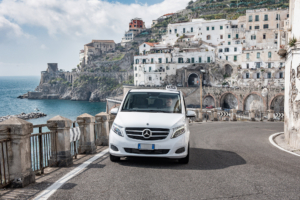
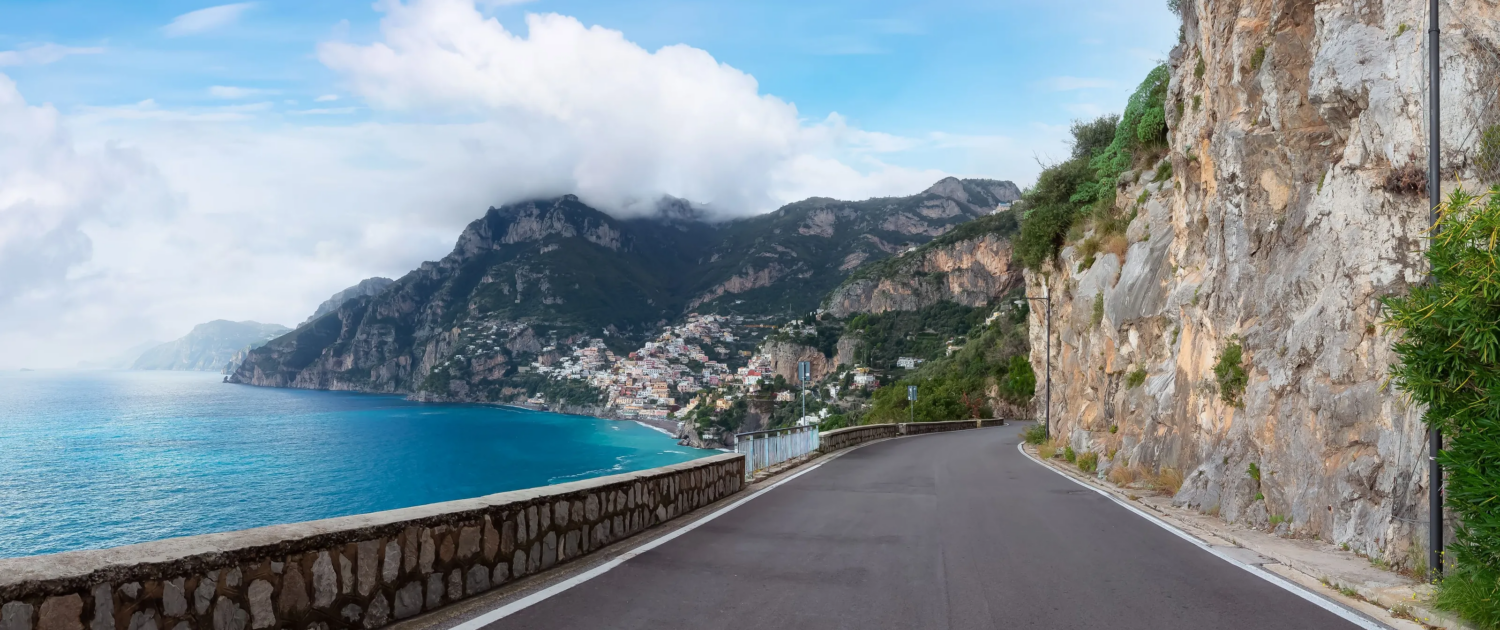
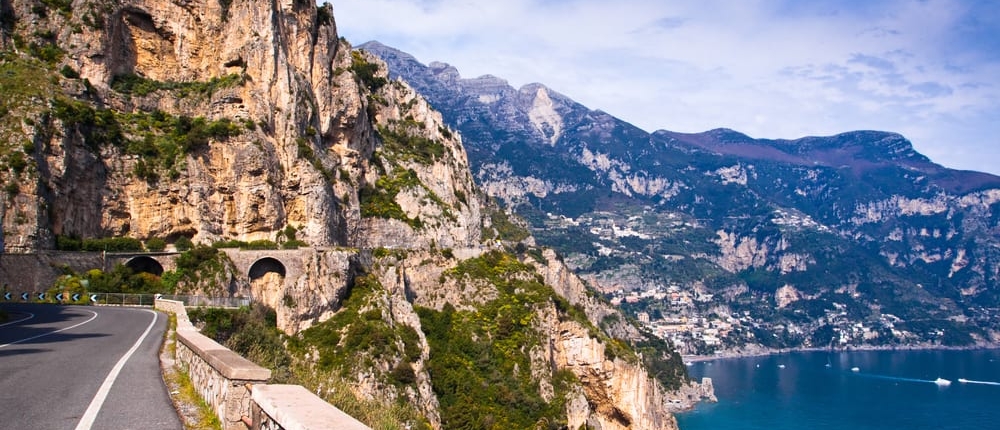
Not recommended for most travelers. The SS163, the coastal road, is a single-lane cliff road with blind bends and almost no passing options. An odd/even license plate restriction operates from Easter through September between 10am and 6pm. You won’t know your plate until you collect the car at the rental desk. If your plate doesn’t match the calendar date, you can’t drive the road during those hours. This is a rule that catches many visitors completely off guard.

The Path of the Gods: Italy’s Best Day Hike

If you’re even slightly interested in hiking, the Sentiero degli Dei (Path of the Gods) belongs on your Amalfi itinerary.

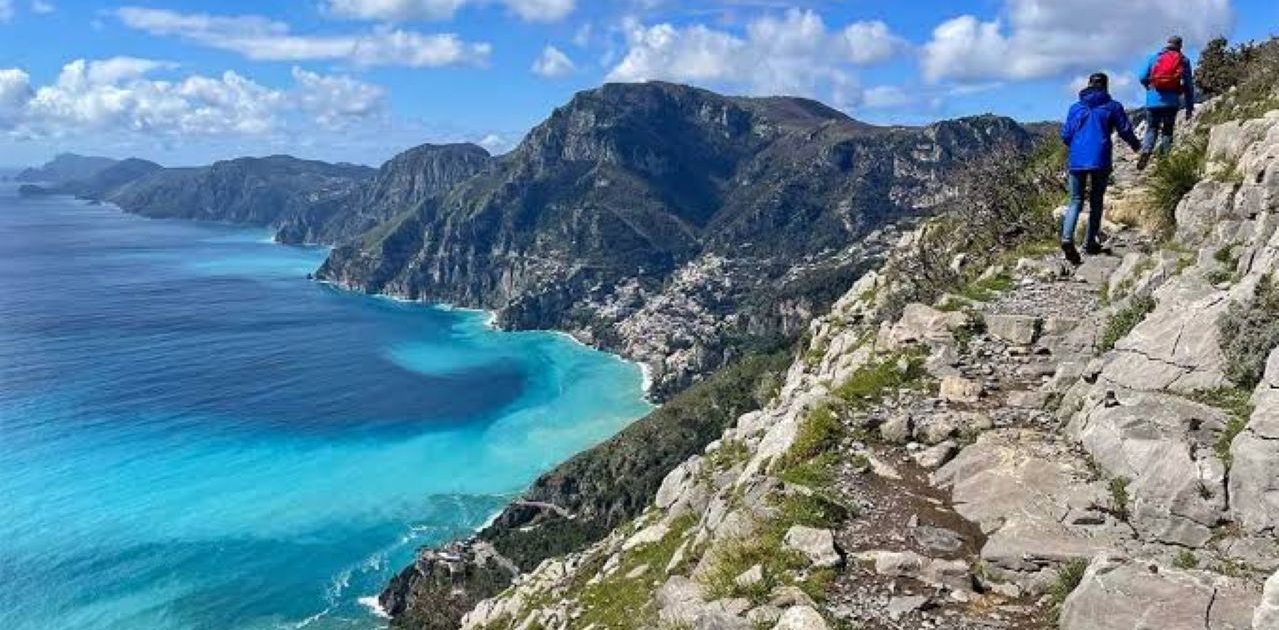
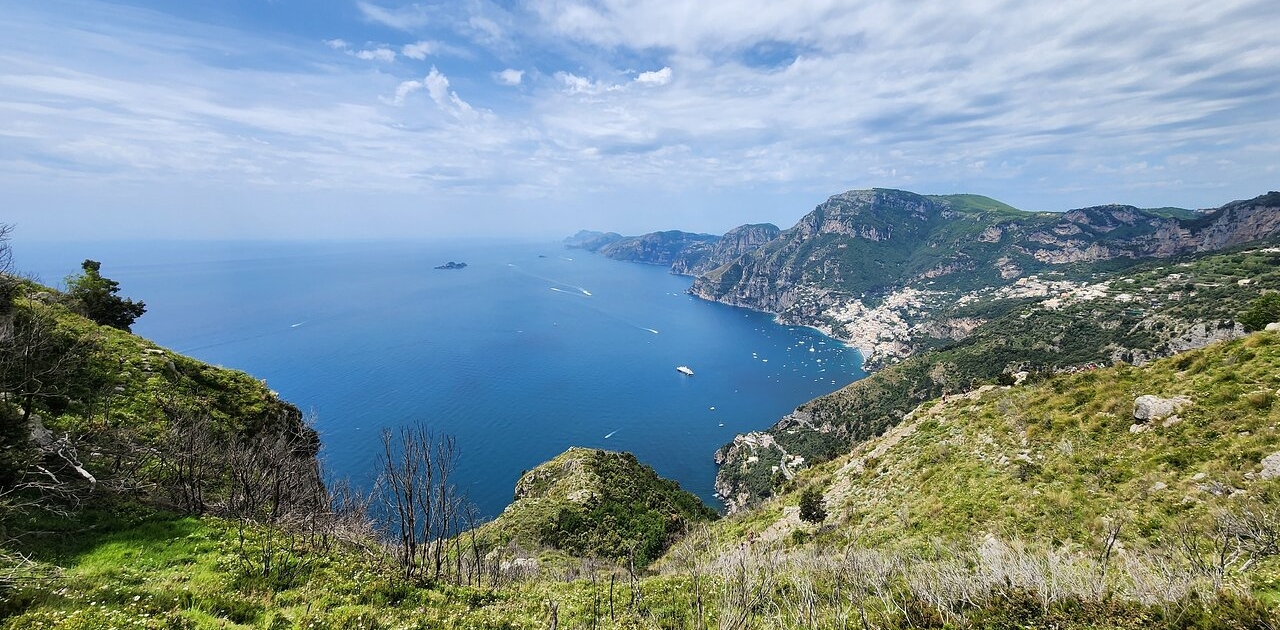
The trail runs 6.5 kilometers from Bomerano, near the town of Agerola, to Nocelle above Positano. You walk at between 500 and 630 meters above sea level with the full sweep of the coast below you, Capri visible in the distance, and the Faraglioni sea stacks rising from the water. On a clear spring morning, it’s one of the most beautiful walks anywhere in Europe.

The hike takes about 3 hours at a relaxed pace. Spring and autumn are the ideal seasons. Summer is punishing on the exposed ridge sections.

To reach the trailhead at Bomerano from Positano, you’ll take a bus to Amalfi (about 45 minutes) and then a second bus to Agerola (about 50 minutes). The trail ends at Nocelle, where 1,700 stone steps lead down to Positano. After three hours of hiking, those steps are brutal on the knees. Many people arrange a private transfer to the trailhead rather than navigating both buses, which adds roughly 50 to 80 euros to the day but eliminates a lot of uncertainty.

Book this for a weekday in May or early June. You’ll have the trail largely to yourself.
Where to Actually Eat

The food on the Amalfi Coast is as good as its reputation, but not at the restaurants with sea-view terraces and laminated menus.

Go to Cetara for the anchovies and tuna. The colatura di alici is available in small bottles at local shops and makes one of the best edible souvenirs in Italy.

In Amalfi itself, walk two streets back from the waterfront. The tourist markup drops significantly and the quality goes up.

In Positano, if you want a real meal rather than a beautiful terrace, ask your hotel for their actual local recommendation rather than the places that show up on the first page of TripAdvisor.

The sfogliatella in Naples on your way through is non-negotiable.

When to Go

Late April through early June is the sweet spot. The weather is warm but not punishing, the ferries run reliably, the Path of the Gods is at its best with spring wildflowers, and the crowds are manageable.

Mid-September through October is the other ideal window. Temperatures cool, summer crowds thin out, and prices drop noticeably.

July and August are the most expensive, most crowded, and most logistically stressful months. If summer is your only option, book everything well in advance and plan your days around early morning starts before 9am and stay local after 6pm. The real coast only shows itself during those windows anyway.

What to Budget

Positano and Amalfi town: Plan for $250 to $500, per person per day, covering accommodation, meals, transport, and activities.

Using quieter eastern towns as a base: You can bring this down to $150 to $200, per person per day while still accessing everything the coast offers.

Key cost items to plan for: Private transfer from Naples (around $180 one-way for a private vehicle), sunbed rentals at Positano’s main beach ($60 to $70, per day), the ferry for a day trip to Capri ($20 to $30 euros per person each way), private transfer to Path of the Gods trailhead ($50 to $80).

Our Honest Advice

The Amalfi Coast genuinely delivers. The drama of the cliffs, the quality of the food in the right places, Ravello’s gardens above the sea, the Path of the Gods at dawn, an evening in Atrani when the tourists have gone. This is a place that justifies the hype.

It also requires more of you than most Italian destinations. The gap between a great trip and an exhausting one here is almost entirely down to planning. Come with a loose itinerary, build in flexibility for ferry cancellations, base yourself somewhere quieter than Positano for at least part of your stay, and spend one full day just driving east past Amalfi to see what the rest of the coast actually looks like.

We’ve done the legwork on this one. If you want a curated, stress-free Amalfi itinerary that balances the iconic with the authentic, reach out to us today. We’d love to help you plan it.

FAQs: Amalfi Coast Travel

How many days do you need on the Amalfi Coast?

We recommend a minimum of 4 nights to do it justice. Five to six nights allows you to explore beyond the main tourist towns, hike the Path of the Gods, and take a day trip to Capri or Pompeii without feeling rushed.

What’s the best base town on the Amalfi Coast?

It depends on your priorities. Positano is the most glamorous but the most expensive. Amalfi town offers better transport connections in every direction. For a quieter, more affordable base with easy access to the whole coast, Maiori or Minori are excellent choices that most travel advisors don’t mention.

Is the Amalfi Coast worth it?

Genuinely, yes. But it’s worth it proportionally to how much planning you put in. The travelers who come away disappointed are almost always the ones who expected effortless luxury. This is a destination that rewards preparation.

Can you visit Pompeii from the Amalfi Coast?

Yes, and it’s an excellent day trip. Take the ferry or bus to Sorrento, then the Circumvesuviana train to Pompeii Scavi (about 30 minutes). Plan for at least 3 to 4 hours at the site. Book your Pompeii tickets online in advance.

Is Capri worth a day trip from the Amalfi Coast?

Yes, particularly if you take the early ferry and leave before the afternoon crowds arrive. The Blue Grotto is best visited in the morning light. The chairlift to Monte Solaro above Anacapri offers some of the best views in the Mediterranean. Budget 150 to 200 euros per person for a Capri day including ferry, transport on the island, and meals.

What should I know about driving the Amalfi Coast?

If you rent a car, understand the odd/even license plate restriction before you arrive. It operates on the SS163 from Easter through September between 10am and 6pm. Odd plates drive on odd calendar dates. Even plates drive on even dates. You won’t know your plate until you collect the car. For most first-time visitors, we recommend private transfers or public transport over self-driving.
Both Cinque Terre and the Amalfi Coast are genuinely stunning, but they deliver completely different experiences at completely different price points and stress levels. This guide breaks down every real difference so you can choose the one that actually fits your trip.


If you’ve spent any time researching an Italy itinerary, you’ve landed on this exact debate. Both destinations are on every ‘bucket list Italy’ roundup. Both show up in the same dreamy travel photos. And both will absolutely disappoint you if you arrive expecting the wrong thing.

We’ve visited both. Here’s the honest breakdown.

Getting There: One Is Easy, One Is Not

This is where the two destinations separate immediately, and most travel blogs gloss right over it.

Cinque Terre

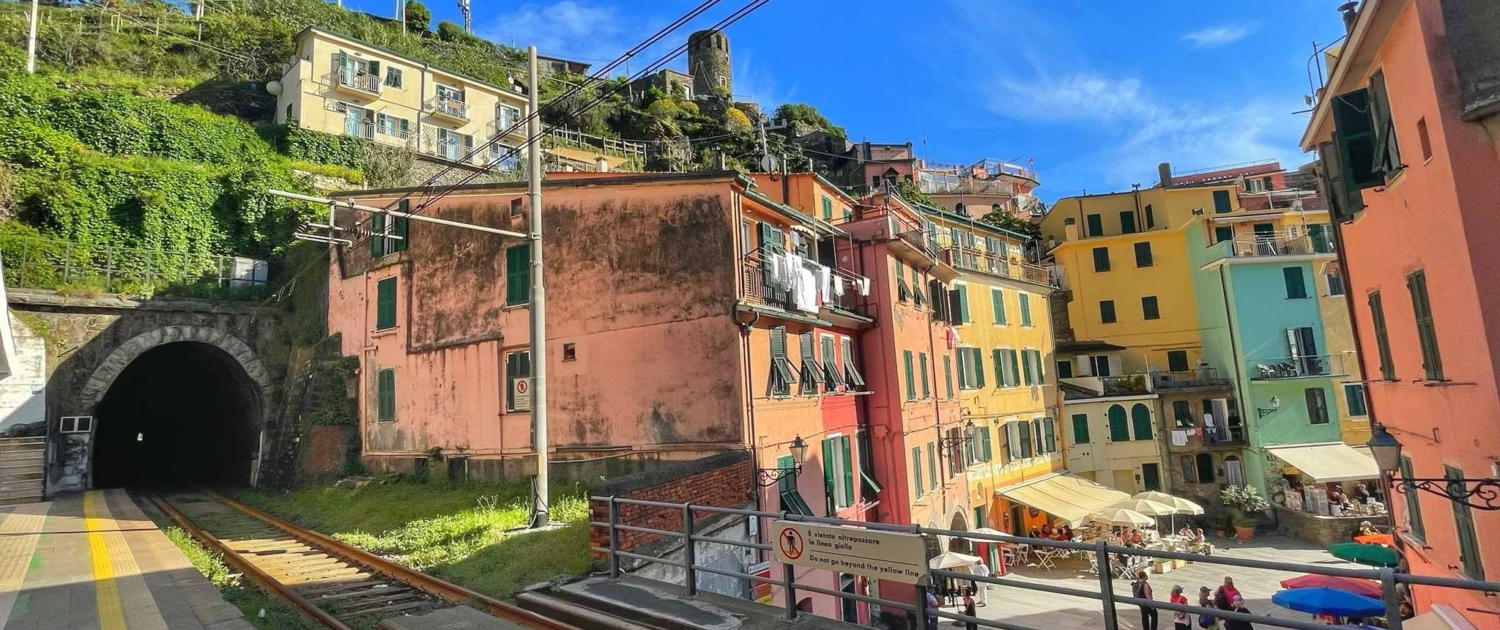
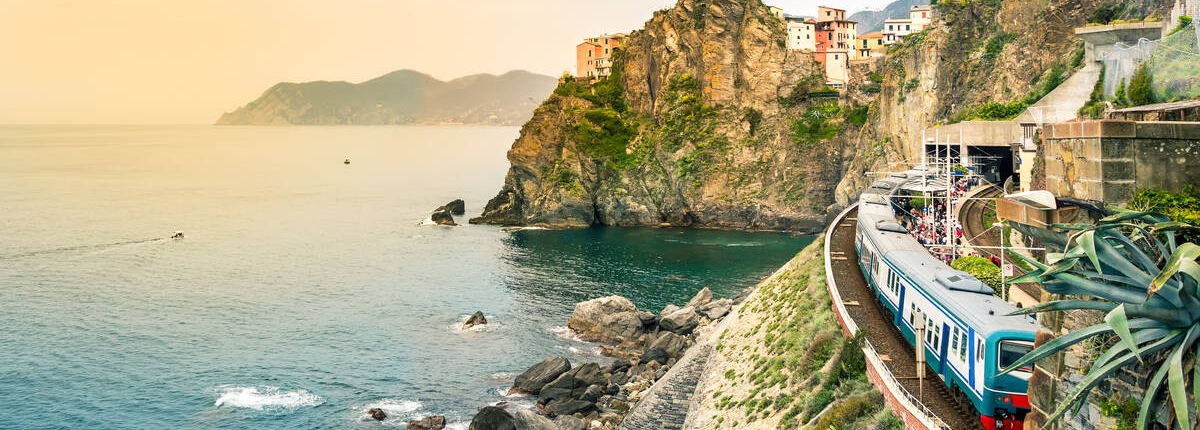
Cinque Terre is a train destination. A regional train runs through all five villages every few minutes. From Florence, you’re looking at about 2 hours and 10 minutes on a direct train to La Spezia, the regional hub. From Milan, it’s under 2 hours. You step off the train in a village. No car rental, no taxi coordination, no navigating mountain roads. It fits naturally into a northern or central Italy itinerary without adding significant travel time.

The Amalfi Coast

The Amalfi Coast is a southern Italy destination, and getting there is a project. The nearest major hub is Naples. There is no train to the coast itself. You’ll take the high-speed train from Rome to Naples (about 1 hour 10 minutes), then continue by ferry, bus, or private transfer to your specific town. Rome to Positano typically runs 3 to 4 hours total, depending on connections.

If your itinerary is already Naples-based, that’s one thing. If you’re building an itinerary from scratch, adding the Amalfi Coast adds a real commitment.

Getting Around: The Sharpest Difference Nobody Warns You About

This is where the gap becomes undeniable.

Cinque Terre is as close to logistics-free travel as Italy gets. Trains run constantly between villages. The Cinque Terre Card gives you unlimited travel on the Levanto to La Spezia line. There are no cars in the villages. Once you arrive, you stop thinking about transportation entirely.

The Amalfi Coast is one of the most logistically demanding destinations in Italy. The SS163, the coastal road, is a single-lane road carved into a cliff that was originally built for donkeys. In summer it becomes gridlocked for hours. Tour buses and private cars compete for space on blind bends. An odd/even license plate restriction runs from Easter to September between 10am and 6pm. You won’t know your rental plate until you collect the car, and violations are automatic fines.

The SITA bus is cheap and it runs, but in peak season buses fill to capacity at the first stop. Passengers at later stops are regularly left on the curb to wait for the next one, sometimes in summer heat for over an hour. The ferries are genuinely beautiful and the best way to experience the coastline, but they cancel without warning in anything beyond calm conditions. When they cancel, the buses overflow, the road gridlocks, and your afternoon plans evaporate.

Planning every single day’s movement is part of the Amalfi Coast experience. That’s either fine with you or it isn’t.

The Real Price Difference

Cinque Terre is expensive for what it is (fishing villages), but it’s manageable. A meal away from the main harbor runs about 12 to 18 euros for a main course. Using La Spezia as a base instead of staying in the villages cuts accommodation costs roughly in half. A Cinque Terre Card runs 7.50 to 15 euros depending on the day.

The Amalfi Coast operates at a fundamentally different price level. In Positano, a mid-range restaurant dinner runs about 50 euros per person. A sunbed on Spiaggia Grande costs 60 to 70 euros for the day. Hotel rooms in Positano start at 300 euros per night in season, and most decent options are above that. Taxis between towns start at 20 euros and scale up fast.

A realistic daily budget comparison:

Cinque Terre, based in La Spezia: 80 to 130 euros per person per day covering accommodation, food, transport, and activities.

Amalfi Coast in the main towns: 245 to 500 euros per person per day for a comparable experience.

If budget is a genuine consideration, these are not interchangeable options.

Beaches: Lower Your Expectations at Both

Neither destination is a beach holiday. Knowing this before you book matters.

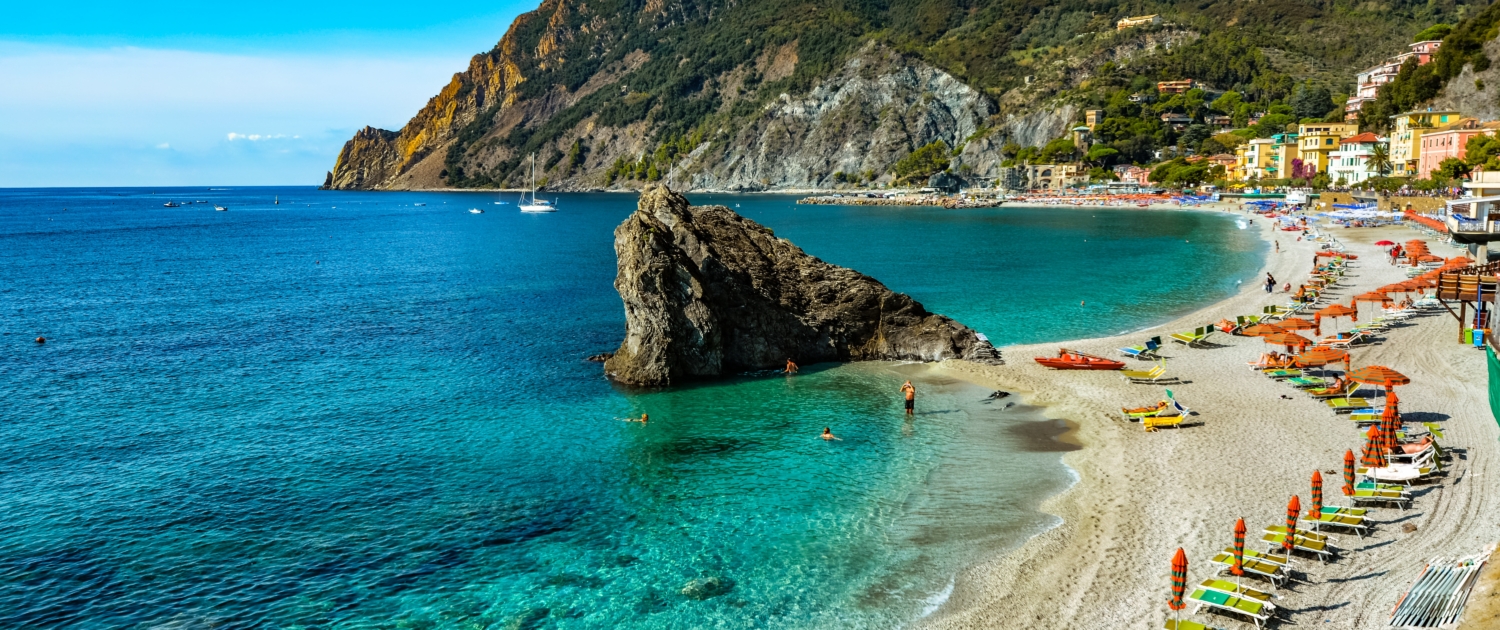
Cinque Terre has exactly one sandy beach: Monterosso al Mare. The other four villages have rocky shores, concrete platforms, and ladders into the water. Corniglia has no beach at all.

The Amalfi Coast has more variety, but the famous beaches are smaller and more expensive than the photos suggest. Positano’s Spiaggia Grande is a pebble beach. The paid sunbeds at 60 to 70 euros per day dominate it. Free sections exist but are minimal.

The best swimming on the Amalfi Coast is actually in the quieter eastern towns: Atrani, Minori, Cetara. None of them look like the Instagram version. If you want genuine sandy beaches in Italy, Sardinia, Puglia, or the Cilento coast will deliver what these two destinations promise but rarely provide.

Hiking: Both Are Great, for Different Reasons

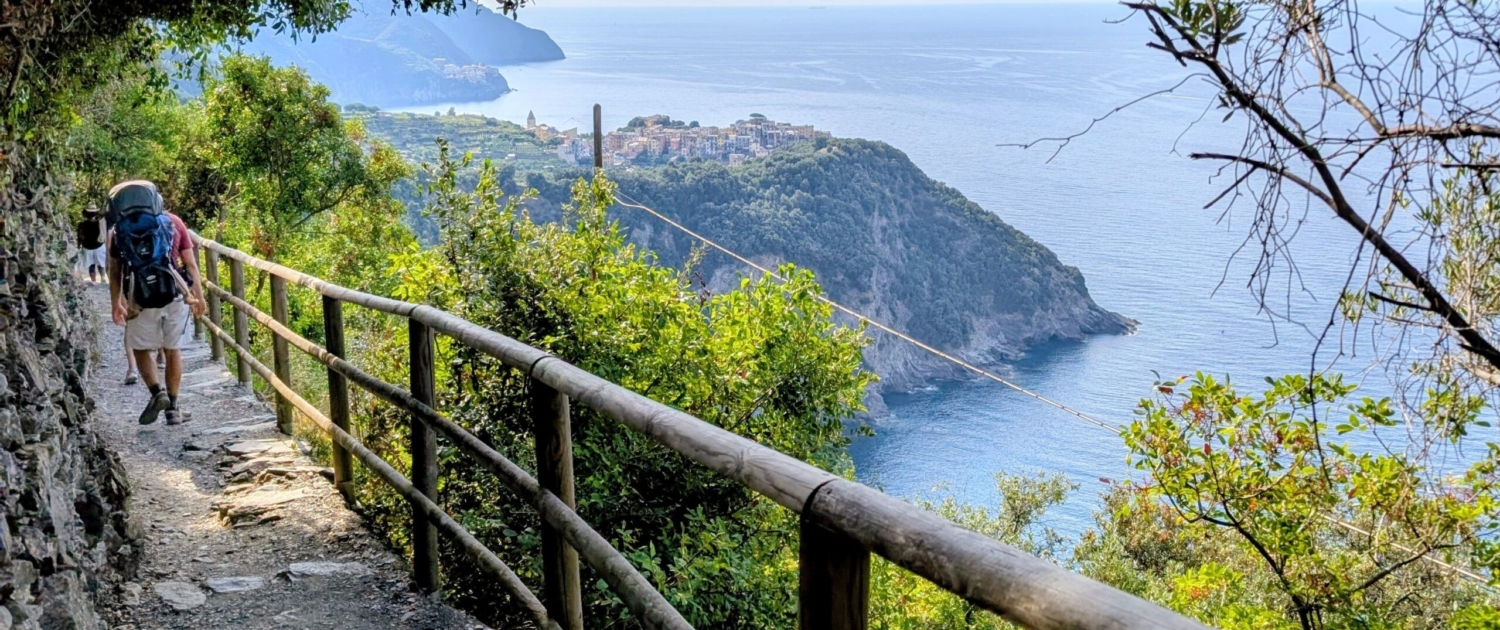
Cinque Terre hiking is straightforward to plan. The Alta Via delle Cinque Terre ridge trail requires no card and carries almost no crowds. The Levanto to Monterosso trail via Punta Mesco is free, largely empty, and offers better views than the paid coastal trail. Even the Sentiero Azzurro sections route you logically between villages with the train always available as a backup.

The Amalfi Coast’s standout hike is the Path of the Gods (Sentiero degli Dei), and it earns the name. The trail runs 6.5 kilometers from Bomerano to Nocelle above Positano at 500 to 630 meters above sea level, with views of the full coast, Capri, and the Faraglioni. It takes about 3 hours at a comfortable pace. Spring and autumn are the ideal seasons. Summer heat on the exposed sections is punishing.

The catch is logistics. Reaching the trailhead involves two separate buses. The hike ends at Nocelle, where 1,700 stone steps descend to Positano. Many hikers book a private transfer to the trailhead rather than attempting the bus combination. The Path of the Gods is one of the most beautiful walks in Italy. It just requires a full day of planning to execute.

What Each Destination Actually Is

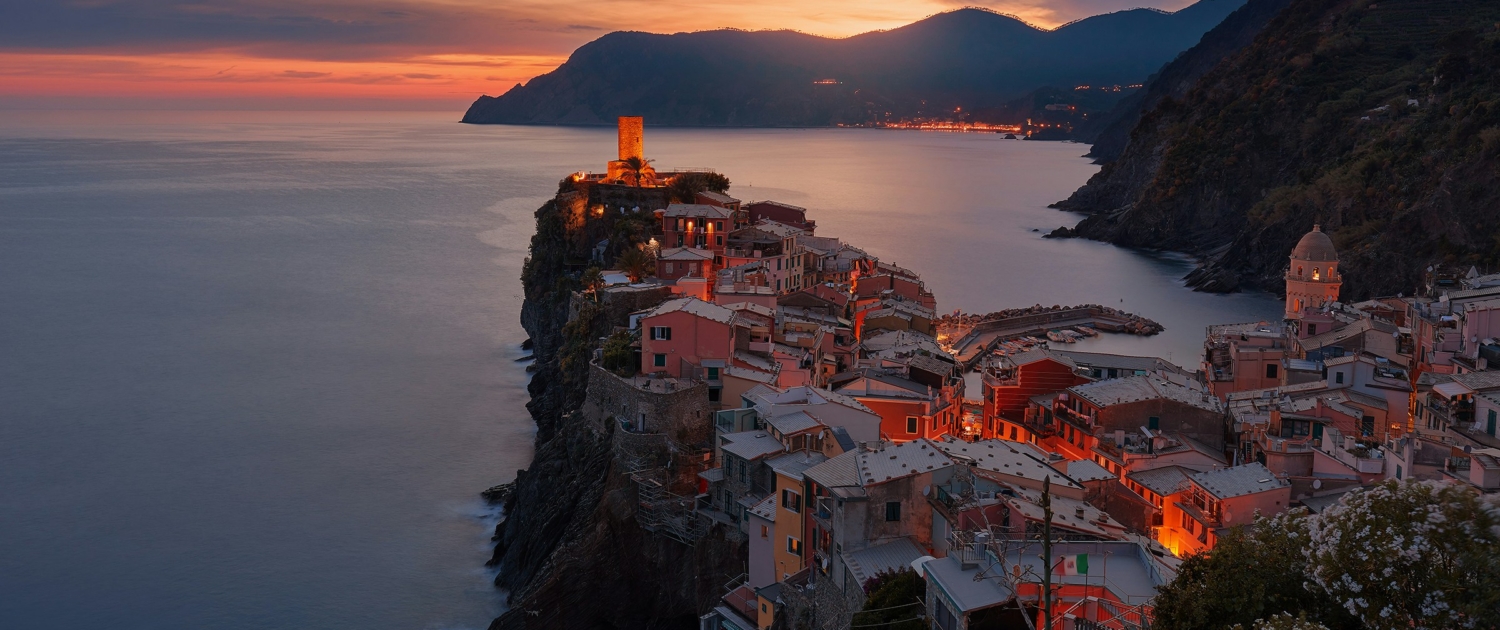
Cinque Terre is a hiking and walking destination built around five small fishing villages. The magic is the trail, the terraced vineyards, the views from the ridge, and the quiet that returns to the villages after 6pm when day-trippers leave. If you don’t hike, Cinque Terre is beautiful for a day and then starts to feel repetitive.

The Amalfi Coast is a dramatically scaled scenic coast with thirteen genuinely different towns, world-class food in the places most tourists never find, a historic cathedral in Amalfi itself, the gardens at Ravello perched 350 meters above the sea, and Capri and Pompeii both accessible by ferry or train. It rewards exploration because its real depth is beyond the famous Instagram locations.

It also punishes poor planning more harshly than almost anywhere else in Italy. The gap between a great Amalfi trip and a frustrating one comes down almost entirely to how much homework you did before you arrived.

The Bottom Line

Choose Cinque Terre if your trip is based in northern or central Italy, you want to hike, you want zero transport stress, your budget is real, or you’re traveling with children.

Choose the Amalfi Coast if your itinerary already puts you near Naples, you’re comfortable with premium costs and logistical flexibility, you want dramatic scale and multiple towns to explore, and you understand the real experience is not Positano.

First trip to Italy? Cinque Terre will give you something beautiful with almost no friction. The Amalfi Coast will give you something more dramatic, but it requires more from you to enjoy it properly. Step off a train in Monterosso and you’ll understand immediately why people love it.

Either way, we’d love to help you plan it properly. Reach out to us and let’s build the Italy trip you’ll actually want to take.

FAQs: Cinque Terre vs. Amalfi Coast

Which is better for first-time Italy visitors?

Cinque Terre is the easier introduction. You arrive by train, the villages are walkable, and logistics basically take care of themselves. The Amalfi Coast is more dramatic and more rewarding, but it requires more planning and a higher budget to enjoy well.

Which is more expensive overall?

The Amalfi Coast is significantly more expensive, particularly in Positano and Amalfi town. A realistic daily budget in the main Amalfi towns runs roughly 245 to 500 euros per person. Cinque Terre, especially if you base yourself in La Spezia, runs closer to 80 to 130 euros per person per day.

When is the best time to visit each?

For both destinations, late April through early June and mid-September through October are ideal. Summer brings the largest crowds, highest prices, and most transport stress, particularly on the Amalfi Coast.

Can you visit both on the same Italy trip?

Technically yes, but it requires significant travel time between them. They sit at opposite ends of Italy, so combining them adds logistical complexity. We typically recommend choosing one or the other and spending that extra time exploring it deeply.

Do you need a rental car for either destination?

For Cinque Terre, no. The train handles everything beautifully. For the Amalfi Coast, we’d actually caution against it for most travelers. The coastal road is extremely challenging, and the odd/even plate restriction adds a layer of risk most visitors don’t expect.

Which has better hiking?

Both are excellent. Cinque Terre’s trails are easier to access and plan around. The Amalfi Coast’s Path of the Gods is one of the most spectacular walks in all of Italy, but it requires a full day of planning and some logistical patience to execute.

Athens and the Greek Islands offer one of travel’s most satisfying combinations: world-class ancient history, impossibly beautiful scenery, and an unhurried pace that makes it easy to stay longer than you planned. Whether you are drawn by Santorini sunsets, the Parthenon, or the quiet magic of a harbor dinner, Greece delivers on every front.

Some destinations earn their reputation. Greece is one of them.

I have helped many clients plan trips to this part of the world, and the feedback is almost always the same: they wish they had stayed longer. That tells you something. This is a place that gets under your skin, not because it is trying to impress you, but because it simply is impressive. A 2,500-year-old temple. A cliffside village that looks as if it were painted by hand. A plate of grilled octopus at a table two feet from the Aegean. There is a reason Greece has been on people’s bucket lists for generations.

If you are thinking about a trip to Greece and trying to figure out how to piece it together, let me walk you through what I think is the ideal approach: start in Athens, then head to the islands. Here is how to make the most of it.

Begin in Athens: More Than Just a Layover

A lot of travelers treat Athens as a quick stop before the islands. I always recommend against that. The city deserves your full attention, even if it is just for two or three days.

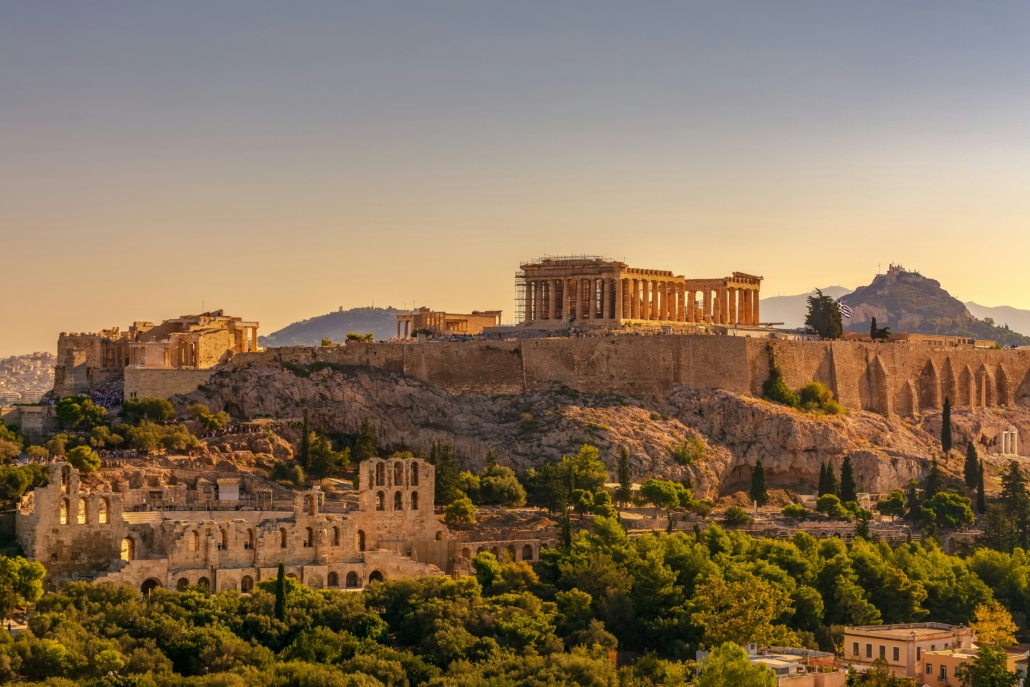
The Acropolis is the obvious starting point, and yes, it lives up to the hype. There is something genuinely disorienting about standing in front of the Parthenon for the first time. It is one of those places where history stops being abstract. Plan for a full morning up there, then head to the Acropolis Museum in the afternoon. The museum is outstanding, and the artifacts there give you a much richer understanding of what you just saw on the hill.

After that, slow down. Wander into Plaka, the old neighborhood at the base of the Acropolis. It is exactly what you are picturing: narrow stone lanes, bougainvillea spilling over doorways, tiny shops, and tavernas where you can sit outside and spend two hours over a meal without anyone rushing you. Do that. Order the lamb chops, get a carafe of local wine, and watch Athens do its thing.

One underrated neighborhood worth adding to your Athens itinerary is Monastiraki, especially on a weekend morning when the flea market is in full swing. It is a great spot to pick up something genuinely local before you head to the islands.

Santorini: The One That Lives Up to Every Photo

Yes, Santorini looks exactly like the pictures. And yes, it is still worth going.

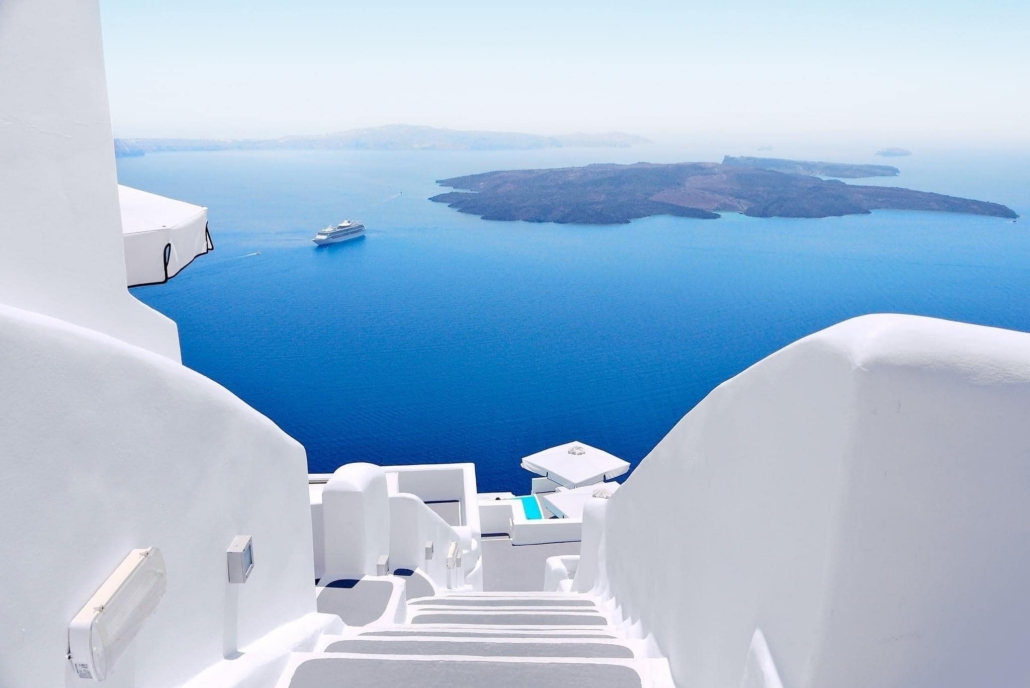
The island’s caldera views, particularly from Oia and Fira, are the kind of thing that genuinely stops you mid-sentence. Whitewashed buildings stacked against cliffs, blue-domed churches in the foreground, and a sea that shifts from deep cobalt to glittering silver depending on the light. It is relentlessly beautiful.

But here is what I tell my clients: do not spend all your time in Oia. Get out and explore. The volcanic beaches (Kamari and Perissa in particular) have a dramatic, otherworldly quality you will not find anywhere else. A catamaran cruise around the caldera is one of the best ways to experience the island, with stops for swimming in hot springs and front-row seats for the sunset from the water. It is a completely different perspective than watching from a clifftop terrace, and honestly, it might be the better one.

Pro tip: if you want the iconic Oia sunset experience without standing shoulder-to-shoulder with a thousand other people, go for sunrise instead. You will basically have it to yourself.

Mykonos: Choose Your Own Adventure

Mykonos has a reputation as a party island, which is partly true and also a bit overstated. What it actually is, is flexible. You can have an incredibly lively time here if that is what you are after. You can also have a completely relaxed, low-key experience, depending on which corners of the island you explore.

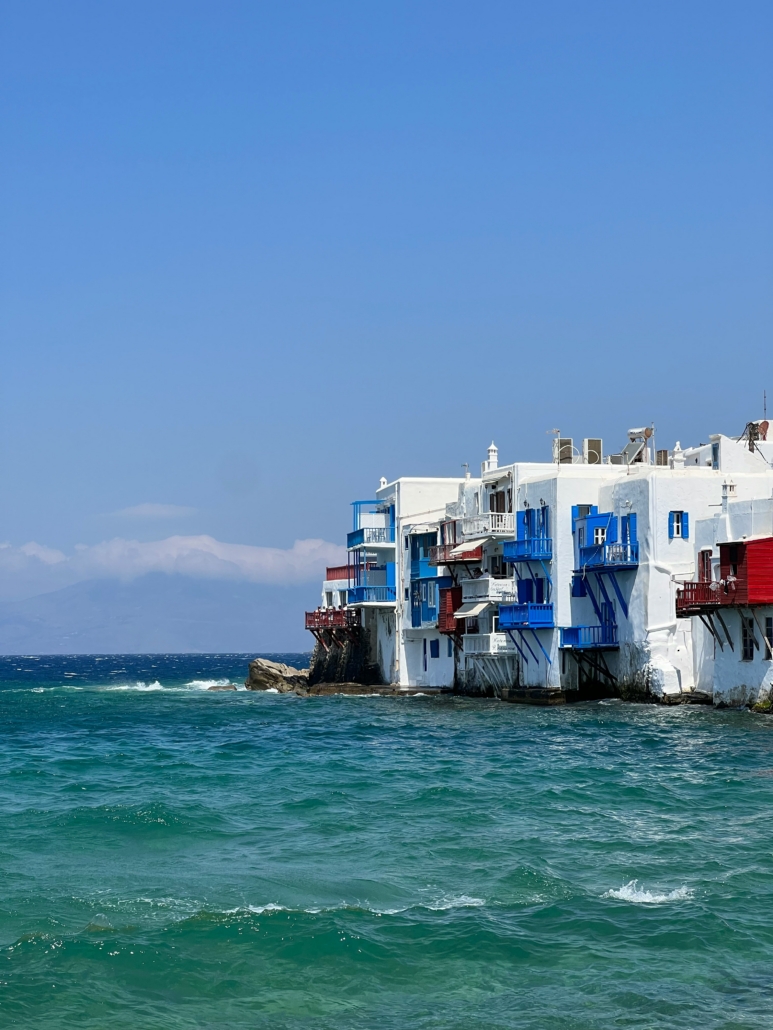
Mykonos Town, known as Chora, is charming and genuinely maze-like in the best way. The famous windmills overlook Little Venice, a row of colorful buildings that hang right over the water. You will find yourself wandering in and out of lanes, discovering small churches, boutiques, and good restaurants seemingly at random. That is exactly the right way to do it.

For beaches, Agios Ioannis and Ornos tend to be quieter and more family-friendly, while Paradise and Super Paradise draw a younger, livelier crowd. There is genuinely something for everyone here, which is why it works so well for mixed groups.

Beyond the Big Two: Rhodes, Hydra, and the Islands Worth Discovering

Santorini and Mykonos get most of the attention, but Greece has over 200 inhabited islands. A few others are worth serious consideration depending on what you are looking for.

Rhodes is one of my personal favorites. The old town is a UNESCO World Heritage site and one of the best-preserved medieval cities in Europe. You can walk along walls that knights actually walked on, explore a palace that has stood since the 14th century, and then be at a beach bar twenty minutes later. It is a genuinely surprising island.

Hydra is something else entirely. There are no cars or motorcycles on the island. None. Everything moves by donkey, boat, or foot. The result is a calm that is almost surreal compared to the rest of the Aegean. Stone mansions, a pretty harbor, excellent restaurants, and almost no tourist infrastructure. It is the Greece that existed before the Instagram age, and it is wonderful.

Crete is also worth mentioning, particularly if you want to combine beach time with serious history (the Minoan ruins at Knossos are extraordinary) or fantastic local food.

The Part Everyone Remembers: Evenings in Greece

Here is something I have noticed after years of helping people plan Greek holidays: the moments they talk about most when they get home are not the landmarks. They are the evenings.

Dinner in Greece is not a meal. It is an event. You sit down, you order in stages, you talk, you order more. The food is simple and excellent: grilled fish, fresh salads with real tomatoes, tzatziki, warm pita, local wine that costs almost nothing and tastes remarkable. The sun goes down over the water. Fishing boats bob in the harbor. Someone at the next table is celebrating something.

After dinner, you walk. Through old towns, past small churches, along waterfronts. Maybe you stop for a gelato or a Greek coffee. Maybe you sit on a step and just listen. This is the rhythm of Greece, and it is genuinely one of the more restorative things you can do with your time.

How to Plan Your Athens and Greek Islands Trip

The logistics of a Greece trip are not complicated, but getting them right matters. Here are a few things to keep in mind:

Timing. Late April through June and September through early October are the sweet spots. The crowds are manageable, the weather is excellent, and prices are noticeably lower than July and August. Peak summer is still wonderful, just busier and hotter.

Getting between islands. Domestic flights are fast and affordable for longer hops (Athens to Santorini, for example). Ferries are more scenic and great for shorter routes or if you have time to spare. I generally recommend a mix of both.

Where to stay. This varies enormously by island and budget. In Santorini, cave hotels in Oia or Fira with caldera views are the iconic choice. In Athens, staying near Syntagma or Monastiraki puts you walking distance from everything. In Mykonos, boutique hotels in the town center are convenient and atmospheric.

How long to plan for. Realistically, ten days to two weeks gives you Athens plus two or three islands without feeling rushed. You can do a shorter trip, but you will probably wish you had more time.

Ready to Start Planning?

Greece is one of those trips that sounds overwhelming to plan and ends up being one of the most seamless travel experiences you will ever have, if you approach it right. I have helped clients put together everything from 10-day first-timer itineraries to extended island-hopping adventures with a mix of ferry routes, private tours, and hand-picked hotels.

Contact me today and let’s make it happen.

Frequently Asked Questions

Planning & Logistics

What is the best time of year to visit Athens and the Greek Islands?

Late April through June and September through early October offer the best combination of good weather, manageable crowds, and lower prices. July and August are peak season, so expect more tourists and higher rates, though the islands are still wonderful. If you want value and relative quiet, shoulder season is the way to go.

How many days do I need for a Greece trip?

Ten days to two weeks is ideal if you want to see Athens and two or three islands without feeling rushed. A week is doable for a focused trip (Athens plus one island), but most people wish they had stayed longer. I have never had a client come home saying Greece was too long.

Getting Around

Is it better to fly or take ferries between the Greek Islands?

It depends on the route and your schedule. Domestic flights are fast and affordable for longer hops, like Athens to Santorini or Rhodes. Ferries are more atmospheric, less expensive, and a great choice for shorter routes or if you want a scenic travel experience. I usually recommend a mix of both for most itineraries.

Do I need to rent a car in Greece?

In Athens, no. Public transit and taxis work well. On most islands, it depends on your plans. In Santorini, an ATV or scooter is popular, but the island is small enough to get around without one. In Rhodes, a car is useful for exploring beyond the old town. Hydra does not allow cars at all, which is part of its appeal.

Experiences & Destinations

Is Santorini worth the hype?

Yes, genuinely. The caldera views are as spectacular as advertised, and the island has more to offer than just the Instagram-famous spots. That said, it is one of the pricier Greek Islands and can feel crowded in peak summer. If you go, build in at least two full days, add a catamaran excursion, and spend time beyond Oia in villages like Pyrgos or on the volcanic beaches.

Which Greek Islands are best for families with kids?

Crete is excellent for families because it has a wide range of accommodations, great beaches, and enough activities to keep kids engaged for a week or more. Rhodes is another strong option, with the fascinating old town to explore and calmer waters on the east coast. Mykonos has family-friendly beach areas, and its compact town is fun to wander with older kids.

Can I visit Athens and the Greek Islands on a budget?

Greece is more affordable than most Western European destinations, though Santorini and Mykonos sit at the higher end. Food and local transportation are generally very reasonable, and ferry travel is inexpensive. Staying in shoulder season and choosing islands like Naxos, Paros, or Hydra over the headline names will stretch your budget considerably without sacrificing the experience.