
Romania, and Transylvania in particular, offers Europe’s medieval castles, fortified Saxon villages, and walkable historic old towns without the crowds clients have come to expect from Western Europe. We put together a full itinerary breakdown below, including how to pair it with a Danube river cruise.
If a client tells us they want Europe, but they are tired of shuffling through crowds at the usual stops, we have started steering the conversation toward Romania. It is not a destination most travelers have on their radar yet, which is exactly the point. Transylvania is not just a Halloween reference. It is one of the most genuinely medieval landscapes left in Europe, with fortified churches, Carpathian mountain backdrops, Saxon villages, and historic towns that have held onto their character for centuries.
Clients come back having seen something most of their friends have not even considered, and that kind of story travels well at dinner parties. Here is what we tell clients when we build out a Romania itinerary.
Why Romania, Why Now
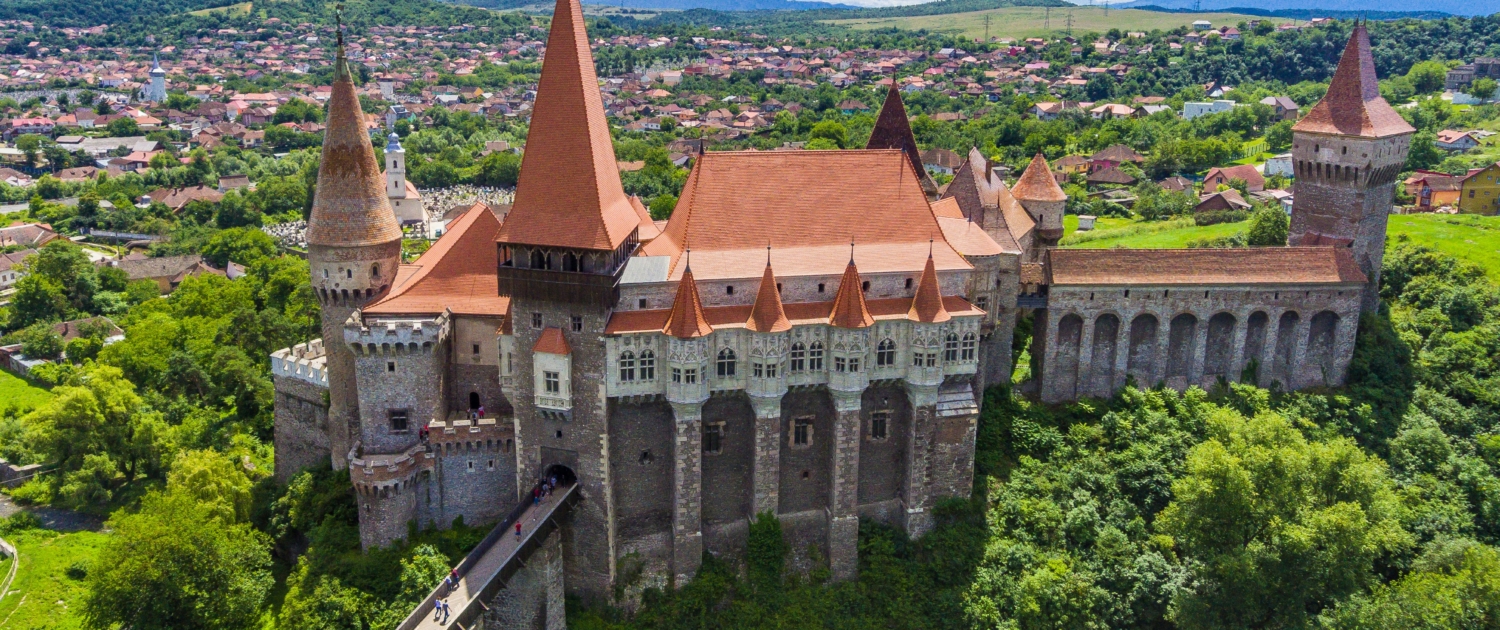
Romania is still early in its tourism curve for the North American traveler. That is part of the appeal. The medieval towns are intact rather than restored for tour buses, pricing has not yet caught up to Western Europe, and clients are not competing with crowds for a photo of the Black Church or the Sighisoara clock tower. This will not stay true forever, which makes now a smart time to go.
The Highlights Worth Building Around
Bucharest
Most itineraries start here, and it earns its place. The Old Town is lively, with good restaurants and cafes on nearly every corner, and the architecture tells a complicated story that clients find genuinely interesting once they hear it. We typically recommend one to two nights here as an introduction before heading into the countryside.
Brasov
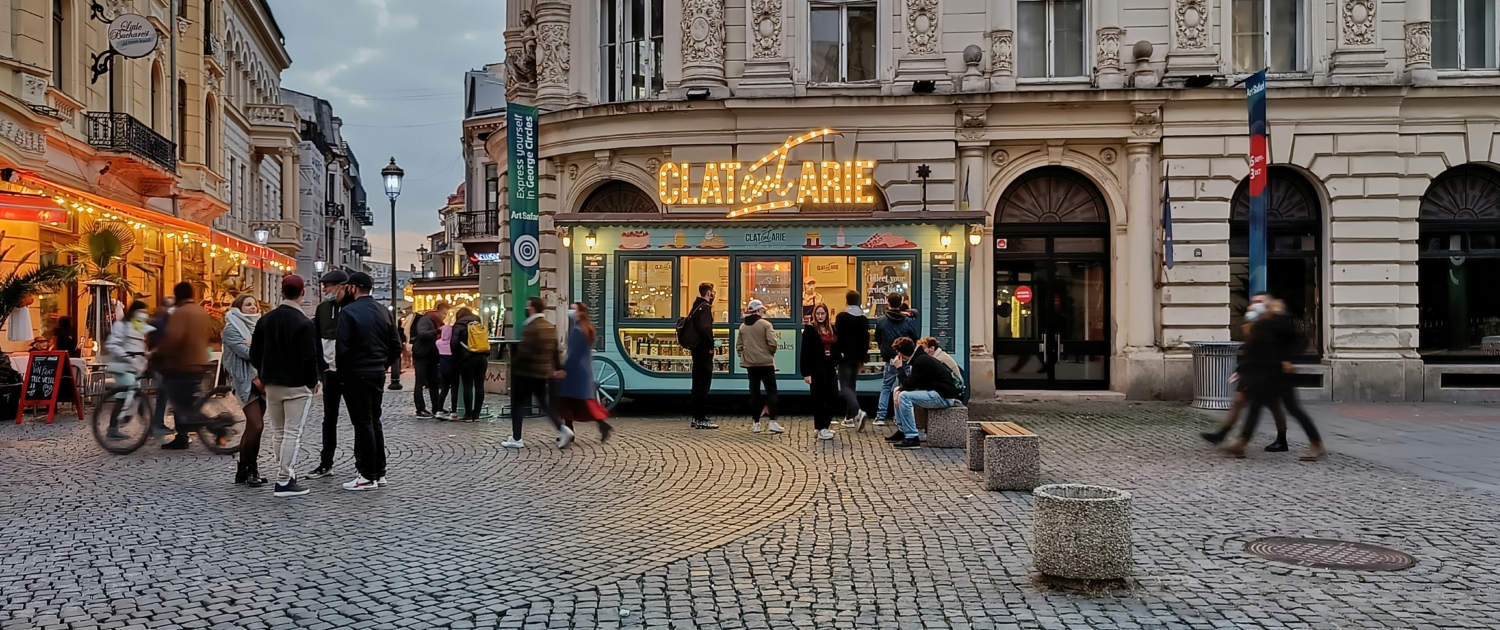
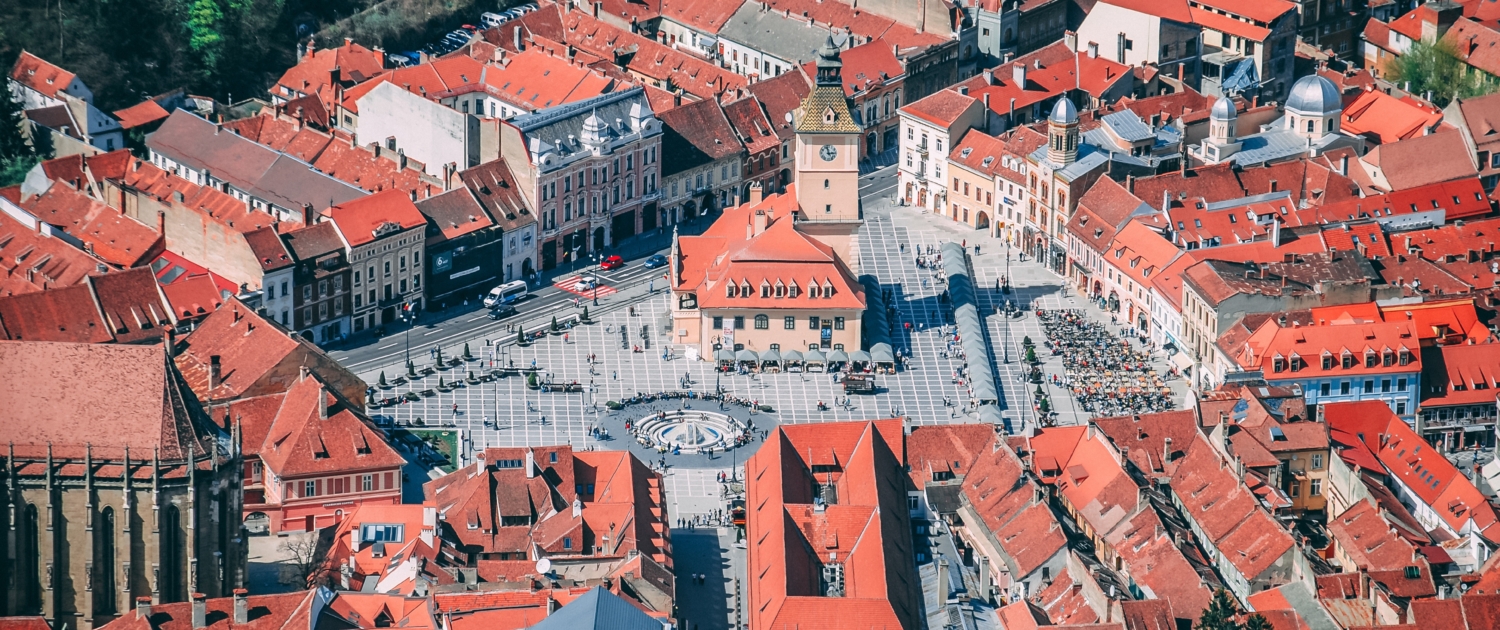
Brasov is the heart of most Transylvania itineraries, and for good reason. The medieval old town is compact and walkable, set against a mountain backdrop, with a Gothic Black Church at its center and a still-standing city wall. It also serves as a practical base for day trips and is a place clients tend to fall for quickly.
Bran Castle
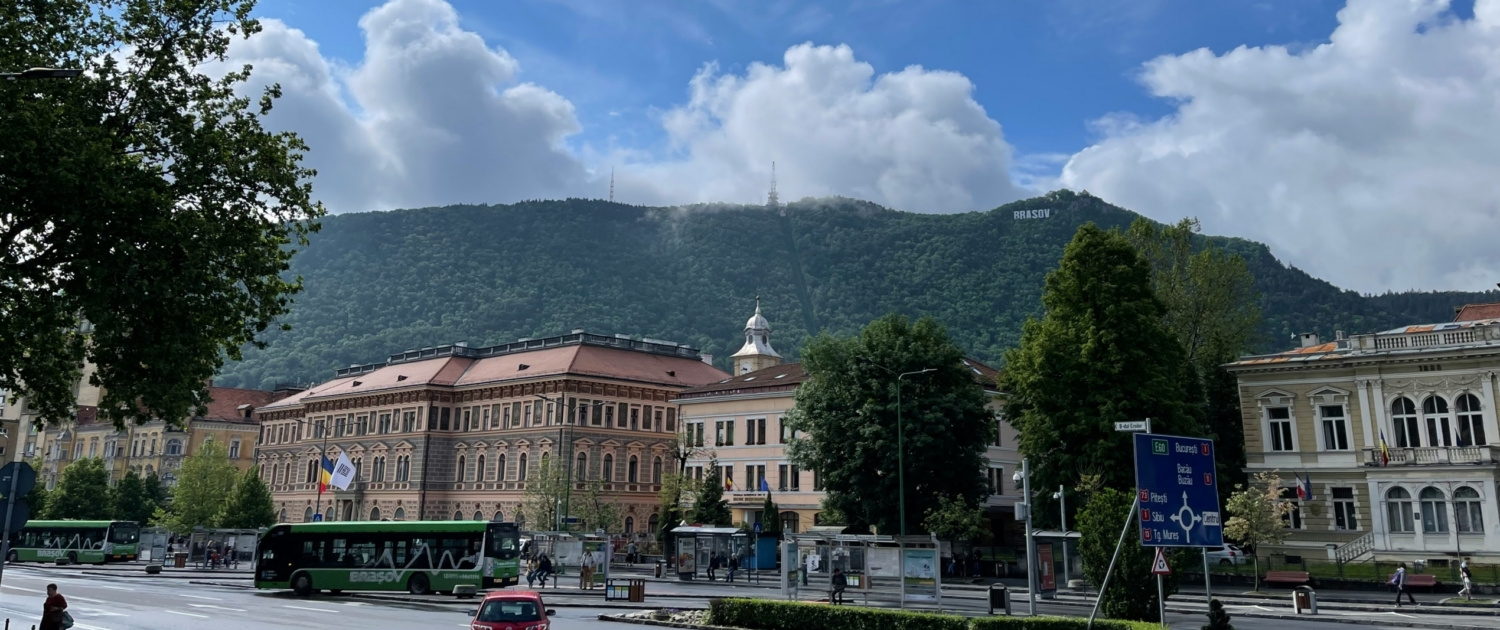
The Dracula connection is mostly marketing, but the castle itself is worth seeing on its own merits. Built as a 14th-century clifftop fortress and later used as a royal summer residence, it is visually dramatic and gives clients a great story to bring home.
Sighisoara
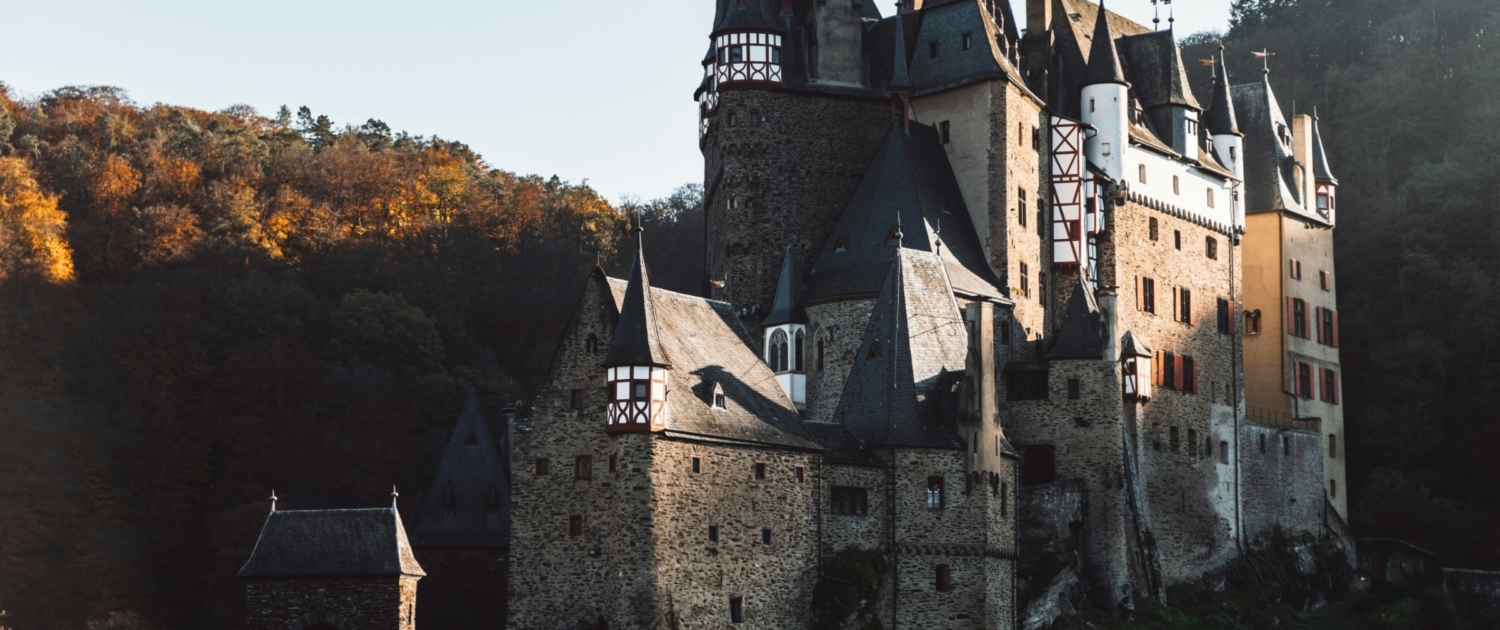
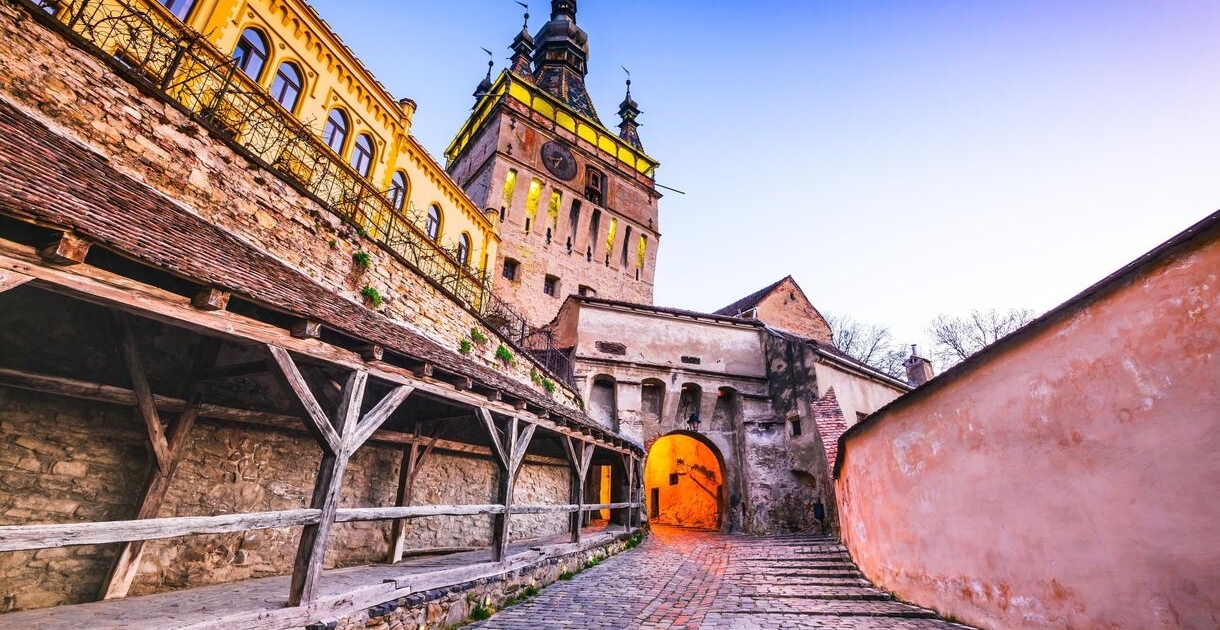
One of the best-preserved and still inhabited medieval citadels in Europe. Clients walk cobblestone streets, climb a 14th-century clock tower, and take in a history that goes back to the 12th century. For clients who enjoy history and architecture, this is often the highlight of the entire trip.
Sibiu
Known historically as Hermannstadt, Sibiu is the heart of the German Saxon community in Romania, with a history stretching back more than 800 years. The main squares are pedestrian-friendly and lined with distinctive architecture. Sibiu sold well as a European Capital of Culture, and that reputation has stuck.
The Saxon Villages
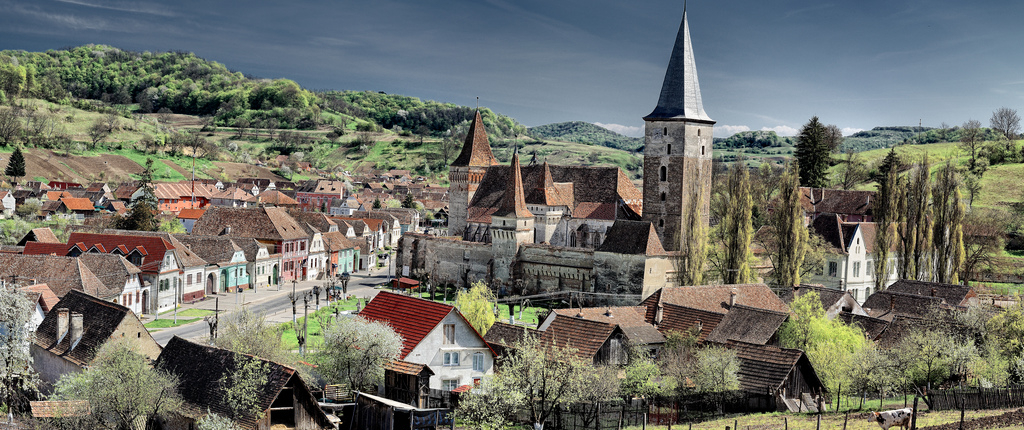
Viscri and Biertan are the two we mention to clients first. Rather than building castles, these communities fortified their churches, leaving behind a remarkable legacy for travelers willing to seek them out. They sit off the main tourist path, and that is exactly what makes them memorable.
Insider Tip: Pair It With a Danube River Cruise
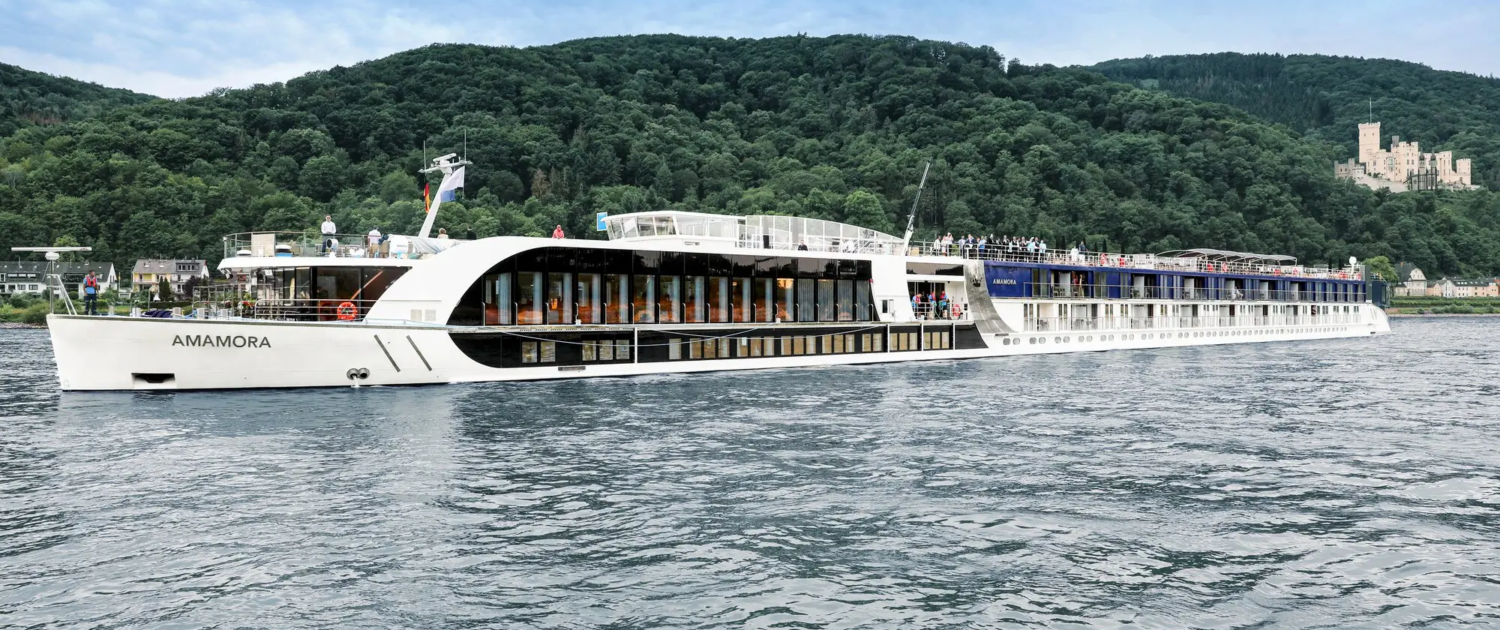
For clients who love the slower, scenic pace of river cruising, Romania pairs beautifully with a Danube itinerary through the Iron Gates gorge, where the river cuts dramatically through the Carpathians along the Serbian border. Both Viking and AmaWaterways run Eastern Europe sailings that touch Romania, and we can build a pre- or post-cruise stay in Bucharest or Transylvania around either one. It is one of the easiest ways to give a client two very different travel experiences on a single trip.
Who This Trip Is Really For
Romania tends to resonate most with clients who already consider themselves well-traveled in Europe and are looking for something that still feels like a discovery. It also works well for clients chasing a genuinely photogenic destination, since the fortified churches and candy colored old towns photograph beautifully and have not been oversaturated on social media the way Santorini or the Amalfi Coast have. And for clients on a tighter timeline, the highlights above can be trimmed into a focused seven-day version without losing the parts that make the trip memorable.
Ready to Talk Romania?
Every Romania itinerary we build is fully customizable to fit your travel style, pace, and interests, whether that means a focused six-day loop through the highlights or a slower nine-day journey through the Saxon countryside. Download our free travel planning guide to start mapping out the details, or reach out directly, and we will put together a custom itinerary.
Contact us today to start planning your Romania and Transylvania journey.
Frequently Asked Questions
Is Romania safe to visit?
Yes. Romania is generally considered a safe destination for travelers, including solo travelers, with the usual common sense precautions that apply to any European city. Bucharest, Brasov, Sighisoara, and Sibiu are all well-suited to walking tours and evening strolls.
What is the best time of year to visit Transylvania?
Late spring through early fall, roughly May through September, offers the most reliable weather for walking tours and day trips. September is a particular favorite for cooler temperatures and fewer visitors, while December brings a festive atmosphere to Sibiu and Brasov with their Christmas markets.
How many days do we need in Romania?
Nine days allow for a well-paced trip through Bucharest, Brasov, Bran, Sighisoara, and Sibiu without feeling rushed. Clients on a tighter schedule can see the major highlights in six to seven days by trimming the Saxon village stops.
Do we need a visa to visit Romania?
US citizens do not need a visa for short stays in Romania. A valid passport with at least six months of remaining validity is required, and we always confirm the latest entry requirements before finalizing travel.
Is Bran Castle really connected to Dracula?
The connection is more legend than history. Bran Castle’s tie to Bram Stoker’s novel is largely a marketing narrative that grew up around the site, but the castle itself is a genuine 14th-century fortress with real royal history, which makes it worth visiting on its own merits.
Can we combine Romania with a river cruise?
Yes. Romania pairs well with a Danube river cruise through the Iron Gates, and both Viking and AmaWaterways offer Eastern Europe itineraries that touch the region. We regularly build pre- and post-cruise stays in Bucharest or Transylvania around these sailings.