
Five fishing villages, one spectacular coastline, and trails that rank among the best walking in all of Italy. Here’s the insider guide to getting the real Cinque Terre experience, from which village to base yourself into the trails most visitors never find.
There’s a moment that happens to almost everyone who visits Cinque Terre for the first time. You step off a regional train, walk through a short tunnel cut into the rock, and suddenly you’re standing in a fishing village built into a vertical cliff above a turquoise harbor, and the train that got you here is just sitting there, ready to take you to the next one in three minutes.
It’s one of the most immediately satisfying arrivals in all of Europe.
We’ve been there, and we can tell you: Cinque Terre earns its reputation. It just earns it best when you know what you’re actually doing.
What Cinque Terre Actually Is
Cinque Terre means ‘Five Lands,’ and the name describes exactly what you get: five small fishing villages strung along a rugged stretch of the Ligurian coastline between Levanto in the north and La Spezia in the south. The villages, from north to south, are Monterosso al Mare, Vernazza, Corniglia, Manarola, and Riomaggiore.
Each one is distinct, and choosing where to spend your time matters.
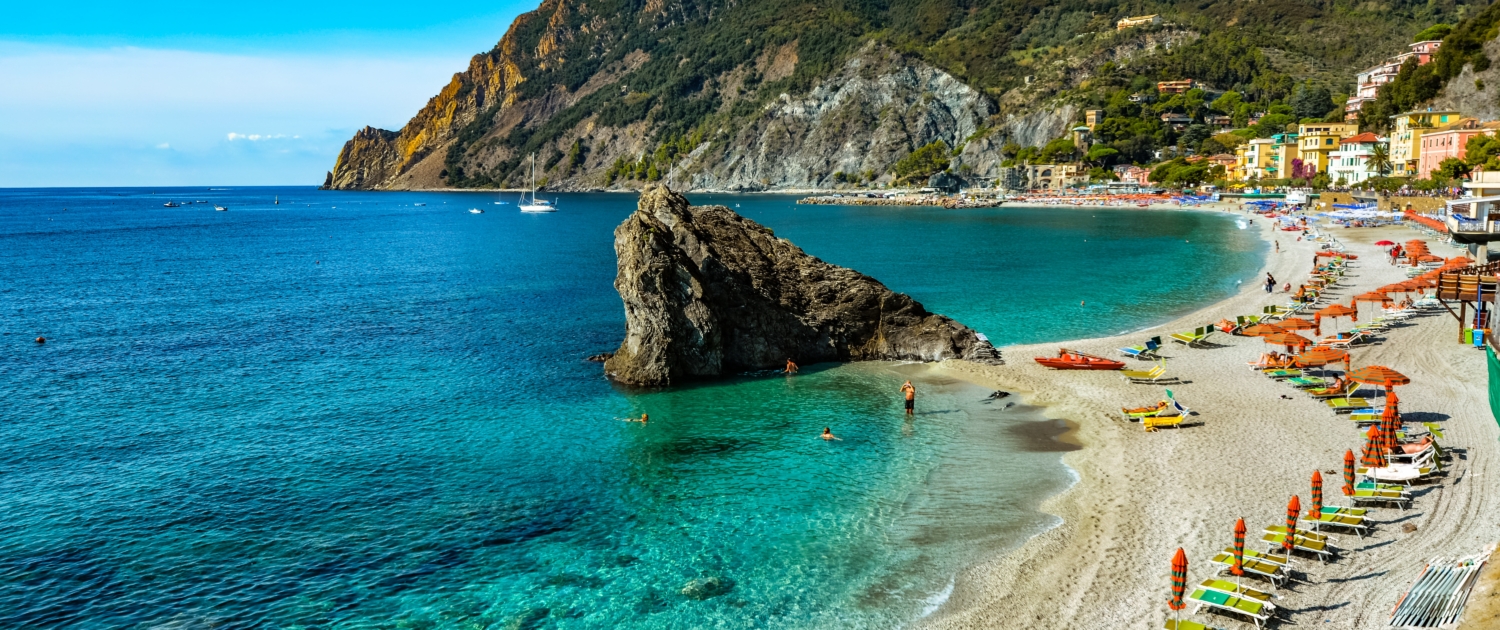
Monterosso al Mare
The largest and the most resort-like. It has the region’s only real sandy beach, the widest selection of restaurants and accommodation, and a historic old town separated from the newer section by a tunnel through the headland. It’s the best base if you’re traveling with younger children or want easier access to the water.
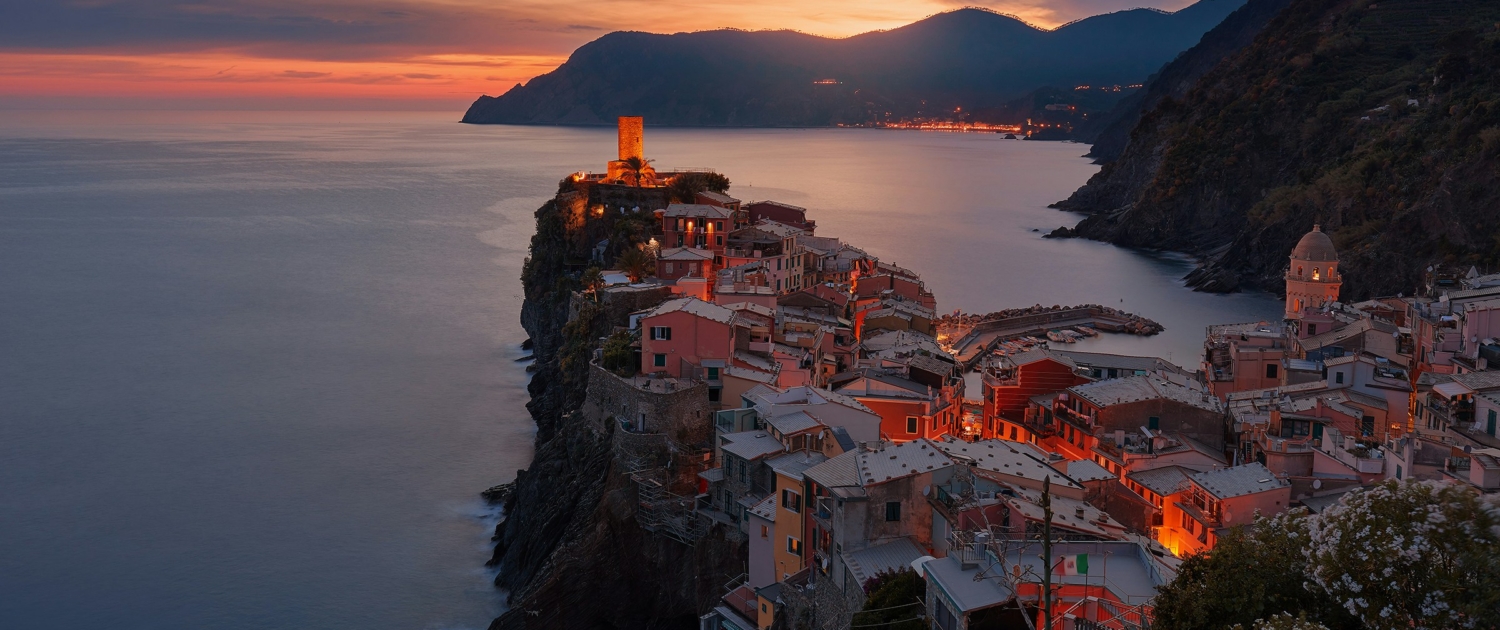
Vernazza
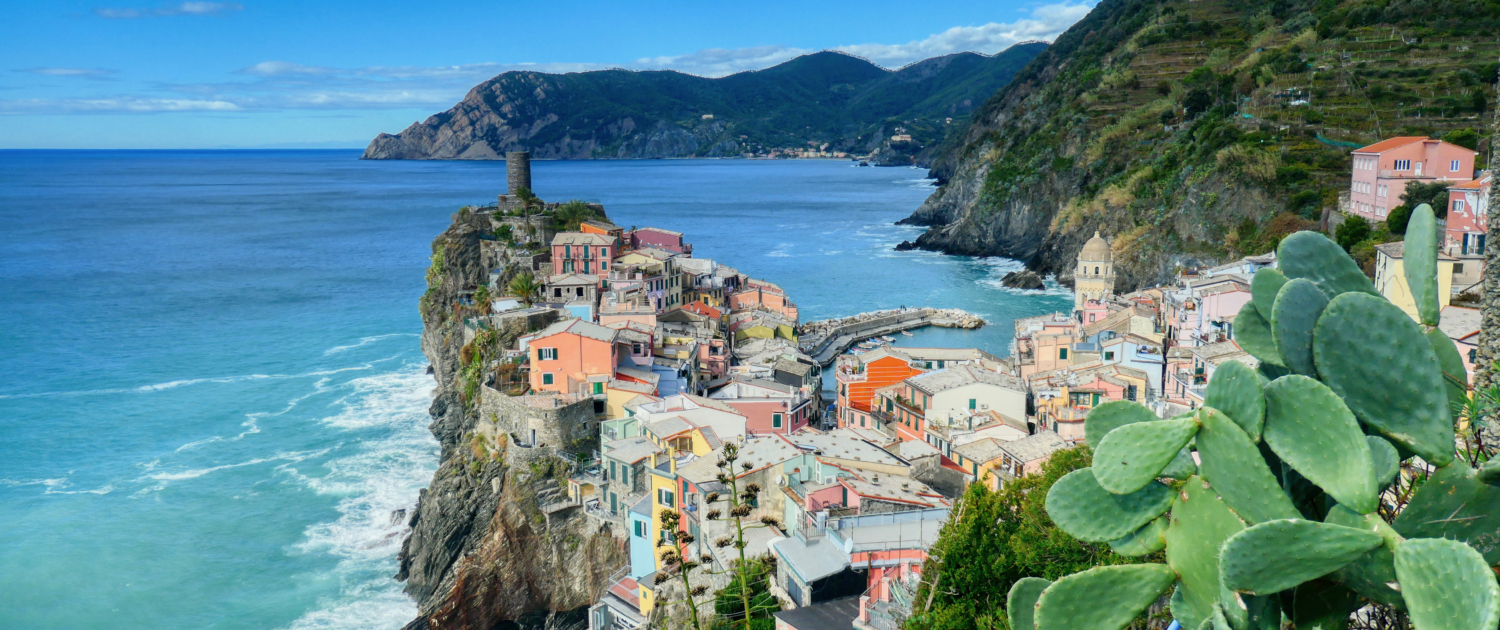
The most photogenic of the five. The harbor, the castle, the bell tower, and the colorful buildings stacked behind them produce a composition that looks like it was designed for exactly the kind of photograph you want to take. It’s also the most popular, which means the most crowded during peak hours.
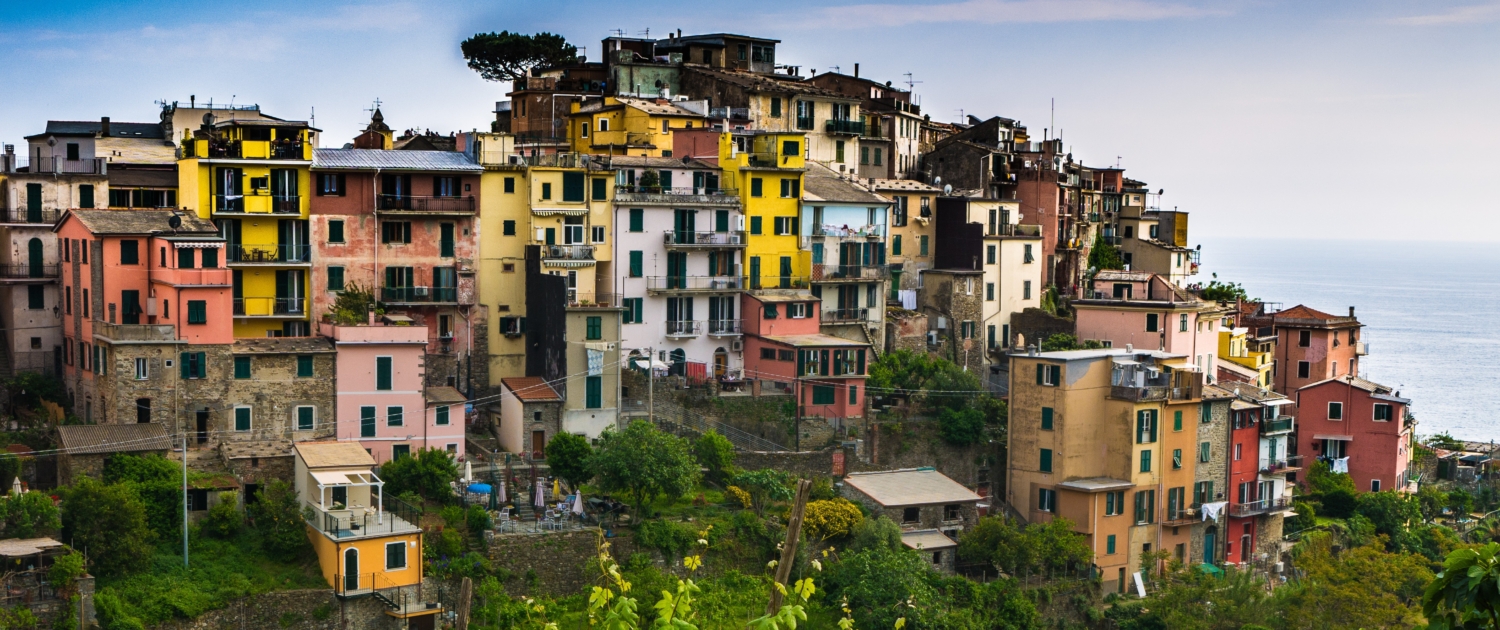
Corniglia
Sits on a promontory 100 meters above the sea and is the only village with no direct access to the waterfront. To reach it from the train station, you either climb 382 steps or take a shuttle bus. It has no beach. It has no harbor. It has narrow medieval lanes, a belvedere with one of the best panoramas on the coast, and about a tenth of the foot traffic of the other villages. For our money, it’s the most charming.
Manarola
Has the iconic image you’ve seen in every Cinque Terre photo: colorful buildings cascading down to a rocky harbor while swimming off the rocks at dusk. The cliff walk north toward Corniglia offers some of the most spectacular views on the entire trail. Manarola is small, concentrated, and deeply beautiful.
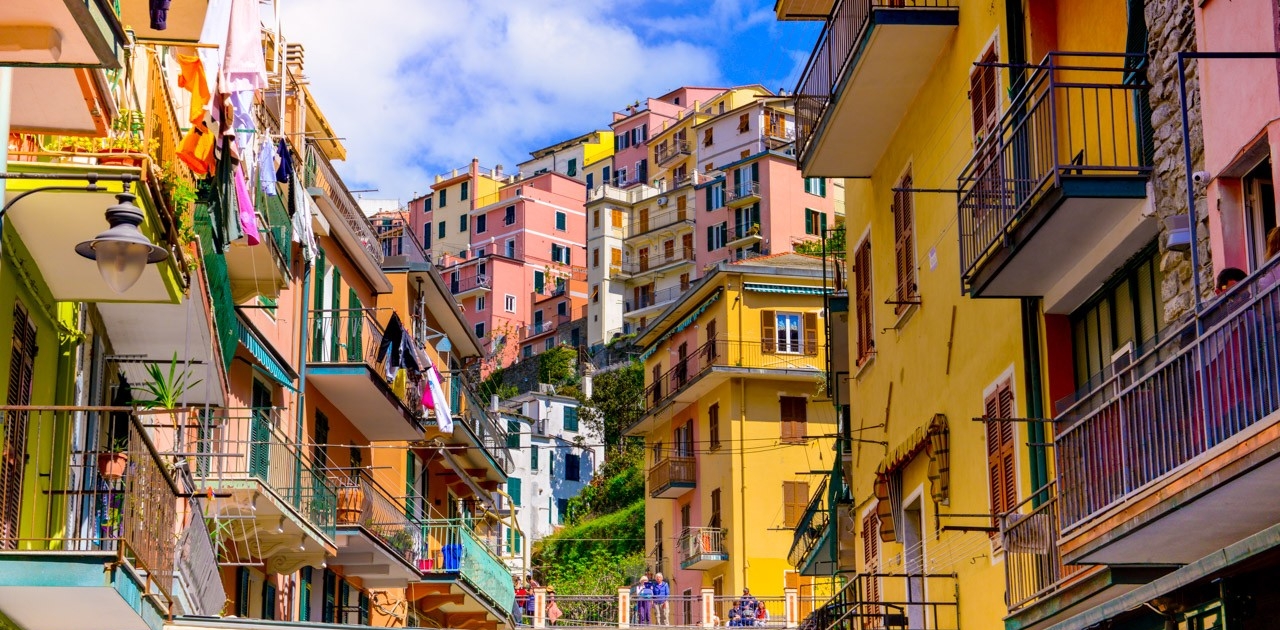
Riomaggiore
The southernmost village and the entry point from La Spezia. It has a lively main street, good restaurants, and direct train connections in both directions. It can feel slightly more touristy than the middle villages, but it still delivers the essential Cinque Terre experience.
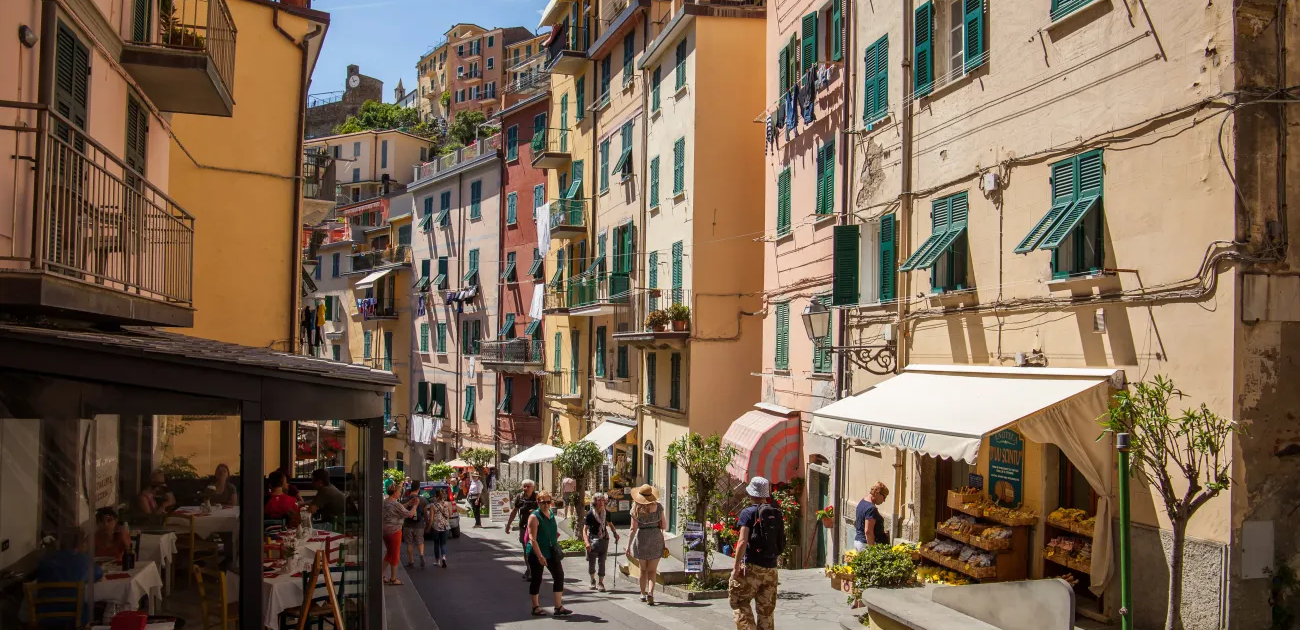
The Trails: This Is What You’re Really Here For
Cinque Terre without hiking is like Paris without the Eiffel Tower. You can do it, but you’re missing the whole point.
The Sentiero Azzurro (Blue Trail)
The famous coastal trail that connects all five villages. Important note: not all sections are always open. Sections have historically been closed due to landslide repair and ongoing maintenance. Check the current status at parconazionale5terre.it before you plan your day around a specific route. The Cinque Terre Card is required for the sections that are open.
The most reliably open and most rewarding sections are typically the Via dell’Amore between Riomaggiore and Manarola and the trail between Monterosso and Vernazza, which is the most dramatic stretch on the entire path.
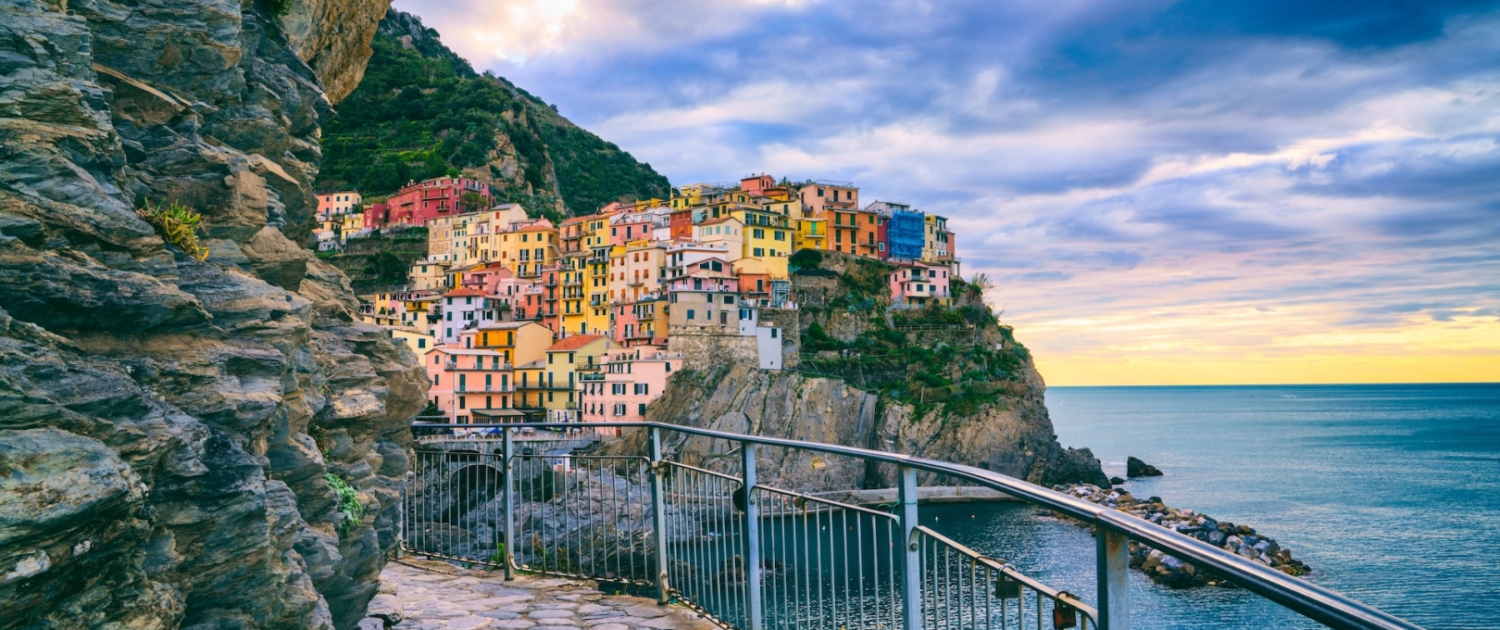
The Alta Via delle Cinque Terre
The trail most visitors never discover, and the one we recommend most often. It runs along the ridge above all five villages at a higher elevation, offering panoramic views of the entire coast from above. No Cinque Terre Card required. Almost no crowds. The landscape of terraced vineyards and olive groves up here is extraordinary in a completely different way from the coastal views below.
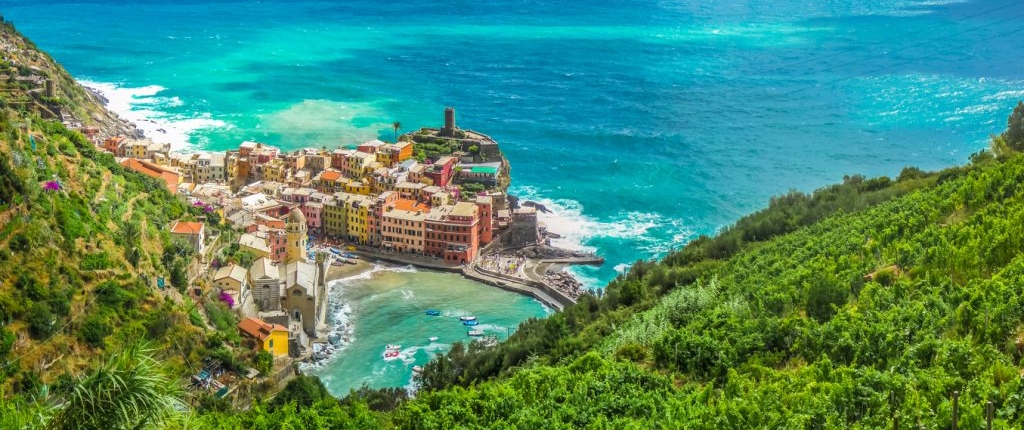
Levanto to Monterosso via Punta Mesco
Another underrated option. This trail runs from Levanto (the town just north of the national park) to Monterosso, passing the ruins of a lighthouse and a hermitage on the headland at Punta Mesco. It’s free, largely empty, and the views back toward the Cinque Terre villages from the headland are arguably better than anything on the paid coastal trail.
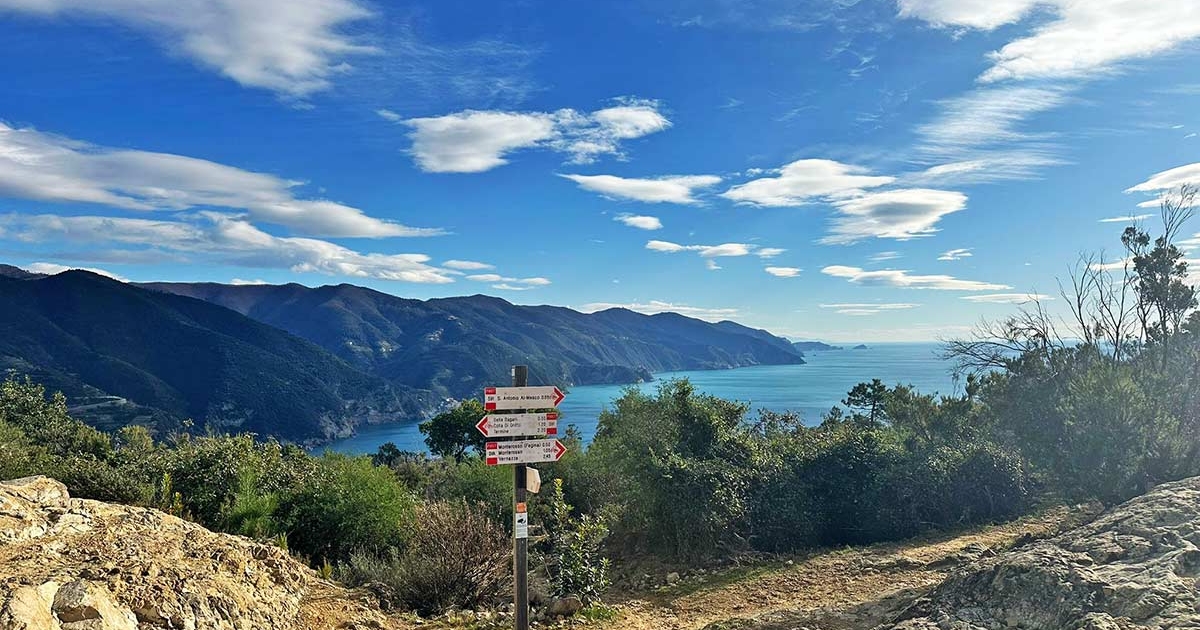
The Cinque Terre Card: What You Actually Need
The Cinque Terre Card covers access to the paid sections of the Sentiero Azzurro and unlimited travel on the regional train between Levanto and La Spezia.
Cards are priced on a color-coded system based on expected visitor volume: green days (lower demand) cost 7.50 euros; red days (higher demand, typically weekends and peak season) cost up to 15 euros. A two-day card is available and worth it if you’re spending more than one day hiking.
You don’t need the card for the Alta Via ridge trail, the Levanto to Monterosso trail, or any other trails outside the national park’s paid network.
Using La Spezia as Your Base
This is the single best practical tip we can offer for Cinque Terre, and it’s the one most visitors don’t discover until they’re already paying 250 euros per night for a room the size of a closet in Vernazza.
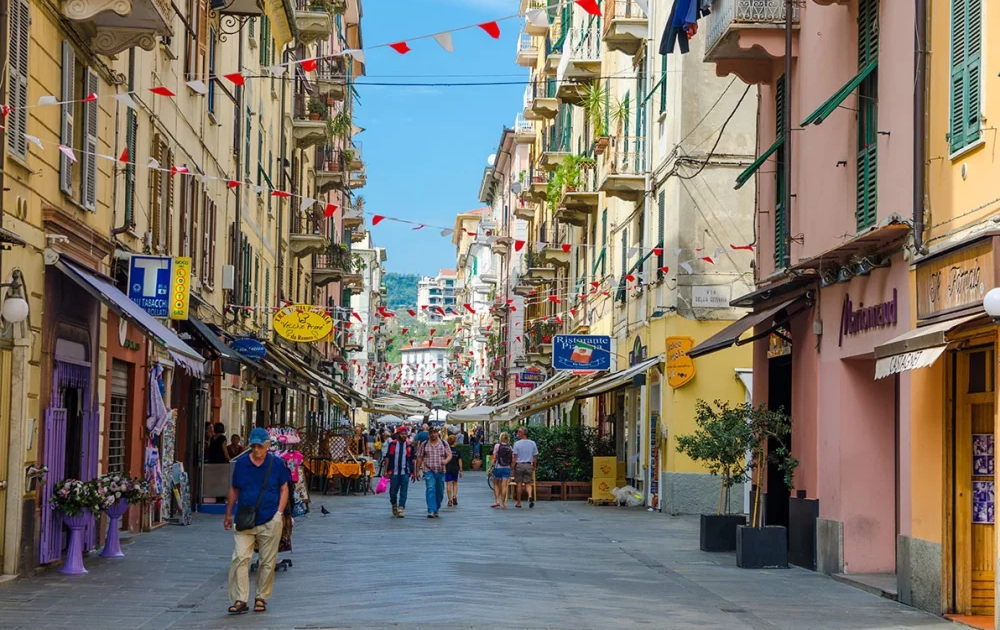
La Spezia is a regional city 7 minutes by train from Riomaggiore. It has a real city center with good restaurants, a market, and a genuine local atmosphere. Accommodation costs roughly half what you’d pay in the villages. You can be in any of the five villages within 15 minutes.
Most visitors who stay in La Spezia say it was one of the best decisions they made. You experience the villages at their best (early morning and evening, when day-trippers are gone) and sleep somewhere with actual value for money.
Getting There and Around
From Florence: 2 hours 10 minutes by direct train to La Spezia. This is the easiest option.
From Milan: Under 2 hours to La Spezia. Cinque Terre fits naturally into a northern Italy itinerary without any detour.
From Rome: Change in either Florence or Genoa. Plan for 3 to 4 hours total.
Within the region: The regional train runs between Levanto and La Spezia every few minutes and stops at all five villages. This is your primary way to move between villages. It is reliable, frequent, and inexpensive with the Cinque Terre Card. There are no cars in the villages themselves.
When to Go
Late April through early June is exceptional. The light on the terraced vineyards in spring is extraordinary. Wildflowers are on the ridge trails. Crowds are manageable. The weather is warm enough to swim.
September through mid-October is equally good. Slightly cooler temperatures, thinner crowds, and the harvest season for the coastal vineyards adds a dimension to the visit that summer doesn’t offer.
July and August bring the largest crowds and the highest prices. If you visit in summer, get on the trails by 7am and be back in your village before the day-tripper trains arrive. Everything here is better before 9am and after 6pm.
What to Eat and Drink
The food of Cinque Terre is Ligurian, which means pesto. The basil grown in the coastal microclimate here produces a pesto that tastes genuinely different from anything you’ve had before. Trofie al pesto, the local pasta shape with the local sauce, is the dish to order at every meal until you leave.
Focaccia from a bakery in any village is the correct breakfast. The local white wine, Sciacchetra, is a passito-style dessert wine made from grapes grown on the terraced cliffs and harvested by hand. It’s rare, expensive, and worth trying at least once.
Stay away from the harbor-front restaurants with the laminated menus. Walk one or two streets back in any village and the quality improves and the prices drop.
The Real Cinque Terre
The Cinque Terre that most visitors experience is the one between 10am and 5pm, on the main coastal trail, in front of the harbor. It’s beautiful. It’s also the most crowded version of the place.
The real Cinque Terre is up on the ridge at dawn, watching the light hit the terraced vineyards while the villages below are still quiet. It’s a glass of Sciacchetra on a terrace in Corniglia at sunset when the day-trippers have gone and you realize you might have the whole belvedere to yourself. It’s swimming off the rocks in Manarola at dusk and then walking uphill for dinner at a table where the owner’s grandmother probably still makes the pasta.
This version of Cinque Terre is entirely available to you. You just need to plan around it.
We’d love to help you do exactly that. Reach out to us at Wishes and Waves Luxury Travel and let’s build your perfect Ligurian itinerary.
FAQs: Cinque Terre Travel
How many days should you spend in Cinque Terre?
Two to three days is the sweet spot for most visitors. This gives you time to hike the main coastal trail sections, explore the Alta Via ridge trail, visit all five villages at your own pace, and experience the quieter morning and evening atmosphere that makes the place special.
Which Cinque Terre village is the best to stay in?
It depends on your priorities. Vernazza is the most photogenic. Monterosso has the only real beach and the most amenities. Manarola is the most iconic for photos. Corniglia is the quietest and most charming. For best overall value with easiest access to all five villages, consider basing yourself in La Spezia.
Do you need the Cinque Terre Card?
You need it to access the paid sections of the Sentiero Azzurro coastal trail and for unlimited regional train travel between Levanto and La Spezia. You don’t need it for the Alta Via ridge trail or the free trails outside the park boundary.
Is Cinque Terre good for families with young children?
Yes, with some planning. Monterosso is the most family-friendly village with its sandy beach and flat town center. The train connections make it easy to move between villages without long walks. The higher trails are not appropriate for very young children, but the village-level experience works well for families.
Can you swim at Cinque Terre?
Yes, though only Monterosso has a real sandy beach. The other villages have rocky shores with platforms and ladders into the sea. Manarola’s rock swimming area is particularly beautiful. Water clarity throughout the region is excellent.
How do you avoid the crowds at Cinque Terre?
Visit in shoulder season (late April to June or September to October), start your hiking by 7am before day-tripper trains arrive, and stay in the villages overnight so you experience the early morning and evening quiet. Corniglia and the Alta Via ridge trail are consistently less crowded than the other villages and the main coastal path.