10 River Cruise Myths You Need to Stop Believing (And What’s Actually True)
Let me be honest with you: I was a skeptic too.
Before I stepped onto my first AmaWaterways ship, I had a list of reasons why river cruising wasn’t for me. Too slow. Too quiet. Too old. Sound familiar? I’ve heard every version of this from clients, friends, and honestly, from myself.
And then I actually did it. And everything I thought I knew? Wrong.
Here are the 10 river cruise myths I hear most often, and the truth behind each one.
Myth #1: River Cruises Are Only for Older Travelers
This is the one I hear the most, and it’s the one that frustrates me the most.
Yes, retirees love river cruising. So do active couples in their 40s, food and wine obsessives, multi-generational families, and solo travelers who want meaningful experiences without the chaos of a group tour. The demographic has shifted significantly in recent years, and the cruise lines have kept up.
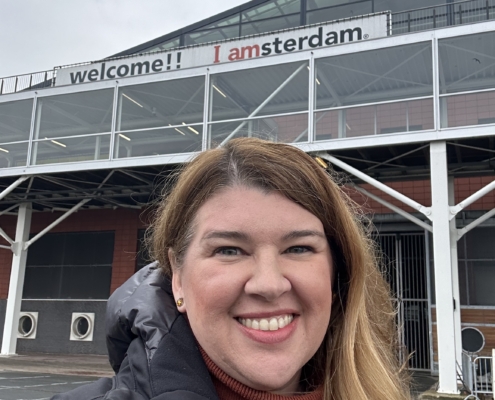
If you love good food, beautiful scenery, walkable towns, and travel that doesn’t leave you exhausted, you’ll fit in perfectly. Age has nothing to do with it.
Myth #2: River Cruises Are Boring
Boring how? Peaceful mornings? Stunning views? Multiple destinations per day? If that’s boring, I’ll take it.
A typical river cruise day might include a guided walk through a medieval village, a wine tasting at a local vineyard, a bike ride along the river, a visit to a centuries-old castle, or simply a solo wander through a market. Evenings are relaxed and social, often with local entertainment or a quiet glass of wine on the sun deck.
I came home from my first AmaWaterways cruise actually feeling rested. I didn’t think that was possible on a European trip. That’s the magic of it.
Myth #3: You Don’t Really See Much
River cruising actually lets you see more, not less. And the way you experience each destination is completely different from any other type of travel.
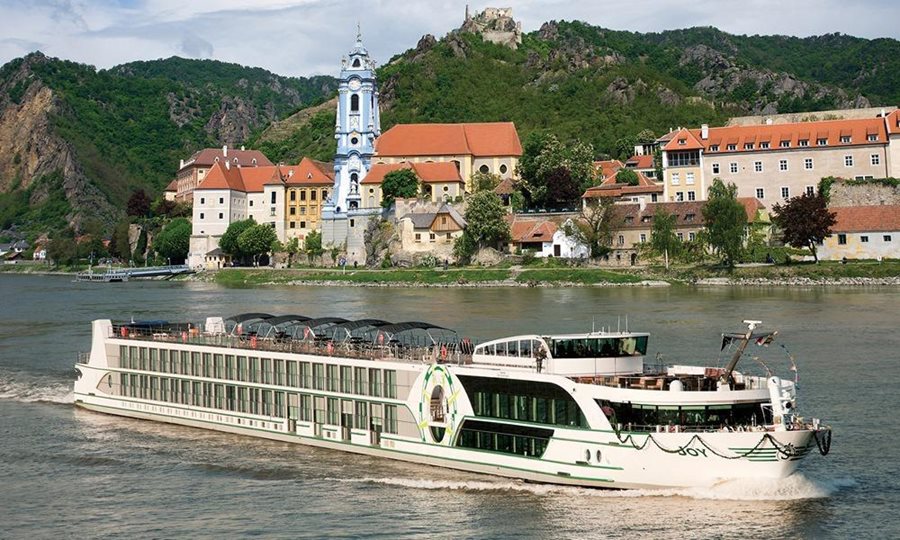
Unlike ocean cruises that dock at industrial ports miles from anywhere worth seeing, river ships pull right into the center of town. You step off the gangway and you’re already there. A medieval square. A riverside cafe. A centuries-old cathedral. No bus transfers. No wasted time.
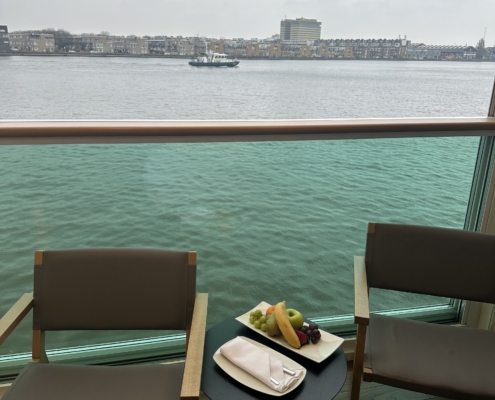
And the sailing itself is part of the show. You’re gliding past vineyards, fortresses, tiny villages, and rolling countryside while you sip your morning coffee on the sun deck.
One of my favorite unexpected moments? Passing through a lock and being so close to the walls that I could have reached out and touched the concrete from my balcony. That’s not something you experience on a bus tour.
Myth #4: River Cruises Are Too Structured
River cruising gives you structure when you want it, and freedom when you don’t. That’s actually one of the things I love most about it.
Guided excursions are always included, but they’re never required. Want to skip the group tour and explore on your own? Go for it. Want to sleep in and catch the next port? Absolutely fine. Want to spend the day shopping while your partner hikes up to a castle? (This may or may not be a real thing that happened on our trip.)
The itinerary is designed to support you, not control you.
Myth #5: The Ships Are Small and Cramped
River ships are smaller by design, and that’s one of their greatest advantages.
Think boutique hotel, not big box resort. Comfortable staterooms, panoramic lounges, elegant dining, a sun deck, and quiet reading nooks. With significantly fewer passengers on board, everything feels calm, unhurried, and personal.
Our muster drill on AmaWaterways? A two-minute explanation. Our “safety briefing” on an ocean cruise once took 45 minutes. I’ll take the boutique experience every time.
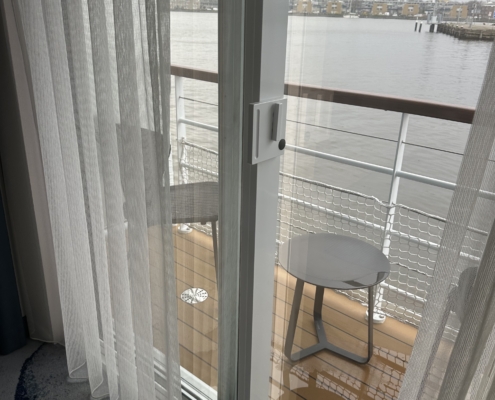
No crowds. No lines. No chaos. Just a lot of personal attention from a crew that actually remembers your name.
Myth #6: River Cruising Is Too Expensive
When you look at everything that’s actually included, river cruising is one of the best values in travel.
Most itineraries include:
- All accommodations
- All meals (often with regional wine or beer included at dinner)
- Daily guided excursions in every port
- Transportation between cities
- Onboard entertainment
- Port fees and taxes
Compare that to a land-based European trip where you’re separately booking hotels, guides, trains, and every meal, and the value becomes very clear. You also only unpack once.
One thing that genuinely surprised me on my AmaWaterways cruise: laundry was a few dollars per item, and a 45-minute massage was $45. I wasn’t expecting that.
Myth #7: The Food Is Just Average
This one makes me laugh every time, because food is one of the things I talk about most when I describe my river cruise experience.
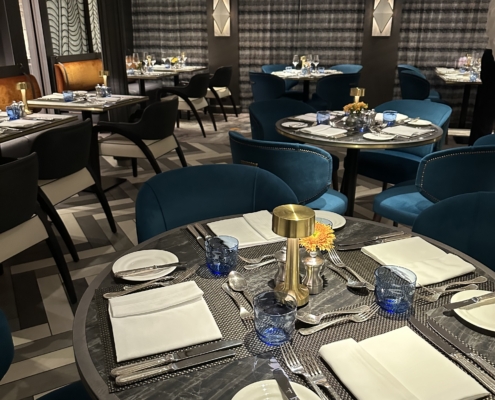
Menus are thoughtfully designed around the regions you’re sailing through, with local ingredients, regional wine pairings, and dishes that reflect where you actually are. It’s not buffet cruise food. It’s genuinely good dining, night after night, without the restaurant bill.
Myth #8: I’ll Gain Weight
Good food is part of the experience, yes. But so is walking through a new town every morning, biking along the river, and exploring on your own time.
Most travelers come home feeling surprisingly good, not sluggish. River cruising naturally builds movement into your day in a way that doesn’t feel like exercise, which is honestly the best kind.
Myth #9: River Cruising Feels Limiting
In reality, it might be the most freeing way to travel.
Your hotel moves for you while you sleep. You wake up in a brand-new destination without packing a single bag or checking out of anything. You explore as much or as little as you want, and at the end of the day, you return to a comfortable, familiar space that you already know and love. That kind of ease is genuinely rare in travel.
Myth #10: It’s Not Adventurous Enough
Adventure means something different to everyone.
For some people, adventure is hiking to a 12th-century fortress on a whim. For others, it’s sitting in a cafe in a town they’ve never heard of, ordering something they can’t pronounce, and loving every bite. River cruising delivers both.
And for those who want more structured activity, many AmaWaterways itineraries include hiking options, guided bike rides, kayaking excursions, and longer independent exploration time. You choose your own level.
The Bottom Line: River Cruising Is What You Make It
River cruising isn’t about doing everything. It’s about doing the right things in the right way, at a pace that lets you actually absorb and enjoy where you are.
It’s for travelers who appreciate:
- Thoughtful pacing that never leaves you feeling rushed
- Meaningful destinations with real cultural depth
- Elegant, comfortable accommodations
- The joy of waking up in a new place without any of the hassle
I’ve seen it happen over and over: someone who swore river cruising wasn’t for them takes one trip and it becomes their favorite way to travel. Then they’re the ones debunking the myths the next time someone says, “I could never do that.”
Ready to See What River Cruising Is Really Like?
I specialize in planning river cruise experiences that are completely tailored to you. Whether you’re a first-timer or a seasoned traveler looking for a new way to explore the world, I’d love to help you plan something extraordinary.
Download my free River Cruise Planning Guide to get started, or reach out directly to Wishes and Waves Travel and let’s start planning your voyage.
Contact me today at wishesandwaves.com
Frequently Asked Questions About River Cruising
How is river cruising different from ocean cruising?
River ships are smaller and more intimate, carrying far fewer passengers than ocean cruise ships. They dock right in the heart of towns and cities, so you step off directly into the destination rather than transferring from a distant port. The experience is generally more relaxed, more culturally immersive, and far less crowded.
What is typically included in a river cruise?
Most river cruise fares include all accommodations, all meals, daily guided shore excursions, port fees, and onboard entertainment. Many also include wine or beer with dinner. It’s a much more all-inclusive experience than most travelers expect.
What is the best river cruise line for first-timers?
AmaWaterways is consistently one of my top recommendations for first-time river cruisers. Their ships are beautiful, the service is exceptional, the food is a genuine highlight, and they offer a great balance of guided excursions and free exploration time. That said, the best fit really depends on your destination, travel style, and budget, which is exactly why I love helping clients navigate the options.
Is river cruising good for couples?
Absolutely. River cruising is one of the best travel formats for couples because it combines romantic scenery, excellent dining, shared cultural experiences, and just enough flexibility that two people with different interests can both enjoy the trip. One person can explore independently while the other joins a guided excursion, and you meet back on board for a lovely dinner.
What are the most popular river cruise destinations?
Europe is by far the most popular, with the Danube, Rhine, and Douro rivers among the top choices. The Danube is especially popular for its variety, connecting cities like Vienna, Budapest, and Bratislava. Outside Europe, the Mekong River in Southeast Asia and the Nile in Egypt are bucket-list options. The Christmas Markets river cruises through Europe each winter are also incredibly popular and tend to sell out fast.
How far in advance should I book a river cruise?
The earlier the better, especially for popular itineraries and peak travel dates. Most river cruise ships carry between 120 and 160 passengers, so they fill up quickly. For peak summer sailings and Christmas Markets cruises, booking 12 to 18 months in advance is not unusual. I always recommend reaching out sooner rather than later so we can secure the stateroom category and sailing date that actually works for you.
Questions? I’d love to help. Contact me today and let’s find your perfect river cruise.
About Post Author