Tag Archive for: Wishes and Waves Travel

Ritz-Carlton is already at sea. Four Seasons Yachts has launched. Orient Express is coming. The world’s most iconic luxury hotel brands are bringing their hospitality DNA to ocean voyages, and it is changing everything.

Something significant is happening in the world of luxury travel, and if you’ve been watching closely, you’ve probably noticed the headlines.

Ritz-Carlton has been sailing for a couple of years now. Four Seasons Yachts made its debut this year. Orient Express Silenseas is on its way for 2027. The most storied names in luxury hospitality have looked at the ocean and decided it’s where their guests want to go next.

This is not a coincidence. And it’s not a passing trend.

It is a signal that the luxury cruise market has matured to the point where the world’s most discerning hospitality brands see it as their natural next move. And for travelers who love both exceptional hotels and the idea of seeing the world from the sea, the timing couldn’t be better.

Why Hotel Brands Are Moving to Sea

Consider the traveler who regularly stays at a Four Seasons or a Ritz-Carlton. They have a relationship with those brands built on a specific promise: design-forward spaces, deeply personal service, culinary excellence, and the feeling that every detail has been considered. Hotel rates in premier destinations have climbed to levels that genuinely give even affluent travelers pause. A beautiful hotel room in Paris or the Maldives in high season can run $1,500 to $2,500 per night, room only.

A yacht-scale vessel offering that same standard of hospitality, all-inclusive, waking you up in a new destination each morning? That’s a compelling conversation. The hotel brands clearly think so too.

And from a traveler psychology standpoint, there is something powerful about a brand you already trust entering a new format. If you’ve had a transformative stay at a Four Seasons, you have a very good idea of what a Four Seasons yacht experience will feel like. That trust is worth something.

The Ritz-Carlton Yacht Collection: Already Sailing

The Ritz-Carlton Yacht Collection has been in the water since 2022, and the brand has done what you’d expect: applied its hotel-brand DNA to a yacht-scale ship with 149 suites, multiple dining concepts, an Espa spa, and itineraries across the Mediterranean, Caribbean, and beyond.

The experience is deliberately positioned between a luxury yacht charter and a small cruise ship: intimate enough for genuine personalization, spacious enough for resort-level amenities. All suites have private terraces. The culinary program reflects the Ritz-Carlton’s hospitality standards. And the vessel’s size means the service ratios are exceptional.

Four Seasons Yachts: A New Chapter Begins

Four Seasons Yachts has entered the water this year, and it is genuinely one of the most anticipated launches in luxury travel in recent memory. The vessel carries 95 suites, with interior design consistent with Four Seasons’ aesthetic: warm, refined, residential in feel rather than corporate.

What makes Four Seasons Yachts particularly interesting is its dining approach. It is the first major luxury cruise line to not include all meals in the fare beyond breakfast, positioning the onboard restaurant as a standalone dining destination rather than a component of an all-inclusive package. For travelers who are accustomed to how great hotel food and beverage works, this is a familiar and appealing model.

Four Seasons has also built in seamless connections to its land portfolio, with shore experiences and pre- and post-cruise stays designed in coordination with Four Seasons hotels and resorts in the ports of call. This kind of end-to-end brand continuity is exactly what the most sophisticated travelers have been asking for.

Orient Express Silenseas: The Most Anticipated Launch on the Horizon

Orient Express Silenseas, expected to debut in 2027, may be the most visually extraordinary vessel ever conceived. The design is a striking departure from conventional cruise ship aesthetics: a sailing ship inspired by French art deco architecture, carrying just 54 suites.

Orient Express brings with it one of the most evocative brand stories in all of luxury travel. The legendary train journeys, the Venice Simplon-Orient-Express, the beautiful properties under the Belmond umbrella. Silenseas will connect to this story while delivering a form of travel that is almost impossible to categorize: part yacht, part hotel, part historic fantasy.

For the traveler who wants something genuinely singular, this will be worth watching closely.

What This Means for How We Plan Travel

The arrival of hotel brands at sea creates something that has been missing until now: true end-to-end luxury itineraries managed by a single brand at a consistent standard.

Think about what a trip designed around the Four Seasons could look like: a Four Seasons resort in Miami or Dubai as the pre-cruise hotel, embarkation on the Four Seasons Yacht for a 10-night Mediterranean voyage, private shore excursions coordinated with Four Seasons properties in port, and a post-cruise stay at a Four Seasons in Rome or Istanbul.

One brand. One standard. One expectation, delivered consistently throughout. No moment where you step off the beautiful yacht onto a mediocre tour bus.

This is the direction luxury travel is moving, and it’s one of the things we find most exciting about planning travel right now. We get to help our clients be early in this story.

A Word on Timing

The best suites on these new launches are generating extraordinary interest. The Ritz-Carlton Yacht Collection regularly sails with waiting lists for popular sailings. Four Seasons Yachts has seen significant booking demand for its debut itineraries. Orient Express Silenseas will almost certainly be oversubscribed from the moment reservations open.

If any of these experiences is on your radar, the conversation to have is now, not when you’re ready to travel. We can hold space, monitor availability, and position you to secure exactly what you want before it’s gone.

Ready to Set Sail? Let’s Plan Your Perfect Cruise.

At Wishes and Waves Travel, we do the research, the comparing, and the planning so you don’t have to. Whether you’re brand new to cruising or ready to trade up to something extraordinary, we’d love to help you find the right ship, the right itinerary, and the right experience for you.

Reach out to us and let’s start the conversation. Your dream voyage is closer than you think.

FAQs

When did Ritz-Carlton start operating cruises?

The Ritz-Carlton Yacht Collection launched its first sailing in 2022. The collection currently operates with multiple vessels across the Mediterranean, Caribbean, and other itineraries, with more ships planned.

How is the Four Seasons Yacht different from other luxury cruise lines?

Several things set it apart. The vessel carries just 95 suites, making it extraordinarily intimate. The dining model is unique: rather than all-inclusive, the onboard restaurant operates more like a standalone luxury restaurant, which is a first in the cruise world. And Four Seasons has deeply integrated its land portfolio into the experience, so pre- and post-cruise stays and shore experiences all connect to Four Seasons properties.

What is Orient Express Silenseas and when does it sail?

Orient Express Silenseas is a sailing vessel carrying 54 suites with a design inspired by French art deco architecture. It is expected to debut in 2027. Given the level of anticipation, we expect demand to be extraordinary and recommend getting on our radar now if this is of interest.

Are these hotel-brand cruises more expensive than traditional luxury cruise lines?

They are positioned at the top of the luxury tier, comparable to the most exclusive small-ship luxury lines. Given the brand heritage, the intimacy of the vessels, and the quality of the experience, the pricing reflects that positioning. The comparison to a comparable number of nights at the flagship hotels of these brands is often very favorable.

Can I combine a hotel-brand cruise with a land stay at the same brand’s properties?

Yes, and this is one of the most exciting aspects of the hotel-brand entry into cruising. Four Seasons has specifically designed its yacht program to connect with its hotel portfolio. We specialize in designing these seamless brand-consistent itineraries and love building them for clients who want a trip that maintains a single exceptional standard throughout.

How do I find out about new sailings and availability for these luxury launches?

Working with a travel advisor is the most reliable way to stay ahead of availability. We monitor new releases, pre-sale periods, and last-minute openings across all of the top luxury lines. Reach out to us and we’ll make sure you’re positioned to secure what you want before the general public is aware it’s available.

Rail travel is one of the most rewarding ways to explore Europe and Japan, giving you a front-row seat to landscapes, culture, and cities that fly-and-drive itineraries almost never reach. If you have been curious about planning a train-based journey, we will walk through three of the most compelling routes in the world, and exactly what makes them worth your time.

There is a moment, somewhere between stations, when you look up from your coffee and realize the landscape outside your window is doing something extraordinary. A vineyard rolls into a medieval hilltop. A glacier appears between two peaks. A bullet train blurs past cherry trees in full bloom.

That moment does not happen on a plane. It barely happens in a car. But on a train, it is practically guaranteed.

Rail travel has made a genuine comeback, and not just for budget backpackers. Discerning travelers are building entire trips around iconic train routes because the journey itself becomes part of the experience. And honestly? Done right, a rail-based itinerary is one of the most elegant ways to travel.

I have helped clients plan rail journeys across Europe and Asia, and the feedback is almost always the same: they wish they had done it sooner. So let me walk you through three of the world’s most rewarding rail routes, and what actually makes them worth planning around.


Italy by Rail: Cities, Hill Towns, and Coastline

Italy is almost custom-built for rail travel. The country’s network is extensive, the scenery between stops is constantly changing, and you can cover an enormous amount of ground without once wrestling with a rental car, a GPS, or a parking garage in a walled medieval town.

Most itineraries start in Rome or Florence. Both cities reward multiple days of wandering. After you have visited the museums, walked the piazzas, and eaten your way through three courses at a neighborhood trattoria, a short train ride drops you somewhere completely different.

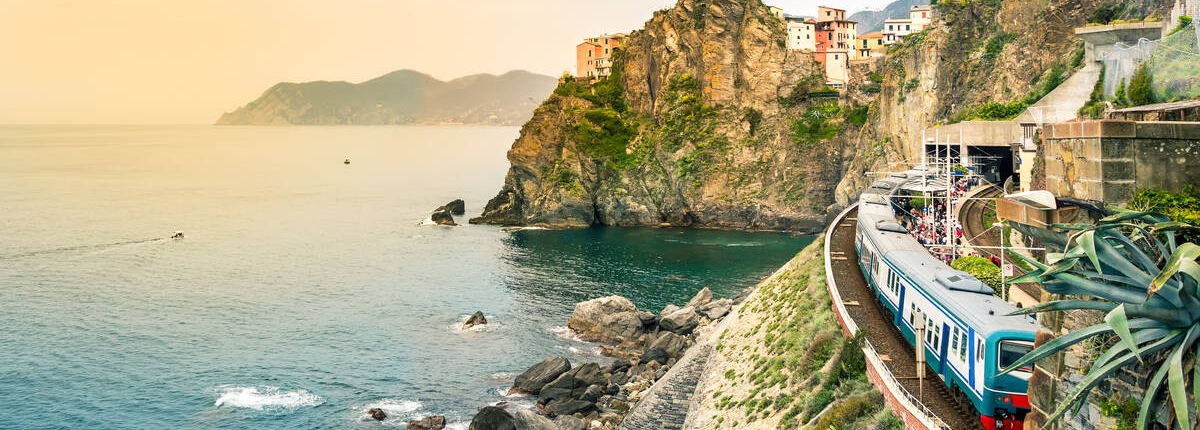
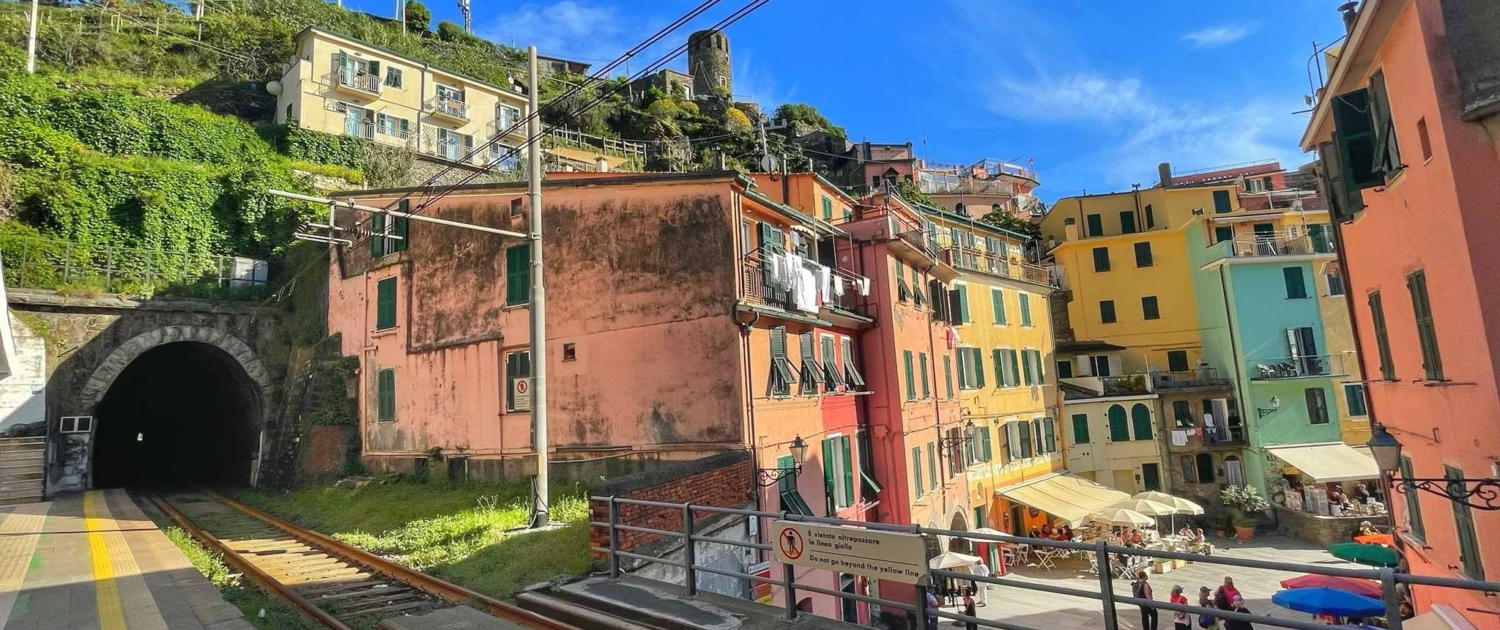
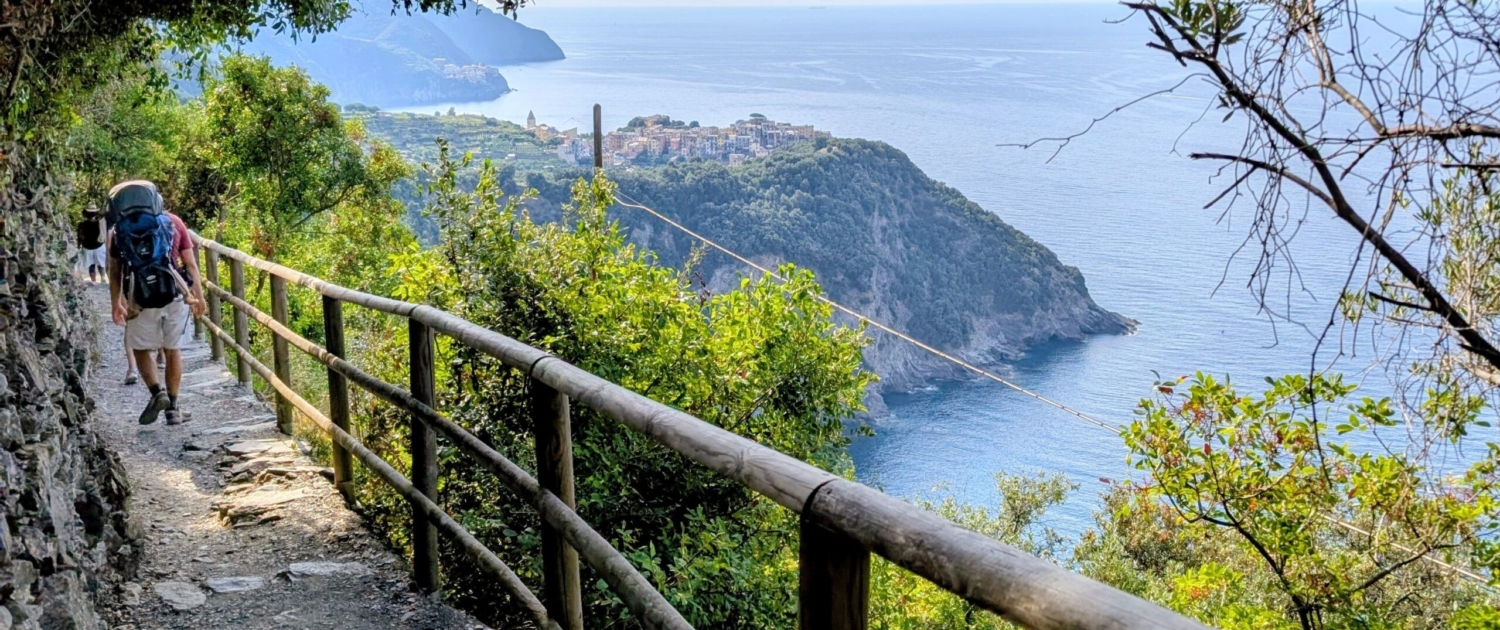
Florence to Venice, for example, takes under two hours on high-speed rail. Florence to the Cinque Terre is a manageable day trip by regional train along the Ligurian coast. And from any of these hubs, slower regional trains push out into the Tuscan countryside toward towns like Siena, Montalcino, or Montepulciano, where the agenda tends to involve wine, olive oil, and very little ambition.

That is the rhythm of a great Italian rail trip. Move between cities on fast trains. Slow down when you reach the countryside. Spend a few days in a hill town or a coastal village before catching the next connection. The variety is remarkable, and the logistics stay genuinely simple.

What makes this work is having someone help you sequence it. Italy’s rail system is excellent, but matching the right stops to the right pace, knowing which regional lines are worth the slower journey, and building in enough time at each destination without overpacking the schedule is where experience matters.


Scenic Rail Through the Alps: When the Train Is the Point

Switzerland does scenic rail better than almost anywhere on earth, and they do it with the kind of precision and comfort that makes a three-hour mountain train feel like a luxury experience rather than a commute.

The classic starting point is Zurich or Lucerne, both of which offer beautiful lakefronts, old-town architecture, and easy rail connections into the Alps. From there, several legendary routes branch out.

The Glacier Express between Zermatt and St. Moritz is perhaps the most famous, passing through 91 tunnels and over nearly 300 bridges on its eight-hour journey across some of the most dramatic scenery in Europe. The Bernina Express, connecting Chur to Tirano in northern Italy, crosses a UNESCO-listed railway line that climbs above 7,000 feet before descending into the Italian Lake District.

What strikes most travelers on these routes is how the train itself is designed around the view. Panoramic windows, upper-deck seating, and forward-facing cars mean you are not just moving through the landscape. You are watching it unfold, almost cinematically, with the Alps performing on cue.

Stopping in alpine towns along the way adds another dimension. A few nights in Zermatt (car-free, with direct views of the Matterhorn) or Grindelwald (surrounded by the Eiger, Monch, and Jungfrau) let you trade train seats for hiking trails, mountain gondolas, and evenings in quiet chalet restaurants. The trains work as the connective tissue between experiences rather than just transportation.

One thing worth knowing: Switzerland’s train system also connects cleanly into Austria, France, and northern Italy, which means a rail trip through the Alps can easily expand into a multi-country journey without any complicated logistics.


Japan by Train: Speed, Serenity, and Everything in Between

Japan’s rail system is in a category of its own. The shinkansen (bullet train) network moves you between major cities at speeds that still feel slightly implausible. Tokyo to Kyoto in roughly two hours and twenty minutes. Kyoto to Hiroshima in another hour. Osaka to Fukuoka in under three. The country encompasses an extraordinary amount of exploration in a relatively short trip.

But Japan’s rail appeal goes well beyond speed. The country’s local and regional lines take you into territory that most visitors never reach. Small onsen towns tucked into mountain valleys. Coastal routes where the train skirts the edge of the Pacific. Rural areas where the landscape shifts between rice paddies, cedar forests, and traditional farmhouses.

A well-designed Japan rail itinerary typically balances the two. You use the Shinkansen to move efficiently between major cities. Tokyo for several days, absorbing the scale and the contradictions. Kyoto for its temples, traditional streets, and cultural depth. Hiroshima and Miyajima for history and one of Japan’s most breathtaking shrine settings. Osaka for food and energy.

Then you layer in the slower routes. A morning train into the Japanese Alps to the old post town of Narai or Tsumago. An evening departure from Kyoto toward the ancient pilgrimage routes of the Kii Peninsula. A local line that climbs into the mountains above Nikko.

The Japan Rail Pass, purchased before departure, makes the economics work elegantly. One cost, unlimited access to most of the network for a set number of days. When I help clients plan Japan trips, sequencing around that pass is one of the most satisfying parts of the process because you can optimize both the experience and the value simultaneously.

One practical note: Japan rewards advance planning more than most destinations. Popular shinkansen routes, especially around cherry blossom season or Golden Week, book up quickly. Having someone who knows the system working on your trip makes a meaningful difference.

Why Rail Travel Deserves a Spot on Your Travel Radar

Beyond the scenery and the romance, rail travel offers genuine practical advantages worth naming directly.

City-center arrivals. Trains pull into the heart of cities, not airports located forty-five minutes from anything worth seeing. You step off at Rome Termini, walk twenty minutes, and you are at the Colosseum. You arrive in Kyoto Station, and the famous Nishiki Market is a short taxi ride away. The contrast with flying is significant.

No security theater. No liquid restrictions. No middle seats or overhead bin anxiety. Rail travel is fundamentally less exhausting than flying, which matters when you want to arrive somewhere with energy rather than just consciousness.

The journey is an experience. On a scenic rail route, the time between stops is not dead time. You are watching Switzerland happen outside your window. You are having a drink in the dining car as the Italian coast passes by. You are experiencing the country, not just transiting it.

For my clients who want more depth and less logistics, rail travel consistently delivers both.

Ready to Plan Your Rail Journey?

Building a rail itinerary that actually works, one that balances the right stops with the right pace and does not leave you stranded on a platform with a suitcase and no reservation, takes some expertise. I have done this across Italy, Switzerland, Austria, and Japan, and I would love to help you design something specific to how you travel.

Whether you are dreaming of a week through Tuscany, a scenic Alpine crossing, or a full Japan Rail Pass adventure, let’s build it together.

Contact us to start planning your rail journey today. I am always happy to talk through options before anything is booked.

Frequently Asked Questions

Do I need to book train tickets in advance in Europe?

For high-speed routes (Italy, France, Spain, Switzerland), advance booking is strongly recommended, especially during peak season. Prices are often lower when booked early, and popular departures do sell out. Regional trains in many countries allow flexible boarding without reservations, but if a specific connection matters to your itinerary, lock it in early.

Is a Japan Rail Pass worth buying?

For most visitors planning to travel between multiple cities, yes. A 14-day JR Pass covers the cost of round-trip shinkansen between Tokyo and Kyoto several times over, plus every regional train you take along the way. The calculation shifts if you are staying in one city for the majority of your trip. I can run the numbers based on your specific itinerary.

How do I handle luggage on train trips?

Luggage management is one of the most underrated parts of planning a rail trip. For Europe, most travelers do fine with a rolling suitcase and carry-on. Japan’s etiquette around large bags on trains is stricter. Many experienced travelers ship luggage between hotels using Japan’s remarkable takuhaibin (courier) service, which is cheap, reliable, and frees you to board trains comfortably. I walk all my Japan clients through this before they go.

What is the most scenic train route for a first-time rail traveler?

If you want maximum impact for minimum complexity, the Bernina Express in Switzerland is hard to beat. It runs year-round, the scenery is consistently stunning, and the route between Chur and Tirano is both UNESCO-listed and genuinely easy to navigate. For a longer commitment, the entire Swiss Travel Pass system is one of the most elegant in the world.

Can I combine rail travel with a cruise or resort stay?

Absolutely, and this is actually one of my favorite ways to design a trip. A river cruise along the Rhine or Danube, for example, pairs beautifully with a rail segment through Switzerland or into Prague. The train handles the longer inter-city legs, the ship handles the scenic stretches along the water, and you never repeat a view. I have built a number of trips around exactly this
combination.

How far in advance should I start planning a rail trip?

For Europe, four to six months ahead gives you excellent seat selection and access to advance pricing on the high-speed routes. Japan requires similar lead time, particularly if you are traveling during cherry blossom season (late March through April) or during Golden Week in early May. That said, I have worked with shorter timelines, so if your window is tighter, reach out and let’s see what’s possible.

There’s a certain kind of traveler who has done the Mediterranean twice, ticked the Caribbean islands off the list, and is quietly wondering: what’s next? If that sounds like you, I have good news. Some of the most rewarding cruise itineraries out there aren’t built around the places everyone talks about. They’re built around the places that make you call someone and say, “You have to go. You’ve never even heard of it.”

These are the routes I want to tell you about.

The Mediterranean’s Best-Kept Secret Stops

Most Mediterranean sailings hit the same reliable lineup of ports. And honestly? There’s nothing wrong with that. But if you’ve already checked those boxes, look for itineraries that call in Kotor, Montenegro.

This walled medieval town sits at the end of a bay so dramatic it genuinely looks like a fjord. Stone alleys wind past church towers and centuries-old squares, all framed by mountains that rise sharply behind the city walls. If you’re up for a climb, the old fortress trail rewards you with sweeping views over the entire bay. If you’re not, you can spend a perfectly happy morning wandering the cobblestones, ducking into local cafes, and feeling like you’ve stumbled into somewhere very few people think to go.

Itineraries that pair Kotor with stops like Nafplio, Greece or Cesme, Turkey are especially worth seeking out. Nafplio’s neoclassical architecture and waterfront promenade beg to be explored on foot. Cesme offers a hilltop castle, a small but excellent archaeology museum, and beaches calm enough for an afternoon swim followed by a drink at a bar where the only view is the Aegean.

Panama Canal Sailings Worth Lingering Over

A Panama Canal transit tends to get marketed around the locks themselves, which are genuinely impressive. But the best Canal itineraries treat that transit as one element of a longer, richer journey rather than the headline act.

When your ship overnights or spends a full day in Panama City, you get access to two cities in one: a gleaming modern skyline on one side and the beautifully restored colonial district of Casco Viejo on the other. Spend your morning on a guided history walk through Casco Viejo’s layered past, then settle in for a long lunch in a courtyard restaurant. That’s a port day done right.

On routes that include lesser-known Caribbean stops like Dominica or Anguilla, I’d encourage you to look past the standard beach day. In Dominica, the interior is where the island reveals itself: rainforest hikes, thundering waterfalls, and natural hot springs that have nothing to do with a resort. In Anguilla, the beaches really are that good, but they’re even better when you add a snorkel over the reef or an afternoon at a beach bar where the crowds simply haven’t arrived yet.

Northern Europe and the Baltic: A Different Kind of Off the Radar

“Off the beaten path” doesn’t always mean somewhere remote. Sometimes it just means somewhere that doesn’t make the cover of most cruise brochures.

Small-ship and premium lines have started building itineraries that include ports like Saaremaa, Estonia, Kotka, Finland, and Gdansk or Szczecin in Poland. These aren’t placeholder stops. They’re places where you can walk a well-preserved historic center, visit a maritime museum or a sobering World War II site, have lunch somewhere that doesn’t have a picture menu, and genuinely get a feel for everyday life in Northern Europe.

For travelers who’ve already done Stockholm, Copenhagen, and Helsinki, these itineraries offer something different: a slower pace, fewer tour buses, and the particular satisfaction of discovering somewhere new.

River Sailings That Go Beyond the Highlights

River cruises are already more immersive than ocean sailings by design. But even within river cruising, some itineraries go further than others.

Specialty sailings along the Rhine or Danube sometimes include experiences you won’t find on the standard roster: a private concert in Vienna, a behind-the-scenes tour of Melk Abbey that takes you beyond the main rooms, a local cooking class in a small village that’s not even a port stop on most maps. These extras don’t require you to sacrifice the things you came for. You still get the window seat as the ship moves through wine country. You still get the mornings in town squares with good coffee. You just also get a little more.

Choosing an itinerary built around quieter ports changes the texture of your trip. The days become less about moving through a checklist and more about actually being somewhere. That shift, from sightseeing to experiencing, is what turns a good cruise into one you’re still talking about years later.

Ready to Find Your Perfect Itinerary?

This is exactly the kind of planning I love doing for my clients. I know these itineraries, these ports, and which cruise lines do them best. Whether you’re ready to book or just starting to dream, I’d love to help you put something together that actually excites you.

Contact me today and let’s start planning the cruise you didn’t know you needed.


Frequently Asked Questions

What does “off the beaten path” actually mean for a cruise? It means itineraries that intentionally include smaller, less-visited ports instead of (or in addition to) the most popular stops. These sailings often attract experienced cruisers looking for something new, and they tend to feel less crowded, both on shore and sometimes onboard.

Which cruise lines are best for alternative or lesser-known ports? Small-ship lines and premium ocean carriers tend to have the most flexibility to call in smaller ports that larger ships can’t access. On the river side, lines like AmaWaterways, Viking, and Uniworld offer specialty sailings and unique excursions that go well beyond the standard itinerary. I can help you compare options based on where you want to go.

Is Kotor, Montenegro worth visiting on a cruise stop? Absolutely. It’s one of the most beautiful and underrated port towns in the entire Mediterranean. Even a half day gives you time to explore the old town and, if you’re up for it, climb part of the fortress wall for a view that will genuinely stop you in your tracks.

What’s the difference between a standard Caribbean cruise and one with lesser-known stops like Dominica or Anguilla? The popular islands offer well-developed tourism infrastructure, lots of excursion options, and busy ports. Islands like Dominica and Anguilla are quieter, more natural, and often more memorable for travelers who want something beyond a beach chair. They’re not harder to navigate; they just feel less like a production.

Can I add pre- or post-cruise time in any of these destinations? Yes, and I’d often recommend it. Ports like Panama City, Gdansk, or the Montenegrin coast all reward a few extra days of exploration. As your travel advisor, I can arrange accommodations, private guides, and transfers that connect seamlessly with your cruise.

How do I know if an off-the-beaten-path itinerary is right for me? If you’ve cruised before and want something that feels genuinely new, or if you prefer cultural depth over beach days and souvenir shops, these itineraries are a great fit. If you’re a first-time cruiser who wants to see the iconic highlights, we’d probably start somewhere different, and that’s completely fine too. I’ll help you figure out what makes sense for where you are right now.


The Caribbean is one of the best regions in the world to cruise, and the right itinerary makes all the difference. Whether you sail from San Juan, a Gulf Coast port, or anywhere in between, each route offers a distinct mix of culture, beaches, and adventure worth knowing before you book.

The Caribbean remains one of the most popular regions for cruising, and once you see the itineraries up close, it is easy to understand why. Short sailing distances between islands mean more time actually exploring and less time watching the horizon. Add in warm water, a gorgeous mix of cultures and landscapes, and ports that range from lively colonial cities to quiet beach hideaways, and you have a region that genuinely delivers for all kinds of travelers.

Whether you are planning your very first cruise or returning to the Caribbean after a few years away, knowing which route matches your travel style is the first step. I have helped hundreds of clients navigate these choices, and I am going to break down three of my favorite Caribbean cruise routes along with exactly what makes each one worth your time.

Southern Caribbean from San Juan: Culture First, Then the Beach

If you want a Caribbean itinerary that gives you more than just a beautiful beach at every stop, sailings out of San Juan are worth a serious look. The route opens up the southern Caribbean in a way that packs an impressive variety of islands into a single week.

Start Early: Spend a Night or Two in San Juan

Do not rush straight to embarkation day. San Juan is one of the most stunning cities in the entire Caribbean, and arriving a day or two early gives you time to actually experience it. Walk the cobblestone streets of Old San Juan, explore the historic forts perched above the ocean, and linger in the plazas where live music spills out of cafes well into the evening. That kind of history and energy is genuinely rare, and it sets the tone for everything that follows.

What to Expect Onboard the Route

Once you are at sea, the pace shifts into true island-hopping mode. Each port on a typical southern Caribbean sailing has its own personality, and that variety is what keeps this route interesting all week long. Here is a snapshot of what you might experience:

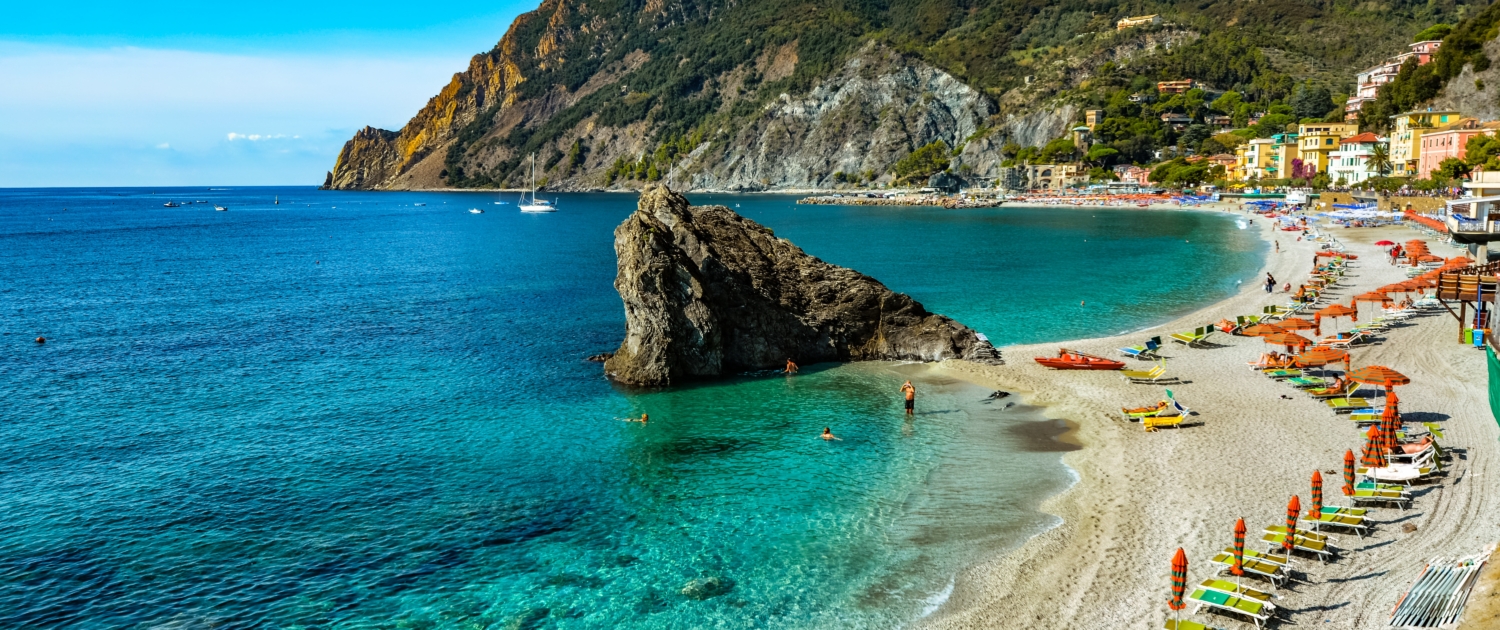
  • A broad, palm-fringed beach with calm water ideal for swimming and snorkeling right from shore
  • A colorful waterfront town where you can browse local crafts and sample regional dishes at a small family restaurant
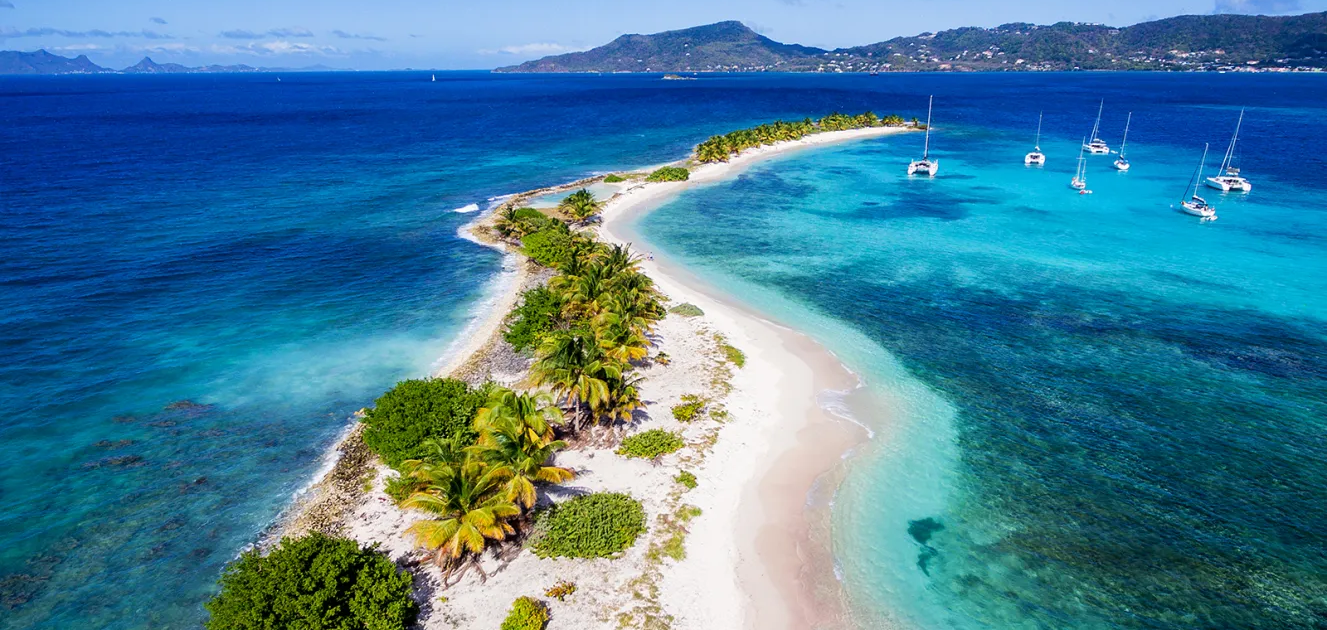
  • A catamaran excursion to a nearby cay, combining sailing with snorkeling and time on a sandbar
  • Inland excursions like rainforest hikes, waterfall visits, and colonial history tours for those who want more than just the beach

This route is an especially strong choice for first-time cruisers and for couples or families who want a balance of relaxation and exploration without ever feeling overwhelmed.

Western Caribbean from Gulf Coast Ports: Beaches, Ruins, and Soft Adventure

Western Caribbean itineraries departing from Gulf Coast ports are a perennial favorite, and for good reason. They are logistically convenient for a large part of the country, and the ports they visit deliver a satisfying mix of beach days, cultural moments, and low-key adventure.

What This Route Does Well

A typical western Caribbean sailing might include:

  • A Mexican port where you can split the day between a beach club and a guided trip to nearby ancient ruins
  • An island famous for clear water and marine life, where scuba divers and snorkelers head to shallow reefs while others stick close to shore for swimming and sunbathing
  • Mainland ports with access to river excursions, jungle parks, and zipline experiences for travelers who want a little adrenaline in the mix
  • A quieter island stop focused entirely on open stretches of sand, casual waterside bars, and easy water sports like kayaking and paddleboarding

What I love most about this route is the range. One day you might be standing in front of a Mayan pyramid, and the next you are floating over a coral reef. That kind of contrast keeps the week feeling fresh and full.

Who This Route Works Best For

Western Caribbean itineraries are a great fit for active travelers, multi-generational families, and first-time cruisers who want variety without complexity. Gulf Coast embarkation ports are also a practical advantage if you are in the southern or central U.S. and prefer driving to the port over flying.

Eastern Caribbean Island Sampler: Maximum Variety in a Single Week

Eastern Caribbean itineraries are exactly what they sound like. A single sailing might connect a lush, mountainous island blanketed in rainforest, a flat island known for long and calm beaches, and a colorful port town where townhouses line a sheltered harbor. The beauty of this route is how much contrast you get from one day to the next.

A Week That Never Feels Repetitive

Days on an eastern Caribbean itinerary tend to alternate naturally between different kinds of experiences. You might spend a morning lounging on a wide, palm-dotted beach, then take a scenic drive into the hills for panoramic views in the afternoon. The next port could have a busy downtown market worth exploring, while the one after that invites you to spend the day on a boat circling the island or visiting hidden coves.

For shoppers and foodies, eastern Caribbean ports are particularly strong. Duty-free shopping, local markets, and regional cuisine are highlights at many stops along this route.

The Big Picture

Over the course of a week, the contrast between lush hillsides, coral-fringed shores, busy port towns, and quiet beach spots keeps the itinerary dynamic in the best possible way. It never strays far from that classic Caribbean feel, but it never gets boring either. This is the route I often recommend to clients who have done the Caribbean before and want to see a different side of it.

How to Choose the Right Caribbean Route for You

Picking the right itinerary comes down to a few key questions: Where are you departing from? What matters more to you, beaches or culture or adventure? And how do you want to divide your time between relaxing and exploring?

Here is a quick breakdown to help you think it through:

  • Southern Caribbean from San Juan: Best for cultural immersion, island variety, and travelers who want a city experience before they board
  • Western Caribbean from Gulf Coast ports: Best for beach lovers who also want history and soft adventure, especially if you live in the southern or central U.S.
  • Eastern Caribbean island sampler: Best for repeat Caribbean cruisers and anyone who wants maximum variety in a single week

That said, the best itinerary is the one that fits your specific situation. Ship choice, cabin category, shore excursion planning, and pre- or post-cruise stays all play into the overall experience. That is where working with someone who knows these routes firsthand makes a real difference.

Ready to Plan Your Caribbean Cruise?

At Wishes and Waves Travel, we specialize in helping travelers find the Caribbean cruise that actually matches how they travel. Not just a booking, but a complete experience designed around what you love to do and how you like to spend your time at sea and onshore.

Whether you are starting from scratch or already have a route in mind, I would love to help you put it together. Reach out to start planning, and let’s find the itinerary that has your name on it.

Contact me to start planning your Caribbean cruise today.

Frequently Asked Questions


What is the best time of year to cruise the Caribbean?

The Caribbean cruise season generally runs from December through April, when weather is dry and temperatures are comfortable. That said, cruising outside peak season can mean lower fares and fewer crowds at popular ports. Hurricane season runs from June through November, and while most cruise lines adjust itineraries as needed, it is something to keep in mind when planning.
 

How many days do I need for a Caribbean cruise?

Most Caribbean cruises run seven nights, which is enough time to visit four to five ports without feeling rushed. Shorter sailings of three to five nights work well for first-time cruisers or those with limited vacation time. Longer voyages of ten or more nights allow for deeper exploration of the southern Caribbean or a broader island sampler.


Is it worth spending extra time in San Juan before boarding a cruise?

Absolutely, and I recommend it to nearly every client sailing from San Juan. One or two nights in the city give you time to explore Old San Juan, visit the historic forts, and settle in without the stress of rushing to the port on embarkation day. It also protects you in case of flight delays, which is always a smart buffer to build in.


Which Caribbean cruise route is best for families?

Western Caribbean itineraries tend to work especially well for families, thanks to the mix of beach days, accessible excursions, and ports with something for every age group. Eastern Caribbean routes are also strong family options. The right fit depends on your family’s interests, and I am happy to walk through the options with you.


Do I need a passport to cruise the Caribbean?

U.S. citizens on closed-loop cruises, meaning sailings that depart and return to the same U.S. port, can technically travel with a government-issued ID and birth certificate. However, I always recommend bringing a valid passport. If a medical emergency or missed departure requires you to fly home from a foreign port, you will need it.


How do I choose between cruise lines for the Caribbean?

Cruise line selection depends on factors like ship size, onboard amenities, dining style, entertainment, and your preferred pace. Some cruise lines emphasize party atmosphere and activities, while others lean more toward relaxed, destination-focused experiences. As a travel advisor, I work with multiple cruise lines and can match you with the one that genuinely suits how you travel, not just what happens to be on promotion.


Athens and the Greek Islands offer one of travel’s most satisfying combinations: world-class ancient history, impossibly beautiful scenery, and an unhurried pace that makes it easy to stay longer than you planned. Whether you are drawn by Santorini sunsets, the Parthenon, or the quiet magic of a harbor dinner, Greece delivers on every front.

Some destinations earn their reputation. Greece is one of them.

I have helped many clients plan trips to this part of the world, and the feedback is almost always the same: they wish they had stayed longer. That tells you something. This is a place that gets under your skin, not because it is trying to impress you, but because it simply is impressive. A 2,500-year-old temple. A cliffside village that looks as if it were painted by hand. A plate of grilled octopus at a table two feet from the Aegean. There is a reason Greece has been on people’s bucket lists for generations.
If you are thinking about a trip to Greece and trying to figure out how to piece it together, let me walk you through what I think is the ideal approach: start in Athens, then head to the islands. Here is how to make the most of it.

Begin in Athens: More Than Just a Layover

A lot of travelers treat Athens as a quick stop before the islands. I always recommend against that. The city deserves your full attention, even if it is just for two or three days.

The Acropolis is the obvious starting point, and yes, it lives up to the hype. There is something genuinely disorienting about standing in front of the Parthenon for the first time. It is one of those places where history stops being abstract. Plan for a full morning up there, then head to the Acropolis Museum in the afternoon. The museum is outstanding, and the artifacts there give you a much richer understanding of what you just saw on the hill.

After that, slow down. Wander into Plaka, the old neighborhood at the base of the Acropolis. It is exactly what you are picturing: narrow stone lanes, bougainvillea spilling over doorways, tiny shops, and tavernas where you can sit outside and spend two hours over a meal without anyone rushing you. Do that. Order the lamb chops, get a carafe of local wine, and watch Athens do its thing.
One underrated neighborhood worth adding to your Athens itinerary is Monastiraki, especially on a weekend morning when the flea market is in full swing. It is a great spot to pick up something genuinely local before you head to the islands.
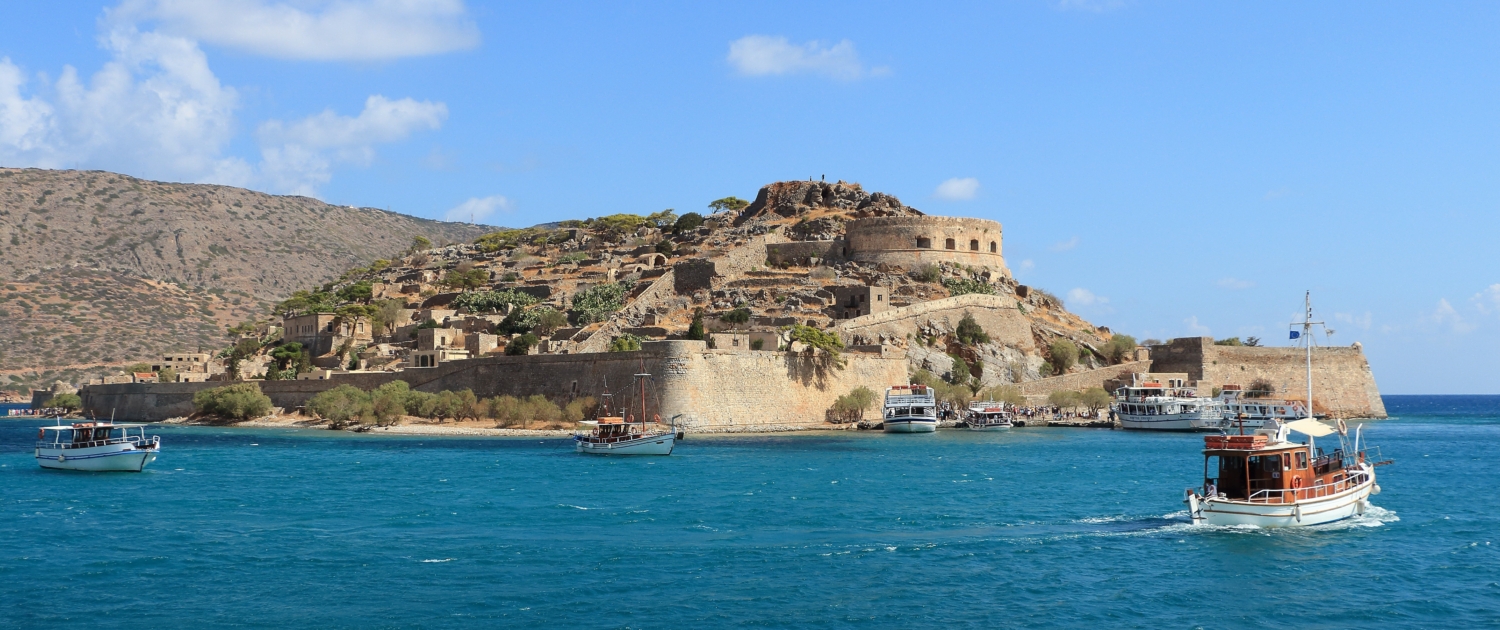
Santorini: The One That Lives Up to Every Photo

Yes, Santorini looks exactly like the pictures. And yes, it is still worth going.

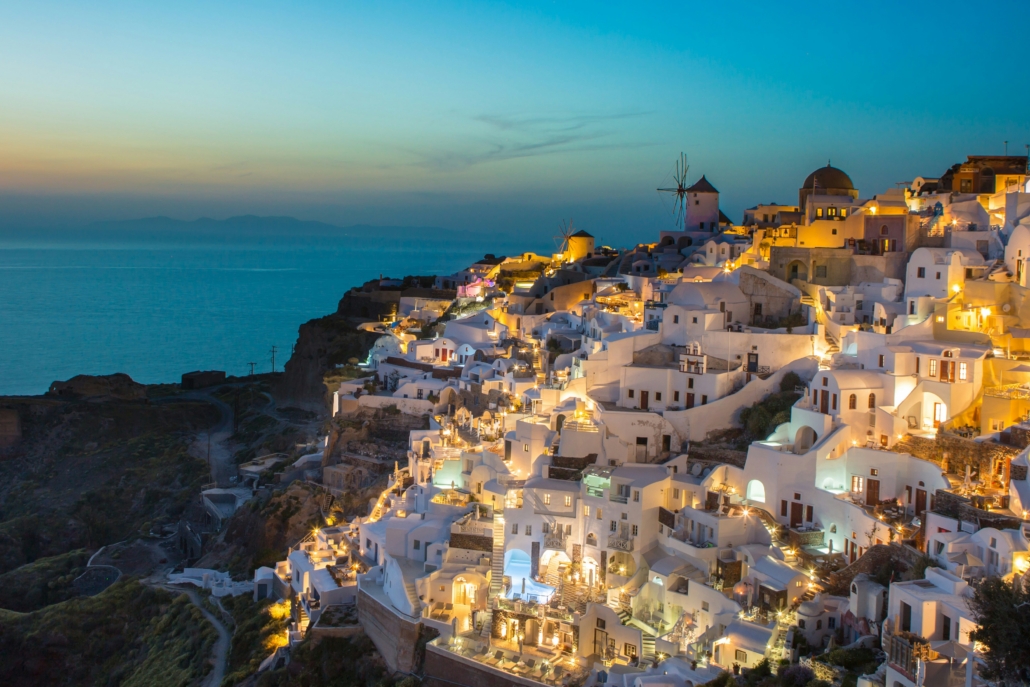
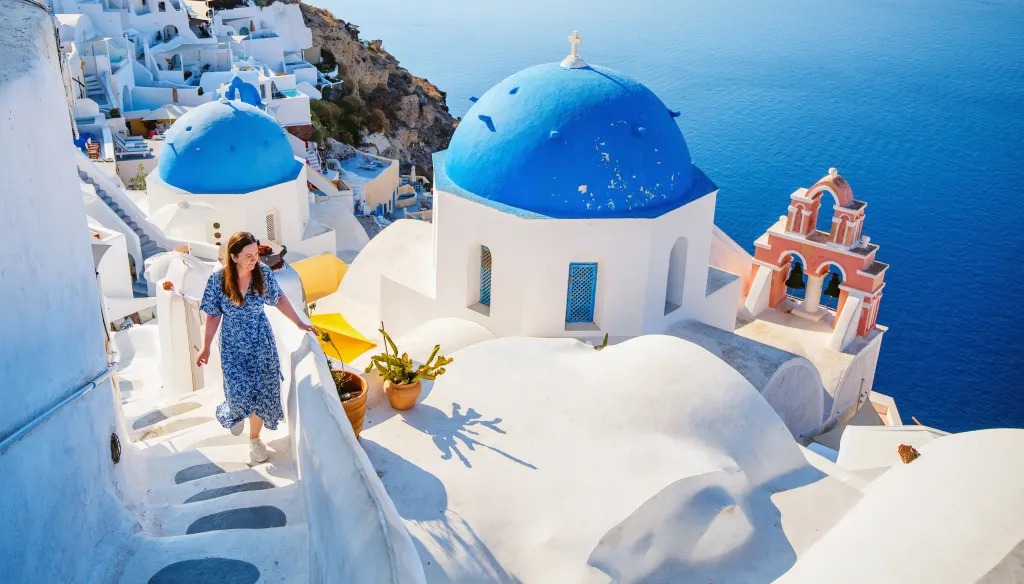
The island’s caldera views, particularly from Oia and Fira, are the kind of thing that genuinely stops you mid-sentence. Whitewashed buildings stacked against cliffs, blue-domed churches in the foreground, and a sea that shifts from deep cobalt to glittering silver depending on the light. It is relentlessly beautiful.

But here is what I tell my clients: do not spend all your time in Oia. Get out and explore. The volcanic beaches (Kamari and Perissa in particular) have a dramatic, otherworldly quality you will not find anywhere else. A catamaran cruise around the caldera is one of the best ways to experience the island, with stops for swimming in hot springs and front-row seats for the sunset from the water. It is a completely different perspective than watching from a clifftop terrace, and honestly, it might be the better one.

Pro tip: if you want the iconic Oia sunset experience without standing shoulder-to-shoulder with a thousand other people, go for sunrise instead. You will basically have it to yourself.

Mykonos: Choose Your Own Adventure

Mykonos has a reputation as a party island, which is partly true and also a bit overstated. What it actually is, is flexible. You can have an incredibly lively time here if that is what you are after. You can also have a completely relaxed, low-key experience, depending on which corners of the island you explore.

Mykonos Town, known as Chora, is charming and genuinely maze-like in the best way. The famous windmills overlook Little Venice, a row of colorful buildings that hang right over the water. You will find yourself wandering in and out of lanes, discovering small churches, boutiques, and good restaurants seemingly at random. That is exactly the right way to do it.

For beaches, Agios Ioannis and Ornos tend to be quieter and more family-friendly, while Paradise and Super Paradise draw a younger, livelier crowd. There is genuinely something for everyone here, which is why it works so well for mixed groups.

Beyond the Big Two: Rhodes, Hydra, and the Islands Worth Discovering

Santorini and Mykonos get most of the attention, but Greece has over 200 inhabited islands. A few others are worth serious consideration depending on what you are looking for.

Rhodes is one of my personal favorites. The old town is a UNESCO World Heritage site and one of the best-preserved medieval cities in Europe. You can walk along walls that knights actually walked on, explore a palace that has stood since the 14th century, and then be at a beach bar twenty minutes later. It is a genuinely surprising island.

Hydra is something else entirely. There are no cars or motorcycles on the island. None. Everything moves by donkey, boat, or foot. The result is a calm that is almost surreal compared to the rest of the Aegean. Stone mansions, a pretty harbor, excellent restaurants, and almost no tourist infrastructure. It is the Greece that existed before the Instagram age, and it is wonderful.

Crete is also worth mentioning, particularly if you want to combine beach time with serious history (the Minoan ruins at Knossos are extraordinary) or fantastic local food.

The Part Everyone Remembers: Evenings in Greece

Here is something I have noticed after years of helping people plan Greek holidays: the moments they talk about most when they get home are not the landmarks. They are the evenings.

Dinner in Greece is not a meal. It is an event. You sit down, you order in stages, you talk, you order more. The food is simple and excellent: grilled fish, fresh salads with real tomatoes, tzatziki, warm pita, local wine that costs almost nothing and tastes remarkable. The sun goes down over the water. Fishing boats bob in the harbor. Someone at the next table is celebrating something.

After dinner, you walk. Through old towns, past small churches, along waterfronts. Maybe you stop for a gelato or a Greek coffee. Maybe you sit on a step and just listen. This is the rhythm of Greece, and it is genuinely one of the more restorative things you can do with your time.

How to Plan Your Athens and Greek Islands Trip

The logistics of a Greece trip are not complicated, but getting them right matters. Here are a few things to keep in mind:

Timing. Late April through June and September through early October are the sweet spots. The crowds are manageable, the weather is excellent, and prices are noticeably lower than July and August. Peak summer is still wonderful, just busier and hotter.

Getting between islands. Domestic flights are fast and affordable for longer hops (Athens to Santorini, for example). Ferries are more scenic and great for shorter routes or if you have time to spare. I generally recommend a mix of both.

Where to stay. This varies enormously by island and budget. In Santorini, cave hotels in Oia or Fira with caldera views are the iconic choice. In Athens, staying near Syntagma or Monastiraki puts you walking distance from everything. In Mykonos, boutique hotels in the town center are convenient and atmospheric.

How long to plan for. Realistically, ten days to two weeks gives you Athens plus two or three islands without feeling rushed. You can do a shorter trip, but you will probably wish you had more time.

Ready to Start Planning?

Greece is one of those trips that sounds overwhelming to plan and ends up being one of the most seamless travel experiences you will ever have, if you approach it right. I have helped clients put together everything from 10-day first-timer itineraries to extended island-hopping adventures with a mix of ferry routes, private tours, and hand-picked hotels.

Contact me today and let’s make it happen.

Frequently Asked Questions

Planning & Logistics

What is the best time of year to visit Athens and the Greek Islands?

Late April through June and September through early October offer the best combination of good weather, manageable crowds, and lower prices. July and August are peak season, so expect more tourists and higher rates, though the islands are still wonderful. If you want value and relative quiet, shoulder season is the way to go.

How many days do I need for a Greece trip?

Ten days to two weeks is ideal if you want to see Athens and two or three islands without feeling rushed. A week is doable for a focused trip (Athens plus one island), but most people wish they had stayed longer. I have never had a client come home saying Greece was too long.

Getting Around

Is it better to fly or take ferries between the Greek Islands?

It depends on the route and your schedule. Domestic flights are fast and affordable for longer hops, like Athens to Santorini or Rhodes. Ferries are more atmospheric, less expensive, and a great choice for shorter routes or if you want a scenic travel experience. I usually recommend a mix of both for most itineraries.

Do I need to rent a car in Greece?

In Athens, no. Public transit and taxis work well. On most islands, it depends on your plans. In Santorini, an ATV or scooter is popular, but the island is small enough to get around without one. In Rhodes, a car is useful for exploring beyond the old town. Hydra does not allow cars at all, which is part of its appeal.

Experiences & Destinations

Is Santorini worth the hype?

Yes, genuinely. The caldera views are as spectacular as advertised, and the island has more to offer than just the Instagram-famous spots. That said, it is one of the pricier Greek Islands and can feel crowded in peak summer. If you go, build in at least two full days, add a catamaran excursion, and spend time beyond Oia in villages like Pyrgos or on the volcanic beaches.

Which Greek Islands are best for families with kids?

Crete is excellent for families because it has a wide range of accommodations, great beaches, and enough activities to keep kids engaged for a week or more. Rhodes is another strong option, with the fascinating old town to explore and calmer waters on the east coast. Mykonos has family-friendly beach areas, and its compact town is fun to wander with older kids.

Can I visit Athens and the Greek Islands on a budget?

Greece is more affordable than most Western European destinations, though Santorini and Mykonos sit at the higher end. Food and local transportation are generally very reasonable, and ferry travel is inexpensive. Staying in shoulder season and choosing islands like Naxos, Paros, or Hydra over the headline names will stretch your budget considerably without sacrificing the experience.

Let me be honest with you: I was a skeptic too.

Before I stepped onto my first AmaWaterways ship, I had a list of reasons why river cruising wasn’t for me. Too slow. Too quiet. Too old. Sound familiar? I’ve heard every version of this from clients, friends, and honestly, from myself.

And then I actually did it. And everything I thought I knew? Wrong.

Here are the 10 river cruise myths I hear most often, and the truth behind each one.

Myth #1: River Cruises Are Only for Older Travelers

This is the one I hear the most, and it’s the one that frustrates me the most.

Yes, retirees love river cruising. So do active couples in their 40s, food and wine obsessives, multi-generational families, and solo travelers who want meaningful experiences without the chaos of a group tour. The demographic has shifted significantly in recent years, and the cruise lines have kept up.

If you love good food, beautiful scenery, walkable towns, and travel that doesn’t leave you exhausted, you’ll fit in perfectly. Age has nothing to do with it.

Myth #2: River Cruises Are Boring

Boring how? Peaceful mornings? Stunning views? Multiple destinations per day? If that’s boring, I’ll take it.

A typical river cruise day might include a guided walk through a medieval village, a wine tasting at a local vineyard, a bike ride along the river, a visit to a centuries-old castle, or simply a solo wander through a market. Evenings are relaxed and social, often with local entertainment or a quiet glass of wine on the sun deck.

I came home from my first AmaWaterways cruise actually feeling rested. I didn’t think that was possible on a European trip. That’s the magic of it.

Myth #3: You Don’t Really See Much

River cruising actually lets you see more, not less. And the way you experience each destination is completely different from any other type of travel.

Unlike ocean cruises that dock at industrial ports miles from anywhere worth seeing, river ships pull right into the center of town. You step off the gangway and you’re already there. A medieval square. A riverside cafe. A centuries-old cathedral. No bus transfers. No wasted time.

And the sailing itself is part of the show. You’re gliding past vineyards, fortresses, tiny villages, and rolling countryside while you sip your morning coffee on the sun deck.

One of my favorite unexpected moments? Passing through a lock and being so close to the walls that I could have reached out and touched the concrete from my balcony. That’s not something you experience on a bus tour.

Myth #4: River Cruises Are Too Structured

River cruising gives you structure when you want it, and freedom when you don’t. That’s actually one of the things I love most about it.

Guided excursions are always included, but they’re never required. Want to skip the group tour and explore on your own? Go for it. Want to sleep in and catch the next port? Absolutely fine. Want to spend the day shopping while your partner hikes up to a castle? (This may or may not be a real thing that happened on our trip.)

The itinerary is designed to support you, not control you.

Myth #5: The Ships Are Small and Cramped

River ships are smaller by design, and that’s one of their greatest advantages.

Think boutique hotel, not big box resort. Comfortable staterooms, panoramic lounges, elegant dining, a sun deck, and quiet reading nooks. With significantly fewer passengers on board, everything feels calm, unhurried, and personal.

Our muster drill on AmaWaterways? A two-minute explanation. Our “safety briefing” on an ocean cruise once took 45 minutes. I’ll take the boutique experience every time.

No crowds. No lines. No chaos. Just a lot of personal attention from a crew that actually remembers your name.

Myth #6: River Cruising Is Too Expensive

When you look at everything that’s actually included, river cruising is one of the best values in travel.

Most itineraries include:

  • All accommodations
  • All meals (often with regional wine or beer included at dinner)
  • Daily guided excursions in every port
  • Transportation between cities
  • Onboard entertainment
  • Port fees and taxes

Compare that to a land-based European trip where you’re separately booking hotels, guides, trains, and every meal, and the value becomes very clear. You also only unpack once.

One thing that genuinely surprised me on my AmaWaterways cruise: laundry was a few dollars per item, and a 45-minute massage was $45. I wasn’t expecting that.

Myth #7: The Food Is Just Average

This one makes me laugh every time, because food is one of the things I talk about most when I describe my river cruise experience.

Menus are thoughtfully designed around the regions you’re sailing through, with local ingredients, regional wine pairings, and dishes that reflect where you actually are. It’s not buffet cruise food. It’s genuinely good dining, night after night, without the restaurant bill.

Myth #8: I’ll Gain Weight

Good food is part of the experience, yes. But so is walking through a new town every morning, biking along the river, and exploring on your own time.

Most travelers come home feeling surprisingly good, not sluggish. River cruising naturally builds movement into your day in a way that doesn’t feel like exercise, which is honestly the best kind.

Myth #9: River Cruising Feels Limiting

In reality, it might be the most freeing way to travel.

Your hotel moves for you while you sleep. You wake up in a brand-new destination without packing a single bag or checking out of anything. You explore as much or as little as you want, and at the end of the day, you return to a comfortable, familiar space that you already know and love. That kind of ease is genuinely rare in travel.

Myth #10: It’s Not Adventurous Enough

Adventure means something different to everyone.

For some people, adventure is hiking to a 12th-century fortress on a whim. For others, it’s sitting in a cafe in a town they’ve never heard of, ordering something they can’t pronounce, and loving every bite. River cruising delivers both.

And for those who want more structured activity, many AmaWaterways itineraries include hiking options, guided bike rides, kayaking excursions, and longer independent exploration time. You choose your own level.

The Bottom Line: River Cruising Is What You Make It

River cruising isn’t about doing everything. It’s about doing the right things in the right way, at a pace that lets you actually absorb and enjoy where you are.

It’s for travelers who appreciate:

  • Thoughtful pacing that never leaves you feeling rushed
  • Meaningful destinations with real cultural depth
  • Elegant, comfortable accommodations
  • The joy of waking up in a new place without any of the hassle

I’ve seen it happen over and over: someone who swore river cruising wasn’t for them takes one trip and it becomes their favorite way to travel. Then they’re the ones debunking the myths the next time someone says, “I could never do that.”

Ready to See What River Cruising Is Really Like?

I specialize in planning river cruise experiences that are completely tailored to you. Whether you’re a first-timer or a seasoned traveler looking for a new way to explore the world, I’d love to help you plan something extraordinary.

Download my free River Cruise Planning Guide to get started, or reach out directly to Wishes and Waves Travel and let’s start planning your voyage.

Contact me today at wishesandwaves.com

Frequently Asked Questions About River Cruising

How is river cruising different from ocean cruising?

River ships are smaller and more intimate, carrying far fewer passengers than ocean cruise ships. They dock right in the heart of towns and cities, so you step off directly into the destination rather than transferring from a distant port. The experience is generally more relaxed, more culturally immersive, and far less crowded.

What is typically included in a river cruise?

Most river cruise fares include all accommodations, all meals, daily guided shore excursions, port fees, and onboard entertainment. Many also include wine or beer with dinner. It’s a much more all-inclusive experience than most travelers expect.

What is the best river cruise line for first-timers?

AmaWaterways is consistently one of my top recommendations for first-time river cruisers. Their ships are beautiful, the service is exceptional, the food is a genuine highlight, and they offer a great balance of guided excursions and free exploration time. That said, the best fit really depends on your destination, travel style, and budget, which is exactly why I love helping clients navigate the options.

Is river cruising good for couples?

Absolutely. River cruising is one of the best travel formats for couples because it combines romantic scenery, excellent dining, shared cultural experiences, and just enough flexibility that two people with different interests can both enjoy the trip. One person can explore independently while the other joins a guided excursion, and you meet back on board for a lovely dinner.

What are the most popular river cruise destinations?

Europe is by far the most popular, with the Danube, Rhine, and Douro rivers among the top choices. The Danube is especially popular for its variety, connecting cities like Vienna, Budapest, and Bratislava. Outside Europe, the Mekong River in Southeast Asia and the Nile in Egypt are bucket-list options. The Christmas Markets river cruises through Europe each winter are also incredibly popular and tend to sell out fast.

How far in advance should I book a river cruise?

The earlier the better, especially for popular itineraries and peak travel dates. Most river cruise ships carry between 120 and 160 passengers, so they fill up quickly. For peak summer sailings and Christmas Markets cruises, booking 12 to 18 months in advance is not unusual. I always recommend reaching out sooner rather than later so we can secure the stateroom category and sailing date that actually works for you.

Questions? I’d love to help. Contact me today and let’s find your perfect river cruise.

Beaches Turks & Caicos is opening its newest and most exclusive village, Treasure Beach, on March 1, 2026, featuring 101 multi-bedroom butler and concierge suites, seven new restaurants, a 15,000-square-foot infinity-edge pool, and a private stretch of Grace Bay Beach. It’s the perfect upgrade for families, luxury seekers, and multigenerational groups who want an elevated all-inclusive experience, and bookings are open now.

Whether you watched the full video or you’re here for all the details, let me walk you through why Treasure Beach is one of the most exciting things to happen in all-inclusive family travel this year, and why you’re going to want to book this sooner rather than later.

What Is Treasure Beach Village?

Think of it as a resort within a resort. Treasure Beach Village is Beaches Turks & Caicos’s newest “hotel within a hotel,” a slightly more elevated enclave tucked into one of the Caribbean’s most reliable family all-inclusive resorts. It’s designed for families who want that calmer, more refined home base without giving up a single thing that makes Beaches so iconic.

Set toward the western end of the property, Treasure Beach Village feels like its own little corner of the resort. The busier parts of the property are close enough to get to when you want them, but far enough away that Treasure Beach stays calm. That balance, privacy without isolation, is exactly what so many of my clients are looking for.

The Accommodations: Spacious, Stylish, and Built for Real Families

This is where things get really exciting. Treasure Beach Village will have 101 multi-bedroom concierge and butler suites, designed with large families in mind.

Guests can choose from 11 unique room categories, each made for relaxation, including spacious 3- and 4-bedroom suites with private terraces, modern amenities, and sweeping views. At the top of the lineup, the CrystalSky Reserve Villas are three-story villas with private pools and panoramic ocean views that can accommodate up to 10 guests, perfect for multigenerational groups or a big family celebration.

Treasure Beach at Beaches Turks & Caicos

And for those who love the Beaches butler experience? Butler service is available in multiple suite categories, which means your family’s every need is handled from the moment you arrive.

Dining: Seven New Restaurants (Yes, Seven)

One of the questions I get most often is, “Is the food good at all-inclusives?” At Treasure Beach, the answer is a resounding yes, and then some.

Dining is anchored by The Pinta Food Hall, which keeps things flexible. Multiple stations serve Italian, Mexican, and Asian dishes, salads, and grilled options, so picky eaters and adventurous ones can split up and meet back at the same table. Butch’s Island Steakhouse, new to Beaches Resorts, brings a more traditional sit-down option with prime cuts and structured service. Mornings start at BRÜ coffee bar, while Calypso’s Snow Cone Station handles the post-pool sugar rush without anyone needing to change out of flip-flops.

And here’s the best part: guests staying at Treasure Beach still have full access to all the restaurants across the entire Beaches Turks & Caicos resort. We’re talking 18+ dining options total. No one is going hungry.

The Pool & Beach: Where the Magic Happens

The new village will be home to a 15,000-square-foot infinity-edge pool with ocean views. The pool area will have a natural gradient design intended to mimic a beach. There are three slides, a mini pool, a splash pad for toddlers, and swim-up bar service, all in one gorgeous space.

In the evenings, Starfish Cinema adds a low-key option for families who want to stay close but still do something together after dinner. Parade A 32-seat cinema lounge right in the village? That’s the kind of thoughtful touch that makes a vacation feel really special.

And of course, the whole thing sits right on Grace Bay Beach, consistently rated one of the most beautiful beaches in the world. That part hasn’t changed. It’s just gotten a better front porch.

Who Is Treasure Beach Village For?

Honestly? So many of my clients. But it’s particularly perfect for:

Multigenerational families who need big suites that comfortably fit grandparents, parents, and little ones, all under one roof with enough space to breathe.

Luxury seekers who want the all-inclusive convenience but aren’t willing to sacrifice the elevated feel of butler service and high-end accommodations.

Families with young kids who want a calm, manageable home base with a pool that’s actually designed for toddlers and young children.

Anyone who’s already been to Beaches Turks and is looking for a reason to go back. This is your reason.

Don’t Wait on This One

Treasure Beach is now taking bookings, with an official opening on March 1, 2026. New openings at properties this popular fill up fast, and I’m already fielding questions about spring and summer availability.

If Treasure Beach has been calling your name, or if you watched my video and thought, “I need to be there,” now is the time to reach out. I’ll help you find the right suite category for your family, talk through timing, and make sure every detail is handled before you ever pack a bag.

Ready to plan your Treasure Beach vacation? I’d love to help you make it happen. Contact me here or send me a message. Let’s get your family to Grace Bay!


Frequently Asked Questions About Treasure Beach Village at Beaches Turks & Caicos

When does Treasure Beach Village open and can I book now? Treasure Beach Village officially opens March 1, 2026, and reservations are open right now. This is a brand-new village at one of the most popular family resorts in the Caribbean, so availability will go fast. Reach out to me at Wishes and Waves Travel and I’ll help you lock in the best suite for your family before it sells out.

What room options are available at Treasure Beach Village? Treasure Beach Village offers 101 multi-bedroom suites across 11 room categories, ranging from two-bedroom concierge suites to expansive three and four-bedroom butler villas that can accommodate up to 10 guests. Many suites include bunk beds, private terraces, and stunning ocean views, making them ideal for families of all sizes.

What is butler service and is it worth it? Butler service at Beaches means you have a dedicated team member handling everything from unpacking your luggage and making dining reservations to delivering snacks to the beach and arranging special surprises for the kids. For families traveling with young children or multigenerational groups, it is absolutely worth it. It removes the mental load of vacation planning so you can actually relax and be present with your family.

Do Treasure Beach guests have access to all the dining at Beaches Turks & Caicos? Yes! Treasure Beach Village adds seven brand-new dining options including The Pinta Food Hall, Butch’s Island Steakhouse, and BRÜ coffee bar. On top of that, guests have full access to all 18+ restaurants across the entire Beaches Turks & Caicos resort. There is truly something for every palate and every age.

Is Beaches Turks & Caicos truly all-inclusive? Absolutely. Everything is included: dining, drinks, watersports, kids’ clubs, Sesame Street experiences, airport transfers, tips, and taxes. No hidden fees, no surprise charges at checkout. It’s one of the reasons I consistently recommend Beaches Resorts to my families.

Why should I book Treasure Beach Village through a travel advisor? Booking a new village at a resort this popular is not the time to go it alone. As a travel advisor at Wishes and Waves Travel, I have direct relationships with Beaches and can help you navigate room categories, identify the best value for your group size, and make sure you don’t miss out on any promotions or perks.

Whether you’re daydreaming about strolling through European streets, taking in the historic landmarks and vibrant culture, or relaxing in the Caribbean, soaking up the sun and crystal-clear waters, the big question always lingers: “How far in advance should I plan?” For many of us, the excitement of planning a trip can be just as thrilling as the journey itself, but knowing when to start making arrangements can be a daunting task. Should you book your flights and accommodations a year in advance, or can you get away with making last-minute plans? The answer depends on a variety of factors, including your destination, travel style, and flexibility. In this post, we’ll break down the key considerations to help you determine the perfect planning timeline for your next adventure.

Cruises 

Cruises for both oceans and rivers typically release their itineraries 18-24 months in advance. While it’s not always essential to book this early, if you’re aiming to travel during busy periods like Christmas or Spring Break, it’s advisable to book as early as possible. For other times, we recommend booking 6-12 months in advance. Doing so allows you to select your preferred cabin, take advantage of early booking discounts, and choose the perfect itinerary. If you book with us, this timeframe also ensures that we have enough time to arrange unique cultural experiences, secure preferred dining times, and fully prepare for your trip.

Europe

To fully enjoy the historic landmarks, beautiful landscapes, and delicious cuisine of Europe without feeling rushed or stressed, we recommend planning your trip 9-12 months in advance. This will give you the best chance to find great deals on flights and accommodations and secure reservations for popular attractions. If you’re booking with us, this timeframe allows us to carefully plan your itinerary and coordinate with our trusted partners to ensure everything is ready for your arrival.

All-Inclusive Resorts 

For a stress-free all-inclusive vacation, we highly advise planning 3-9 months prior to your intended travel dates, and even earlier for peak seasons like Christmas and Spring Break. This proactive approach gives you the best chance to find the most suitable accommodations at the best resorts, and so much more. By planning ahead, you’ll be able to secure the most desirable room categories and amenities, take advantage of early-bird discounts and promotions, and ensure the availability of popular activities and excursions. Planning ahead also allows you to make informed decisions about travel insurance and other essentials, avoid last-minute rushes and potential price increases, and enjoy a more relaxed and enjoyable planning experience.

Domestic Vacations 

We don’t book all domestic locations, but we specialize in planning trips to stunning national parks, the beautiful beaches of the Hawaiian islands, and one of my favorite places on earth – Alaska! We recommend planning these types of trips 3-6 months in advance. This gives us the opportunity to book flights at reasonable prices, secure accommodations in popular destinations, and plan any necessary excursions. If you’re booking with us, this also gives us enough time to craft the perfect itinerary enriched with hidden gems and expert insights.

Keep in mind that these timeframes are just a starting point, as every traveler’s preferences and flexibility are one-of-a-kind. That’s why we specialize in curating customized journeys that cater to your distinct style and needs. We’re thrilled to help you plan your ideal getaway, and we look forward to tailoring every detail to make your travel dreams a reality! To get started, click HERE.


Cruising in the Caribbean is a favorite for many due to its sunny destinations, diverse cultures, and clear blue waters. The Eastern Caribbean features islands like St. Thomas and St. Maarten, known for their beautiful beaches and history. In the Western Caribbean, you’ll find a mix of landscapes, from the rainforests of Belize to the markets of Cozumel. The Southern Caribbean offers a more secluded experience with gems like Aruba and Curacao, known for their colorful architecture and rich history.

Caribbean cruises make it easy to explore these diverse regions without the hassle of multiple flights, promising new adventures each day, from snorkeling to exploring ancient ruins and enjoying local cuisine. The onboard experience adds to the appeal, with premium amenities, top-notch dining, and entertainment that reflects the lively spirit of the islands. It’s an ideal escape for those looking for relaxation, adventure, or a taste of local culture.

I love selling and sailing with Royal Caribbean. They boast a fleet of innovative ships equipped with state-of-the-art amenities and entertainment. Expect well-appointed cabins, diverse dining options, entertainment for all ages, and activities ranging from rock climbing to Broadway-style shows. From the groundbreaking Oasis-class ships to the modern and feature-rich Quantum-class vessels, there’s always something new and exciting to explore onboard. For those seeking a longer and more adventurous journey, Royal Caribbean offers a 16-day transatlantic cruise, providing a unique opportunity to cross the Atlantic Ocean and explore different ports along the way.

Royal Caribbean plans to sail seven ships for the 2025-2026 season. They will depart from various ports in Florida as well as Galveston, Texas. Cruise itineraries include the Southern, Western, and Eastern Caribbean, along with the Bahamas and Perfect Day at Coco Cay. The duration of cruises range from 2 to 16 nights. 

Below is a chart listing each ship, its departure port, the first date of its itinerary in 2025, the number of days for various voyages, and the itineraries for each.

Ship Departure Port First Sail Date in 2025 Duration Options (# of Nights) Itinerary
Rhapsody of the Seas San Juan May 24 7, 8 Southern Caribbean
Rhapsody of the Seas Tampa November 2 6, 7, 8 Western Caribbean
Oasis of the Seas Ft. Lauderdale April 27  2, 5, 6, 7, 8  Southern, Eastern & Western Caribbean, Perfect Day
Independence of the Seas Miami October 30 3, 7  Eastern & Western Caribbean, Bahamas,  Perfect Day
Icon of the Seas Miami May 3 7 Eastern & Western Caribbean, Perfect Day
Harmony of the Seas Galveston April 27  6, 7, 8, 16  Western Caribbean, Perfect Day, Transatlantic
Grandeur of the Seas Ft. Lauderdale April 18 3 Bahamas
Grandeur of the Seas Tampa April 23 7, 10 Bahamas, Southern & Western Caribbean, Perfect Day
Adventure of the Seas Orlando/Port Canaveral April 26 6, 8 Western, Eastern & Southern Caribbean, Perfect Day

For those looking for unique adventures, including the Pacific Coast, the Panama Canal, and Spain Transatlantic, you can get onboard a one-of-a-kind sailing on a fan-favorite ship. Allure of the Seas, Brilliance of the Seas, and Serenade of the Seas have various itineraries beginning in February, 2025. 

For more information on any of these voyages, or to start planning for 2025-2026, click here

Last August, a Travel Agent friend mentioned a FAM Trip to Tanzania. (FAM = Familiarization Trip. These are trips that Travel Agents attend to become familiar with a destination or resort) She had applied a year earlier, and the trip was canceled, so they were rebooking her for 2023. She mentioned she knew other travel agents who may be interested, and they encouraged us to apply.

The trip was hosted by TATO – The Tanzania Association of Tour Operators in cooperation with the Tanzanian Government with funding from the United Nations Development Programme. Like many parts of the world, Tanzania was hit hard by COVID, and this FAM is part of their effort to rebuild tourism. 

Fast forward to March of 2023, and I received word that I was accepted and would be going to Tanzania for 14 days! Yikes. What did I sign up for? 14 days is a long time to be gone. 14 days in Africa? What was I thinking?

By July, it had set in that I was going to Africa on safari. I was scared yet more excited. I started shopping for clothes and preparing. While Africa had always been on my bucket list, and I had many dreams of safari, realizing it was finally happening frightened me. I’m not sure what exactly I was afraid of. Being eaten by a lion? Catching some flesh-eating bacteria? Dying of malaria, cholera, dysentery? (Spoiler alert: it was all in my head – this is not the Oregon Trail!) 

On Friday, September 15, my husband drove me to Chicago. The following morning I boarded a flight on Ethiopian Air to Addis Ababa, Ethiopia, and then to Kilimanjaro Airport in Arusha, Tanzania. Luckily I had my travel agent friend Erin with me, because it was quite an adventure!

It was a VERY long day of travel. The flight was a three-ring circus. The bathroom door came off on the plane, and it was carried through the aisle, a woman trying to steal someone else’s seat while that seat occupant was in the bathroom. People were yelling at each other across the cabin. Guests throwing their trash all over the floor. We made it to Tanzania safely (with lots of crazy stories ????)

Tears ran down my face as I stepped off the plane and saw the Kilimanjaro International Airport sign. Africa has always been on my list, and to be here is a dream come true. After a very long process of getting our visas approved, we made it through the airport to meet our guide Elisha.

We didn’t know then what a huge role he would play in our adventure or how lucky we were to have been placed with him. Seeing his smiling face, I was immediately at ease and knew I was in for the adventure of a lifetime. 

Even though we hardly slept on the plane, it was nearly 4pm when we arrived at our hotel and we knew we needed to stay awake. Our hotel – Four Points Sheraton Arusha had a beautiful pool. (Watch a room tour HERE.) We decided to take a dip, and it sure woke us up…it wasn’t heated!!! While at the pool, we met another American. Tyler worked for the Commerce Department and was in Arusha for a conference. We ended up having dinner with him and many more meals over the next few days. We met our first friend of the trip! 

Our First Full Day in Arusha 

Like most hotels in Arusha, ours included breakfast. It was a great cold buffet with fruits, yogurts, cereal, and more. The hot station consisted of things like stewed vegetables, bacon, sausage, hard-boiled eggs, and potatoes. There was also an egg station where you could order eggs any way you’d like. I learned this is the norm throughout Tanzania. 

Elisha picked us up, and we started the day at Sanaa. This non-profit organization trains and employs the marginalized in Tanzania to create arts and crafts. We were able to tour the facility and see everything from shoe, bags, clothes, rugs, and blown glass being made. A kind deaf gentleman even showed me how to make a glass bead. It was an experience that touched my heart and was simply amazing! I picked up some of the handmade jewelry pieces I will cherish forever. Probably the most incredible thing was the handmade safari bags. I purchased one for my husband and we both absolutely love it!

2023-09-18 03.17.07
previous arrowprevious arrow
next arrownext arrow
Shadow

Then we toured the incredible Gran Melia Arusha a fantastic property that you would stay at upon your arrival in Arusha before you go out on safari or upon your return from safari before you head home. This luxurious hotel offered incredible views and plush accommodations.

2023-09-18 02.29.52
previous arrowprevious arrow
next arrownext arrow
Shadow

We had lunch at the rooftop restaurant and met the other half of our group. I was traveling with Erin and Denise with our guide Elisha. Erin, Denise and I all met almost 3 years ago to the day on a FAM trip to Cancun. Denise is the reason we were all here together! The other half of our party was Mia, a travel agent from San Diego (my hometown); Francis, a travel agent from Philadelphia; and Vlado, a travel journalist and influencer from Croatia. 

I sat next to Vlado, which would be a theme over the next two weeks. We enjoyed teasing each other but also enjoyed each other’s company and had lots of great conversations. Vlado suggested I try the fried crocodile – when in Rome right? Honestly, it tasted like chicken and I’m glad I tried it! 

Fried crocodile

We finished the day with a networking event where I met with over 50 safari companies, resorts, and more. It was like speed dating! Afterward, there was a cocktail reception where we got to speak to everyone in greater detail and begin to form relationships. 

2023-09-18 07.32.31
previous arrowprevious arrow
next arrownext arrow
Shadow

While this trip had many amazing parts, the biggest takeaway was networking with owners and operators on the ground in Tanzania. I have people whom I’ve met in person who I can work with to give my clients a first-class experience. There was a news segment produced about the event that you can watch HERE

Heading out to the bush! 

On Tuesday, September 19th we headed out to the bush. I wasn’t sure what to expect. I was excited! We were really going on safari. Little did I know what was in store for us.

We drove about two hours to Lake Manyara. Lake Manyara National Park is about 125 square miles and the sign said: “Home of tree-climbing lions” so that got me pretty excited. Then Elisaha told us that in all of his years as a guide, he’d never seen the lion in the tree. We didn’t either, so that was disappointing. 

We saw lots of birds, tons of monkeys and baboons. Even a few water buffalo. The other part of our safari group saw zebras but we missed them ???? 

Knowing now what was to come, this park isn’t my favorite. I think I prefer to see animals that could potentially kill me. It’s way more exciting to me. But Lake Manyara is a great park to start your safari adventure. 

Lake Manyara
previous arrowprevious arrow
next arrownext arrow
Shadow

Then we headed to lunch at The African Galleria. This was a bit of a tourist trap, but the lunch was tasty.

2023-09-19 07.39.37 copy
previous arrowprevious arrow
next arrownext arrow
Shadow

Then we toured the Galleria which was full of talented artists and beautiful art. The coolest thing was seeing the craftsman carve the ebony. There was also a huge shop where I purchased some jewelry and other items. 

Finally, we headed to our accommodations for the evening – Kirurumu Manyara Lodge This is a tented camp with the most incredible views of Lake Manyara! 

2023-09-19 08.47.00
previous arrowprevious arrow
next arrownext arrow
Shadow

This was our first night in a tented camp. I think I’ve slept in a tent maybe twice in my life and honestly, I was scared. If you know me, you know this is WAY out of my comfort zone. It wasn’t what I was expecting at all. The tent is on a slab and has concrete floors. Our tent even had doors. The bathroom was attached and had concrete walls. We had a toilet, shower, and even double sinks. 

The mosquito nets were a little frightening, but yet kind of exotic. Looking back now I can laugh. But at the time I was terrified of the mosquitos and other bugs that were going to eat me alive all night long. Add to that we were sleeping in a tent in the wild. With every gust of wind, the tent flapped, and I was sure a baboon was trying to break in. They weren’t. The Massai tribesmen stood guard all night. If we needed something they were right outside and we just needed to flash our flashlight or scream and they would be there within seconds. Remember that movie City Slickers? That was us but in the bush of Africa. 

We had a wonderful evening with our safari mates and guides. This was one of my favorite dinners we had. The food was fantastic and it’s where we all started to get to know each other better. Even though we are all from different corners of the world, we shared a ton of laughs over a great dinner.

All of the details of my trip are saved as highlights on my Instagram.

If you would like more information on going on safari, click here to get started!