Tag Archive for: Luxury Travel

That budget cruise fare looks great until you add gratuities, drinks, dining, Wi-Fi, and excursions. We break down how luxury all-inclusive cruises often cost less than you’d think once the full picture comes into focus.

There’s a number at the top of every cruise advertisement that looks very appealing. It’s designed to. And then there’s what you actually spend.

One of the most valuable conversations we have with clients at Wishes and Waves Travel is what we call the true cost breakdown. It’s the moment when someone comes in looking at a mass-market fare and leaves genuinely considering a luxury all-inclusive cruise they thought was “way out of budget.” It happens more often than you’d think, because the numbers tell a different story than the headline price.

Let’s walk through it together.

What the Headline Price Doesn’t Include

On most mass-market and even premium cruise lines, the advertised fare is only the
beginning. Here is what commonly gets added on top:

  • Mandatory gratuities: Often $17.50 or more per person, per day. On a 7-night cruise for two, that’s $245 added before you’ve spent a dollar on anything else.
  • Beverage packages: A mid-range drink package typically runs $70 to $100 per person per day. For two people on a week-long cruise, that’s $980 to $1,400.
  • Specialty dining: Many ships charge $30 to $60 per person per specialty restaurant visit. If you eat at specialty venues three or four times, you’re looking at another $200 to $400 per couple.
  • Wi-Fi: Standard packages run $20 to $35 per day, per device. For a week, that’s another $140 to $245 per person.
  • Shore excursions: Group excursions through the ship run $80 to $200 per person per port. On a 7-night itinerary with five ports, that’ easily $400 to $1,000 per person.

We’ve had clients walk off a week-long cruise on a “budget” line having spent $2,000 or more above their base fare per couple. And that wasn’t unusual spending. That was just living normally.
What Luxury All-Inclusive Actually Covers

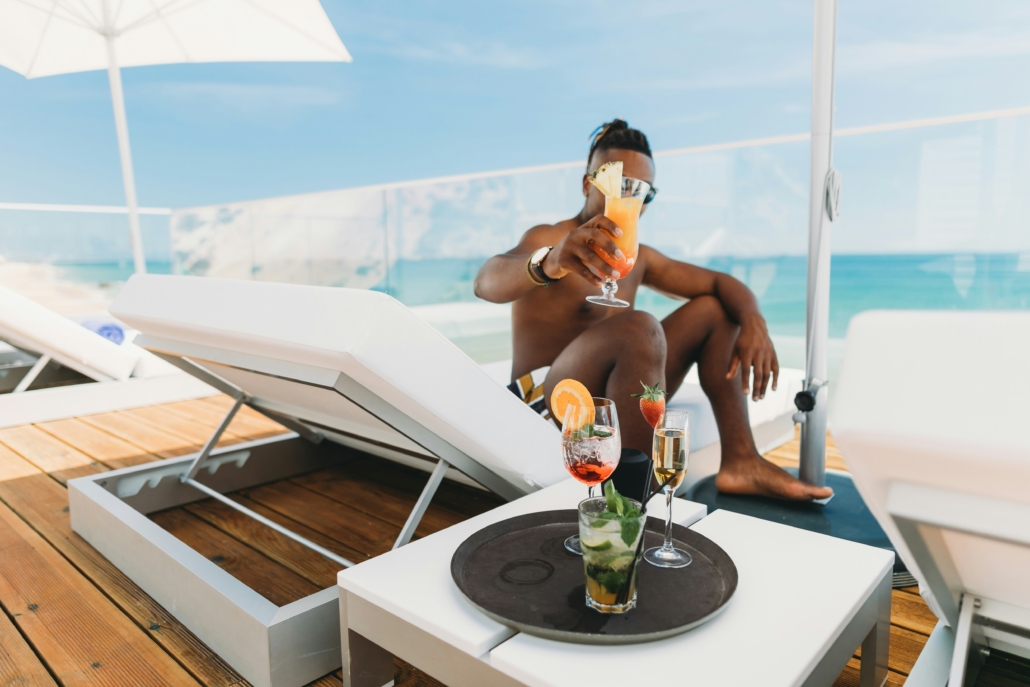
On a luxury all-inclusive line like Silversea, Seabourn, Regent Seven Seas, or Explora Journeys, the fare typically includes:

  • All dining venues, including specialty restaurants, with no surcharges
  • All beverages, including premium spirits, wine, and cocktails
  • Gratuities for the entire voyage
  • Wi-Fi (often unlimited)
  • Some lines include all shore excursions in every port
  • Some lines include business-class flights

You board knowing exactly what this trip will cost. You dine, drink, explore, and relax without your phone buzzing every time you sign a receipt. You walk off the ship without a bill. It’s a fundamentally different relationship with your vacation.

A Real-World Comparison

Let’s run a hypothetical for a couple on a 7-night Mediterranean itinerary:

Category Mass-Market (Base + Extras) Luxury All-Inclusive
Base Fare (per couple) $3,200 $6,400
Gratuities $245 Included
Beverage Package $1,190 Included
Specialty Dining (3x) $360 Included
Wi-Fi $280 Included
Shore Excursions (5 ports) $800 Included or reduced
TOTAL ~$6,075 ~$6,400

For roughly the same out-of-pocket cost, the luxury all-inclusive guest enjoys a dramatically superior experience: a suite instead of a standard cabin, no line for anything, better ports with longer stays, and the mental freedom of a vacation that isn’t tallying a bill.

These numbers are illustrative and vary by line, itinerary, and sailing date. We love building this comparison for our clients with real quotes side by side. It’s eye-opening every time.

The Hidden Cost Nobody Talks About: Your Peace of Mind

Beyond the dollars, there is something harder to quantify but equally real: the mental load of a nickel-and-dime vacation.

Getting a notification on your phone every time you order a drink. Hesitating before signing a restaurant check because you’ve lost track of your running total. Your kids asking for an ice cream and doing the mental math. A glass of wine at dinner that’s a line item you’ll see on your account.

On an all-inclusive luxury cruise, none of that exists. You’re just on vacation. Fully. That’s worth something that doesn’t show up in a comparison table.

The Loyalty Trap Worth Knowing About

One more thing worth mentioning: many travelers feel locked into their mass-market loyalty program. The free laundry, the priority boarding, the cabin upgrades. It feels like too much to walk away from.

Here’s the thing: most of what you’ve accumulated as a loyalty perk on a big ship is simply standard on a luxury line. Complimentary laundry, priority service, thoughtful touches throughout your stay. You’re not losing those perks. You’re just getting them without having to earn them.

Ready to Set Sail? Let’s Plan Your Perfect Cruise.

At Wishes and Waves Travel, we do the research, the comparing, and the planning so you don’t have to. Whether you’re brand new to cruising or ready to trade up to something extraordinary, we’d love to help you find the right ship, the right itinerary, and the right experience for you.

Reach out to us today and let’s start the conversation. Your dream voyage is closer than you think.

FAQs

Are luxury cruise lines really all-inclusive, or are there still hidden costs?

Truly all-inclusive luxury lines cover dining, beverages, gratuities, and Wi-Fi. Regent Seven Seas also includes shore excursions and in many cases flights. Some lines, including newer entrants like Four Seasons Yachts, have a different model. We always go through exactly what’s included for the specific sailing you’re considering so there are no surprises.

What’s the best way to compare cruise pricing fairly?

Build the complete cost for both options: base fare plus every add-on you’d realistically purchase. We do this comparison for clients regularly and the results are often surprising. The gap between mass-market and luxury is almost always smaller than the headline prices suggest.

Do luxury cruise lines ever run sales or promotions?

Yes, though they tend to look different from mass-market sales. Luxury lines commonly offer added-value promotions like free shore excursions, onboard credits, included beverage packages, or reduced single supplements rather than slashing the base fare. Booking earlier often secures the best cabin selection and strongest promotions.

What is a shipboard credit and how do I use it?

A shipboard credit is a dollar amount applied to your account on board. On all-inclusive lines, it can often be used toward premium excursions, spa services, or specialty purchases. Through our agency affiliations, we can sometimes arrange additional onboard credits for our clients as a value-add.

Is it worth using a travel advisor to book a cruise vs. booking directly?

Absolutely. Travel advisors have access to rates, amenities, and promotions that aren’t available to the general public. We also advocate for you if anything goes wrong and handle all the logistics, from dining reservations to pre- and post-cruise hotels. The cost to you is the same or less, and the experience is significantly better.

What’s the most common mistake first-time luxury cruise guests make?

Waiting too long to book. The best suites on sought-after sailings sell out well in advance, and dining reservations and shore excursion bookings also open on specific dates. Missing those windows can limit your choices significantly. Booking early and working with an advisor who tracks these deadlines makes a big difference.
If your mental image of cruising involves crowded buffets and 5,000-person ships, it’s time for an update. Today’s luxury cruise world is intimate, all-inclusive, and nothing like what you remember.

We hear it all the time. Someone finds out we specialize in cruising and their face does that thing. You know the one. A polite smile, maybe a slight wince, and then: “Oh, cruising isn’t really for me.”

And every single time, we ask the same question: when did you decide that?

Because nine times out of ten, the answer goes back to one experience on a giant ship, or a mental image built from something they saw on TV. And that image, the massive floating city packed with thousands of strangers fighting for a pool chair, is not what modern luxury cruising looks like at all.

Let us change your mind.

The Cruise World Has Completely Changed

The mass-market mega-ships still exist, and they serve a purpose. But they represent just one corner of a much bigger, much more exciting world. Today, there is an entirely different category of cruise experience built around intimacy, genuine luxury, and the kind of service that makes you feel as if the ship were designed just for you.

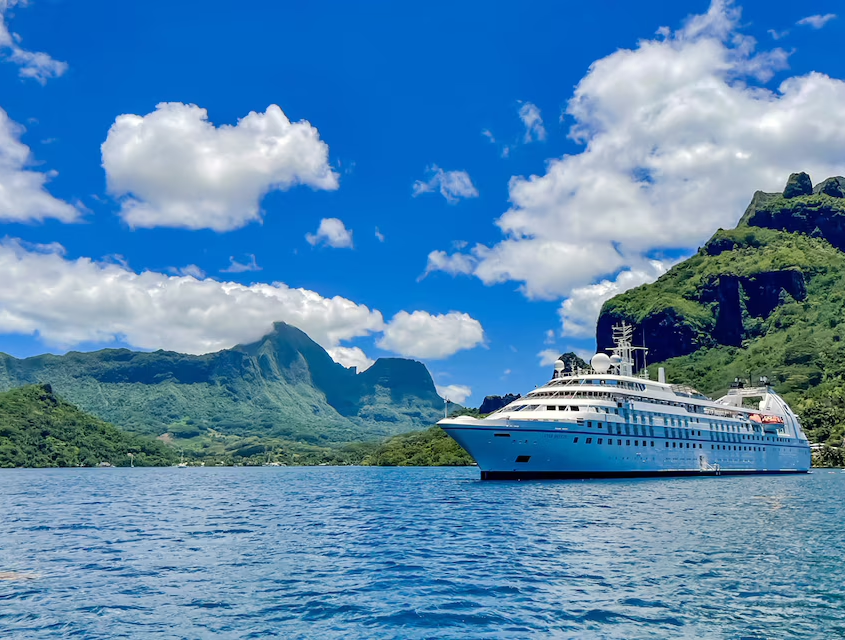
We’re talking about ships carrying 100 to 900 guests. Ships where you never have to wait in line for anything. Ships where every stateroom is a suite, the food rivals the best restaurants you’ve ever visited, and almost everything, including flights in some cases, shore excursions, beverages, and gratuities, is already included in your fare.

This is the segment of cruising that converts skeptics into lifelong devotees. Every time.

The “Unpack Once” Advantage

One of the most underrated benefits of cruising, especially for the traveler who wants to cover a lot of ground without the logistical chaos, is this: you unpack once.

Think about a 10-day trip through Italy and Greece. By land, you’re coordinating flights, trains, hotels in multiple cities, transfers, luggage hauling, and hoping none of it falls apart. By luxury cruise, you sleep in a stunning suite every night, wake up in a new destination every morning, and step off the ship refreshed rather than exhausted from checking in and out.

The commute between destinations? You’re in a hot tub with a glass of champagne, watching the horizon. That’s not a metaphor. That is literally what is happening.

What Small-Ship Luxury Actually Feels Like

On a true luxury small-ship cruise, the experience from the moment you board is fundamentally different. Here’s what sets it apart:

  • No nickel-and-diming. On large ships, costs add up fast. A mandatory daily gratuity, Wi-Fi fees, specialty dining charges, and drink packages. Guests can easily spend $2,000 or more above their fare. On luxury lines, nearly everything is included. You walk off the ship without a bill.
  • Suites are the standard. What would be a premium upgrade seven categories up on a big ship is the entry-level cabin on a luxury line. We’re talking open-plan suites, marble bathrooms, some with bathtubs, beautiful daybed balconies, and generous living space.
  • World-class dining. Multiple a la carte restaurants, menus that reflect the region you’re sailing through, local wines paired to the destination, and chefs sourcing ingredients from the markets in port that same morning.
  • No crowds, ever. Five swimming pools, infinity hot tubs, and you’re not competing for a lounger. Multiple specialty bars, each with its own unique cocktail menu. Entertainment that feels curated rather than mass-produced.
  • Real port access. Smaller ships dock right in the heart of a destination, often with extended or overnight stays, letting you have a local dinner in the city rather than rushing back to make sail-away.

“But Isn’t It More Expensive?”

It’s the most common follow-up question, and it deserves an honest answer: the upfront price is higher. But the total cost? That’s a very different conversation.

When you add mandatory gratuities, drink packages, specialty dining, Wi-Fi, excursions, and all the extras to a mass-market fare, the gap between “budget” and “luxury” closes dramatically. In many cases, the true out-of-pocket difference is a few hundred dollars for an experience that is categorically different.

We love walking clients through a side-by-side comparison. It’s one of the most satisfying conversations we have, because the look on someone’s face when they realize how close the numbers actually are is priceless.

The Lines We Love (And Why)

Not all luxury lines are created equal, and part of our job is matching the right ship to the right traveler. Some of our favorites in the small-ship luxury space include:

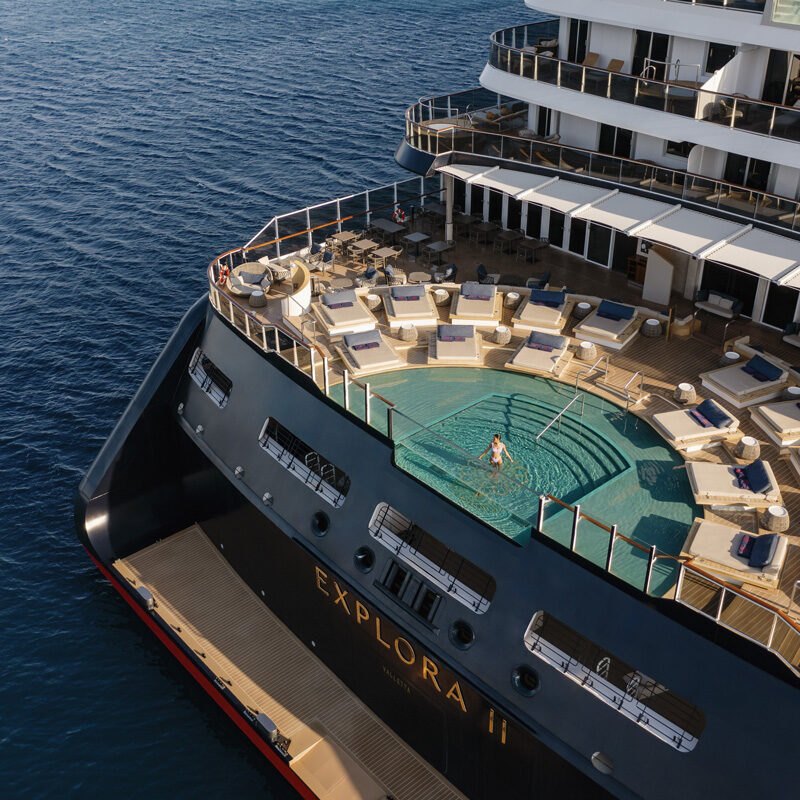
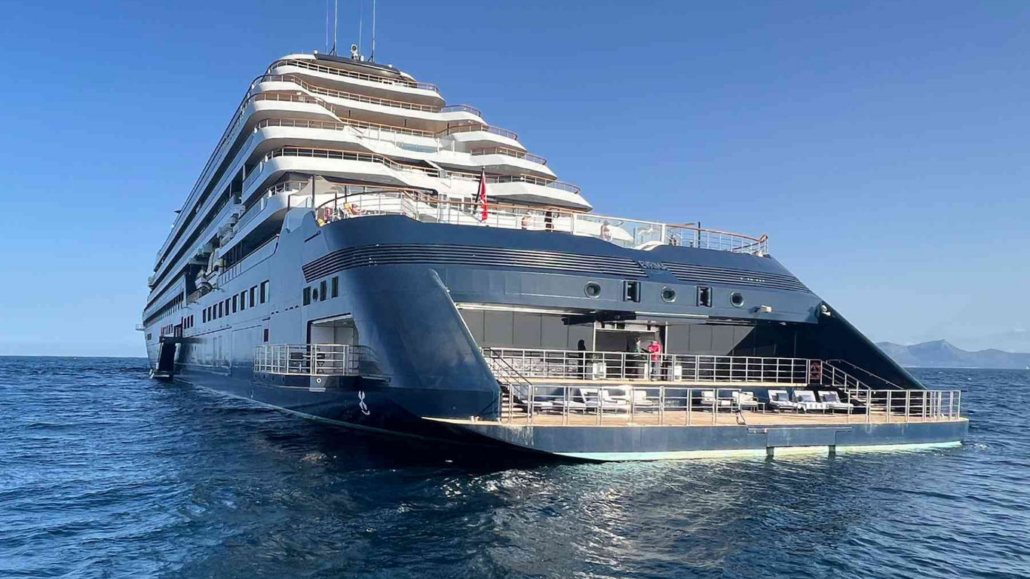
  • Explora Journeys: Yacht-inspired, generous space-to-guest ratio, seven restaurants, multiple pools, zero lineups.
  • Silversea: Renowned beverage program, stunning suites, exceptional expedition options.
  • Seabourn: Intimate, deeply personal service, world-class culinary program.
  • Regent Seven Seas: Fully all-inclusive including shore excursions and flights, elegant and refined.
  • Crystal Cruises: Sophisticated, spacious, exceptional entertainment and dining.

And then there is the exciting new wave of hotel brands entering the ocean: Ritz-Carlton Yacht Collection is already sailing. Four Seasons Yachts launched this year. Orient Express is coming. These are brands built on hospitality excellence, and they are bringing that DNA to sea in a big way.

So, Are You Ready to Reconsider?

If you’ve been writing off cruising based on an outdated idea of what it is, we’d love to show you what it’s actually become. The world of small-ship luxury cruising is genuinely extraordinary, and it’s one of the most underutilized travel formats among the travelers who would love it most.

You might be closer to being a cruise convert than you think.

Ready to Set Sail? Let’s Plan Your Perfect Cruise.

At Wishes and Waves Travel, we do the research, the comparing, and the planning so you don’t have to. Whether you’re brand new to cruising or ready to trade up to something extraordinary, we’d love to help you find the right ship, the right itinerary, and the right experience for you.

Drop us an email and let’s start the conversation. Your dream voyage is closer than you think.

FAQs

What size ship is considered a “small ship” in luxury cruising?

Generally, anything under about 1,000 guests qualifies. The most intimate luxury vessels carry 100 to 300 guests. Mid-range luxury lines like Explora Journeys, Silversea, and Regent carry 500 to 900, which still feels remarkably uncrowded compared to mainstream ships of 3,000 to 5,000 guests.

Are luxury cruises actually all-inclusive?

Most true luxury lines include accommodations, all dining venues, beverages (alcoholic and non), gratuities, and many include Wi-Fi. Some, like Regent Seven Seas, go further and include shore excursions and business-class flights. Always confirm what’s included for your specific sailing, and we can walk you through the comparison.

Is it true you don’t have to tip on a luxury cruise?

On most luxury lines, yes. Gratuities are included in the fare. This is a significant difference from mass-market lines where mandatory gratuities can add $17.50 or more per person per day on top of your cruise price.

What if I get seasick?

Modern ship design has made this much less of an issue than it used to be. Many guests on luxury vessels genuinely forget they are at sea during calm-water itineraries. The Mediterranean, Caribbean, and most river cruises are particularly smooth. If you have concerns, we can help you choose itineraries and ship sizes that minimize motion.

Are these ships good for solo travelers?

Absolutely. Many luxury lines have single supplements that are more reasonable than you’d expect, and some offer dedicated solo cabins. The intimate ship environment also makes it easy to connect with fellow guests if you’d like to.

How far in advance should I book a luxury cruise?

The best suites on popular itineraries can sell out a year or more in advance. We typically recommend booking 9 to 12 months ahead for peak season sailings. That said, last-minute options do sometimes come up, so it’s always worth reaching out regardless of your timeline.

Dreaming of Italy and Greece but dreading the logistics? A luxury cruise might actually be the smarter, more immersive, and more relaxing way to do it. Here’s how the two approaches compare.

Every year, we help clients plan the same trip. Italy and Greece. Maybe Croatia or Turkey. The iconic Mediterranean. And almost every year, the same conversation happens.

They come in with a land itinerary in mind. Multiple hotels, multiple cities, internal flights or trains, car rentals, and a schedule that looks great on paper but exhausting in practice. And at some point in our conversation, we ask: have you considered doing this by cruise?

Not a cruise in the old sense of the word. A small luxury ship that moves while you sleep, delivers you to a new port every morning, and serves as your floating five-star hotel for the entire journey.

The comparison is almost always eye-opening.

The Land Itinerary: What It Actually Involves

A 10-day land trip through the Mediterranean looks something like this: two or three days in Rome, a train and transfer to the Amalfi Coast, a two-hour transfer to the airport, flight to Athens, the ferry to fit in one or two islands before flying home.

What that actually involves: multiple hotel check-ins and check-outs, repacking your bags every few days, coordinating transfers that are dependent on strikes, traffic, and airline reliability, and spending a meaningful portion of your precious travel days in transit rather than at a destination.

Hotel prices in Europe have also reached levels that genuinely surprise people. A good hotel in central Rome or Santorini in summer can run $600 to $1,200 per night, room only. Breakfast and airport transfers are extra. You’re paying a lot for a small room in a prime location, only to leave it two days later to do it all again somewhere else.


The Cruise Itinerary: A Different Relationship with Time

On a small luxury ship through the Mediterranean, your day looks like this: you wake up in a beautiful suite, have breakfast with a view, and step off the ship directly into the heart of a destination. Not a coach transfer to the outskirts. Not a ferry terminal. The town itself.

Smaller ships access ports that larger vessels can’t reach. They dock right in the center, sometimes with extended stays or overnights that let you stay for dinner in the city, experience the nightlife, and return to your ship whenever you’re ready.

When you finish exploring, you walk back to your floating home. No packing. No checkout. No scrambling for a taxi. Your room, your belongings, your clothes, everything is exactly where you left it.

The transit time between destinations is not dead time. You’re having cocktails at sunset, dining at a restaurant with ocean views, and sleeping in a suite that’s traveling to your next destination while you rest. The journey is part of the experience, not an obstacle to it.

The Authenticity Argument

Some travelers worry that a cruise will feel curated and removed from a real local experience. But small luxury ships actually deliver something that crowded tourist-destination land travel often can’t: genuine access.
Smaller ships dock in ports that the mega-ships skip entirely. You end up on a small Croatian island eating oysters with the person who runs the oyster farm, rather than shoulder-to-shoulder in a famous palace that 3,000 tourists are also trying to see at the same moment.

The experience on board reinforces this too. The best luxury lines integrate local culture into the ship itself: menus reflecting the region you’re sailing through that day, local wines, local artists performing in the evenings, chefs sourcing ingredients from the market in that morning’s port.

You taste where you are. That’s not something every land itinerary delivers.

Cruise as a “Scouting” Trip

One of the unexpected gifts of a luxury cruise through a multi-destination region is what it does for future travel. In 10 days, you might touch eight or nine destinations. Some will captivate you. Some will feel like they’d be better as a deeper, slower visit. Some will pleasantly surprise you.

You come home with an entirely new map of the world: places you loved and want to return to for a proper stay, places you’re glad you saw but don’t need to revisit, and a much clearer sense of where your travel investment should go next.

The cruise becomes the foundation for years of future trips. Many of our clients do exactly that: cruise first to discover, then return later to let it sink in.

Who the Cruise Option Is Right For

A luxury Mediterranean cruise is particularly well-suited for travelers who:

  • Want to see multiple destinations in one trip without the logistics of a multi-city land journey
  • Value high-quality accommodation and don’t want to compromise on where they sleep just to stretch the budget
  • Are you traveling as a couple or in a small group and want a relaxed, uncrowded experience
  • Have done the classic land itineraries and are ready to experience the same region differently
  • Prefer knowing their total trip cost upfront without managing variables

It’s also, in our experience, one of the best formats for the traveler who is simply tired. The person who loves to travel but who needs this particular trip to actually feel like a break. A luxury cruise delivers rest and discovery at the same time, and that combination is genuinely rare.

Ready to Set Sail? Let’s Plan Your Perfect Cruise.

At Wishes and Waves Travel, we do the research, the comparing, and the planning so you don’t have to. Whether you’re brand new to cruising or ready to trade up to something extraordinary, we’d love to help you find the right ship, itinerary, and experience.
Reach out to us and let’s start the conversation. Your dream voyage is closer than you think.

FAQs

Can a luxury cruise really replace a full land itinerary in Europe?

For many travelers, yes. A small luxury ship through the Mediterranean, Greek Islands, or Croatian coast can cover more destinations with less logistical effort than a comparable land trip. It works especially well for multi-destination trips where you’d otherwise be moving hotels every two to three days.

Will I actually get enough time in each port?

On quality small luxury lines, yes. Unlike larger ships that sometimes have as little as four hours in port, smaller luxury vessels typically spend a full day in each destination and sometimes offer overnight stays. We always review port schedules before recommending a specific sailing.

Is a cruise good for someone who loves food and local culture?

It’s one of the best formats for it. The top luxury lines source local ingredients at the market that morning and build the evening menu around the region you’re in. Local wines, local dishes, and sometimes local artists performing on board in the evening. You experience the destination both on the ship and off it.

What about pre- and post-cruise time in Europe?

Most of our clients combine their cruise with time in one or two cities before or after sailing. We arrange those stays through our preferred hotel partners to ensure the quality of experience carries through the entire trip. This is actually one of our favorite things to design.

How does pricing compare to a good hotel-based land itinerary?

It’s often more competitive than people expect, especially when you account for the all-inclusive nature of luxury cruising. A premium hotel in Rome or Santorini in high season can cost $600 to $1,000 per night, room-only. When you add up four to five hotel stays across a land itinerary versus one all-inclusive suite rate on a ship, the comparison often favors the cruise.

Are there cruises that combine European land and sea experiences?

Yes, and it’s becoming an increasingly exciting category. Luxury brands like Orient Express and Belmond are actively developing seamless land-and-sea packages that maintain the same level of hospitality throughout. We are watching this space closely and love designing these kinds of combination trips for our clients.

From the Galapagos to Antarctica to Indonesia’s Komodo Islands, expedition cruising puts you in the world’s most extraordinary places in the most intimate way possible. This is adventure at its finest, without sacrificing comfort.

There’s a moment on an expedition cruise that is almost impossible to describe to someone who hasn’t experienced it. You’re on a small vessel, 22 people on board, anchored off a volcanic island in Indonesia. You’ve just come back from a dive alongside Komodo dragons. And that evening, you’re having dinner at a properly set table with good wine and exceptional food.

It’s the kind of experience that makes you wonder why you ever thought adventure and comfort were opposites.

Expedition cruising is one of the most exciting and underexplored categories in travel. It’s also one we think more of our clients should know about.

What Is Expedition Cruising?

Expedition cruising puts small ships into remote, extraordinary environments that larger vessels simply cannot access. The Galapagos Islands, the polar regions, the Indonesian archipelago, the Seychelles, the Mekong River delta. These are not places you can reach on a conventional itinerary, and they’re places that, once seen, tend to reorder what you care about in travel.

The ships are small, often carrying 20 to 100 guests, which allows them to operate in protected ecosystems and anchor in bays where no larger ship is permitted. This is not a compromise. It is the entire point.

At 22 guests on a dive-focused expedition in Indonesia, you’re not having a group experience. You’re having a personal one. You know the crew by name. The naturalist guiding your excursions has decades of expertise and can actually spend time with you. The dining table feels like a dinner party rather than a restaurant.

The Destinations That Make This Worth It

A few of the expedition itineraries that represent some of the most extraordinary travel experiences available anywhere:

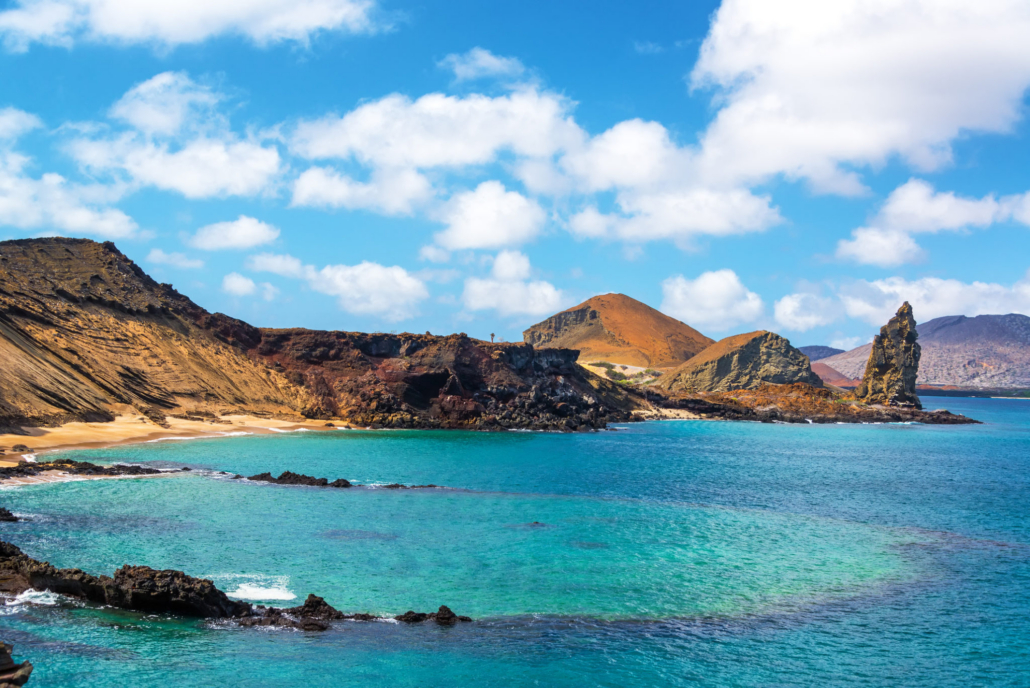
  • The Galapagos Islands: Strict cap of 100 guests even on the largest permitted vessels. Wildlife that has evolved without fear of humans. Finches that land on your shoulder. Giant tortoises. Blue-footed boobies nesting three feet from the path. This is not a place you see. It is a place that stays with you.
  • Antarctica and the Antarctic Peninsula: The most remote, most pristine, most visually overwhelming landscape on earth. Penguin colonies, calving glaciers, orcas. Some expedition lines have designed vessels specifically for polar voyages, with stabilization technology, ice-strengthened hulls, and interiors so stylish and comfortable you’d never guess you were at the bottom of the world.
  • Indonesia: Komodo Island, Raja Ampat, the Banda Sea. Some of the richest marine biodiversity on the planet. Snorkeling and diving that makes everything else feel like a preview. Aqua Expeditions, which now operates within the Ponant family, has been pioneering extraordinary small-ship itineraries here for years.
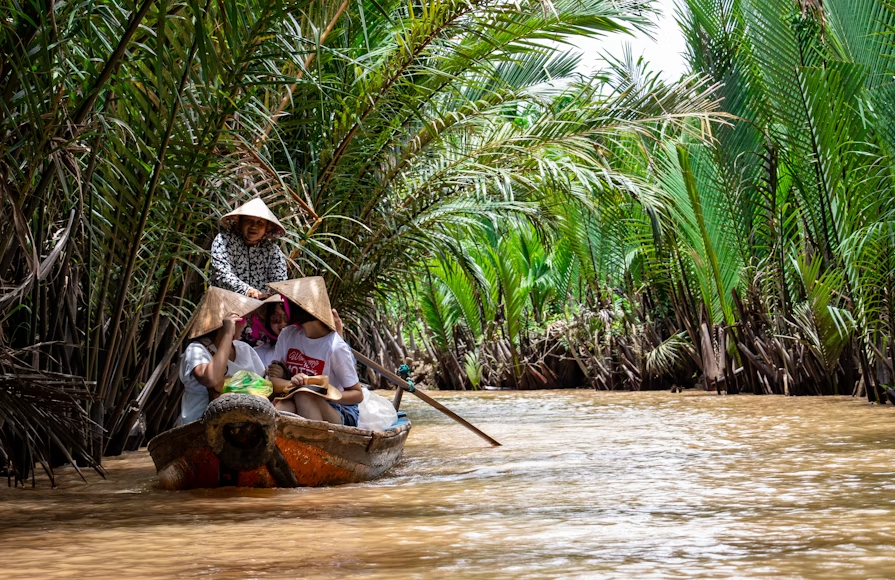
  • The Mekong River: Small-vessel journeys through Vietnam and Cambodia that access villages, temples, and daily life that no land itinerary reaches. The pace is meditative, the experience genuinely immersive.
  • The Seychelles: Remote outer islands, pristine beaches, nesting sea turtles, coral reefs. A yacht-scale vessel that moves between islands each day, delivering you to private beaches with no other guests in sight.

The New Generation of Expedition Ships

The word “expedition” used to conjure images of spartan bunks and institutional dining. That is emphatically not what this category looks like today.

Ponant’s Le Commandant Charcot, which ventures into polar regions, has been described as one of the most spectacular expedition vessels ever built. Think designer interiors, top-tier spa, multiple restaurants, and extraordinary suites with wraparound balconies, and then realize that this ship regularly parks next to icebergs.

Aqua Expeditions operates boutique vessels in environments like the Galapagos and the Amazon that combine rigorous expedition programming with genuinely luxurious accommodation and food.

The standard has shifted dramatically, and the traveler who loves both adventure and quality can now have both without compromise.

Who Expedition Cruising Is For

If you have ever said any of the following, expedition cruising may be the experience you’ve been looking for:

  • “I want to see the Galapagos before I die”
  • “Antarctica is on my bucket list but I don’t know how to approach it”
  • “I’m tired of tourist-trail travel. I want something real.”
  • “I love nature and wildlife more than monuments and museums”
  • “I want to do something I’ll still be talking about in 20 years”

The age profile of expedition cruising travelers has also shifted significantly. The traveler who books Antarctica for their 40th birthday is increasingly common. Couples in their 40s and 50s, adventurous families with teenagers old enough for the programming, solo travelers who want to meet like-minded people in an extraordinary setting.

This is not a category reserved for retirees. It’s for anyone who has decided that the ordinary version of travel is no longer enough.

Ready to Set Sail? Let’s Plan Your Perfect Cruise.

At Wishes and Waves Travel, we do the research, the comparing, and the planning so you don’t have to. Whether you’re brand new to cruising or ready to trade up to something extraordinary, we’d love to help you find the right ship, the right itinerary, and the right experience for you.

Reach out to us today and let’s start the conversation. Your dream voyage is closer than you think.

FAQs

How far in advance should I book an expedition cruise?

Very far. Antarctica sailings in particular can sell out 12 to 18 months in advance. The most sought-after cabins on Galapagos vessels also go early. If an expedition destination is on your list, the sooner you’re in conversation with us, the better your options will be.

Is expedition cruising physically demanding?

It varies significantly by itinerary and operator. Some expeditions involve active snorkeling, hiking, and zodiac landings that require reasonable mobility. Others are much more observation-based. We match clients to expeditions that suit their physical interests and capabilities. There is an expedition experience for many different fitness levels.

Do I need to be a diver or snorkeler to enjoy an expedition cruise?

Not at all. Many of the most magnificent expedition experiences are available to non-divers: zodiac tours alongside penguin colonies in Antarctica, guided hikes through the Galapagos, river journeys through the Mekong. Diving and snorkeling are options, not requirements.

Are expedition cruises good for families with teenagers?

Some of the best travel experiences a teenager can have happen on an expedition cruise. Seeing Galapagos wildlife up close, kayaking in Antarctica, diving with manta rays in Indonesia. These experiences have a way of genuinely changing how a young person sees the world and their place in it. Age requirements and programming vary by line.

What should I pack for an expedition cruise?

Packing requirements vary substantially by destination. Polar expeditions require technical layering, waterproof gear, and specific footwear. Tropical expeditions like Indonesia or the Seychelles are much lighter. We provide detailed packing guidance as part of our pre-travel preparation for every expedition client.

How is seasickness managed on expedition ships?

In truly remote regions like Antarctica’s Drake Passage, sea conditions can be challenging and some motion is expected. Most expedition lines are forthcoming about this, and modern stabilization technology has improved significantly. Medication and motion management strategies are readily available, and most guests adapt within a day. For more protected waters like the Galapagos or Indonesia, conditions are generally calm.

Ritz-Carlton is already at sea. Four Seasons Yachts has launched. Orient Express is coming. The world’s most iconic luxury hotel brands are bringing their hospitality DNA to ocean voyages, and it is changing everything.

Something significant is happening in the world of luxury travel, and if you’ve been watching closely, you’ve probably noticed the headlines.

Ritz-Carlton has been sailing for a couple of years now. Four Seasons Yachts made its debut this year. Orient Express Silenseas is on its way for 2027. The most storied names in luxury hospitality have looked at the ocean and decided it’s where their guests want to go next.

This is not a coincidence. And it’s not a passing trend.

It is a signal that the luxury cruise market has matured to the point where the world’s most discerning hospitality brands see it as their natural next move. And for travelers who love both exceptional hotels and the idea of seeing the world from the sea, the timing couldn’t be better.

Why Hotel Brands Are Moving to Sea

Consider the traveler who regularly stays at a Four Seasons or a Ritz-Carlton. They have a relationship with those brands built on a specific promise: design-forward spaces, deeply personal service, culinary excellence, and the feeling that every detail has been considered. Hotel rates in premier destinations have climbed to levels that genuinely give even affluent travelers pause. A beautiful hotel room in Paris or the Maldives in high season can run $1,500 to $2,500 per night, room only.

A yacht-scale vessel offering that same standard of hospitality, all-inclusive, waking you up in a new destination each morning? That’s a compelling conversation. The hotel brands clearly think so too.

And from a traveler psychology standpoint, there is something powerful about a brand you already trust entering a new format. If you’ve had a transformative stay at a Four Seasons, you have a very good idea of what a Four Seasons yacht experience will feel like. That trust is worth something.

The Ritz-Carlton Yacht Collection: Already Sailing

The Ritz-Carlton Yacht Collection has been in the water since 2022, and the brand has done what you’d expect: applied its hotel-brand DNA to a yacht-scale ship with 149 suites, multiple dining concepts, an Espa spa, and itineraries across the Mediterranean, Caribbean, and beyond.

The experience is deliberately positioned between a luxury yacht charter and a small cruise ship: intimate enough for genuine personalization, spacious enough for resort-level amenities. All suites have private terraces. The culinary program reflects the Ritz-Carlton’s hospitality standards. And the vessel’s size means the service ratios are exceptional.

Four Seasons Yachts: A New Chapter Begins

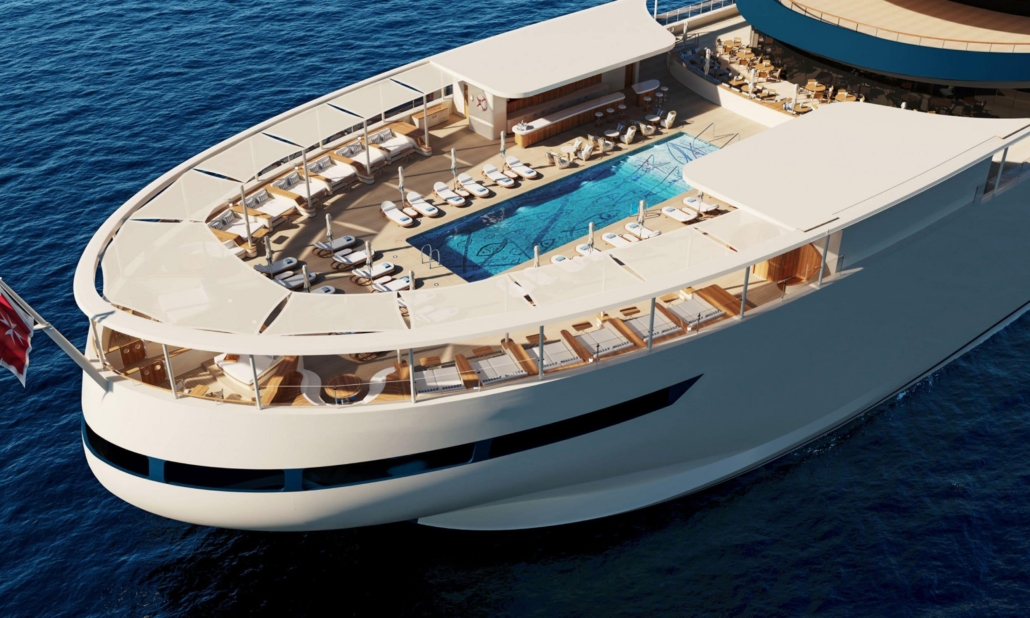
Four Seasons Yachts has entered the water this year, and it is genuinely one of the most anticipated launches in luxury travel in recent memory. The vessel carries 95 suites, with interior design consistent with Four Seasons’ aesthetic: warm, refined, residential in feel rather than corporate.

What makes Four Seasons Yachts particularly interesting is its dining approach. It is the first major luxury cruise line to not include all meals in the fare beyond breakfast, positioning the onboard restaurant as a standalone dining destination rather than a component of an all-inclusive package. For travelers who are accustomed to how great hotel food and beverage works, this is a familiar and appealing model.

Four Seasons has also built in seamless connections to its land portfolio, with shore experiences and pre- and post-cruise stays designed in coordination with Four Seasons hotels and resorts in the ports of call. This kind of end-to-end brand continuity is exactly what the most sophisticated travelers have been asking for.

Orient Express Silenseas: The Most Anticipated Launch on the Horizon

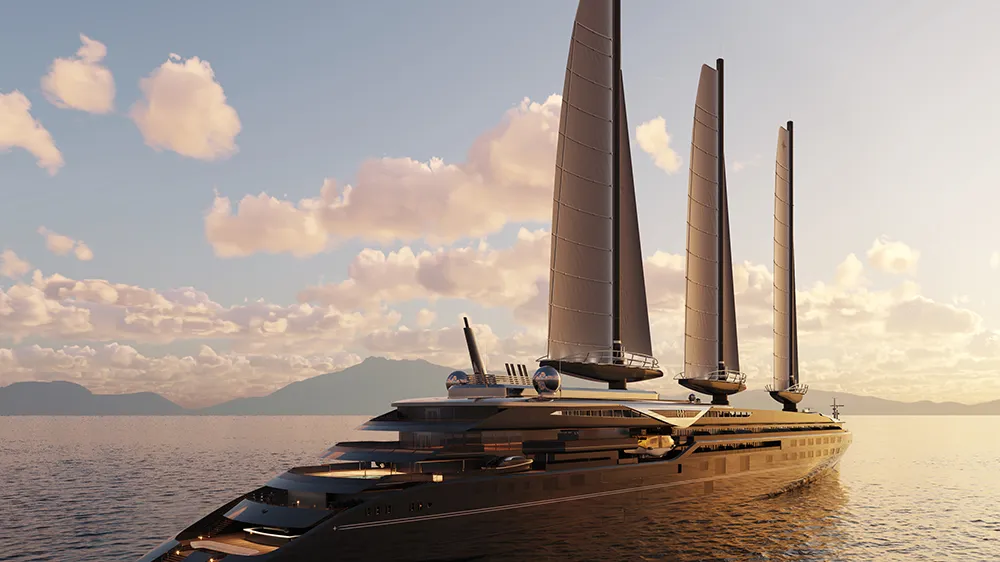
Orient Express Silenseas, expected to debut in 2027, may be the most visually extraordinary vessel ever conceived. The design is a striking departure from conventional cruise ship aesthetics: a sailing ship inspired by French art deco architecture, carrying just 54 suites.

Orient Express brings with it one of the most evocative brand stories in all of luxury travel. The legendary train journeys, the Venice Simplon-Orient-Express, the beautiful properties under the Belmond umbrella. Silenseas will connect to this story while delivering a form of travel that is almost impossible to categorize: part yacht, part hotel, part historic fantasy.

For the traveler who wants something genuinely singular, this will be worth watching closely.

What This Means for How We Plan Travel

The arrival of hotel brands at sea creates something that has been missing until now: true end-to-end luxury itineraries managed by a single brand at a consistent standard.

Think about what a trip designed around the Four Seasons could look like: a Four Seasons resort in Miami or Dubai as the pre-cruise hotel, embarkation on the Four Seasons Yacht for a 10-night Mediterranean voyage, private shore excursions coordinated with Four Seasons properties in port, and a post-cruise stay at a Four Seasons in Rome or Istanbul.

One brand. One standard. One expectation, delivered consistently throughout. No moment where you step off the beautiful yacht onto a mediocre tour bus.

This is the direction luxury travel is moving, and it’s one of the things we find most exciting about planning travel right now. We get to help our clients be early in this story.

A Word on Timing

The best suites on these new launches are generating extraordinary interest. The Ritz-Carlton Yacht Collection regularly sails with waiting lists for popular sailings. Four Seasons Yachts has seen significant booking demand for its debut itineraries. Orient Express Silenseas will almost certainly be oversubscribed from the moment reservations open.

If any of these experiences is on your radar, the conversation to have is now, not when you’re ready to travel. We can hold space, monitor availability, and position you to secure exactly what you want before it’s gone.

Ready to Set Sail? Let’s Plan Your Perfect Cruise.

At Wishes and Waves Travel, we do the research, the comparing, and the planning so you don’t have to. Whether you’re brand new to cruising or ready to trade up to something extraordinary, we’d love to help you find the right ship, the right itinerary, and the right experience for you.

Reach out to us and let’s start the conversation. Your dream voyage is closer than you think.

FAQs

When did Ritz-Carlton start operating cruises?

The Ritz-Carlton Yacht Collection launched its first sailing in 2022. The collection currently operates with multiple vessels across the Mediterranean, Caribbean, and other itineraries, with more ships planned.

How is the Four Seasons Yacht different from other luxury cruise lines?

Several things set it apart. The vessel carries just 95 suites, making it extraordinarily intimate. The dining model is unique: rather than all-inclusive, the onboard restaurant operates more like a standalone luxury restaurant, which is a first in the cruise world. And Four Seasons has deeply integrated its land portfolio into the experience, so pre- and post-cruise stays and shore experiences all connect to Four Seasons properties.

What is Orient Express Silenseas and when does it sail?

Orient Express Silenseas is a sailing vessel carrying 54 suites with a design inspired by French art deco architecture. It is expected to debut in 2027. Given the level of anticipation, we expect demand to be extraordinary and recommend getting on our radar now if this is of interest.

Are these hotel-brand cruises more expensive than traditional luxury cruise lines?

They are positioned at the top of the luxury tier, comparable to the most exclusive small-ship luxury lines. Given the brand heritage, the intimacy of the vessels, and the quality of the experience, the pricing reflects that positioning. The comparison to a comparable number of nights at the flagship hotels of these brands is often very favorable.

Can I combine a hotel-brand cruise with a land stay at the same brand’s properties?

Yes, and this is one of the most exciting aspects of the hotel-brand entry into cruising. Four Seasons has specifically designed its yacht program to connect with its hotel portfolio. We specialize in designing these seamless brand-consistent itineraries and love building them for clients who want a trip that maintains a single exceptional standard throughout.

How do I find out about new sailings and availability for these luxury launches?

Working with a travel advisor is the most reliable way to stay ahead of availability. We monitor new releases, pre-sale periods, and last-minute openings across all of the top luxury lines. Reach out to us and we’ll make sure you’re positioned to secure what you want before the general public is aware it’s available.

Athens and the Greek Islands offer one of travel’s most satisfying combinations: world-class ancient history, impossibly beautiful scenery, and an unhurried pace that makes it easy to stay longer than you planned. Whether you are drawn by Santorini sunsets, the Parthenon, or the quiet magic of a harbor dinner, Greece delivers on every front.

Some destinations earn their reputation. Greece is one of them.

I have helped many clients plan trips to this part of the world, and the feedback is almost always the same: they wish they had stayed longer. That tells you something. This is a place that gets under your skin, not because it is trying to impress you, but because it simply is impressive. A 2,500-year-old temple. A cliffside village that looks as if it were painted by hand. A plate of grilled octopus at a table two feet from the Aegean. There is a reason Greece has been on people’s bucket lists for generations.

If you are thinking about a trip to Greece and trying to figure out how to piece it together, let me walk you through what I think is the ideal approach: start in Athens, then head to the islands. Here is how to make the most of it.

Begin in Athens: More Than Just a Layover

A lot of travelers treat Athens as a quick stop before the islands. I always recommend against that. The city deserves your full attention, even if it is just for two or three days.

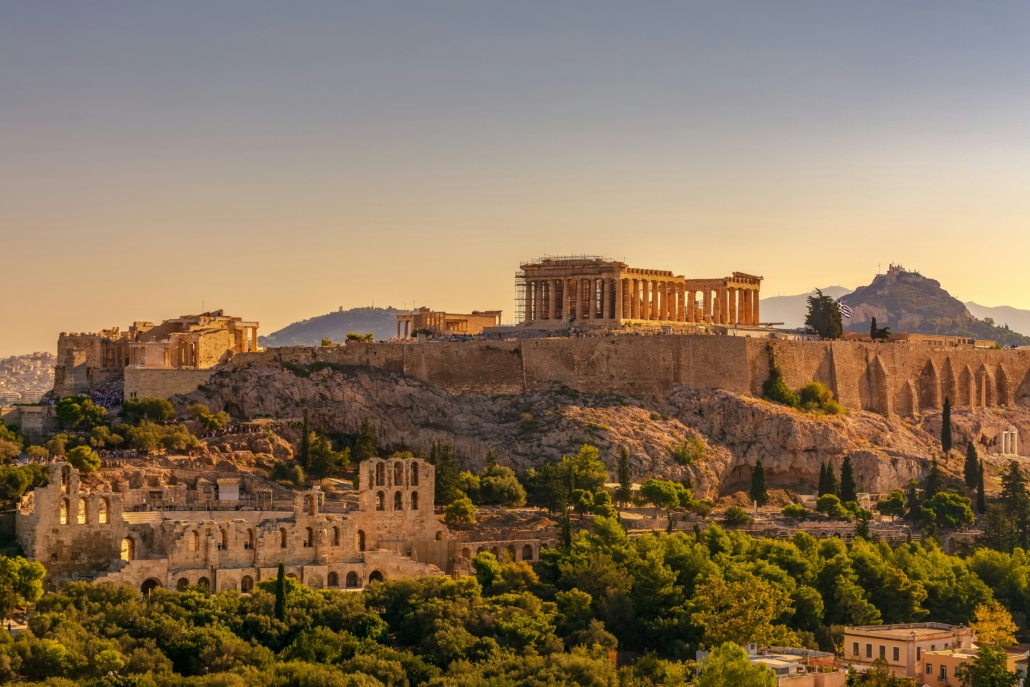
The Acropolis is the obvious starting point, and yes, it lives up to the hype. There is something genuinely disorienting about standing in front of the Parthenon for the first time. It is one of those places where history stops being abstract. Plan for a full morning up there, then head to the Acropolis Museum in the afternoon. The museum is outstanding, and the artifacts there give you a much richer understanding of what you just saw on the hill.

After that, slow down. Wander into Plaka, the old neighborhood at the base of the Acropolis. It is exactly what you are picturing: narrow stone lanes, bougainvillea spilling over doorways, tiny shops, and tavernas where you can sit outside and spend two hours over a meal without anyone rushing you. Do that. Order the lamb chops, get a carafe of local wine, and watch Athens do its thing.

One underrated neighborhood worth adding to your Athens itinerary is Monastiraki, especially on a weekend morning when the flea market is in full swing. It is a great spot to pick up something genuinely local before you head to the islands.

Santorini: The One That Lives Up to Every Photo

Yes, Santorini looks exactly like the pictures. And yes, it is still worth going.

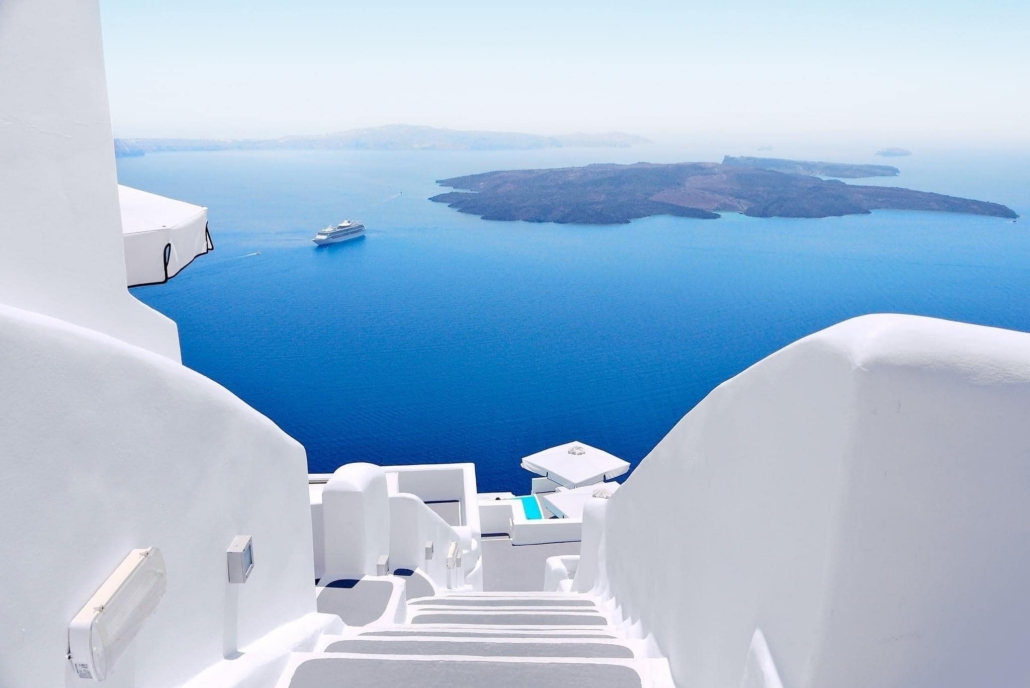
The island’s caldera views, particularly from Oia and Fira, are the kind of thing that genuinely stops you mid-sentence. Whitewashed buildings stacked against cliffs, blue-domed churches in the foreground, and a sea that shifts from deep cobalt to glittering silver depending on the light. It is relentlessly beautiful.

But here is what I tell my clients: do not spend all your time in Oia. Get out and explore. The volcanic beaches (Kamari and Perissa in particular) have a dramatic, otherworldly quality you will not find anywhere else. A catamaran cruise around the caldera is one of the best ways to experience the island, with stops for swimming in hot springs and front-row seats for the sunset from the water. It is a completely different perspective than watching from a clifftop terrace, and honestly, it might be the better one.

Pro tip: if you want the iconic Oia sunset experience without standing shoulder-to-shoulder with a thousand other people, go for sunrise instead. You will basically have it to yourself.

Mykonos: Choose Your Own Adventure

Mykonos has a reputation as a party island, which is partly true and also a bit overstated. What it actually is, is flexible. You can have an incredibly lively time here if that is what you are after. You can also have a completely relaxed, low-key experience, depending on which corners of the island you explore.

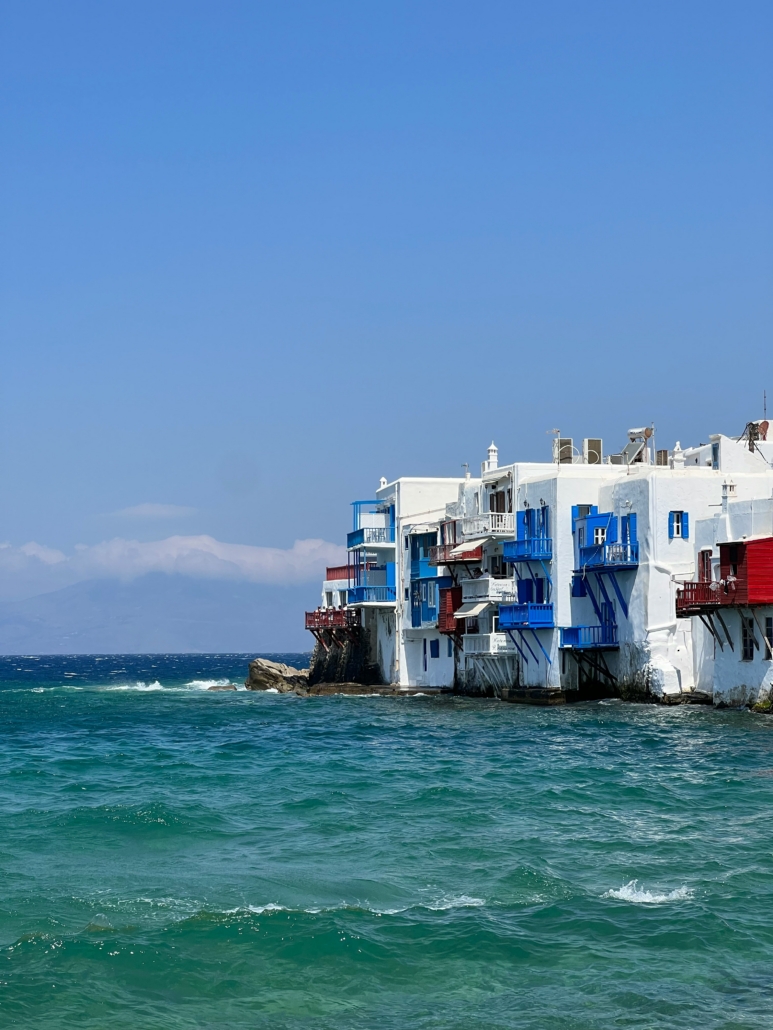
Mykonos Town, known as Chora, is charming and genuinely maze-like in the best way. The famous windmills overlook Little Venice, a row of colorful buildings that hang right over the water. You will find yourself wandering in and out of lanes, discovering small churches, boutiques, and good restaurants seemingly at random. That is exactly the right way to do it.

For beaches, Agios Ioannis and Ornos tend to be quieter and more family-friendly, while Paradise and Super Paradise draw a younger, livelier crowd. There is genuinely something for everyone here, which is why it works so well for mixed groups.

Beyond the Big Two: Rhodes, Hydra, and the Islands Worth Discovering

Santorini and Mykonos get most of the attention, but Greece has over 200 inhabited islands. A few others are worth serious consideration depending on what you are looking for.

Rhodes is one of my personal favorites. The old town is a UNESCO World Heritage site and one of the best-preserved medieval cities in Europe. You can walk along walls that knights actually walked on, explore a palace that has stood since the 14th century, and then be at a beach bar twenty minutes later. It is a genuinely surprising island.

Hydra is something else entirely. There are no cars or motorcycles on the island. None. Everything moves by donkey, boat, or foot. The result is a calm that is almost surreal compared to the rest of the Aegean. Stone mansions, a pretty harbor, excellent restaurants, and almost no tourist infrastructure. It is the Greece that existed before the Instagram age, and it is wonderful.

Crete is also worth mentioning, particularly if you want to combine beach time with serious history (the Minoan ruins at Knossos are extraordinary) or fantastic local food.

The Part Everyone Remembers: Evenings in Greece

Here is something I have noticed after years of helping people plan Greek holidays: the moments they talk about most when they get home are not the landmarks. They are the evenings.

Dinner in Greece is not a meal. It is an event. You sit down, you order in stages, you talk, you order more. The food is simple and excellent: grilled fish, fresh salads with real tomatoes, tzatziki, warm pita, local wine that costs almost nothing and tastes remarkable. The sun goes down over the water. Fishing boats bob in the harbor. Someone at the next table is celebrating something.

After dinner, you walk. Through old towns, past small churches, along waterfronts. Maybe you stop for a gelato or a Greek coffee. Maybe you sit on a step and just listen. This is the rhythm of Greece, and it is genuinely one of the more restorative things you can do with your time.

How to Plan Your Athens and Greek Islands Trip

The logistics of a Greece trip are not complicated, but getting them right matters. Here are a few things to keep in mind:

Timing. Late April through June and September through early October are the sweet spots. The crowds are manageable, the weather is excellent, and prices are noticeably lower than July and August. Peak summer is still wonderful, just busier and hotter.

Getting between islands. Domestic flights are fast and affordable for longer hops (Athens to Santorini, for example). Ferries are more scenic and great for shorter routes or if you have time to spare. I generally recommend a mix of both.

Where to stay. This varies enormously by island and budget. In Santorini, cave hotels in Oia or Fira with caldera views are the iconic choice. In Athens, staying near Syntagma or Monastiraki puts you walking distance from everything. In Mykonos, boutique hotels in the town center are convenient and atmospheric.

How long to plan for. Realistically, ten days to two weeks gives you Athens plus two or three islands without feeling rushed. You can do a shorter trip, but you will probably wish you had more time.

Ready to Start Planning?

Greece is one of those trips that sounds overwhelming to plan and ends up being one of the most seamless travel experiences you will ever have, if you approach it right. I have helped clients put together everything from 10-day first-timer itineraries to extended island-hopping adventures with a mix of ferry routes, private tours, and hand-picked hotels.

Contact me today and let’s make it happen.

Frequently Asked Questions

Planning & Logistics

What is the best time of year to visit Athens and the Greek Islands?

Late April through June and September through early October offer the best combination of good weather, manageable crowds, and lower prices. July and August are peak season, so expect more tourists and higher rates, though the islands are still wonderful. If you want value and relative quiet, shoulder season is the way to go.

How many days do I need for a Greece trip?

Ten days to two weeks is ideal if you want to see Athens and two or three islands without feeling rushed. A week is doable for a focused trip (Athens plus one island), but most people wish they had stayed longer. I have never had a client come home saying Greece was too long.

Getting Around

Is it better to fly or take ferries between the Greek Islands?

It depends on the route and your schedule. Domestic flights are fast and affordable for longer hops, like Athens to Santorini or Rhodes. Ferries are more atmospheric, less expensive, and a great choice for shorter routes or if you want a scenic travel experience. I usually recommend a mix of both for most itineraries.

Do I need to rent a car in Greece?

In Athens, no. Public transit and taxis work well. On most islands, it depends on your plans. In Santorini, an ATV or scooter is popular, but the island is small enough to get around without one. In Rhodes, a car is useful for exploring beyond the old town. Hydra does not allow cars at all, which is part of its appeal.

Experiences & Destinations

Is Santorini worth the hype?

Yes, genuinely. The caldera views are as spectacular as advertised, and the island has more to offer than just the Instagram-famous spots. That said, it is one of the pricier Greek Islands and can feel crowded in peak summer. If you go, build in at least two full days, add a catamaran excursion, and spend time beyond Oia in villages like Pyrgos or on the volcanic beaches.

Which Greek Islands are best for families with kids?

Crete is excellent for families because it has a wide range of accommodations, great beaches, and enough activities to keep kids engaged for a week or more. Rhodes is another strong option, with the fascinating old town to explore and calmer waters on the east coast. Mykonos has family-friendly beach areas, and its compact town is fun to wander with older kids.

Can I visit Athens and the Greek Islands on a budget?

Greece is more affordable than most Western European destinations, though Santorini and Mykonos sit at the higher end. Food and local transportation are generally very reasonable, and ferry travel is inexpensive. Staying in shoulder season and choosing islands like Naxos, Paros, or Hydra over the headline names will stretch your budget considerably without sacrificing the experience.

Let me be honest with you: I was a skeptic too.

Before I stepped onto my first AmaWaterways ship, I had a list of reasons why river cruising wasn’t for me. Too slow. Too quiet. Too old. Sound familiar? I’ve heard every version of this from clients, friends, and honestly, from myself.

And then I actually did it. And everything I thought I knew? Wrong.

Here are the 10 river cruise myths I hear most often, and the truth behind each one.

Myth #1: River Cruises Are Only for Older Travelers

This is the one I hear the most, and it’s the one that frustrates me the most.

Yes, retirees love river cruising. So do active couples in their 40s, food and wine obsessives, multi-generational families, and solo travelers who want meaningful experiences without the chaos of a group tour. The demographic has shifted significantly in recent years, and the cruise lines have kept up.

If you love good food, beautiful scenery, walkable towns, and travel that doesn’t leave you exhausted, you’ll fit in perfectly. Age has nothing to do with it.

Myth #2: River Cruises Are Boring

Boring how? Peaceful mornings? Stunning views? Multiple destinations per day? If that’s boring, I’ll take it.

A typical river cruise day might include a guided walk through a medieval village, a wine tasting at a local vineyard, a bike ride along the river, a visit to a centuries-old castle, or simply a solo wander through a market. Evenings are relaxed and social, often with local entertainment or a quiet glass of wine on the sun deck.

I came home from my first AmaWaterways cruise actually feeling rested. I didn’t think that was possible on a European trip. That’s the magic of it.

Myth #3: You Don’t Really See Much

River cruising actually lets you see more, not less. And the way you experience each destination is completely different from any other type of travel.

Unlike ocean cruises that dock at industrial ports miles from anywhere worth seeing, river ships pull right into the center of town. You step off the gangway and you’re already there. A medieval square. A riverside cafe. A centuries-old cathedral. No bus transfers. No wasted time.

And the sailing itself is part of the show. You’re gliding past vineyards, fortresses, tiny villages, and rolling countryside while you sip your morning coffee on the sun deck.

One of my favorite unexpected moments? Passing through a lock and being so close to the walls that I could have reached out and touched the concrete from my balcony. That’s not something you experience on a bus tour.

Myth #4: River Cruises Are Too Structured

River cruising gives you structure when you want it, and freedom when you don’t. That’s actually one of the things I love most about it.

Guided excursions are always included, but they’re never required. Want to skip the group tour and explore on your own? Go for it. Want to sleep in and catch the next port? Absolutely fine. Want to spend the day shopping while your partner hikes up to a castle? (This may or may not be a real thing that happened on our trip.)

The itinerary is designed to support you, not control you.

Myth #5: The Ships Are Small and Cramped

River ships are smaller by design, and that’s one of their greatest advantages.

Think boutique hotel, not big box resort. Comfortable staterooms, panoramic lounges, elegant dining, a sun deck, and quiet reading nooks. With significantly fewer passengers on board, everything feels calm, unhurried, and personal.

Our muster drill on AmaWaterways? A two-minute explanation. Our “safety briefing” on an ocean cruise once took 45 minutes. I’ll take the boutique experience every time.

No crowds. No lines. No chaos. Just a lot of personal attention from a crew that actually remembers your name.

Myth #6: River Cruising Is Too Expensive

When you look at everything that’s actually included, river cruising is one of the best values in travel.

Most itineraries include:

  • All accommodations
  • All meals (often with regional wine or beer included at dinner)
  • Daily guided excursions in every port
  • Transportation between cities
  • Onboard entertainment
  • Port fees and taxes

Compare that to a land-based European trip where you’re separately booking hotels, guides, trains, and every meal, and the value becomes very clear. You also only unpack once.

One thing that genuinely surprised me on my AmaWaterways cruise: laundry was a few dollars per item, and a 45-minute massage was $45. I wasn’t expecting that.

Myth #7: The Food Is Just Average

This one makes me laugh every time, because food is one of the things I talk about most when I describe my river cruise experience.

Menus are thoughtfully designed around the regions you’re sailing through, with local ingredients, regional wine pairings, and dishes that reflect where you actually are. It’s not buffet cruise food. It’s genuinely good dining, night after night, without the restaurant bill.

Myth #8: I’ll Gain Weight

Good food is part of the experience, yes. But so is walking through a new town every morning, biking along the river, and exploring on your own time.

Most travelers come home feeling surprisingly good, not sluggish. River cruising naturally builds movement into your day in a way that doesn’t feel like exercise, which is honestly the best kind.

Myth #9: River Cruising Feels Limiting

In reality, it might be the most freeing way to travel.

Your hotel moves for you while you sleep. You wake up in a brand-new destination without packing a single bag or checking out of anything. You explore as much or as little as you want, and at the end of the day, you return to a comfortable, familiar space that you already know and love. That kind of ease is genuinely rare in travel.

Myth #10: It’s Not Adventurous Enough

Adventure means something different to everyone.

For some people, adventure is hiking to a 12th-century fortress on a whim. For others, it’s sitting in a cafe in a town they’ve never heard of, ordering something they can’t pronounce, and loving every bite. River cruising delivers both.

And for those who want more structured activity, many AmaWaterways itineraries include hiking options, guided bike rides, kayaking excursions, and longer independent exploration time. You choose your own level.

The Bottom Line: River Cruising Is What You Make It

River cruising isn’t about doing everything. It’s about doing the right things in the right way, at a pace that lets you actually absorb and enjoy where you are.

It’s for travelers who appreciate:

  • Thoughtful pacing that never leaves you feeling rushed
  • Meaningful destinations with real cultural depth
  • Elegant, comfortable accommodations
  • The joy of waking up in a new place without any of the hassle

I’ve seen it happen over and over: someone who swore river cruising wasn’t for them takes one trip and it becomes their favorite way to travel. Then they’re the ones debunking the myths the next time someone says, “I could never do that.”

Ready to See What River Cruising Is Really Like?

I specialize in planning river cruise experiences that are completely tailored to you. Whether you’re a first-timer or a seasoned traveler looking for a new way to explore the world, I’d love to help you plan something extraordinary.

Download my free River Cruise Planning Guide to get started, or reach out directly to Wishes and Waves Travel and let’s start planning your voyage.

Contact me today at wishesandwaves.com

Frequently Asked Questions About River Cruising

How is river cruising different from ocean cruising?

River ships are smaller and more intimate, carrying far fewer passengers than ocean cruise ships. They dock right in the heart of towns and cities, so you step off directly into the destination rather than transferring from a distant port. The experience is generally more relaxed, more culturally immersive, and far less crowded.

What is typically included in a river cruise?

Most river cruise fares include all accommodations, all meals, daily guided shore excursions, port fees, and onboard entertainment. Many also include wine or beer with dinner. It’s a much more all-inclusive experience than most travelers expect.

What is the best river cruise line for first-timers?

AmaWaterways is consistently one of my top recommendations for first-time river cruisers. Their ships are beautiful, the service is exceptional, the food is a genuine highlight, and they offer a great balance of guided excursions and free exploration time. That said, the best fit really depends on your destination, travel style, and budget, which is exactly why I love helping clients navigate the options.

Is river cruising good for couples?

Absolutely. River cruising is one of the best travel formats for couples because it combines romantic scenery, excellent dining, shared cultural experiences, and just enough flexibility that two people with different interests can both enjoy the trip. One person can explore independently while the other joins a guided excursion, and you meet back on board for a lovely dinner.

What are the most popular river cruise destinations?

Europe is by far the most popular, with the Danube, Rhine, and Douro rivers among the top choices. The Danube is especially popular for its variety, connecting cities like Vienna, Budapest, and Bratislava. Outside Europe, the Mekong River in Southeast Asia and the Nile in Egypt are bucket-list options. The Christmas Markets river cruises through Europe each winter are also incredibly popular and tend to sell out fast.

How far in advance should I book a river cruise?

The earlier the better, especially for popular itineraries and peak travel dates. Most river cruise ships carry between 120 and 160 passengers, so they fill up quickly. For peak summer sailings and Christmas Markets cruises, booking 12 to 18 months in advance is not unusual. I always recommend reaching out sooner rather than later so we can secure the stateroom category and sailing date that actually works for you.

Questions? I’d love to help. Contact me today and let’s find your perfect river cruise.

After working with all of the luxury cruise lines across five continents, I’ve learned that the world’s most refined cruise experiences share one thing: they transform travel from a checklist into an art form. Whether you’re watching glaciers calve in Alaska or sipping wine in a private Tuscan vineyard, luxury cruising offers something no land-based trip can match—unpacking once while waking up to a new destination each morning.

But what actually makes a cruise “luxury”? It’s not just thread count and champagne (though those help). True luxury cruising means nearly all-inclusive pricing, guest-to-staff ratios of 2:1 or better, and itineraries designed for immersion rather than rushing. We’re talking ships carrying 200-700 guests instead of 3,000+, shore excursions led by local experts rather than megaphone-wielding guides, and dining that rivals Michelin-starred restaurants.

Let me walk you through five destinations where luxury cruising truly shines—based on my own experience sailing these routes and the consistently glowing feedback from my clients.

The Mediterranean—Culture, Cuisine, and Coastline

A Mediterranean cruise blends history, fine dining, and picturesque coastal views into one seamless experience. Ports like Barcelona, Rome, Santorini, and Dubrovnik offer access to ancient ruins, Renaissance art, and seaside villages—all within a single itinerary.

Here’s what sets luxury Mediterranean cruises apart: while mass-market ships dock mid-morning alongside four other vessels, lines like Seabourn, Oceania, and Regent Seven Seas arrange early arrivals or late departures. That means you’re exploring the Colosseum at sunrise or strolling Santorini’s caldera at sunset—when the Instagram crowds have vanished.

During my recent training voyage through the Greek Isles, I watched guests return from private shore excursions that included:

  • Guided archaeological tours with accredited historians (not general tour guides)
  • Exclusive wine tastings in family-owned Tuscan vineyards
  • Sunset sailing along the Amalfi Coast aboard private yachts
  • Behind-the-scenes access to artisan workshops in Florence

Onboard, you’ll find elegant staterooms with balconies (often included at no extra charge), regionally inspired menus curated by award-winning chefs—Oceania’s culinary program consistently earns raves from my foodie clients—and spa treatments infused with local botanicals.

With fewer passengers and a higher crew-to-guest ratio, these voyages provide personalized service that feels effortless. From the Aegean’s turquoise waters to the French Riviera’s elegance, the Mediterranean remains my top recommendation for first-time luxury cruisers.

Wondering which Mediterranean itinerary matches your travel style—Greek Isles, Italian Riviera, or a grand voyage combining both? Let’s talk. I work directly with luxury cruise lines to secure cabin upgrades, onboard credits, and exclusive excursions you won’t find booking online.

The Caribbean—Tropical Elegance and Island-Hopping

The Caribbean combines natural beauty with warm hospitality, making it a premier destination for luxury cruise experiences. But forget the crowded ports of call you’re picturing. Luxury Caribbean itineraries skip Nassau and Cozumel in favor of exclusive harbors like:

  • St. Barts
  • Anguilla
  • Bequia
  • The British Virgin Islands

The difference? You’re not one of 5,000 passengers flooding a single beach. Instead, you might find yourself on a private catamaran excursion with just eight other guests, snorkeling untouched coral reefs, or visiting a family-run rum distillery where the owner personally guides your tasting.

Small-ship luxury lines like SeaDream and Windstar specialize in this region, accessing intimate coves and less-traveled islands where larger vessels simply can’t go. My clients consistently tell me these are the “real Caribbean” experiences they’d been searching for.

Onboard features include oceanview suites (many with private verandas), chef-prepared cuisine that goes far beyond the buffet line, and wellness-focused amenities such as spas with ocean views, sunset yoga on deck, and plunge pools. One couple recently told me their SeaDream Caribbean voyage felt less like a cruise and more like staying at a floating five-star resort that happened to move to a new paradise each morning.

The result? A relaxed, immersive experience where each day brings a new island to explore—without the stress of coordinating ferries, hotels, or rental cars.

Alaska—Wilderness and Refined Comfort

Alaska offers a striking contrast of rugged landscapes and elevated travel experiences, making it one of my favorite luxury cruise destinations for nature-focused travelers. During the summer cruise season (May through September), itineraries typically include stops in:

  • Juneau
  • Sitka
  • Ketchikan
  • Glacier Bay National Park

Here’s what most people don’t realize about Alaska cruising: ship size dramatically impacts your experience. Luxury vessels carrying 200-600 guests can navigate narrower passages and spend more time in places like Tracy Arm Fjord, where you’ll watch glaciers calve from your private balcony. Mass-market ships with 3,000+ passengers? They stick to the major ports and keep moving.

I’ve watched clients return absolutely transformed from shore excursions like:

  • Helicopter rides over ice fields with glacier landings
  • Small-group bear viewing with expert naturalists (8 guests, not 80)
  • Kayaking along remote inlets where humpback whales surface just yards away
  • Private visits to traditional Tlingit artisan communities

Luxury lines like Regent Seven Seas and Silversea also include experiences you’d never find on mainstream ships: nature photography workshops led by professional photographers, marine biologist lectures that make you actually understand what you’re seeing, and zodiac excursions to wilderness areas closed to larger vessels.

Onboard, you’ll unwind in panoramic observation lounges (often with complimentary premium cocktails), spa suites overlooking the Inside Passage, and dining venues highlighting Alaskan ingredients like wild-caught salmon and Dungeness crab. No upcharges for specialty restaurants—it’s all included.

One warning: Alaska luxury cruises book 12-18 months ahead for peak summer dates. If this is calling your name, let’s start planning now.

European Rivers—Intimate Luxury Along Iconic Waterways

If ocean cruising feels too big or impersonal, European river cruising might be your perfect match. These voyages combine scenic landscapes, historic cities, and exceptional local cuisine into compact, culture-rich itineraries—and they’ve become one of my specialties since completing extensive training with Viking, AmaWaterways, and Uniworld.

Routes along the Danube, Rhine, Seine, and Douro allow you to wake up in the heart of Vienna, Strasbourg, or Porto—no buses or transfers required. You literally step off the ship into centuries-old town squares.

River cruises are inherently more intimate, carrying just 100-200 guests (compared to 700+ on small ocean ships). This means daily guided excursions feel like exploring with knowledgeable friends rather than following a flag through crowds. Recent client favorites include:

  • Private castle tours in Germany’s Rhine Valley
  • Guided walks through Budapest’s Christmas markets
  • Exclusive museum access in Amsterdam before public hours
  • Truffle hunting in France’s Périgord region

The culinary experience deserves special mention. River cruise chefs source ingredients from local markets at each port, creating regional tasting menus that change with your location. During my Danube sailing, we enjoyed Hungarian goulash in Budapest, Wiener Schnitzel in Vienna, and Czech beer pairings in Regensburg—all prepared onboard by classically trained chefs.

Most river cruise staterooms feature floor-to-ceiling windows that transform into open-air balconies (French balconies). Imagine sipping morning coffee while gliding past medieval castles or autumn vineyards, all from your own room.

Here’s the best part: nearly everything is included. Shore excursions, wine and beer with meals, Wi-Fi, gratuities—it’s all covered. No surprise bills at the end, no deciding which excursion is “worth” the extra $200. My clients consistently tell me this all-inclusive approach makes river cruising feel more relaxing than any vacation they’ve taken.

Curious whether river or ocean cruising suits you better? Or which European river offers the experiences you’re craving? I’d love to help you navigate the options—complimentary consultation, no pressure.

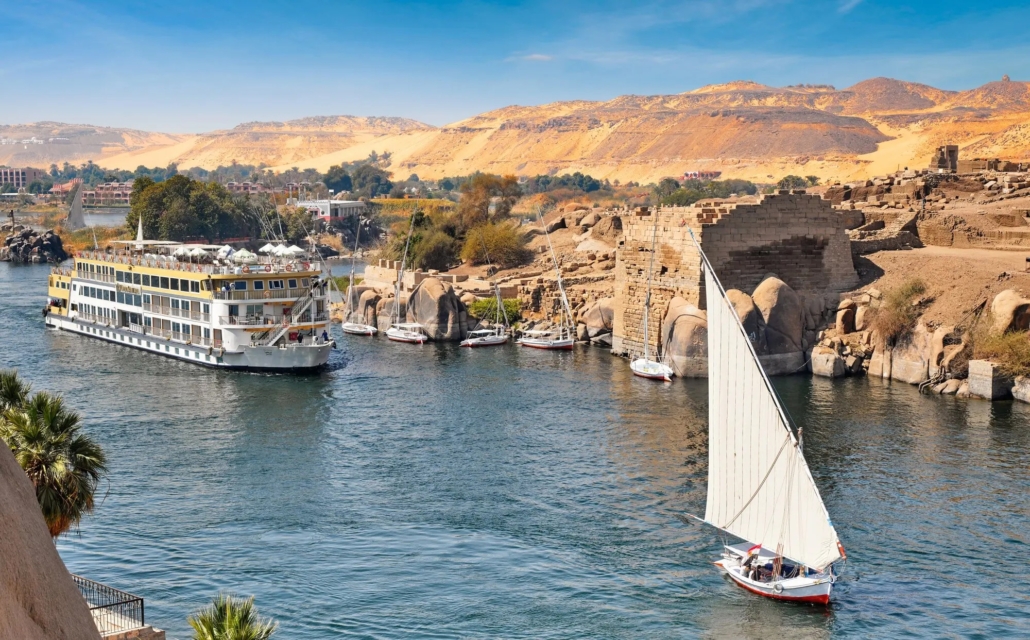
Egypt—Luxury Along the Nile

A cruise along the Nile River offers a distinctive blend of ancient history and modern luxury that you simply cannot replicate anywhere else on earth. I’ll be honest: this is the cruise that even non-cruisers find irresistible.

Luxury Nile itineraries typically include stops in:

  • Luxor (including Karnak Temple)
  • Aswan
  • Kom Ombo
  • The Valley of the Kings
  • Philae Temple

What makes Nile cruising extraordinary is the intimacy of the experience. Ships carry 50-80 guests maximum, creating an atmosphere that feels more like a private yacht charter than a traditional cruise. You’re traveling with the same small group, often forming friendships over sunset cocktails on deck while ancient temples glow golden in the distance.

The real magic happens onshore. Unlike cruise excursions that herd you through on a schedule, luxury Nile cruises arrange expert-guided tours with Egyptologists—scholars who’ve dedicated their careers to these sites. During my training voyage, our guide translated hieroglyphics in real-time, explained the astronomical precision of temple alignments, and shared stories that brought 3,000-year-old history to vivid life.

Exclusive experiences often include:

  • Early-access visits to major temples (before the heat and crowds)
  • Evening sound and light shows at Karnak
  • Private time in lesser-known tombs
  • Meetings with local archaeologists working active dig sites

Onboard, you’ll find elegantly appointed staterooms with Nile views, panoramic sun decks perfect for watching rural Egyptian life unfold along the riverbanks, and menus blending Egyptian specialties with international cuisine. Many luxury Nile vessels also offer onboard lectures by Egyptologists, ensuring you understand the significance of everything you’re seeing.

Fair warning: Egypt isn’t for everyone. The heat can be intense (October-April is ideal), and the persistent vendors at some sites require patience. But for travelers who’ve always dreamed of seeing the pyramids, temples, and tombs they studied in school? This is the trip that delivers—with comfort and context that transform it from tourism into something approaching pilgrimage.


Ready to Find Your Perfect Luxury Cruise?

After helping travelers navigate luxury cruise options for many years, I’ve learned that the “best” destination isn’t about rankings—it’s about matching the experience to what actually matters to you. Are you craving cultural immersion? Natural wonders? Culinary adventures? Multi-generational family bonding?

Here’s what working with me includes:

✓ Complimentary consultation to understand your travel style and priorities
✓ Direct access to luxury cruise line promotions, cabin upgrades, and onboard credits
✓ Personalized itinerary recommendations based on my firsthand sailing experience
✓ Coordination of pre- and post-cruise hotel stays, private transfers, and extended land programs
✓ Ongoing support before, during, and after your voyage

Let’s start planning your next adventure. Contact me today for a complimentary consultation, and let’s find the luxury cruise experience that transforms your travel dreams into reality.

Let me be straight with you: not all all-inclusives are created equal.

After years of booking resorts across the Caribbean, I’ve seen clients return from “all-inclusive” vacations feeling nickel-and-dimed—surprise charges for decent wine, restaurant reservations they couldn’t snag, water sports that cost extra. Sound familiar?

That’s exactly why I’m passionate about Sandals and Beaches Resorts. They’ve fundamentally reimagined what all-inclusive means, and once you understand the difference, you’ll never look at a standard resort package the same way.

The All-Inclusive Promise—Actually Delivered

Here’s what most resorts call “all-inclusive”: basic buffet meals, watered-down cocktails made with bottom-shelf liquor, and a list of “included” activities that’s shorter than your packing list.

Sandals and Beaches? They’ve turned that model on its head.

Airport transfers? Included—no scrambling for a taxi or haggling over rates when you land.

Dining? We’re talking double-digit restaurant options featuring 5-star global cuisine. French, Italian, Caribbean, Asian fusion—take your pick. No reservations required for most venues, no upcharges for the good stuff. And if you have dietary restrictions? They’ll work with you, not against you.

Drinks? Premium spirits and wines flow freely. We’re talking top-shelf, not the cheap brands most resorts hide in their “all-inclusive” packages.

Water sports? Kayaking, paddleboarding, snorkeling, Hobie Cats—all included. Even scuba diving for certified divers (up to two dives daily). Do you know how rare that is?

Golf? Select locations offer complimentary rounds. No greens fees sneaking onto your bill.

And here’s my favorite part: no tipping required. Everything—service, gratuities, taxes—is already included. You can actually relax without constantly reaching for your wallet or doing mental math about appropriate tip percentages.

Two Brands, Two Completely Different Vibes

This is where Sandals and Beaches really distinguish themselves—not just from other resorts, but from each other.

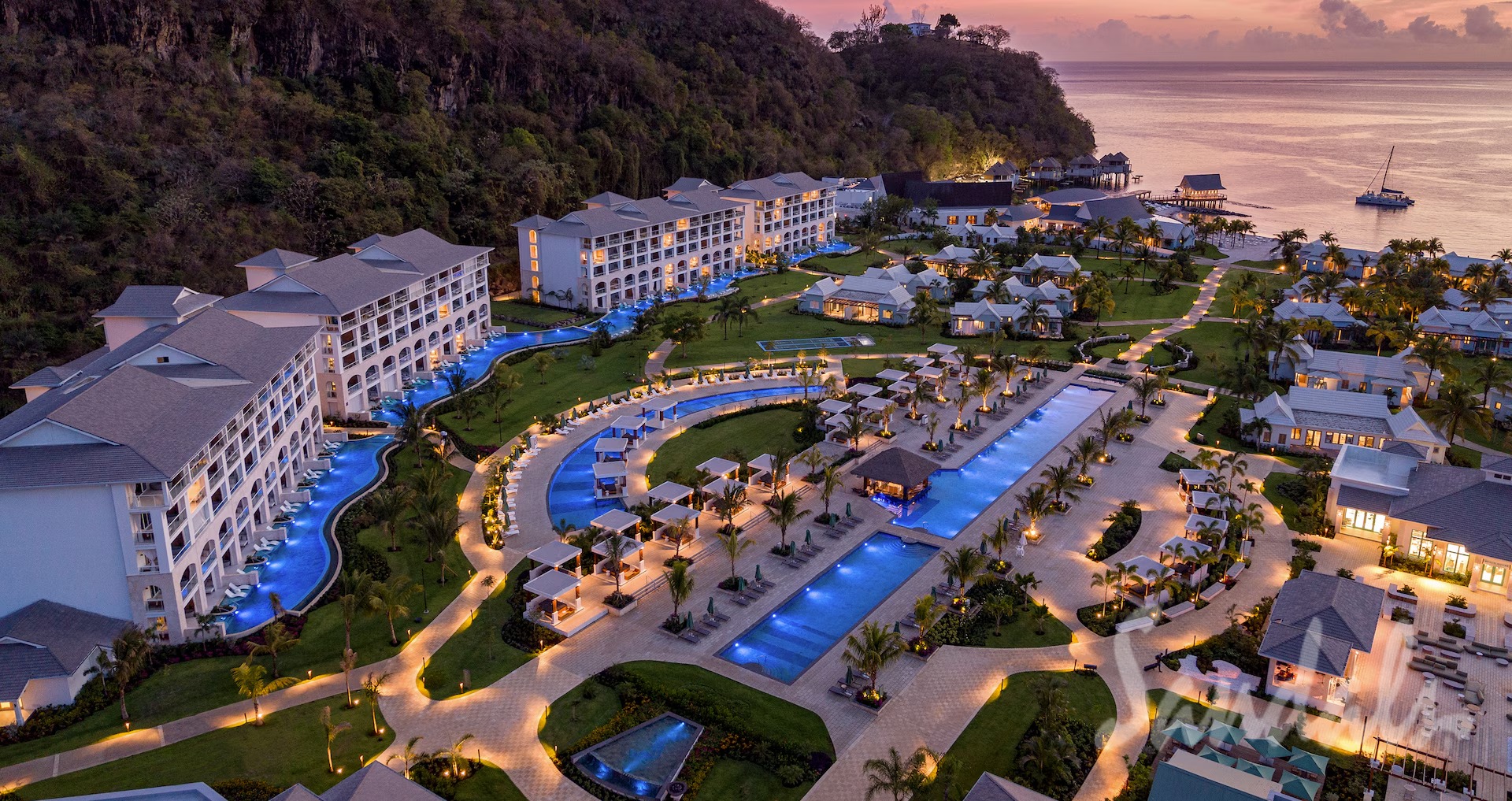
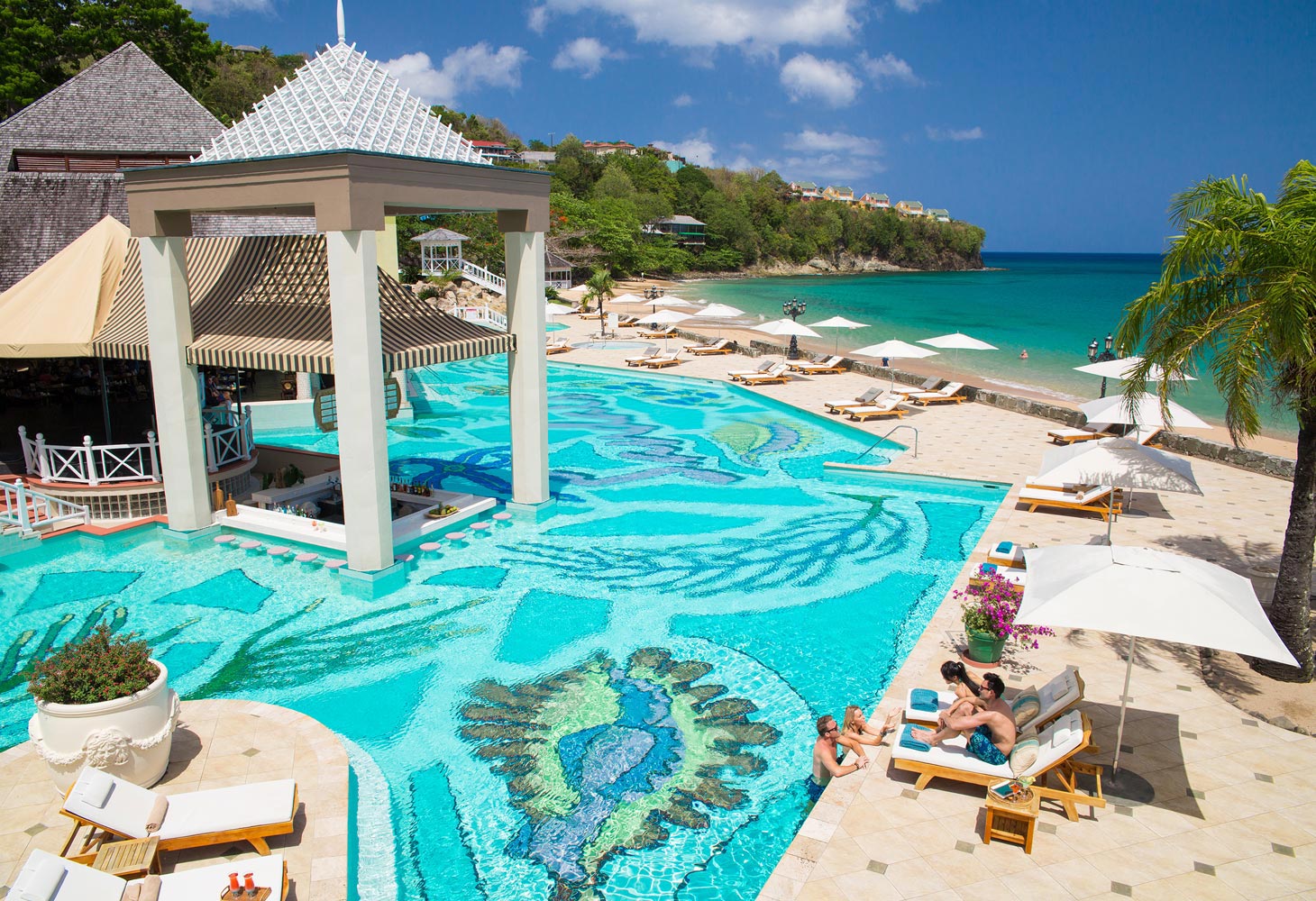
Sandals: Where Romance Gets Serious

Sandals Resorts are exclusively for couples. No kids. No bachelor parties. Just adults seeking romance, luxury, and peace.

Every single room features a king-sized bed—because this is about the two of you. Whether you’re celebrating your honeymoon, anniversary, or simply want to reconnect away from daily life’s chaos, the entire atmosphere is designed for intimacy.

Picture overwater bungalows with glass floor panels revealing turquoise waters below. Butler service that anticipates your needs before you voice them. Piano bars and sophisticated nightlife. Tranquil spa experiences built for couples.

Everything whispers (never shouts): This time is yours.

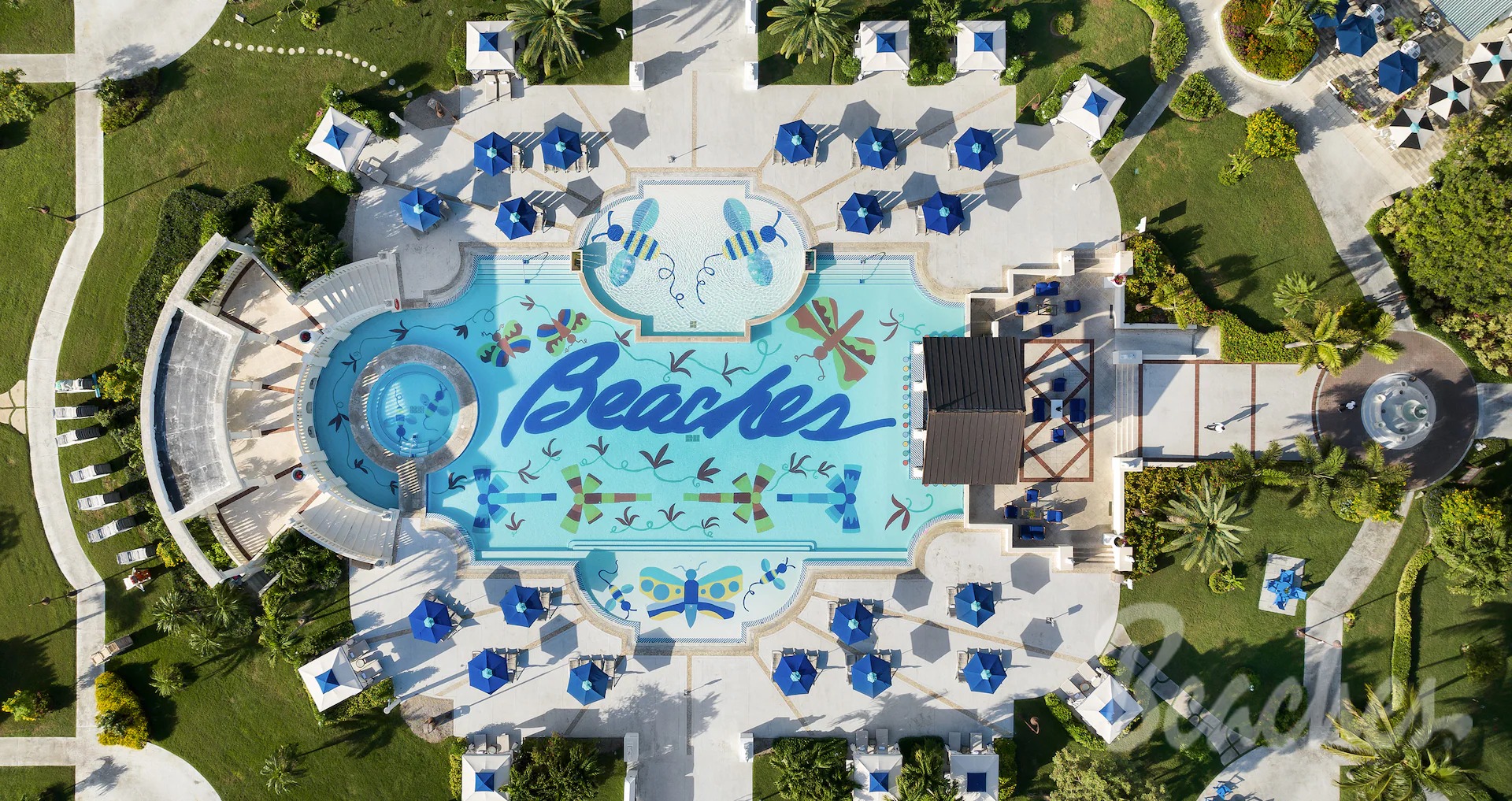
Beaches: Where Families Actually Vacation Together

Now, if you’re traveling with kids—or better yet, planning that ambitious multigenerational trip with grandparents, teenagers, and toddlers all in tow—Beaches Resorts is your answer.

These properties understand that “family-friendly” shouldn’t mean “parents survive while kids have fun.” Everyone should thrive.

The accommodations alone tell the story: Multi-bedroom villas sleeping up to 11 people. Not cramped hotel rooms where you’re all on top of each other, but actual space where teenagers can have their zone and parents can tuck the little ones in before enjoying adult time.

The activities? Stratified for every age and energy level:

  • Water parks that’ll exhaust even your most hyperactive eight-year-old
  • Sesame Street character experiences for the preschool set
  • Teen lounges and nightclubs where older kids can hang (safely and supervised)
  • Kids’ camps with trained counselors, giving parents guilt-free time for that couples’ massage
  • Family-friendly dining venues alongside more sophisticated options for when grandparents are watching the kids

This isn’t about containing children while adults suffer through. It’s about creating magical memories across three generations—together and separately, exactly when each matters most.

The Devil’s in the Delicious Details

Let me give you a side-by-side so you can see exactly what I mean:

Feature

Sandals Resorts

Beaches Resorts

Who It’s For

Couples only (adults 18+)

Families, groups, all ages

Room Setup

King beds, romantic suites, overwater bungalows

Multi-bedroom villas, family suites (up to 11 guests)

The Vibe

Romance, tranquility, sophistication

Energetic, multigenerational fun

Special Touches

Butler service, adults-only pools, intimate dining

Water parks, kids’ clubs, Sesame Street, teen spaces

Evening Scene

Piano bars, nightlife, couple-focused entertainment

Family shows, character dinners, varied entertainment by age

Both brands share the same exceptional all-inclusive foundation—premium dining, top-shelf liquor, water sports, scuba diving, no tipping. But the experience you’re crafting is entirely different.

Beyond the Brochure: What This Actually Means for Your Trip

I’ve sent couples to Sandals who returned glowing about finally disconnecting from work and reconnecting with each other. No phone calls from the office. No kid-centric schedules. Just the two of them, excellent food, and the kind of relaxation that actually restores you.

I’ve also booked multi-generational family reunions at Beaches where grandma and grandpa could relax poolside with a book while parents hit the gym, teenagers learned to scuba dive, and the seven-year-old made best friends with Cookie Monster. Everyone got their perfect vacation—simultaneously.

That’s the real differentiator: These resorts understand that luxury isn’t just thread count and square footage. It’s getting exactly the experience you need, without compromise or frustration.

The Bigger Picture

One more thing worth mentioning: Both Sandals and Beaches are deeply invested in the communities where they operate. Through the Sandals Foundation, they fund education initiatives, environmental projects, and social programs throughout the Caribbean.

Your vacation actually contributes to something bigger. That’s increasingly rare—and increasingly valuable to conscious travelers.

So What Does This Mean for You?

If you’re reading this and thinking, “This sounds exactly like what we need,” then let’s talk.

Because here’s what I know after years in this business: The difference between a good vacation and an extraordinary one often comes down to choosing the right fit—not just a beautiful property, but one that aligns with exactly what you need right now.

Celebrating an anniversary and craving uninterrupted romance? We should be looking at Sandals.

Planning that big family reunion where everyone from age 3 to 73 needs to be happy? Beaches is calling your name.

The best part? You don’t have to become a resort expert or spend hours comparing properties and packages. That’s literally what I do—and I love it.

Want to take advantage of Sandals resort discounts and receive new promos each week? Sign up here to get exclusive deals delivered straight to your inbox.

Ready to start planning your escape? Reach out to me directly, and let’s design something extraordinary together. I’ll help you navigate the properties, choose the perfect location, and ensure every detail aligns with your vision—and your budget.

I recently returned from an unforgettable trip to Thailand with EVA Air and the Tourism Authority of Thailand. We spent two incredible days in Chiang Mai, and I’m here to tell you: don’t sleep on this gem of Northern Thailand.

While Bangkok gets the spotlight and the southern beaches steal the Instagram feeds, Chiang Mai quietly delivers something truly extraordinary – an authentic blend of ancient spirituality, natural wonder, and cultural immersion that will leave you fundamentally changed.

Let me share why my recent Chiang Mai experience changed me in ways I could have never imagined.

Day One

Our first full day took us to Patara Elephant Farm, and within minutes, I understood why this isn’t your typical tourist attraction. This is education and conservation wrapped in pure magic.

Here, you’re not just observing these magnificent creatures from behind barriers. You’re becoming part of their daily routine. You’ll conduct health inspections, prepare their meals, and walk alongside them as they exercise through lush forests and splash in natural water sources. Watching elephant families interact in their natural environment isn’t just Instagram-worthy – it’s soul-stirring.

What sets Patara apart is its commitment to elephant welfare and visitor education. You’ll leave with a deep understanding of these gentle giants and their conservation needs, plus memories that will last a lifetime.

The day continued with lunch at Royal Rose Garden’s Thung Roeng Royal Project – and what a lunch it was! Established in 1978 under HM King Bhumibol’s initiative, this development center works with local hill-tribe farmers to develop sustainable agricultural practices while preserving their cultural identity. The result? Some of the most incredible farm-to-table dining you’ll ever experience.

The noodles were perfection – silky, flavorful, and clearly made from the freshest ingredients. But the real star was their avocado and corn salad, a vibrant dish that showcased the center’s own homegrown avocados (one of their specialty crops alongside ginger, persimmon, and roses). Every bite was a testament to what happens when royal precision meets sustainable farming – fresh, local ingredients prepared with incredible care and attention to detail.

To cap off this incredible day, we headed to Oasis Spa for the 2-hour King of Oasis treatment. This was definitely an experience!

This isn’t just a massage – it’s a complete energy reset using ancient Northern Thai techniques. The treatment begins with traditional acupressure to reopen blocked energy pathways that cause fatigue and weariness. Then comes the magic: Thai herbal hot compresses that literally dissolve soreness from your muscles as they release trapped energy throughout your body. The grand finale is an aromatherapy hot oil massage where powerful herbal essential oils fuse with expert massage techniques to transport you to an entirely new level of relaxation.

I walked in travel-weary and emerged feeling like I could conquer mountains. The combination of these time-honored Northern Thai healing methods creates something truly transformative – your body will thank you for days afterward.

This day was truly magical.

Day Two

Day two delivered what became the most beautiful experience of my entire Thailand journey, and it started before sunrise.

We began at a local market where we prepared offerings for the morning alms ceremony with Buddhist monks. In Buddhist tradition, offering food to monks during their morning alms round is considered one of the most merit-making acts a person can perform. This daily ritual represents the interdependence between the monastic community and lay people – the monks provide spiritual guidance while the community provides sustenance. There’s something profoundly moving about participating in this ancient practice – the quiet reverence, the connection to centuries-old tradition, the simple act of giving that asks nothing in return.

Then we explored the markets full of fresh eggs, meats and vegetables. Even a few silk worms, frogs and fried crickets – a fascinating glimpse into local culinary traditions that adventurous foodies will appreciate.

From there, cycle rickshaws transported us through Chiang Mai’s charming streets to Wat Chedi Luang, home to an impressive 14th-century chedi that once housed the legendary Emerald Buddha.

But here’s what no guidebook can prepare you for: receiving a personal blessing from a Buddhist monk within these ancient walls. The gentle chanting, the sprinkled holy water, the moment of pure peace – it’s impossible to describe adequately, but it’s the kind of experience that stays with you long after you’ve returned home. When I’m writing about it now, I still get chills.

We capped off this extraordinary day by wandering through Chiang Mai’s famous night markets. As the sun set, the streets came alive with a kaleidoscope of colors, sounds, and aromas. Vendors displayed everything from handcrafted textiles and intricate wood carvings to sizzling street food that fills the air with mouthwatering scents. The energy is infectious – locals and travelers alike browsing for treasures, sampling local delicacies, and soaking in the vibrant atmosphere that makes Chiang Mai’s night markets legendary. It was the perfect way to end a day filled with spiritual moments and cultural immersion.

Why Chiang Mai Deserves Your Attention

After traveling to countless cities around the world, I can tell you that Chiang Mai offers something increasingly rare: authentic cultural immersion without sacrificing comfort or safety.

Whether you’re an Adventure Seeker craving off-the-beaten-path experiences, a Picture-Perfect Traveler hunting for those share-worthy moments, or a Multi-Generational Family needing activities that engage every age group, Chiang Mai delivers.

The city’s unique blend of ancient temples, lush landscapes, and vibrant street markets creates the perfect backdrop for any traveler. Adventure enthusiasts will love the elephant interactions and mountain treks. Luxury seekers will appreciate the world-class spas and boutique accommodations. The temples and local traditions will enchant culture lovers.

Your Chiang Mai Journey Awaits

My packed two-day itinerary only scratched the surface of what Chiang Mai offers. The night bazaars, cooking classes, temple hopping, mountain villages, and artisan workshops could easily fill a week or more.

The question isn’t whether you should visit Chiang Mai – it’s when you’re ready to experience Thailand’s most captivating destination.

Ready to discover the magic of Chiang Mai for yourself? I’d love to help you craft your perfect Northern Thailand adventure. From elephant sanctuaries to spiritual experiences, luxury spas to authentic cultural encounters, let’s design an itinerary that creates the memories you’ll treasure forever.

Contact me today to start planning your Chiang Mai journey. Trust me – this is one destination that will exceed every expectation and leave you planning your return before you’ve even left.