Tag Archive for: wishes and waves luxury travel

The Caribbean is one of the best regions in the world to cruise, and the right itinerary makes all the difference. Whether you sail from San Juan, a Gulf Coast port, or anywhere in between, each route offers a distinct mix of culture, beaches, and adventure worth knowing before you book.

The Caribbean remains one of the most popular regions for cruising, and once you see the itineraries up close, it is easy to understand why. Short sailing distances between islands mean more time actually exploring and less time watching the horizon. Add in warm water, a gorgeous mix of cultures and landscapes, and ports that range from lively colonial cities to quiet beach hideaways, and you have a region that genuinely delivers for all kinds of travelers.
Whether you are planning your very first cruise or returning to the Caribbean after a few years away, knowing which route matches your travel style is the first step. I have helped hundreds of clients navigate these choices, and I am going to break down three of my favorite Caribbean cruise routes along with exactly what makes each one worth your time.

Southern Caribbean from San Juan: Culture First, Then the Beach

If you want a Caribbean itinerary that gives you more than just a beautiful beach at every stop, sailings out of San Juan are worth a serious look. The route opens up the southern Caribbean in a way that packs an impressive variety of islands into a single week.

Start Early: Spend a Night or Two in San Juan

Do not rush straight to embarkation day. San Juan is one of the most stunning cities in the entire Caribbean, and arriving a day or two early gives you time to actually experience it. Walk the cobblestone streets of Old San Juan, explore the historic forts perched above the ocean, and linger in the plazas where live music spills out of cafes well into the evening. That kind of history and energy is genuinely rare, and it sets the tone for everything that follows.

What to Expect Onboard the Route

Once you are at sea, the pace shifts into true island-hopping mode. Each port on a typical southern Caribbean sailing has its own personality, and that variety is what keeps this route interesting all week long. Here is a snapshot of what you might experience:

  • A broad, palm-fringed beach with calm water ideal for swimming and snorkeling right from shore
  • A colorful waterfront town where you can browse local crafts and sample regional dishes at a small family restaurant
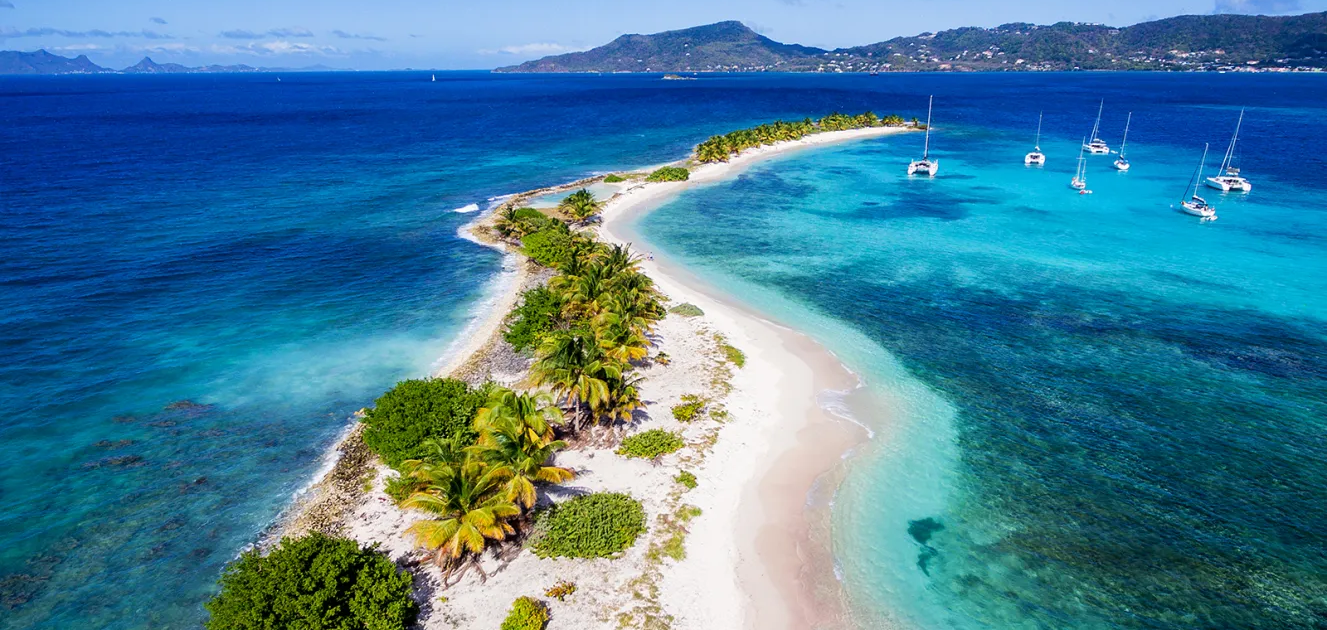
  • A catamaran excursion to a nearby cay, combining sailing with snorkeling and time on a sandbar
  • Inland excursions like rainforest hikes, waterfall visits, and colonial history tours for those who want more than just the beach

This route is an especially strong choice for first-time cruisers and for couples or families who want a balance of relaxation and exploration without ever feeling overwhelmed.

Western Caribbean from Gulf Coast Ports: Beaches, Ruins, and Soft Adventure

Western Caribbean itineraries departing from Gulf Coast ports are a perennial favorite, and for good reason. They are logistically convenient for a large part of the country, and the ports they visit deliver a satisfying mix of beach days, cultural moments, and low-key adventure.
What This Route Does Well

A typical western Caribbean sailing might include:

  • A Mexican port where you can split the day between a beach club and a guided trip to nearby ancient ruins
  • An island famous for clear water and marine life, where scuba divers and snorkelers head to shallow reefs while others stick close to shore for swimming and sunbathing
  • Mainland ports with access to river excursions, jungle parks, and zipline experiences for travelers who want a little adrenaline in the mix
  • A quieter island stop focused entirely on open stretches of sand, casual waterside bars, and easy water sports like kayaking and paddleboarding

What I love most about this route is the range. One day you might be standing in front of a Mayan pyramid, and the next you are floating over a coral reef. That kind of contrast keeps the week feeling fresh and full.

Who This Route Works Best For

Western Caribbean itineraries are a great fit for active travelers, multi-generational families, and first-time cruisers who want variety without complexity. Gulf Coast embarkation ports are also a practical advantage if you are in the southern or central U.S. and prefer driving to the port over flying.

Eastern Caribbean Island Sampler: Maximum Variety in a Single Week

Eastern Caribbean itineraries are exactly what they sound like. A single sailing might connect a lush, mountainous island blanketed in rainforest, a flat island known for long and calm beaches, and a colorful port town where townhouses line a sheltered harbor. The beauty of this route is how much contrast you get from one day to the next.

A Week That Never Feels Repetitive

Days on an eastern Caribbean itinerary tend to alternate naturally between different kinds of experiences. You might spend a morning lounging on a wide, palm-dotted beach, then take a scenic drive into the hills for panoramic views in the afternoon. The next port could have a busy downtown market worth exploring, while the one after that invites you to spend the day on a boat circling the island or visiting hidden coves.

For shoppers and foodies, eastern Caribbean ports are particularly strong. Duty-free shopping, local markets, and regional cuisine are highlights at many stops along this route.

The Big Picture

Over the course of a week, the contrast between lush hillsides, coral-fringed shores, busy port towns, and quiet beach spots keeps the itinerary dynamic in the best possible way. It never strays far from that classic Caribbean feel, but it never gets boring either. This is the route I often recommend to clients who have done the Caribbean before and want to see a different side of it.

How to Choose the Right Caribbean Route for You

Picking the right itinerary comes down to a few key questions: Where are you departing from? What matters more to you, beaches or culture or adventure? And how do you want to divide your time between relaxing and exploring?

Here is a quick breakdown to help you think it through:

  • Southern Caribbean from San Juan: Best for cultural immersion, island variety, and travelers who want a city experience before they board
  • Western Caribbean from Gulf Coast ports: Best for beach lovers who also want history and soft adventure, especially if you live in the southern or central U.S.
  • Eastern Caribbean island sampler: Best for repeat Caribbean cruisers and anyone who wants maximum variety in a single week

That said, the best itinerary is the one that fits your specific situation. Ship choice, cabin category, shore excursion planning, and pre- or post-cruise stays all play into the overall experience. That is where working with someone who knows these routes firsthand makes a real difference.

Ready to Plan Your Caribbean Cruise?

At Wishes and Waves Travel, we specialize in helping travelers find the Caribbean cruise that actually matches how they travel. Not just a booking, but a complete experience designed around what you love to do and how you like to spend your time at sea and onshore.

Whether you are starting from scratch or already have a route in mind, I would love to help you put it together. Reach out to start planning, and let’s find the itinerary that has your name on it.

Contact me to start planning your Caribbean cruise today.

Frequently Asked Questions


What is the best time of year to cruise the Caribbean?

The Caribbean cruise season generally runs from December through April, when weather is dry and temperatures are comfortable. That said, cruising outside peak season can mean lower fares and fewer crowds at popular ports. Hurricane season runs from June through November, and while most cruise lines adjust itineraries as needed, it is something to keep in mind when planning.


How many days do I need for a Caribbean cruise?

Most Caribbean cruises run seven nights, which is enough time to visit four to five ports without feeling rushed. Shorter sailings of three to five nights work well for first-time cruisers or those with limited vacation time. Longer voyages of ten or more nights allow for deeper exploration of the southern Caribbean or a broader island sampler.


Is it worth spending extra time in San Juan before boarding a cruise?

Absolutely, and I recommend it to nearly every client sailing from San Juan. One or two nights in the city give you time to explore Old San Juan, visit the historic forts, and settle in without the stress of rushing to the port on embarkation day. It also protects you in case of flight delays, which is always a smart buffer to build in.


Which Caribbean cruise route is best for families?

Western Caribbean itineraries tend to work especially well for families, thanks to the mix of beach days, accessible excursions, and ports with something for every age group. Eastern Caribbean routes are also strong family options. The right fit depends on your family’s interests, and I am happy to walk through the options with you.


Do I need a passport to cruise the Caribbean?

U.S. citizens on closed-loop cruises, meaning sailings that depart and return to the same U.S. port, can technically travel with a government-issued ID and birth certificate. However, I always recommend bringing a valid passport. If a medical emergency or missed departure requires you to fly home from a foreign port, you will need it.


How do I choose between cruise lines for the Caribbean?

Cruise line selection depends on factors like ship size, onboard amenities, dining style, entertainment, and your preferred pace. Some cruise lines emphasize party atmosphere and activities, while others lean more toward relaxed, destination-focused experiences. As a travel advisor, I work with multiple cruise lines and can match you with the one that genuinely suits how you travel, not just what happens to be on promotion.


Athens and the Greek Islands offer one of travel’s most satisfying combinations: world-class ancient history, impossibly beautiful scenery, and an unhurried pace that makes it easy to stay longer than you planned. Whether you are drawn by Santorini sunsets, the Parthenon, or the quiet magic of a harbor dinner, Greece delivers on every front.

Some destinations earn their reputation. Greece is one of them.

I have helped many clients plan trips to this part of the world, and the feedback is almost always the same: they wish they had stayed longer. That tells you something. This is a place that gets under your skin, not because it is trying to impress you, but because it simply is impressive. A 2,500-year-old temple. A cliffside village that looks as if it were painted by hand. A plate of grilled octopus at a table two feet from the Aegean. There is a reason Greece has been on people’s bucket lists for generations.

If you are thinking about a trip to Greece and trying to figure out how to piece it together, let me walk you through what I think is the ideal approach: start in Athens, then head to the islands. Here is how to make the most of it.

Begin in Athens: More Than Just a Layover

A lot of travelers treat Athens as a quick stop before the islands. I always recommend against that. The city deserves your full attention, even if it is just for two or three days.

The Acropolis is the obvious starting point, and yes, it lives up to the hype. There is something genuinely disorienting about standing in front of the Parthenon for the first time. It is one of those places where history stops being abstract. Plan for a full morning up there, then head to the Acropolis Museum in the afternoon. The museum is outstanding, and the artifacts there give you a much richer understanding of what you just saw on the hill.

After that, slow down. Wander into Plaka, the old neighborhood at the base of the Acropolis. It is exactly what you are picturing: narrow stone lanes, bougainvillea spilling over doorways, tiny shops, and tavernas where you can sit outside and spend two hours over a meal without anyone rushing you. Do that. Order the lamb chops, get a carafe of local wine, and watch Athens do its thing.

One underrated neighborhood worth adding to your Athens itinerary is Monastiraki, especially on a weekend morning when the flea market is in full swing. It is a great spot to pick up something genuinely local before you head to the islands.

Santorini: The One That Lives Up to Every Photo

Yes, Santorini looks exactly like the pictures. And yes, it is still worth going.

The island’s caldera views, particularly from Oia and Fira, are the kind of thing that genuinely stops you mid-sentence. Whitewashed buildings stacked against cliffs, blue-domed churches in the foreground, and a sea that shifts from deep cobalt to glittering silver depending on the light. It is relentlessly beautiful.

But here is what I tell my clients: do not spend all your time in Oia. Get out and explore. The volcanic beaches (Kamari and Perissa in particular) have a dramatic, otherworldly quality you will not find anywhere else. A catamaran cruise around the caldera is one of the best ways to experience the island, with stops for swimming in hot springs and front-row seats for the sunset from the water. It is a completely different perspective than watching from a clifftop terrace, and honestly, it might be the better one.

Pro tip: if you want the iconic Oia sunset experience without standing shoulder-to-shoulder with a thousand other people, go for sunrise instead. You will basically have it to yourself.

Mykonos: Choose Your Own Adventure

Mykonos has a reputation as a party island, which is partly true and also a bit overstated. What it actually is, is flexible. You can have an incredibly lively time here if that is what you are after. You can also have a completely relaxed, low-key experience, depending on which corners of the island you explore.

Mykonos Town, known as Chora, is charming and genuinely maze-like in the best way. The famous windmills overlook Little Venice, a row of colorful buildings that hang right over the water. You will find yourself wandering in and out of lanes, discovering small churches, boutiques, and good restaurants seemingly at random. That is exactly the right way to do it.

For beaches, Agios Ioannis and Ornos tend to be quieter and more family-friendly, while Paradise and Super Paradise draw a younger, livelier crowd. There is genuinely something for everyone here, which is why it works so well for mixed groups.

Beyond the Big Two: Rhodes, Hydra, and the Islands Worth Discovering

Santorini and Mykonos get most of the attention, but Greece has over 200 inhabited islands. A few others are worth serious consideration depending on what you are looking for.

Rhodes is one of my personal favorites. The old town is a UNESCO World Heritage site and one of the best-preserved medieval cities in Europe. You can walk along walls that knights actually walked on, explore a palace that has stood since the 14th century, and then be at a beach bar twenty minutes later. It is a genuinely surprising island.

Hydra is something else entirely. There are no cars or motorcycles on the island. None. Everything moves by donkey, boat, or foot. The result is a calm that is almost surreal compared to the rest of the Aegean. Stone mansions, a pretty harbor, excellent restaurants, and almost no tourist infrastructure. It is the Greece that existed before the Instagram age, and it is wonderful.

Crete is also worth mentioning, particularly if you want to combine beach time with serious history (the Minoan ruins at Knossos are extraordinary) or fantastic local food.

The Part Everyone Remembers: Evenings in Greece

Here is something I have noticed after years of helping people plan Greek holidays: the moments they talk about most when they get home are not the landmarks. They are the evenings.

Dinner in Greece is not a meal. It is an event. You sit down, you order in stages, you talk, you order more. The food is simple and excellent: grilled fish, fresh salads with real tomatoes, tzatziki, warm pita, local wine that costs almost nothing and tastes remarkable. The sun goes down over the water. Fishing boats bob in the harbor. Someone at the next table is celebrating something.

After dinner, you walk. Through old towns, past small churches, along waterfronts. Maybe you stop for a gelato or a Greek coffee. Maybe you sit on a step and just listen. This is the rhythm of Greece, and it is genuinely one of the more restorative things you can do with your time.

How to Plan Your Athens and Greek Islands Trip

The logistics of a Greece trip are not complicated, but getting them right matters. Here are a few things to keep in mind:

Timing. Late April through June and September through early October are the sweet spots. The crowds are manageable, the weather is excellent, and prices are noticeably lower than July and August. Peak summer is still wonderful, just busier and hotter.

Getting between islands. Domestic flights are fast and affordable for longer hops (Athens to Santorini, for example). Ferries are more scenic and great for shorter routes or if you have time to spare. I generally recommend a mix of both.

Where to stay. This varies enormously by island and budget. In Santorini, cave hotels in Oia or Fira with caldera views are the iconic choice. In Athens, staying near Syntagma or Monastiraki puts you walking distance from everything. In Mykonos, boutique hotels in the town center are convenient and atmospheric.

How long to plan for. Realistically, ten days to two weeks gives you Athens plus two or three islands without feeling rushed. You can do a shorter trip, but you will probably wish you had more time.

Ready to Start Planning?

Greece is one of those trips that sounds overwhelming to plan and ends up being one of the most seamless travel experiences you will ever have, if you approach it right. I have helped clients put together everything from 10-day first-timer itineraries to extended island-hopping adventures with a mix of ferry routes, private tours, and hand-picked hotels.

Contact me today and let’s make it happen.

Frequently Asked Questions

Planning & Logistics

What is the best time of year to visit Athens and the Greek Islands?

Late April through June and September through early October offer the best combination of good weather, manageable crowds, and lower prices. July and August are peak season, so expect more tourists and higher rates, though the islands are still wonderful. If you want value and relative quiet, shoulder season is the way to go.

How many days do I need for a Greece trip?

Ten days to two weeks is ideal if you want to see Athens and two or three islands without feeling rushed. A week is doable for a focused trip (Athens plus one island), but most people wish they had stayed longer. I have never had a client come home saying Greece was too long.

Getting Around

Is it better to fly or take ferries between the Greek Islands?

It depends on the route and your schedule. Domestic flights are fast and affordable for longer hops, like Athens to Santorini or Rhodes. Ferries are more atmospheric, less expensive, and a great choice for shorter routes or if you want a scenic travel experience. I usually recommend a mix of both for most itineraries.

Do I need to rent a car in Greece?

In Athens, no. Public transit and taxis work well. On most islands, it depends on your plans. In Santorini, an ATV or scooter is popular, but the island is small enough to get around without one. In Rhodes, a car is useful for exploring beyond the old town. Hydra does not allow cars at all, which is part of its appeal.

Experiences & Destinations

Is Santorini worth the hype?

Yes, genuinely. The caldera views are as spectacular as advertised, and the island has more to offer than just the Instagram-famous spots. That said, it is one of the pricier Greek Islands and can feel crowded in peak summer. If you go, build in at least two full days, add a catamaran excursion, and spend time beyond Oia in villages like Pyrgos or on the volcanic beaches.

Which Greek Islands are best for families with kids?

Crete is excellent for families because it has a wide range of accommodations, great beaches, and enough activities to keep kids engaged for a week or more. Rhodes is another strong option, with the fascinating old town to explore and calmer waters on the east coast. Mykonos has family-friendly beach areas, and its compact town is fun to wander with older kids.

Can I visit Athens and the Greek Islands on a budget?

Greece is more affordable than most Western European destinations, though Santorini and Mykonos sit at the higher end. Food and local transportation are generally very reasonable, and ferry travel is inexpensive. Staying in shoulder season and choosing islands like Naxos, Paros, or Hydra over the headline names will stretch your budget considerably without sacrificing the experience.

Let me be honest with you: I was a skeptic too.

Before I stepped onto my first AmaWaterways ship, I had a list of reasons why river cruising wasn’t for me. Too slow. Too quiet. Too old. Sound familiar? I’ve heard every version of this from clients, friends, and honestly, from myself.

And then I actually did it. And everything I thought I knew? Wrong.

Here are the 10 river cruise myths I hear most often, and the truth behind each one.

Myth #1: River Cruises Are Only for Older Travelers

This is the one I hear the most, and it’s the one that frustrates me the most.

Yes, retirees love river cruising. So do active couples in their 40s, food and wine obsessives, multi-generational families, and solo travelers who want meaningful experiences without the chaos of a group tour. The demographic has shifted significantly in recent years, and the cruise lines have kept up.

If you love good food, beautiful scenery, walkable towns, and travel that doesn’t leave you exhausted, you’ll fit in perfectly. Age has nothing to do with it.

Myth #2: River Cruises Are Boring

Boring how? Peaceful mornings? Stunning views? Multiple destinations per day? If that’s boring, I’ll take it.

A typical river cruise day might include a guided walk through a medieval village, a wine tasting at a local vineyard, a bike ride along the river, a visit to a centuries-old castle, or simply a solo wander through a market. Evenings are relaxed and social, often with local entertainment or a quiet glass of wine on the sun deck.

I came home from my first AmaWaterways cruise actually feeling rested. I didn’t think that was possible on a European trip. That’s the magic of it.

Myth #3: You Don’t Really See Much

River cruising actually lets you see more, not less. And the way you experience each destination is completely different from any other type of travel.

Unlike ocean cruises that dock at industrial ports miles from anywhere worth seeing, river ships pull right into the center of town. You step off the gangway and you’re already there. A medieval square. A riverside cafe. A centuries-old cathedral. No bus transfers. No wasted time.

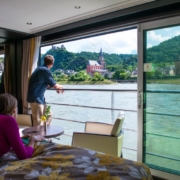
And the sailing itself is part of the show. You’re gliding past vineyards, fortresses, tiny villages, and rolling countryside while you sip your morning coffee on the sun deck.

One of my favorite unexpected moments? Passing through a lock and being so close to the walls that I could have reached out and touched the concrete from my balcony. That’s not something you experience on a bus tour.

Myth #4: River Cruises Are Too Structured

River cruising gives you structure when you want it, and freedom when you don’t. That’s actually one of the things I love most about it.

Guided excursions are always included, but they’re never required. Want to skip the group tour and explore on your own? Go for it. Want to sleep in and catch the next port? Absolutely fine. Want to spend the day shopping while your partner hikes up to a castle? (This may or may not be a real thing that happened on our trip.)

The itinerary is designed to support you, not control you.

Myth #5: The Ships Are Small and Cramped

River ships are smaller by design, and that’s one of their greatest advantages.

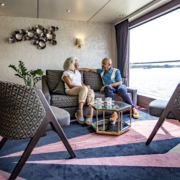
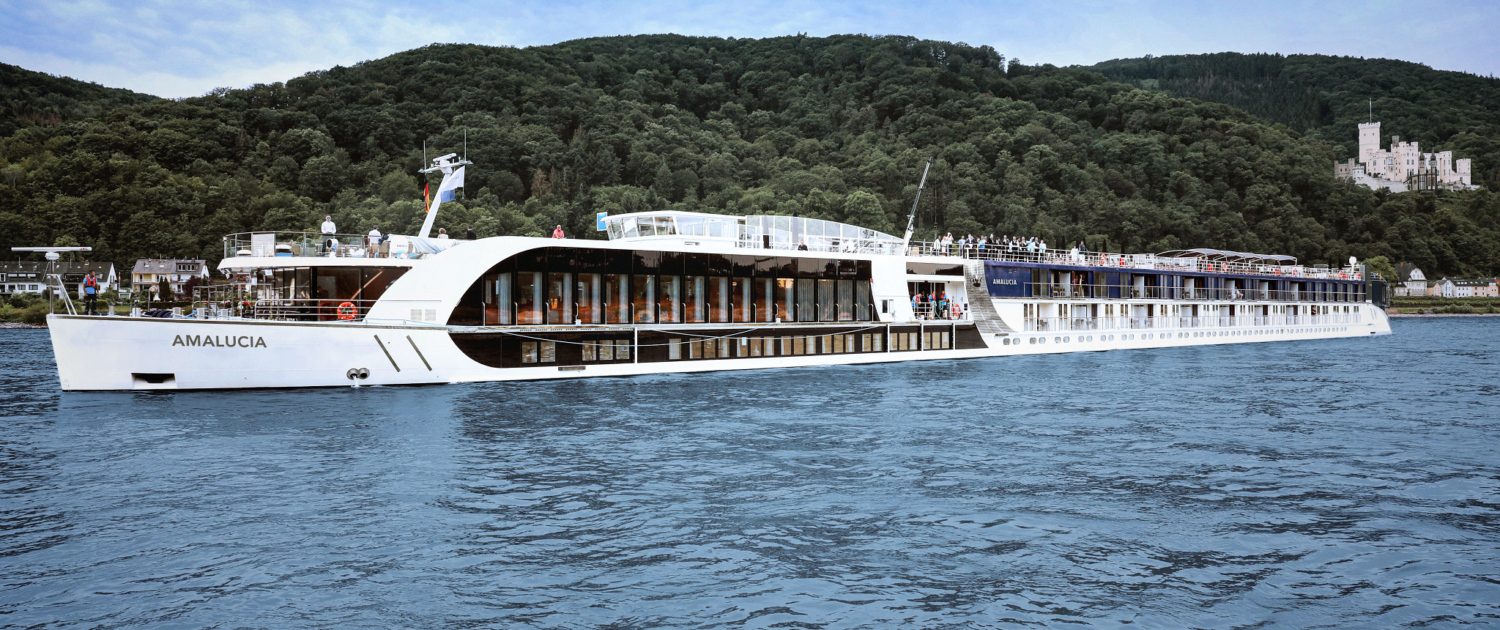
Think boutique hotel, not big box resort. Comfortable staterooms, panoramic lounges, elegant dining, a sun deck, and quiet reading nooks. With significantly fewer passengers on board, everything feels calm, unhurried, and personal.

Our muster drill on AmaWaterways? A two-minute explanation. Our “safety briefing” on an ocean cruise once took 45 minutes. I’ll take the boutique experience every time.

No crowds. No lines. No chaos. Just a lot of personal attention from a crew that actually remembers your name.

Myth #6: River Cruising Is Too Expensive

When you look at everything that’s actually included, river cruising is one of the best values in travel.

Most itineraries include:

  • All accommodations
  • All meals (often with regional wine or beer included at dinner)
  • Daily guided excursions in every port
  • Transportation between cities
  • Onboard entertainment
  • Port fees and taxes

Compare that to a land-based European trip where you’re separately booking hotels, guides, trains, and every meal, and the value becomes very clear. You also only unpack once.

One thing that genuinely surprised me on my AmaWaterways cruise: laundry was a few dollars per item, and a 45-minute massage was $45. I wasn’t expecting that.

Myth #7: The Food Is Just Average

This one makes me laugh every time, because food is one of the things I talk about most when I describe my river cruise experience.

Menus are thoughtfully designed around the regions you’re sailing through, with local ingredients, regional wine pairings, and dishes that reflect where you actually are. It’s not buffet cruise food. It’s genuinely good dining, night after night, without the restaurant bill.

Myth #8: I’ll Gain Weight

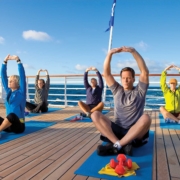
Good food is part of the experience, yes. But so is walking through a new town every morning, biking along the river, and exploring on your own time.

Most travelers come home feeling surprisingly good, not sluggish. River cruising naturally builds movement into your day in a way that doesn’t feel like exercise, which is honestly the best kind.

Myth #9: River Cruising Feels Limiting

In reality, it might be the most freeing way to travel.

Your hotel moves for you while you sleep. You wake up in a brand-new destination without packing a single bag or checking out of anything. You explore as much or as little as you want, and at the end of the day, you return to a comfortable, familiar space that you already know and love. That kind of ease is genuinely rare in travel.

Myth #10: It’s Not Adventurous Enough

Adventure means something different to everyone.

For some people, adventure is hiking to a 12th-century fortress on a whim. For others, it’s sitting in a cafe in a town they’ve never heard of, ordering something they can’t pronounce, and loving every bite. River cruising delivers both.

And for those who want more structured activity, many AmaWaterways itineraries include hiking options, guided bike rides, kayaking excursions, and longer independent exploration time. You choose your own level.

The Bottom Line: River Cruising Is What You Make It

River cruising isn’t about doing everything. It’s about doing the right things in the right way, at a pace that lets you actually absorb and enjoy where you are.

It’s for travelers who appreciate:

  • Thoughtful pacing that never leaves you feeling rushed
  • Meaningful destinations with real cultural depth
  • Elegant, comfortable accommodations
  • The joy of waking up in a new place without any of the hassle

I’ve seen it happen over and over: someone who swore river cruising wasn’t for them takes one trip and it becomes their favorite way to travel. Then they’re the ones debunking the myths the next time someone says, “I could never do that.”

Ready to See What River Cruising Is Really Like?

I specialize in planning river cruise experiences that are completely tailored to you. Whether you’re a first-timer or a seasoned traveler looking for a new way to explore the world, I’d love to help you plan something extraordinary.

Download my free River Cruise Planning Guide to get started, or reach out directly to Wishes and Waves Travel and let’s start planning your voyage.

Contact me today at wishesandwaves.com

Frequently Asked Questions About River Cruising

How is river cruising different from ocean cruising?

River ships are smaller and more intimate, carrying far fewer passengers than ocean cruise ships. They dock right in the heart of towns and cities, so you step off directly into the destination rather than transferring from a distant port. The experience is generally more relaxed, more culturally immersive, and far less crowded.

What is typically included in a river cruise?

Most river cruise fares include all accommodations, all meals, daily guided shore excursions, port fees, and onboard entertainment. Many also include wine or beer with dinner. It’s a much more all-inclusive experience than most travelers expect.

What is the best river cruise line for first-timers?

AmaWaterways is consistently one of my top recommendations for first-time river cruisers. Their ships are beautiful, the service is exceptional, the food is a genuine highlight, and they offer a great balance of guided excursions and free exploration time. That said, the best fit really depends on your destination, travel style, and budget, which is exactly why I love helping clients navigate the options.

Is river cruising good for couples?

Absolutely. River cruising is one of the best travel formats for couples because it combines romantic scenery, excellent dining, shared cultural experiences, and just enough flexibility that two people with different interests can both enjoy the trip. One person can explore independently while the other joins a guided excursion, and you meet back on board for a lovely dinner.

What are the most popular river cruise destinations?

Europe is by far the most popular, with the Danube, Rhine, and Douro rivers among the top choices. The Danube is especially popular for its variety, connecting cities like Vienna, Budapest, and Bratislava. Outside Europe, the Mekong River in Southeast Asia and the Nile in Egypt are bucket-list options. The Christmas Markets river cruises through Europe each winter are also incredibly popular and tend to sell out fast.

How far in advance should I book a river cruise?

The earlier the better, especially for popular itineraries and peak travel dates. Most river cruise ships carry between 120 and 160 passengers, so they fill up quickly. For peak summer sailings and Christmas Markets cruises, booking 12 to 18 months in advance is not unusual. I always recommend reaching out sooner rather than later so we can secure the stateroom category and sailing date that actually works for you.

Questions? I’d love to help. Contact me today and let’s find your perfect river cruise.

Beaches Turks & Caicos is opening its newest and most exclusive village, Treasure Beach, on March 1, 2026, featuring 101 multi-bedroom butler and concierge suites, seven new restaurants, a 15,000-square-foot infinity-edge pool, and a private stretch of Grace Bay Beach. It’s the perfect upgrade for families, luxury seekers, and multigenerational groups who want an elevated all-inclusive experience, and bookings are open now.

Whether you watched the full video or you’re here for all the details, let me walk you through why Treasure Beach is one of the most exciting things to happen in all-inclusive family travel this year, and why you’re going to want to book this sooner rather than later.

What Is Treasure Beach Village?

Think of it as a resort within a resort. Treasure Beach Village is Beaches Turks & Caicos’s newest “hotel within a hotel,” a slightly more elevated enclave tucked into one of the Caribbean’s most reliable family all-inclusive resorts. It’s designed for families who want that calmer, more refined home base without giving up a single thing that makes Beaches so iconic.

Set toward the western end of the property, Treasure Beach Village feels like its own little corner of the resort. The busier parts of the property are close enough to get to when you want them, but far enough away that Treasure Beach stays calm. That balance, privacy without isolation, is exactly what so many of my clients are looking for.

The Accommodations: Spacious, Stylish, and Built for Real Families

This is where things get really exciting. Treasure Beach Village will have 101 multi-bedroom concierge and butler suites, designed with large families in mind.

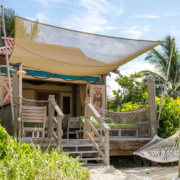
Guests can choose from 11 unique room categories, each made for relaxation, including spacious 3- and 4-bedroom suites with private terraces, modern amenities, and sweeping views. At the top of the lineup, the CrystalSky Reserve Villas are three-story villas with private pools and panoramic ocean views that can accommodate up to 10 guests, perfect for multigenerational groups or a big family celebration.

Treasure Beach at Beaches Turks & Caicos

And for those who love the Beaches butler experience? Butler service is available in multiple suite categories, which means your family’s every need is handled from the moment you arrive.

Dining: Seven New Restaurants (Yes, Seven)

One of the questions I get most often is, “Is the food good at all-inclusives?” At Treasure Beach, the answer is a resounding yes, and then some.

Dining is anchored by The Pinta Food Hall, which keeps things flexible. Multiple stations serve Italian, Mexican, and Asian dishes, salads, and grilled options, so picky eaters and adventurous ones can split up and meet back at the same table. Butch’s Island Steakhouse, new to Beaches Resorts, brings a more traditional sit-down option with prime cuts and structured service. Mornings start at BRÜ coffee bar, while Calypso’s Snow Cone Station handles the post-pool sugar rush without anyone needing to change out of flip-flops.

And here’s the best part: guests staying at Treasure Beach still have full access to all the restaurants across the entire Beaches Turks & Caicos resort. We’re talking 18+ dining options total. No one is going hungry.

The Pool & Beach: Where the Magic Happens

The new village will be home to a 15,000-square-foot infinity-edge pool with ocean views. The pool area will have a natural gradient design intended to mimic a beach. There are three slides, a mini pool, a splash pad for toddlers, and swim-up bar service, all in one gorgeous space.

In the evenings, Starfish Cinema adds a low-key option for families who want to stay close but still do something together after dinner. Parade A 32-seat cinema lounge right in the village? That’s the kind of thoughtful touch that makes a vacation feel really special.

And of course, the whole thing sits right on Grace Bay Beach, consistently rated one of the most beautiful beaches in the world. That part hasn’t changed. It’s just gotten a better front porch.

Who Is Treasure Beach Village For?

Honestly? So many of my clients. But it’s particularly perfect for:

Multigenerational families who need big suites that comfortably fit grandparents, parents, and little ones, all under one roof with enough space to breathe.

Luxury seekers who want the all-inclusive convenience but aren’t willing to sacrifice the elevated feel of butler service and high-end accommodations.

Families with young kids who want a calm, manageable home base with a pool that’s actually designed for toddlers and young children.

Anyone who’s already been to Beaches Turks and is looking for a reason to go back. This is your reason.

Don’t Wait on This One

Treasure Beach is now taking bookings, with an official opening on March 1, 2026. New openings at properties this popular fill up fast, and I’m already fielding questions about spring and summer availability.

If Treasure Beach has been calling your name, or if you watched my video and thought, “I need to be there,” now is the time to reach out. I’ll help you find the right suite category for your family, talk through timing, and make sure every detail is handled before you ever pack a bag.

Ready to plan your Treasure Beach vacation? I’d love to help you make it happen. Contact me here or send me a message. Let’s get your family to Grace Bay!


Frequently Asked Questions About Treasure Beach Village at Beaches Turks & Caicos

When does Treasure Beach Village open and can I book now? Treasure Beach Village officially opens March 1, 2026, and reservations are open right now. This is a brand-new village at one of the most popular family resorts in the Caribbean, so availability will go fast. Reach out to me at Wishes and Waves Travel and I’ll help you lock in the best suite for your family before it sells out.

What room options are available at Treasure Beach Village? Treasure Beach Village offers 101 multi-bedroom suites across 11 room categories, ranging from two-bedroom concierge suites to expansive three and four-bedroom butler villas that can accommodate up to 10 guests. Many suites include bunk beds, private terraces, and stunning ocean views, making them ideal for families of all sizes.

What is butler service and is it worth it? Butler service at Beaches means you have a dedicated team member handling everything from unpacking your luggage and making dining reservations to delivering snacks to the beach and arranging special surprises for the kids. For families traveling with young children or multigenerational groups, it is absolutely worth it. It removes the mental load of vacation planning so you can actually relax and be present with your family.

Do Treasure Beach guests have access to all the dining at Beaches Turks & Caicos? Yes! Treasure Beach Village adds seven brand-new dining options including The Pinta Food Hall, Butch’s Island Steakhouse, and BRÜ coffee bar. On top of that, guests have full access to all 18+ restaurants across the entire Beaches Turks & Caicos resort. There is truly something for every palate and every age.

Is Beaches Turks & Caicos truly all-inclusive? Absolutely. Everything is included: dining, drinks, watersports, kids’ clubs, Sesame Street experiences, airport transfers, tips, and taxes. No hidden fees, no surprise charges at checkout. It’s one of the reasons I consistently recommend Beaches Resorts to my families.

Why should I book Treasure Beach Village through a travel advisor? Booking a new village at a resort this popular is not the time to go it alone. As a travel advisor at Wishes and Waves Travel, I have direct relationships with Beaches and can help you navigate room categories, identify the best value for your group size, and make sure you don’t miss out on any promotions or perks.