Tag Archive for: kalamazoo travel agency

Greece delivers ancient history, island scenery, and some of the best food in the Mediterranean, and it rewards travelers who plan ahead, especially for peak season. Whether you want a classic island-hopping trip or a small-ship cruise through the Aegean, we can build a Greece itinerary that fits how you actually like to travel.


Greece has a way of showing up on almost every travel wish list, and once you have been there, it is easy to see why. It is not just the whitewashed villages and the blue domes you have seen a thousand times on Pinterest. It is the way history sits right next to a beach day, the way a meal can turn into a three hour event without anyone minding, and the way the whole country seems to move at a pace that makes you want to slow down too. If you have been circling Greece for a while and wondering whether this is finally the year, here is what we think you should know before you book.

History You Can Walk Through, Not Just Look At

Most people picture the Acropolis when they think of Greek history, and it absolutely earns the hype. But the real magic is how much ancient history is still woven into everyday life across the country. In Athens, you can be standing in front of the Parthenon in the morning and wandering a rooftop bar with the same view that evening. On Crete, the Minoan ruins at Knossos date back nearly 4,000 years. In Delphi, you can walk the same paths ancient Greeks walked to consult the oracle. None of it feels roped off or staged. It just feels like part of the landscape.

Insider tip

Book a private, early morning tour of the Acropolis whenever possible. You will beat both the heat and the crowds, and the light on the marble at sunrise is worth setting an alarm for.

The Islands Are Just the Beginning

Santorini and Mykonos get most of the attention, and they deliver on the sunsets and the style. But Greece has more than 200 inhabited islands, and some of the most memorable experiences we plan happen well outside the obvious ones. Naxos has quieter beaches and a laid back food scene. Hydra has no cars at all, just donkeys and cobblestones. Milos is where the photogenic, otherworldly beaches actually live, without the crowds Santorini pulls in. The right mix of islands depends entirely on what kind of trip you are after, which is exactly why we build these itineraries one traveler at a time rather than handing out the same list to everyone.
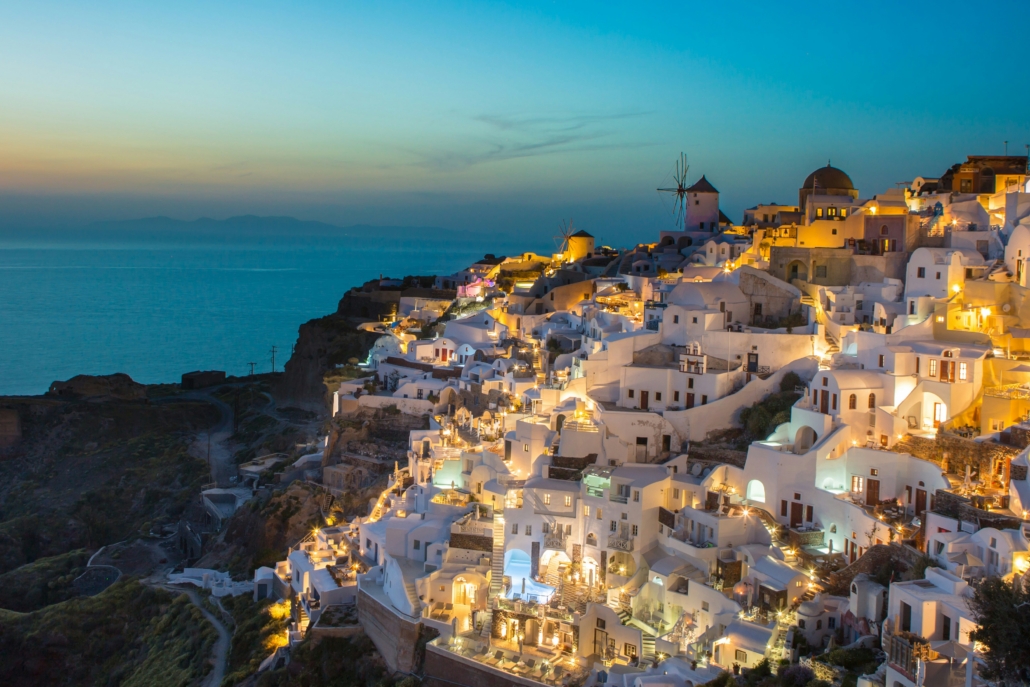
Small Ship Cruising Is the Smartest Way to See More of Greece

One of the questions we hear most is whether to base a Greece trip on land or build it around a cruise. For a lot of travelers, a small ship or luxury river-style itinerary through the Aegean and Ionian is the better answer, because it solves the biggest headache of island hopping, which is the ferries and the packing and unpacking every two days. Lines like Seabourn, Silversea, Ponant, and Explora Journeys run itineraries built specifically around the Greek islands, often docking in smaller ports the big ships cannot reach, with excursions that get you into places like Hydra’s harbor or Monemvasia’s medieval old town without the logistics headache. You wake up somewhere new, you go explore, and dinner is already handled.

The Food Is Reason Enough to Go

Greek food outside of Greece and Greek food in Greece are not the same experience. Tomatoes taste like tomatoes are supposed to taste. Olive oil, particularly from Crete and the Peloponnese, shows up on everything and somehow never feels repetitive. Family run tavernas will bring you dishes you did not order because the owner decided you should try them. If you are the kind of traveler who plans a trip partly around where you are going to eat, Greece will not let you down, and we are always happy to build in a cooking class or a market visit for travelers who want to go a little deeper than a dinner reservation.

It Is Not Just Sun and Sand, Either

The islands get the postcards, but mainland Greece has its own personality entirely. The Peloponnese has dramatic coastline and hilltop villages with almost none of the island crowds. Meteora, in central Greece, has monasteries built on top of towering rock pillars that look almost unreal in person. Zagori and the Pindus mountains offer a completely different, cooler climate experience for travelers who want hiking and stone bridge villages instead of beach clubs. Greece rewards travelers who are willing to see past the islands, and we love building itineraries that combine both.

Timing Matters More Than People Expect

Late spring, specifically May and early June, and early fall, specifically September and the first half of October, are consistently the sweet spot for Greece. The weather is warm without being brutal, the water is swimmable, and the crowds and prices both drop noticeably compared to peak July and August. If your dates are flexible at all, shifting even two or three weeks off peak season can change the entire feel of the trip, and it usually means better availability at the villas and boutique hotels worth booking in the first place.

Why Booking Early Actually Matters Here

Greece is not a destination where you can decide in April that you want to go in July and expect the good villas, the small ship cruise cabins, or the sought after tavernas to still have room. The properties and itineraries that make a Greece trip feel special, private villas with a pool overlooking the caldera, the smaller luxury ships, the top rated guides, all book out well in advance, especially for summer travel. Planning six months to a year ahead is not overkill for Greece. It is how you end up with the trip you actually pictured instead of whatever was left.
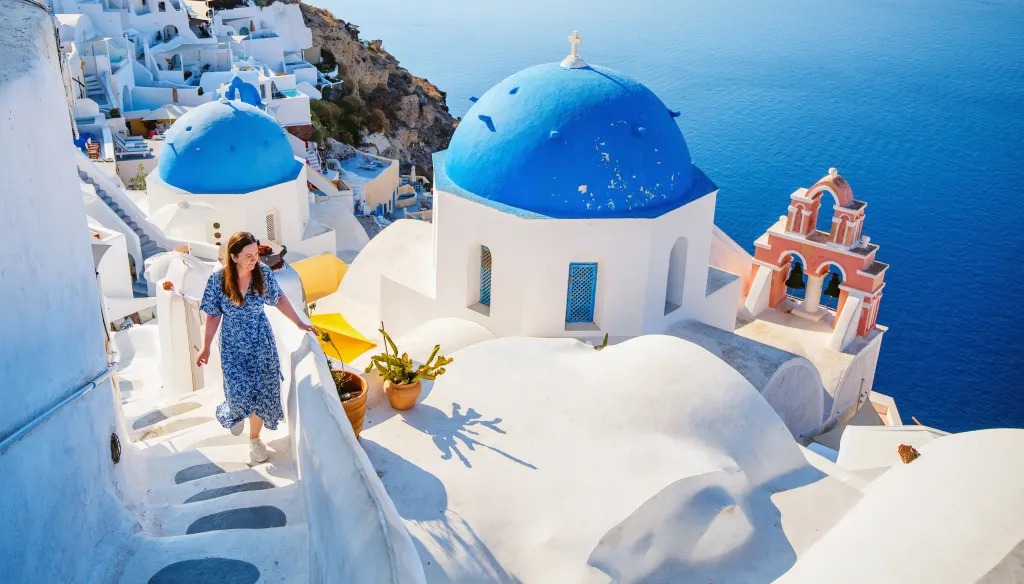
Let’s Build Your Greece Trip

Whether you are picturing a week of island hopping, a small ship cruise through the Aegean, or a mix of ancient sites and beach time with the whole family, we can help you figure out what Greece actually looks like for you. We would love to put together a personalized itinerary that fits your travel style, your timeline, and your budget.

Download our free Greece travel planning guide to start exploring your options, or reach out directly for a consultation and we will start building your trip together.

Frequently Asked Questions

What is the best time of year to visit Greece?

Late May through early June and September through mid October give you warm weather, swimmable water, and noticeably smaller crowds and lower prices than peak summer.

Is a cruise or a land-based trip better for exploring Greece?

It depends on your travel style. A small ship or luxury cruise removes the hassle of ferries and packing between islands, while a land-based trip gives you more flexibility to linger in one place. Many of the itineraries we build actually combine both.

How many days do you need in Greece?

Ten to fourteen days lets you see a meaningful mix of Athens, a couple of islands, and either mainland Greece or a short cruise without feeling rushed. A week is workable if you focus on one region.

What is the best way to island hop in Greece?

Ferries work well for shorter distances between neighboring islands, but for longer routes or a more relaxed pace, a small ship cruise itinerary through the Aegean is usually the easier and more comfortable option.

Is Greece a good destination for multi-generational family trips?

Yes. Islands like Crete and Rhodes have easy beaches and family friendly resorts, while Athens and the Peloponnese offer history and culture that tend to engage older travelers and curious kids alike.

How far in advance should we book a luxury Greece trip?

Six months to a year ahead is ideal, especially for summer travel, since the best villas, boutique hotels, and small ship cruise cabins tend to sell out well before peak season.


The Italian Dolomites are a UNESCO World Heritage Site where dramatic limestone peaks, restorative alpine wellness, and a blend of Italian warmth and Austrian precision come together in one extraordinary destination. They are the perfect next chapter for travelers who have already explored Italy’s classic cities and are ready for fresh air, soft adventure, and luxury in the mountains.


Earlier this year, the world watched athletes soar through Cortina’s peaks during the 2026 Winter Olympics. While millions tuned in for world-class competition, you may have caught yourself staring at something else entirely: towering limestone spires glowing pink at sunset, pristine alpine villages that look untouched by time, and landscapes so dramatic they barely seem real.

Now it’s your turn to experience the magic. Let us introduce you to the Dolomites, the side of Italy most travelers never see.

Why the Dolomites Are Unlike Anywhere Else in Italy

The Dolomites aren’t just another Italian destination. They’re a UNESCO World Heritage Site offering something Rome, Florence, and the Amalfi Coast simply can’t: pure, restorative natural beauty paired with the luxury and hospitality Italy does best.

If you’ve already fallen for Italy’s classic icons, the Dolomites are your next chapter. This is Italy for travelers ready to move beyond the postcard cities, where dramatic mountain scenery meets world-class wellness, exceptional cuisine, and a distinctive blend of Italian warmth and Austrian precision.

What Makes the Dolomites Extraordinary

Nature That Takes Your Breath Away

Jagged peaks that seem to pierce the sky. Alpine meadows dotted with wildflowers. Cable cars that lift you to panoramas you’ll never forget. Whether you’re hiking gentle valley trails or simply gazing at the Tre Cime di Lavaredo from your terrace, the Dolomites deliver scenery unlike anywhere else in the country.

Year-Round Appeal

Summer brings endless hiking trails, e-biking through mountain passes, and some of Europe’s cleanest air. Winter transforms the region into a world-class ski destination, complete with charming Christmas markets and cozy alpine retreats. Spring and fall are quieter still, with golden light and landscapes that feel pulled from a fairytale.

Wellness Built Into the Mountains

This isn’t just scenic, it’s restorative. Think luxury spas drawing on alpine traditions, forest bathing programs, and yoga with mountain views. The Dolomites have perfected the art of slowing down without sacrificing a single comfort.

A Distinct Cultural Identity

Straddling the border between Italy and Austria, the Dolomites offer a flavor all their own. You’ll taste it in the cuisine (mountain cheeses, speck, and refined regional wines from Alto Adige). You’ll see it in towns like Cortina d’Ampezzo and Ortisei, where Italian style blends seamlessly with mountain tradition.

How to Build Your Dolomites Itinerary

The Dolomites work beautifully as a standalone wellness retreat, or paired with Italy’s iconic cities for the best of both worlds. A few of our favorite pairings:

  • Venice plus the Dolomites. From iconic canals to alpine serenity in one unforgettable journey.
  • Milan, Lake Como, and the Dolomites. Italian style meets alpine nature for the luxury-focused traveler.
  • Rome, Florence, and the Dolomites. Finish your classic Italy tour with fresh air and unforgettable landscapes.

We recommend 4 to 6 nights in the region, enough time to truly settle into the rhythm of alpine life. Whether you’re seeking wellness and restoration, soft adventure, or simply a different side of Italy, the Dolomites deliver.

When to Go

Summer (June through September) brings hiking, biking, and alpine meadows in full bloom. Winter (December through March) offers world-class skiing and cozy mountain wellness. Both seasons promise luxury accommodations, private transfers, and experiences tailored perfectly to you. The good news is there’s no wrong time to visit, only the season that fits your travel style best, and that’s exactly the kind of detail we love to sort out for you.

Let Us Plan Your Dolomites Escape

The athletes have left Cortina. The mountains remain. If you’ve been dreaming of Italy but want something restorative, scenic, and utterly unforgettable, the Dolomites are calling.

If the Dolomites sound like your kind of Italy, we’d love to hear from you. A complimentary consultation is simply a conversation about what you’re picturing, and from there we take care of the details: luxury accommodations, private transfers, experiences chosen for the way you love to travel. All you have to do is show up and look at the mountains.

Frequently Asked Questions

When is the best time to visit the Dolomites?

It depends on what you’re after. Summer is ideal for hiking, biking, and alpine meadows in bloom, while winter is perfect for skiing and cozy mountain wellness. Spring and fall are quieter, with beautiful golden light. We’ll match the season to your travel style.

How many days should I spend in the Dolomites?

We recommend 4 to 6 nights to truly settle into the pace of alpine life. The region also pairs wonderfully with cities like Venice, Milan, or Rome if you’d like to combine mountains and classic Italy.

Are the Dolomites good for travelers who don’t want to hike?

Absolutely. While the trails are spectacular, the Dolomites are equally about wellness, scenic cable car rides, exceptional dining, and simply relaxing with a mountain view. There’s a version of this trip for every energy level.

Can I combine the Dolomites with other parts of Italy?

Yes, and we highly recommend it. Popular pairings include Venice plus the Dolomites, Milan and Lake Como with the Dolomites, or a classic Rome and Florence tour finished off in the mountains.

What makes the Dolomites different from the rest of Italy?

The Dolomites blend Italian warmth with Austrian alpine precision, from the cuisine and wine of Alto Adige to towns like Cortina d’Ampezzo and Ortisei. It’s a UNESCO World Heritage landscape that feels worlds away from Italy’s coastal and city destinations.

Is the Dolomites a good destination for a special occasion?

It’s wonderful for celebrations. The region is especially magical for couples marking anniversaries, wellness-focused travelers, and anyone who has already ‘done’ Italy and is ready for something extraordinary.


That budget cruise fare looks great until you add gratuities, drinks, dining, Wi-Fi, and excursions. We break down how luxury all-inclusive cruises often cost less than you’d think once the full picture comes into focus.

There’s a number at the top of every cruise advertisement that looks very appealing. It’s designed to. And then there’s what you actually spend.

One of the most valuable conversations we have with clients at Wishes and Waves Travel is what we call the true cost breakdown. It’s the moment when someone comes in looking at a mass-market fare and leaves genuinely considering a luxury all-inclusive cruise they thought was “way out of budget.” It happens more often than you’d think, because the numbers tell a different story than the headline price.

Let’s walk through it together.

What the Headline Price Doesn’t Include

On most mass-market and even premium cruise lines, the advertised fare is only the
beginning. Here is what commonly gets added on top:

  • Mandatory gratuities: Often $17.50 or more per person, per day. On a 7-night cruise for two, that’s $245 added before you’ve spent a dollar on anything else.
  • Beverage packages: A mid-range drink package typically runs $70 to $100 per person per day. For two people on a week-long cruise, that’s $980 to $1,400.
  • Specialty dining: Many ships charge $30 to $60 per person per specialty restaurant visit. If you eat at specialty venues three or four times, you’re looking at another $200 to $400 per couple.
  • Wi-Fi: Standard packages run $20 to $35 per day, per device. For a week, that’s another $140 to $245 per person.
  • Shore excursions: Group excursions through the ship run $80 to $200 per person per port. On a 7-night itinerary with five ports, that’ easily $400 to $1,000 per person.

We’ve had clients walk off a week-long cruise on a “budget” line having spent $2,000 or more above their base fare per couple. And that wasn’t unusual spending. That was just living normally.

What Luxury All-Inclusive Actually Covers

On a luxury all-inclusive line like Silversea, Seabourn, Regent Seven Seas, or Explora Journeys, the fare typically includes:

  • All dining venues, including specialty restaurants, with no surcharges
  • All beverages, including premium spirits, wine, and cocktails
  • Gratuities for the entire voyage
  • Wi-Fi (often unlimited)
  • Some lines include all shore excursions in every port
  • Some lines include business-class flights

You board knowing exactly what this trip will cost. You dine, drink, explore, and relax without your phone buzzing every time you sign a receipt. You walk off the ship without a bill. It’s a fundamentally different relationship with your vacation.

A Real-World Comparison

Let’s run a hypothetical for a couple on a 7-night Mediterranean itinerary:

Category Mass-Market (Base + Extras) Luxury All-Inclusive
Base Fare (per couple) $3,200 $6,400
Gratuities $245 Included
Beverage Package $1,190 Included
Specialty Dining (3x) $360 Included
Wi-Fi $280 Included
Shore Excursions (5 ports) $800 Included or reduced
TOTAL ~$6,075 ~$6,400

For roughly the same out-of-pocket cost, the luxury all-inclusive guest enjoys a dramatically superior experience: a suite instead of a standard cabin, no line for anything, better ports with longer stays, and the mental freedom of a vacation that isn’t tallying a bill.

These numbers are illustrative and vary by line, itinerary, and sailing date. We love building this comparison for our clients with real quotes side by side. It’s eye-opening every time.

The Hidden Cost Nobody Talks About: Your Peace of Mind

Beyond the dollars, there is something harder to quantify but equally real: the mental load of a nickel-and-dime vacation.

Getting a notification on your phone every time you order a drink. Hesitating before signing a restaurant check because you’ve lost track of your running total. Your kids asking for an ice cream and doing the mental math. A glass of wine at dinner that’s a line item you’ll see on your account.

On an all-inclusive luxury cruise, none of that exists. You’re just on vacation. Fully. That’s worth something that doesn’t show up in a comparison table.

The Loyalty Trap Worth Knowing About

One more thing worth mentioning: many travelers feel locked into their mass-market loyalty program. The free laundry, the priority boarding, the cabin upgrades. It feels like too much to walk away from.

Here’s the thing: most of what you’ve accumulated as a loyalty perk on a big ship is simply standard on a luxury line. Complimentary laundry, priority service, thoughtful touches throughout your stay. You’re not losing those perks. You’re just getting them without having to earn them.

Ready to Set Sail? Let’s Plan Your Perfect Cruise.

At Wishes and Waves Travel, we do the research, the comparing, and the planning so you don’t have to. Whether you’re brand new to cruising or ready to trade up to something extraordinary, we’d love to help you find the right ship, the right itinerary, and the right experience for you.

Reach out to us today and let’s start the conversation. Your dream voyage is closer than you think.

FAQs

Are luxury cruise lines really all-inclusive, or are there still hidden costs?

Truly all-inclusive luxury lines cover dining, beverages, gratuities, and Wi-Fi. Regent Seven Seas also includes shore excursions and in many cases flights. Some lines, including newer entrants like Four Seasons Yachts, have a different model. We always go through exactly what’s included for the specific sailing you’re considering so there are no surprises.

What’s the best way to compare cruise pricing fairly?

Build the complete cost for both options: base fare plus every add-on you’d realistically purchase. We do this comparison for clients regularly and the results are often surprising. The gap between mass-market and luxury is almost always smaller than the headline prices suggest.

Do luxury cruise lines ever run sales or promotions?

Yes, though they tend to look different from mass-market sales. Luxury lines commonly offer added-value promotions like free shore excursions, onboard credits, included beverage packages, or reduced single supplements rather than slashing the base fare. Booking earlier often secures the best cabin selection and strongest promotions.

What is a shipboard credit and how do I use it?

A shipboard credit is a dollar amount applied to your account on board. On all-inclusive lines, it can often be used toward premium excursions, spa services, or specialty purchases. Through our agency affiliations, we can sometimes arrange additional onboard credits for our clients as a value-add.

Is it worth using a travel advisor to book a cruise vs. booking directly?

Absolutely. Travel advisors have access to rates, amenities, and promotions that aren’t available to the general public. We also advocate for you if anything goes wrong and handle all the logistics, from dining reservations to pre- and post-cruise hotels. The cost to you is the same or less, and the experience is significantly better.

What’s the most common mistake first-time luxury cruise guests make?

Waiting too long to book. The best suites on sought-after sailings sell out well in advance, and dining reservations and shore excursion bookings also open on specific dates. Missing those windows can limit your choices significantly. Booking early and working with an advisor who tracks these deadlines makes a big difference.

If your mental image of cruising involves crowded buffets and 5,000-person ships, it’s time for an update. Today’s luxury cruise world is intimate, all-inclusive, and nothing like what you remember.

We hear it all the time. Someone finds out we specialize in cruising and their face does that thing. You know the one. A polite smile, maybe a slight wince, and then: “Oh, cruising isn’t really for me.”

And every single time, we ask the same question: when did you decide that?

Because nine times out of ten, the answer goes back to one experience on a giant ship, or a mental image built from something they saw on TV. And that image, the massive floating city packed with thousands of strangers fighting for a pool chair, is not what modern luxury cruising looks like at all.

Let us change your mind.

The Cruise World Has Completely Changed

The mass-market mega-ships still exist, and they serve a purpose. But they represent just one corner of a much bigger, much more exciting world. Today, there is an entirely different category of cruise experience built around intimacy, genuine luxury, and the kind of service that makes you feel as if the ship were designed just for you.

We’re talking about ships carrying 100 to 900 guests. Ships where you never have to wait in line for anything. Ships where every stateroom is a suite, the food rivals the best restaurants you’ve ever visited, and almost everything, including flights in some cases, shore excursions, beverages, and gratuities, is already included in your fare.

This is the segment of cruising that converts skeptics into lifelong devotees. Every time.

The “Unpack Once” Advantage

One of the most underrated benefits of cruising, especially for the traveler who wants to cover a lot of ground without the logistical chaos, is this: you unpack once.

Think about a 10-day trip through Italy and Greece. By land, you’re coordinating flights, trains, hotels in multiple cities, transfers, luggage hauling, and hoping none of it falls apart. By luxury cruise, you sleep in a stunning suite every night, wake up in a new destination every morning, and step off the ship refreshed rather than exhausted from checking in and out.

The commute between destinations? You’re in a hot tub with a glass of champagne, watching the horizon. That’s not a metaphor. That is literally what is happening.

What Small-Ship Luxury Actually Feels Like

On a true luxury small-ship cruise, the experience from the moment you board is fundamentally different. Here’s what sets it apart:

  • No nickel-and-diming. On large ships, costs add up fast. A mandatory daily gratuity, Wi-Fi fees, specialty dining charges, and drink packages. Guests can easily spend $2,000 or more above their fare. On luxury lines, nearly everything is included. You walk off the ship without a bill.
  • Suites are the standard. What would be a premium upgrade seven categories up on a big ship is the entry-level cabin on a luxury line. We’re talking open-plan suites, marble bathrooms, some with bathtubs, beautiful daybed balconies, and generous living space.
  • World-class dining. Multiple a la carte restaurants, menus that reflect the region you’re sailing through, local wines paired to the destination, and chefs sourcing ingredients from the markets in port that same morning.
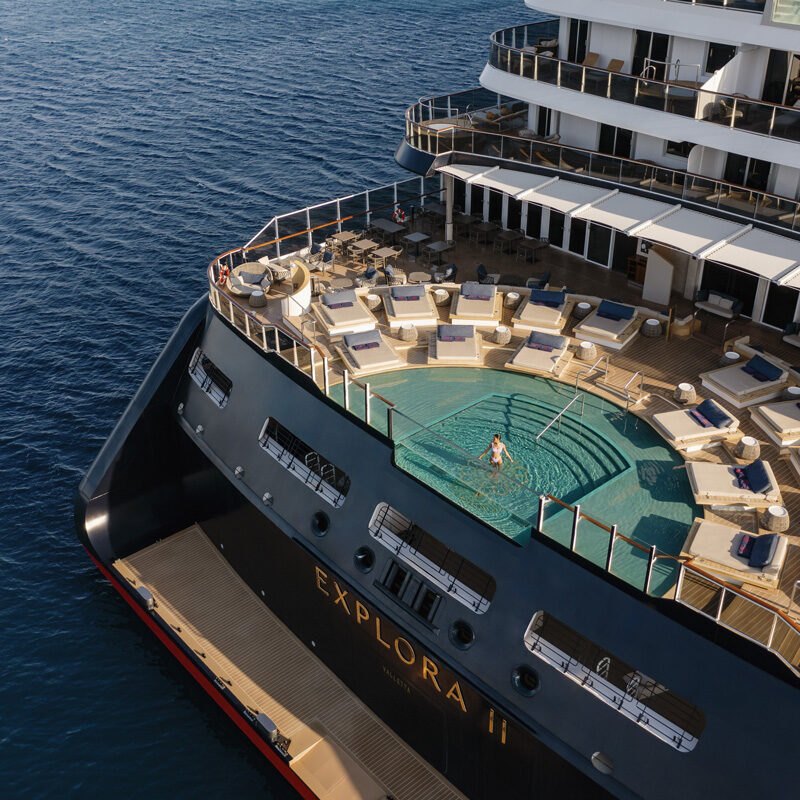
  • No crowds, ever. Five swimming pools, infinity hot tubs, and you’re not competing for a lounger. Multiple specialty bars, each with its own unique cocktail menu. Entertainment that feels curated rather than mass-produced.
  • Real port access. Smaller ships dock right in the heart of a destination, often with extended or overnight stays, letting you have a local dinner in the city rather than rushing back to make sail-away.

“But Isn’t It More Expensive?”

It’s the most common follow-up question, and it deserves an honest answer: the upfront price is higher. But the total cost? That’s a very different conversation.

When you add mandatory gratuities, drink packages, specialty dining, Wi-Fi, excursions, and all the extras to a mass-market fare, the gap between “budget” and “luxury” closes dramatically. In many cases, the true out-of-pocket difference is a few hundred dollars for an experience that is categorically different.

We love walking clients through a side-by-side comparison. It’s one of the most satisfying conversations we have, because the look on someone’s face when they realize how close the numbers actually are is priceless.

The Lines We Love (And Why)

Not all luxury lines are created equal, and part of our job is matching the right ship to the right traveler. Some of our favorites in the small-ship luxury space include:

  • Explora Journeys: Yacht-inspired, generous space-to-guest ratio, seven restaurants, multiple pools, zero lineups.
  • Silversea: Renowned beverage program, stunning suites, exceptional expedition options.
  • Seabourn: Intimate, deeply personal service, world-class culinary program.
  • Regent Seven Seas: Fully all-inclusive including shore excursions and flights, elegant and refined.
  • Crystal Cruises: Sophisticated, spacious, exceptional entertainment and dining.

And then there is the exciting new wave of hotel brands entering the ocean: Ritz-Carlton Yacht Collection is already sailing. Four Seasons Yachts launched this year. Orient Express is coming. These are brands built on hospitality excellence, and they are bringing that DNA to sea in a big way.

So, Are You Ready to Reconsider?

If you’ve been writing off cruising based on an outdated idea of what it is, we’d love to show you what it’s actually become. The world of small-ship luxury cruising is genuinely extraordinary, and it’s one of the most underutilized travel formats among the travelers who would love it most.

You might be closer to being a cruise convert than you think.

Ready to Set Sail? Let’s Plan Your Perfect Cruise.

At Wishes and Waves Travel, we do the research, the comparing, and the planning so you don’t have to. Whether you’re brand new to cruising or ready to trade up to something extraordinary, we’d love to help you find the right ship, the right itinerary, and the right experience for you.

Drop us an email and let’s start the conversation. Your dream voyage is closer than you think.

FAQs

What size ship is considered a “small ship” in luxury cruising?

Generally, anything under about 1,000 guests qualifies. The most intimate luxury vessels carry 100 to 300 guests. Mid-range luxury lines like Explora Journeys, Silversea, and Regent carry 500 to 900, which still feels remarkably uncrowded compared to mainstream ships of 3,000 to 5,000 guests.

Are luxury cruises actually all-inclusive?

Most true luxury lines include accommodations, all dining venues, beverages (alcoholic and non), gratuities, and many include Wi-Fi. Some, like Regent Seven Seas, go further and include shore excursions and business-class flights. Always confirm what’s included for your specific sailing, and we can walk you through the comparison.

Is it true you don’t have to tip on a luxury cruise?

On most luxury lines, yes. Gratuities are included in the fare. This is a significant difference from mass-market lines where mandatory gratuities can add $17.50 or more per person per day on top of your cruise price.

What if I get seasick?

Modern ship design has made this much less of an issue than it used to be. Many guests on luxury vessels genuinely forget they are at sea during calm-water itineraries. The Mediterranean, Caribbean, and most river cruises are particularly smooth. If you have concerns, we can help you choose itineraries and ship sizes that minimize motion.

Are these ships good for solo travelers?

Absolutely. Many luxury lines have single supplements that are more reasonable than you’d expect, and some offer dedicated solo cabins. The intimate ship environment also makes it easy to connect with fellow guests if you’d like to.

How far in advance should I book a luxury cruise?

The best suites on popular itineraries can sell out a year or more in advance. We typically recommend booking 9 to 12 months ahead for peak season sailings. That said, last-minute options do sometimes come up, so it’s always worth reaching out regardless of your timeline.

Dreaming of Italy and Greece but dreading the logistics? A luxury cruise might actually be the smarter, more immersive, and more relaxing way to do it. Here’s how the two approaches compare.

Every year, we help clients plan the same trip. Italy and Greece. Maybe Croatia or Turkey. The iconic Mediterranean. And almost every year, the same conversation happens.

They come in with a land itinerary in mind. Multiple hotels, multiple cities, internal flights or trains, car rentals, and a schedule that looks great on paper but exhausting in practice. And at some point in our conversation, we ask: have you considered doing this by cruise?

Not a cruise in the old sense of the word. A small luxury ship that moves while you sleep, delivers you to a new port every morning, and serves as your floating five-star hotel for the entire journey.

The comparison is almost always eye-opening.

The Land Itinerary: What It Actually Involves

A 10-day land trip through the Mediterranean looks something like this: two or three days in Rome, a train and transfer to the Amalfi Coast, a two-hour transfer to the airport, flight to Athens, the ferry to fit in one or two islands before flying home.

What that actually involves: multiple hotel check-ins and check-outs, repacking your bags every few days, coordinating transfers that are dependent on strikes, traffic, and airline reliability, and spending a meaningful portion of your precious travel days in transit rather than at a destination.

Hotel prices in Europe have also reached levels that genuinely surprise people. A good hotel in central Rome or Santorini in summer can run $600 to $1,200 per night, room only. Breakfast and airport transfers are extra. You’re paying a lot for a small room in a prime location, only to leave it two days later to do it all again somewhere else.


The Cruise Itinerary: A Different Relationship with Time

On a small luxury ship through the Mediterranean, your day looks like this: you wake up in a beautiful suite, have breakfast with a view, and step off the ship directly into the heart of a destination. Not a coach transfer to the outskirts. Not a ferry terminal. The town itself.

Smaller ships access ports that larger vessels can’t reach. They dock right in the center, sometimes with extended stays or overnights that let you stay for dinner in the city, experience the nightlife, and return to your ship whenever you’re ready.

When you finish exploring, you walk back to your floating home. No packing. No checkout. No scrambling for a taxi. Your room, your belongings, your clothes, everything is exactly where you left it.

The transit time between destinations is not dead time. You’re having cocktails at sunset, dining at a restaurant with ocean views, and sleeping in a suite that’s traveling to your next destination while you rest. The journey is part of the experience, not an obstacle to it.

The Authenticity Argument

Some travelers worry that a cruise will feel curated and removed from a real local experience. But small luxury ships actually deliver something that crowded tourist-destination land travel often can’t: genuine access.

Smaller ships dock in ports that the mega-ships skip entirely. You end up on a small Croatian island eating oysters with the person who runs the oyster farm, rather than shoulder-to-shoulder in a famous palace that 3,000 tourists are also trying to see at the same moment.

The experience on board reinforces this too. The best luxury lines integrate local culture into the ship itself: menus reflecting the region you’re sailing through that day, local wines, local artists performing in the evenings, chefs sourcing ingredients from the market in that morning’s port.

You taste where you are. That’s not something every land itinerary delivers.

Cruise as a “Scouting” Trip

One of the unexpected gifts of a luxury cruise through a multi-destination region is what it does for future travel. In 10 days, you might touch eight or nine destinations. Some will captivate you. Some will feel like they’d be better as a deeper, slower visit. Some will pleasantly surprise you.

You come home with an entirely new map of the world: places you loved and want to return to for a proper stay, places you’re glad you saw but don’t need to revisit, and a much clearer sense of where your travel investment should go next.

The cruise becomes the foundation for years of future trips. Many of our clients do exactly that: cruise first to discover, then return later to let it sink in.

Who the Cruise Option Is Right For

A luxury Mediterranean cruise is particularly well-suited for travelers who:

  • Want to see multiple destinations in one trip without the logistics of a multi-city land journey
  • Value high-quality accommodation and don’t want to compromise on where they sleep just to stretch the budget
  • Are you traveling as a couple or in a small group and want a relaxed, uncrowded experience
  • Have done the classic land itineraries and are ready to experience the same region differently
  • Prefer knowing their total trip cost upfront without managing variables

It’s also, in our experience, one of the best formats for the traveler who is simply tired. The person who loves to travel but who needs this particular trip to actually feel like a break. A luxury cruise delivers rest and discovery at the same time, and that combination is genuinely rare.

Ready to Set Sail? Let’s Plan Your Perfect Cruise.

At Wishes and Waves Travel, we do the research, the comparing, and the planning so you don’t have to. Whether you’re brand new to cruising or ready to trade up to something extraordinary, we’d love to help you find the right ship, itinerary, and experience.

Reach out to us and let’s start the conversation. Your dream voyage is closer than you think.

FAQs

Can a luxury cruise really replace a full land itinerary in Europe?

For many travelers, yes. A small luxury ship through the Mediterranean, Greek Islands, or Croatian coast can cover more destinations with less logistical effort than a comparable land trip. It works especially well for multi-destination trips where you’d otherwise be moving hotels every two to three days.

Will I actually get enough time in each port?

On quality small luxury lines, yes. Unlike larger ships that sometimes have as little as four hours in port, smaller luxury vessels typically spend a full day in each destination and sometimes offer overnight stays. We always review port schedules before recommending a specific sailing.

Is a cruise good for someone who loves food and local culture?

It’s one of the best formats for it. The top luxury lines source local ingredients at the market that morning and build the evening menu around the region you’re in. Local wines, local dishes, and sometimes local artists performing on board in the evening. You experience the destination both on the ship and off it.

What about pre- and post-cruise time in Europe?

Most of our clients combine their cruise with time in one or two cities before or after sailing. We arrange those stays through our preferred hotel partners to ensure the quality of experience carries through the entire trip. This is actually one of our favorite things to design.

How does pricing compare to a good hotel-based land itinerary?

It’s often more competitive than people expect, especially when you account for the all-inclusive nature of luxury cruising. A premium hotel in Rome or Santorini in high season can cost $600 to $1,000 per night, room-only. When you add up four to five hotel stays across a land itinerary versus one all-inclusive suite rate on a ship, the comparison often favors the cruise.

Are there cruises that combine European land and sea experiences?

Yes, and it’s becoming an increasingly exciting category. Luxury brands like Orient Express and Belmond are actively developing seamless land-and-sea packages that maintain the same level of hospitality throughout. We are watching this space closely and love designing these kinds of combination trips for our clients.

From the Galapagos to Antarctica to Indonesia’s Komodo Islands, expedition cruising puts you in the world’s most extraordinary places in the most intimate way possible. This is adventure at its finest, without sacrificing comfort.

There’s a moment on an expedition cruise that is almost impossible to describe to someone who hasn’t experienced it. You’re on a small vessel, 22 people on board, anchored off a volcanic island in Indonesia. You’ve just come back from a dive alongside Komodo dragons. And that evening, you’re having dinner at a properly set table with good wine and exceptional food.

It’s the kind of experience that makes you wonder why you ever thought adventure and comfort were opposites.

Expedition cruising is one of the most exciting and underexplored categories in travel. It’s also one we think more of our clients should know about.

What Is Expedition Cruising?

Expedition cruising puts small ships into remote, extraordinary environments that larger vessels simply cannot access. The Galapagos Islands, the polar regions, the Indonesian archipelago, the Seychelles, the Mekong River delta. These are not places you can reach on a conventional itinerary, and they’re places that, once seen, tend to reorder what you care about in travel.

The ships are small, often carrying 20 to 100 guests, which allows them to operate in protected ecosystems and anchor in bays where no larger ship is permitted. This is not a compromise. It is the entire point.

At 22 guests on a dive-focused expedition in Indonesia, you’re not having a group experience. You’re having a personal one. You know the crew by name. The naturalist guiding your excursions has decades of expertise and can actually spend time with you. The dining table feels like a dinner party rather than a restaurant.

The Destinations That Make This Worth It

A few of the expedition itineraries that represent some of the most extraordinary travel experiences available anywhere:

  • The Galapagos Islands: Strict cap of 100 guests even on the largest permitted vessels. Wildlife that has evolved without fear of humans. Finches that land on your shoulder. Giant tortoises. Blue-footed boobies nesting three feet from the path. This is not a place you see. It is a place that stays with you.
  • Antarctica and the Antarctic Peninsula: The most remote, most pristine, most visually overwhelming landscape on earth. Penguin colonies, calving glaciers, orcas. Some expedition lines have designed vessels specifically for polar voyages, with stabilization technology, ice-strengthened hulls, and interiors so stylish and comfortable you’d never guess you were at the bottom of the world.
  • Indonesia: Komodo Island, Raja Ampat, the Banda Sea. Some of the richest marine biodiversity on the planet. Snorkeling and diving that makes everything else feel like a preview. Aqua Expeditions, which now operates within the Ponant family, has been pioneering extraordinary small-ship itineraries here for years.
  • The Mekong River: Small-vessel journeys through Vietnam and Cambodia that access villages, temples, and daily life that no land itinerary reaches. The pace is meditative, the experience genuinely immersive.
  • The Seychelles: Remote outer islands, pristine beaches, nesting sea turtles, coral reefs. A yacht-scale vessel that moves between islands each day, delivering you to private beaches with no other guests in sight.

The New Generation of Expedition Ships

The word “expedition” used to conjure images of spartan bunks and institutional dining. That is emphatically not what this category looks like today.

Ponant’s Le Commandant Charcot, which ventures into polar regions, has been described as one of the most spectacular expedition vessels ever built. Think designer interiors, top-tier spa, multiple restaurants, and extraordinary suites with wraparound balconies, and then realize that this ship regularly parks next to icebergs.

Aqua Expeditions operates boutique vessels in environments like the Galapagos and the Amazon that combine rigorous expedition programming with genuinely luxurious accommodation and food.

The standard has shifted dramatically, and the traveler who loves both adventure and quality can now have both without compromise.

Who Expedition Cruising Is For

If you have ever said any of the following, expedition cruising may be the experience you’ve been looking for:

  • “I want to see the Galapagos before I die”
  • “Antarctica is on my bucket list but I don’t know how to approach it”
  • “I’m tired of tourist-trail travel. I want something real.”
  • “I love nature and wildlife more than monuments and museums”
  • “I want to do something I’ll still be talking about in 20 years”

The age profile of expedition cruising travelers has also shifted significantly. The traveler who books Antarctica for their 40th birthday is increasingly common. Couples in their 40s and 50s, adventurous families with teenagers old enough for the programming, solo travelers who want to meet like-minded people in an extraordinary setting.

This is not a category reserved for retirees. It’s for anyone who has decided that the ordinary version of travel is no longer enough.

Ready to Set Sail? Let’s Plan Your Perfect Cruise.

At Wishes and Waves Travel, we do the research, the comparing, and the planning so you don’t have to. Whether you’re brand new to cruising or ready to trade up to something extraordinary, we’d love to help you find the right ship, the right itinerary, and the right experience for you.

Reach out to us today and let’s start the conversation. Your dream voyage is closer than you think.

FAQs

How far in advance should I book an expedition cruise?

Very far. Antarctica sailings in particular can sell out 12 to 18 months in advance. The most sought-after cabins on Galapagos vessels also go early. If an expedition destination is on your list, the sooner you’re in conversation with us, the better your options will be.

Is expedition cruising physically demanding?

It varies significantly by itinerary and operator. Some expeditions involve active snorkeling, hiking, and zodiac landings that require reasonable mobility. Others are much more observation-based. We match clients to expeditions that suit their physical interests and capabilities. There is an expedition experience for many different fitness levels.

Do I need to be a diver or snorkeler to enjoy an expedition cruise?

Not at all. Many of the most magnificent expedition experiences are available to non-divers: zodiac tours alongside penguin colonies in Antarctica, guided hikes through the Galapagos, river journeys through the Mekong. Diving and snorkeling are options, not requirements.

Are expedition cruises good for families with teenagers?

Some of the best travel experiences a teenager can have happen on an expedition cruise. Seeing Galapagos wildlife up close, kayaking in Antarctica, diving with manta rays in Indonesia. These experiences have a way of genuinely changing how a young person sees the world and their place in it. Age requirements and programming vary by line.

What should I pack for an expedition cruise?

Packing requirements vary substantially by destination. Polar expeditions require technical layering, waterproof gear, and specific footwear. Tropical expeditions like Indonesia or the Seychelles are much lighter. We provide detailed packing guidance as part of our pre-travel preparation for every expedition client.

How is seasickness managed on expedition ships?

In truly remote regions like Antarctica’s Drake Passage, sea conditions can be challenging and some motion is expected. Most expedition lines are forthcoming about this, and modern stabilization technology has improved significantly. Medication and motion management strategies are readily available, and most guests adapt within a day. For more protected waters like the Galapagos or Indonesia, conditions are generally calm.

Not all luxury cruise lines are created equal when it comes to kids, and the industry is actively drawing new lines in the water. This post breaks down which luxury cruise lines genuinely welcome families, which are now strictly adults-only, and how to choose the right sailing for everyone in your group.

There is a debate swirling in the cruise world right now, and it is a spicy one. Do kids actually belong on luxury cruises? 

As someone who has spent years helping families and couples find the perfect sailing, we have a clear, informed answer. But it is not a simple yes-or-no. It is a ‘it depends on which ship, which line, and what your family actually looks like.’ Let us break it down.

The Luxury Cruise Landscape Is Officially Splitting in Two

The biggest news shaping this conversation right now is that Oceania Cruises has officially become an adults-only line. The policy took effect in January 2026 for all new bookings. For many advisors and loyal Oceania guests, this was long overdue. The line had already been repositioning itself around fine dining, immersive destination experiences, and a refined onboard atmosphere. Most guests and advisors already considered it an adult-focused experience, and the occasional child on board reportedly created what Oceania described as an inconsistency in atmosphere.

This move further distinguishes Oceania from its sister brand, Regent Seven Seas Cruises, which remains open to families and offers children’s programming on select voyages. As Regent’s leadership put it, being adults-only is not the only definition of luxury. Regent proves you can deliver an ultra-luxury experience while still welcoming kids, as long as there is thoughtful programming and structure in place.

So what does this tell us? The luxury cruise industry is actively choosing lanes. Some lines are leaning fully into the serene, adults-first identity. Others are doubling down on delivering a white-glove family experience. As a travel advisor, I can say this is actually good news for our clients. The choices are clearer than ever.

The Real Question Is Not Whether Kids Belong. It Is Whether the Line Is Built for Them.

Here is where we land on the debate. We believe children absolutely have a place on luxury cruises, with one critical condition: the cruise line has to be thoughtfully designed to welcome them. That means dedicated kids’ programming, clear expectations for families, and spaces where both adults and children can genuinely thrive.

When a luxury line welcomes children but offers no structure, no programming, and no family-specific spaces, it sets everyone up for disappointment. The adults seeking a serene escape feel it. The families who expected something more feel it too. Nobody wins.

Conversely, when a line like Regent Seven Seas or Royal Caribbean’s Royal Suite Class creates a genuine luxury family environment, magic can happen. Both the champagne crowd and the sippy cup crowd go home happy.

Which Luxury Cruise Lines Are Actually Family-Friendly?

Since we work closely with several of these lines, here is our honest breakdown:

Regent Seven Seas Cruises: Ultra-Luxury With Family Options

Regent remains one of the few true ultra-luxury lines that welcomes children and backs it up with programming. Their all-inclusive model means families are not hit with surprise costs, and the onboard experience is genuinely refined. We would recommend Regent for families with older children and teens who will appreciate the destination-immersive nature of the sailings.

Seabourn: Small-Ship Luxury, Quietly Kid-Tolerant

Seabourn does welcome younger family members, though it does not market itself as a family cruise line. Think of it as a sophisticated adults-first environment that can accommodate well-traveled families, particularly during school holidays when kids are more likely to be on board. Best suited for families with older, adaptable children.

Royal Caribbean’s Royal Suite Class: The Best of Both Worlds

This is one of the most compelling options for families who want luxury and kid-friendly programming on the same sailing. The Royal Suite Class carves out a genuinely upscale microcosm within ships like Star of the Seas, with VIP-only spaces, private dining, and dedicated concierge service, while the broader ship delivers world-class entertainment, water parks, and kids’ clubs. Nobody has to compromise.

Oceania Cruises: Adults Only as of 2026

If you have been sailing Oceania for years and love it, this news is for you: Oceania is now officially adults-only. It is a logical and honest move for a line that was already positioning itself this way. If you are traveling as a couple or with adult children, Oceania is a wonderful choice. Families with young children will need to look elsewhere.

Viking Ocean: Adults Only by Design

Viking has always been adults-only (guests must be 18 or older). This is a deliberate brand choice, and it works beautifully for the couples and solo travelers who seek a refined, intellectually immersive sailing experience. If you are looking for a family option, Viking River cruises on certain itineraries may be a better conversation to have with us.

What to Look for When Booking a Luxury Cruise With Kids

If you are considering a luxury sailing with children in tow, here are the things we evaluate before ever making a recommendation:

  • Dedicated children’s programming: Not a playroom with a TV. Real structured activities, supervised clubs by age group, and staff trained to work with kids.
  • Clear ship layout: Are family cabins separated from adults-only quiet zones? Can adults find genuine respite while kids are in programming?
  • Age minimums on excursions: Luxury shore excursions often have age and mobility requirements. We check these before booking.
  • Multi-generational suite configurations: Connecting suites or family suites on small-ship lines can be harder to find. We know which lines offer them and which do not.
  • Onboard dining flexibility: Kids eating in a formal dining room every night can be exhausting for everyone. We look for lines with casual dining alternatives.
  • School holiday departure dates: On lines that technically allow kids but do not prioritize them, sailings during school holidays tend to have more families aboard, which shifts the onboard dynamic in a family-friendlier direction.

A Note for Adults Worried About Kids on Their Sailing

If you are booking a luxury cruise as a couple or with other adults and the thought of children onboard makes you cringe, we hear you. Here is our advice: choose a line that has made its position clear. Oceania and Viking are now your best bets for a guaranteed adults-only environment on the ocean side. On the river cruise side, Avalon, AmaWaterways, and most premium river lines cater heavily to adults and rarely see young children aboard.

If you are booked on a line that allows children, sailings that depart outside of school holidays will typically have very few, if any, kids onboard. We factor this into our recommendations every time.

Ready to Find Your Family’s Perfect Luxury Cruise?

At Wishes and Waves Travel, we take the guesswork out of choosing the right sailing for your family. Whether you’re planning a multi-generational voyage or an adults-only escape, we have the insider relationships and first-hand knowledge to match you with the perfect cruise line and itinerary.

Contact us today to start planning a sailing experience everyone will remember.

Frequently Asked Questions

Can children sail on luxury cruise lines?

It depends on the line. Regent Seven Seas, Seabourn, and Royal Caribbean’s Royal Suite Class are among the luxury options that welcome children. Oceania Cruises and Viking are now adults-only. We always review age policies and kids’ programming before recommending a luxury line for families.

Why did Oceania Cruises become adults-only?

Oceania made the switch in January 2026 after repositioning itself as a luxury brand focused on fine dining, destination immersion, and a refined onboard atmosphere. Guest and advisor feedback indicated the experience was already perceived as adult-focused, and the new policy simply formalizes that identity.

What is the best luxury cruise line for families?

For true ultra-luxury with family programming, Regent Seven Seas is our top pick. For families who want luxury accommodations combined with world-class entertainment and kids’ clubs, Royal Caribbean’s Royal Suite Class is a compelling option. The right answer depends on your family’s age range, priorities, and travel style.

Are luxury cruises worth it for families with young children?

They can be, but only if the line is genuinely built to welcome them. Luxury lines with dedicated family programming deliver an exceptional experience. Luxury lines that technically allow kids but do not prioritize them can feel like a mismatch. Working with an advisor who knows these lines well makes all the difference.

Which luxury cruise lines are adults-only?

Oceania Cruises became adults-only in 2026. Viking (both ocean and river) requires guests to be 18 or older. Seabourn, while not officially adults-only, is best suited for adults and rarely sees young children aboard outside of school holidays.

How do I book a luxury cruise that is right for my family?

Start by defining what matters most: the destination, the onboard experience, the service level, and the age range of your group. Then connect with an advisor who knows these lines firsthand. At Wishes and Waves Travel, we have personal experience with these cruise lines and can match your family to a sailing that works for everyone. Reach out to us to get started.

Ritz-Carlton is already at sea. Four Seasons Yachts has launched. Orient Express is coming. The world’s most iconic luxury hotel brands are bringing their hospitality DNA to ocean voyages, and it is changing everything.

Something significant is happening in the world of luxury travel, and if you’ve been watching closely, you’ve probably noticed the headlines.

Ritz-Carlton has been sailing for a couple of years now. Four Seasons Yachts made its debut this year. Orient Express Silenseas is on its way for 2027. The most storied names in luxury hospitality have looked at the ocean and decided it’s where their guests want to go next.

This is not a coincidence. And it’s not a passing trend.

It is a signal that the luxury cruise market has matured to the point where the world’s most discerning hospitality brands see it as their natural next move. And for travelers who love both exceptional hotels and the idea of seeing the world from the sea, the timing couldn’t be better.

Why Hotel Brands Are Moving to Sea

Consider the traveler who regularly stays at a Four Seasons or a Ritz-Carlton. They have a relationship with those brands built on a specific promise: design-forward spaces, deeply personal service, culinary excellence, and the feeling that every detail has been considered. Hotel rates in premier destinations have climbed to levels that genuinely give even affluent travelers pause. A beautiful hotel room in Paris or the Maldives in high season can run $1,500 to $2,500 per night, room only.

A yacht-scale vessel offering that same standard of hospitality, all-inclusive, waking you up in a new destination each morning? That’s a compelling conversation. The hotel brands clearly think so too.

And from a traveler psychology standpoint, there is something powerful about a brand you already trust entering a new format. If you’ve had a transformative stay at a Four Seasons, you have a very good idea of what a Four Seasons yacht experience will feel like. That trust is worth something.

The Ritz-Carlton Yacht Collection: Already Sailing

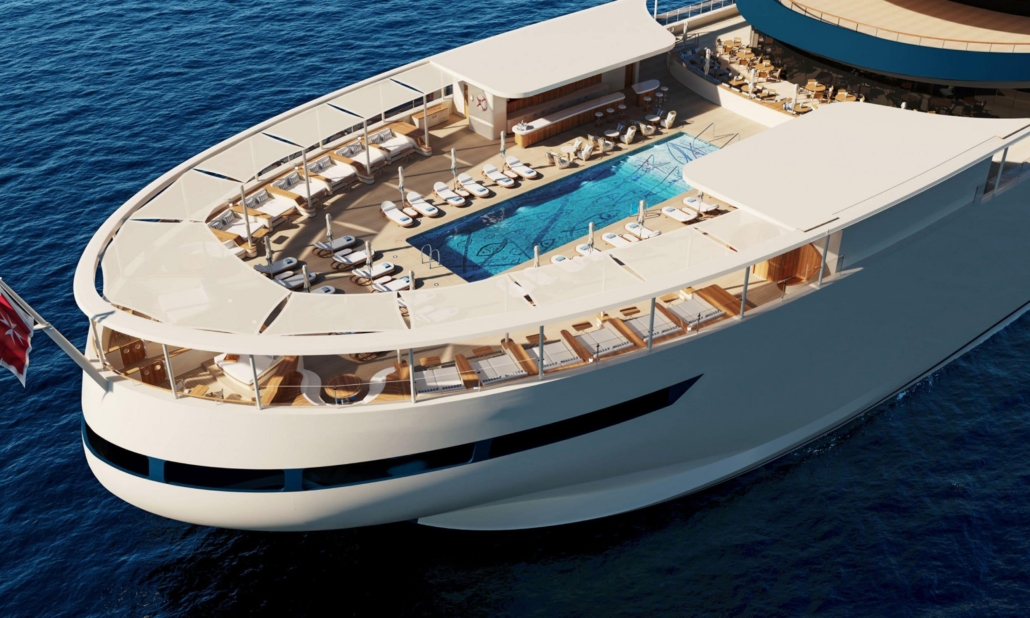
The Ritz-Carlton Yacht Collection has been in the water since 2022, and the brand has done what you’d expect: applied its hotel-brand DNA to a yacht-scale ship with 149 suites, multiple dining concepts, an Espa spa, and itineraries across the Mediterranean, Caribbean, and beyond.

The experience is deliberately positioned between a luxury yacht charter and a small cruise ship: intimate enough for genuine personalization, spacious enough for resort-level amenities. All suites have private terraces. The culinary program reflects the Ritz-Carlton’s hospitality standards. And the vessel’s size means the service ratios are exceptional.

Four Seasons Yachts: A New Chapter Begins

Four Seasons Yachts has entered the water this year, and it is genuinely one of the most anticipated launches in luxury travel in recent memory. The vessel carries 95 suites, with interior design consistent with Four Seasons’ aesthetic: warm, refined, residential in feel rather than corporate.

What makes Four Seasons Yachts particularly interesting is its dining approach. It is the first major luxury cruise line to not include all meals in the fare beyond breakfast, positioning the onboard restaurant as a standalone dining destination rather than a component of an all-inclusive package. For travelers who are accustomed to how great hotel food and beverage works, this is a familiar and appealing model.

Four Seasons has also built in seamless connections to its land portfolio, with shore experiences and pre- and post-cruise stays designed in coordination with Four Seasons hotels and resorts in the ports of call. This kind of end-to-end brand continuity is exactly what the most sophisticated travelers have been asking for.

Orient Express Silenseas: The Most Anticipated Launch on the Horizon

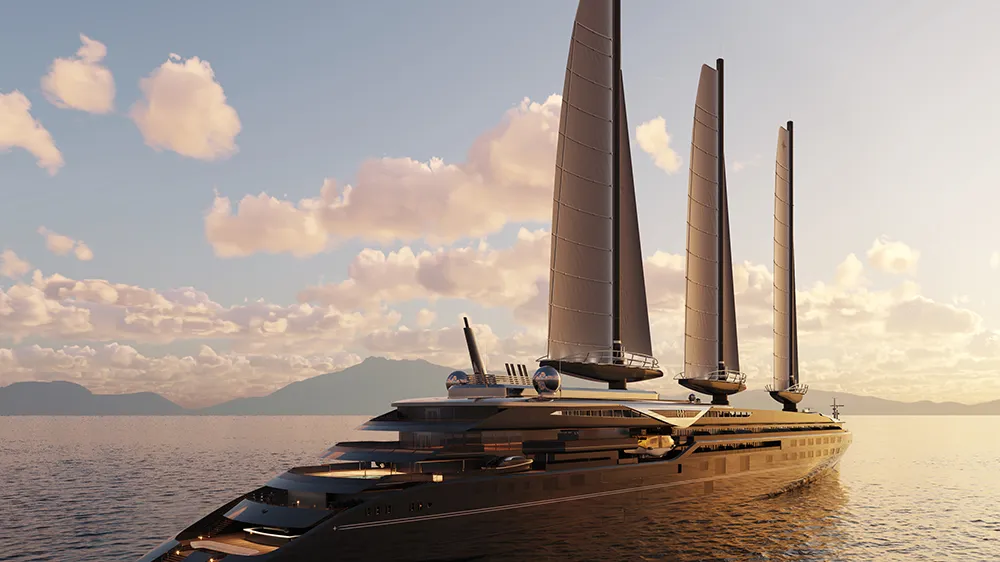
Orient Express Silenseas, expected to debut in 2027, may be the most visually extraordinary vessel ever conceived. The design is a striking departure from conventional cruise ship aesthetics: a sailing ship inspired by French art deco architecture, carrying just 54 suites.

Orient Express brings with it one of the most evocative brand stories in all of luxury travel. The legendary train journeys, the Venice Simplon-Orient-Express, the beautiful properties under the Belmond umbrella. Silenseas will connect to this story while delivering a form of travel that is almost impossible to categorize: part yacht, part hotel, part historic fantasy.

For the traveler who wants something genuinely singular, this will be worth watching closely.

What This Means for How We Plan Travel

The arrival of hotel brands at sea creates something that has been missing until now: true end-to-end luxury itineraries managed by a single brand at a consistent standard.

Think about what a trip designed around the Four Seasons could look like: a Four Seasons resort in Miami or Dubai as the pre-cruise hotel, embarkation on the Four Seasons Yacht for a 10-night Mediterranean voyage, private shore excursions coordinated with Four Seasons properties in port, and a post-cruise stay at a Four Seasons in Rome or Istanbul.

One brand. One standard. One expectation, delivered consistently throughout. No moment where you step off the beautiful yacht onto a mediocre tour bus.

This is the direction luxury travel is moving, and it’s one of the things we find most exciting about planning travel right now. We get to help our clients be early in this story.

A Word on Timing

The best suites on these new launches are generating extraordinary interest. The Ritz-Carlton Yacht Collection regularly sails with waiting lists for popular sailings. Four Seasons Yachts has seen significant booking demand for its debut itineraries. Orient Express Silenseas will almost certainly be oversubscribed from the moment reservations open.

If any of these experiences is on your radar, the conversation to have is now, not when you’re ready to travel. We can hold space, monitor availability, and position you to secure exactly what you want before it’s gone.

Ready to Set Sail? Let’s Plan Your Perfect Cruise.

At Wishes and Waves Travel, we do the research, the comparing, and the planning so you don’t have to. Whether you’re brand new to cruising or ready to trade up to something extraordinary, we’d love to help you find the right ship, the right itinerary, and the right experience for you.

Reach out to us and let’s start the conversation. Your dream voyage is closer than you think.

FAQs

When did Ritz-Carlton start operating cruises?

The Ritz-Carlton Yacht Collection launched its first sailing in 2022. The collection currently operates with multiple vessels across the Mediterranean, Caribbean, and other itineraries, with more ships planned.

How is the Four Seasons Yacht different from other luxury cruise lines?

Several things set it apart. The vessel carries just 95 suites, making it extraordinarily intimate. The dining model is unique: rather than all-inclusive, the onboard restaurant operates more like a standalone luxury restaurant, which is a first in the cruise world. And Four Seasons has deeply integrated its land portfolio into the experience, so pre- and post-cruise stays and shore experiences all connect to Four Seasons properties.

What is Orient Express Silenseas and when does it sail?

Orient Express Silenseas is a sailing vessel carrying 54 suites with a design inspired by French art deco architecture. It is expected to debut in 2027. Given the level of anticipation, we expect demand to be extraordinary and recommend getting on our radar now if this is of interest.

Are these hotel-brand cruises more expensive than traditional luxury cruise lines?

They are positioned at the top of the luxury tier, comparable to the most exclusive small-ship luxury lines. Given the brand heritage, the intimacy of the vessels, and the quality of the experience, the pricing reflects that positioning. The comparison to a comparable number of nights at the flagship hotels of these brands is often very favorable.

Can I combine a hotel-brand cruise with a land stay at the same brand’s properties?

Yes, and this is one of the most exciting aspects of the hotel-brand entry into cruising. Four Seasons has specifically designed its yacht program to connect with its hotel portfolio. We specialize in designing these seamless brand-consistent itineraries and love building them for clients who want a trip that maintains a single exceptional standard throughout.

How do I find out about new sailings and availability for these luxury launches?

Working with a travel advisor is the most reliable way to stay ahead of availability. We monitor new releases, pre-sale periods, and last-minute openings across all of the top luxury lines. Reach out to us and we’ll make sure you’re positioned to secure what you want before the general public is aware it’s available.

Rail travel is one of the most rewarding ways to explore Europe and Japan, giving you a front-row seat to landscapes, culture, and cities that fly-and-drive itineraries almost never reach. If you have been curious about planning a train-based journey, we will walk through three of the most compelling routes in the world, and exactly what makes them worth your time.

There is a moment, somewhere between stations, when you look up from your coffee and realize the landscape outside your window is doing something extraordinary. A vineyard rolls into a medieval hilltop. A glacier appears between two peaks. A bullet train blurs past cherry trees in full bloom.

That moment does not happen on a plane. It barely happens in a car. But on a train, it is practically guaranteed.

Rail travel has made a genuine comeback, and not just for budget backpackers. Discerning travelers are building entire trips around iconic train routes because the journey itself becomes part of the experience. And honestly? Done right, a rail-based itinerary is one of the most elegant ways to travel.

I have helped clients plan rail journeys across Europe and Asia, and the feedback is almost always the same: they wish they had done it sooner. So let me walk you through three of the world’s most rewarding rail routes, and what actually makes them worth planning around.


Italy by Rail: Cities, Hill Towns, and Coastline

Italy is almost custom-built for rail travel. The country’s network is extensive, the scenery between stops is constantly changing, and you can cover an enormous amount of ground without once wrestling with a rental car, a GPS, or a parking garage in a walled medieval town.

Most itineraries start in Rome or Florence. Both cities reward multiple days of wandering. After you have visited the museums, walked the piazzas, and eaten your way through three courses at a neighborhood trattoria, a short train ride drops you somewhere completely different.

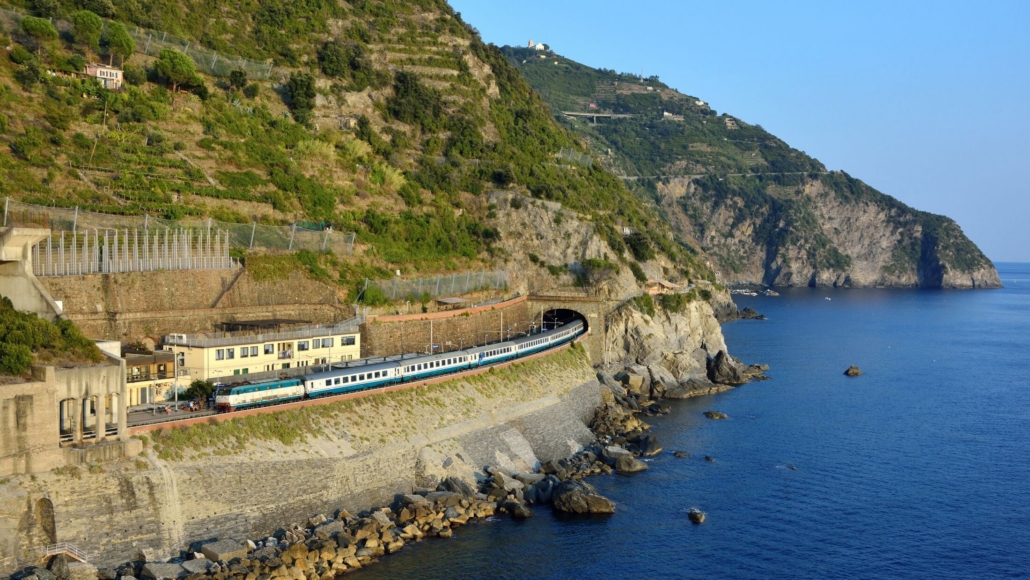
Florence to Venice, for example, takes under two hours on high-speed rail. Florence to the Cinque Terre is a manageable day trip by regional train along the Ligurian coast. And from any of these hubs, slower regional trains push out into the Tuscan countryside toward towns like Siena, Montalcino, or Montepulciano, where the agenda tends to involve wine, olive oil, and very little ambition.

That is the rhythm of a great Italian rail trip. Move between cities on fast trains. Slow down when you reach the countryside. Spend a few days in a hill town or a coastal village before catching the next connection. The variety is remarkable, and the logistics stay genuinely simple.

What makes this work is having someone help you sequence it. Italy’s rail system is excellent, but matching the right stops to the right pace, knowing which regional lines are worth the slower journey, and building in enough time at each destination without overpacking the schedule is where experience matters.


Scenic Rail Through the Alps: When the Train Is the Point

Switzerland does scenic rail better than almost anywhere on earth, and they do it with the kind of precision and comfort that makes a three-hour mountain train feel like a luxury experience rather than a commute.

The classic starting point is Zurich or Lucerne, both of which offer beautiful lakefronts, old-town architecture, and easy rail connections into the Alps. From there, several legendary routes branch out.

The Glacier Express between Zermatt and St. Moritz is perhaps the most famous, passing through 91 tunnels and over nearly 300 bridges on its eight-hour journey across some of the most dramatic scenery in Europe. The Bernina Express, connecting Chur to Tirano in northern Italy, crosses a UNESCO-listed railway line that climbs above 7,000 feet before descending into the Italian Lake District.

What strikes most travelers on these routes is how the train itself is designed around the view. Panoramic windows, upper-deck seating, and forward-facing cars mean you are not just moving through the landscape. You are watching it unfold, almost cinematically, with the Alps performing on cue.

Stopping in alpine towns along the way adds another dimension. A few nights in Zermatt (car-free, with direct views of the Matterhorn) or Grindelwald (surrounded by the Eiger, Monch, and Jungfrau) let you trade train seats for hiking trails, mountain gondolas, and evenings in quiet chalet restaurants. The trains work as the connective tissue between experiences rather than just transportation.

One thing worth knowing: Switzerland’s train system also connects cleanly into Austria, France, and northern Italy, which means a rail trip through the Alps can easily expand into a multi-country journey without any complicated logistics.


Japan by Train: Speed, Serenity, and Everything in Between

Japan’s rail system is in a category of its own. The shinkansen (bullet train) network moves you between major cities at speeds that still feel slightly implausible. Tokyo to Kyoto in roughly two hours and twenty minutes. Kyoto to Hiroshima in another hour. Osaka to Fukuoka in under three. The country encompasses an extraordinary amount of exploration in a relatively short trip.

But Japan’s rail appeal goes well beyond speed. The country’s local and regional lines take you into territory that most visitors never reach. Small onsen towns tucked into mountain valleys. Coastal routes where the train skirts the edge of the Pacific. Rural areas where the landscape shifts between rice paddies, cedar forests, and traditional farmhouses.

A well-designed Japan rail itinerary typically balances the two. You use the Shinkansen to move efficiently between major cities. Tokyo for several days, absorbing the scale and the contradictions. Kyoto for its temples, traditional streets, and cultural depth. Hiroshima and Miyajima for history and one of Japan’s most breathtaking shrine settings. Osaka for food and energy.

Then you layer in the slower routes. A morning train into the Japanese Alps to the old post town of Narai or Tsumago. An evening departure from Kyoto toward the ancient pilgrimage routes of the Kii Peninsula. A local line that climbs into the mountains above Nikko.

The Japan Rail Pass, purchased before departure, makes the economics work elegantly. One cost, unlimited access to most of the network for a set number of days. When I help clients plan Japan trips, sequencing around that pass is one of the most satisfying parts of the process because you can optimize both the experience and the value simultaneously.

One practical note: Japan rewards advance planning more than most destinations. Popular shinkansen routes, especially around cherry blossom season or Golden Week, book up quickly. Having someone who knows the system working on your trip makes a meaningful difference.

Why Rail Travel Deserves a Spot on Your Travel Radar

Beyond the scenery and the romance, rail travel offers genuine practical advantages worth naming directly.

City-center arrivals. Trains pull into the heart of cities, not airports located forty-five minutes from anything worth seeing. You step off at Rome Termini, walk twenty minutes, and you are at the Colosseum. You arrive in Kyoto Station, and the famous Nishiki Market is a short taxi ride away. The contrast with flying is significant.

No security theater. No liquid restrictions. No middle seats or overhead bin anxiety. Rail travel is fundamentally less exhausting than flying, which matters when you want to arrive somewhere with energy rather than just consciousness.

The journey is an experience. On a scenic rail route, the time between stops is not dead time. You are watching Switzerland happen outside your window. You are having a drink in the dining car as the Italian coast passes by. You are experiencing the country, not just transiting it.

For my clients who want more depth and less logistics, rail travel consistently delivers both.

Ready to Plan Your Rail Journey?

Building a rail itinerary that actually works, one that balances the right stops with the right pace and does not leave you stranded on a platform with a suitcase and no reservation, takes some expertise. I have done this across Italy, Switzerland, Austria, and Japan, and I would love to help you design something specific to how you travel.

Whether you are dreaming of a week through Tuscany, a scenic Alpine crossing, or a full Japan Rail Pass adventure, let’s build it together.

Contact us to start planning your rail journey today. I am always happy to talk through options before anything is booked.

Frequently Asked Questions

Do I need to book train tickets in advance in Europe?

For high-speed routes (Italy, France, Spain, Switzerland), advance booking is strongly recommended, especially during peak season. Prices are often lower when booked early, and popular departures do sell out. Regional trains in many countries allow flexible boarding without reservations, but if a specific connection matters to your itinerary, lock it in early.

Is a Japan Rail Pass worth buying?

For most visitors planning to travel between multiple cities, yes. A 14-day JR Pass covers the cost of round-trip shinkansen between Tokyo and Kyoto several times over, plus every regional train you take along the way. The calculation shifts if you are staying in one city for the majority of your trip. I can run the numbers based on your specific itinerary.

How do I handle luggage on train trips?

Luggage management is one of the most underrated parts of planning a rail trip. For Europe, most travelers do fine with a rolling suitcase and carry-on. Japan’s etiquette around large bags on trains is stricter. Many experienced travelers ship luggage between hotels using Japan’s remarkable takuhaibin (courier) service, which is cheap, reliable, and frees you to board trains comfortably. I walk all my Japan clients through this before they go.

What is the most scenic train route for a first-time rail traveler?

If you want maximum impact for minimum complexity, the Bernina Express in Switzerland is hard to beat. It runs year-round, the scenery is consistently stunning, and the route between Chur and Tirano is both UNESCO-listed and genuinely easy to navigate. For a longer commitment, the entire Swiss Travel Pass system is one of the most elegant in the world.

Can I combine rail travel with a cruise or resort stay?

Absolutely, and this is actually one of my favorite ways to design a trip. A river cruise along the Rhine or Danube, for example, pairs beautifully with a rail segment through Switzerland or into Prague. The train handles the longer inter-city legs, the ship handles the scenic stretches along the water, and you never repeat a view. I have built a number of trips around exactly this
combination.

How far in advance should I start planning a rail trip?

For Europe, four to six months ahead gives you excellent seat selection and access to advance pricing on the high-speed routes. Japan requires similar lead time, particularly if you are traveling during cherry blossom season (late March through April) or during Golden Week in early May. That said, I have worked with shorter timelines, so if your window is tighter, reach out and let’s see what’s possible.

There’s a certain kind of traveler who has done the Mediterranean twice, ticked the Caribbean islands off the list, and is quietly wondering: what’s next? If that sounds like you, I have good news. Some of the most rewarding cruise itineraries out there aren’t built around the places everyone talks about. They’re built around the places that make you call someone and say, “You have to go. You’ve never even heard of it.”

These are the routes I want to tell you about.

The Mediterranean’s Best-Kept Secret Stops

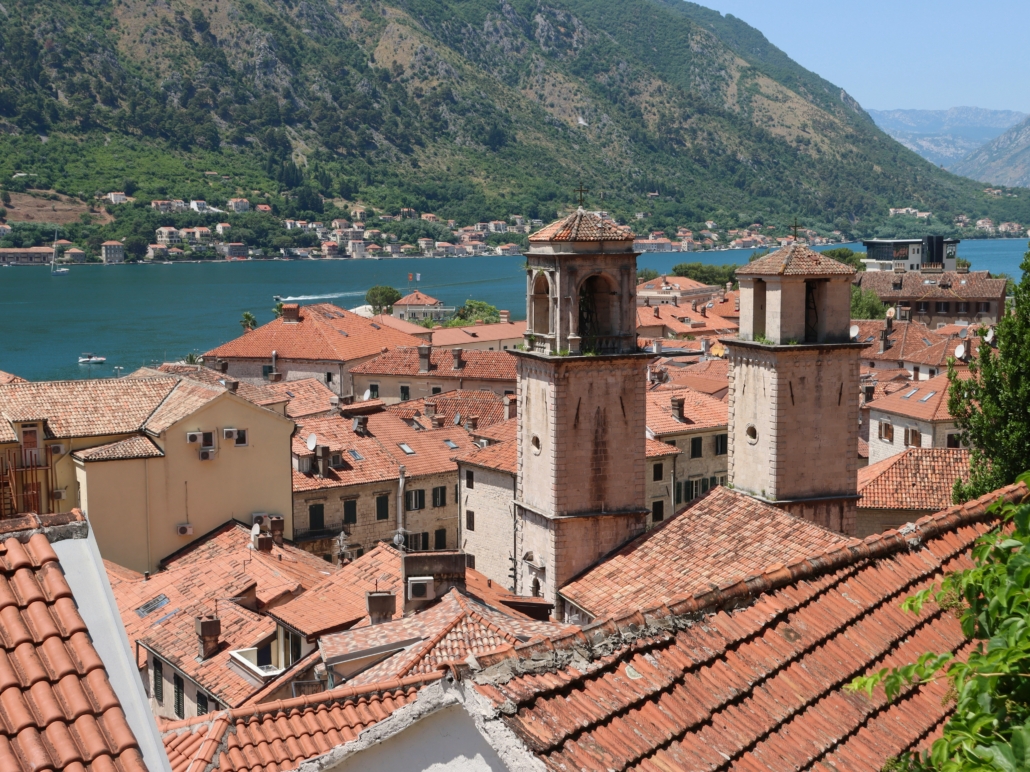
Most Mediterranean sailings hit the same reliable lineup of ports. And honestly? There’s nothing wrong with that. But if you’ve already checked those boxes, look for itineraries that call in Kotor, Montenegro.

This walled medieval town sits at the end of a bay so dramatic it genuinely looks like a fjord. Stone alleys wind past church towers and centuries-old squares, all framed by mountains that rise sharply behind the city walls. If you’re up for a climb, the old fortress trail rewards you with sweeping views over the entire bay. If you’re not, you can spend a perfectly happy morning wandering the cobblestones, ducking into local cafes, and feeling like you’ve stumbled into somewhere very few people think to go.

Itineraries that pair Kotor with stops like Nafplio, Greece or Cesme, Turkey are especially worth seeking out. Nafplio’s neoclassical architecture and waterfront promenade beg to be explored on foot. Cesme offers a hilltop castle, a small but excellent archaeology museum, and beaches calm enough for an afternoon swim followed by a drink at a bar where the only view is the Aegean.

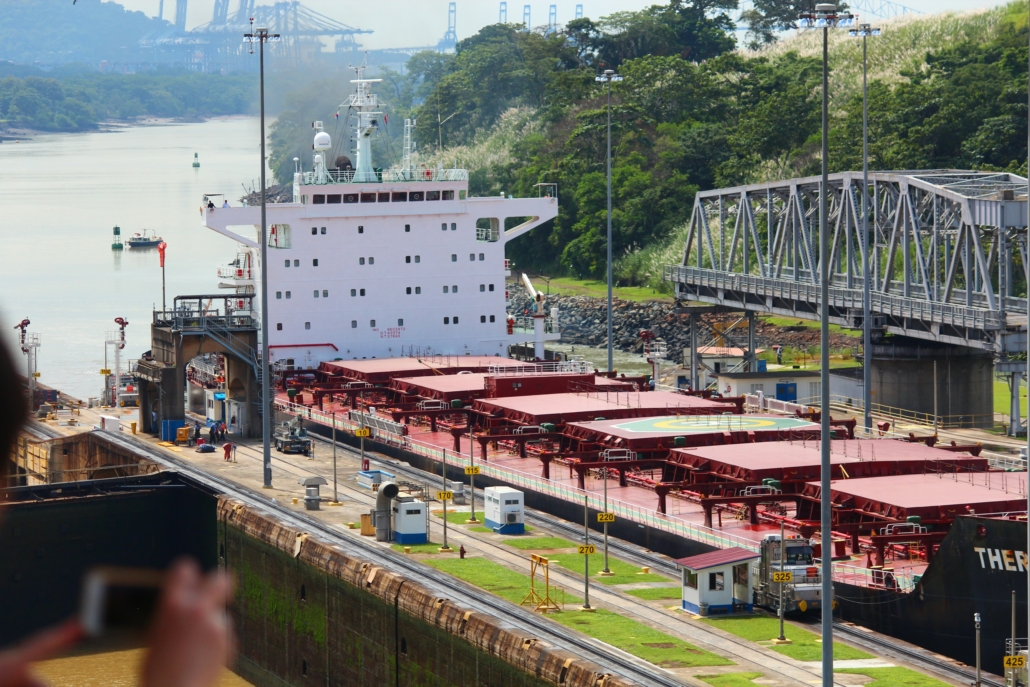
Panama Canal Sailings Worth Lingering Over

A Panama Canal transit tends to get marketed around the locks themselves, which are genuinely impressive. But the best Canal itineraries treat that transit as one element of a longer, richer journey rather than the headline act.

When your ship overnights or spends a full day in Panama City, you get access to two cities in one: a gleaming modern skyline on one side and the beautifully restored colonial district of Casco Viejo on the other. Spend your morning on a guided history walk through Casco Viejo’s layered past, then settle in for a long lunch in a courtyard restaurant. That’s a port day done right.

On routes that include lesser-known Caribbean stops like Dominica or Anguilla, I’d encourage you to look past the standard beach day. In Dominica, the interior is where the island reveals itself: rainforest hikes, thundering waterfalls, and natural hot springs that have nothing to do with a resort. In Anguilla, the beaches really are that good, but they’re even better when you add a snorkel over the reef or an afternoon at a beach bar where the crowds simply haven’t arrived yet.

Northern Europe and the Baltic: A Different Kind of Off the Radar

“Off the beaten path” doesn’t always mean somewhere remote. Sometimes it just means somewhere that doesn’t make the cover of most cruise brochures.

Small-ship and premium lines have started building itineraries that include ports like Saaremaa, Estonia, Kotka, Finland, and Gdansk or Szczecin in Poland. These aren’t placeholder stops. They’re places where you can walk a well-preserved historic center, visit a maritime museum or a sobering World War II site, have lunch somewhere that doesn’t have a picture menu, and genuinely get a feel for everyday life in Northern Europe.

For travelers who’ve already done Stockholm, Copenhagen, and Helsinki, these itineraries offer something different: a slower pace, fewer tour buses, and the particular satisfaction of discovering somewhere new.

River Sailings That Go Beyond the Highlights

River cruises are already more immersive than ocean sailings by design. But even within river cruising, some itineraries go further than others.

Specialty sailings along the Rhine or Danube sometimes include experiences you won’t find on the standard roster: a private concert in Vienna, a behind-the-scenes tour of Melk Abbey that takes you beyond the main rooms, a local cooking class in a small village that’s not even a port stop on most maps. These extras don’t require you to sacrifice the things you came for. You still get the window seat as the ship moves through wine country. You still get the mornings in town squares with good coffee. You just also get a little more.

Choosing an itinerary built around quieter ports changes the texture of your trip. The days become less about moving through a checklist and more about actually being somewhere. That shift, from sightseeing to experiencing, is what turns a good cruise into one you’re still talking about years later.

Ready to Find Your Perfect Itinerary?

This is exactly the kind of planning I love doing for my clients. I know these itineraries, these ports, and which cruise lines do them best. Whether you’re ready to book or just starting to dream, I’d love to help you put something together that actually excites you.

Contact me today and let’s start planning the cruise you didn’t know you needed.


Frequently Asked Questions

What does “off the beaten path” actually mean for a cruise? It means itineraries that intentionally include smaller, less-visited ports instead of (or in addition to) the most popular stops. These sailings often attract experienced cruisers looking for something new, and they tend to feel less crowded, both on shore and sometimes onboard.

Which cruise lines are best for alternative or lesser-known ports? Small-ship lines and premium ocean carriers tend to have the most flexibility to call in smaller ports that larger ships can’t access. On the river side, lines like AmaWaterways, Viking, and Uniworld offer specialty sailings and unique excursions that go well beyond the standard itinerary. I can help you compare options based on where you want to go.

Is Kotor, Montenegro worth visiting on a cruise stop? Absolutely. It’s one of the most beautiful and underrated port towns in the entire Mediterranean. Even a half day gives you time to explore the old town and, if you’re up for it, climb part of the fortress wall for a view that will genuinely stop you in your tracks.

What’s the difference between a standard Caribbean cruise and one with lesser-known stops like Dominica or Anguilla? The popular islands offer well-developed tourism infrastructure, lots of excursion options, and busy ports. Islands like Dominica and Anguilla are quieter, more natural, and often more memorable for travelers who want something beyond a beach chair. They’re not harder to navigate; they just feel less like a production.

Can I add pre- or post-cruise time in any of these destinations? Yes, and I’d often recommend it. Ports like Panama City, Gdansk, or the Montenegrin coast all reward a few extra days of exploration. As your travel advisor, I can arrange accommodations, private guides, and transfers that connect seamlessly with your cruise.

How do I know if an off-the-beaten-path itinerary is right for me? If you’ve cruised before and want something that feels genuinely new, or if you prefer cultural depth over beach days and souvenir shops, these itineraries are a great fit. If you’re a first-time cruiser who wants to see the iconic highlights, we’d probably start somewhere different, and that’s completely fine too. I’ll help you figure out what makes sense for where you are right now.