Why You Think You Hate Cruising (And Why You’re Wrong)
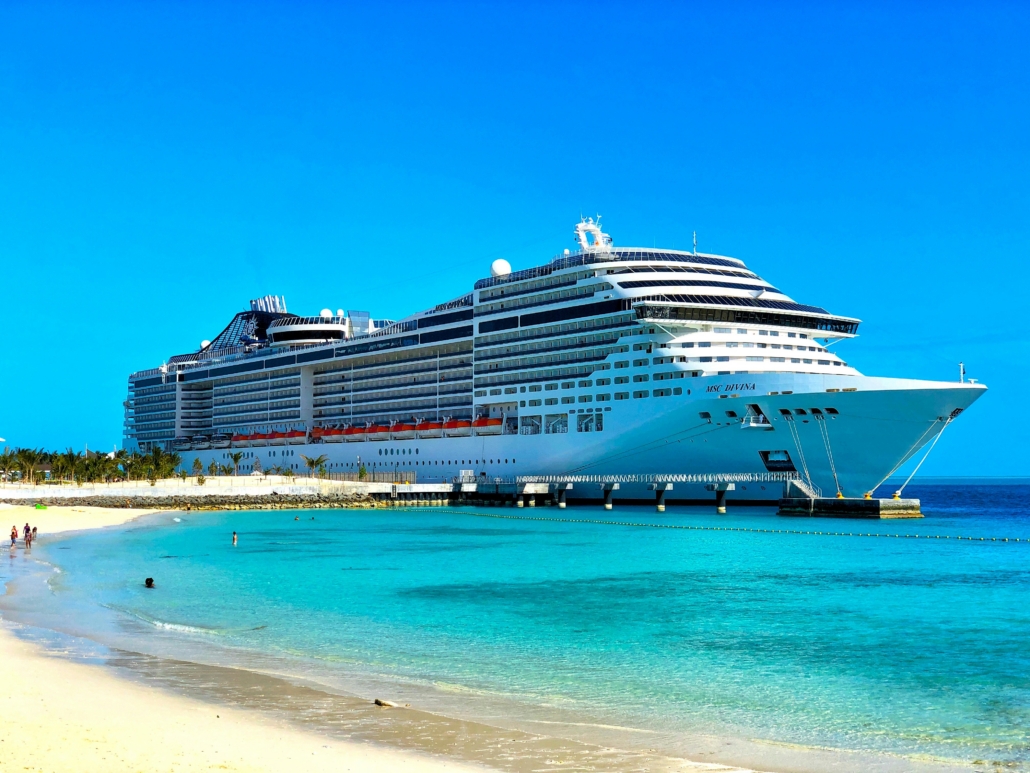
If your mental image of cruising involves crowded buffets and 5,000-person ships, it’s time for an update. Today’s luxury cruise world is intimate, all-inclusive, and nothing like what you remember.
We hear it all the time. Someone finds out we specialize in cruising and their face does that thing. You know the one. A polite smile, maybe a slight wince, and then: “Oh, cruising isn’t really for me.”
And every single time, we ask the same question: when did you decide that?
Because nine times out of ten, the answer goes back to one experience on a giant ship, or a mental image built from something they saw on TV. And that image, the massive floating city packed with thousands of strangers fighting for a pool chair, is not what modern luxury cruising looks like at all.
Let us change your mind.
The Cruise World Has Completely Changed
The mass-market mega-ships still exist, and they serve a purpose. But they represent just one corner of a much bigger, much more exciting world. Today, there is an entirely different category of cruise experience built around intimacy, genuine luxury, and the kind of service that makes you feel as if the ship were designed just for you.
We’re talking about ships carrying 100 to 900 guests. Ships where you never have to wait in line for anything. Ships where every stateroom is a suite, the food rivals the best restaurants you’ve ever visited, and almost everything, including flights in some cases, shore excursions, beverages, and gratuities, is already included in your fare.
This is the segment of cruising that converts skeptics into lifelong devotees. Every time.
The “Unpack Once” Advantage
One of the most underrated benefits of cruising, especially for the traveler who wants to cover a lot of ground without the logistical chaos, is this: you unpack once.
Think about a 10-day trip through Italy and Greece. By land, you’re coordinating flights, trains, hotels in multiple cities, transfers, luggage hauling, and hoping none of it falls apart. By luxury cruise, you sleep in a stunning suite every night, wake up in a new destination every morning, and step off the ship refreshed rather than exhausted from checking in and out.
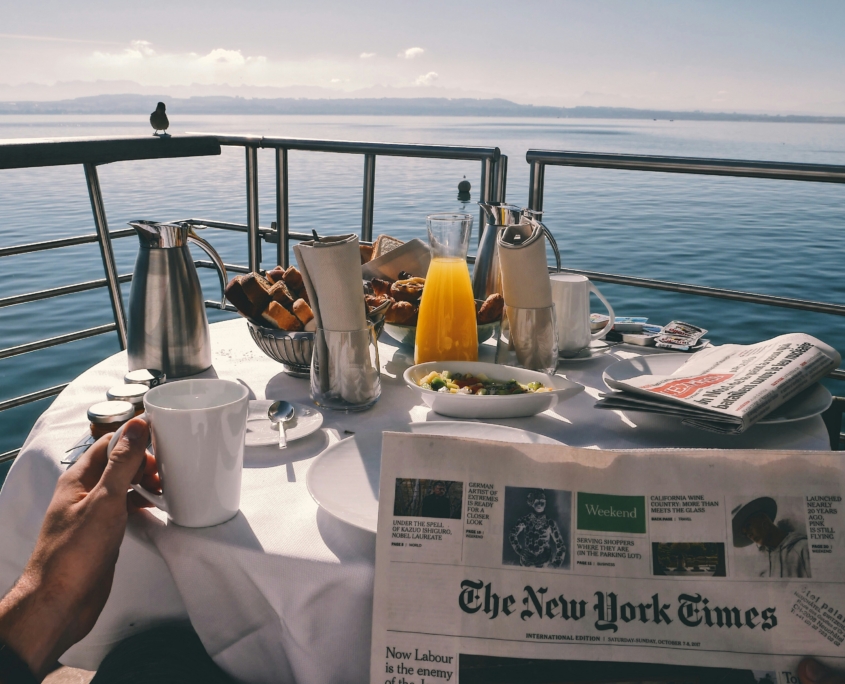
The commute between destinations? You’re in a hot tub with a glass of champagne, watching the horizon. That’s not a metaphor. That is literally what is happening.

What Small-Ship Luxury Actually Feels Like
On a true luxury small-ship cruise, the experience from the moment you board is fundamentally different. Here’s what sets it apart:
- No nickel-and-diming. On large ships, costs add up fast. A mandatory daily gratuity, Wi-Fi fees, specialty dining charges, and drink packages. Guests can easily spend $2,000 or more above their fare. On luxury lines, nearly everything is included. You walk off the ship without a bill.
- Suites are the standard. What would be a premium upgrade seven categories up on a big ship is the entry-level cabin on a luxury line. We’re talking open-plan suites, marble bathrooms, some with bathtubs, beautiful daybed balconies, and generous living space.
- World-class dining. Multiple a la carte restaurants, menus that reflect the region you’re sailing through, local wines paired to the destination, and chefs sourcing ingredients from the markets in port that same morning.
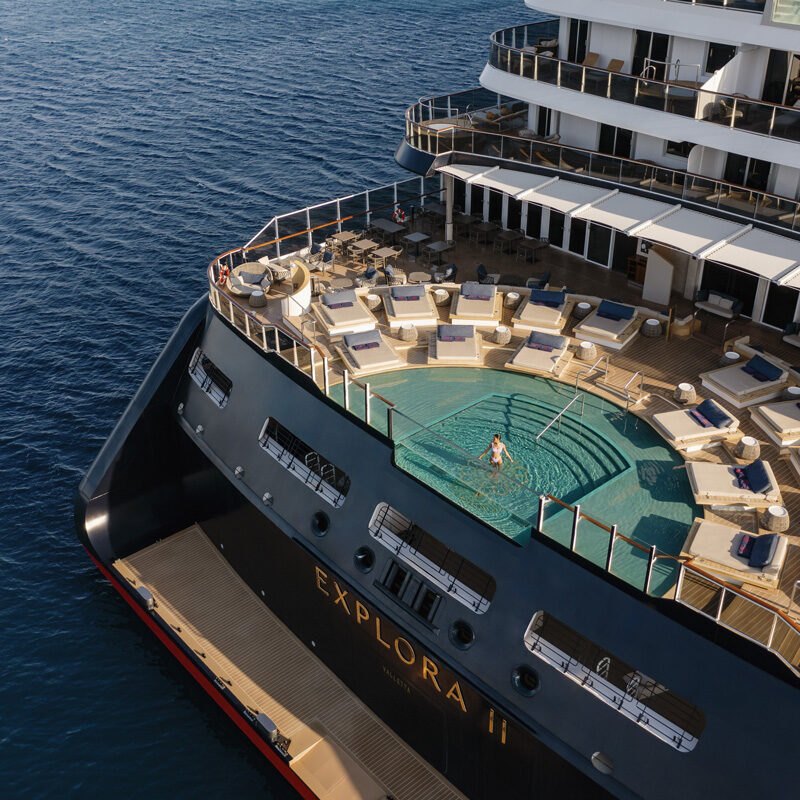
- No crowds, ever. Five swimming pools, infinity hot tubs, and you’re not competing for a lounger. Multiple specialty bars, each with its own unique cocktail menu. Entertainment that feels curated rather than mass-produced.
- Real port access. Smaller ships dock right in the heart of a destination, often with extended or overnight stays, letting you have a local dinner in the city rather than rushing back to make sail-away.
“But Isn’t It More Expensive?”
It’s the most common follow-up question, and it deserves an honest answer: the upfront price is higher. But the total cost? That’s a very different conversation.
When you add mandatory gratuities, drink packages, specialty dining, Wi-Fi, excursions, and all the extras to a mass-market fare, the gap between “budget” and “luxury” closes dramatically. In many cases, the true out-of-pocket difference is a few hundred dollars for an experience that is categorically different.
We love walking clients through a side-by-side comparison. It’s one of the most satisfying conversations we have, because the look on someone’s face when they realize how close the numbers actually are is priceless.
The Lines We Love (And Why)
Not all luxury lines are created equal, and part of our job is matching the right ship to the right traveler. Some of our favorites in the small-ship luxury space include:
- Explora Journeys: Yacht-inspired, generous space-to-guest ratio, seven restaurants, multiple pools, zero lineups.
- Silversea: Renowned beverage program, stunning suites, exceptional expedition options.
- Seabourn: Intimate, deeply personal service, world-class culinary program.
- Regent Seven Seas: Fully all-inclusive including shore excursions and flights, elegant and refined.
- Crystal Cruises: Sophisticated, spacious, exceptional entertainment and dining.
And then there is the exciting new wave of hotel brands entering the ocean: Ritz-Carlton Yacht Collection is already sailing. Four Seasons Yachts launched this year. Orient Express is coming. These are brands built on hospitality excellence, and they are bringing that DNA to sea in a big way.
So, Are You Ready to Reconsider?
If you’ve been writing off cruising based on an outdated idea of what it is, we’d love to show you what it’s actually become. The world of small-ship luxury cruising is genuinely extraordinary, and it’s one of the most underutilized travel formats among the travelers who would love it most.
You might be closer to being a cruise convert than you think.
Ready to Set Sail? Let’s Plan Your Perfect Cruise.
At Wishes and Waves Travel, we do the research, the comparing, and the planning so you don’t have to. Whether you’re brand new to cruising or ready to trade up to something extraordinary, we’d love to help you find the right ship, the right itinerary, and the right experience for you.
Drop us an email and let’s start the conversation. Your dream voyage is closer than you think.
FAQs
What size ship is considered a “small ship” in luxury cruising?
Generally, anything under about 1,000 guests qualifies. The most intimate luxury vessels carry 100 to 300 guests. Mid-range luxury lines like Explora Journeys, Silversea, and Regent carry 500 to 900, which still feels remarkably uncrowded compared to mainstream ships of 3,000 to 5,000 guests.
Are luxury cruises actually all-inclusive?
Most true luxury lines include accommodations, all dining venues, beverages (alcoholic and non), gratuities, and many include Wi-Fi. Some, like Regent Seven Seas, go further and include shore excursions and business-class flights. Always confirm what’s included for your specific sailing, and we can walk you through the comparison.
Is it true you don’t have to tip on a luxury cruise?
On most luxury lines, yes. Gratuities are included in the fare. This is a significant difference from mass-market lines where mandatory gratuities can add $17.50 or more per person per day on top of your cruise price.
What if I get seasick?
Modern ship design has made this much less of an issue than it used to be. Many guests on luxury vessels genuinely forget they are at sea during calm-water itineraries. The Mediterranean, Caribbean, and most river cruises are particularly smooth. If you have concerns, we can help you choose itineraries and ship sizes that minimize motion.
Are these ships good for solo travelers?
Absolutely. Many luxury lines have single supplements that are more reasonable than you’d expect, and some offer dedicated solo cabins. The intimate ship environment also makes it easy to connect with fellow guests if you’d like to.
How far in advance should I book a luxury cruise?
The best suites on popular itineraries can sell out a year or more in advance. We typically recommend booking 9 to 12 months ahead for peak season sailings. That said, last-minute options do sometimes come up, so it’s always worth reaching out regardless of your timeline.
About Post Author