When Should You Actually Go? The Weather Windows Most Travelers Miss

Hawaii, the Caribbean, Southeast Asia, and the South Pacific are four of the most requested destinations in travel, and each one has a distinct window when the weather works in your favor. This guide breaks down the best and worst months to visit each region, along with the nuances that most travelers never think to ask about.
Anyone can tell you that Hawaii is warm in the summer or that the Caribbean has a hurricane season. What separates a well-timed trip from a disappointing one is the detail underneath that headline: which island’s coastline gets the rain, which weeks inside a “good season” are actually the best, and which destinations are safer bets even when the calendar looks risky.
We have spent years studying these patterns and matching travelers to the right destination at the right time, not just the right destination. Below, we break down four of the most popular regions in the world, Hawaii, the Caribbean, Southeast Asia, and the South Pacific, month by month, so you can plan with the same level of detail we would use for our own clients.
Why Timing Matters More Than Most Travelers Realize
Weather is not just a comfort issue. It affects flight prices, hotel availability, access to excursions, and how crowded a destination feels once you arrive. A trip booked one month off from the ideal window can mean the difference between calm seas and a rocky crossing, or a clear sunset and a washed-out one.
This is the kind of detail that separates a generic search result from real travel expertise. We track these patterns closely so that when we recommend a destination, we also recommend the right month and the right reasons for it.
Best Time to Visit, Destination by Destination
Here is how four of the world’s most in-demand destinations break down, season by season.
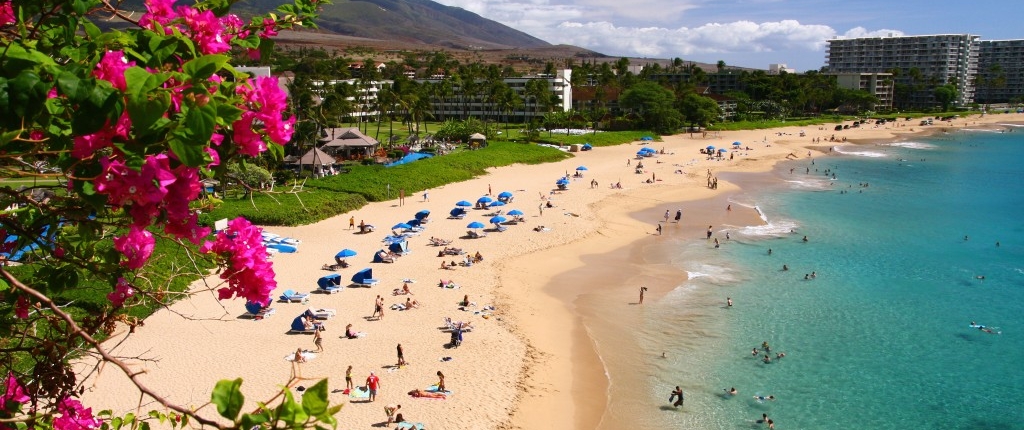
Hawaii
Best time to go: March through July, plus October and November.
Worst time to go: December and January are the coolest months, with afternoons still averaging a pleasant 75 degrees, while August and September are the hottest, with temperatures closer to 92 degrees. November through March is also the wettest stretch, and each island has its own personality within that.
Insider tip: Every island’s northern shore sees more rain than the southern side, especially on Kauai and the Big Island in December and January. Travelers who want the most reliable sunshine during winter months are usually better served by the south shores.
The Caribbean
Best time to go: Technically, December through May is the coolest and breeziest stretch, though the Caribbean stays warm nearly year-round, with averages between 78 and 88 degrees.
Worst time to go: Hurricane season officially runs June through November, with mid-August, September, and October carrying the highest risk.
Insider tip: Islands south of the hurricane belt, like Aruba, Bonaire, Curacao, Trinidad, and Tobago, sit outside the highest-risk zone, which makes them a smart alternative if your travel dates fall during peak season. Coastal and higher-elevation spots also benefit from trade winds year-round, which takes the edge off the hottest, most humid stretches of summer.

Southeast Asia (Bali, Thailand)
Best time to go: October through February.
Worst time to go: March through May is the hottest stretch, and June through September brings heavy rain.

The South Pacific (Fiji, French Polynesia)
Best time to go: May through October.
Worst time to go: December through February, when it turns hot, humid, and rainy.
Insider tip: Tahiti sits well outside the Pacific cyclone zone, and while Fiji technically sits inside it, the islands are rarely affected during the riskiest months of January and February.

Let Us Do the Timing (and the Planning) for You
Between hurricane seasons, monsoon windows, and each island’s own microclimate, planning a trip around the weather is a lot to track on your own. That is exactly why we exist. We match the destination to the season, the accommodations to your priorities, and the details to your budget, so all you have to do is show up and enjoy it.
Want a head start? Let’s chat to look at timing, budgeting, and how to choose the right destination for your trip. Or, if you are ready to talk specifics, we will build a season-smart itinerary made just for you.
Frequently Asked Questions
What is the single best month to visit Hawaii, the Caribbean, Southeast Asia, or the South Pacific?
There is no universal answer, since the ideal month depends entirely on the destination. In general, Hawaii and the Caribbean favor the winter and spring months, while Southeast Asia and the South Pacific favor different windows entirely, which is exactly why region-by-region planning matters.
Which of these destinations has the least weather risk overall?
Islands south of the Caribbean hurricane belt, such as Aruba, Bonaire, and Curacao, tend to have some of the mildest, most predictable weather in the region for most of the year.
Is it worth booking during a destination’s worst season if it is also the cheapest?
Sometimes, but it depends on your tolerance for heat, humidity, or rain, and what you are hoping to do once you arrive. Off-season travel can work out well for some trips and priorities. We can help you weigh those trade-offs honestly before you book.
How far in advance should we book a weather-sensitive destination like Fiji or Bali?
For destinations with a narrow best-months window, like the South Pacific or Southeast Asia, we typically recommend booking six to twelve months ahead to secure both good weather and the accommodations you actually want.
Does hurricane season mean the entire Caribbean should be avoided from June through November?
Not necessarily. Islands outside the hurricane belt see far less risk during those months, and even within the belt, many trips proceed without incident. It comes down to which island you choose and how much risk you are comfortable with.
Can Wishes and Waves Travel help if we already picked a destination and just need help with timing?
Absolutely, and that is one of the most common ways we help. We will look at your destination, your flexibility on dates, and your priorities, then help you fine-tune the timing or the itinerary around it.
About Post Author