Europe by Luxury Cruise vs. Land: Which One Actually Makes More Sense?
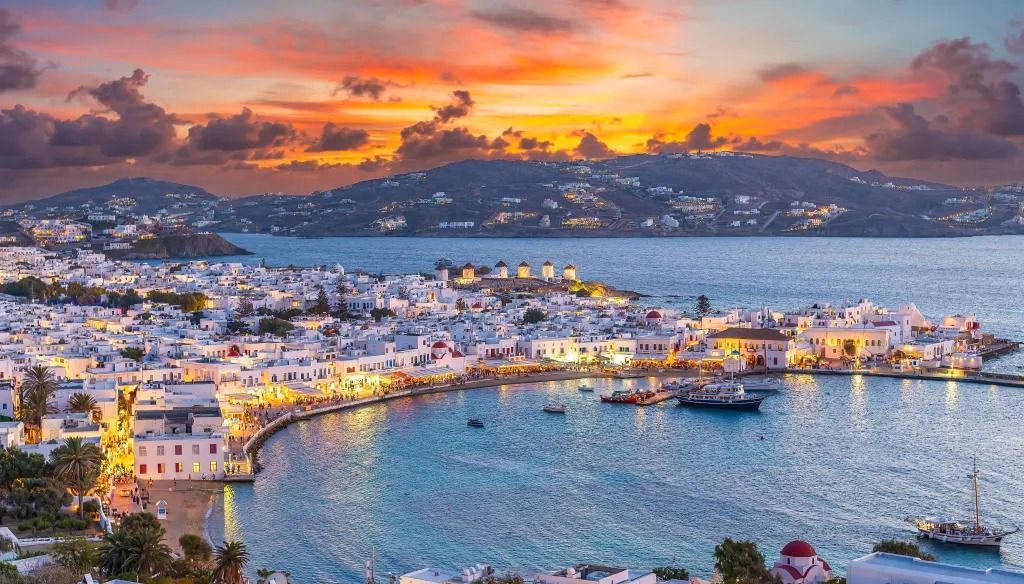
Dreaming of Italy and Greece but dreading the logistics? A luxury cruise might actually be the smarter, more immersive, and more relaxing way to do it. Here’s how the two approaches compare.
Every year, we help clients plan the same trip. Italy and Greece. Maybe Croatia or Turkey. The iconic Mediterranean. And almost every year, the same conversation happens.
They come in with a land itinerary in mind. Multiple hotels, multiple cities, internal flights or trains, car rentals, and a schedule that looks great on paper but exhausting in practice. And at some point in our conversation, we ask: have you considered doing this by cruise?
Not a cruise in the old sense of the word. A small luxury ship that moves while you sleep, delivers you to a new port every morning, and serves as your floating five-star hotel for the entire journey.
The comparison is almost always eye-opening.
The Land Itinerary: What It Actually Involves
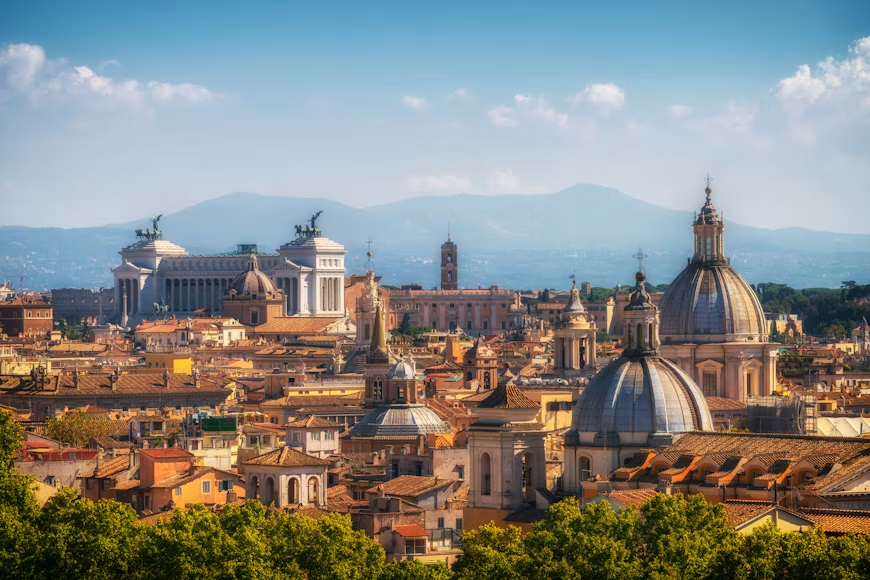
A 10-day land trip through the Mediterranean looks something like this: two or three days in Rome, a train and transfer to the Amalfi Coast, a two-hour transfer to the airport, flight to Athens, the ferry to fit in one or two islands before flying home.
What that actually involves: multiple hotel check-ins and check-outs, repacking your bags every few days, coordinating transfers that are dependent on strikes, traffic, and airline reliability, and spending a meaningful portion of your precious travel days in transit rather than at a destination.
Hotel prices in Europe have also reached levels that genuinely surprise people. A good hotel in central Rome or Santorini in summer can run $600 to $1,200 per night, room only. Breakfast and airport transfers are extra. You’re paying a lot for a small room in a prime location, only to leave it two days later to do it all again somewhere else.
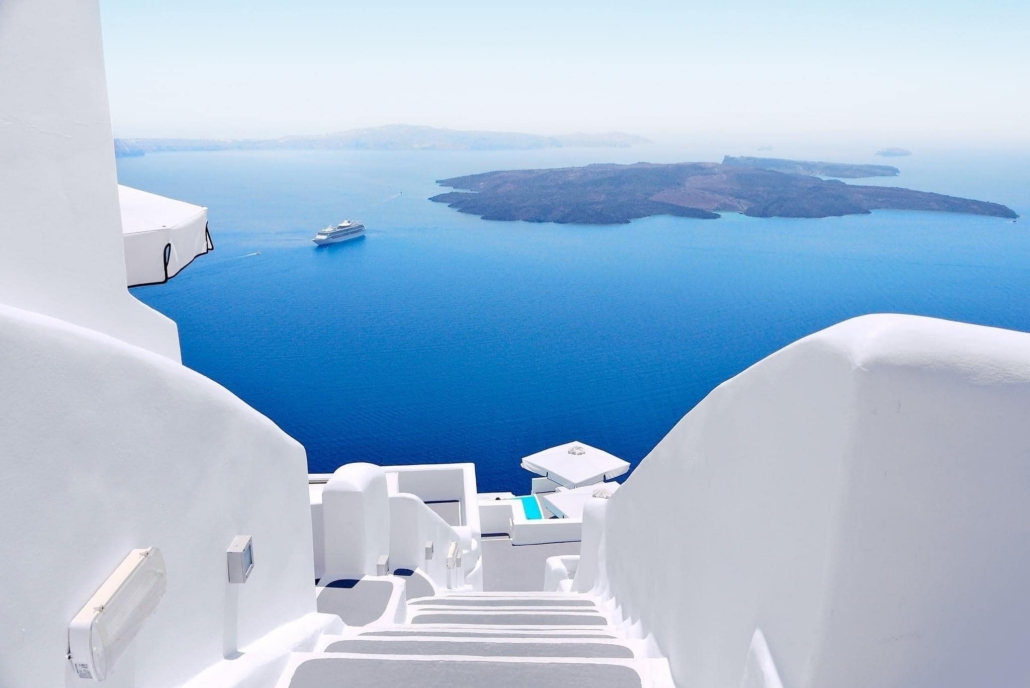
The Cruise Itinerary: A Different Relationship with Time
On a small luxury ship through the Mediterranean, your day looks like this: you wake up in a beautiful suite, have breakfast with a view, and step off the ship directly into the heart of a destination. Not a coach transfer to the outskirts. Not a ferry terminal. The town itself.
Smaller ships access ports that larger vessels can’t reach. They dock right in the center, sometimes with extended stays or overnights that let you stay for dinner in the city, experience the nightlife, and return to your ship whenever you’re ready.
When you finish exploring, you walk back to your floating home. No packing. No checkout. No scrambling for a taxi. Your room, your belongings, your clothes, everything is exactly where you left it.
The transit time between destinations is not dead time. You’re having cocktails at sunset, dining at a restaurant with ocean views, and sleeping in a suite that’s traveling to your next destination while you rest. The journey is part of the experience, not an obstacle to it.
The Authenticity Argument
Some travelers worry that a cruise will feel curated and removed from a real local experience. But small luxury ships actually deliver something that crowded tourist-destination land travel often can’t: genuine access.
Smaller ships dock in ports that the mega-ships skip entirely. You end up on a small Croatian island eating oysters with the person who runs the oyster farm, rather than shoulder-to-shoulder in a famous palace that 3,000 tourists are also trying to see at the same moment.
The experience on board reinforces this too. The best luxury lines integrate local culture into the ship itself: menus reflecting the region you’re sailing through that day, local wines, local artists performing in the evenings, chefs sourcing ingredients from the market in that morning’s port.
You taste where you are. That’s not something every land itinerary delivers.
Cruise as a “Scouting” Trip
One of the unexpected gifts of a luxury cruise through a multi-destination region is what it does for future travel. In 10 days, you might touch eight or nine destinations. Some will captivate you. Some will feel like they’d be better as a deeper, slower visit. Some will pleasantly surprise you.
You come home with an entirely new map of the world: places you loved and want to return to for a proper stay, places you’re glad you saw but don’t need to revisit, and a much clearer sense of where your travel investment should go next.
The cruise becomes the foundation for years of future trips. Many of our clients do exactly that: cruise first to discover, then return later to let it sink in.
Who the Cruise Option Is Right For
A luxury Mediterranean cruise is particularly well-suited for travelers who:
- Want to see multiple destinations in one trip without the logistics of a multi-city land journey
- Value high-quality accommodation and don’t want to compromise on where they sleep just to stretch the budget
- Are you traveling as a couple or in a small group and want a relaxed, uncrowded experience
- Have done the classic land itineraries and are ready to experience the same region differently
- Prefer knowing their total trip cost upfront without managing variables
It’s also, in our experience, one of the best formats for the traveler who is simply tired. The person who loves to travel but who needs this particular trip to actually feel like a break. A luxury cruise delivers rest and discovery at the same time, and that combination is genuinely rare.
Ready to Set Sail? Let’s Plan Your Perfect Cruise.
At Wishes and Waves Travel, we do the research, the comparing, and the planning so you don’t have to. Whether you’re brand new to cruising or ready to trade up to something extraordinary, we’d love to help you find the right ship, itinerary, and experience.
Reach out to us and let’s start the conversation. Your dream voyage is closer than you think.
FAQs
Can a luxury cruise really replace a full land itinerary in Europe?
For many travelers, yes. A small luxury ship through the Mediterranean, Greek Islands, or Croatian coast can cover more destinations with less logistical effort than a comparable land trip. It works especially well for multi-destination trips where you’d otherwise be moving hotels every two to three days.
Will I actually get enough time in each port?
On quality small luxury lines, yes. Unlike larger ships that sometimes have as little as four hours in port, smaller luxury vessels typically spend a full day in each destination and sometimes offer overnight stays. We always review port schedules before recommending a specific sailing.
Is a cruise good for someone who loves food and local culture?
It’s one of the best formats for it. The top luxury lines source local ingredients at the market that morning and build the evening menu around the region you’re in. Local wines, local dishes, and sometimes local artists performing on board in the evening. You experience the destination both on the ship and off it.
What about pre- and post-cruise time in Europe?
Most of our clients combine their cruise with time in one or two cities before or after sailing. We arrange those stays through our preferred hotel partners to ensure the quality of experience carries through the entire trip. This is actually one of our favorite things to design.
How does pricing compare to a good hotel-based land itinerary?
It’s often more competitive than people expect, especially when you account for the all-inclusive nature of luxury cruising. A premium hotel in Rome or Santorini in high season can cost $600 to $1,000 per night, room-only. When you add up four to five hotel stays across a land itinerary versus one all-inclusive suite rate on a ship, the comparison often favors the cruise.
Are there cruises that combine European land and sea experiences?
Yes, and it’s becoming an increasingly exciting category. Luxury brands like Orient Express and Belmond are actively developing seamless land-and-sea packages that maintain the same level of hospitality throughout. We are watching this space closely and love designing these kinds of combination trips for our clients.
About Post Author