Tag Archive for: Small Ship Cruise

If your mental image of cruising involves crowded buffets and 5,000-person ships, it’s time for an update. Today’s luxury cruise world is intimate, all-inclusive, and nothing like what you remember.

We hear it all the time. Someone finds out we specialize in cruising and their face does that thing. You know the one. A polite smile, maybe a slight wince, and then: “Oh, cruising isn’t really for me.”

And every single time, we ask the same question: when did you decide that?

Because nine times out of ten, the answer goes back to one experience on a giant ship, or a mental image built from something they saw on TV. And that image, the massive floating city packed with thousands of strangers fighting for a pool chair, is not what modern luxury cruising looks like at all.

Let us change your mind.
The Cruise World Has Completely Changed

The mass-market mega-ships still exist, and they serve a purpose. But they represent just one corner of a much bigger, much more exciting world. Today, there is an entirely different category of cruise experience built around intimacy, genuine luxury, and the kind of service that makes you feel as if the ship were designed just for you.

We’re talking about ships carrying 100 to 900 guests. Ships where you never have to wait in line for anything. Ships where every stateroom is a suite, the food rivals the best restaurants you’ve ever visited, and almost everything, including flights in some cases, shore excursions, beverages, and gratuities, is already included in your fare.

This is the segment of cruising that converts skeptics into lifelong devotees. Every time.

The “Unpack Once” Advantage

One of the most underrated benefits of cruising, especially for the traveler who wants to cover a lot of ground without the logistical chaos, is this: you unpack once.

Think about a 10-day trip through Italy and Greece. By land, you’re coordinating flights, trains, hotels in multiple cities, transfers, luggage hauling, and hoping none of it falls apart. By luxury cruise, you sleep in a stunning suite every night, wake up in a new destination every morning, and step off the ship refreshed rather than exhausted from checking in and out.

The commute between destinations? You’re in a hot tub with a glass of champagne, watching the horizon. That’s not a metaphor. That is literally what is happening.
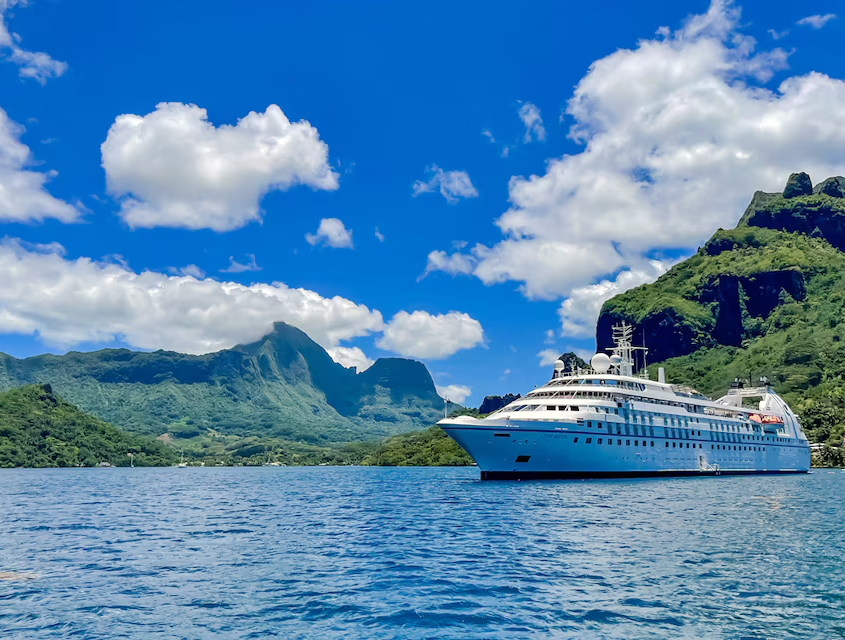
What Small-Ship Luxury Actually Feels Like

On a true luxury small-ship cruise, the experience from the moment you board is fundamentally different. Here’s what sets it apart:

  • No nickel-and-diming. On large ships, costs add up fast. A mandatory daily gratuity, Wi-Fi fees, specialty dining charges, and drink packages. Guests can easily spend $2,000 or more above their fare. On luxury lines, nearly everything is included. You walk off the ship without a bill.
  • Suites are the standard. What would be a premium upgrade seven categories up on a big ship is the entry-level cabin on a luxury line. We’re talking open-plan suites, marble bathrooms, some with bathtubs, beautiful daybed balconies, and generous living space.
  • World-class dining. Multiple a la carte restaurants, menus that reflect the region you’re sailing through, local wines paired to the destination, and chefs sourcing ingredients from the markets in port that same morning.
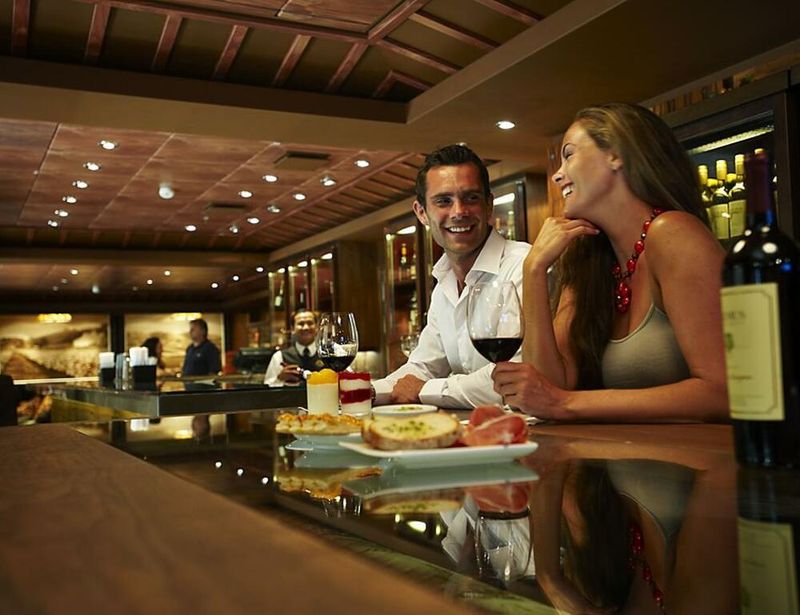
  • No crowds, ever. Five swimming pools, infinity hot tubs, and you’re not competing for a lounger. Multiple specialty bars, each with its own unique cocktail menu. Entertainment that feels curated rather than mass-produced.
  • Real port access. Smaller ships dock right in the heart of a destination, often with extended or overnight stays, letting you have a local dinner in the city rather than rushing back to make sail-away.

“But Isn’t It More Expensive?”

It’s the most common follow-up question, and it deserves an honest answer: the upfront price is higher. But the total cost? That’s a very different conversation.

When you add mandatory gratuities, drink packages, specialty dining, Wi-Fi, excursions, and all the extras to a mass-market fare, the gap between “budget” and “luxury” closes dramatically. In many cases, the true out-of-pocket difference is a few hundred dollars for an experience that is categorically different.

We love walking clients through a side-by-side comparison. It’s one of the most satisfying conversations we have, because the look on someone’s face when they realize how close the numbers actually are is priceless.
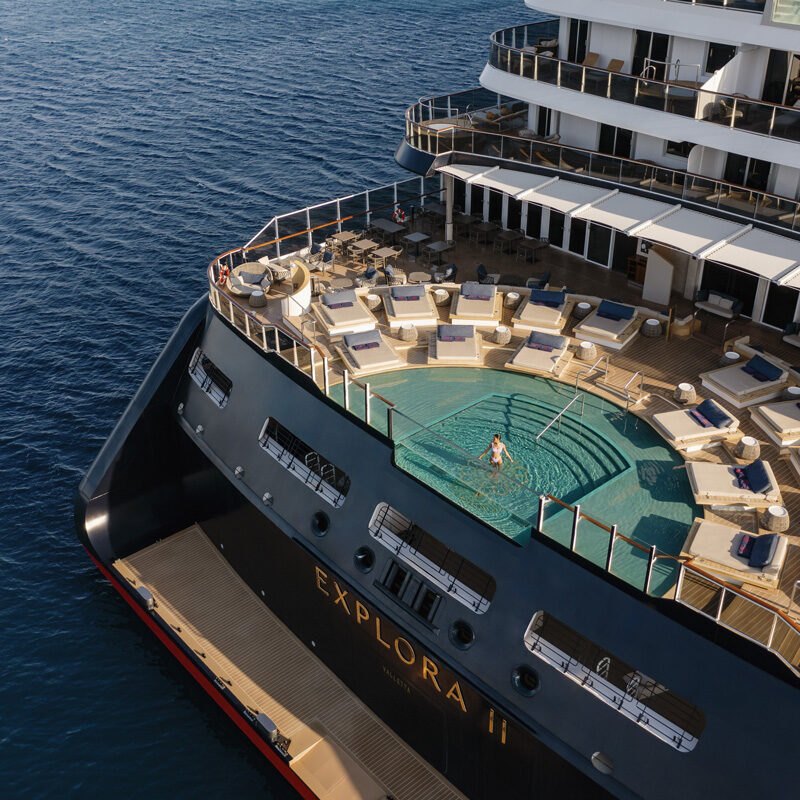
The Lines We Love (And Why)

Not all luxury lines are created equal, and part of our job is matching the right ship to the right traveler. Some of our favorites in the small-ship luxury space include:

  • Explora Journeys: Yacht-inspired, generous space-to-guest ratio, seven restaurants, multiple pools, zero lineups.
  • Silversea: Renowned beverage program, stunning suites, exceptional expedition options.
  • Seabourn: Intimate, deeply personal service, world-class culinary program.
  • Regent Seven Seas: Fully all-inclusive including shore excursions and flights, elegant and refined.
  • Crystal Cruises: Sophisticated, spacious, exceptional entertainment and dining.

And then there is the exciting new wave of hotel brands entering the ocean: Ritz-Carlton Yacht Collection is already sailing. Four Seasons Yachts launched this year. Orient Express is coming. These are brands built on hospitality excellence, and they are bringing that DNA to sea in a big way.

So, Are You Ready to Reconsider?

If you’ve been writing off cruising based on an outdated idea of what it is, we’d love to show you what it’s actually become. The world of small-ship luxury cruising is genuinely extraordinary, and it’s one of the most underutilized travel formats among the travelers who would love it most.

You might be closer to being a cruise convert than you think.

Ready to Set Sail? Let’s Plan Your Perfect Cruise.

At Wishes and Waves Travel, we do the research, the comparing, and the planning so you don’t have to. Whether you’re brand new to cruising or ready to trade up to something extraordinary, we’d love to help you find the right ship, the right itinerary, and the right experience for you.

Drop us an email and let’s start the conversation. Your dream voyage is closer than you think.

FAQs

What size ship is considered a “small ship” in luxury cruising?

Generally, anything under about 1,000 guests qualifies. The most intimate luxury vessels carry 100 to 300 guests. Mid-range luxury lines like Explora Journeys, Silversea, and Regent carry 500 to 900, which still feels remarkably uncrowded compared to mainstream ships of 3,000 to 5,000 guests.

Are luxury cruises actually all-inclusive?

Most true luxury lines include accommodations, all dining venues, beverages (alcoholic and non), gratuities, and many include Wi-Fi. Some, like Regent Seven Seas, go further and include shore excursions and business-class flights. Always confirm what’s included for your specific sailing, and we can walk you through the comparison.

Is it true you don’t have to tip on a luxury cruise?

On most luxury lines, yes. Gratuities are included in the fare. This is a significant difference from mass-market lines where mandatory gratuities can add $17.50 or more per person per day on top of your cruise price.

What if I get seasick?

Modern ship design has made this much less of an issue than it used to be. Many guests on luxury vessels genuinely forget they are at sea during calm-water itineraries. The Mediterranean, Caribbean, and most river cruises are particularly smooth. If you have concerns, we can help you choose itineraries and ship sizes that minimize motion.

Are these ships good for solo travelers?

Absolutely. Many luxury lines have single supplements that are more reasonable than you’d expect, and some offer dedicated solo cabins. The intimate ship environment also makes it easy to connect with fellow guests if you’d like to.

How far in advance should I book a luxury cruise?

The best suites on popular itineraries can sell out a year or more in advance. We typically recommend booking 9 to 12 months ahead for peak season sailings. That said, last-minute options do sometimes come up, so it’s always worth reaching out regardless of your timeline.

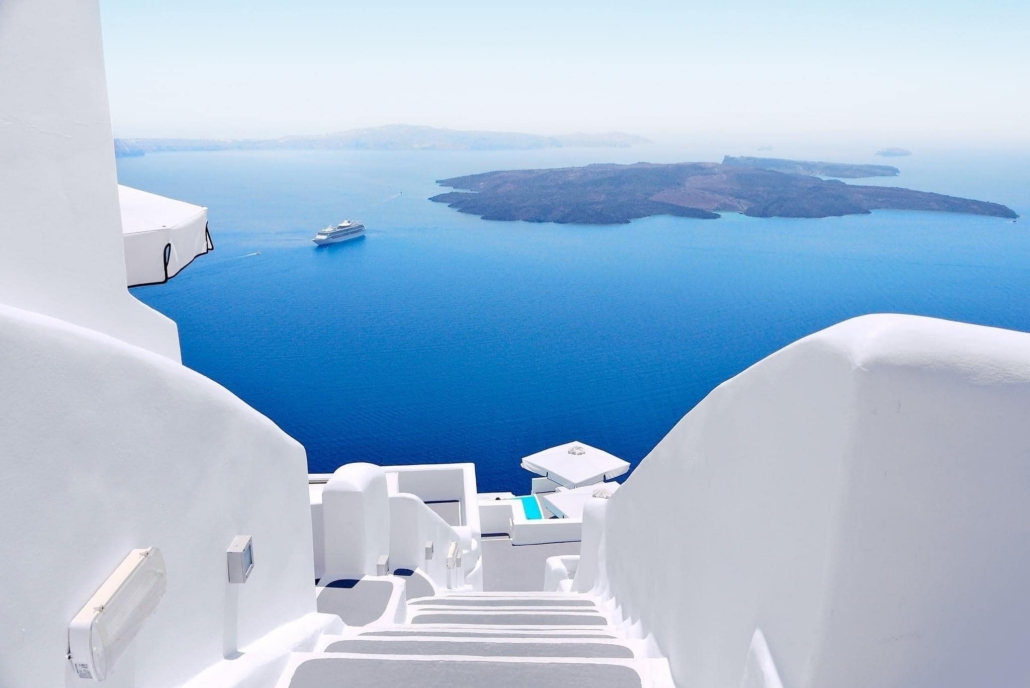
Dreaming of Italy and Greece but dreading the logistics? A luxury cruise might actually be the smarter, more immersive, and more relaxing way to do it. Here’s how the two approaches compare.

Every year, we help clients plan the same trip. Italy and Greece. Maybe Croatia or Turkey. The iconic Mediterranean. And almost every year, the same conversation happens.

They come in with a land itinerary in mind. Multiple hotels, multiple cities, internal flights or trains, car rentals, and a schedule that looks great on paper but exhausting in practice. And at some point in our conversation, we ask: have you considered doing this by cruise?

Not a cruise in the old sense of the word. A small luxury ship that moves while you sleep, delivers you to a new port every morning, and serves as your floating five-star hotel for the entire journey.

The comparison is almost always eye-opening.

The Land Itinerary: What It Actually Involves

A 10-day land trip through the Mediterranean looks something like this: two or three days in Rome, a train and transfer to the Amalfi Coast, a two-hour transfer to the airport, flight to Athens, the ferry to fit in one or two islands before flying home.

What that actually involves: multiple hotel check-ins and check-outs, repacking your bags every few days, coordinating transfers that are dependent on strikes, traffic, and airline reliability, and spending a meaningful portion of your precious travel days in transit rather than at a destination.

Hotel prices in Europe have also reached levels that genuinely surprise people. A good hotel in central Rome or Santorini in summer can run $600 to $1,200 per night, room only. Breakfast and airport transfers are extra. You’re paying a lot for a small room in a prime location, only to leave it two days later to do it all again somewhere else.


The Cruise Itinerary: A Different Relationship with Time

On a small luxury ship through the Mediterranean, your day looks like this: you wake up in a beautiful suite, have breakfast with a view, and step off the ship directly into the heart of a destination. Not a coach transfer to the outskirts. Not a ferry terminal. The town itself.

Smaller ships access ports that larger vessels can’t reach. They dock right in the center, sometimes with extended stays or overnights that let you stay for dinner in the city, experience the nightlife, and return to your ship whenever you’re ready.

When you finish exploring, you walk back to your floating home. No packing. No checkout. No scrambling for a taxi. Your room, your belongings, your clothes, everything is exactly where you left it.

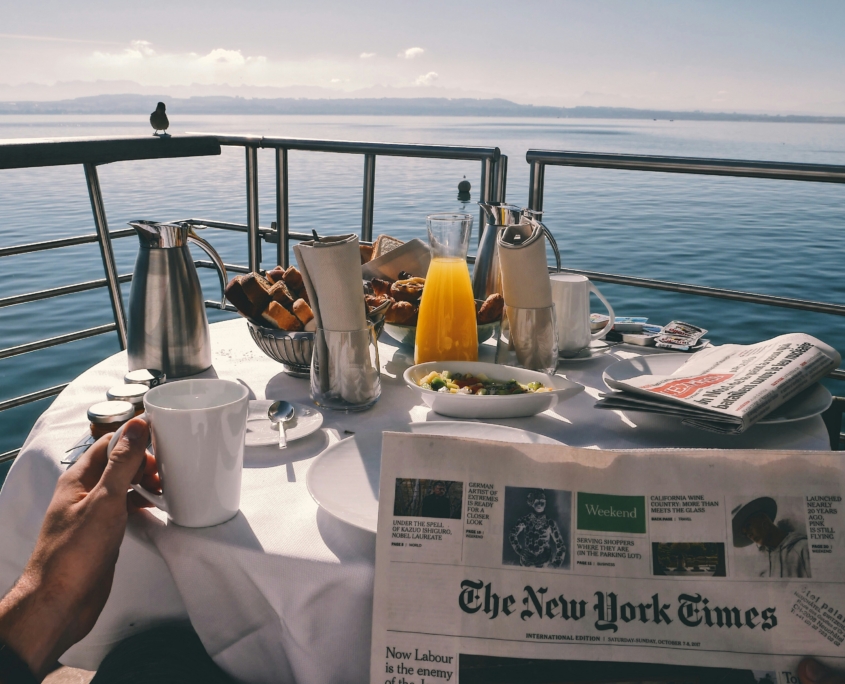
The transit time between destinations is not dead time. You’re having cocktails at sunset, dining at a restaurant with ocean views, and sleeping in a suite that’s traveling to your next destination while you rest. The journey is part of the experience, not an obstacle to it.

The Authenticity Argument

Some travelers worry that a cruise will feel curated and removed from a real local experience. But small luxury ships actually deliver something that crowded tourist-destination land travel often can’t: genuine access.

Smaller ships dock in ports that the mega-ships skip entirely. You end up on a small Croatian island eating oysters with the person who runs the oyster farm, rather than shoulder-to-shoulder in a famous palace that 3,000 tourists are also trying to see at the same moment.

The experience on board reinforces this too. The best luxury lines integrate local culture into the ship itself: menus reflecting the region you’re sailing through that day, local wines, local artists performing in the evenings, chefs sourcing ingredients from the market in that morning’s port.

You taste where you are. That’s not something every land itinerary delivers.

Cruise as a “Scouting” Trip

One of the unexpected gifts of a luxury cruise through a multi-destination region is what it does for future travel. In 10 days, you might touch eight or nine destinations. Some will captivate you. Some will feel like they’d be better as a deeper, slower visit. Some will pleasantly surprise you.

You come home with an entirely new map of the world: places you loved and want to return to for a proper stay, places you’re glad you saw but don’t need to revisit, and a much clearer sense of where your travel investment should go next.

The cruise becomes the foundation for years of future trips. Many of our clients do exactly that: cruise first to discover, then return later to let it sink in.

Who the Cruise Option Is Right For

A luxury Mediterranean cruise is particularly well-suited for travelers who:

  • Want to see multiple destinations in one trip without the logistics of a multi-city land journey
  • Value high-quality accommodation and don’t want to compromise on where they sleep just to stretch the budget
  • Are you traveling as a couple or in a small group and want a relaxed, uncrowded experience
  • Have done the classic land itineraries and are ready to experience the same region differently
  • Prefer knowing their total trip cost upfront without managing variables

It’s also, in our experience, one of the best formats for the traveler who is simply tired. The person who loves to travel but who needs this particular trip to actually feel like a break. A luxury cruise delivers rest and discovery at the same time, and that combination is genuinely rare.

Ready to Set Sail? Let’s Plan Your Perfect Cruise.

At Wishes and Waves Travel, we do the research, the comparing, and the planning so you don’t have to. Whether you’re brand new to cruising or ready to trade up to something extraordinary, we’d love to help you find the right ship, itinerary, and experience.

Reach out to us and let’s start the conversation. Your dream voyage is closer than you think.

FAQs

Can a luxury cruise really replace a full land itinerary in Europe?

For many travelers, yes. A small luxury ship through the Mediterranean, Greek Islands, or Croatian coast can cover more destinations with less logistical effort than a comparable land trip. It works especially well for multi-destination trips where you’d otherwise be moving hotels every two to three days.

Will I actually get enough time in each port?

On quality small luxury lines, yes. Unlike larger ships that sometimes have as little as four hours in port, smaller luxury vessels typically spend a full day in each destination and sometimes offer overnight stays. We always review port schedules before recommending a specific sailing.

Is a cruise good for someone who loves food and local culture?

It’s one of the best formats for it. The top luxury lines source local ingredients at the market that morning and build the evening menu around the region you’re in. Local wines, local dishes, and sometimes local artists performing on board in the evening. You experience the destination both on the ship and off it.

What about pre- and post-cruise time in Europe?

Most of our clients combine their cruise with time in one or two cities before or after sailing. We arrange those stays through our preferred hotel partners to ensure the quality of experience carries through the entire trip. This is actually one of our favorite things to design.

How does pricing compare to a good hotel-based land itinerary?

It’s often more competitive than people expect, especially when you account for the all-inclusive nature of luxury cruising. A premium hotel in Rome or Santorini in high season can cost $600 to $1,000 per night, room-only. When you add up four to five hotel stays across a land itinerary versus one all-inclusive suite rate on a ship, the comparison often favors the cruise.

Are there cruises that combine European land and sea experiences?

Yes, and it’s becoming an increasingly exciting category. Luxury brands like Orient Express and Belmond are actively developing seamless land-and-sea packages that maintain the same level of hospitality throughout. We are watching this space closely and love designing these kinds of combination trips for our clients.

From the Galapagos to Antarctica to Indonesia’s Komodo Islands, expedition cruising puts you in the world’s most extraordinary places in the most intimate way possible. This is adventure at its finest, without sacrificing comfort.

There’s a moment on an expedition cruise that is almost impossible to describe to someone who hasn’t experienced it. You’re on a small vessel, 22 people on board, anchored off a volcanic island in Indonesia. You’ve just come back from a dive alongside Komodo dragons. And that evening, you’re having dinner at a properly set table with good wine and exceptional food.

It’s the kind of experience that makes you wonder why you ever thought adventure and comfort were opposites.

Expedition cruising is one of the most exciting and underexplored categories in travel. It’s also one we think more of our clients should know about.

What Is Expedition Cruising?

Expedition cruising puts small ships into remote, extraordinary environments that larger vessels simply cannot access. The Galapagos Islands, the polar regions, the Indonesian archipelago, the Seychelles, the Mekong River delta. These are not places you can reach on a conventional itinerary, and they’re places that, once seen, tend to reorder what you care about in travel.

The ships are small, often carrying 20 to 100 guests, which allows them to operate in protected ecosystems and anchor in bays where no larger ship is permitted. This is not a compromise. It is the entire point.

At 22 guests on a dive-focused expedition in Indonesia, you’re not having a group experience. You’re having a personal one. You know the crew by name. The naturalist guiding your excursions has decades of expertise and can actually spend time with you. The dining table feels like a dinner party rather than a restaurant.

The Destinations That Make This Worth It

A few of the expedition itineraries that represent some of the most extraordinary travel experiences available anywhere:

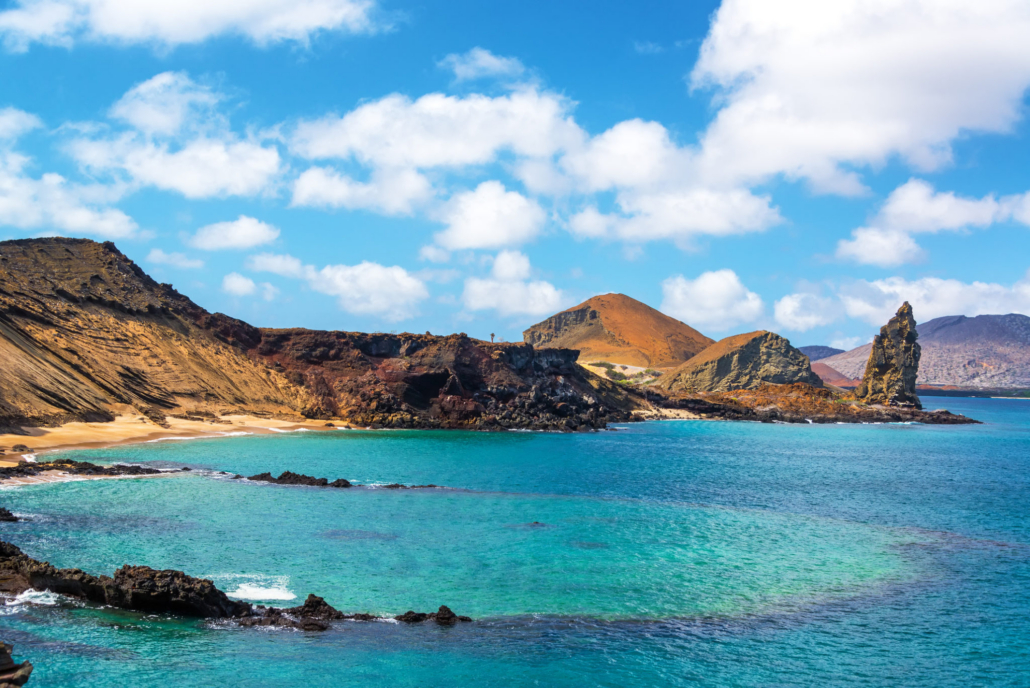
  • The Galapagos Islands: Strict cap of 100 guests even on the largest permitted vessels. Wildlife that has evolved without fear of humans. Finches that land on your shoulder. Giant tortoises. Blue-footed boobies nesting three feet from the path. This is not a place you see. It is a place that stays with you.
  • Antarctica and the Antarctic Peninsula: The most remote, most pristine, most visually overwhelming landscape on earth. Penguin colonies, calving glaciers, orcas. Some expedition lines have designed vessels specifically for polar voyages, with stabilization technology, ice-strengthened hulls, and interiors so stylish and comfortable you’d never guess you were at the bottom of the world.
  • Indonesia: Komodo Island, Raja Ampat, the Banda Sea. Some of the richest marine biodiversity on the planet. Snorkeling and diving that makes everything else feel like a preview. Aqua Expeditions, which now operates within the Ponant family, has been pioneering extraordinary small-ship itineraries here for years.
  • The Mekong River: Small-vessel journeys through Vietnam and Cambodia that access villages, temples, and daily life that no land itinerary reaches. The pace is meditative, the experience genuinely immersive.
  • The Seychelles: Remote outer islands, pristine beaches, nesting sea turtles, coral reefs. A yacht-scale vessel that moves between islands each day, delivering you to private beaches with no other guests in sight.

The New Generation of Expedition Ships

The word “expedition” used to conjure images of spartan bunks and institutional dining. That is emphatically not what this category looks like today.

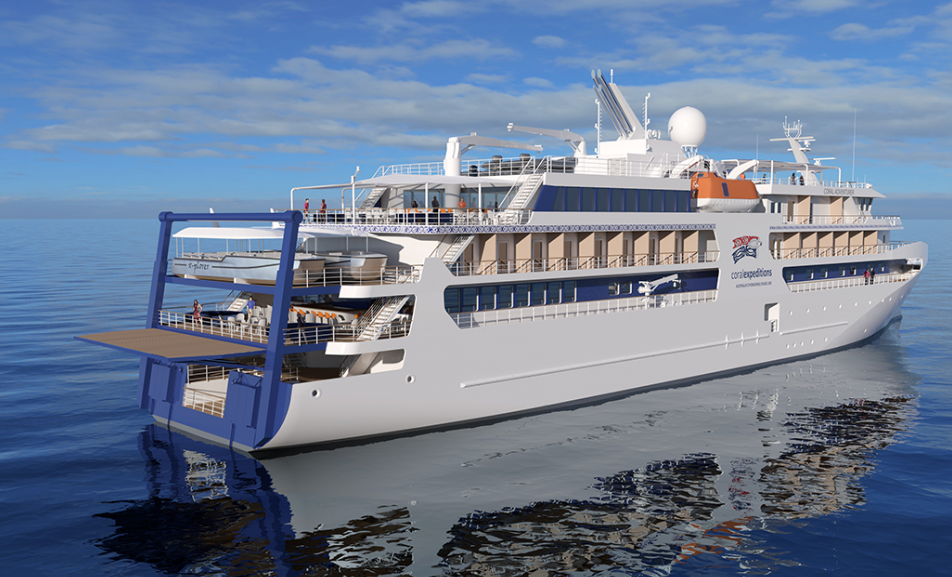
Ponant’s Le Commandant Charcot, which ventures into polar regions, has been described as one of the most spectacular expedition vessels ever built. Think designer interiors, top-tier spa, multiple restaurants, and extraordinary suites with wraparound balconies, and then realize that this ship regularly parks next to icebergs.

Aqua Expeditions operates boutique vessels in environments like the Galapagos and the Amazon that combine rigorous expedition programming with genuinely luxurious accommodation and food.

The standard has shifted dramatically, and the traveler who loves both adventure and quality can now have both without compromise.

Who Expedition Cruising Is For

If you have ever said any of the following, expedition cruising may be the experience you’ve been looking for:

  • “I want to see the Galapagos before I die”
  • “Antarctica is on my bucket list but I don’t know how to approach it”
  • “I’m tired of tourist-trail travel. I want something real.”
  • “I love nature and wildlife more than monuments and museums”
  • “I want to do something I’ll still be talking about in 20 years”

The age profile of expedition cruising travelers has also shifted significantly. The traveler who books Antarctica for their 40th birthday is increasingly common. Couples in their 40s and 50s, adventurous families with teenagers old enough for the programming, solo travelers who want to meet like-minded people in an extraordinary setting.

This is not a category reserved for retirees. It’s for anyone who has decided that the ordinary version of travel is no longer enough.

Ready to Set Sail? Let’s Plan Your Perfect Cruise.

At Wishes and Waves Travel, we do the research, the comparing, and the planning so you don’t have to. Whether you’re brand new to cruising or ready to trade up to something extraordinary, we’d love to help you find the right ship, the right itinerary, and the right experience for you.

Reach out to us today and let’s start the conversation. Your dream voyage is closer than you think.

FAQs

How far in advance should I book an expedition cruise?

Very far. Antarctica sailings in particular can sell out 12 to 18 months in advance. The most sought-after cabins on Galapagos vessels also go early. If an expedition destination is on your list, the sooner you’re in conversation with us, the better your options will be.

Is expedition cruising physically demanding?

It varies significantly by itinerary and operator. Some expeditions involve active snorkeling, hiking, and zodiac landings that require reasonable mobility. Others are much more observation-based. We match clients to expeditions that suit their physical interests and capabilities. There is an expedition experience for many different fitness levels.

Do I need to be a diver or snorkeler to enjoy an expedition cruise?

Not at all. Many of the most magnificent expedition experiences are available to non-divers: zodiac tours alongside penguin colonies in Antarctica, guided hikes through the Galapagos, river journeys through the Mekong. Diving and snorkeling are options, not requirements.

Are expedition cruises good for families with teenagers?

Some of the best travel experiences a teenager can have happen on an expedition cruise. Seeing Galapagos wildlife up close, kayaking in Antarctica, diving with manta rays in Indonesia. These experiences have a way of genuinely changing how a young person sees the world and their place in it. Age requirements and programming vary by line.

What should I pack for an expedition cruise?

Packing requirements vary substantially by destination. Polar expeditions require technical layering, waterproof gear, and specific footwear. Tropical expeditions like Indonesia or the Seychelles are much lighter. We provide detailed packing guidance as part of our pre-travel preparation for every expedition client.

How is seasickness managed on expedition ships?

In truly remote regions like Antarctica’s Drake Passage, sea conditions can be challenging and some motion is expected. Most expedition lines are forthcoming about this, and modern stabilization technology has improved significantly. Medication and motion management strategies are readily available, and most guests adapt within a day. For more protected waters like the Galapagos or Indonesia, conditions are generally calm.